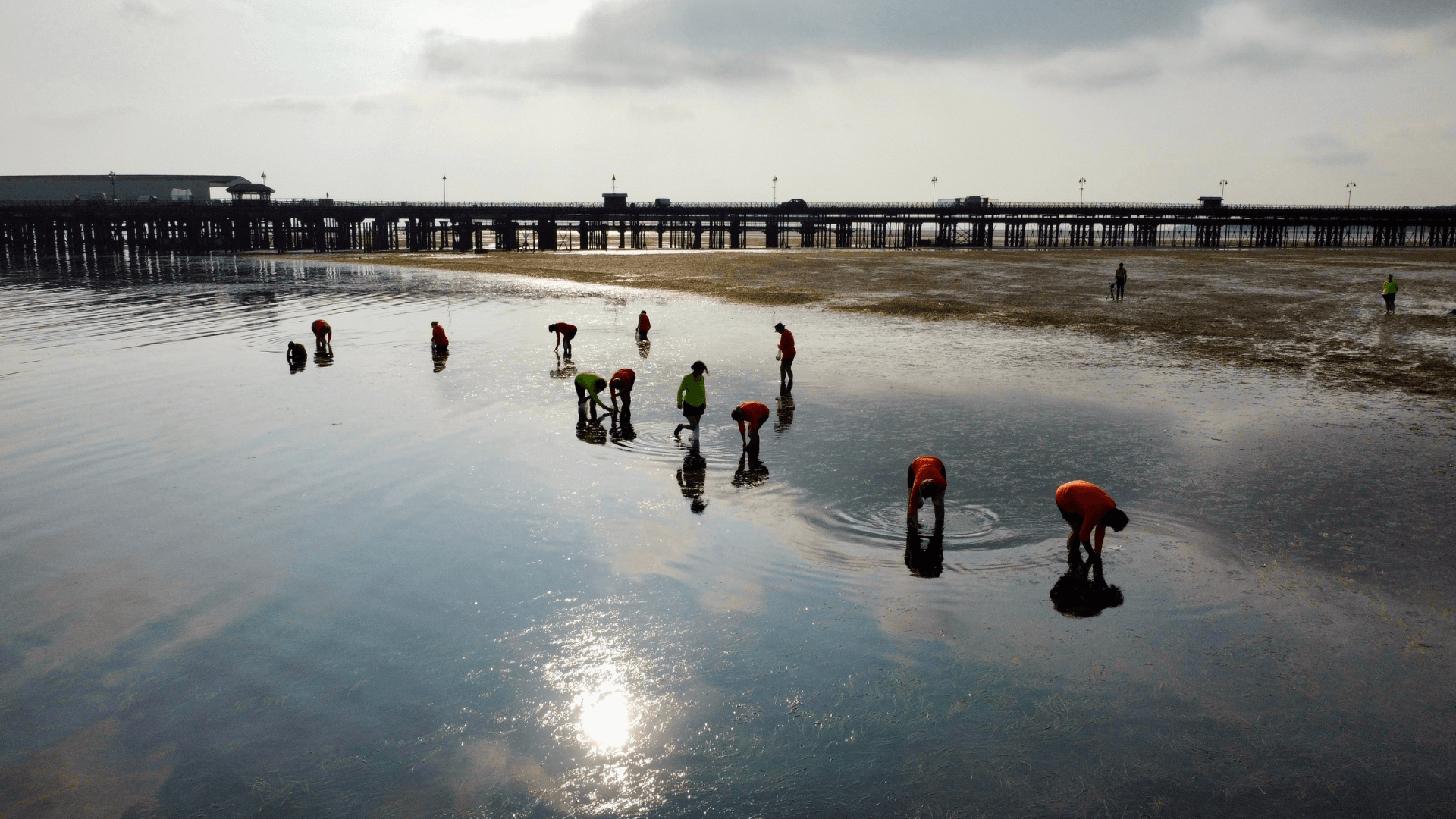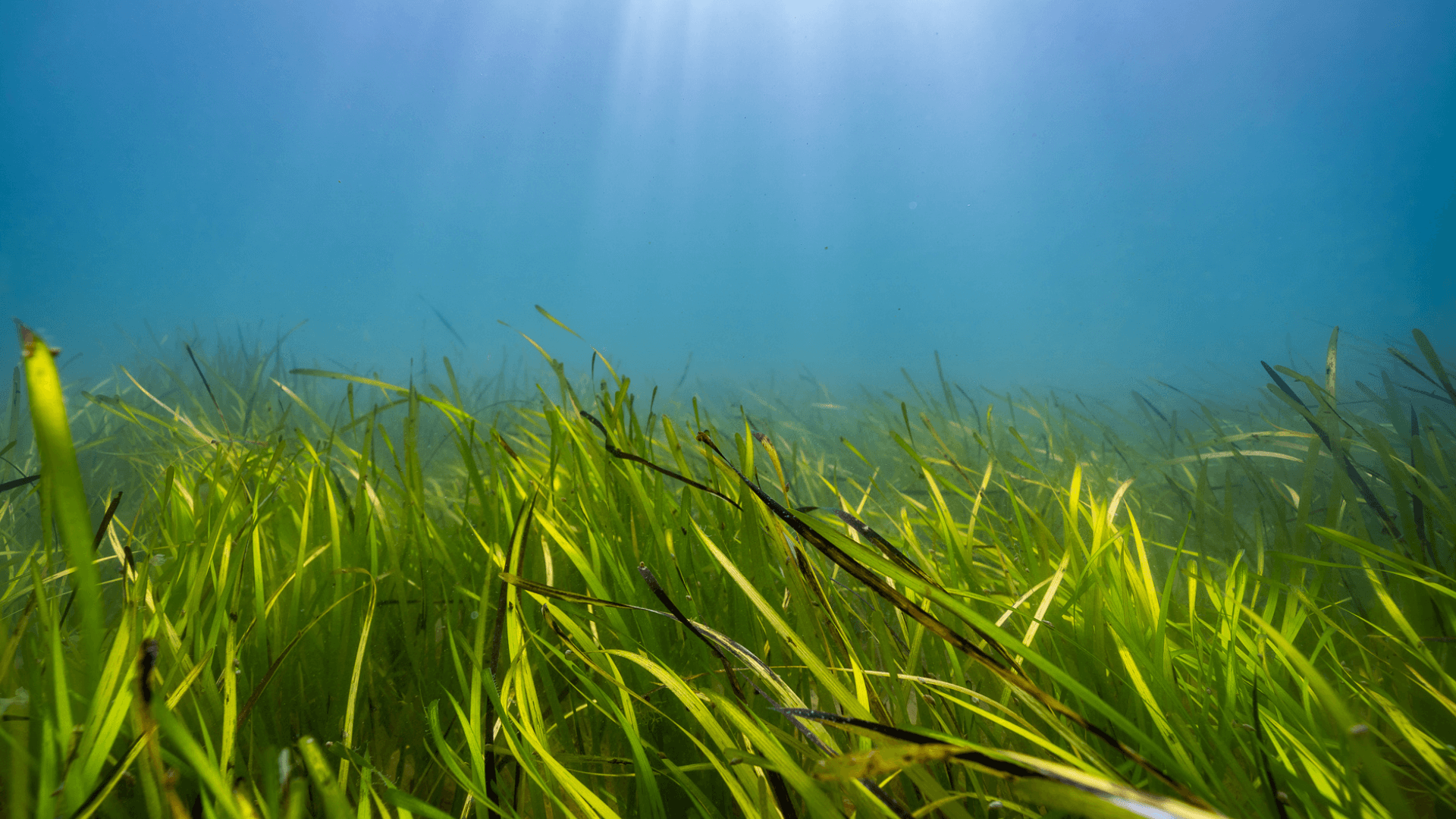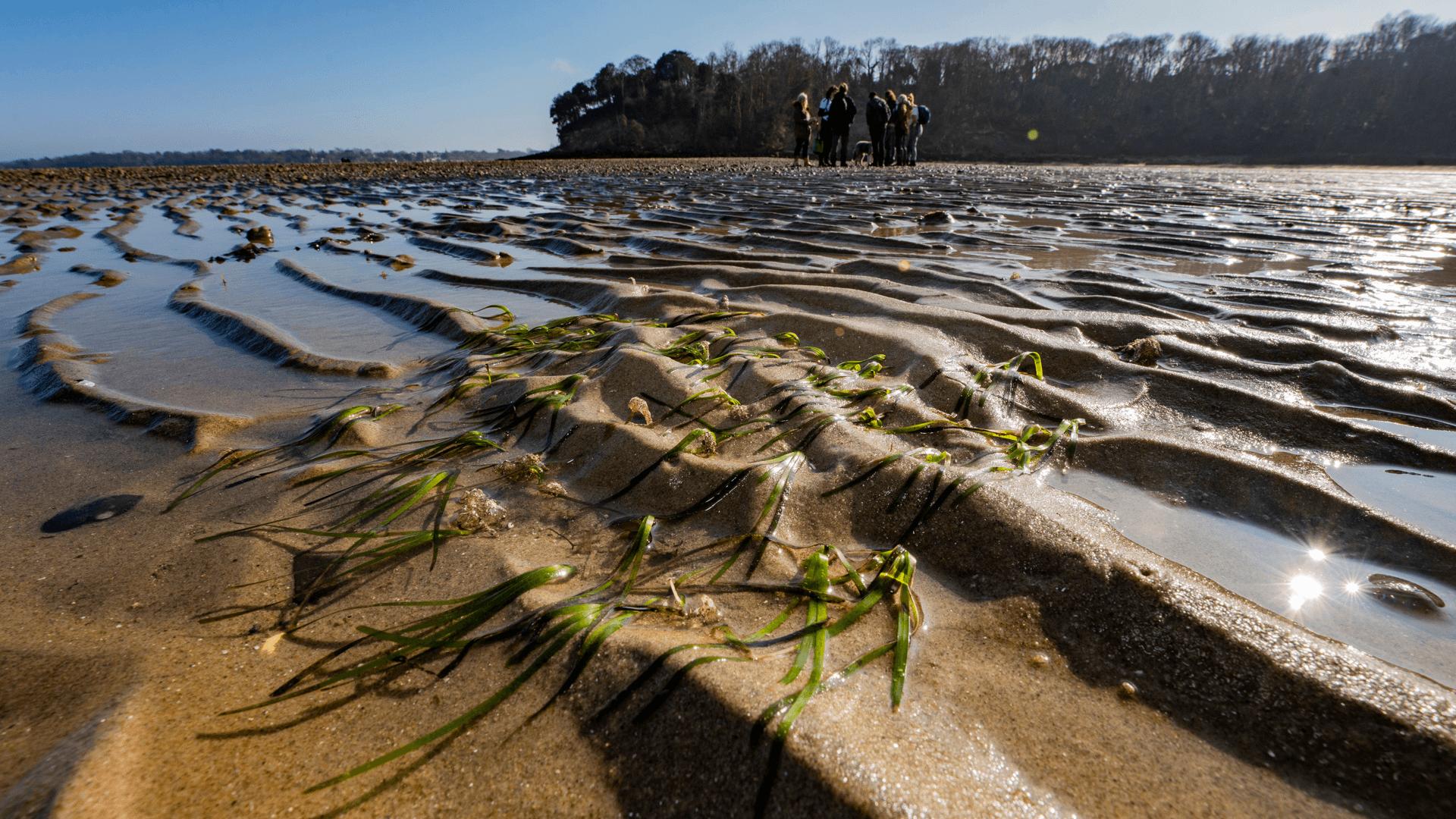
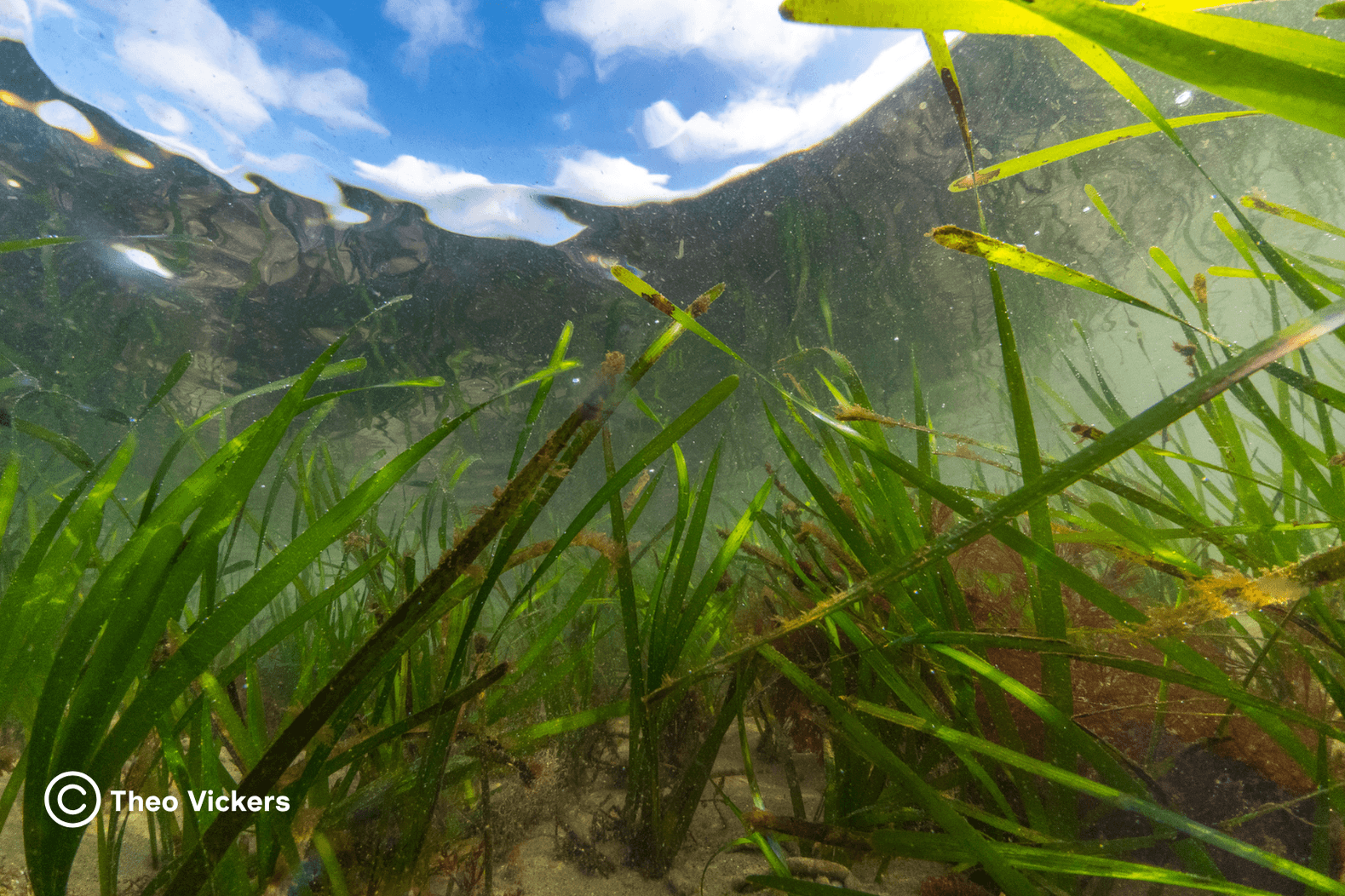
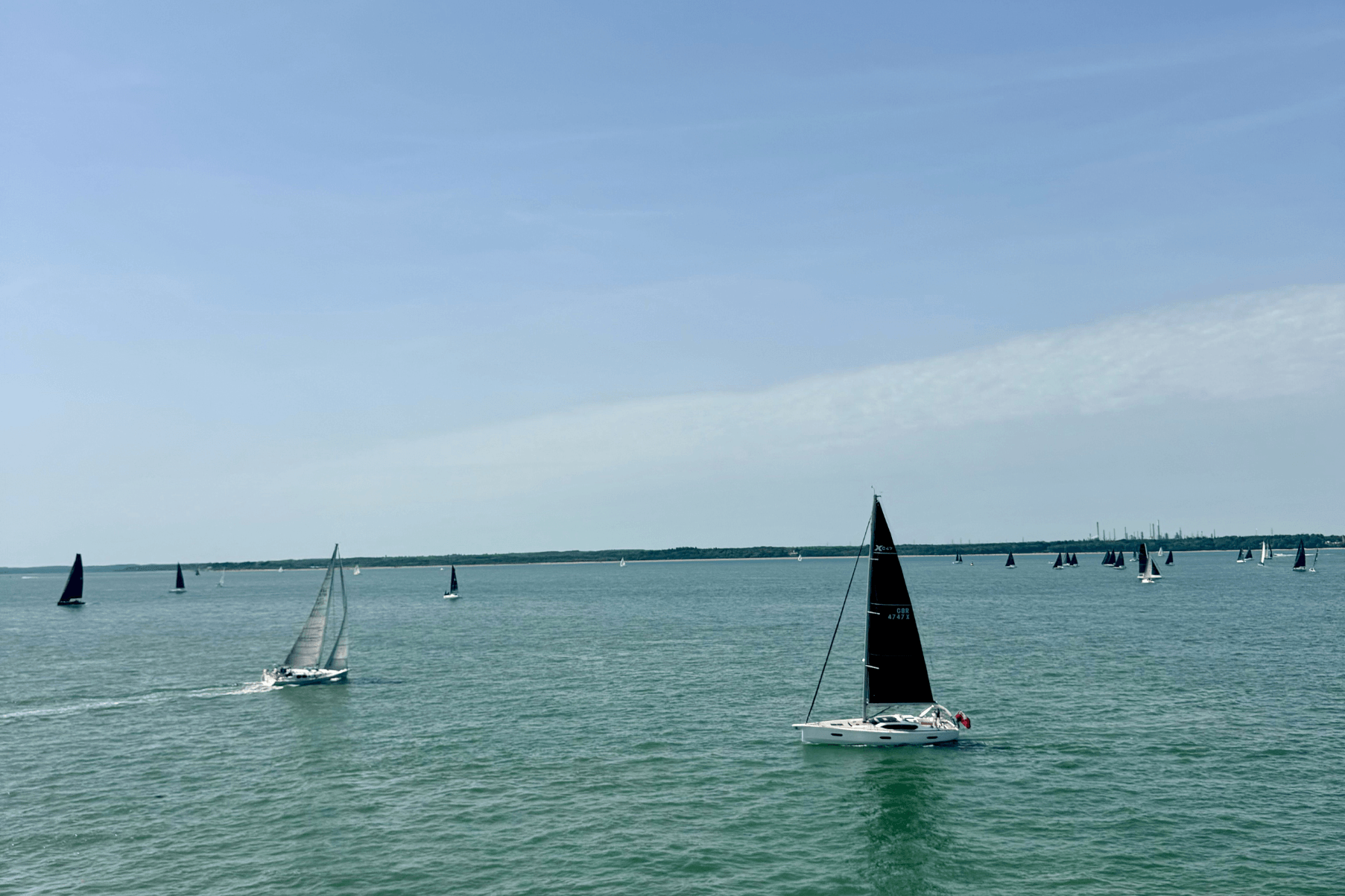
Priory Bay in the Isle of Wight supports important seagrass meadows that provide a home for marine life as well as supporting healthy coastlines. The bay is also of great value for boating and recreation, and a popular summer anchorage. This project is exploring ways to protect the seagrass in Priory Bay whilst also supporting boating.
An important part of this work has been understanding local perspectives and identifying practical workable solutions to protecting seagrass in Priory Bay while supporting boating activity. We are working with the community to find the best solution. Throughout summer 2026, the community had the opportunity to share views on protecting seagrass in Priory Bay via a survey.
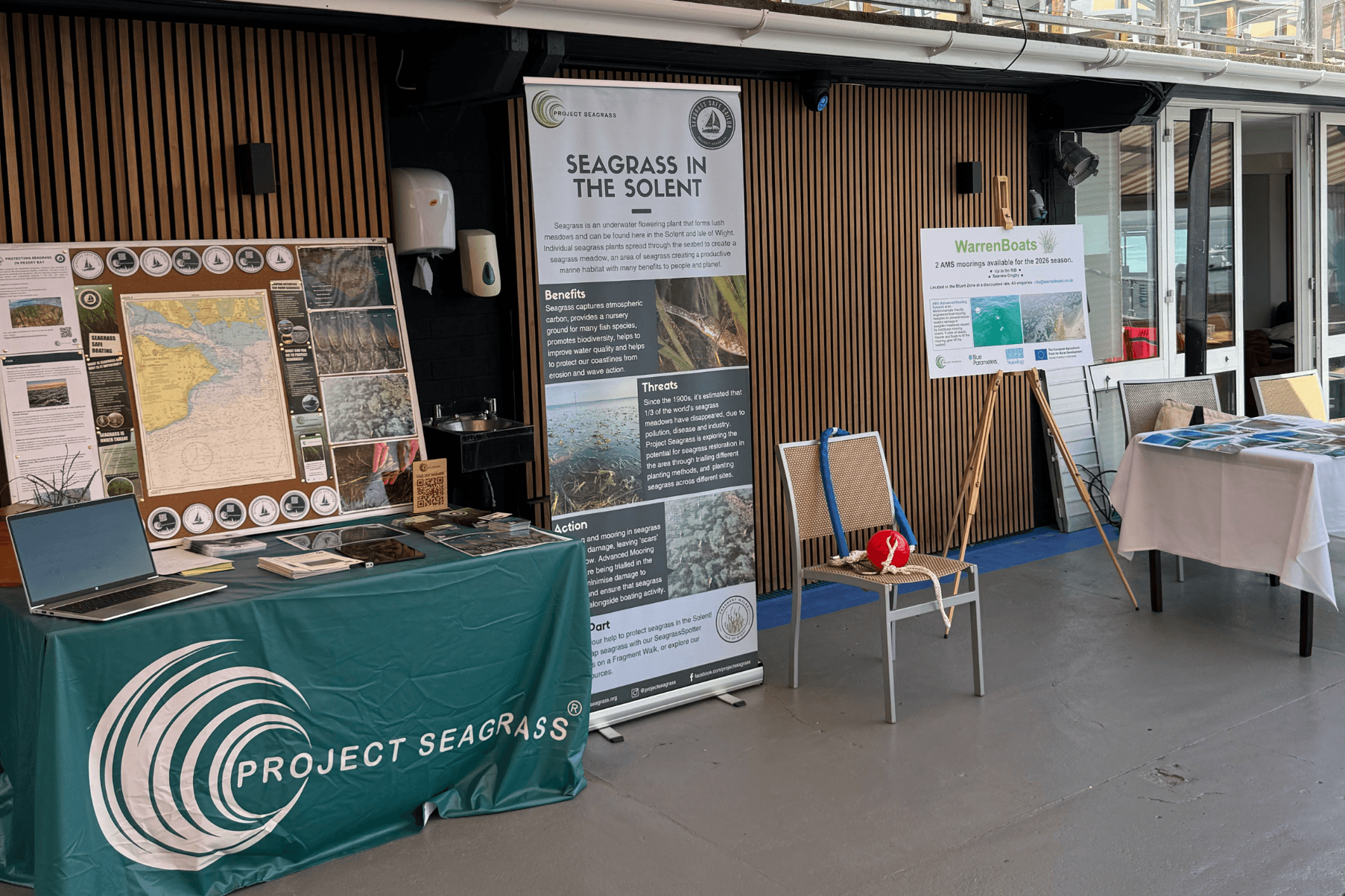
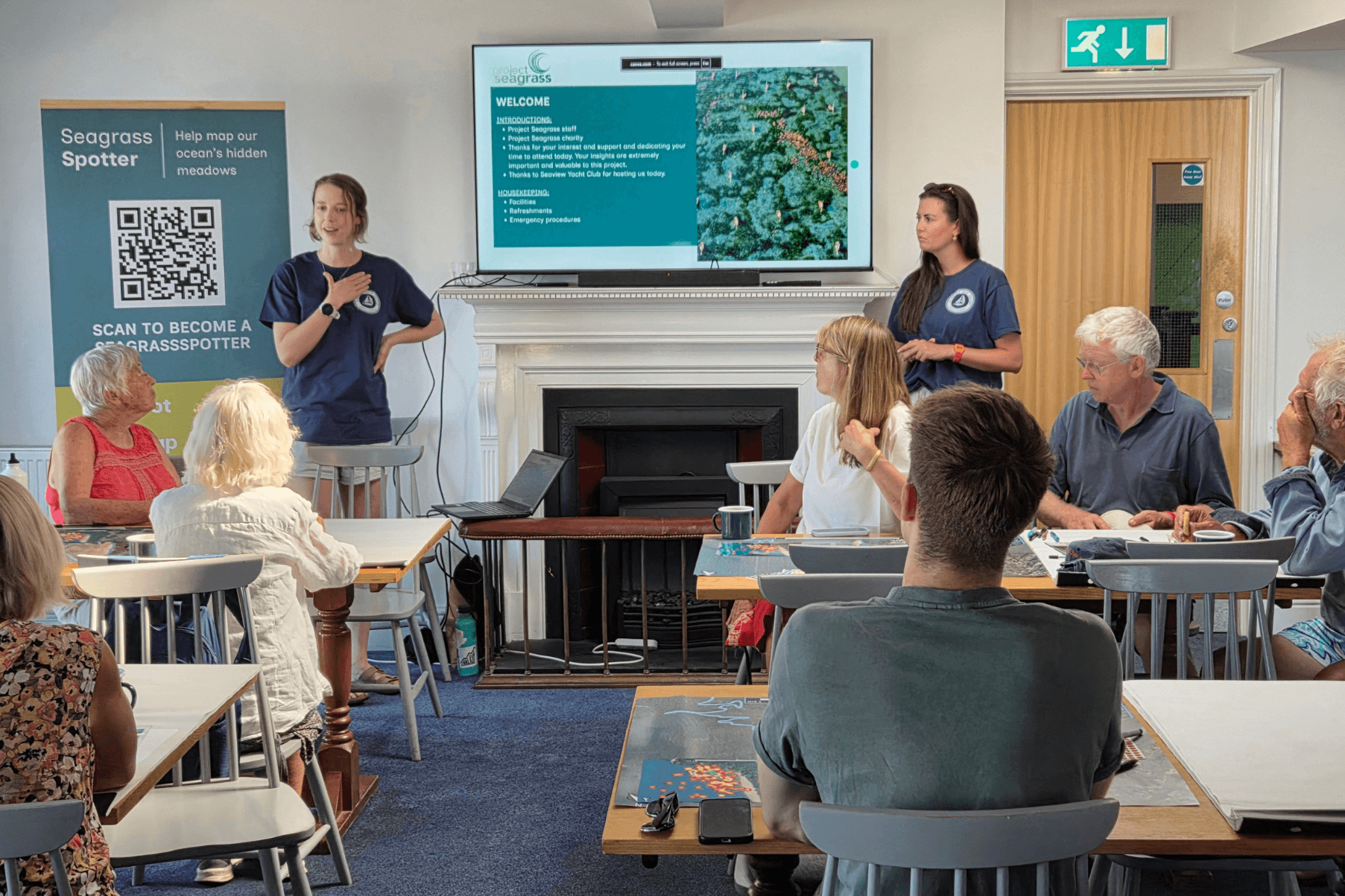
On the 23rd May 2026 we hosted a community drop-in session at Sea View Yacht Club. Thank you to the members of the community who joined us to share ideas and opportunities.
Alongside this, the Project Seagrass team have been working to collect additional data through seagrass ecology surveys, recreational surveys, and a feasibility study with a local contractor.
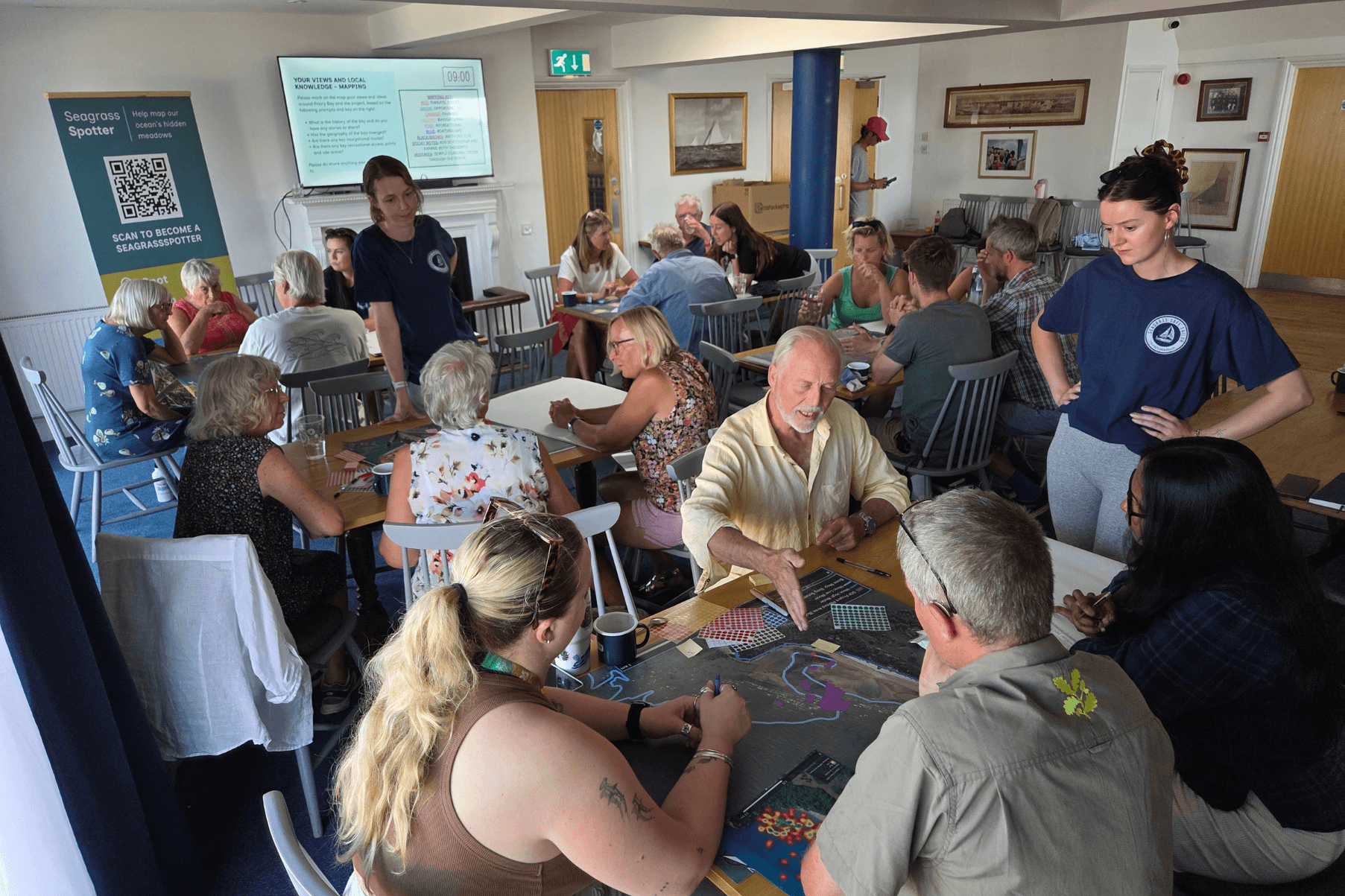
On the 13th August 2026 we hosted a Protecting Seagrass in Priory Bay: Next Steps Workshop at Sea View Yacht Club to map out the next steps for this project. As part of the workshop we:
If you are interested in helping to shape the project but were unable to make the workshop please contact feedback@projectseagrass.org
Seagrass is a marine flowering plant that forms underwater meadows with numerous benefits to people and planet. Seagrass meadows provide a home for marine life, stabilise the seabed, help to improve water quality and clarity, take up carbon from the atmosphere, and support the majority of the UK’s commercial fish species.
Focussing on local pressures such as boating has the potential to have the most positive impact on seagrass. Mooring and anchoring over seagrass can cause damage to seagrass, causing scar-type marks in a meadow. This affects the meadow’s resilience to other stressors such as poor water quality.
By choosing sustainable boating options, such as utilising Advanced Mooring Systems, careful anchoring practices, and being aware of where seagrass is, boating and seagrass can co-exist with minimal negative impacts.
Protecting seagrass in Priory Bay will help the natural and restored seagrass meadow to flourish, thus benefiting local wildlife, water quality, and stabilising the seabed. If subtidal visitor moorings are explored, these would provide a safe anchorage for local boaters.
AMS use innovative and modern equipment optimised for local conditions and effective in dynamic sea environments. AMS use in inshore areas in the UK is relatively new, yet they are well-established in other countries around the world, with offshore AMS having been used for longer, e.g. for floating offshore wind turbines.
Traditional mooring systems and anchoring can damage sensitive seabed habitats (e.g. maerl beds and seagrass) through scouring from chains. This has long term impacts including the release of carbon, a reduction in commercial fish nursery habitat, and worsened water clarity.
Yes, AMS are designed bespokely for the local environmental conditions, e.g. tidal height and wave action, whilst future-proofing for worsening storm events in light of climate change. AMS are being used around the world in high energy environments with big tidal ranges, e.g. in Portland, Maine, new installed moorings in seagrass areas now must be AMS.
In the UK, trials have taken place in numerous locations to test the efficacy for protecting the seabed, e.g. in Cawsands Cornwall, Torbay, Salcombe and Lundy Island in Devon, on the Isle of Wight, Strangford Lough Northern Ireland, locations in Scotland, and in Studland Bay in Dorset. Modelling has also been undertaken to test the strength of AMS and ability to cope with different hydrodynamic conditions.
If any of the options taken forwards require it, navigation and safety will be ensured at all stages of the process. All required organisations will be engaged with alongside further community consultation to identify appropriate locations according to navigational hazards, tides, currents, and depth. Specification and design will be worked on with a local contractor experienced with similar projects in the local area. Oversight and management will ensure regular maintenance and servicing by local contractors.
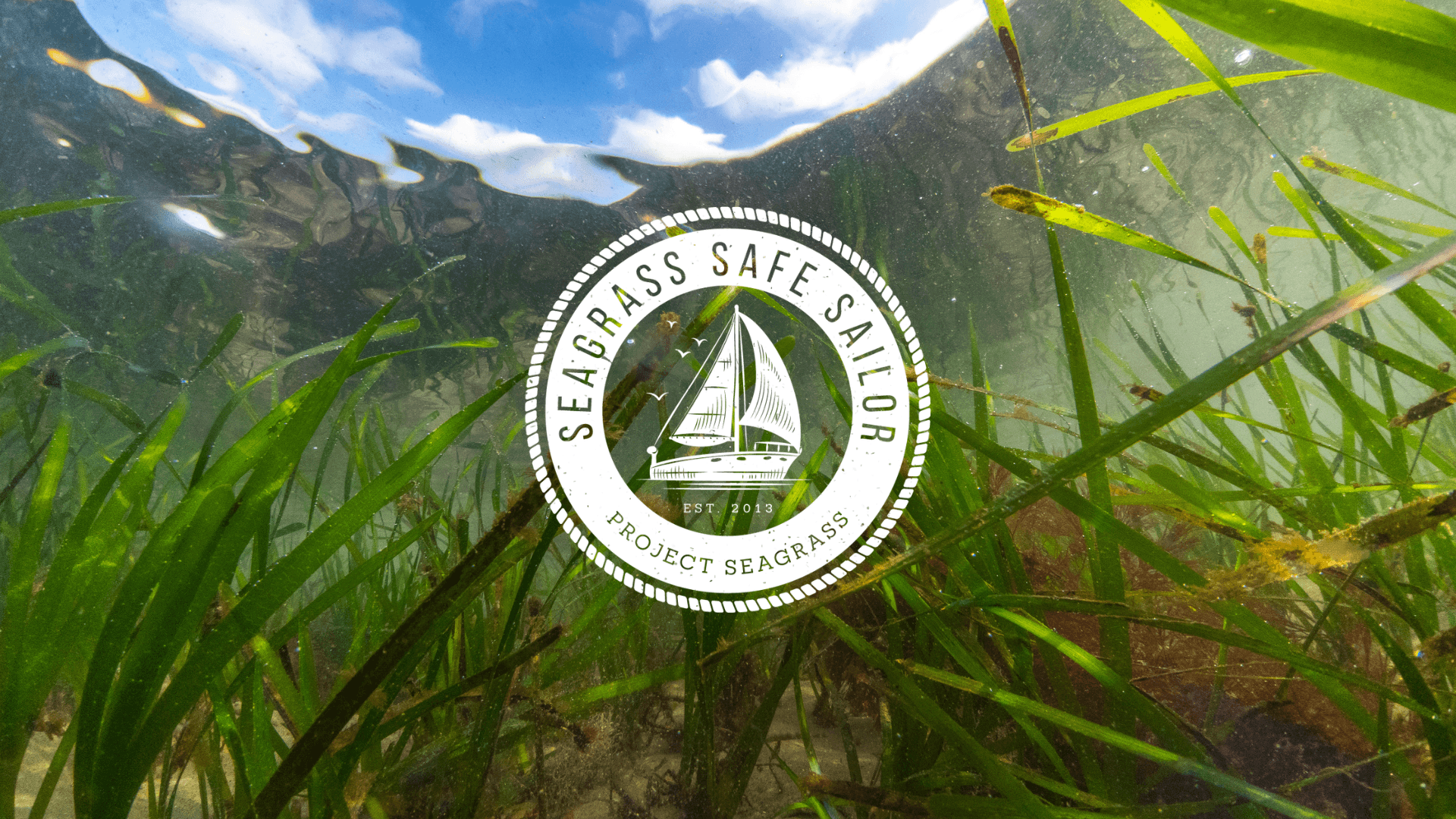
To reduce and minimise damage to the already sensitive and fragile seagrass environment there are a number of ways that recreational and commercial boat users can help us and become a Seagrass Safe Sailor:
The project is delivered as part of the Solent Seascape Project, the first project of its kind in the UK to initiate seascape-scale restoration, and is made possible through funding from The Crown Estate.