Tag: habitat loss

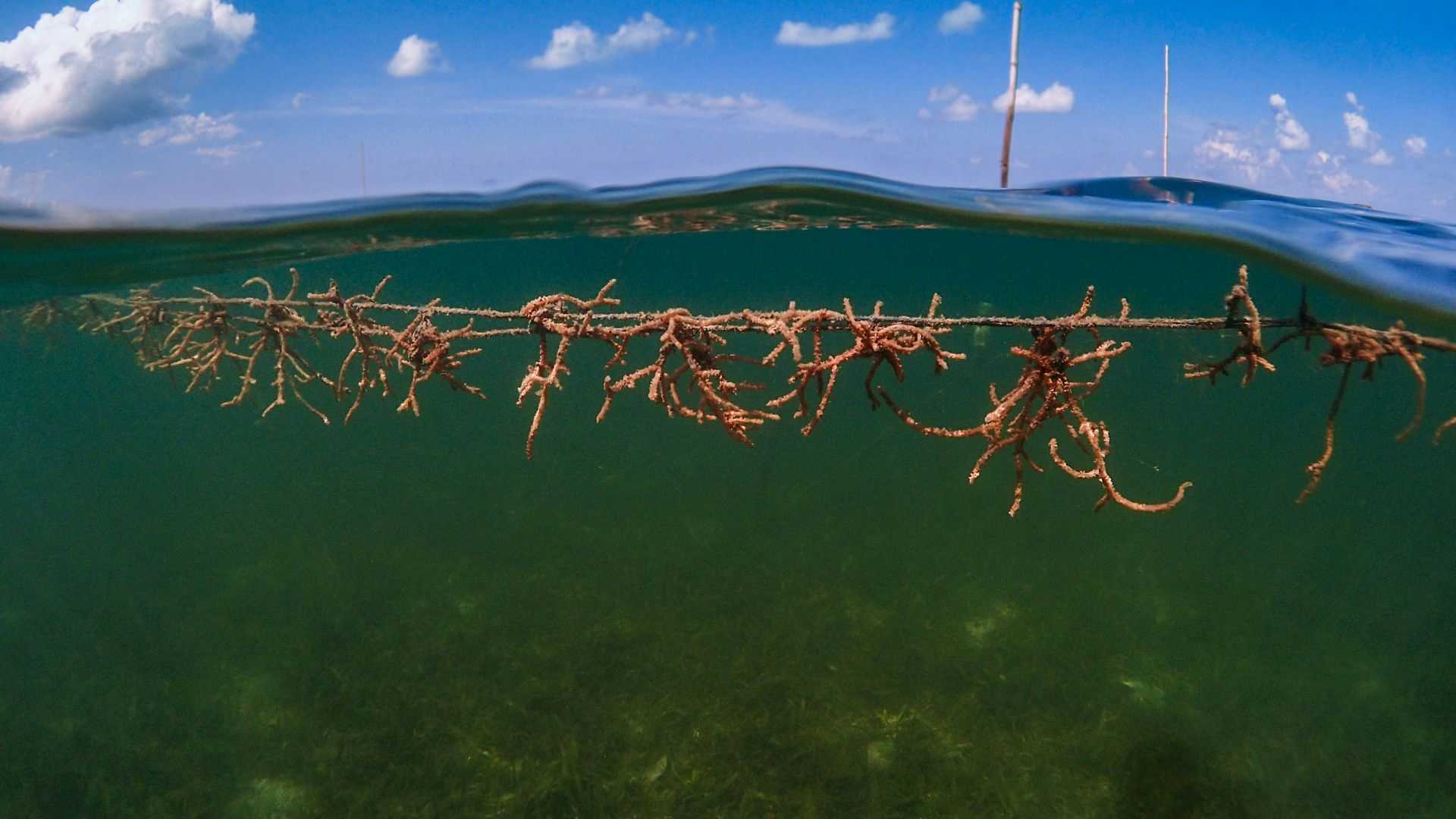
Seaweed being grown along a line.

Expanding seaweed farms pose a risk to vital marine life

Seaweed farming is a rapidly expanding global industry. As a food resource, it has high nutritional value and doesn’t need fertilisers to grow. Seaweed provides valuable habitats for marine life, takes up carbon and absorbs nutrients, plus it helps protect our coastlines from erosion. Usually, seaweeds grow on hard, rocky surfaces. Yet, to

Read More »
Seagrass meadow shift in warming seas

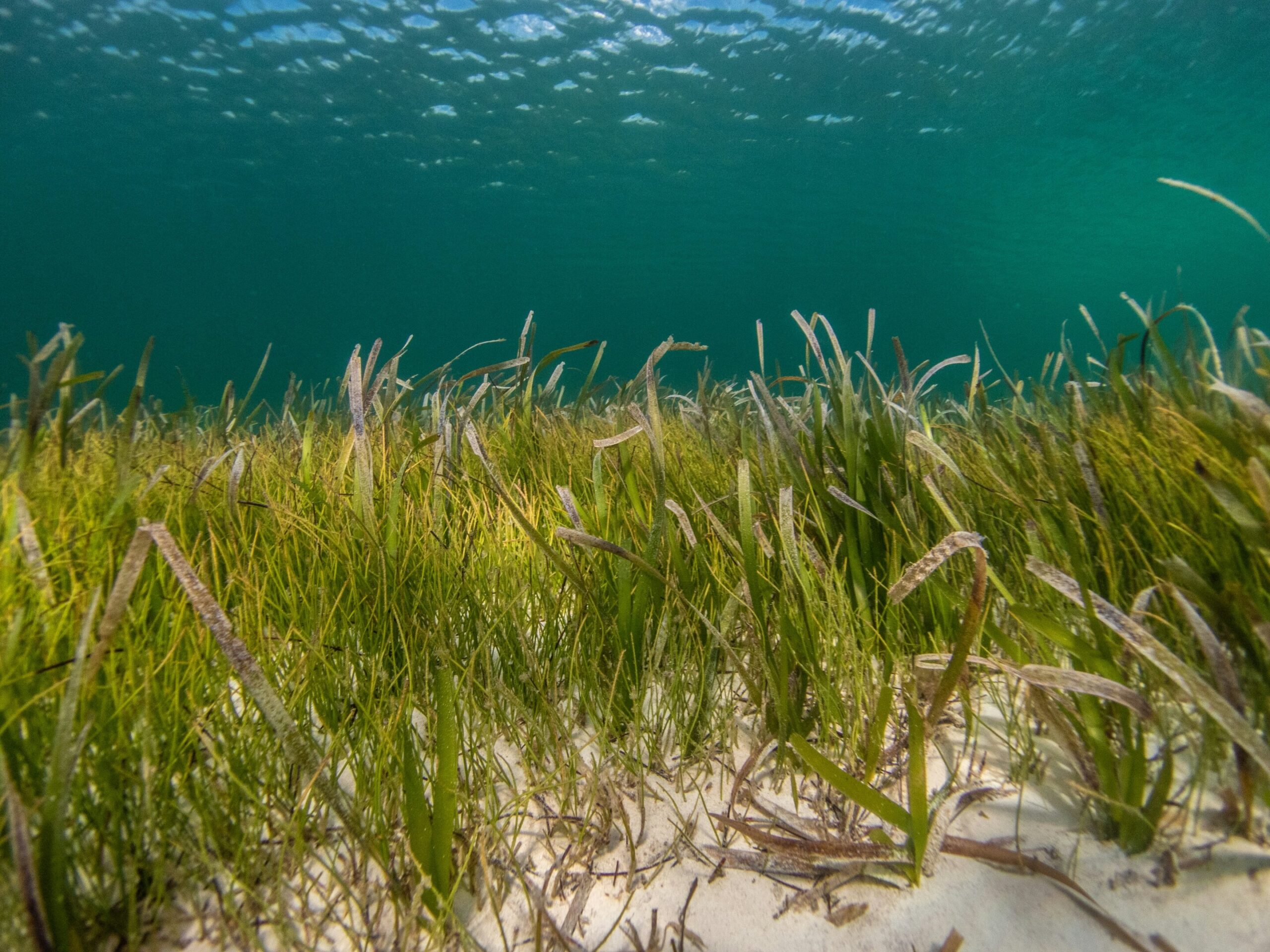
Beneath seagrass meadows, a shift in warming seas could decide which underwater habitats survive

On the western side of Lake Macquarie in New South Wales, Australia, sits Myuna Bay – a quiet bay with meadows of seagrass waving beneath the water. The most common marine plant species you find there is Zostera muelleri. It has long ribbon-like leaves that grow from stems (called rhizomes) buried beneath the sediment and provides important shelter for small fish, shrimp and crabs. Although Myuna Bay looks quite normal, it is actually a bit unusual. For decades, the nearby Eraring power station released warm water into the lake that was used to cool down their systems, causing water temperatures here to be consistently 1°C to 3°C higher than nearby sites. This made the bay a rare natural laboratory for understanding what warming oceans might mean for coastal ecosystems. In our new research, published today in the journal New Phytologist, we used this setting to investigate what happens to seagrass and the microbes living in the sediment when ocean temperatures increase in the way climate models predict they will in the future. Experimental design. Sediments (intact or disrupted microbial communities via autoclaving) and seagrass (Zostera muelleri) plants (with intact or disrupted rhizosphere microbial community) were transplanted into the warm environment to test how belowground microbes affect seagrass performance under elevated ocean temperatures. Six plants (two from each of the three ambient and warm sites) were randomly placed into each pot with five replicate pots per treatment. Credit: New Phytologist (2026).   One of the most important coastal habitats   Seagrasses are often overlooked, but they are among the most important coastal habitats on Earth. They are marine flowering plants that stabilize sediments, improve water clarity and provide food and shelter for many marine animals. They also store large amounts of carbon in the sediments beneath them, making them important for slowing climate change. But seagrasses don’t function alone. Beneath the leaves, in the sediments, lives a hidden ecosystem of microbes: bacteria, fungi and other microscopic organisms that interact with the plant. Just as plants on land depend on soil microbes, seagrasses rely on microbial communities in the sediment around their roots. These microbes carry out many important processes. Some provide nutrients that plants need to grow. Others break down organic matter or detoxify harmful compounds in the sediment. In some ways, the relationship can be compared to the partnership between corals and the microscopic algae living inside them. Corals rely on those algae for energy, while seagrasses depend on microbes to help maintain a healthy environment around their roots. But not all microbes are helpful. Some produce sulfide, a compound that can be toxic to seagrass roots when it accumulates in sediments. We are starting to find out that whether microbial communities help or harm the plant can depend strongly on environmental conditions, including increases in ocean temperatures due to climate change.   Simulating future ocean warming in the field   To understand how ocean warming might affect the relationship between seagrasses and microbes in the sediment under realistic future conditions, we designed a field experiment at Myuna Bay. We collected seagrass plants and sediments from both warmer and “normal” temperature sites in Lake Macquarie. Some plants were grown in sediments with their microbial communities intact. In other treatments, the sediments were heated to 121°C to disrupt the microbes; this reduces total bacterial abundance by more than 95%. This allowed us to test how plants performed when the microbial community was intact versus when it had been disrupted. We then placed plants in pots with those different sediments and exposed the plants to warmer conditions at Myuna Bay, similar to those expected in the future. After one month, we monitored how the plants responded. We measured how they survived, how many shoots they produced and how their biomass changed over time. At the same time, we analyzed the bacterial communities in the sediment using DNA sequencing to see how they differed between treatments.   Looking beyond plants   When plants were grown in sediments from “normal” temperature sites, seagrass performed well whether the microbes were intact or disrupted. But when plants were grown in sediments from warmer sites, the outcome changed: plants growing with intact sediment microbial communities performed worse. These sediments from the warm areas also contained different bacterial communities, which may help explain the lower plant biomass we observed. One possible explanation involves sulfide. In seagrass sediments, certain microbes produce sulfide as part of their metabolism. At high concentrations, sulfide can be toxic for seagrasses. Warmer temperatures may stimulate microbial activity, increasing sulfide production and tipping the balance from a supportive microbial community to one that harms the plant. Our findings highlight an important idea: the impacts of climate change on seagrasses can’t be understood by looking at the plants alone. The microbial communities living in the sediment can also influence how these plants respond to warming. This has important implications for conservation and restoration. Around the world, seagrass meadows are declining due to coastal development, pollution and climate change. Restoration projects often focus on planting seagrass shoots or seeds. But the condition of the surrounding sediment, including its microbial community, may also determine whether restoration succeeds. As oceans continue to warm, the future of seagrass meadows may depend not only on the plants we see when snorkelling, but also on the microscopic microbes living in the sediment beneath them.   More information: This article is republished from Phys.org Read the research paper here: Ocean warming indirectly affects seagrass performance through effects on sediment microbial communities – Jongen – New Phytologist – Wiley Online Library

Read More »
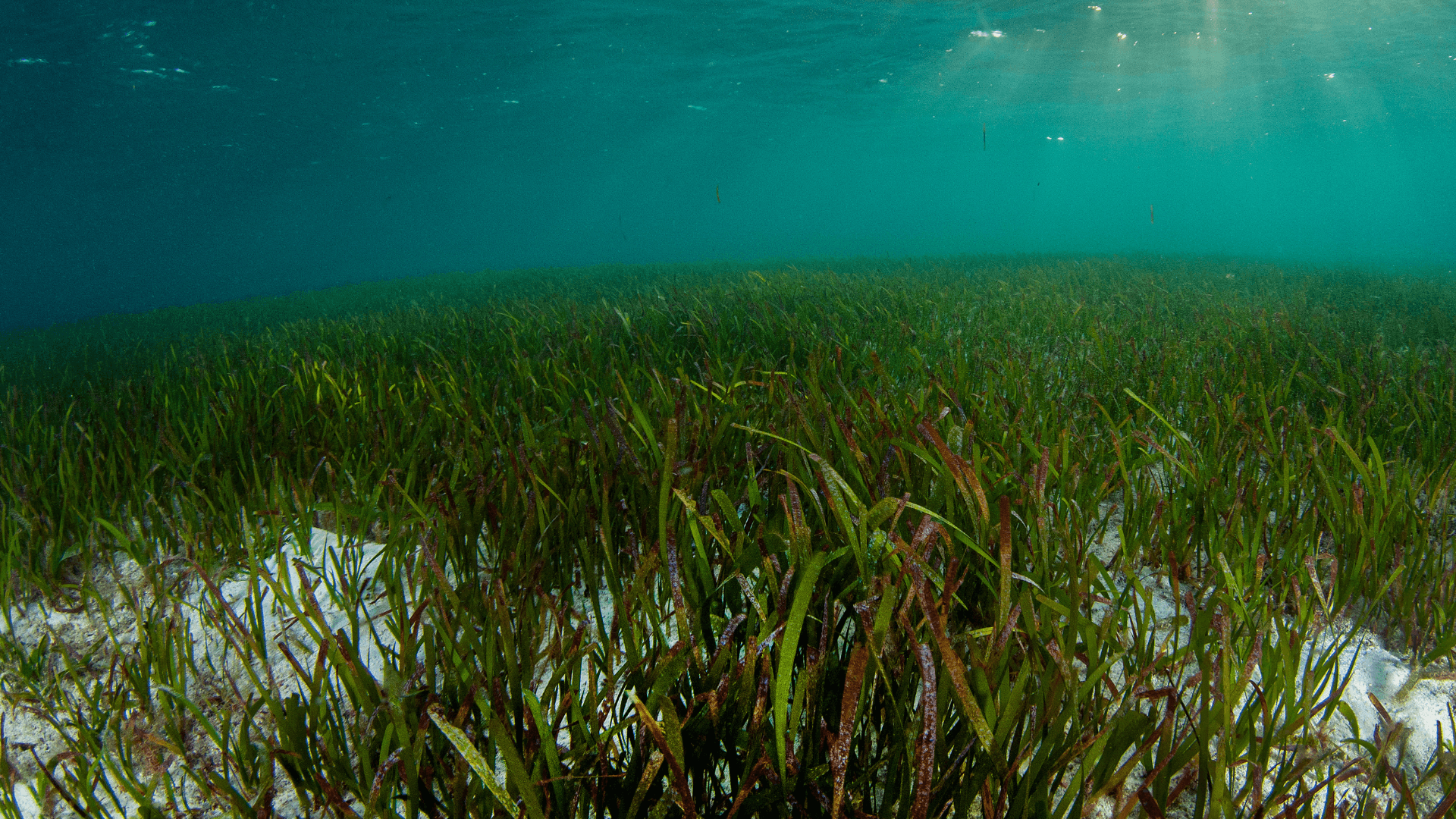
Underneath the surface of the water is a dense seagrass meadow

Passive vs Active Marine Restoration: Why Both Are Crucial for Ocean Health

Jasper Brown, one of Project Seagrass’ Interns for the 2025-26 academic year and 3rd Year Student in BSc Zoology with Marine Zoology at Bangor University, explores the need for both active and passive restoration to secure a future for our important seagrass habitats. Marine ecosystems worldwide are under threat. Rising temperatures, ocean acidification, and water pollution are just a few of the key drivers in the decreasing quality of our marine ecosystems. Researchers have found that many aquatic species are shifting poleward at an average rate of 70 kilometres every decade (Melbourne-Thomas et al., 2021) – a vast response to changing conditions. Species such as the American Lobster, Cushion Star, and Humboldt Squid have nearly doubled their latitude range, showing the clear extent of this poleward shift in marine species (Pinsky et al., 2020).   Why are they moving? One crucial reason is habitat loss. Seagrass meadows, coral reefs, and kelp forests are disappearing worldwide, reducing opportunities for biodiversity and removing essential nursery habitats for marine life.   The solution is clear: we must conserve and restore.   Across the globe, charities and organisations are embracing active restoration – direct interventions to rebuild habitats.    The work consists of planting seagrass, reforesting mangroves, and coral Gardening. All of which provide crucial environmental benefits: large carbon sinks, coastal protection, and providing nursery habitats.     Seagrass planting involves transplanting seeds and rhizomes near existing meadows (do Amaral Camara Lima et al., 2023).   Coral gardening uses nurseries to grow coral fragments, which are later transplanted to reefs that support approximately 25% of all marine species (Rinkevich, 2014; Gallagher, 2025; Pacific Coastal and Marine Science Center, 2022).   Mangrove reforestation involves planting seedlings along suitable coastlines (Zahra Farshid et al., 2022; Bimrah et al., 2022).     These methods are being implemented worldwide, from the Persian Gulf in western Asia to the Firth of Forth in Scotland. Yet, challenges persist. Active restoration projects are costly, often relying on charitable donations and grants (Paling et al., 2009). Despite these hurdles, active restoration works, a recent review by Danovaro (2025), found an average success rate of 64% across 764 projects.   Is active restoration enough? However, success depends on environmental conditions; water clarity, for example, is critical for seagrass survival due to photosynthesis requiring sufficient light. Declining clarity, driven by pollution, bottom trawling, and dredging, increases turbidity, which limits restoration efforts (Paling et al., 2009).   This is where passive restoration comes in Passive strategies focus on removing environmental pressures and creating conditions for ecosystems to heal naturally. Examples include implementing policies to regulate fertilizer use and reduce nutrient runoff, as well as enforcing Marine Protected Areas (MPAs). These acts will reduce eutrophication in our waterways and lead to a more stable marine environment, leading to the eventual reduction in coral bleaching and seagrass meadow reduction. MPAs have been shown to restore ecosystem functions such as predation (Cheng et al., 2019), highlighting their critical role in maintaining biodiversity.  Conclusion While MPAs are just one example, they perfectly highlight the value of passive restoration in its entirety. The greatest benefits come from integrating passive and active approaches. By enforcing regulations and establishing strict no-trawl zones, we can reduce nutrient loads and sedimentation. Through these efforts, our marine ecosystems will one day thrive again, meaning we get to see the animals and plants we so dearly care about. References Bimrah, K., Dasgupta, R., Hashimoto, S., Saizen, I., & Dhyani, S. (2022). Ecosystem Services of Mangroves: A Systematic Review and Synthesis of Contemporary Scientific Literature. Sustainability, 14(19), 12051. https://doi.org/10.3390/su141912051  Bulmer, R. H., Townsend, M., Drylie, T., & Lohrer, A. M. (2018). Elevated Turbidity and the Nutrient Removal Capacity of Seagrass. Frontiers in Marine Science, 5. https://doi.org/10.3389/fmars.2018.00462  Cheng, B. S., Altieri, A. H., Torchin, M. E., & Ruiz, G. M. (2019). Can marine reserves restore lost ecosystem functioning? A global synthesis. Ecology, 100(4), e02617. https://doi.org/10.1002/ecy.2617  Danovaro, R., Aronson, J., Bianchelli, S., Boström, C., Chen, W., Cimino, R., Corinaldesi, C., Cortina-Segarra, J., D’Ambrosio, P., Gambi, C., Garrabou, J., Giorgetti, A., Grehan, A., Hannachi, A., Mangialajo, L., Morato, T., Orfanidis, S., Papadopoulou, N., Ramirez-Llodra, E., & Smith, C. J. (2025). Assessing the success of marine ecosystem restoration using meta-analysis. Nature Communications, 16(1). https://doi.org/10.1038/s41467-025-57254-2  do Amaral Camara Lima, M., Bergamo, T. F., Ward, R. D., & Joyce, C. B. (2023). A Review of Seagrass Ecosystem services: Providing nature-based Solutions for a Changing World. Hydrobiologia, 850(12-13), 2655–2670. https://doi.org/10.1007/s10750-023-05244-0  Gallagher, M. (2025, August 24). What Ecosystem Services Do Coral Reefs Provide? – Green Packs. GreenPacks. https://greenpacks.org/what-ecosystem-services-do-coral-reefs-provide/  Melbourne-Thomas, J., Audzijonyte, A., Brasier, M. J., Cresswell, K. A., Fogarty, H. E., Haward, M., Hobday, A. J., Hunt, H. L., Ling, S. D., McCormack, P. C., Mustonen, T., Mustonen, K., Nye, J. A., Oellermann, M., Trebilco, R., van Putten, I., Villanueva, C., Watson, R. A., & Pecl, G. T. (2021). Poleward bound: adapting to climate-driven species redistribution. Reviews in Fish Biology and Fisheries. https://doi.org/10.1007/s11160-021-09641-3  Pacific Coastal and Marine Science Center. (2022, June 27). Role of Reefs in Coastal Protection | U.S. Geological Survey. Www.usgs.gov. https://www.usgs.gov/centers/pcmsc/science/role-reefs-coastal-protection  Paling, Fonseca, M., Katwijk, M., & Keulen, van. (2009). Seagrass restoration. In Coastal wetlands: an integrated ecosystems approach. (pp. 687–713).  Rinkevich, B. (2014). Rebuilding coral reefs: does active reef restoration lead to sustainable reefs? Current Opinion in Environmental Sustainability, 7, 28–36. https://doi.org/10.1016/j.cosust.2013.11.018  Zahra Farshid, Reshad Moradi Balef, Tuba Zendehboudi, Dehghan, N., Mohajer, F., Siavash Kalbi, Hashemi, A., Afshar, A., Tabandeh Heidari Bafghi, Hanieh Baneshi, & Amin Tamadon. (2022). Reforestation of grey mangroves (Avicennia marina) along the northern coasts of the Persian Gulf. Wetlands Ecology and Management, 31(1), 115–128. https://doi.org/10.1007/s11273-022-09904-1 
Read More »
Seaweed being grown along a line.

Expanding seaweed farms pose a risk to vital marine life

Seaweed farming is a rapidly expanding global industry. As a food resource, it has high nutritional value and doesn’t need fertilisers to grow. Seaweed provides valuable habitats for marine life, takes up carbon and absorbs nutrients, plus it helps protect our coastlines from erosion. Usually, seaweeds grow on hard, rocky surfaces. Yet, to farm seaweed, potential areas need to be easily accessible and relatively sheltered. This is where seaweed can grow with limited risk of being dislodged by waves. Seaweed farms in Asia, in countries like China and Indonesia, are responsible for more than 95% of global seaweed production. Seaweed farms, particularly those in Southeast Asia, are commonly in the very same environments where seagrass meadows thrive. Competition for resources ensues. Evidence shows that tropical seaweed farms, when placed in or on top of tropical seagrass meadows leads to a decline in the growth and productivity of seagrass. There is also evidence that seaweeds outcompete seagrasses in cooler waters, especially when nutrients in the water are very high. Despite negative interactions, such as shading, between seaweed and seagrass, some scientists now advocate for a global expansion of seaweed farming in areas where seagrass grows. This call, comes at a time when seagrass global initiatives are trying to stem seagrass loss. Efforts are underway to expand these habitats to their once extensive range to help fight climate change and biodiversity loss. Seagrass meadows are a crucial store of carbon, providing habitats for a wide array of animals. Why farm seaweed on top of seagrass? The reason that some scientists are advocating for farming seaweed in seagrass is that their research claims that the presence of seagrass reduces disease causing bacterial pathogens by 75%. A major win for a relatively low tech industry where seaweed disease outbreaks hinder production. These scientists are not the only ones advocating for seaweed production at scale. Global conservation charities, like World Wildlife Fund and The Nature Conservancy, as well as the Earthshot prize launched by Prince William all support seaweed cultivation programmes in areas likely to contain abundant seagrass. However, together with other scientists, we have argued in an academic response in the journal PNAS that their claim is premature. We are concerned that, without appropriate management, these seaweed programmes threaten marine biodiversity and the benefits that humans get from the ocean. Despite historic and globally widespread seaweed cultivation, effects on seagrass have mostly been ignored. Where studies exist, effects have been negative for seagrass, its ability to capture carbon, and the diverse animals that call it home. Entanglement of migratory animals, such as turtles and dugong with seaweed also needs wider consideration. This is especially the case given new legal frameworks to protect their habitat, and there is ongoing concern for these species being killed by seaweed farmers. The equity of coastal fishing grounds also comes into question, as communities that use seagrass for fishing are most likely to lose access. Conservation charities advocate for tropical seaweed farms for good reason. This is to improve community resilience in the face of degrading coral reefs and overfishing. While projects mostly have the best intentions, they often don’t consider cascading unintended consequences, nor the equity of the whole community. In reality, seaweed farm placement is effectively akin to ocean grabbing (the act of dispossession or appropriation of marine resources or spaces) with farmers winning on a “first come, first serve” basis, despite not owning the seabed. Some seagrass meadows in Zanzibar, Tanzania, have recovered since seaweed farms have been removed. GoogleEarth Sustainable standards If seaweed farming is to be expanded, standards for sustainability must be upheld and strengthened. In 2017, a sustainable seaweed standard was launched by the Aquaculture and Marine Stewardship Councils. But few tropical seaweed farms meet the criteria outlined in this standard due to known consequences that affect seagrass (rightly defined in the standard as vulnerable marine habitats) and likely negative effects on endangered species, like dugong, that frequent seagrass habitats. Seaweed cultivation strategies have mixed evidence for long-term success. In Tanzania, many farmers have abandoned the industry due to low monetary rewards compared to the investments they put in, and some evidence suggests that the activity reduces income and health, particularly for women. Where seaweed cultivation has been implemented to reduce fishing pressure, it has instead increased (and often just displaced) fishing activity. Given the rapidly increasing threats faced by tropical marine habitats despite the role they play in climate resilience, understanding trade-offs prior to large scale expansion of seaweed farming is a priority. To reduce further any negative effects, international programmes and research advocating for large-scale seaweed farms need to align more readily with the seaweed standard. More information: This article was published in The Conversation Jones. et al, Risks of habitat loss from seaweed cultivation within seagrass, PNAS (2025). https://doi.org/10.1073/pnas.242697112 Seaweed farms are often placed on top of seagrass meadows. Niels Boere/flickr A women prepares seaweed ropes for deployment in the Wakatobi, Indonesia. Benjamin Jones/Project Seagrass

Read More »