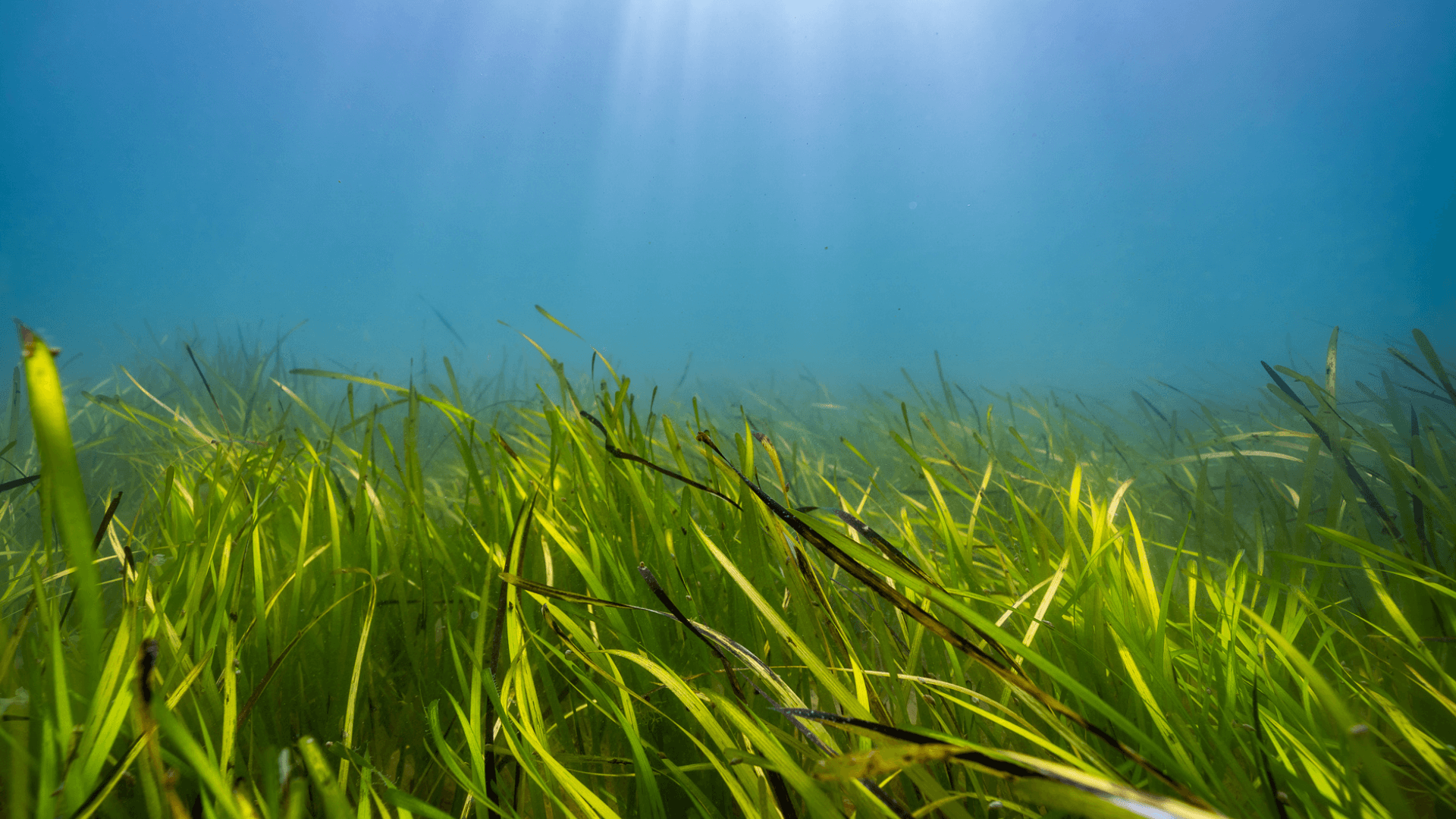
Between 2022 and 2025, the Seagrass Ocean Rescue: Solent project brought together scientists, practitioners, stakeholders, and local communities to explore the potential for seagrass restoration and conservation across the Solent. Funded by WWF and delivered in partnership with Project Seagrass, Swansea University, and Liz Earle, the project laid critical foundations for long-term seagrass restoration and conservation across the Solent and Isle of Wight, acting as a catalyst for habitat recovery, protection, and increased investment.
Seagrass meadows are essential ecosystems. They support biodiversity, stabilise coastlines, and capture carbon. Yet across the UK, these habitats have declined significantly, particularly within the last century. The Seagrass Ocean Rescue: Solent project set out to answer two key questions:
1) Can seagrass, in this case Zostera marina, be successfully restored and reestablished in the Solent’s intertidal zone, and
2) Which restoration methods are most effective in ensuring long-term growth and survival
Co-designing seagrass restoration at scale
Working collaboratively with regulatory bodies and key stakeholders, the Seagrass Ocean Rescue: Solent project began with a period of extensive survey work. The aim of this phase of the project was to understand the current mapped seagrass in the Solent, develop understanding of seagrass meadow reproduction to inform donor meadow selection for seagrass seed collections, develop understanding of meadow health and biodiversity within Solent seagrass meadows, and determine site selection for experimental planting trials.
Current extent of seagrass in the Solent
The Project Seagrass team made use of multiple open-source data platforms to carry out an assessment of the currently mapped seagrass meadows in the Solent and Isle of Wight. This review built upon estimates of 698 hectares of seagrass meadows around the Isle of Wight from surveys conducted by the Hampshire and Isle of Wight Wildlife Trust between 2006-2014.
As part of this data review, the team identified notable discrepancies between predicted seagrass absence and field survey evidence showing that seagrass was in fact present. Field-based surveys revealed extensive Zostera marina meadows at locations including Seaview in the Isle of Wight that were not represented in available open-source mapping datasets, including those underpinning Habitat Suitability Models (HSMs).
These findings indicate that a substantial proportion of seagrass meadows within the Solent and Isle of Wight remain unmapped, with significant implications for restoration planning, ecological research, and evidence-based policy development. These findings also highlight the need for a national-level review of seagrass distribution across the British Isles, as existing datasets may be outdated, unreliable, or not representative.
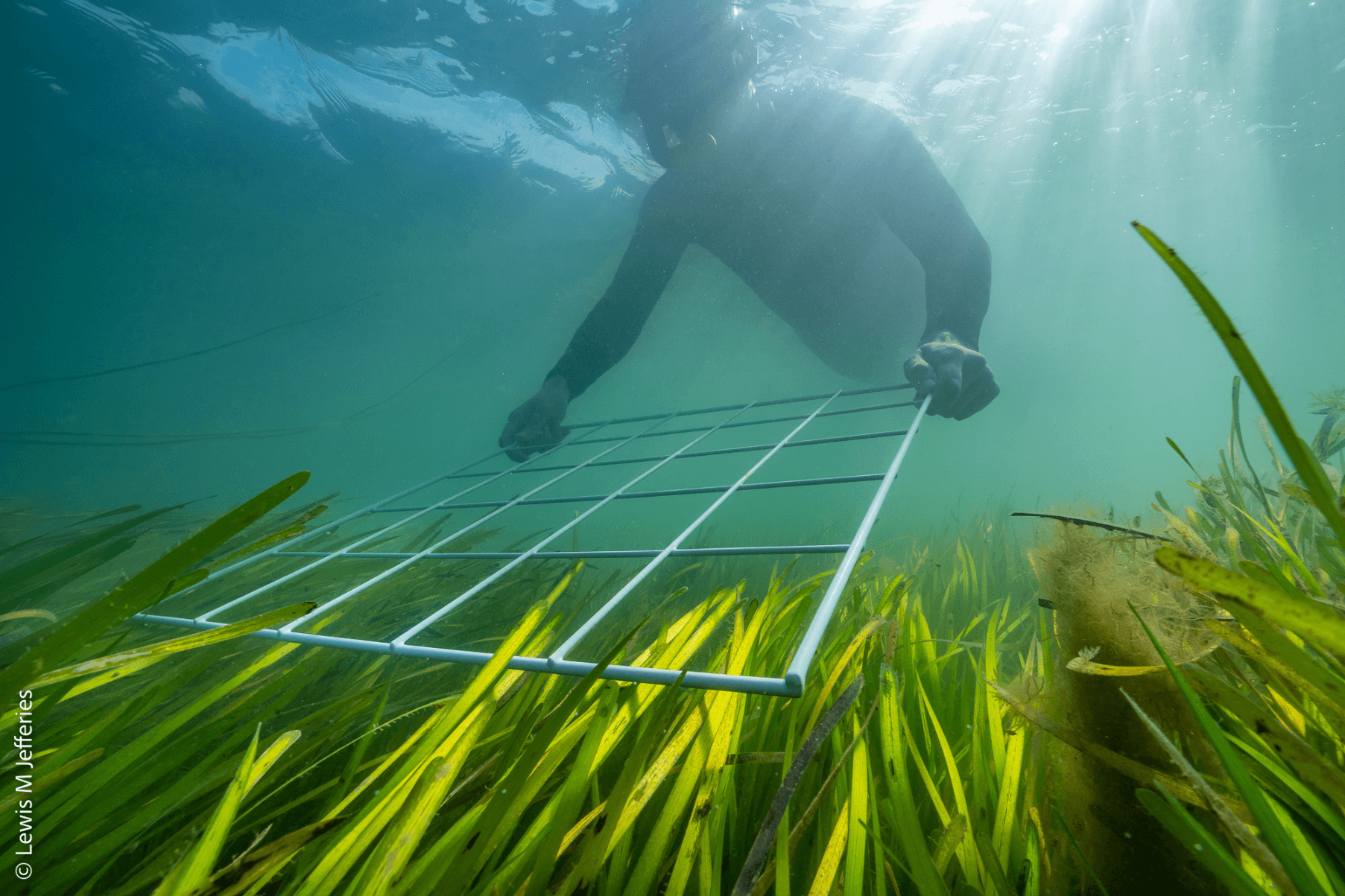
To improve mapping efforts, Project Seagrass worked in collaboration with Ocean Infinity to map the seabed in the North Isle of Wight region using multibeam and side-scan surveys. Project Seagrass additionally carried out Unmanned Aerial Vehicle (UAV) surveys in 2021, 2022, and 2025 using a Wingtra fixed-wing UAV equipped with RGB and multispectral sensors. These surveys will be expanded into an annual monitoring programme for the duration of Project Seagrass’ involvement at sites in the Solent, providing long-term temporal evidence of seagrass spatial extent and growth. Mapping data generated through the Seagrass Ocean Rescue: Solent project will be shared with Natural England to support updates to the National Seagrass Layer where appropriate, enhancing knowledge surrounding seagrass presence in the area and identifying gaps for future research.
Identifying meadows for seagrass seed collection
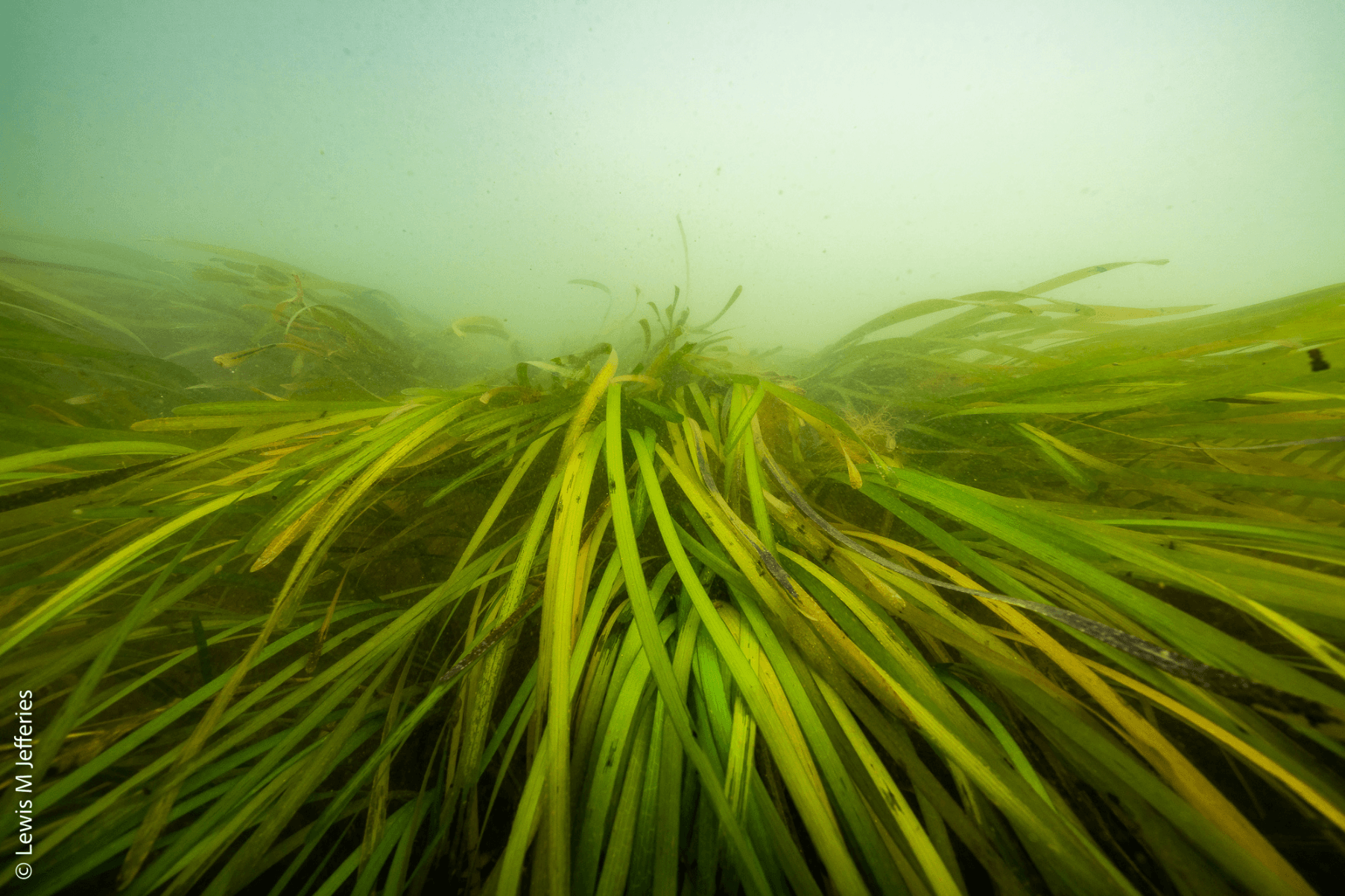
The team undertook surveys to identify the most suitable Solent seagrass meadows for seed collection. These seeds would go on to be used for experimental planting to investigate which restoration methods were most effective in ensuring long-term growth and resilience.
Researchers from Swansea University and Project Seagrass worked in collaboration with Natural England, Ocean Conservation Trust and the Hampshire and Isle of Wight Wildlife Trust to undertake 12 seagrass meadow surveys within 8 seagrass meadows around the Solent. Meadows surveyed included, Beaulieu, Bembridge, Boldnor West and Boldnor East, Cowes, Osborne Bay, Ryde, Totland, and Yarmouth. These sites were selected based on prior knowledge of seagrass meadow presence with the aim of understanding which meadow to source seeds from. The surveys assessed factors such as seagrass cover, shoot density, and reproductive effort.
Following these surveys, Osborne Bay was selected as the donor meadow for the seed collection for this study.
Meadow health surveys
Seagrasses are sensitive to environmental change and as part of the project researchers undertook an assessment of the condition of the region’s seagrass meadows.
Some of the seagrass meadows in the Solent and Isle of Wight areas were found to be in a healthy and potentially resilient state. However, in many locations, seagrass health was found to be generally compromised by indicators of eutrophication, particularly within the harbours, with signs of light limitation, stress, and low resilience.
Water quality is clearly a major influence upon seagrass in the region, and the team recorded consistently high nitrogen and phosphorus values, indicating that most meadows were subject to some level of catchment runoff that has the potential to influence seagrass. In some locations this runoff is close to compromising the future of the seagrass. This underscores that restoration efforts alone are not enough—long-term success depends on addressing broader environmental pressures. Annual meadow health and reproductivity monitoring occur annually and will build on knowledge and understanding of the health and status of the Isle of Wights’ seagrass meadows.
Site selection for experimental planting
Building on the data review and surveys, further pre-planting surveys were conducted to identify the most suitable locations for the in-situ experimental trials.
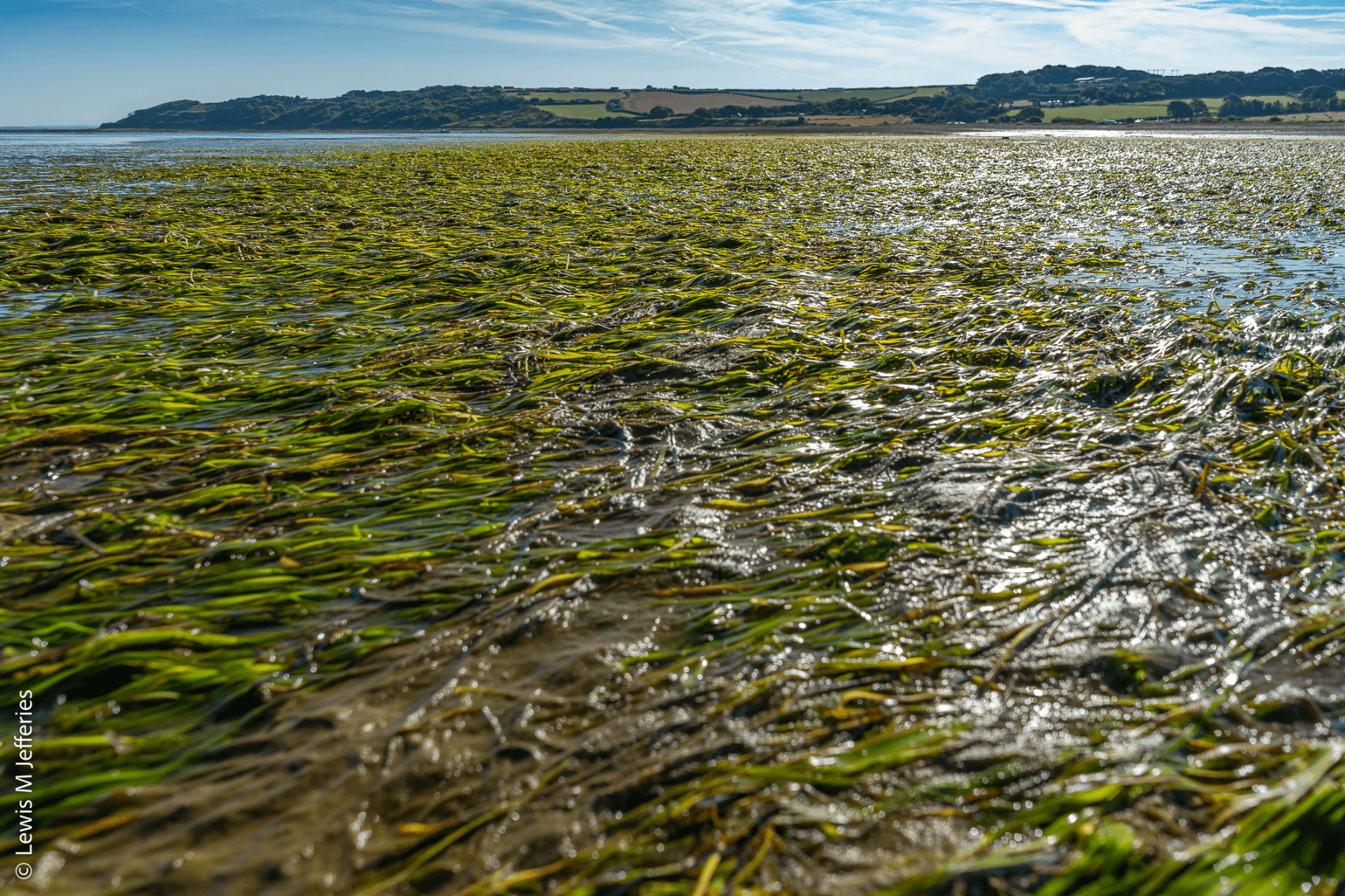
Baseline survey methods included drop-down camera assessments, Secchi disk measurements to evaluate water clarity, Baited Remote Underwater Video (BRUV) surveys, and habitat mapping using large-scale multibeam sonar. In addition, walkover foot surveys were undertaken during extreme low spring tides, using point and transect-based approaches, to ground-truth existing spatial mapping data at selected sites.
The team developed a decision matrix which was used to identify the most suitable sites for seagrass restoration. The matrix incorporated multiple criteria, including:
- Outputs from habitat suitability models
- Water quality metrics
- Spatial extent and condition of potential restoration areas
- Stakeholder considerations
- Identified stressors, and
- Evidence of recent changes in seagrass distribution.
Sites were scored against each of these criteria with Beaulieu, Bembridge, and Thorness identified as the most suitable locations. These sites were subsequently selected as the experimental sites for the restoration planting trials.
Seagrass restoration trials
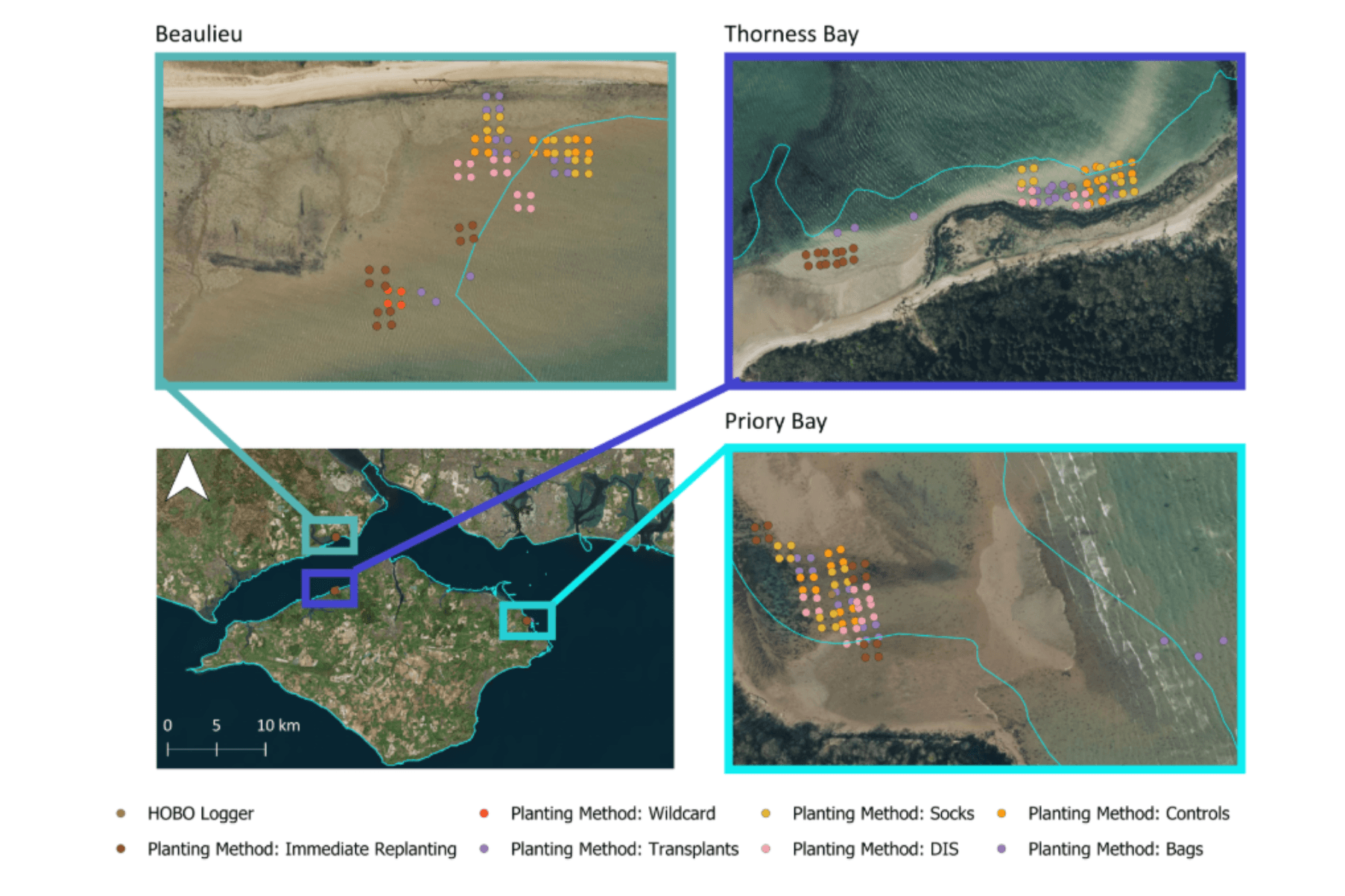
At the heart of the project was the large-scale experimental restoration trial across three sites: Thorness and Priory Bay on the Isle of Wight, and Beaulieu on the North Solent mainland.
A total of 311,400 Zostera marina seeds were collected by SCUBA in July 2022. These were over-wintered in the Project Seagrass Nursery in West Wales ahead of planting out into the field alongside 900 Zostera marina bare root local transplants which were collected in May 2023. All seeds and plants as part of Seagrass Ocean Rescue: Solent project were planted in 2023.
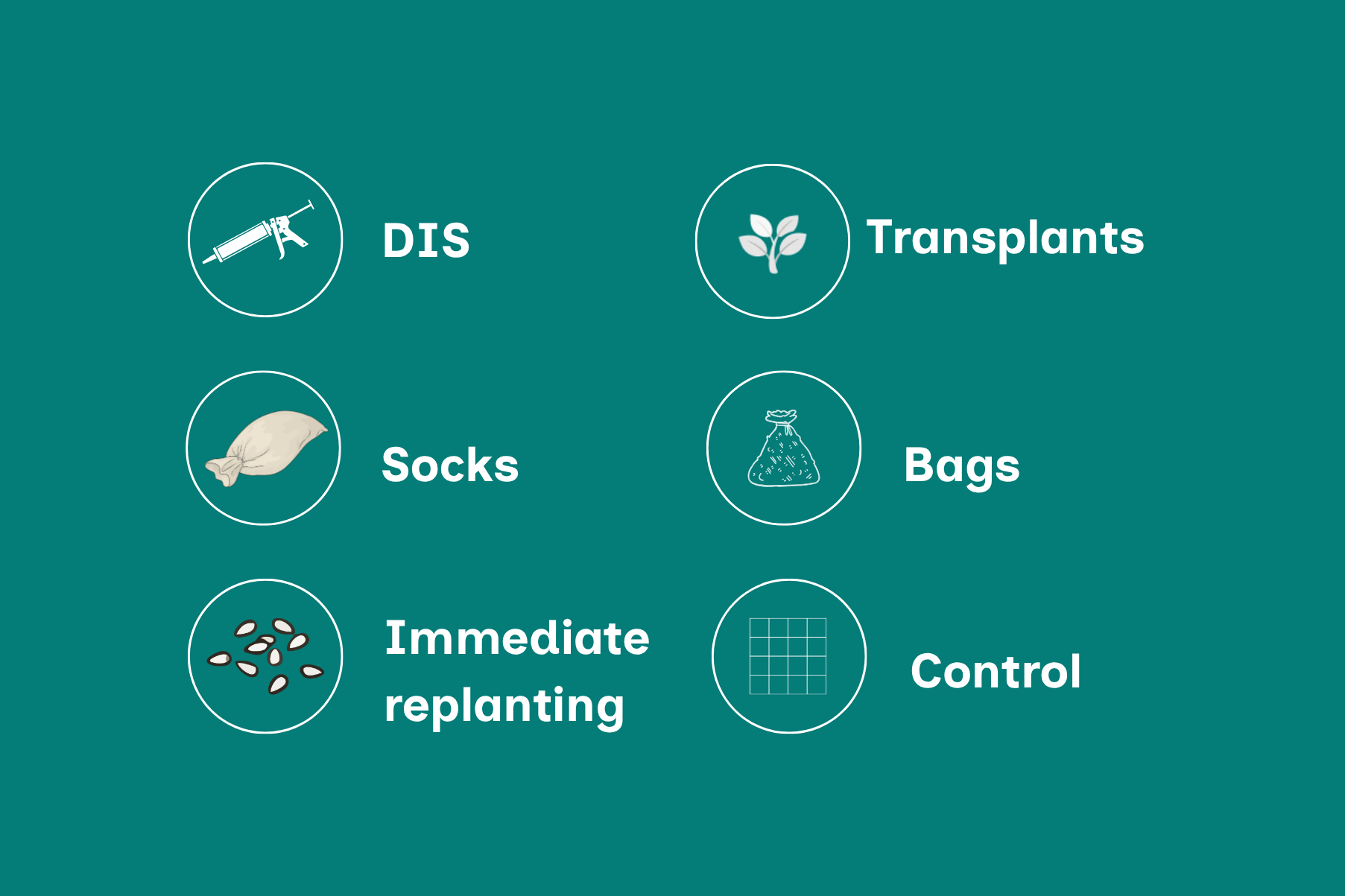
Researchers tested six different planting techniques using both the seeds and transplants sourced from local meadows.
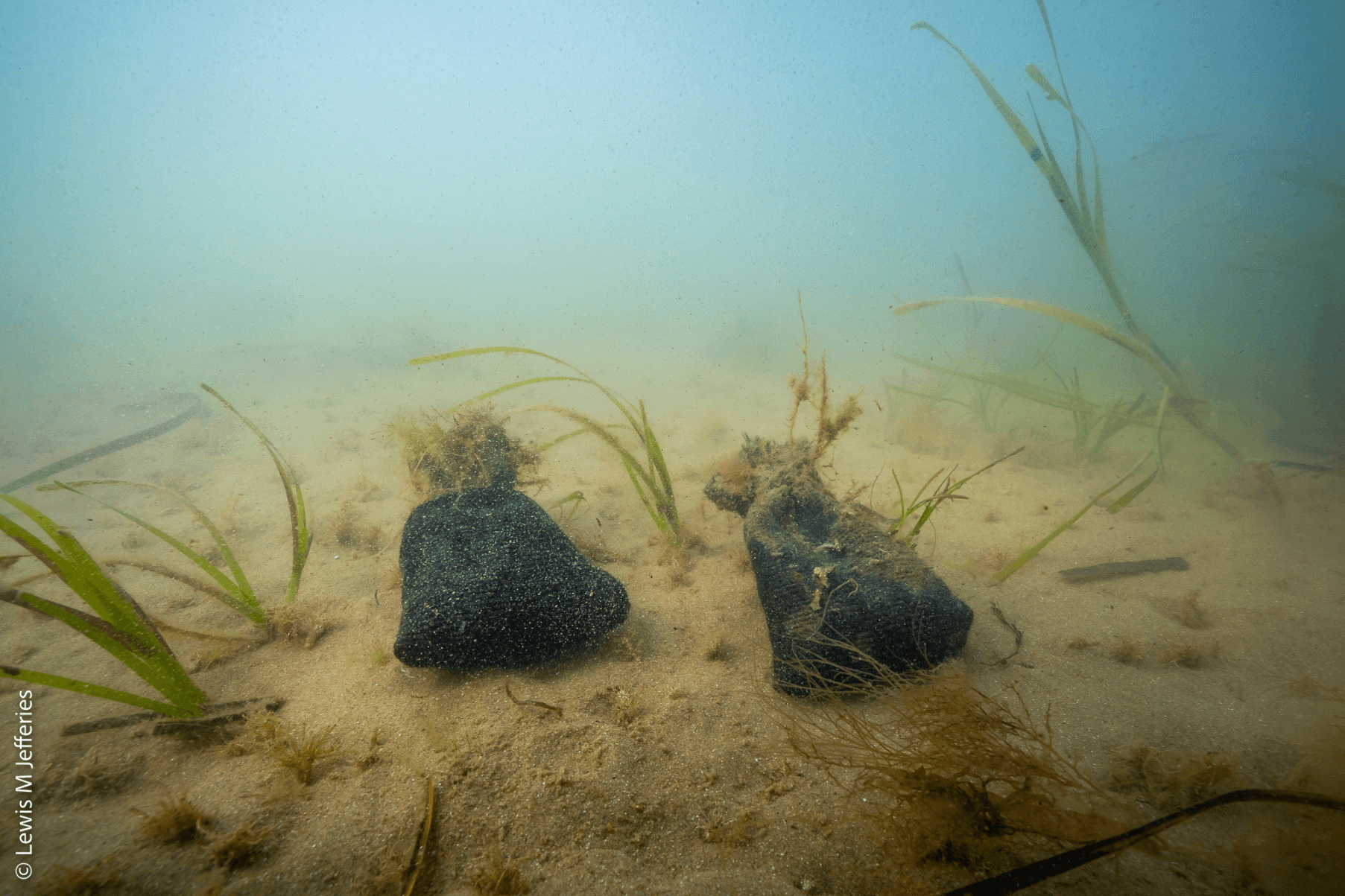
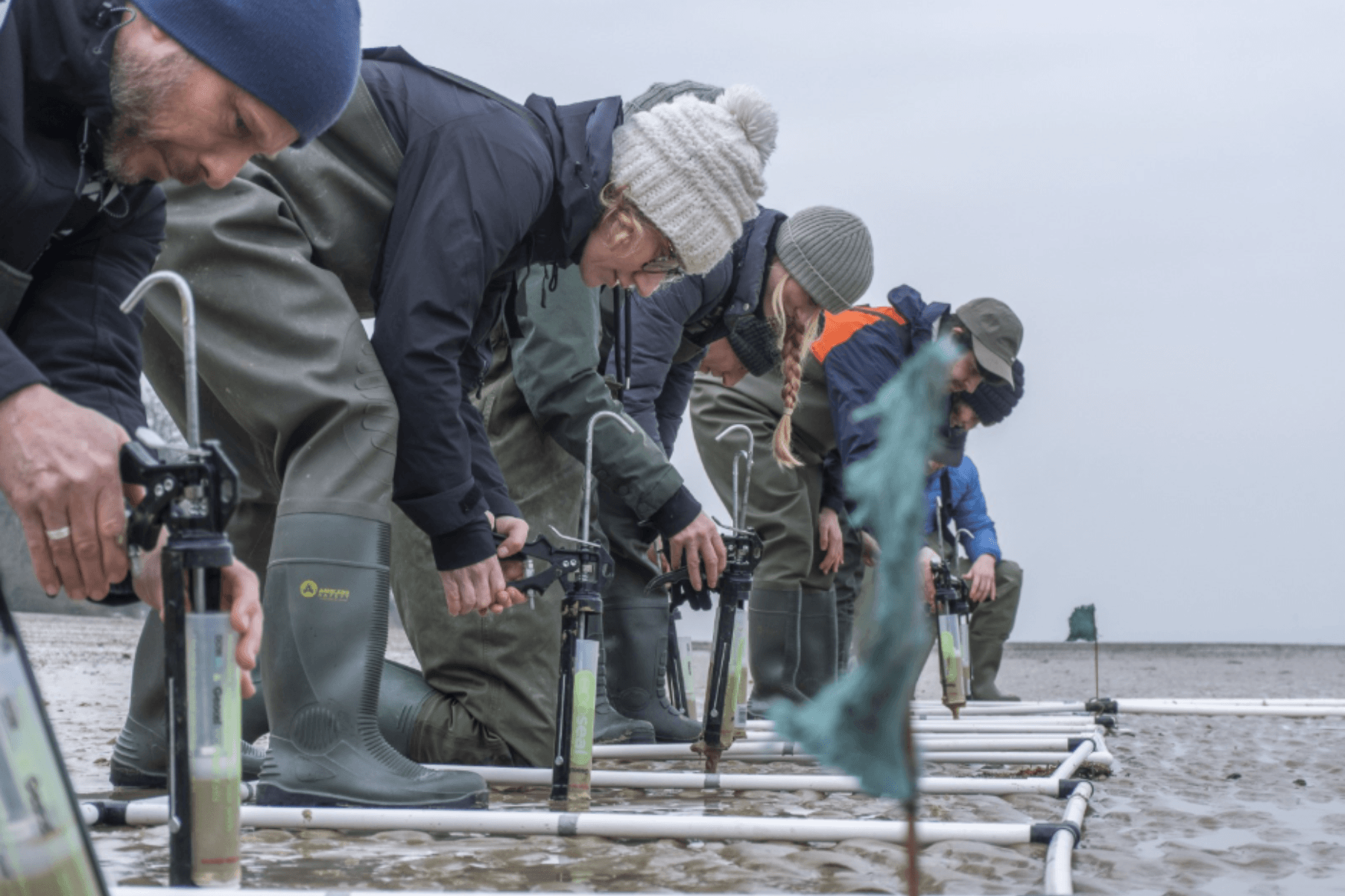
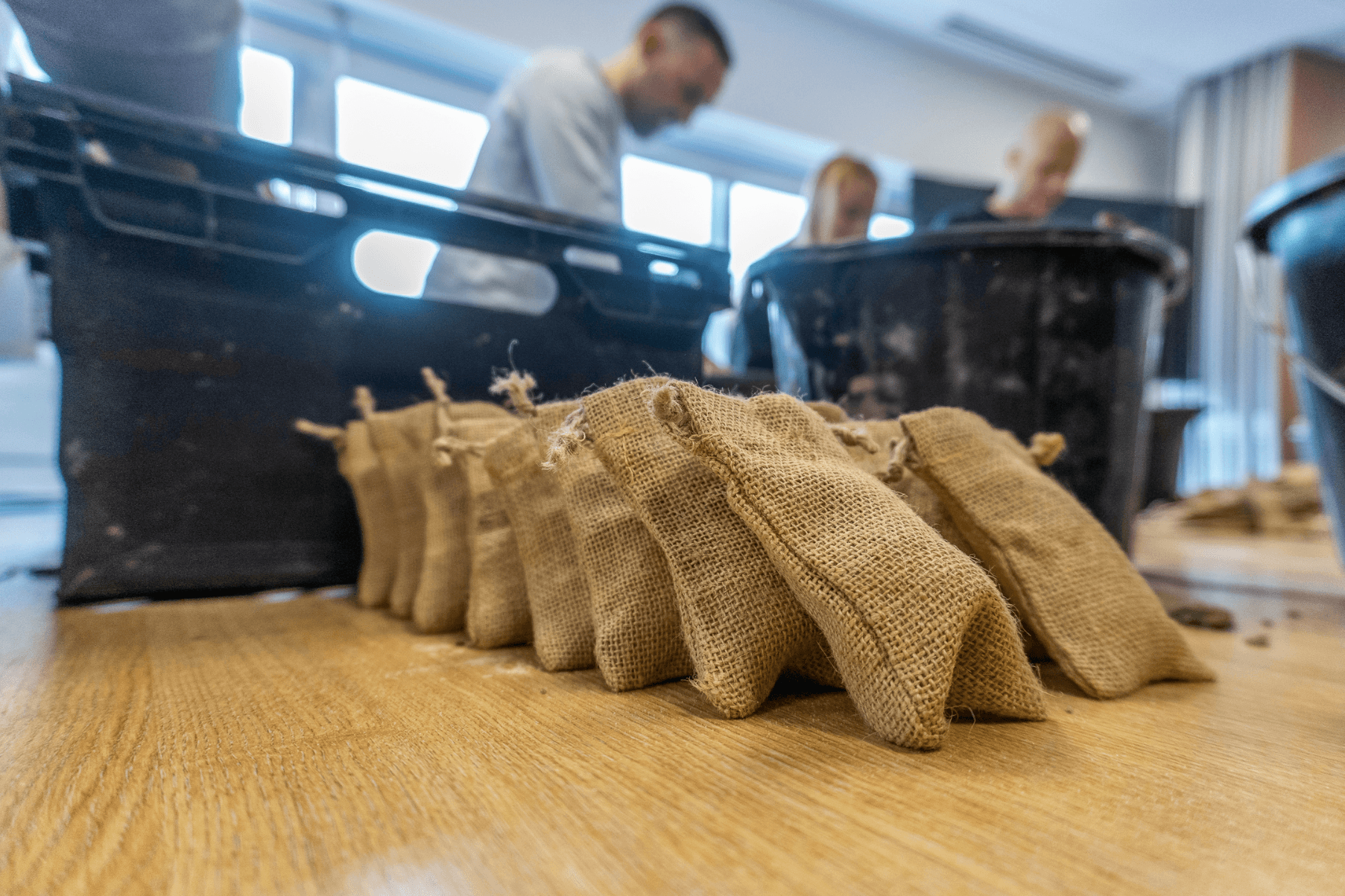
Methods used for the experimental trials included hessian bags and socks filled with seeds and sediment, the Dispenser Injection Seeding (DIS) method developed by The Fieldwork Company, immediate replanting, and bare-root transplants. In total, seagrass planting took place over an area of 5,400 m².
Monitoring and Insights
Over the course of the project, researchers conducted ten fieldwork campaigns dedicated to monitoring the success of the planted plots.
Comparing the results from the different planting methods revealed significant effects of both site and method on the success of the planting. The results showed Thorness to be the most successful site, followed by Priory Bay, and lastly Beaulieu. This demonstrated how local environmental factors can influence restoration success.
A comparison of the methods showed transplants to be the most effective method, producing substantially higher shoot density and shoot height values than hessian bags, control, DIS, Immediate replanting, and socks. The DIS method also showed promising results, outperforming other seed-based techniques. In contrast, methods such as bags, socks, and immediate replanting showed little difference from control plots.
Community based restoration
Central to the success of the Seagrass Ocean Rescue: Solent project was the engagement with members of the local community. Over four years, the project delivered 61 outreach events, 25 talks and workshops, and engaged 491 volunteers, reaching more than 9,000 people.
Community engagement
The project worked closely with a broad range of groups including educational presentations in schools and boat clubs, as well as participation in family-oriented festivals and arts-based events which helped to raise awareness of seagrass within local communities
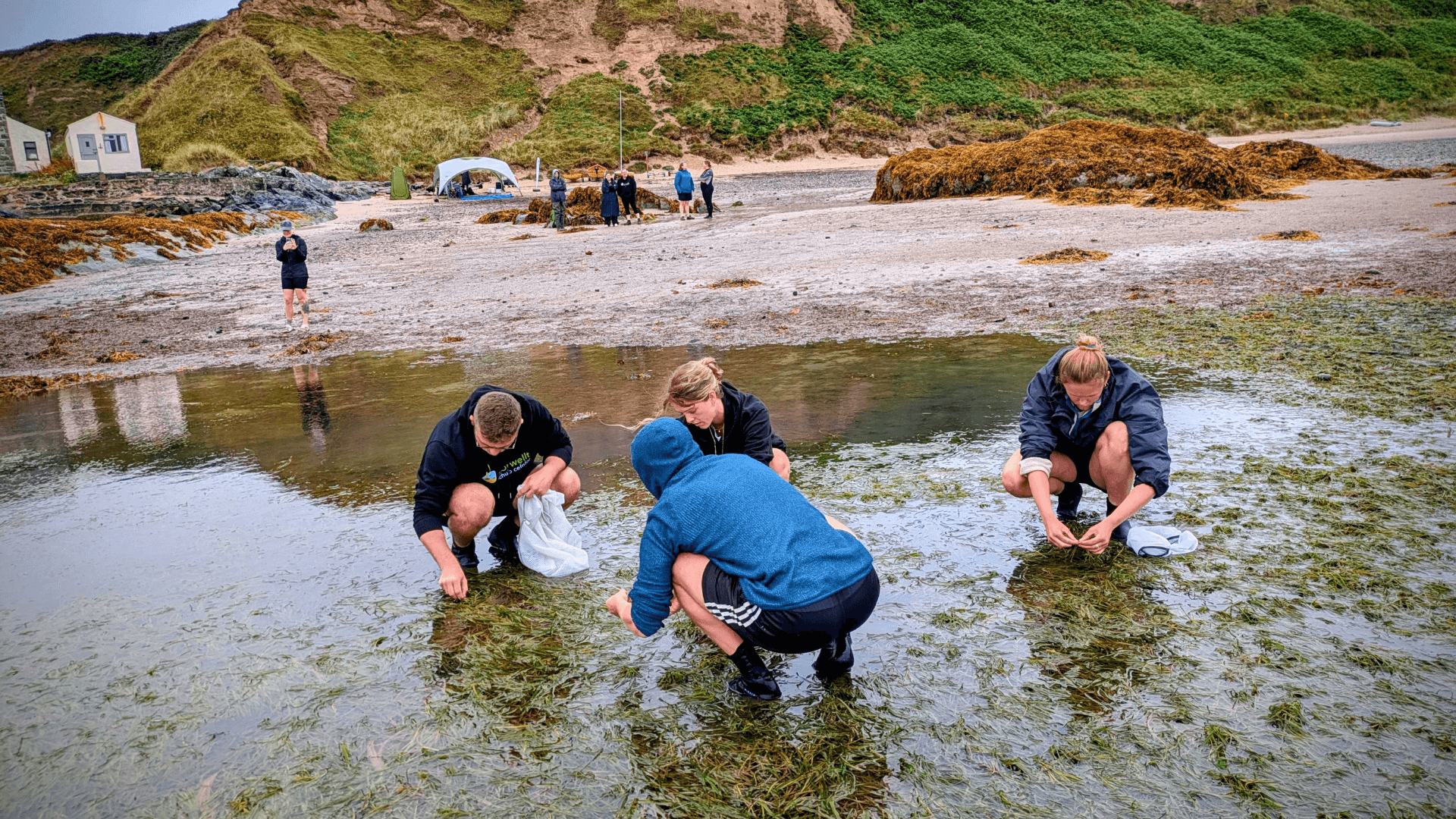
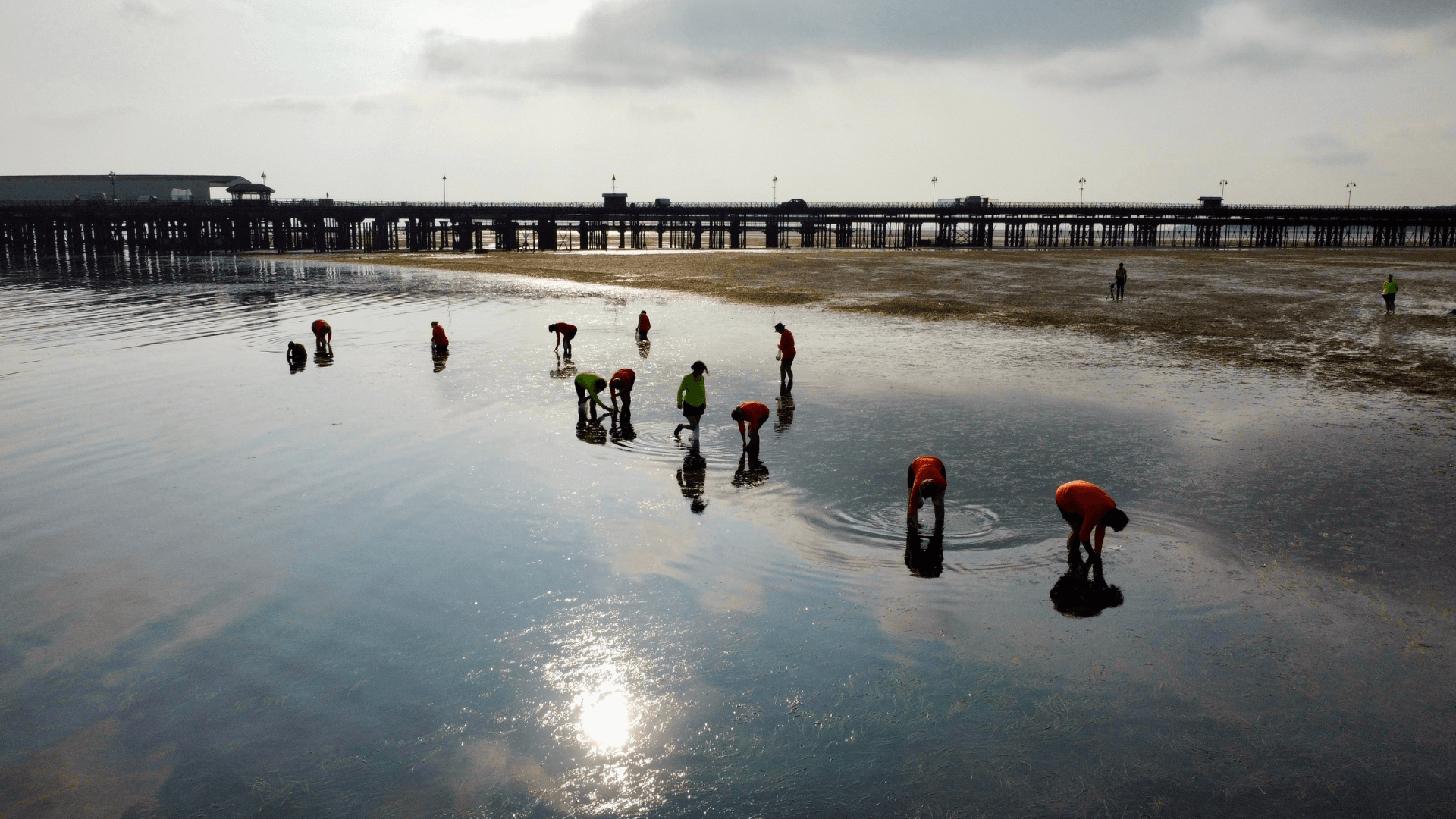
Annual seagrass seed-harvesting activities took place on Isle of Wight beaches during the summer months. These activities welcomed participants of all ages and abilities, combining hands-on conservation with education about the importance of seagrass ecosystems and our restoration efforts. Staff from project partner Liz Earle joined to support our seed harvest efforts in July 2024 alongside hosting a number of planting preparation workshops.
Fragment Walks
The project saw the establishment of Fragment Walks. This community-led restoration involves gathering dislodged seagrass fragments washed up along the shoreline before re-planting these in a dedicated “Community Garden” in Priory Bay. Across 14 fragment walks, volunteers planted nearly 500 fragments, achieving survival increases of up to 211%. The initiative not only contributed to restoration but also fostered a strong sense of local stewardship through the supported of a cohort of long-term, repeat volunteers who continue to support planting efforts today
A Lasting Legacy
The Seagrass Ocean Rescue: Solent project established a strong foundation for future restoration efforts in the region. By combining rigorous scientific trials with community-driven action, the project has demonstrated that large-scale seagrass restoration is both feasible and impactful.
Its findings —particularly the success of transplant methods and the influence of site conditions —has informed the design of current restoration activity in the Solent, with peer-reviewed publications and further dissemination planned.
Perhaps most importantly, the project has acted as a catalyst. It has strengthened partnerships, increased public awareness, and created momentum for continued investment in marine habitat restoration.
As pressures on coastal ecosystems continue to grow, initiatives like this show what is possible when science, community, and collaboration come together.