Tag: Solent

Seagrass Ocean Rescue: Solent — establishing the foundations for seagrass restoration and conservation across the Solent

Between 2022 and 2025, the Seagrass Ocean Rescue: Solent project brought together scientists, practitioners, stakeholders, and local communities to explore the potential for seagrass restoration and conservation across the Solent. Funded by WWF and delivered in partnership with Project Seagrass, Swansea University, and Liz Earle, the project laid critical foundations

Read More »
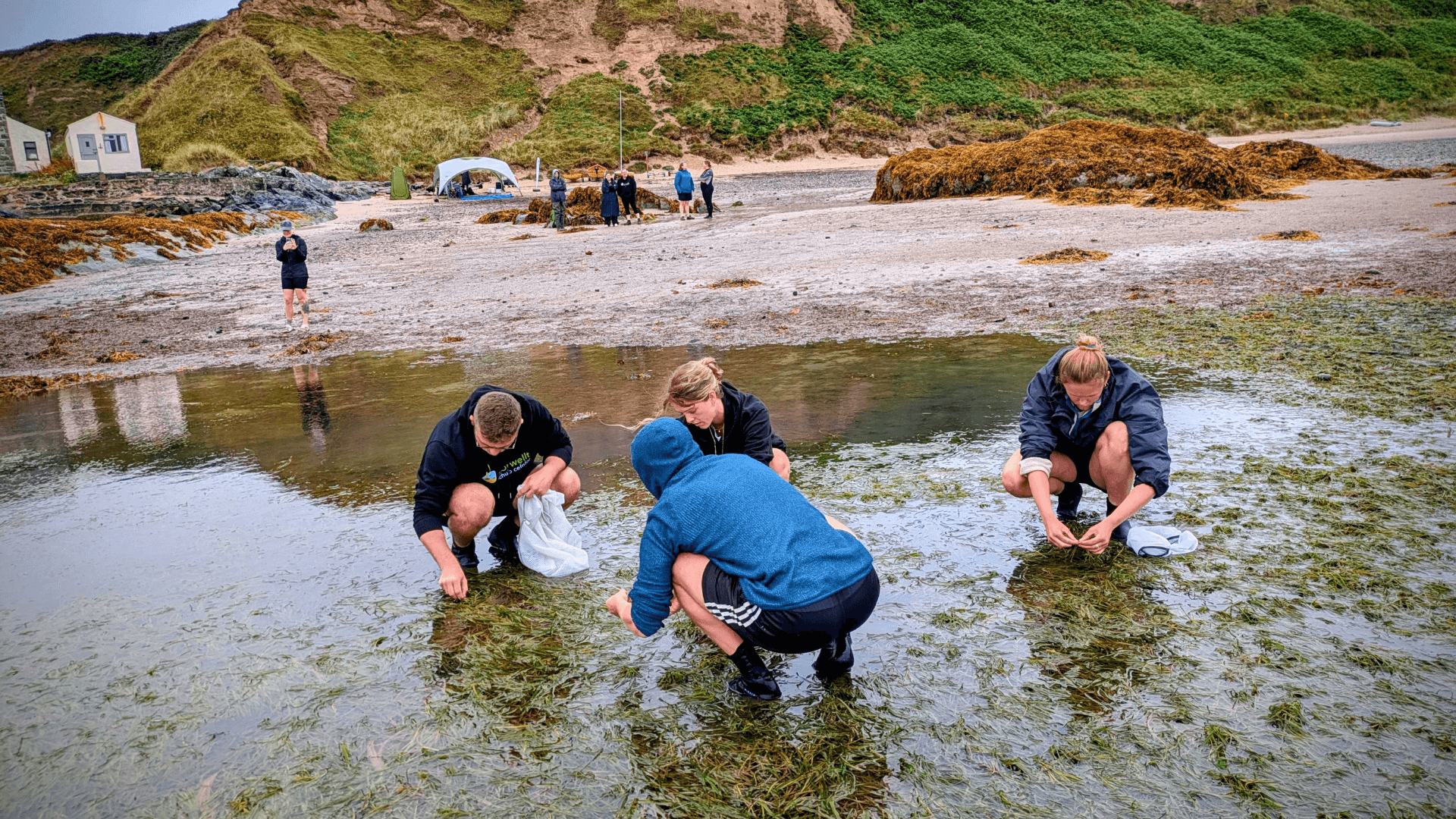
Volunteers crouch in the seagrass meadow at Porthdinllaen collecting seagrass seeds

Fieldwork notes from our summer seagrass seed collections

The Project Seagrass team have had another busy summer of seagrass seed collections!  This year collections took place in Yarmouth, Ryde, and Bembridge on the Isle of Wight in the Solent, and in Porthdinllaen in North Wales. Find out more about how this summer’s collections went:  Solent Seed Collection |

Read More »
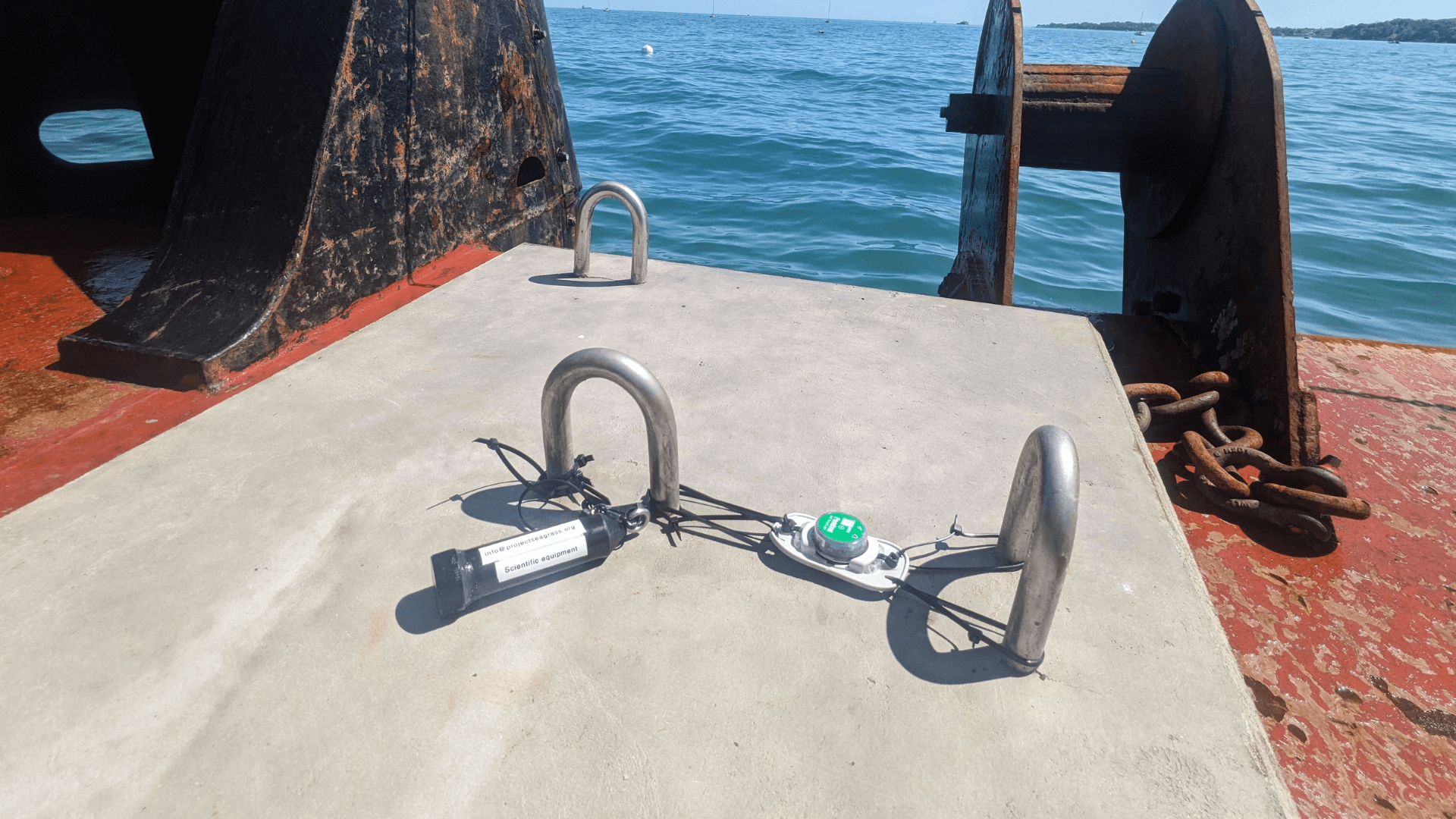
Advanced Sustainable Mooring System with monitoring devices

The new mooring systems supporting the Solent’s seagrass

An innovative cross-sector partnership between Project Seagrass, Blue Parameters, and WarrenBoats has enabled the installation of two Advanced Sustainable Mooring Systems (ASMS) at Seaview on the Isle of Wight, relieving pressure on the Island’s important seagrass habitats. Seagrass meadows play a critical role in keeping our oceans healthy and are

Read More »
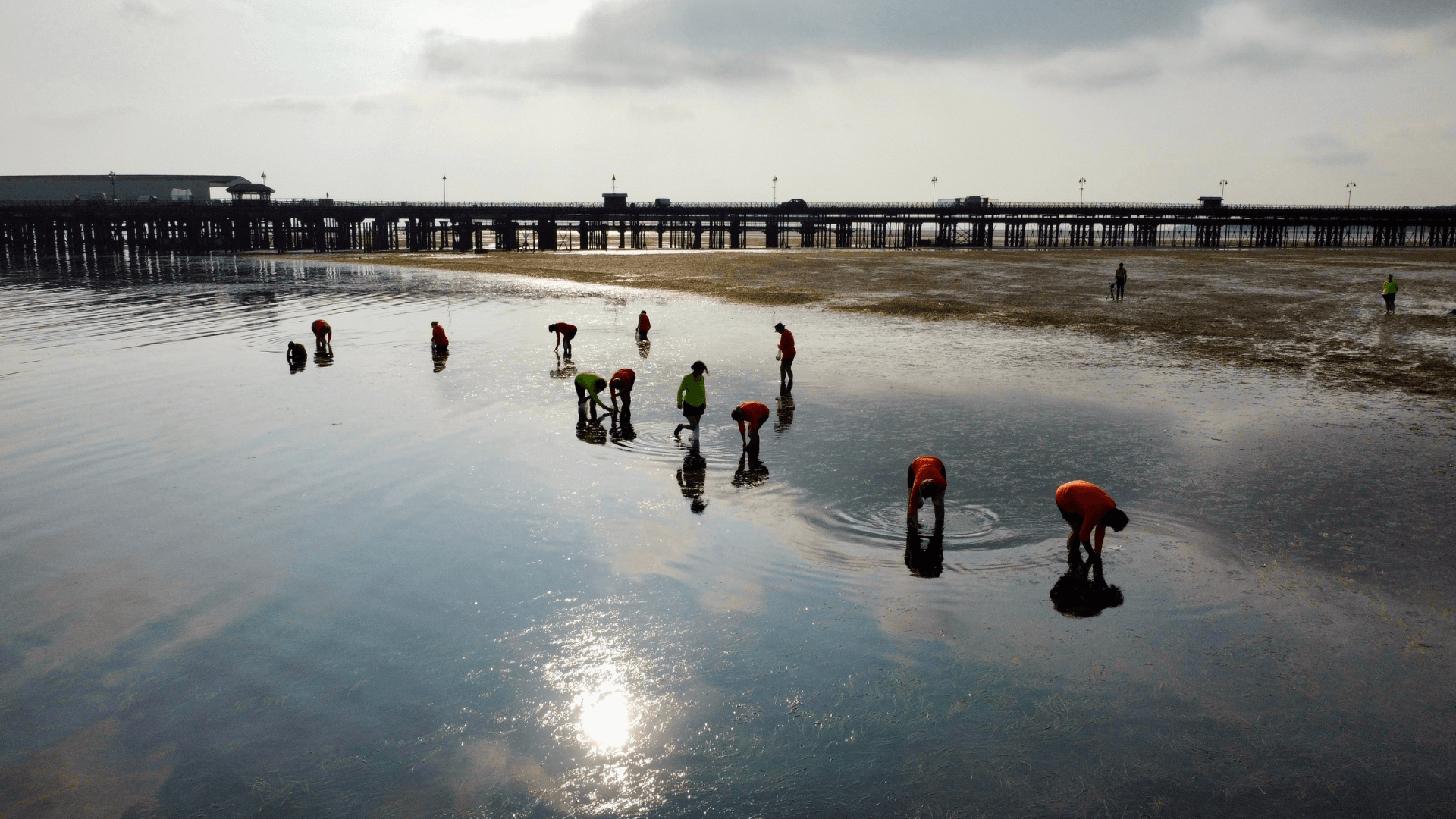
A drone shot shows volunteers wading in the seagrass meadow in Ryde. Volunteers are wearing bright orange tops. Ryde pier is in the background.

Celebrating another successful seed collection in the Solent

This summer, members of the Project Seagrass team were on the Isle of Wight as part of our annual seagrass seed collection efforts: Seed Collections This year, our seagrass seed collections on the Isle of Wight took place in Yarmouth and Ryde. Seeds were collected through a combination of SCUBA diving, snorkelling, and wading with 51 volunteers supporting the collection efforts. We were pleased to welcome our partners Blue Parameters and SSEN to support the collections. Senior Science Officer and Solent Programme Lead Anouska Mendzil briefs volunteers ahead of seed collection Volunteers collect seagrass seeds with the Project Seagrass team at Yarmouth 164kg of seed material was collected across this year’s intertidal and subtidal seed collections. This material has now been transported to Project Seagrass’ HQ in Bridgend, South Wales where it is being processed ahead of storage over winter in our Seagrass Nursery. The seeds will be re-planted at Isle of Wight restoration sites during 2027. Volunteers wade within the seagrass meadow at Ryde collecting seeds Senior Science Officer and Solent Programme Lead Anouska Mendzil collects seeds with a volunteer at Ryde Meadow Health Surveys An important consideration for the team during seed collection efforts is understanding the health of our donor meadows.  As part of our seed collections, the team conducted meadow health and reproductive surveys in each of our donor meadows. This included gathering data on the length of seagrass seeds, identifying the number of reproductive shoots, in addition to the stage of reproduction of seeds.   The team also collected leaf samples for later nutrient analysis. Members of the Project Seagrass team lay a transect for a meadow health survey at Yarmouth Cuttlefish eggs within the seagrass meadow at Ryde Recreational Boat Surveys As part of the Solent Seascape Project, Project Seagrass are working to explore ways to protect seagrass at one of restoration sites in Priory Bay.  Priory Bay supports important seagrass meadows and is also a popular area for boating and recreation.  As part of this summer’s fieldwork, the team carried out recreational boat surveys at Priory Bay to better understand how people make use of the bay to inform plans for how seagrass and boating can coexist. Find out more about this work here.

Read More »

Seagrass Ocean Rescue: Solent — establishing the foundations for seagrass restoration and conservation across the Solent

Between 2022 and 2025, the Seagrass Ocean Rescue: Solent project brought together scientists, practitioners, stakeholders, and local communities to explore the potential for seagrass restoration and conservation across the Solent. Funded by WWF and delivered in partnership with Project Seagrass, Swansea University, and Liz Earle, the project laid critical foundations for long-term seagrass restoration and conservation across the Solent and Isle of Wight, acting as a catalyst for habitat recovery, protection, and increased investment. Seagrass meadows are essential ecosystems. They support biodiversity, stabilise coastlines, and capture carbon. Yet across the UK, these habitats have declined significantly, particularly within the last century. The Seagrass Ocean Rescue: Solent project set out to answer two key questions: 1) Can seagrass, in this case Zostera marina, be successfully restored and reestablished in the Solent’s intertidal zone, and 2) Which restoration methods are most effective in ensuring long-term growth and survival Co-designing seagrass restoration at scale Working collaboratively with regulatory bodies and key stakeholders, the Seagrass Ocean Rescue: Solent project began with a period of extensive survey work. The aim of this phase of the project was to understand the current mapped seagrass in the Solent, develop understanding of seagrass meadow reproduction to inform donor meadow selection for seagrass seed collections, develop understanding of meadow health and biodiversity within Solent seagrass meadows, and determine site selection for experimental planting trials. Current extent of seagrass in the Solent The Project Seagrass team made use of multiple open-source data platforms to carry out an assessment of the currently mapped seagrass meadows in the Solent and Isle of Wight. This review built upon estimates of 698 hectares of seagrass meadows around the Isle of Wight from surveys conducted by the Hampshire and Isle of Wight Wildlife Trust between 2006-2014. As part of this data review, the team identified notable discrepancies between predicted seagrass absence and field survey evidence showing that seagrass was in fact present. Field-based surveys revealed extensive Zostera marina meadows at locations including Seaview in the Isle of Wight that were not represented in available open-source mapping datasets, including those underpinning Habitat Suitability Models (HSMs). These findings indicate that a substantial proportion of seagrass meadows within the Solent and Isle of Wight remain unmapped, with significant implications for restoration planning, ecological research, and evidence-based policy development. These findings also highlight the need for a national-level review of seagrass distribution across the British Isles, as existing datasets may be outdated, unreliable, or not representative. To improve mapping efforts, Project Seagrass worked in collaboration with Ocean Infinity to map the seabed in the North Isle of Wight region using multibeam and side-scan surveys. Project Seagrass additionally carried out Unmanned Aerial Vehicle (UAV) surveys in 2021, 2022, and 2025 using a Wingtra fixed-wing UAV equipped with RGB and multispectral sensors. These surveys will be expanded into an annual monitoring programme for the duration of Project Seagrass’ involvement at sites in the Solent, providing long-term temporal evidence of seagrass spatial extent and growth. Mapping data generated through the Seagrass Ocean Rescue: Solent project will be shared with Natural England to support updates to the National Seagrass Layer where appropriate, enhancing knowledge surrounding seagrass presence in the area and identifying gaps for future research. Identifying meadows for seagrass seed collection The team undertook surveys to identify the most suitable Solent seagrass meadows for seed collection. These seeds would go on to be used for experimental planting to investigate which restoration methods were most effective in ensuring long-term growth and resilience. Researchers from Swansea University and Project Seagrass worked in collaboration with Natural England, Ocean Conservation Trust and the Hampshire and Isle of Wight Wildlife Trust to undertake 12 seagrass meadow surveys within 8 seagrass meadows around the Solent.  Meadows surveyed included, Beaulieu, Bembridge, Boldnor West and Boldnor East, Cowes, Osborne Bay, Ryde, Totland, and Yarmouth. These sites were selected based on prior knowledge of seagrass meadow presence with the aim of understanding which meadow to source seeds from. The surveys assessed factors such as seagrass cover, shoot density, and reproductive effort. Following these surveys, Osborne Bay was selected as the donor meadow for the seed collection for this study. Meadow health surveys Seagrasses are sensitive to environmental change and as part of the project researchers undertook an assessment of the condition of the region’s seagrass meadows. Some of the seagrass meadows in the Solent and Isle of Wight areas were found to be in a healthy and potentially resilient state. However, in many locations, seagrass health was found to be generally compromised by indicators of eutrophication, particularly within the harbours, with signs of light limitation, stress, and low resilience. Water quality is clearly a major influence upon seagrass in the region, and the team recorded consistently high nitrogen and phosphorus values, indicating that most meadows were subject to some level of catchment runoff that has the potential to influence seagrass. In some locations this runoff is close to compromising the future of the seagrass.  This underscores that restoration efforts alone are not enough—long-term success depends on addressing broader environmental pressures. Annual meadow health and reproductivity monitoring occur annually and will build on knowledge and understanding of the health and status of the Isle of Wights’ seagrass meadows. Site selection for experimental planting Building on the data review and surveys, further pre-planting surveys were conducted to identify the most suitable locations for the in-situ experimental trials. Baseline survey methods included drop-down camera assessments, Secchi disk measurements to evaluate water clarity, Baited Remote Underwater Video (BRUV) surveys, and habitat mapping using large-scale multibeam sonar. In addition, walkover foot surveys were undertaken during extreme low spring tides, using point and transect-based approaches, to ground-truth existing spatial mapping data at selected sites. The team developed a decision matrix which was used to identify the most suitable sites for seagrass restoration. The matrix incorporated multiple criteria, including: Outputs from habitat suitability models Water quality metrics Spatial extent and condition of potential restoration areas Stakeholder considerations Identified stressors, and Evidence of recent changes in seagrass distribution.
Read More »
Volunteers crouch in the seagrass meadow at Porthdinllaen collecting seagrass seeds

Fieldwork notes from our summer seagrass seed collections

The Project Seagrass team have had another busy summer of seagrass seed collections!  This year collections took place in Yarmouth, Ryde, and Bembridge on the Isle of Wight in the Solent, and in Porthdinllaen in North Wales. Find out more about how this summer’s collections went:  Solent Seed Collection | 11th–17th July 2025 Day 1 The team arrived safely on the Isle of Wight on the 11th July to lovely sunny weather! We installed our keep net at Cowes Harbour – this is where the seagrass seeds are stored following daily seed collections ahead of being transported to Project Seagrass HQ at the end of the week where they are processed. Day 2 The Dive team headed out to Ryde Bay. After completing man over-board drills the divers entered the water to begin collecting seeds. The team managed 90 minutes underwater before the tide turned into too difficult conditions for the divers. The Intertidal team delivered the first Community Seed Collection event of the week. Today’s collection was at Yarmouth where we were joined by 5 volunteers. Hannah and  Emma carried out a meadow health survey. Senior Science Officer and Solent Lead Anouska Mendzil collecting seagrass seeds in Yarmouth Volunteer snorkelers gathered on the beach at Yarmouth for a seed collection briefing Day 3  A hot but successful dive trip in Ryde Bay for the Dive Team! Today we had two pairs of divers in the water. The first pair completed a seagrass meadow assessment and then joined the second pair who were solely focused on seed collection. The team and the boat were working really well together, however unfortunately the weather was not in the team’s favour leading to a switch to shore diving for the rest of the week. The Intertidal Team delivered the second Community Seed Collection event of the week. Today’s event took place in Ryde. The team were joined by 8 volunteers including some repeat attendees from yesterday’s event. We were joined by photographer Francesca Page and colleagues from the University of Groningen/The Seagrass Consortium. Alongside the seed collection, Hannah and Ele carried out a survey of the meadow. Day 4 The Dive Team were joined by two new volunteer divers today, Ellie and Carly. Due to the weather conditions, the team were unable to go boat diving and instead went shore diving at Yarmouth Bay. Lots of seeds were collected making it another very successful day. The Intertidal Team were back at Ryde this morning for the third Community Seed Collection event of the week. Today we were joined by repeat volunteers photographer Francesca Page and colleagues from the University of Groningen/The Seagrass Consortium. Following the seed collection, members of the team met with our partners at Hampshire and Isle of Wight Wildlife Trust.  Diver entering the water for seed collection Dive team aboard Gwen, preparing for seed collection Day 5 Today the Dive Team surveyed the seagrass meadow at Yarmouth and completed another seed collection. It was another blow out for the boat but a good opportunity to run through the shore diving protocol! The Intertidal Team were back at Yarmouth for a morning seed collection. Today the team were joined by members of The Seagrass Consortium. In the afternoon The Seagrass Consortium met to discuss collaboration and alignment. Days 6 & 7 The Dive team recovered Gwen before heading to Bembridge to determine if this could be another suitable site for shore diving. It ultimately wasn’t but a useful exercise! The Intertidal team delivered their final snorkel seed collection of the week. This collection took place at Bembridge and we were again joined by members of The Seagrass Consortium from the University of Groningen, Sea Rangers, and Office Français de la Biodiversité.   The remainder of the day was spent preparing for our travel day back to Project Seagrass HQ. On the morning of our departure we collected the seagrass seeds from the keep net before heading back to South Wales where the seeds are now being processed. Members of the Project Seagrass team at Bembridge with members of The Seagrass Consortium Solent seagrass seeds retrieved from the keepnet and ready to travel back to Project Seagrass HQ North Wales Seed Collection | 26th July – 4th August Day 1 The team arrived safely in North Wales and headed straight to the beach at Porthdinllaen to set up Cabin Griff. We supported an initial seed collection event, providing shore cover for volunteers from our Seagrass Ocean Rescue partner WWF. Day 2 On Day 2 the Dive team launched Gwen and carried out meadow surveys. The Intertidal team had our first Community Seed Collection event. We were joined by partners from Pen Llŷn a’r Sarnau Special Area of Conservation and Ocean Wildlife Artist Oli Leger who brought his new artwork ‘Ambassador’ which he introduced to attendees. Project Seagrass vessel Gwen being prepared for deployment Ocean Wildlife Artist Oli Leger introducing his artwork Ambassador to people on the beach Day 3 Today the Dive Team installed the keep net and HOBO logger and carried out their first seed collection. Our Ambassador Jake joined the Dive team – today the divers collected 13kg of seeds! The Intertidal Team delivered another successful Community Seed Collection event. In the afternoon several members of the team attended a celebration event hosted by North Wales Wildlife Trust and Pen Llŷn a’r Sarnau Special Conservation Area. Storyteller and National Seagrass Action Plan project Manager Carl delivered a fantastic storytelling session. Day 4 Another successful day for the Dive team! 29kg of seagrass seeds collected today!!! Today the Intertidal team were joined by volunteers from WWF and our Seagrass Ocean Rescue programme funders the National Lottery Community Fund.  After the volunteer session we were joined by Deputy First Minister Huw Irranca-Davies who joined us on the beach to collect seeds and learn more about the programme. Volunteers collecting seagrass seeds in Porthdinllaen North Wales WWF staff members collecting seeds in Porthdinllaen Days 5-10 The Boat team continued to carry out daily

Read More »
Advanced Sustainable Mooring System with monitoring devices

The new mooring systems supporting the Solent’s seagrass

An innovative cross-sector partnership between Project Seagrass, Blue Parameters, and WarrenBoats has enabled the installation of two Advanced Sustainable Mooring Systems (ASMS) at Seaview on the Isle of Wight, relieving pressure on the Island’s important seagrass habitats. Seagrass meadows play a critical role in keeping our oceans healthy and are important allies to tackle the global climate and biodiversity crises. Yet the current condition of seagrass in the UK is generally poor due to multiple human pressures, with extensive losses having occurred since the 19th Century. A recent report found the remaining seagrass beds in the Solent to be in an ‘unfavourable’ condition primarily due to nutrient enrichment resulting from water pollution, as well as seabed disturbance caused by commercial fishing and recreational activities including boat anchors. Advanced Sustainable Mooring Systems (ASMS) such as the Mermaid K Advanced Sustainable Mooring System installed at Seaview are a simple solution to prevent and alleviate physical damage to the seabed including seagrass meadows caused by traditional anchorage and mooring. Anouska Mendzil, Senior Scientific Officer at Project Seagrass said: “Seagrass can be easily disturbed, damaged and uprooted by anchors. Finding solutions where sailors and seagrass can coexist is vital for protecting and conserving seagrass habitats, that have important ecosystem functions for both people and planet. The ASMS installation is an important passive restoration step in supporting and aiding natural seagrass recovery in the Seaview meadow, further supplementing our active seagrass restoration efforts around the Island.” In a first for an installation of this type, the ASMS installed at Seaview includes monitoring devices which will enable environmental data from the site to be gathered to inform ongoing conservation efforts. The project is also the first of its kind to utilise a more sustainable and environmentally friendly maritime coating designed by Sea Coat which reduces biofouling, enhances vessel performance, and improves energy efficiency. James Scott-Anderson, Project Manager at Blue Parameters said: “Operators and authorities need to make the mental leap away from separating environmental sustainability with their economic sustainability. Technical sustainability is always the commercially astute thing to do and the Mermaid K mooring, with a 10 year warranty, removes chain from the mooring equation, which is often replaced every other year at great expense. That’s not good for the environment but it’s also not good for the bottom line of the business; why would you not reduce your operational costs? Save money with the bonus of saving the environment too.” Nick Rivlin, Director at WarrenBoats said: “We saw this as a perfect opportunity to develop our moorings, an important part of our business in Seaview, with respect for the environment.  We are confident that partnership working, using the expertise of researchers & scientists and marine designers, was the best way for us to trial ASMS. WarrenBoats are ideally placed in the eastern Solent with open sea moorings, some of which overlap into seagrass meadows. From a commercial perspective it will be essential that we have robust warranties and guarantees on the component parts to provide client confidence, as we continue to seek zero failure with our moorings, vulnerable to easterly winds.  The boating season here is short and therefore the promise of 10-year efficacy is attractive if our ASMS trial is substantiated”. The installation of the Advanced Sustainable Mooring Systems at Seaview, which is funded by Seacology, is part of a wider programme of work being undertaken by Project Seagrass to promote Seagrass Safe Sailing. Conservation actions such as these have an important role to play alongside active restoration. Preparing to install an Advanced Sustainable Mooring System at Seaview, Isle of Wight Advanced Sustainable Mooring System with monitoring devices Notes to editors About Project Seagrass Established in 2013 by a group of seagrass scientists, Project Seagrass is a global facing marine conservation organisation securing a future for seagrass. They do this by creating, empowering, and collaborating with communities; by leading, championing and communicating scientific research; and taking direct action to map, conserve, and restore seagrass meadows globally. Project Seagrass seek to reach a world in which seagrass meadows are thriving, abundant, and well managed for people and planet. About Blue Parameters Blue Parameters is a company with a focus on Technical Marine Sustainability and resources for the Commercial and Recreational sectors.  We make sustainability beneficial both  economically  and operationally. Advanced Sustainable Mooring Systems from pontoons through single point, vessel efficiency and reducing in water pollution are our key areas of expertise. About WarrenBoats Established in 1931, a fourth-generation small family business, WarrenBoats is integral to the character of Seaview, on the Isle of Wight.  Seaview plays a significant contribution to recreational boating in the eastern Solent and it is vital this heritage business remains robust and fit for future generations. WarrenBoats lays approaching 300 seasonal moorings off Seaview of which a small proportion overlap the seagrass meadows. Working on this project is an opportunity to develop new systems, helping to put the business on a strong footing for the future. Contact:  Sally Rivlin, Director | www.warrenboats.co.uk  | 01983 655123 Mermaid-K , Advanced Sustainable Mooring System (ASMS) The Mermaid-K is a mooring system which is designed to reduce load from wind, tide and waves due to its Seaflex Tensile Unit. It has three ‘Fin Tethers’ connecting to the gravity anchor or sinker, which evens the load and allows the riser line, and mooring buoy to be at an optimal angle and tension at all tide states. Using Dyneema Lines allows for a three to one Safe Working Load (SWL) for any vessel, and has an exceptionally long working life, It can be deployed year round and can be used for commercial applications as all parts of the system and design are certified. It is guaranteed not to touch the Seabed – which also gives sustainable benefits and will allow moorings in areas which may normally be restricted like Seagrass beds.

Read More »