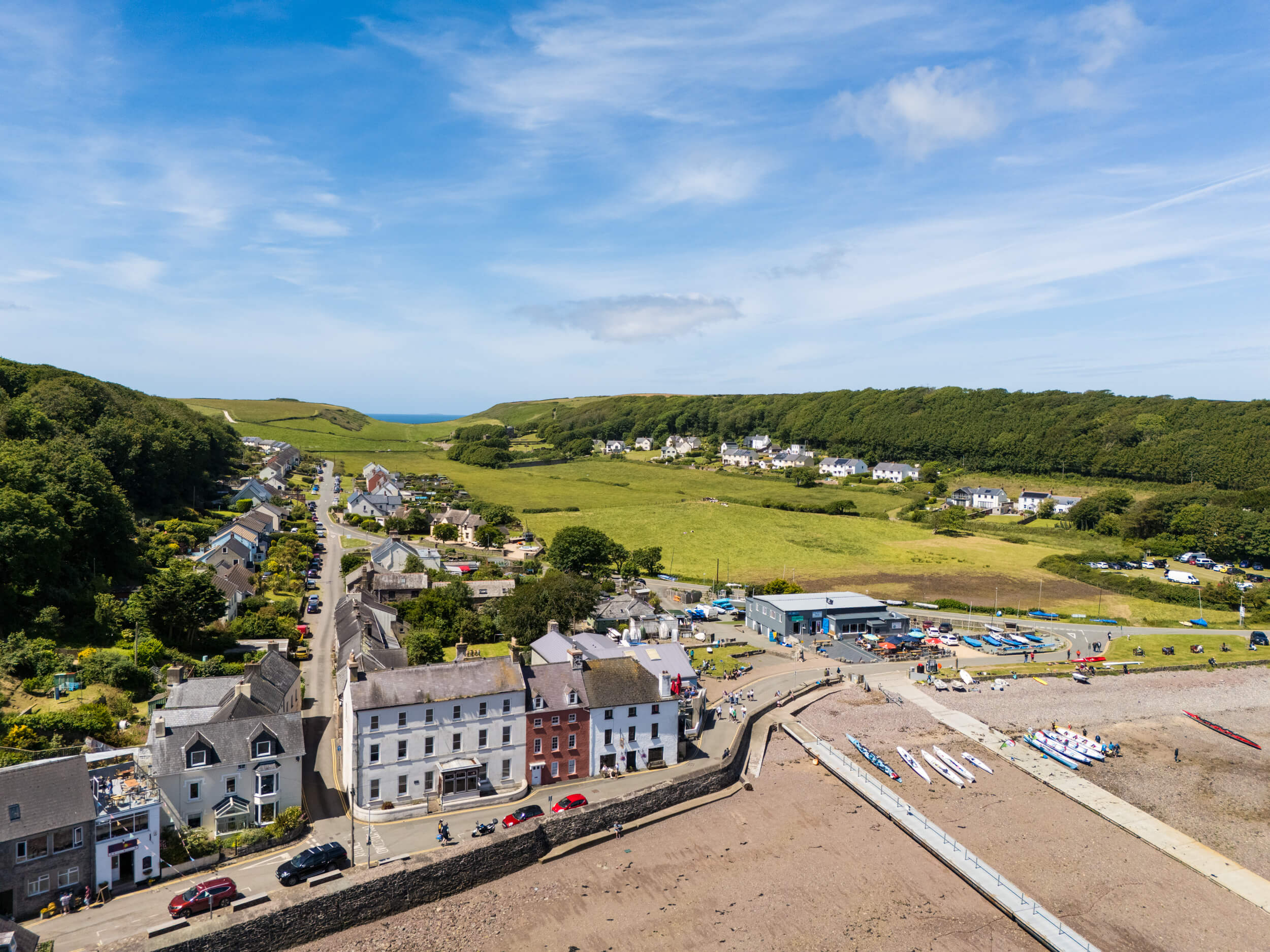
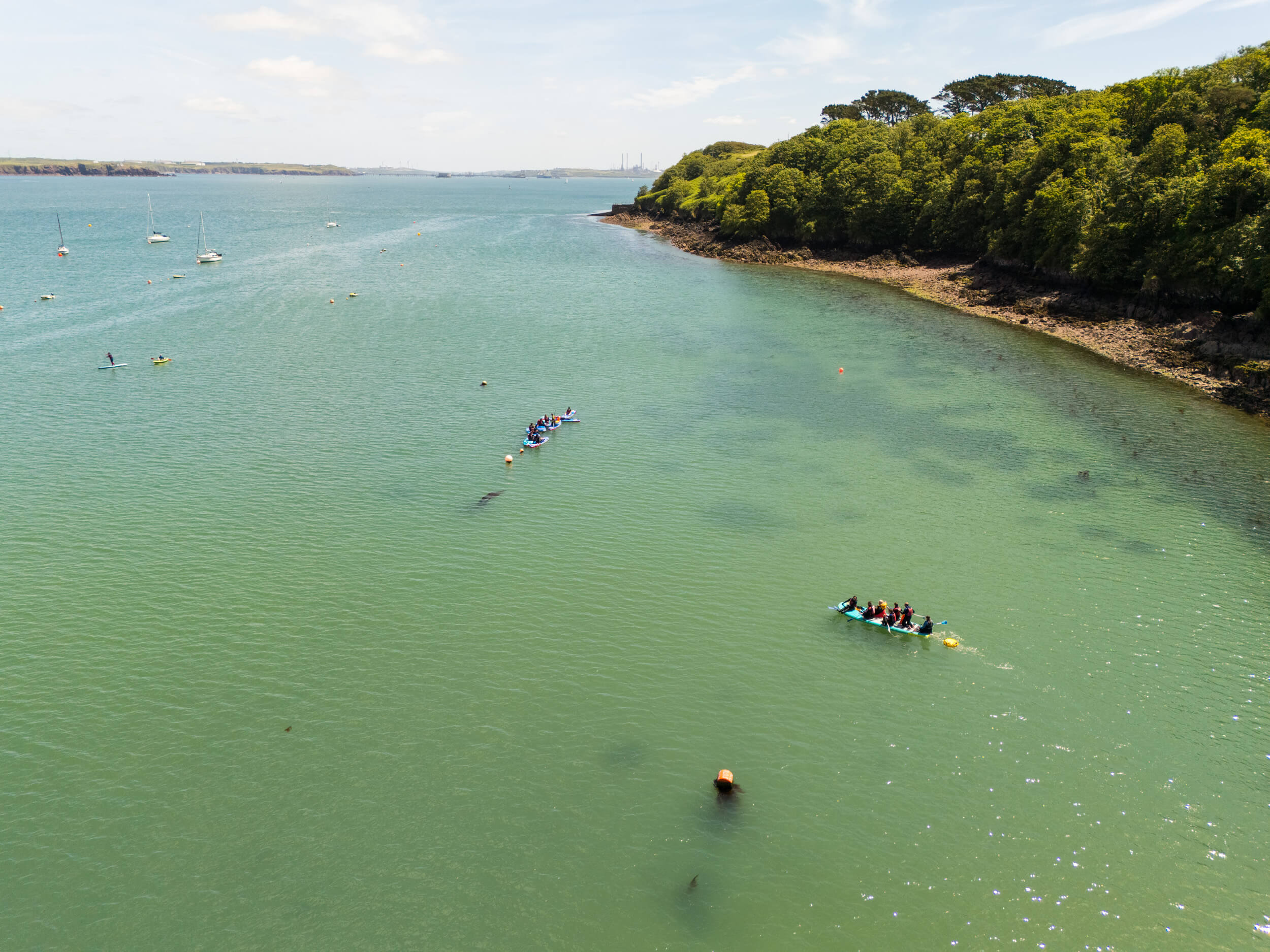
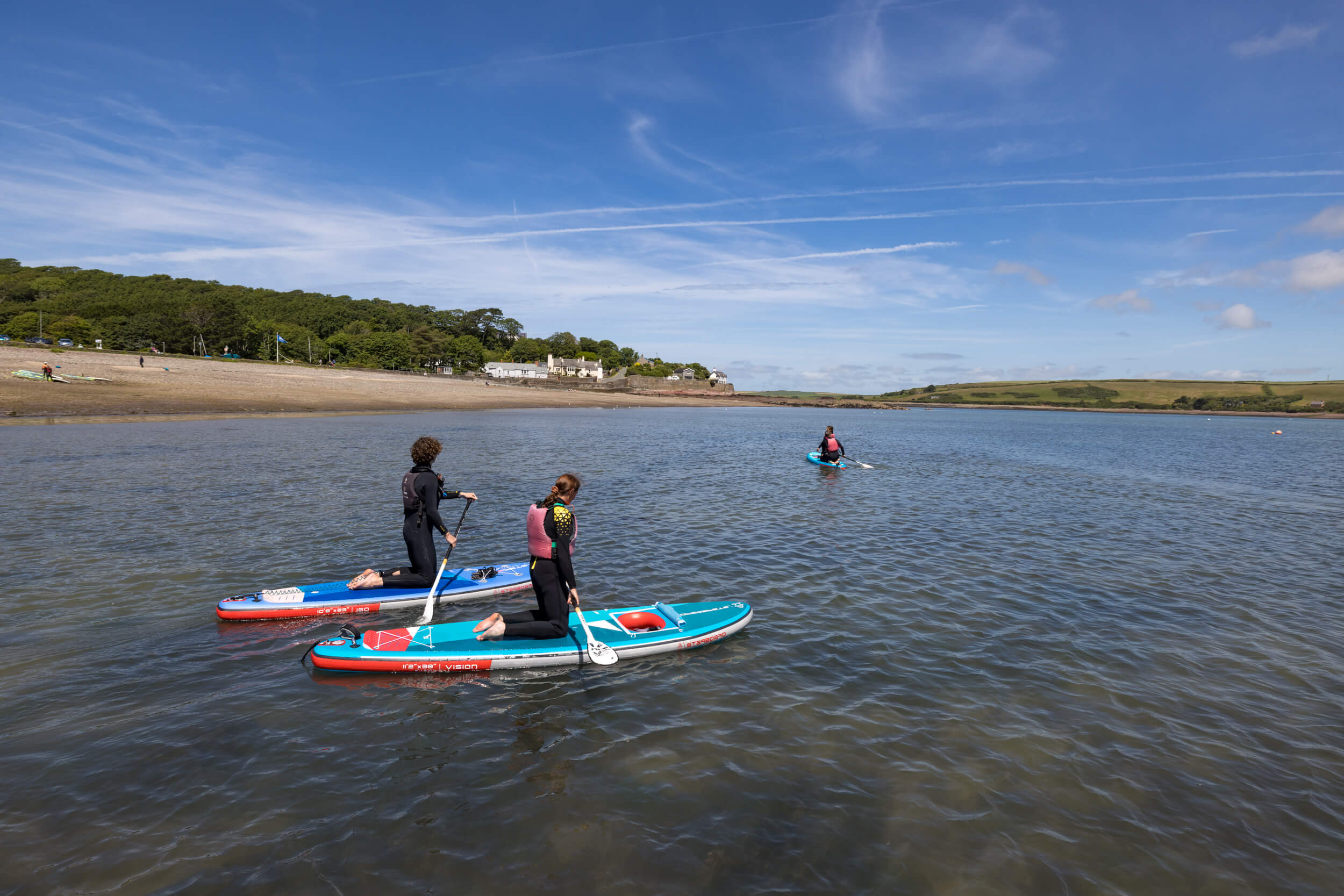
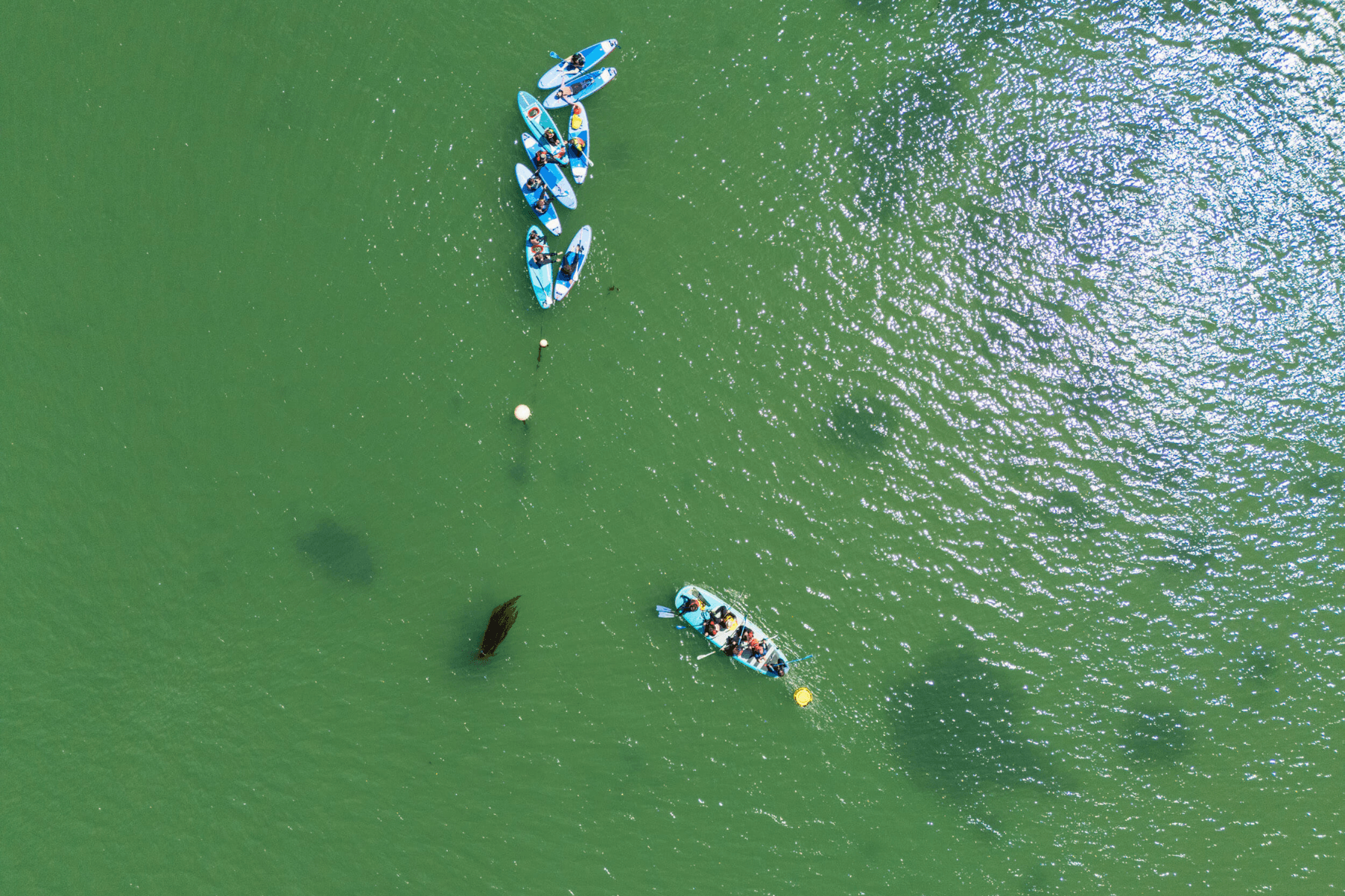
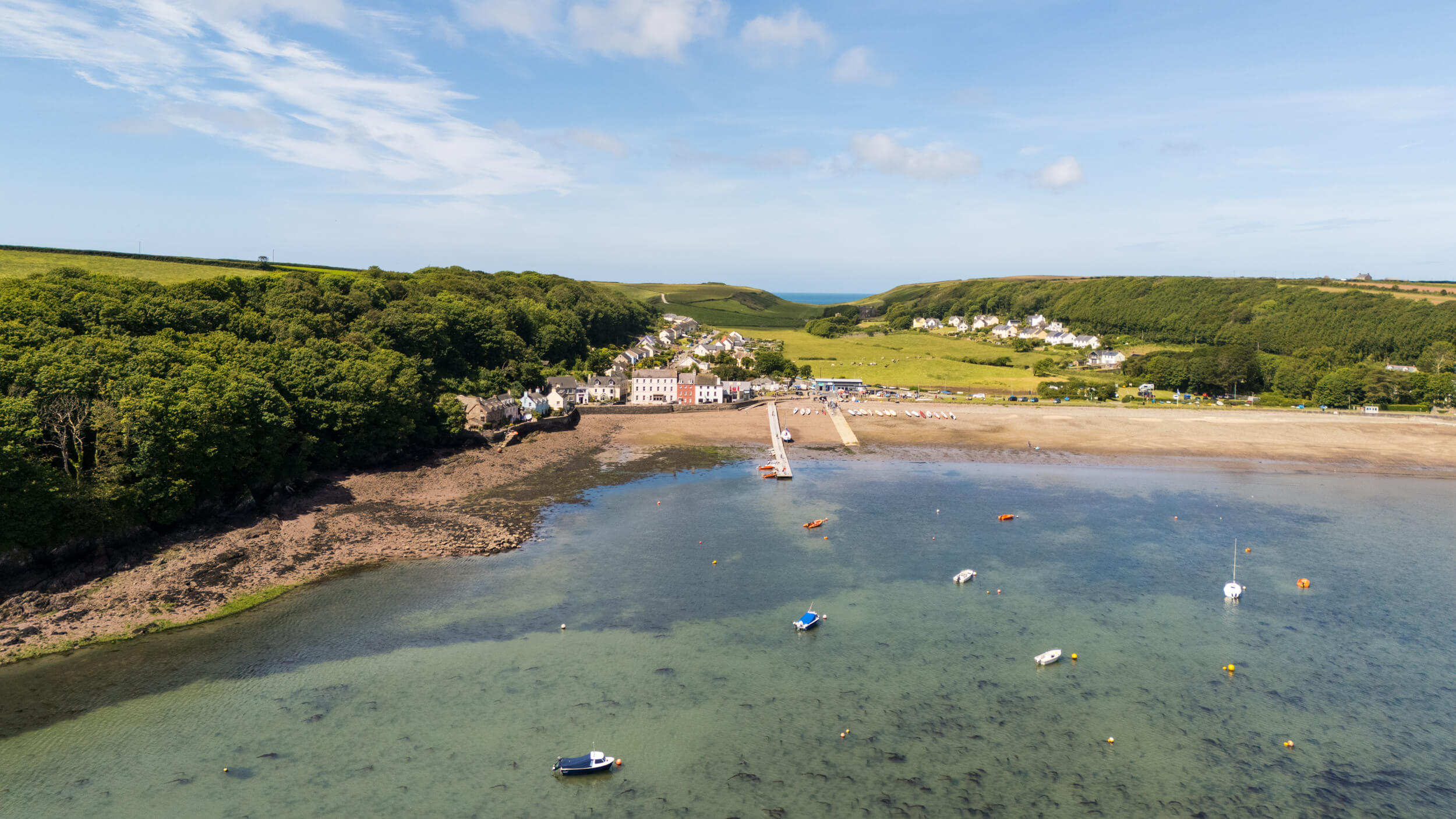
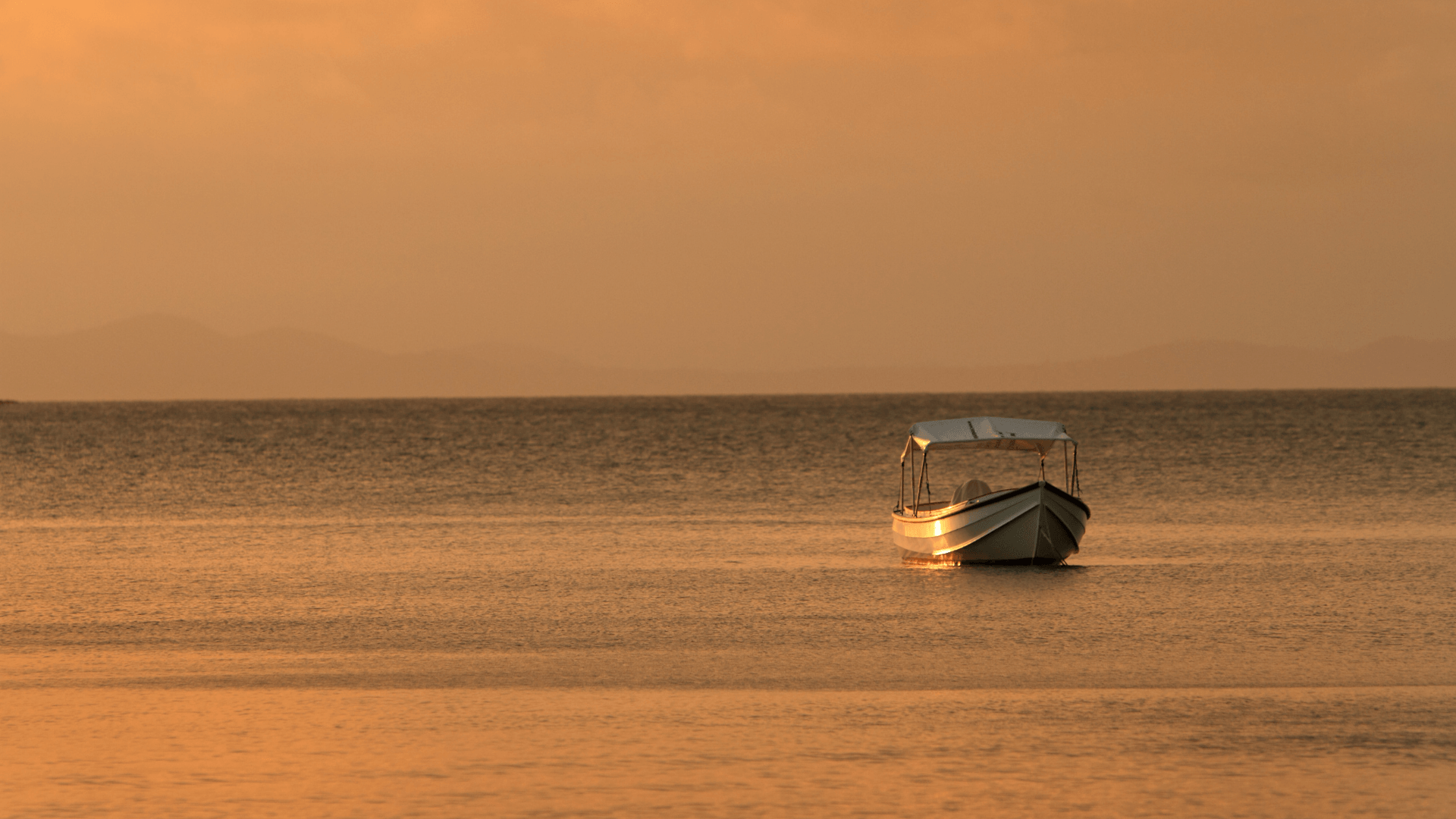
Dale Bay on a summer’s day bustles with a community in motion. Yachts bob on their moorings, a group explores rockpool life on the shore, holiday makers catch crabs from the pontoon and a local fishing boat putters out to check on shellfish pots. Setting off from the slip way, a group of paddleboarders cruises across the bay and stops. Their leader is pointing to a dark patch beneath them, “It’s here, see?“
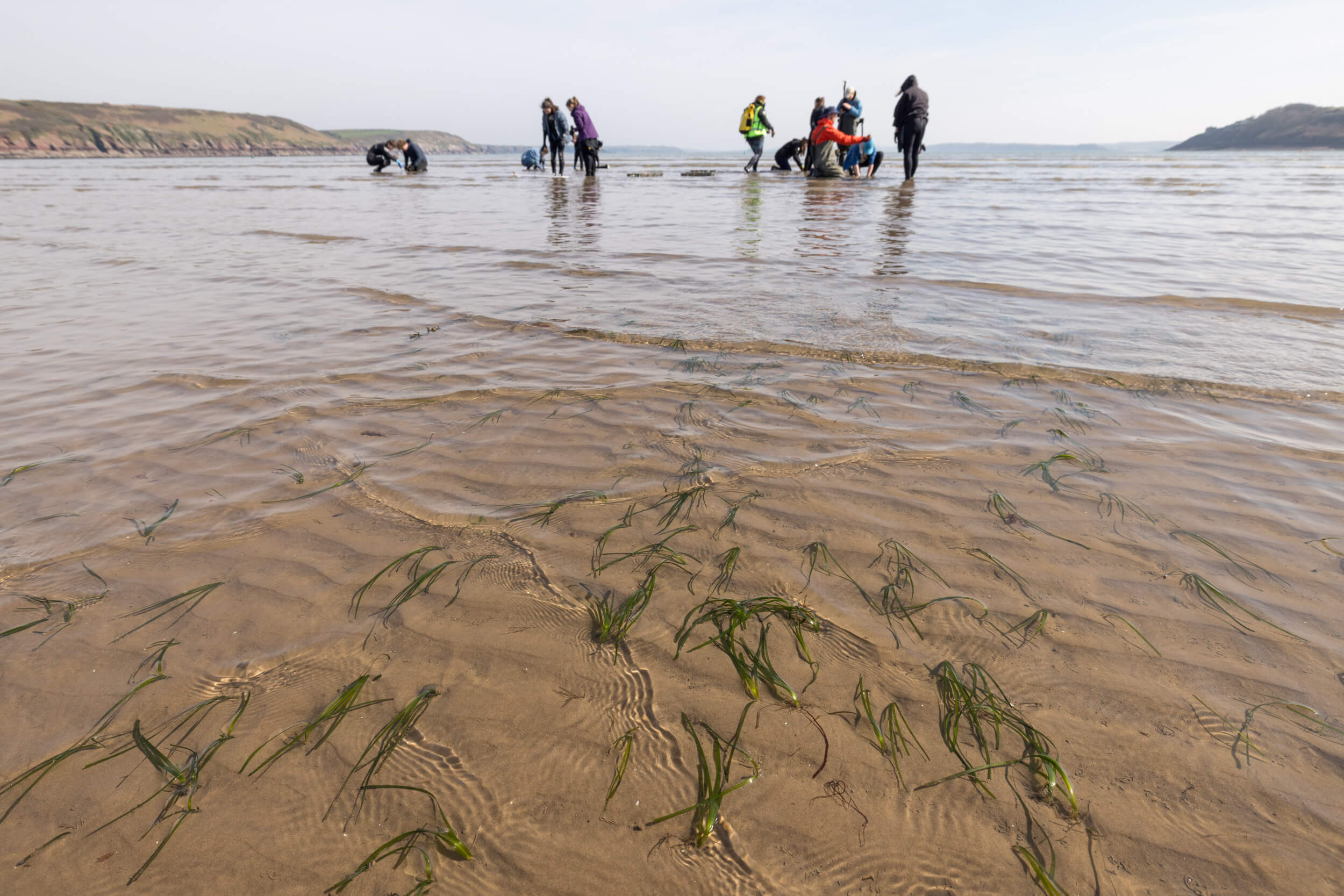
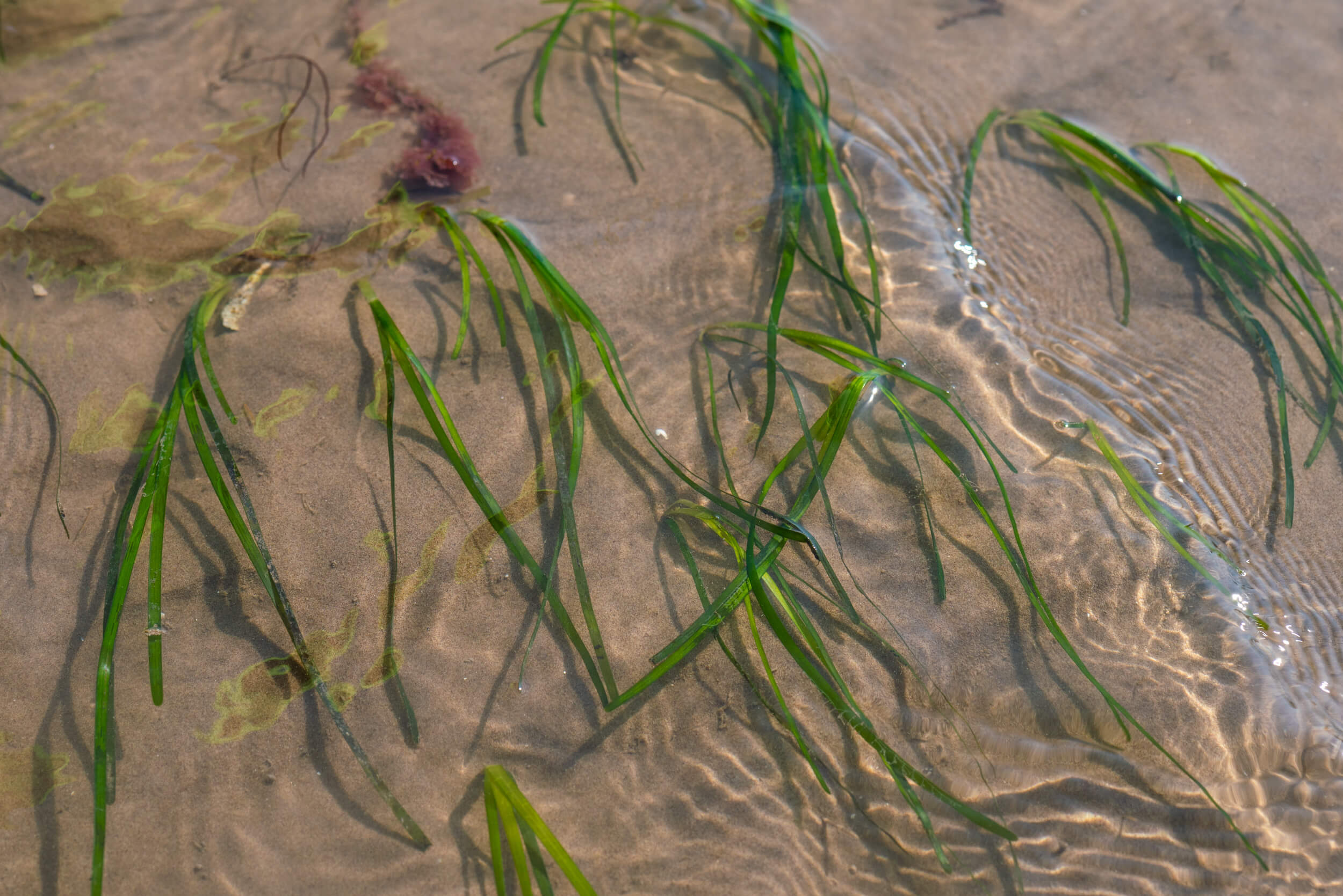
Just beneath the surface lies a hidden sweep of Welsh natural heritage, a vibrant carpet of seagrass. Not a seaweed, but a plant rooted in the sediment with leaves and flowers and seeds, growing beneath the waves. For decades, these underwater meadows were in decline, slipping away shoot by shoot. Today scientists, volunteers and the local community have united to turn things around. Through an approach known as co-production, the restoration plan for Dale Bay’s seagrass was developed collectively through a series of public meetings and discussions with local stakeholders. Together with scientists, the restoration of Dale Bay’s seagrass is being championed by the people who live, work, and play on these waters. By working together the community is helping to bring Dale’s seagrass meadow back to life.
The hidden heritage of Dale bay
Seagrass meadows once carpeted thousands of hectares of the UK’s shallow coastal waters. Over the last century, an estimated 92% of that habitat has been lost to declining water quality, coastal development, and disease. Welsh seagrass has shown a similar decline, and the meadow off the shores of Dale Bay has thinned to a fraction of its historic extent.
But the bay sits within the Pembrokeshire Marine Special Area of Conservation and it was here that Project Seagrass chose to test whether the loss could be reversed. The restoration area is roughly the size of three rugby pitches. Originally a 2-hectare planted area, it was extended towards the foreshore last year with the community’s approval and now covers 3 hectares. A tiny fragment of the thousands of hectares lost nationally. But the point was never the size of the patch. It was whether the model for restoration could work.
Finding common ground: co-production in action
Restoring ecosystems and habitat works best when the people who live and work in them are leading the charge. Co-producing a project with communities and stakeholders, though complex, can lead to long-term support for the project and huge ecological wins. Dale was a landmark case, the first of its kind in UK seagrass restoration, and one of the few marine restoration projects where the co-production process itself has been formally studied. It was a huge source of learning and scientists reported that for marine restoration to truly be successful, projects need to work with local people from the outset, particularly those likely to be impacted. The seagrass meadows in Dale are now thriving, through the work of Project Seagrass, Swansea University and the local community, and with funding from WWF and Sky Ocean Rescue, and supported by the Pembrokeshire Marine SAC and Pembrokeshire Coastal Forum laying the foundations. This was followed by many years of additional work and support from partners, alongside the dedication of local volunteers.
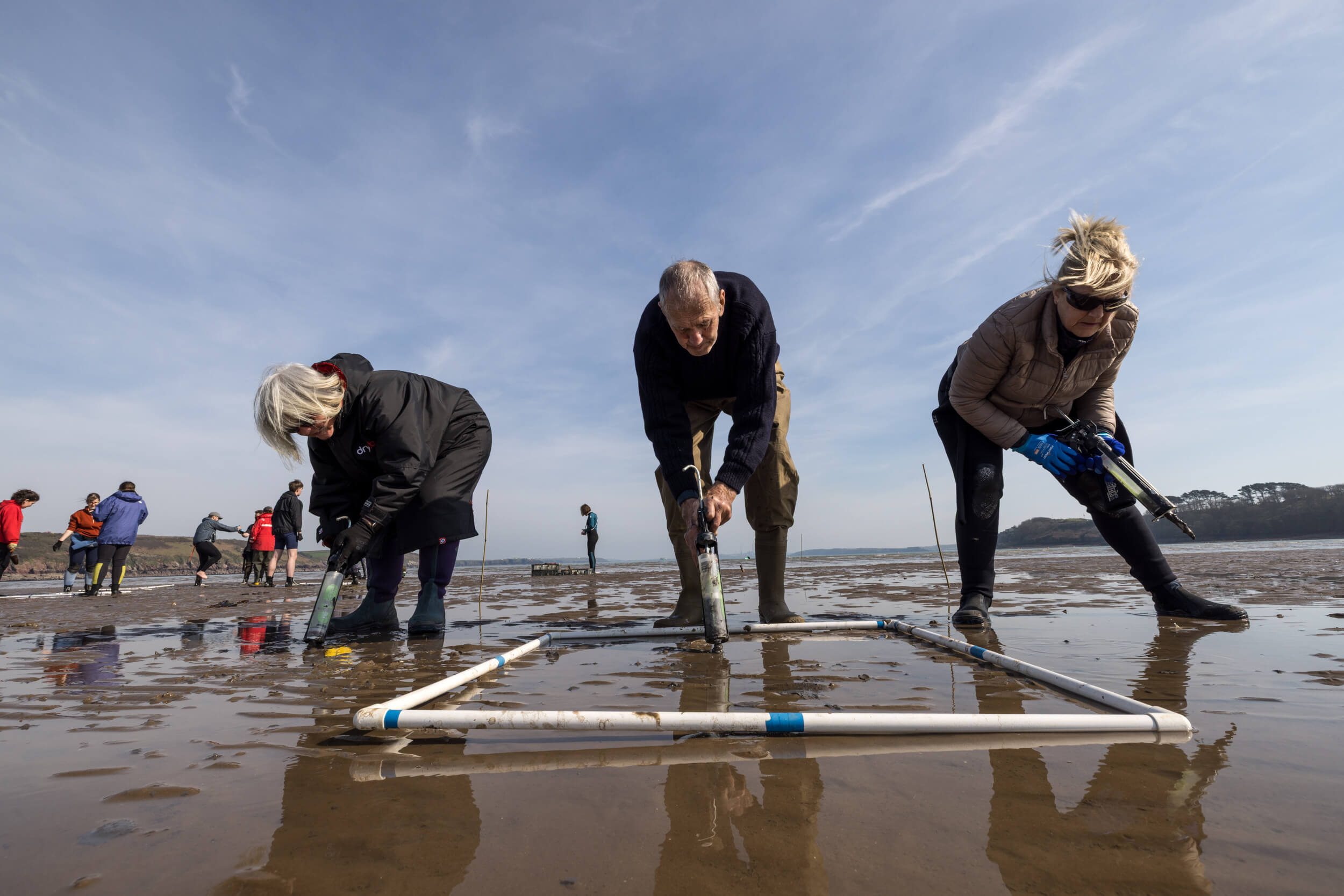
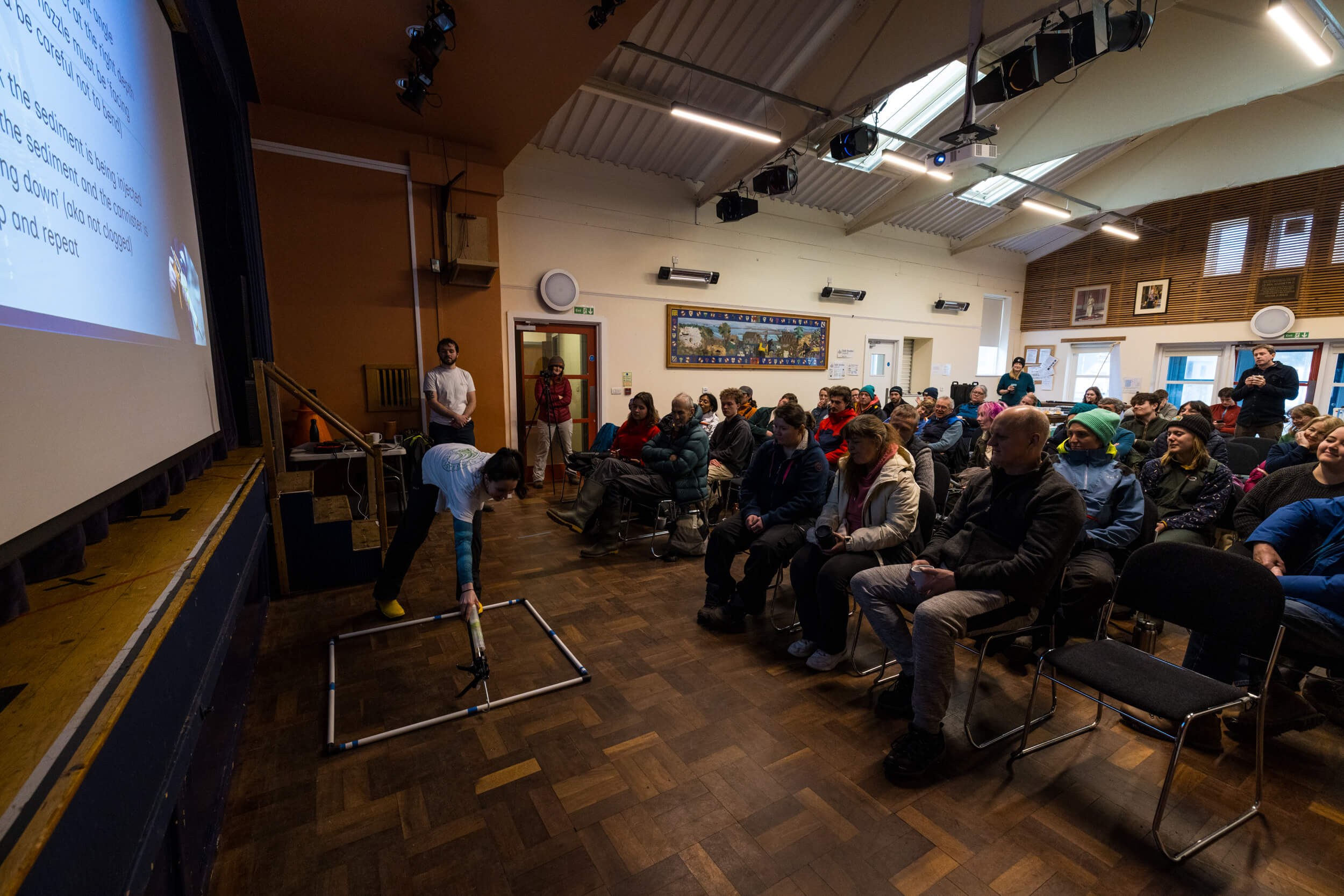
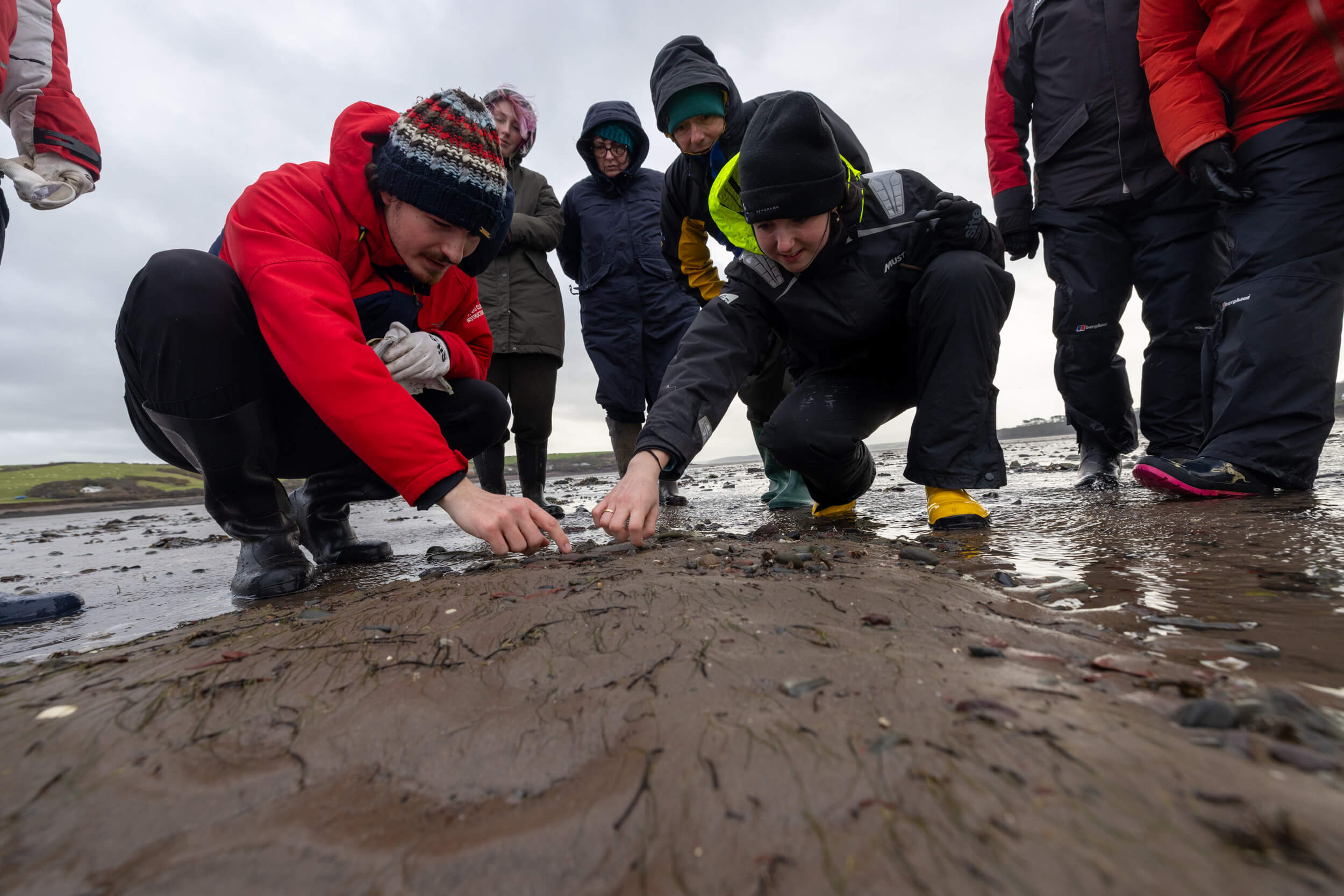
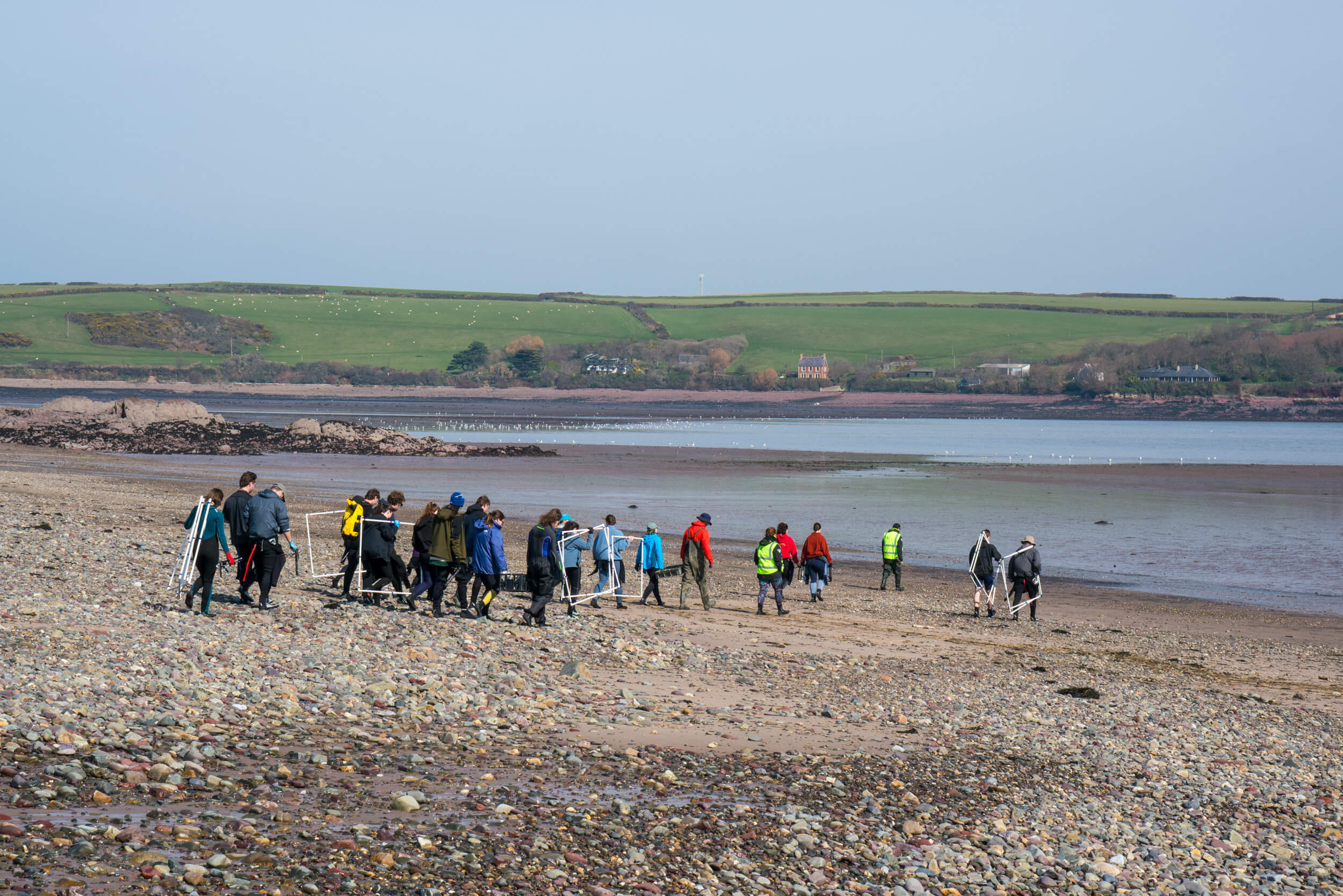
The resulting numbers for Dale reflect the success. In one year (2019-2020) 2,107 volunteers, from 44 separate organisations planted 800,000 seagrass seeds over 4,170 person-hours. At just one event in March 2026, 50 volunteers gathered to help Project Seagrass with their latest round of planting. Participants included local residents, enthusiasts from across the UK, and students from Swansea University. Using modified caulking guns developed by The Fieldwork Company in the Netherlands, the team injected 40,000 seeds into the sediment in coordinated quadrats, with a further 180 nursery-grown plants set by hand.
But beyond the numbers, the impact of co-production is reflected in the community changes: the formation of the Dale Seagrass Stakeholder Group, local freediving groups assisting with planting, moorings installed for visiting sailors, local skippers supporting annual dive monitoring, and Windswept Watersports running educational sessions about the seagrass for community groups and the general public.
Local pot fisher Mark, of Lilly May Fishing, worked with Project Seagrass from the outset, helping to identify the best site for restoration and deploy monitoring equipment. Concerned that lifting his gear was tearing up the meadow, he designed a modified shellfish pot that reduces entanglement without affecting the catch. This is a genuine example of local knowledge feeding back into restoration practice.
The Pembrokeshire Coastal Forum facilitated the development of the Dale Seagrass Stakeholder Group which now meets twice yearly. This group brings together community representatives from Dale Yacht Club, mooring holders, local fishers, business owners, Dale Fort Field Centre and the Community Council, alongside statutory bodies including the Pembrokeshire Marine SAC, and the Project Seagrass staff. It is chaired not by Project Seagrass, but by community member Fil Marshall. This means the community sits at the heart of the project’s operation, with the stakeholder group co-managing the site and the visitor moorings. Its founding Terms of Reference anticipate that it will eventually become a self-sustaining local management body involving a slow transfer of governance from project to place.
So what is it that makes the co-production model in Dale Bay so crucial for long-term marine protection? Pembrokeshire SAC Officer, Sue Burton puts it this way, “Quite simply, marine protection needs massive collective action to start making any meaningful differences across the globe, but this starts with small-scale local action. Local management and protection needs involvement and support from local people in order to be successful. Involving local people builds a sense of ownership and that is what we need for long-term management.” Burton describes an example where she was getting frequent calls from concerned residents about the activities of a non-local fishing boat in close proximity to the seagrass meadow.
John Walmsley, former commodore of Dale Yacht Club, remembers the early scepticism well. When the club’s committee was asked for a formal response in September 2019, the vote was seven to three for a delay. “The general attitude was ‘how will it affect me’,” he says, “not what good it will do for carbon capture and fish stocks in the long term.” Members worried that fishing and boating might eventually be banned and that boat propellers would foul on the new seagrass growth.
To investigate, Walmsley travelled with a fellow committee member to Porthdinllaen in North Wales, where a seagrass meadow has long coexisted with an active harbour. They met seven local fishers. None had any issues with it. He reported back to the stakeholder meetings and the dissenters were gradually brought onside. “My impression,” he says, “is that they are quite proud of the seagrass now.”
Below the surface: biodiversity and livelihoods
The wonder of seagrass meadows lies in the detail, “Diving in the seagrass you have to slow down and look closely to see the incredible life woven through it. From tiny grazers and sea slugs, to cuttlefish eggs and hunting catsharks. There’s an entire world living among their leaves,” says Emma Williams, marine biologist and freediver from Celtic Deep who run guided snorkels to explore the meadow.
Emma Fox, Project Seagrass Senior Science Officer, says “Seagrass is a biodiverse haven for marine life in Dale Bay.” An abundance of fish and invertebrate species use the seagrass meadows as a nursery habitat so it is critical for supporting fishers.
Robert Varns, local angling club Secretary from Herbrandston says, “I’m all for the restoration.” He collects razor clams from among the seagrass meadows at low tide to use as bait. “The seagrass is wonderful for the seabed. Rays and all sorts of fish come and feed.”
Recreation, education, volunteers, and the next generation
At Windswept Watersports, a community watersports centre based on the water’s edge in Dale, Sarah Bagley and her team now weave the meadow into their sessions. “When we’re out on the paddleboards,” she says, “it adds a real sense of purpose to the journey, which people seem to really connect with.”
On a summer morning in 2024, Stakeholder Officer for Project Seagrass, Flo Taylor teamed up with Windswept to take a group of local school children out on the water, “From initially thinking what’s under the sea could be scary and unknown, they returned with wonder and talking about how cool the seagrass habitat was.” Some of them had never been on a boat before despite the sea being on their doorstep. But by the end of the session, “they came up with light in their eyes and were shouting about how many fish they had just seen.”
Volunteer events can be just as transformative. “When a planting day goes well, the energy is grounding and contagious,” Taylor says. “A group of people arrive apprehensive but eager to help, they leave inspired, feeling they’ve done something small to help and excited to do more and share their stories.”
The Dale Bay seagrass events draw volunteers from all over the country too. David and Maggie Roy from Blackfordby in Leicestershire, made a 460 mile round trip to Dale to join in with a planting event in March 2026. “We feel very passionate about conservation,” David enthused. Drawn to practical projects that make a difference, they are repeat volunteers and seagrass enthusiasts. Having helped pick the seeds from a seagrass meadow at Porthdinllaen in north Wales at a previous event, they had come full circle with planting the seeds at Dale.
“Being hands on is essential to getting people to feel connected and part of the ecosystem.” Taylor explains. Showing people photos and videos of seagrass might spark interest, but participation is key and explains why community-led restoration succeeds where top-down approaches falter.
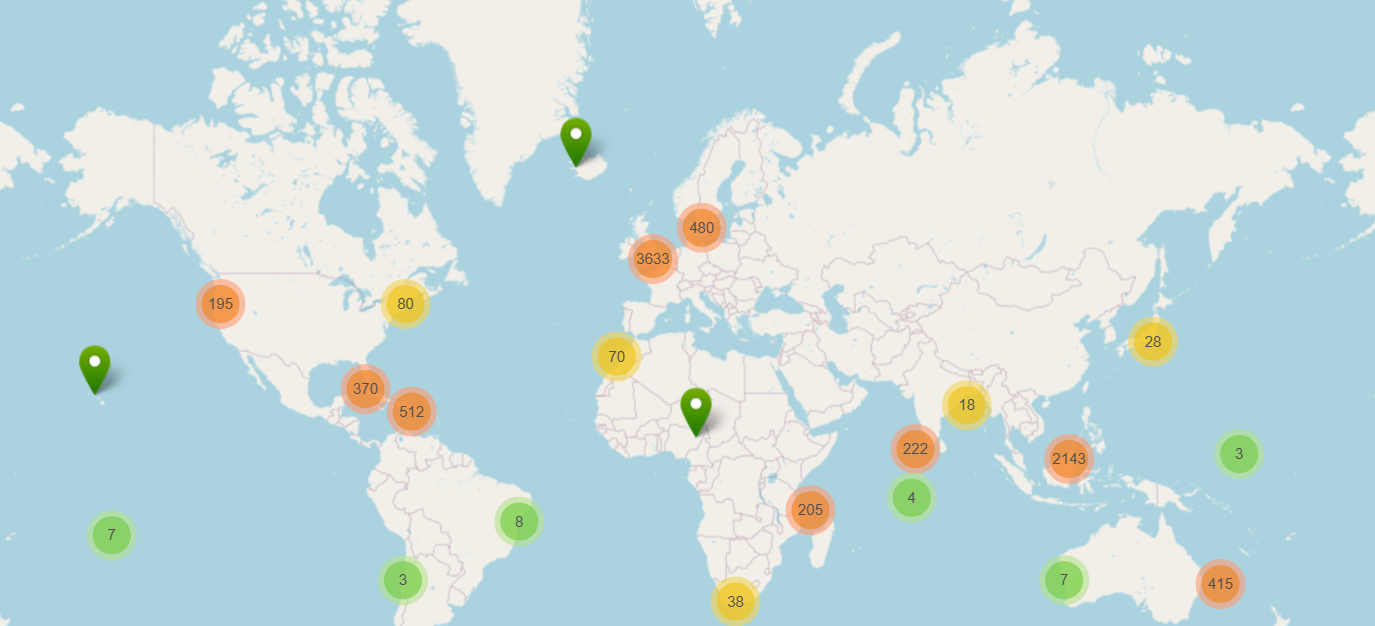
The SeagrassSpotter app extends participation to an even wider audience. “One of the challenges facing seagrass and its conservation is that much of it remains unmapped,” says Fox. The app encourages anyone to contribute records of seagrass from a stroll at low tide and is a cost effective way of mapping the extent of seagrass meadows beyond the limited time and resources of Project Seagrass staff. The resulting data is also open source and free to use so anyone can access it.
Looking forward: a plan for Wales
The National Seagrass Action Plan (NSAP) was developed by Seagrass Network Cymru, a collaborative network of NGOs, academics, commercial businesses, government bodies, and management agencies. It aims to map Wales’ seagrass, halt further seagrass loss, restore 266 hectares by 2030, and double the extent by 2050. With the Welsh Government’s endorsement in 2025, Wales became the first nation in the world to commit to a coordinated national plan for seagrass restoration.
Dale’s three hectares represent less than 1% of that 2030 ambition, but its influence is mushrooming. “The Dale work is effectively a demonstration project,” Burton says. “Lessons and experience have already been learnt and are being applied elsewhere, such as in North Wales where Seagrass Ocean Rescue is re-seeded 10 hectares.” She describes Dale as “almost a microcosm for the NSAP.”
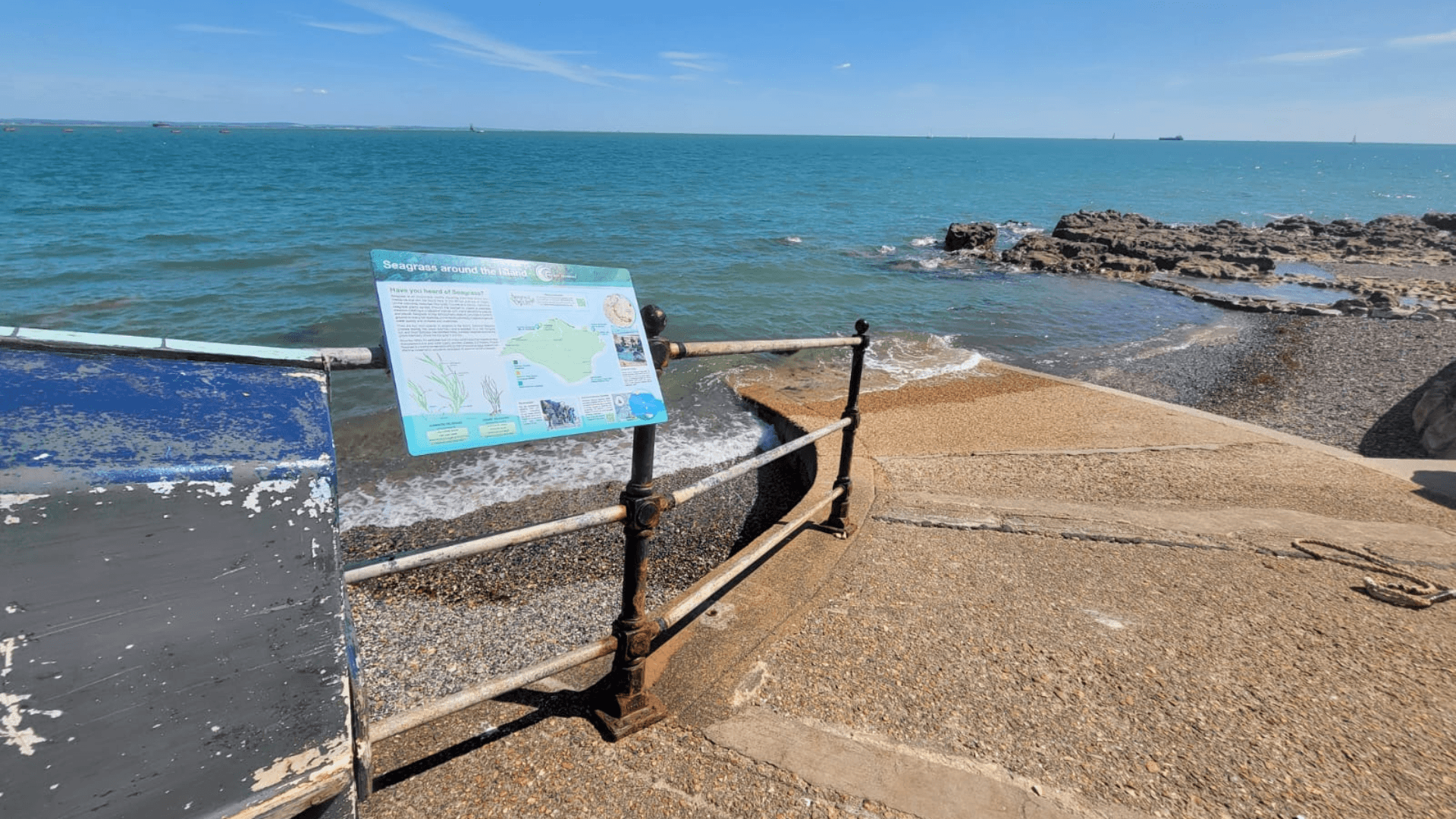
Reconnecting communities with their hidden coastal heritage matters at every scale. “It’s not rocket science,” Burton says. “The main problem working in marine conservation is having to deal with what is out of sight and out of mind.” Awareness raising and interpretation have a huge role to play in opening people’s eyes to the wonders on their doorsteps.
She is optimistic about the next generation. Young people in particular, she notes, are conscious of the nature and climate emergency. “They want to see action to address them.” But she remains frustrated by the slow churn of policy and politics.
Back in Dale Bay, the paddleboarders glide across the bay, a yacht heads out from the moorings for an evening sail, Lilly May hauls a modified shellfish pot from the shallows. None of this looks like conservation and yet it is. What Dale has restored, alongside its seagrass, is a community that has taken its hidden heritage to heart. This is the model the National Seagrass Action Plan is now building on across Wales. And although the method and the science is transferable, trust from community members takes time. Each new location will need its own meetings, its own first objector brought onside, its own unique gathering of people to become champions for seagrass. Each of those begins with someone noticing and appreciating their surroundings. The SeagrassSpotter app turns any walk at low tide into data points that help put seagrass on the map, no scientific expertise or wetsuit required.
But beyond the realms of technology there is a more profound invitation. It is one that asks coastal communities to look at their coastlines and precious natural heritage, the way Dale’s residents have come to look at theirs.
Article and photographs created by Lou Luddington (www.louludd.com) as part of the FANNS programme which was funded through the Nature Networks Programme, delivered by the National Lottery Heritage Fund on behalf of the Welsh Government.