Fishers’ local knowledge can help identify the best locations for seagrass restoration, new research finds
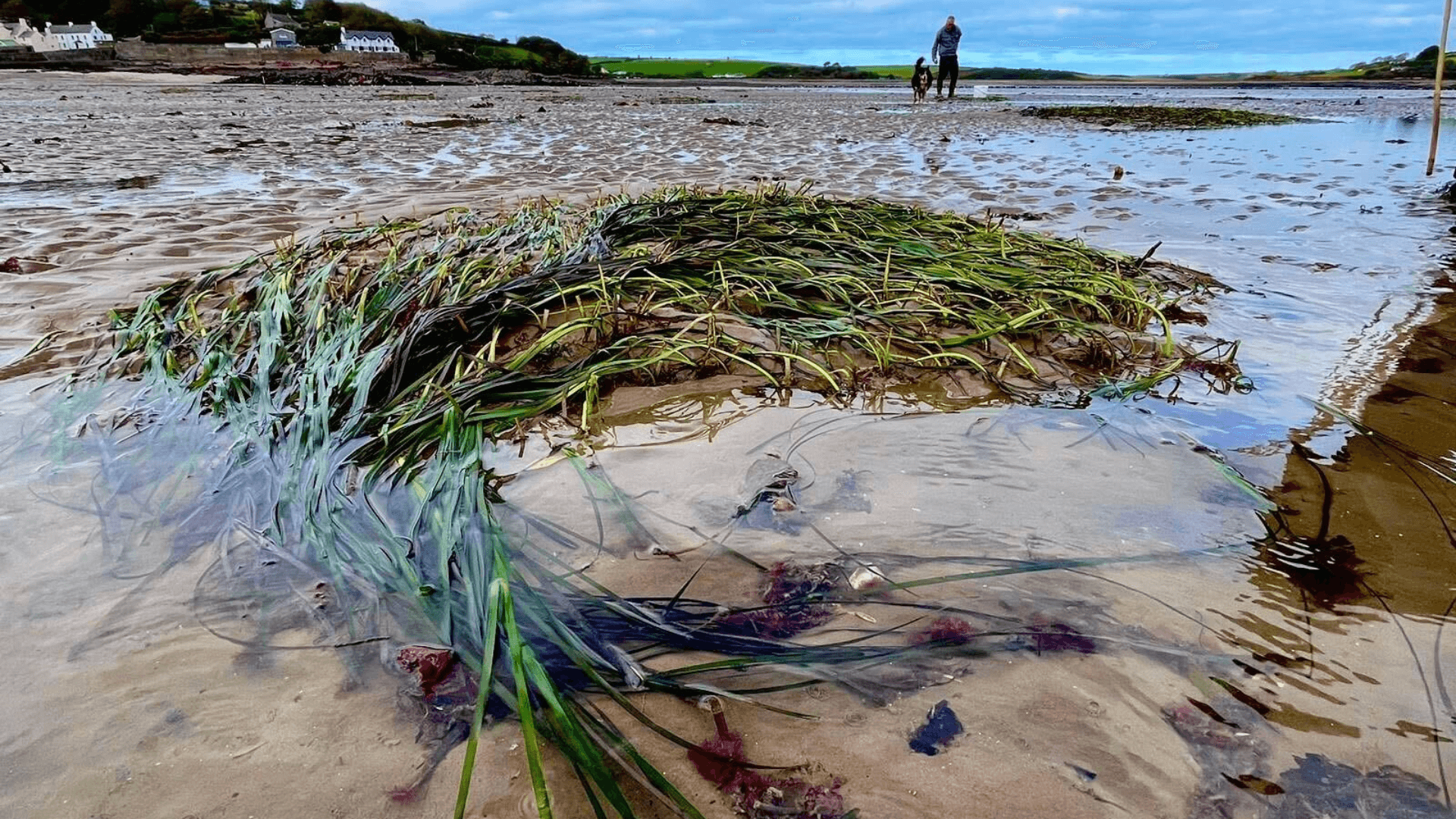
New study shows coastal users can provide valuable insights that strengthen restoration planning and long-term project success Fishers and anglers possess valuable local knowledge that can help identify suitable locations for seagrass restoration, new research published by Project Seagrass shows. The study, conducted along the South Wales coastline, found that areas identified by coastal users as suitable for seagrass restoration closely matched locations where seagrass is already known to occur. The findings highlight the potential for local ecological knowledge to complement scientific habitat suitability models and improve restoration planning. Interest in seagrass restoration is growing worldwide in response to the climate and biodiversity crises, with restoration projects increasingly relying on habitat suitability models to identify potential restoration sites. Whilst these tools play an important role in guiding restoration efforts, the new research highlights the value of using these models in combination with the knowledge held by people who interact with coastal environments every day, often over decades and across generations. Flo Taylor, Stakeholder Engagement Officer at Project Seagrass: “Fishers and anglers are present on our coastlines sometimes every day and have generations of knowledge and experience built over time as a collective. Their memories and experiences are incredibly valuable alongside scientific research, and we really appreciate every person who shared some of that knowledge with us as part of this study. As a science-led marine conservation charity, by working together with local communities, we can make our restoration work stronger and more sustainable.” Catshark in seagrass. Credit Shannon Moran, Ocean Image Bank Cuttlefish eggs in seagrass. Credit, Richard Unsworth, Project Seagrass Researchers invited fishers and anglers from across South Wales to identify locations they believed would be suitable for seagrass restoration, as well as areas where restoration efforts should be avoided. Coastal users contributed their insights through an online survey and a participatory mapping exercise. Participants consistently identified sheltered bays, estuaries and shallow coastal waters as suitable locations for restoration, including hotspots within Milford Haven Waterway, Fishguard Bay, the Burry Inlet, and around Barry Island. One unexpected finding was that many of the locations identified as suitable for restoration already contain seagrass meadows. Researchers suggest this may reflect a broader public understanding of restoration that includes protecting, enhancing and supporting the recovery of existing habitats, rather than only planting seagrass in new locations. The study also explored how coastal users perceive seagrass meadows and restoration efforts more broadly. Perceptions were overwhelmingly positive, with 85% of respondents agreeing that seagrass benefits the wider environment and 69% agreeing that seagrass is beneficial to the species they catch. Similar levels of support were recorded for seagrass restoration initiatives. The findings highlight the importance of integrating local ecological knowledge into restoration planning from the outset. Community support, stakeholder engagement and local stewardship are increasingly recognised as critical factors in determining whether restoration projects succeed over the long term, beyond ecological conditions alone. By combining scientific modelling with the experience of coastal users, restoration practitioners can identify opportunities, constraints and potential conflicts earlier, improving decision-making and increasing the likelihood of long-term success. The research was funded through the Nature Networks Programme, delivered by the National Lottery Heritage Fund on behalf of the Welsh Government, and by Rebel Restoration
Voices of Dale bay: The community in west Wales bringing seagrass back to life
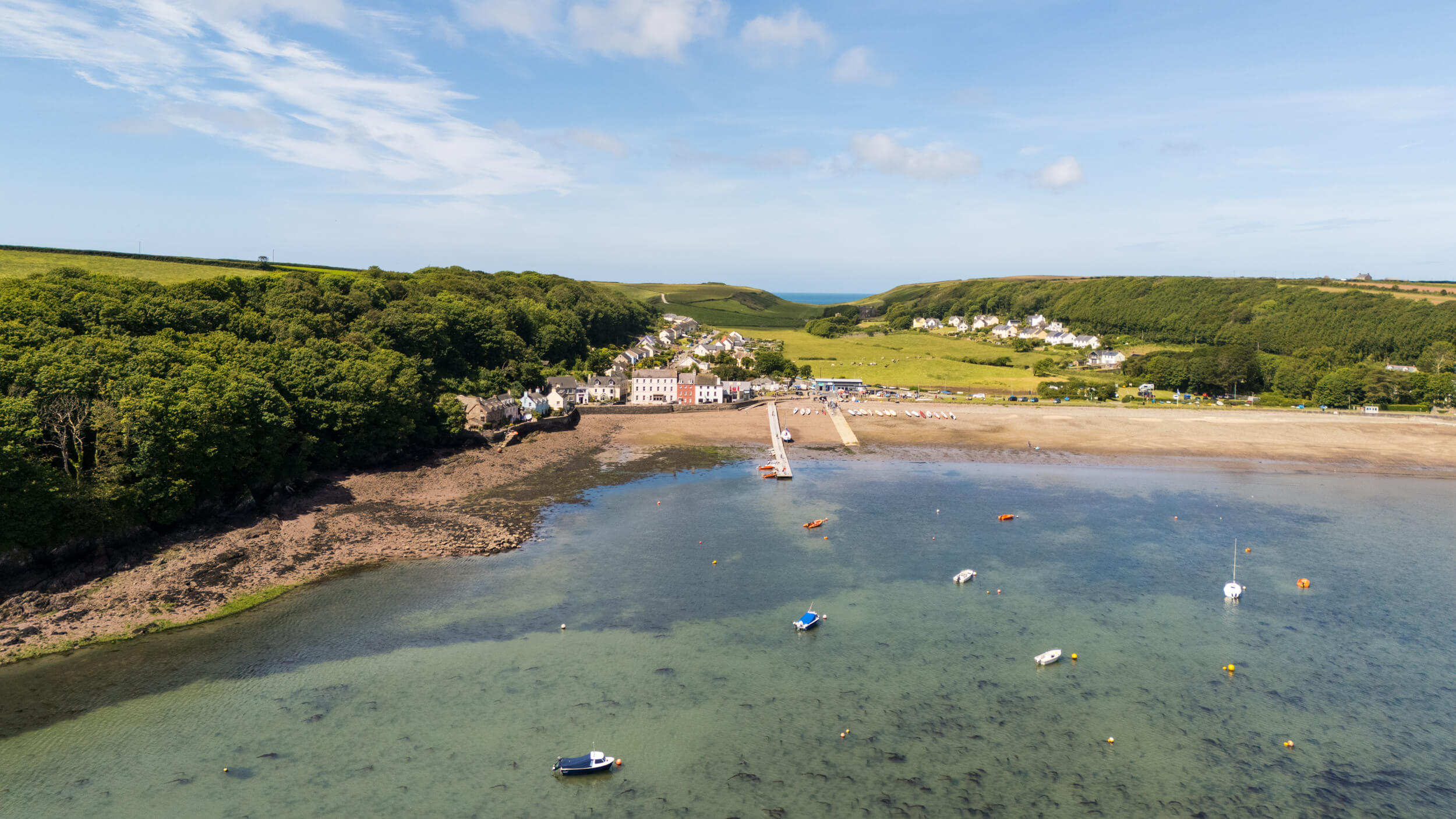
Dale Bay on a summer’s day bustles with a community in motion. Yachts bob on their moorings, a group explores rockpool life on the shore, holiday makers catch crabs from the pontoon and a local fishing boat putters out to check on shellfish pots. Setting off from the slip way, a group of paddleboarders cruises across the bay and stops. Their leader is pointing to a dark patch beneath them, “It’s here, see?“ Just beneath the surface lies a hidden sweep of Welsh natural heritage, a vibrant carpet of seagrass. Not a seaweed, but a plant rooted in the sediment with leaves and flowers and seeds, growing beneath the waves. For decades, these underwater meadows were in decline, slipping away shoot by shoot. Today scientists, volunteers and the local community have united to turn things around. Through an approach known as co-production, the restoration plan for Dale Bay’s seagrass was developed collectively through a series of public meetings and discussions with local stakeholders. Together with scientists, the restoration of Dale Bay’s seagrass is being championed by the people who live, work, and play on these waters. By working together the community is helping to bring Dale’s seagrass meadow back to life. Dale Bay in Pembrokeshire was the location of the UK’s first major seagrass restoration project. Paddleboarders explore seagrass in Dale Bay as part of a seagrass celebration event. The hidden heritage of Dale bay Seagrass meadows once carpeted thousands of hectares of the UK’s shallow coastal waters. Over the last century, an estimated 92% of that habitat has been lost to declining water quality, coastal development, and disease. Welsh seagrass has shown a similar decline, and the meadow off the shores of Dale Bay has thinned to a fraction of its historic extent. But the bay sits within the Pembrokeshire Marine Special Area of Conservation and it was here that Project Seagrass chose to test whether the loss could be reversed. The restoration area is roughly the size of three rugby pitches. Originally a 2-hectare planted area, it was extended towards the foreshore last year with the community’s approval and now covers 3 hectares. A tiny fragment of the thousands of hectares lost nationally. But the point was never the size of the patch. It was whether the model for restoration could work. Finding common ground: co-production in action Restoring ecosystems and habitat works best when the people who live and work in them are leading the charge. Co-producing a project with communities and stakeholders, though complex, can lead to long-term support for the project and huge ecological wins. Dale was a landmark case, the first of its kind in UK seagrass restoration, and one of the few marine restoration projects where the co-production process itself has been formally studied. It was a huge source of learning and scientists reported that for marine restoration to truly be successful, projects need to work with local people from the outset, particularly those likely to be impacted. The seagrass meadows in Dale are now thriving, through the work of Project Seagrass, Swansea University and the local community, and with funding from WWF and Sky Ocean Rescue, and supported by the Pembrokeshire Marine SAC and Pembrokeshire Coastal Forum laying the foundations. This was followed by many years of additional work and support from partners, alongside the dedication of local volunteers. The resulting numbers for Dale reflect the success. In one year (2019-2020) 2,107 volunteers, from 44 separate organisations planted 800,000 seagrass seeds over 4,170 person-hours. At just one event in March 2026, 50 volunteers gathered to help Project Seagrass with their latest round of planting. Participants included local residents, enthusiasts from across the UK, and students from Swansea University. Using modified caulking guns developed by The Fieldwork Company in the Netherlands, the team injected 40,000 seeds into the sediment in coordinated quadrats, with a further 180 nursery-grown plants set by hand. Local volunteers support seagrass planting efforts in Dale Bay, spring 2026. Volunteers have been central to seagrass planting efforts in Dale Bay. But beyond the numbers, the impact of co-production is reflected in the community changes: the formation of the Dale Seagrass Stakeholder Group, local freediving groups assisting with planting, moorings installed for visiting sailors, local skippers supporting annual dive monitoring, and Windswept Watersports running educational sessions about the seagrass for community groups and the general public. Local pot fisher Mark, of Lilly May Fishing, worked with Project Seagrass from the outset, helping to identify the best site for restoration and deploy monitoring equipment. Concerned that lifting his gear was tearing up the meadow, he designed a modified shellfish pot that reduces entanglement without affecting the catch. This is a genuine example of local knowledge feeding back into restoration practice. The Pembrokeshire Coastal Forum facilitated the development of the Dale Seagrass Stakeholder Group which now meets twice yearly. This group brings together community representatives from Dale Yacht Club, mooring holders, local fishers, business owners, Dale Fort Field Centre and the Community Council, alongside statutory bodies including the Pembrokeshire Marine SAC, and the Project Seagrass staff. It is chaired not by Project Seagrass, but by community member Fil Marshall. This means the community sits at the heart of the project’s operation, with the stakeholder group co-managing the site and the visitor moorings. Its founding Terms of Reference anticipate that it will eventually become a self-sustaining local management body involving a slow transfer of governance from project to place. So what is it that makes the co-production model in Dale Bay so crucial for long-term marine protection? Pembrokeshire SAC Officer, Sue Burton puts it this way, “Quite simply, marine protection needs massive collective action to start making any meaningful differences across the globe, but this starts with small-scale local action. Local management and protection needs involvement and support from local people in order to be successful. Involving local people builds a sense of ownership and that is what we need for long-term management.” Burton describes an example where she was getting frequent calls from