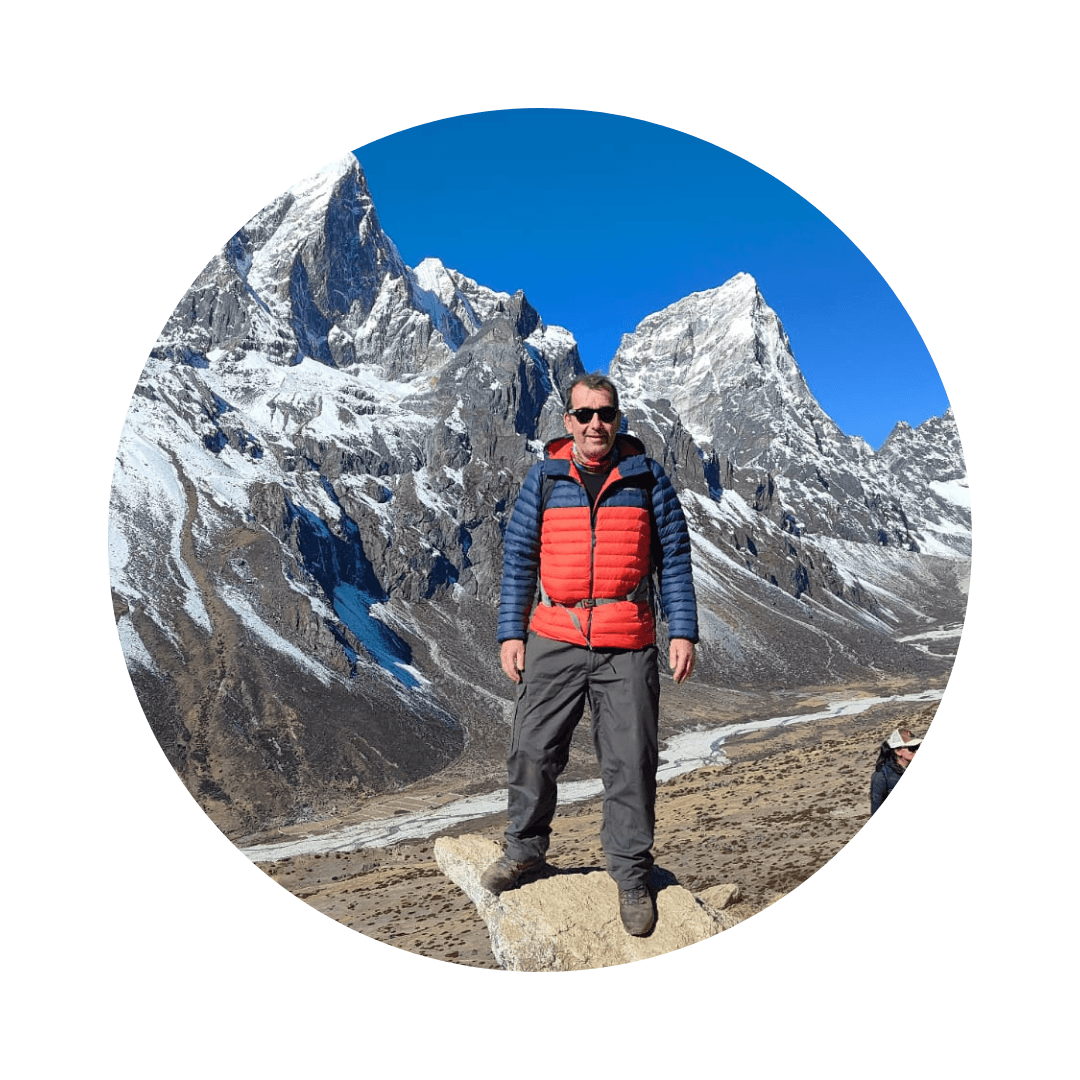
The Careers in Conservation: Below the Surface series takes a deep dive into the variety of job roles available within the conservation sector. In this article, Project Seagrass Programme Manager Mark Hart shares his experiences and the route he took to a career in conservation.
Job Description
Mark has been Programme Manager with Project Seagrass since the end of 2025. As Programme Manager, Mark spends a lot of time working closely with the science and operations teams to co-ordinate and deliver a portfolio of projects to agreed timescales, budgets, and outcomes. He leads the setting up of new projects, including development of project plans and reporting frameworks, supports the implementation of new systems and processes to improve efficiency and collaboration, liaises with internal and external stakeholders and ensures compliance with contractual requirements, funder expectations, and organisational policies and strategy.
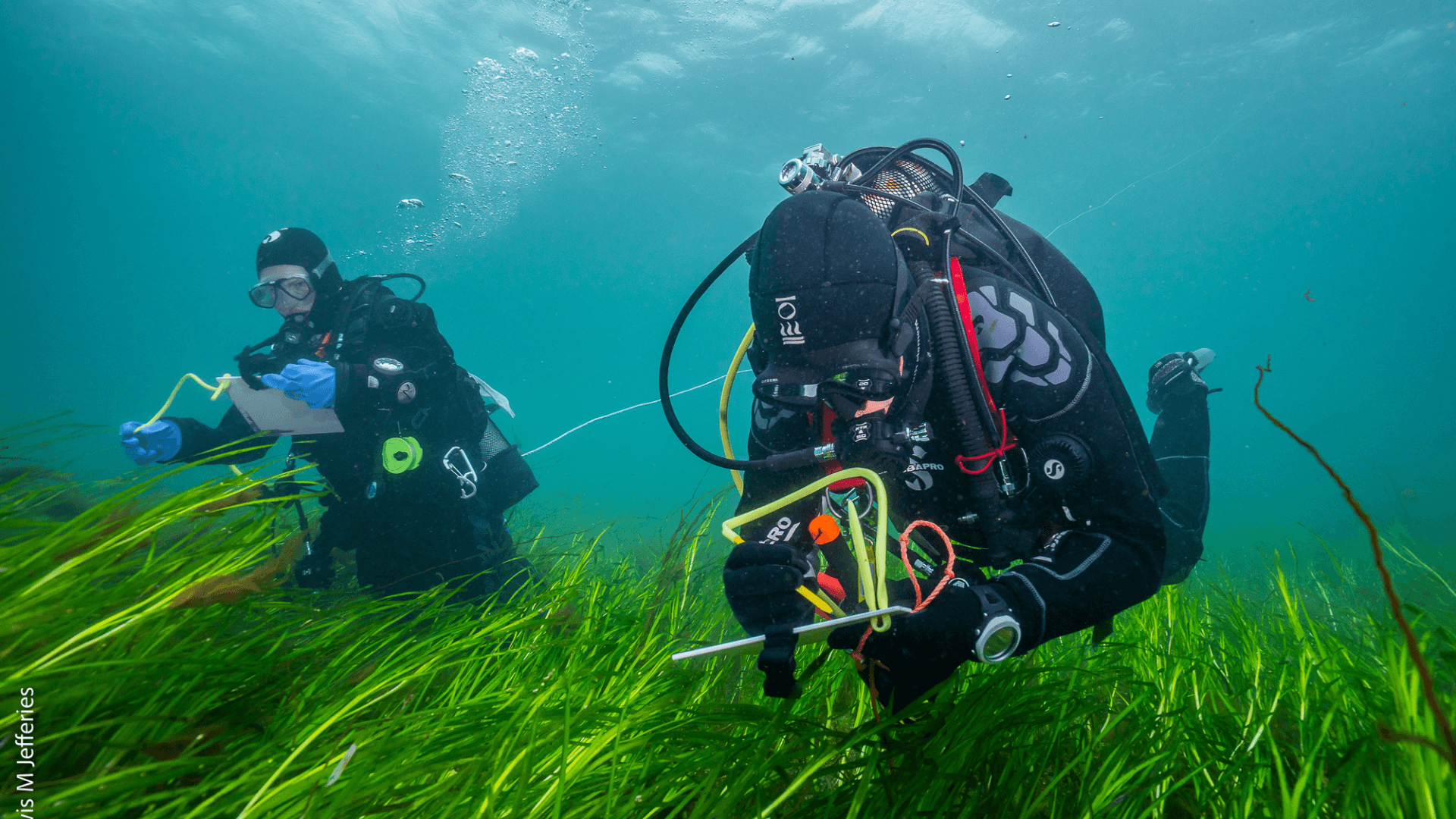
Solid IT skills and being a good communicator are essential skills for this role. Although fieldwork is not an essential aspect, Mark mentions how attending fieldwork where the opportunity arises is beneficial as it helps him better understand operational challenges, costs, timescales and risks.
Mark most enjoys the teamwork aspect of his role, as well as meeting like-minded people and contributing to better outcomes for nature.
Previous Experience
Previously, Mark has had various roles in the UK Hydrographic Office, NHS, local government, consultancy and Royal Navy related to risk and project management deliverables as well as volunteering as a school governor and with his local Wildlife Trust. He notes how despite the various roles throughout his career, he enjoyed sciences and the environment as a student and never lost that enthusiasm.
During university, Mark studied a BSc in Oceanography and an MA in International Security.
Mark notes the experience he gained in previous roles with operational delivery, strategic planning, partnership working, and collaboration across different sectors were most helpful in getting him where he is today.
Advice
Mark suggests that the best qualities that make someone ideal for working in conservation are passion, energy, a can-do attitude, and a love of the outdoors.
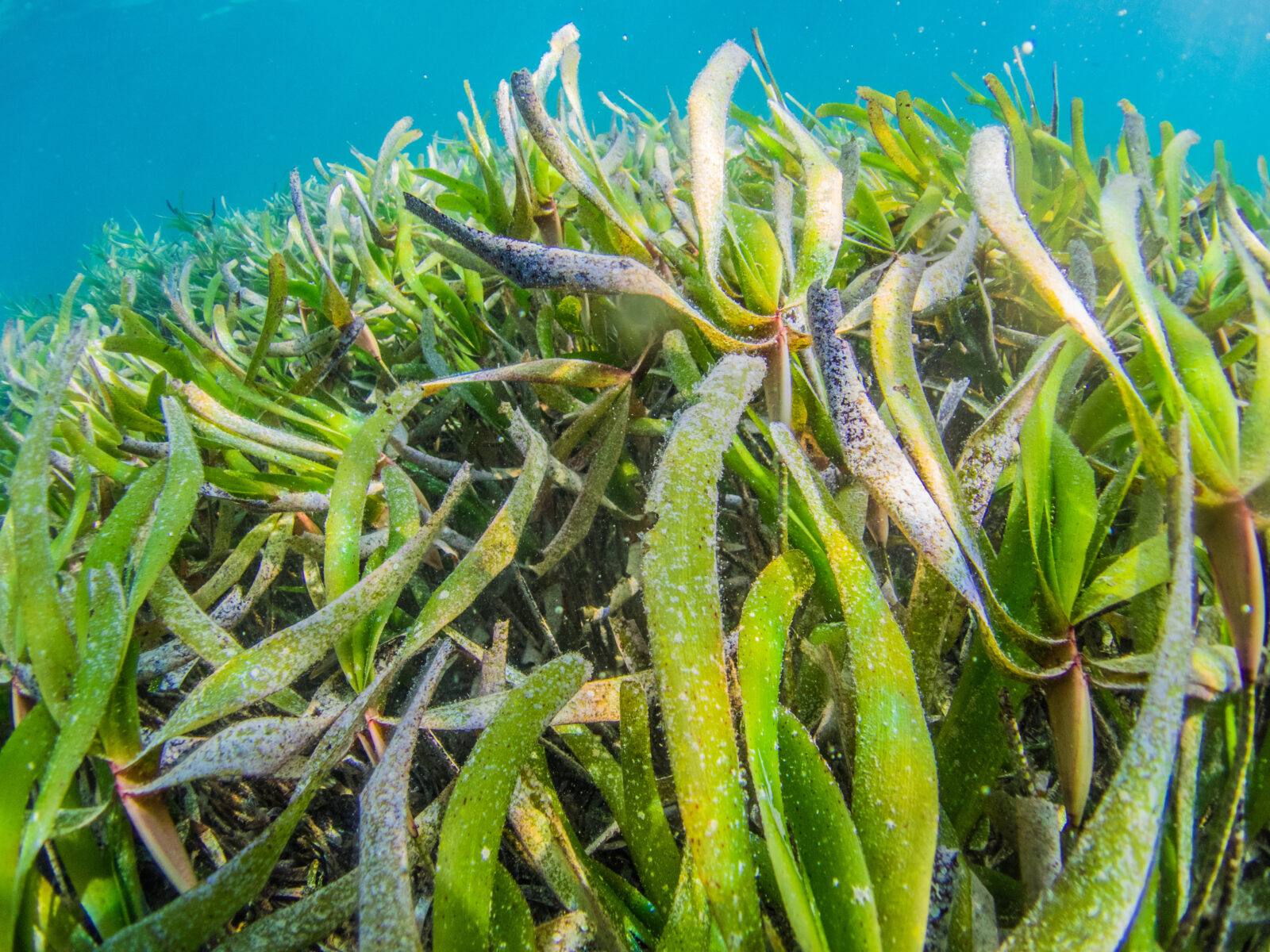
Mark previously knew very little about seagrass until he started working with the organisation – so it is important to remember you don’t have to be an expert in a subject before starting to work with it!