The Careers in Conservation: Below the Surface series takes a deep dive into the variety of job roles available within the conservation sector. In this article, Project Seagrass Senior Science Officer Ally Evans shares her experiences and the route she took to a career in conservation.
Job Description and Skills
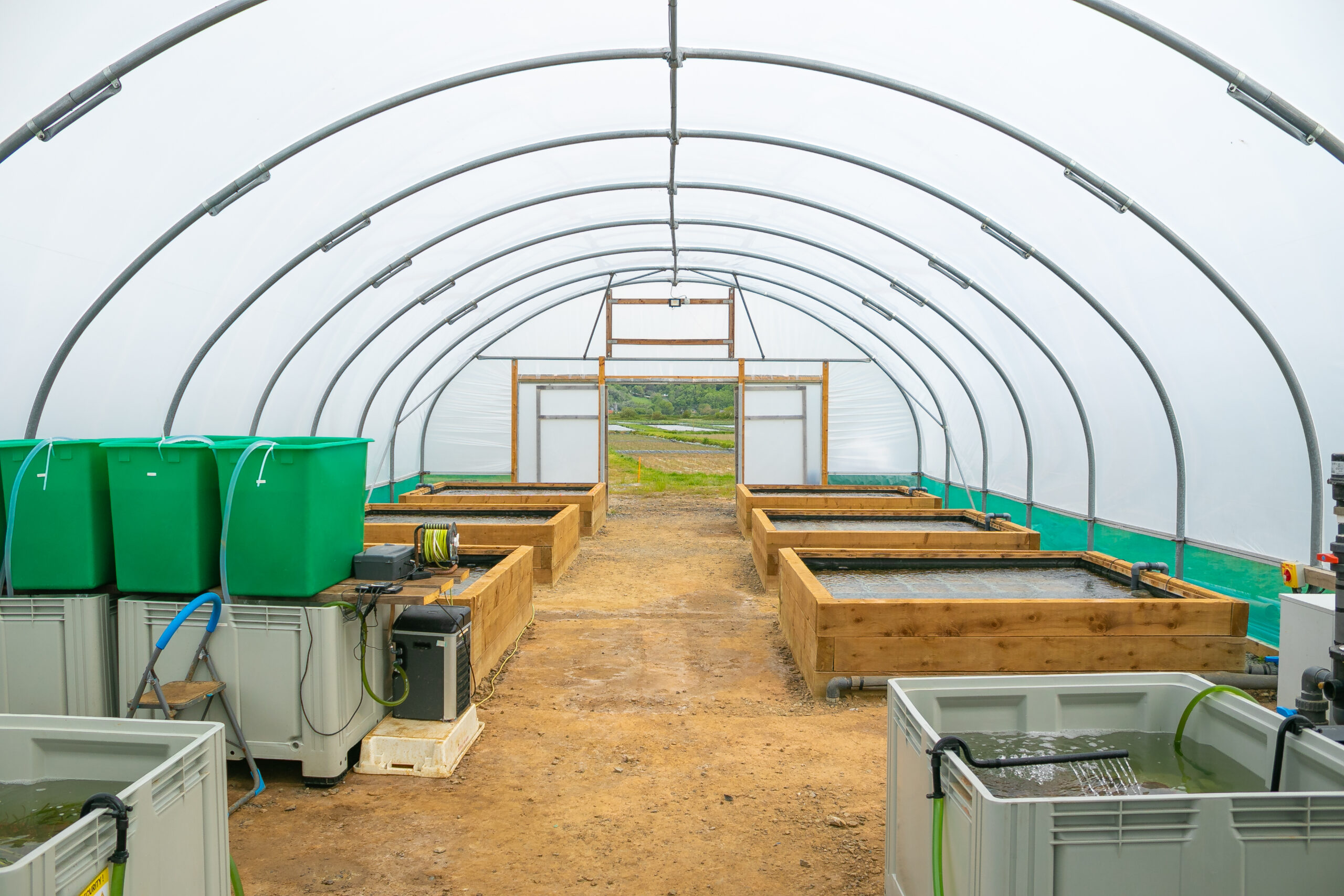
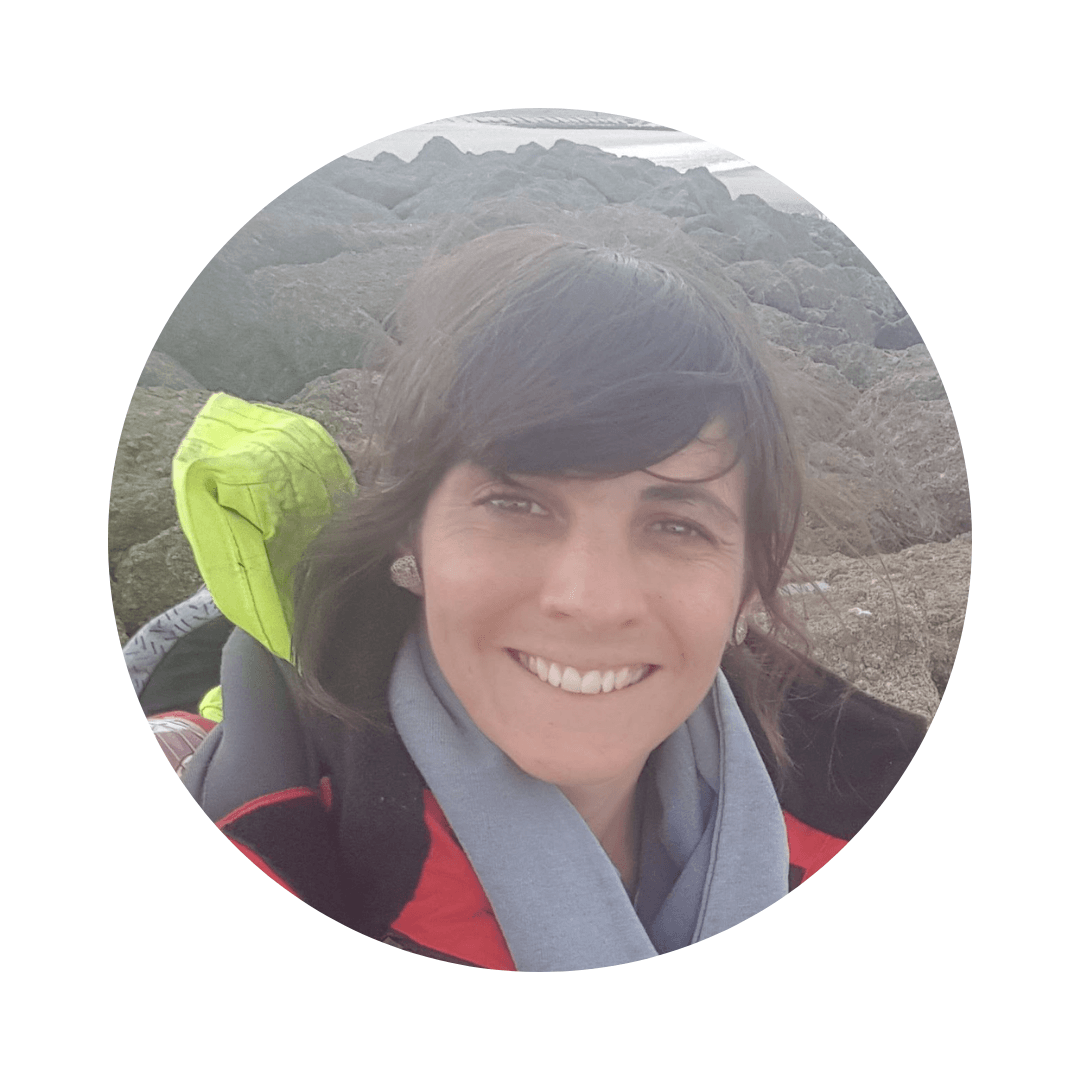
Ally first worked with Project Seagrass through roles at Swansea University – leading the Seagrass Ocean Rescue: North Wales programme and then joined the Restoration of Seagrass for Ocean Wealth (ReSOW) project to understand how social and governance factors can be used to support seagrass restoration. She started her current role with Project Seagrass in December 2025 as Senior Science Officer at our Seagrass Nursery in West Wales.
Her role as Senior Science Officer consists primarily of designing experiments, collecting and analysing data, writing scientific reports, publishing peer-reviewed papers and communicating work to broader audiences via conferences and other outlets. Ally notes the most useful skills required for her role are good attention to detail and communication (both written and spoken), critical thinking, creative planning, data analysis, and a can-do attitude to learning new things.
When asked what she enjoys most about her scientific roles, Ally talked about her love-hate relationship with fieldwork, stating: ‘I love setting my rhythm to the moon and tides and working outdoors, problem-solving, and observing nature close-up. But I hate being cold and wet and the disappointment of losing experiments or failing at what I’m trying to do because of weather, tides, etc. It’s exhausting but it’s what makes me tick as a scientist.’
Previous Experience
After initially beginning a Psychology undergraduate degree, Ally switched to studying Maths. From there she completed an MSc in Global Aquatic Biodiversity: Monitoring and Conservation and a PhD focusing on ‘Artificial coastal defence structures as surrogate habitats for natural rocky shores: giving nature a helping hand’. Looking back, Ally mentions she wishes she had done a BSc in Marine Biology instead of Maths, noting she didn’t know Marine Biology was even an option when first looking for undergraduate degrees. Despite this, Ally believes the Maths degree was helpful for her career as it gave her a solid understanding of statistics and kept all doors open.
Despite not being science-related, Ally mentions how equally impactful her initial student jobs in hospitality have been throughout her career. These roles taught her to have pride in her work and she was able to develop interpersonal skills early on, making future interviews and professional interactions more comfortable and successful.
After completing her Master’s degree, Ally volunteered for a marine wildlife charity to gain experience before getting her first job for CEFAS as a GIS and Data Scientist. Other paid roles include working for a marine conservation charity in the tropics, with Natural England as a Marine Advisor and a Lab Assistant with the British Antarctic Survey.
Post-PhD, Ally went on to work in a series of postdoc research positions at Southampton, Plymouth, Aberystwyth and Swansea Universities before finally joining Project Seagrass. Her experience in the field includes both intertidal and subtidal work consisting of dive, snorkel, and on-land surveys. Ally has also set up manipulative experiments such as planting seagrass plots and attaching bolt-on habitat units to artificial structures and is a qualified skipper.
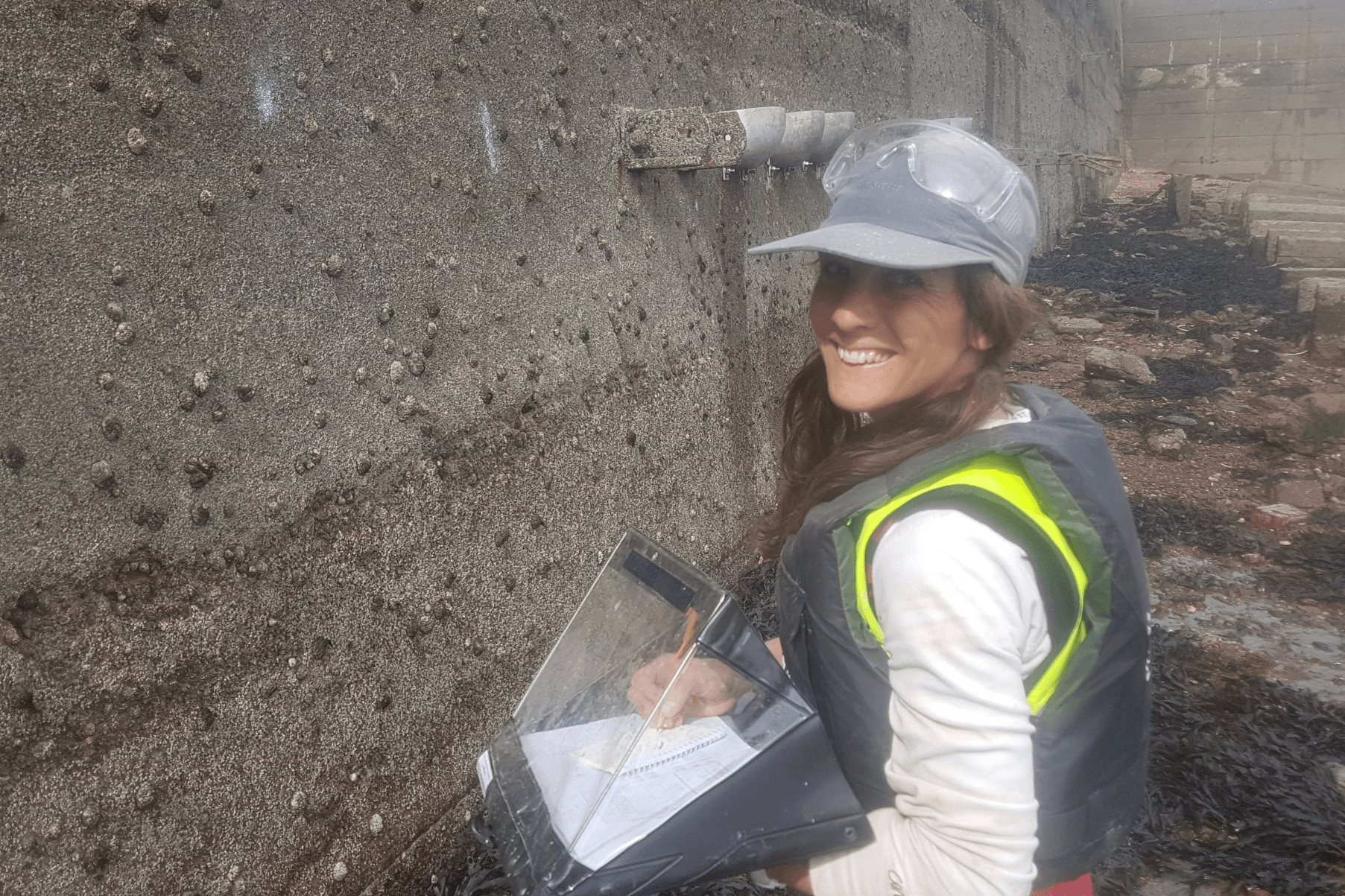
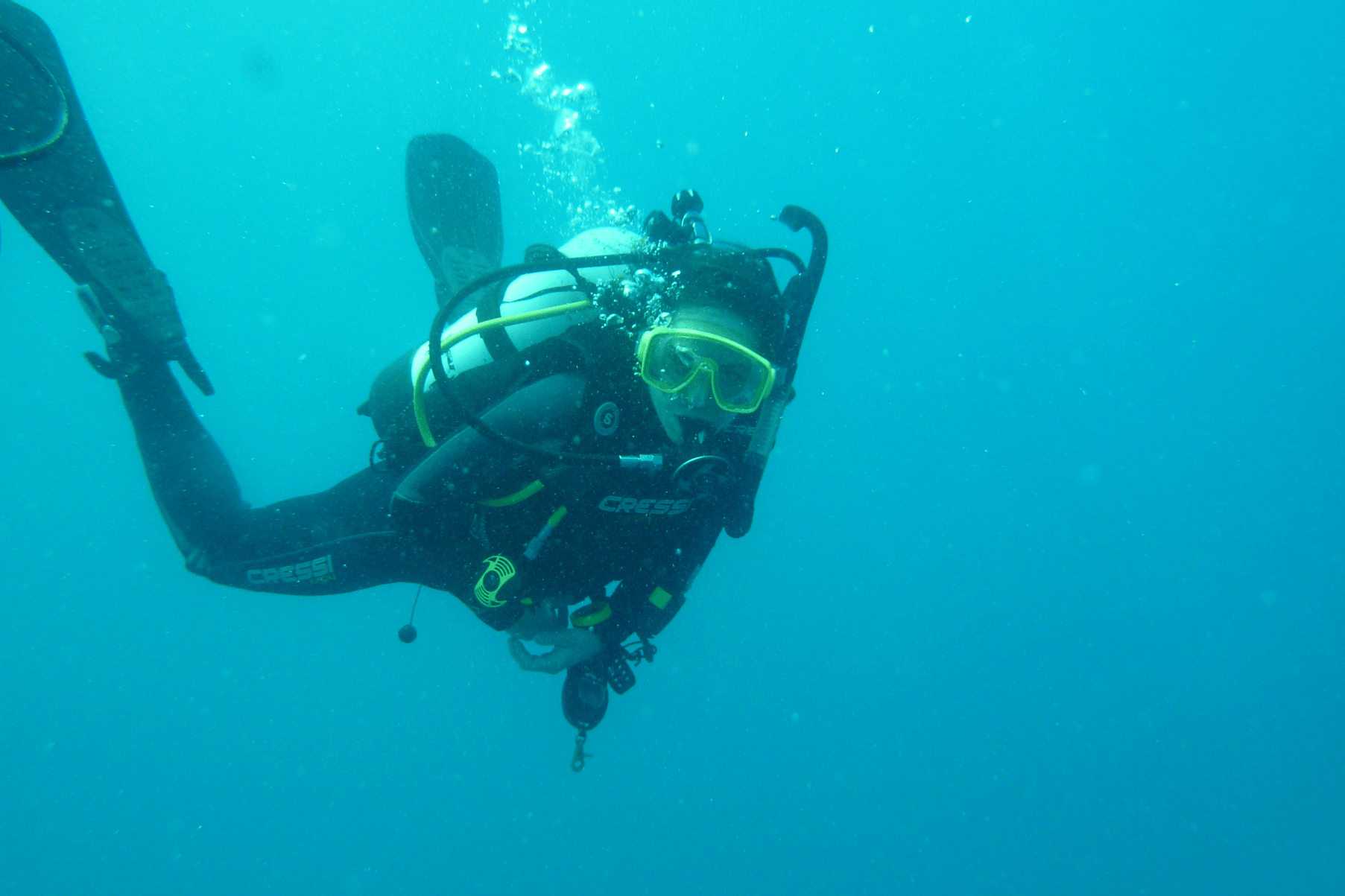
Ally points out that no specific experience stands out in getting her to where she is today, but each was a stepping stone, allowing her to develop valuable transferable skills which have all led to her being the scientist she is today.
Growing up, Ally didn’t know she wanted to work as a marine biologist. She knew she enjoyed the outdoors and biology, but wasn’t aware marine science was a potential career path. She even notes how a career advisor suggested potato farming as a career path to fit her love of the outdoors! It wasn’t until after a gap year of learning to surf and dive that Ally realised her true passion and where she wanted to focus her life’s energy. Ally points out even if you don’t have a traditional direct route into a career, there is always a route and the skills you gain along the way will still benefit you and make you stand out amongst the crowd.
When asked about some of the challenges she has faced throughout her career, Ally said: ‘Weather, tides, vandalism of experiments, exhaustion, anti-social hours, limited budgets, etc. In terms of the science itself, nature doesn’t work like a lot of other sciences – ecological data are always messy and incomplete and there is a lot of variability/noise that can mask patterns and responses. It’s hard to design really robust experiments and to collect enough data to answer your questions with any confidence. But for a lot of us working in the sector, overcoming these problems is part of the draw.”
Advice for working in conservation
This is the advice that Ally has for those wanting to get into the sector:
Q. Do you have any recommendations of where to look for job opportunities?
A. I haven’t actively looked for a while. It used to be twitter – so maybe now LinkedIn? Jobs.ac.uk, conservationjobs.com, Bob Earl’s Coastnet.
Q. How important is networking and do you have any advice on how to build connections?
A. I hate the thought of networking but in reality all it is is being a nice approachable human being and putting yourself in positions where you have an opportunity to meet people and chat. Don’t try to impress or be something you’re not – just be interested, be yourself, and respect people at all levels.
Q. What should someone expect when starting a career in conservation?
A. The more flexible and willing you can be regarding what job you do and where, the more doors will open to you.
Q. What advice would you give to someone who wants to start a career in conservation?
A. There are so many different types of roles with different skills requirements. Get as much experience as possible through volunteering, internships, conferences, networking events, just to find out what people do across the sector. Be as flexible as possible in the jobs and locations you are willing to work during the early years of your career – this will open doors and you can be more choosy later. Also make sure you have a professional online presence such as LinkedIn – people will google you when you apply for things and you don’t want them to find your old Facebook profile!