The Careers in Conservation: Below the Surface series takes a deep dive into the variety of job roles available within the conservation sector. In this article, National Seagrass Action Plan Project Manager Carl Gough shares his experiences and the route he took to a career in conservation.
Job Description
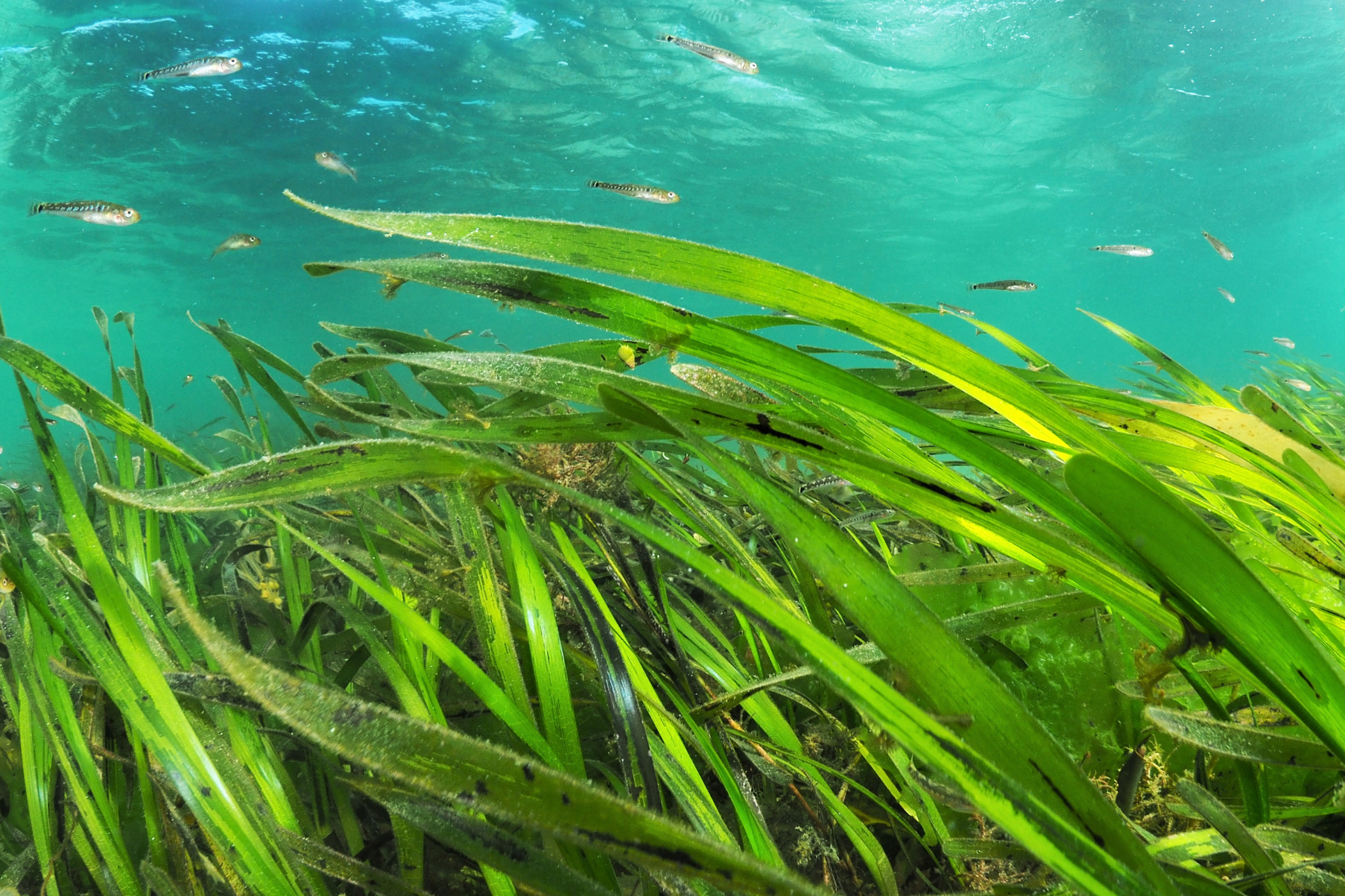
Carl began his role as Project Manager for the National Seagrass Action Plan in March 2025. The National Seagrass Action Plan presents a blueprint of action to achieve a vision where Welsh seagrass meadows are supporting marine biodiversity, vibrant communities, a sustainable economy, and making a valuable contribution to the climate emergency response.
The 4 priority areas of action needed to achieve this vision are:
- Mapping Wales’ seagrass
- Building partnerships across land and sea
- Halting seagrass loss
- Reversing seagrass loss.
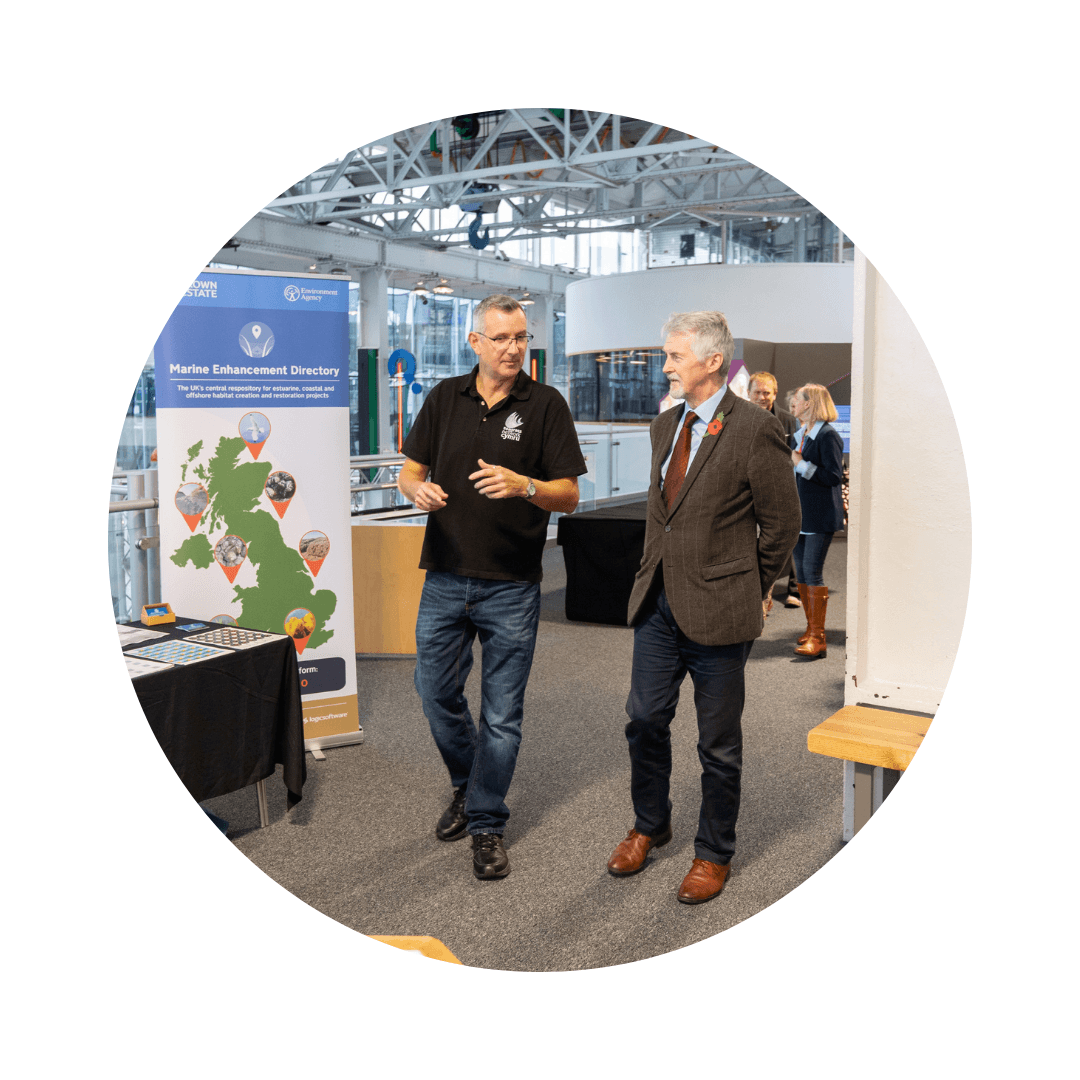
Carl’s role involves cultivating a supportive operational environment for seagrass conservation in Wales. Carl’s main responsibilities include coordinating Seagrass Network Cymru partner organisations, reporting, strategic planning, organising funding, networking, communications, meeting facilitation, and governance.
Carl notes that listening, negotiation, communication, planning, and flexibility are the most helpful skills he utilises to carry out his role. Problem solving is Carl’s favourite aspect of his role, stating: “Any difficulty is an opportunity depending on how you choose to approach it.”
Previous Experience
Carl left school at the age of 15 and joined a youth training scheme, working in pet shops followed by a public aquarium. At the age of 21, he returned to education and completed a BSC in Marine Biology before achieving an MSc in Zoology. Carl highlights that the life experience he gained between leaving school and returning to full time education was invaluable and says that even the jobs he didn’t perhaps enjoy at the time provided him with valuable skills and knowledge.
When asked about which of his previous roles and experiences led to his current role as Project Manager, Carl said: “I’m sure my background in marine science helps, but it is certainly not the main reason for my appointment. My background and the skills I have developed from working in community development are possibly the most relevant to my role. This has included working in local authorities developing, facilitating, and monitoring large scale strategic plans; working directly with communities and being able to navigate the conflicting priorities that so often exists; supporting social enterprises with business planning and securing funding and interfacing with Welsh Government; and translating national policies into local action.”
Advice
Carl suggests that the qualities of patience, resilience, and perseverance make someone ideal for working in conservation.
When asked what he would look for if recruiting for his own role Carl said, “Most of all, someone who has experience of local communities and demonstrable examples where they have managed to achieve a successful outcome when faced with multiple and differing viewpoints.”
Carl also emphasised the importance of networking to help build connections: “Networking is very important! Getting active on LinkedIn is a useful way to develop your knowledge as well as your connections.”