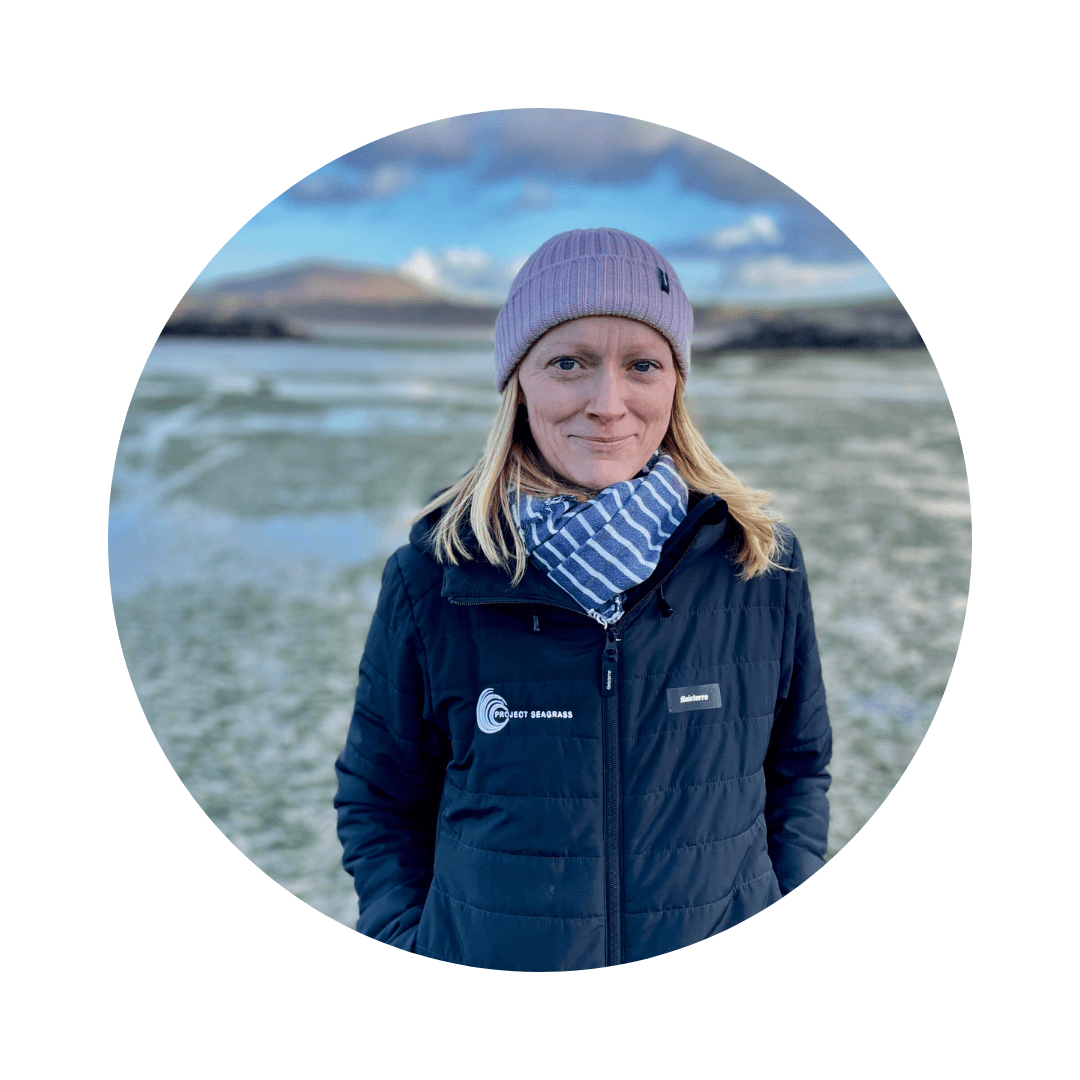
The Careers in Conservation: Below the Surface series takes a deep dive into the variety of job roles available within the conservation sector. In this article, Project Seagrass CEO Dr Leanne Cullen-Unsworth shares her experiences and the route she took to a career in conservation.
What does it take to move from studying biology to leading a conservation charity?
For Leanne Cullen-Unsworth, the route was neither quick nor linear. It included supermarket shifts, unpaid research, fieldwork in Indonesia, academic posts in Australia and Wales, and many years spent building Project Seagrass before her role became paid. In this career profile, Leanne reflects honestly on that journey and explains why experience, curiosity, and an understanding of people are every bit as important as formal qualifications.
My current role
What is your role at Project Seagrass?
I am Chief Executive Officer and a charity co-founder of Project Seagrass. I became CEO in 2024, having previously served as a Director and original Trustee helping to build our organisation over many years.
What does the role involve?
My responsibility is to lead Project Seagrass in achieving its mission to save the World’s seagrass. That means setting and holding the strategic direction of the organisation, working with our executive team and Board, overseeing delivery and organisational development, and ensuring that we remain financially sustainable. At present, fundraising is a significant part of my work because securing income is fundamental to keeping our team together and sustaining the long-term programmes we have worked so hard to build.
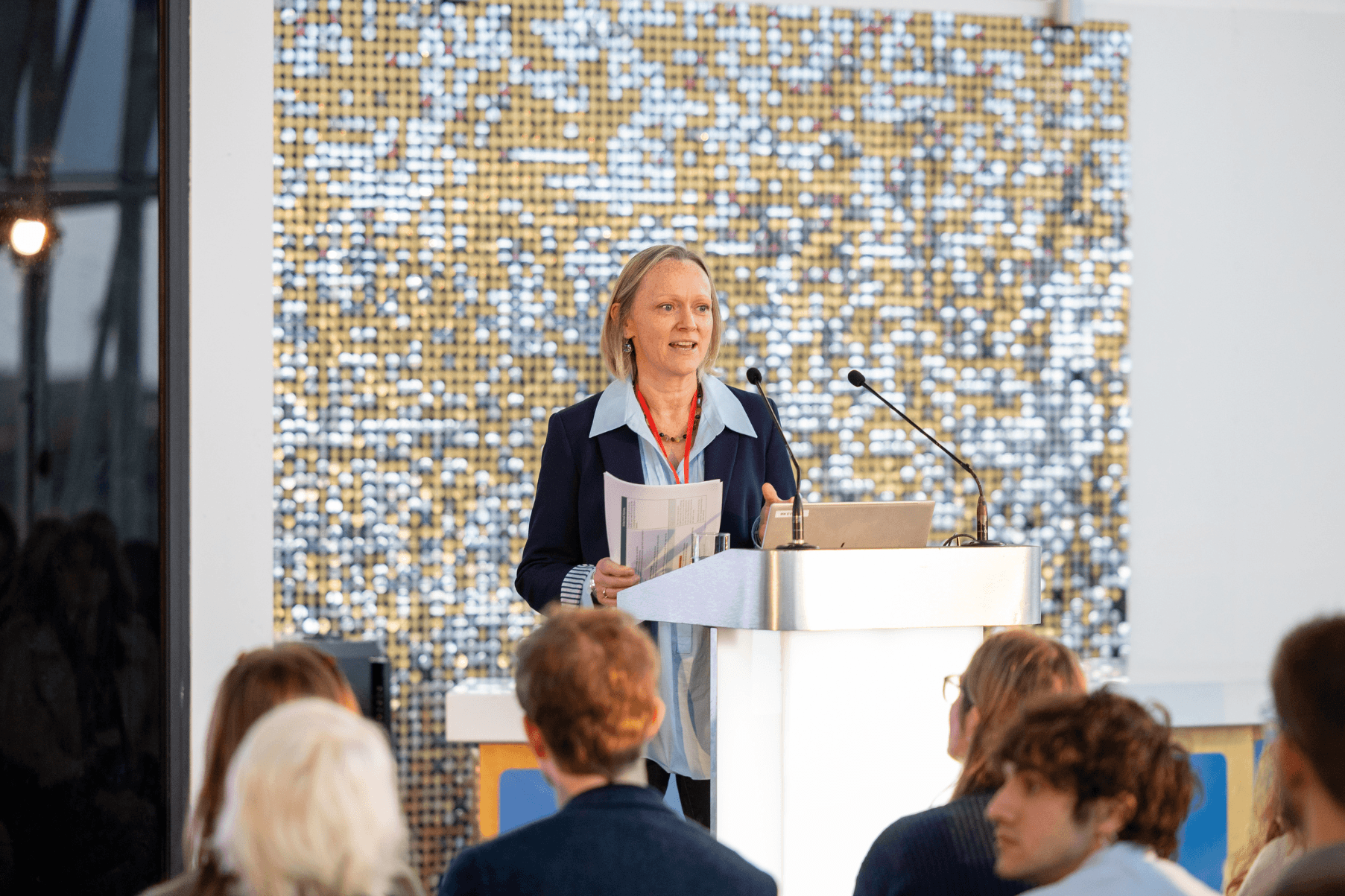
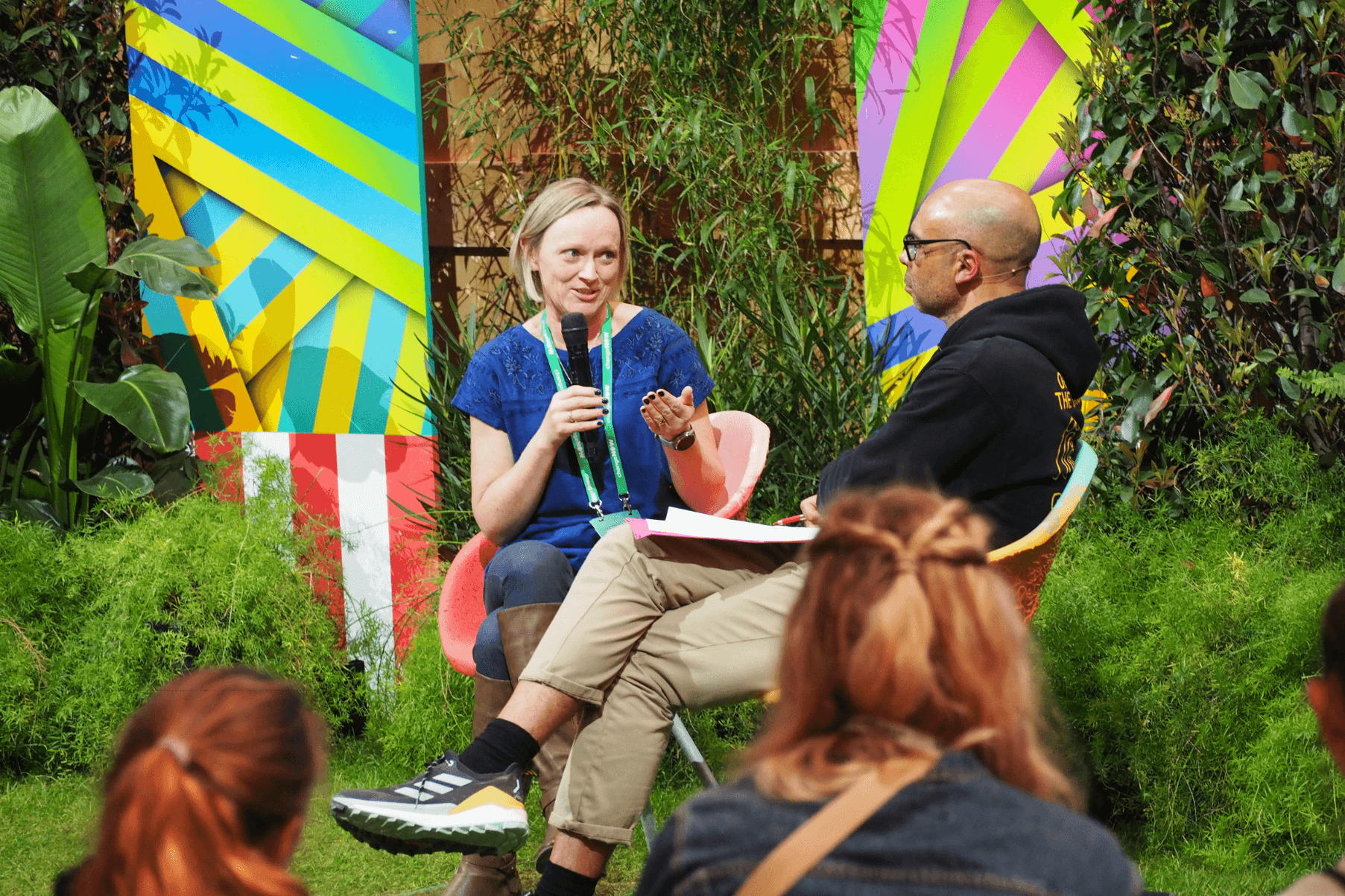
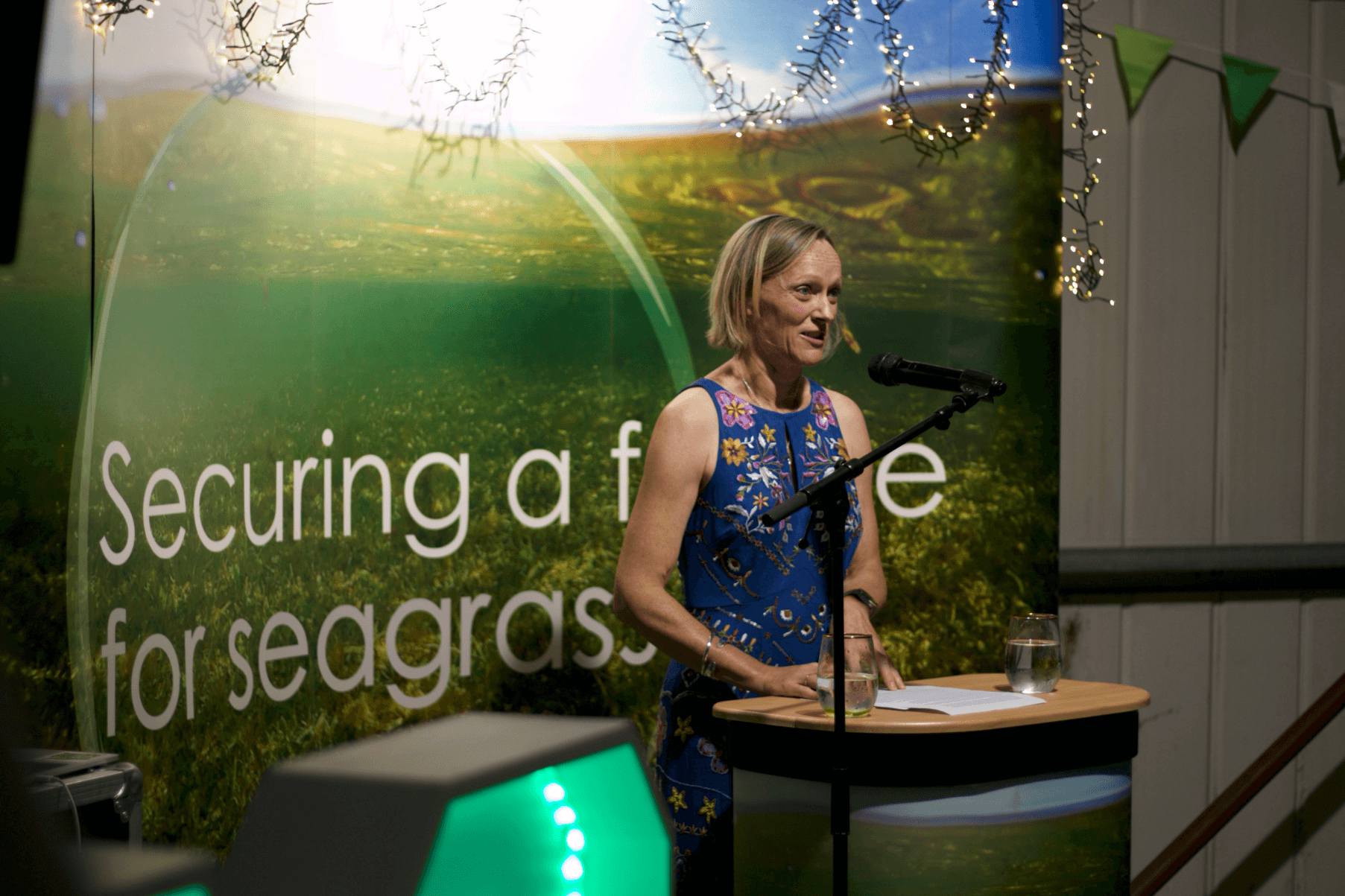
I also represent Project Seagrass externally. This includes advocating for seagrass with governments and decision-makers, building partnerships, speaking at events, working with funders, and contributing to media interviews. No two days are quite the same: I can move from budgets and people decisions to scientific strategy, policy discussions and public communications, within a few hours.
What skills are most useful in your role?
The most useful skill is being able to see how different parts of an organisation and a wider system connect. I need to understand the science, but also people, finance, policy, communications, partnerships, and delivery. Clear communication matters enormously, as does listening well and being able to make decisions when the information is incomplete.
Resilience, adaptability, and persistence are also essential. Conservation rarely progresses in a straight line. Funding can be uncertain, policy change can be slow, and ecological recovery takes time. You have to keep sight of the long-term goal while responding sensibly to what is in front of you.
Is fieldwork still part of your job?
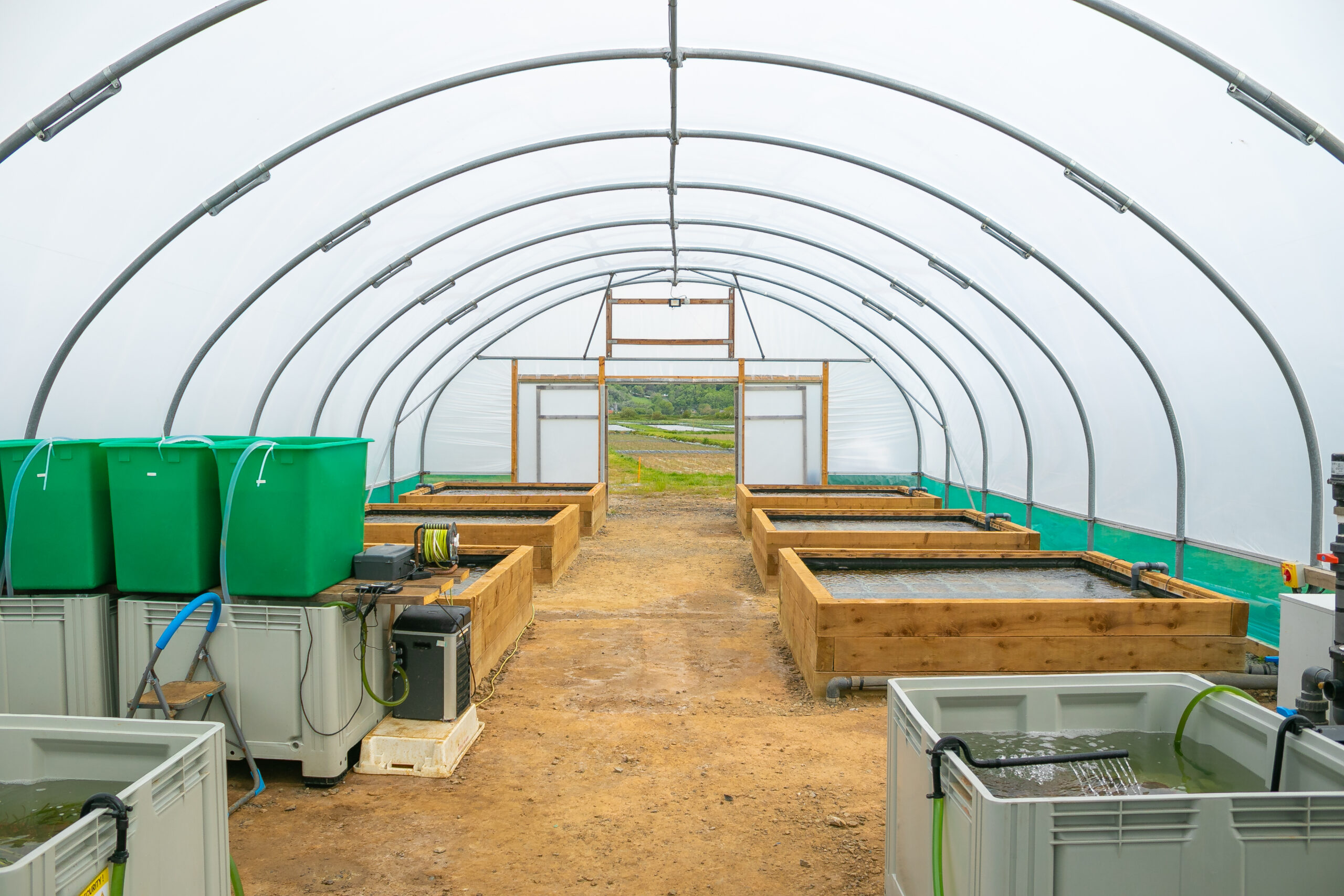
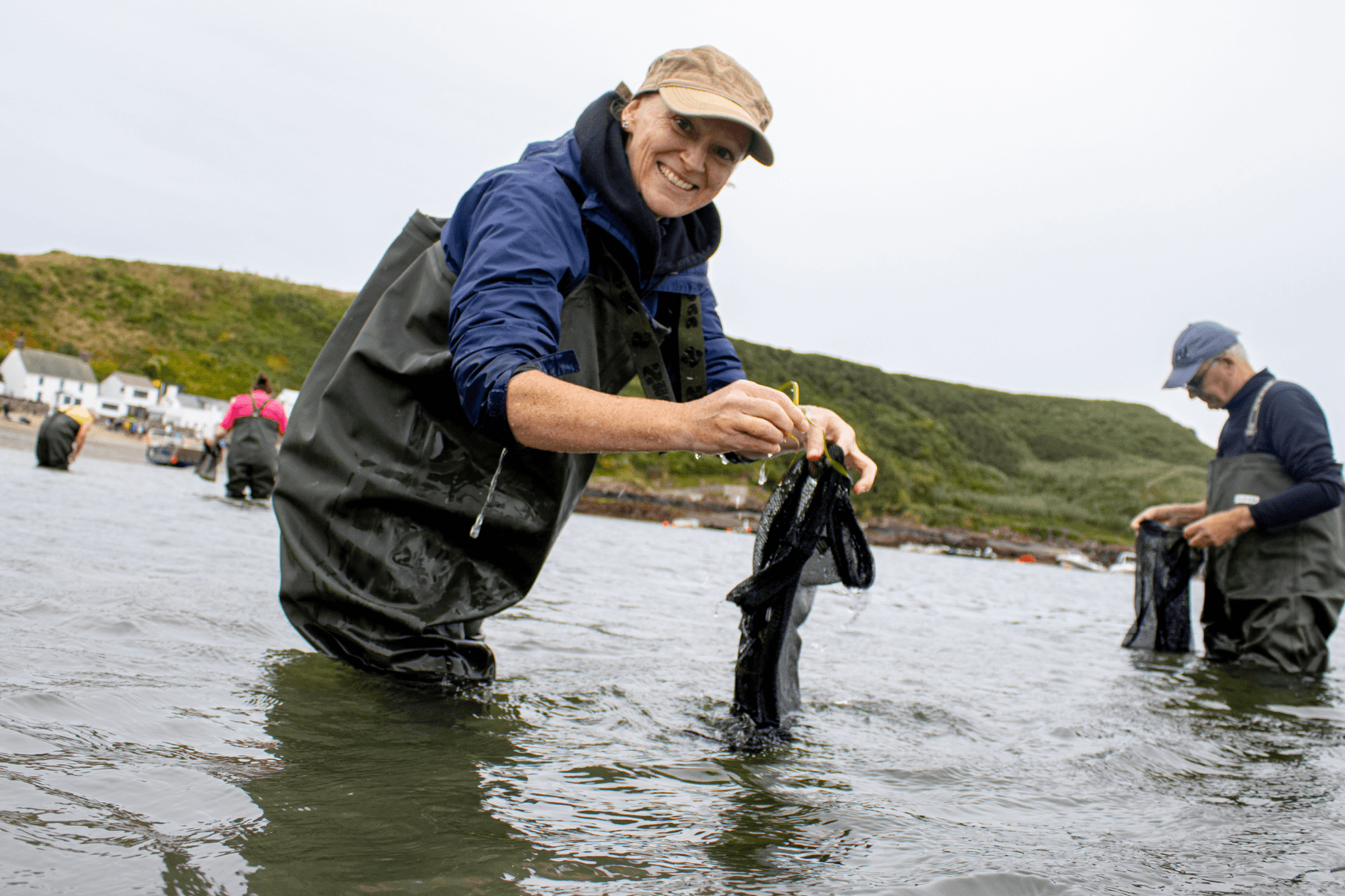
Much less than it once was. As CEO, most of my time is now spent leading the organisation, securing its future, and creating the conditions in which our specialists can do their best work. I still visit our restoration sites and Nursery, take part in field activities when I can, and value time spent with the people delivering the work. Staying connected to what happens on the ground is important, but my role in enabling that work is now usually more valuable than being the person doing it.
What do you enjoy most?
I enjoy seeing ideas turn into lasting action: research becoming practical restoration, a conversation developing into a partnership, or years of evidence beginning to influence policy. Most of all, I enjoy working with people who care deeply about the same mission. Watching our team grow in confidence and capability, and seeing communities become part of seagrass recovery, is hugely rewarding.
What are the greatest challenges?
The constant challenge is balancing ambition with capacity and financial reality. The need is enormous, but a charity cannot do everything at once. Leading well means making difficult choices, protecting the team from unsustainable pressure, and ensuring that growth does not come at the expense of quality or our values.
There is also a deeper challenge in conservation: ecological problems cannot be solved through ecology alone. Effective recovery requires changes in policy, practice, finance and behaviour, and it must make sense to the people who live and work alongside these habitats.
The route to Project Seagrass
What is your educational background?
I completed a BSc in Biological Sciences with honours in Marine Biology at Newcastle University, followed by an MSc in Marine Environmental Protection at Bangor University. My PhD was completed through Essex University and my research focused on marine resource dependence and patterns of resource use within a small-island community on Kaledupa in Indonesia. That work taught me to look at marine ecosystems as social–ecological systems: people are not external to nature, but a critical part of the system we are trying to understand and support. We are nature!
Which roles and experiences led you here?
My first relevant experience was an unpaid work placement at Anglesey Sea Zoo in 1994. While studying for my undergraduate degree, I worked on a supermarket checkout during every holiday to help fund my time at university. That job may not look relevant on a conservation CV, but it taught me reliability, communication, and the value of turning up and doing the work.
After my master’s degree, I took an unpaid graduate research position at Bangor University on a hydrothermal-vent mussel growth project in the Azores. I later worked as a graduate consultant evaluating a marine EU Erasmus exchange project, supported by a stipend, and later in a paid bathing-water assessment role with the Environment Agency.
I also spent time working as a divemaster in Antigua. It was poorly paid and not a role I enjoyed, but it was useful: it made me absolutely certain that I wanted to return to science and conservation. I then joined the Operation Wallacea marine science team in Indonesia, supervising undergraduate dissertation projects and running Reef Check and whale-watch surveys. I continued to work with the team while completing my PhD.
After my PhD, I became a Postdoctoral Research Fellow with CSIRO in Cairns, Australia. My project examined coupled cultural and biophysical indicators for the health of the Wet Tropics World Heritage Area. I later worked as an independent research consultant, including developing a seagrass education pack, before joining Cardiff University’s Sustainable Places Research Institute as a Research Fellow and then Senior Research Fellow.
Alongside this, I helped establish and grow Project Seagrass. I served as a Director without pay for many years while we developed the organisation and created the charity. The position became a paid, part-time role in 2020, full-time in 2023, and I became CEO in 2024.
Which experience helped you most?
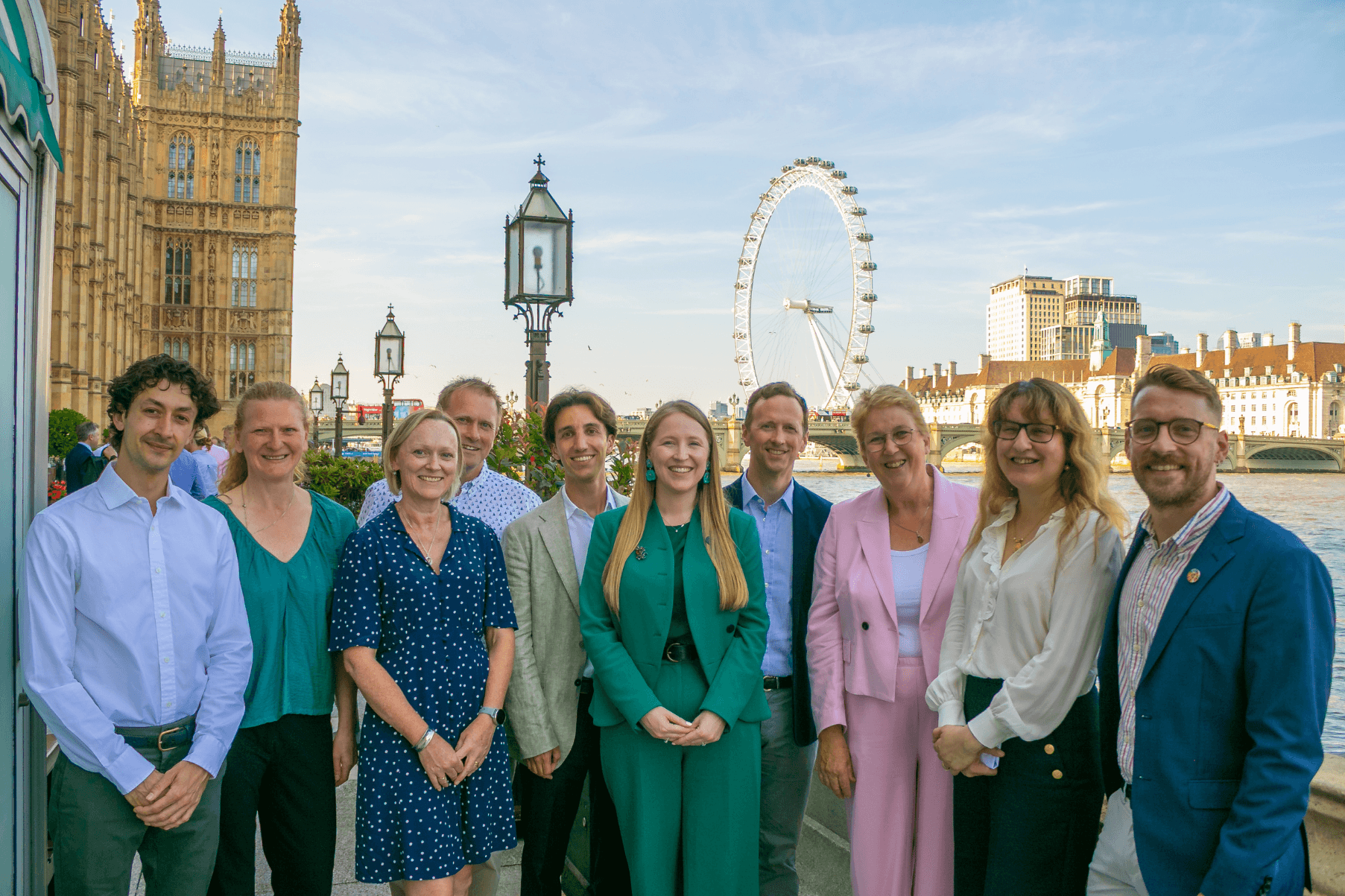
There was no single role that prepared me to become a CEO. Research taught me to ask good questions and work with evidence. My career has always crossed disciplinary boundaries, and that is now one of my greatest strengths. Fieldwork taught me to adapt. Working with communities taught me to listen and to question solutions designed without the people they affect. Teaching and supervision developed my ability to support others. Building a charity from the ground up taught me about persistence, responsibility and how much unseen work sits behind every successful project. It also taught me the value of teamwork – Project Seagrass is the best example of a solid team, built from the ground up.
I also can’t talk about my conservation career without mentioning my children who motivate me every single day. We need change now, so that the next generations can enjoy and thrive on a more balanced planet. My journey as a parent, a mother, has also exemplified the value of being part of a strong and equitable team. I was able to take maximum maternity leave and be there for the early years of my children (and still now) because I have had the support of my team and family. This is an enormous privilege which I acknowledge and am enormously grateful for.
Is there anything you would change?
I would have recognised earlier that a career does not have to follow a neat or conventional route. Some experiences that felt like detours at the time ultimately gave me useful skills or greater clarity. I would also have placed more value on skills that are sometimes treated as secondary in science—communication, relationship-building, management, and financial understanding—because they are central to turning good evidence into action.
Advice for starting a career in conservation or restoration
What is your most important advice?
My biggest piece of advice is that experience matters, just as much as, and sometimes more than, formal qualifications. Academic training is valuable, but it is only one part of the picture. Some of the most important things I have learned came from getting involved: working alongside practitioners, learning from communities, and spending time in the field seeing what conservation looks like in practice. Those experiences show you how ecosystems, which include people, really function and how change actually happens on the ground.
That does not mean everyone should be expected to work for free. Unpaid opportunities formed a significant part of my own route, at a time when part time work was enough to get by, but these opportunities are not equally accessible, and the conservation sector needs to be better at creating fair, paid entry points. That’s why at Project Seagrass we have been building a zero barriers internship programme which is soon to launch! My advice is to look for paid placements, traineeships, and entry-level roles where possible. If you do volunteer, be clear about what you hope to learn, what support you will receive, how much time you can genuinely afford to give, and whether the experience will help you progress.
What should someone expect when starting out?
Expect your first roles to include practical and sometimes repetitive work. Be willing to learn, but do not assume that every opportunity has to be glamorous or perfectly matched to your eventual goal. A role can help you understand what you do not want as well as what you do.
You should also expect conservation to be collaborative. Progress depends on people with very different expertise: ecologists, land and sea users, community organisers, policy specialists, fundraisers, communicators, technicians and many others. You do not have to become all of those things, but you do need to respect them and understand how your contribution fits with theirs.
What qualities make someone well suited to this work?
Curiosity, humility, and persistence. You need to care about the outcome, but also be prepared to test your assumptions and change your mind when the evidence or the people involved tell you something different. Good conservationists listen, work well with others, communicate clearly, and follow through on commitments.
Passion matters, but passion alone is not enough. Reliability, sound judgement, and the ability to turn concern into practical action are what make someone valuable to a team.
How important is it to think beyond your own discipline?
It is essential. Conservation is not simply about ecology; it is also about people, policy, culture, economics, power and communication. Read widely and seek out perspectives beyond your training. The better you understand the wider system, the more likely you are to design solutions that are useful, fair, and able to last.
How important is networking?
Connections matter, but networking does not have to mean trying to impress senior people at formal events. The strongest professional relationships usually grow from genuine curiosity, shared work, and being someone others can rely on. Ask thoughtful questions, follow up when somebody has helped you, contribute to professional groups, attend talks and local events, and speak to people working in roles you want to understand.
Do not approach every conversation as a request for a job. Build relationships by taking an interest, sharing useful information, and offering help when you can. Your peers are part of your network too; over time, they may become your closest collaborators.
Where should people look for opportunities?
Look beyond job titles and beyond the largest organisations. Charity and environmental job boards, university and professional-society mailing lists, LinkedIn, organisational newsletters, local environmental networks and specialist conservation groups can all be useful. Follow organisations whose work you respect and learn how they describe the skills they need.
Read person specifications carefully. You do not need to match every desirable criterion before applying. Use your application to show what you have done, what you learned, and how that evidence relates to the role. Skills from retail, hospitality, caring responsibilities, or other sectors can be highly relevant when you explain them well.
Have you always wanted to work with seagrass?
I always wanted to work in the marine environment, but seagrass was not a fixed destination from the beginning. My interest developed through research into the relationships between coastal ecosystems and people, particularly the importance of seagrass for fisheries and food security. The more I understood these habitats, the clearer it became that they were profoundly important and profoundly overlooked. That combination created both an urgent need and an opportunity to make a difference.
A final thought
There is no single correct route into conservation. Bring your passion, but also bring curiosity, patience, and a willingness to learn from people whose experiences differ from your own. Get involved where you can, build evidence of what you can do, and do not dismiss the value of experience gained outside the sector. Conservation and restoration can be slow, difficult work, but contributing to the recovery of places, species, and communities is an extraordinary privilege.