- New research finds that seagrass meadows support fish that can be more valuable for human nutrition than fish found on coral reefs
Seagrass meadows play a majorly overlooked role in providing nutrition for coastal communities, a new study published in Cell Reports Sustainability has uncovered.
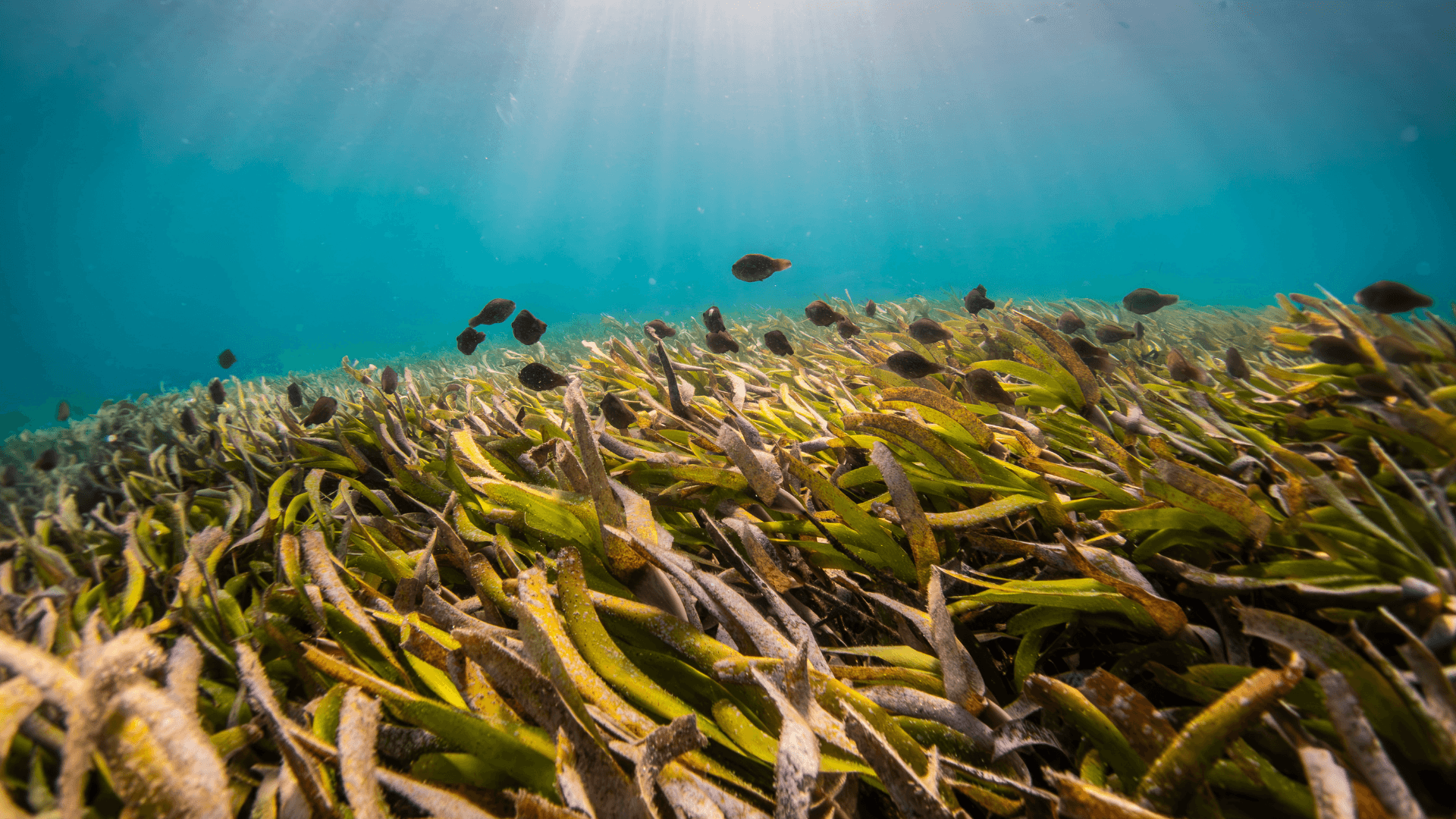
The study, led by researchers at Project Seagrass and Stockholm University found that fish living in seagrass meadows can provide a richer mix of essential nutrients than fish living on nearby coral reefs.
Coral reefs are famous for supporting large numbers of fish. But this new study reveals that seagrass meadows may be equally important, and in some cases even more important, for the fish that people actually catch and eat.
The research team studied fish from 20 seagrass meadows and 20 coral reefs along a 3,000km stretch of coastline between Kenya and Mozambique. They investigated the presence of six key nutrients that people need to stay healthy – calcium, iron, zinc, selenium, vitamin A, and omega-3 fatty acids – within the fish found along this stretch of coastline. Instead of looking at each nutrient one by one, the scientists instead treated fish more like natural multivitamins.
“Fish don’t nourish people one nutrient at a time,” said Dr Benjamin Jones, who carried out the research as a PhD student at Stockholm University and is now Chief Conservation Officer at Project Seagrass. “They come as a package. A single fish contains iron, zinc, calcium, selenium, vitamin A, and omega-3s. We wanted to understand which habitats produce fish with the best mix of these nutrients.”
After accounting for differences in fish biomass, the team found that seagrass fish communities were, on average, 1.6 times more nutritionally rich than coral reef fish communities. The difference was even larger when the team focused on the fish species most often caught by fishers in East Africa.
For the top three most important food fish species, nutrient support was over 8 times higher in seagrass meadows than coral reefs.
Two important food fish prized in the region, rabbitfish and parrotfish, were also far more common in seagrass meadows. In terms of biomass, they were 5 times and 65 times more abundant in seagrass than on coral reefs.
“We know that coral reefs have more fish overall, but seagrass meadows had more of the fish that really matter for local food,” said Dr Jones. “This changes how we should think about these habitats. Seagrass isn’t just a fish nursery, nor just a carbon stock, it’s food infrastructure, nature’s own supermarket.”
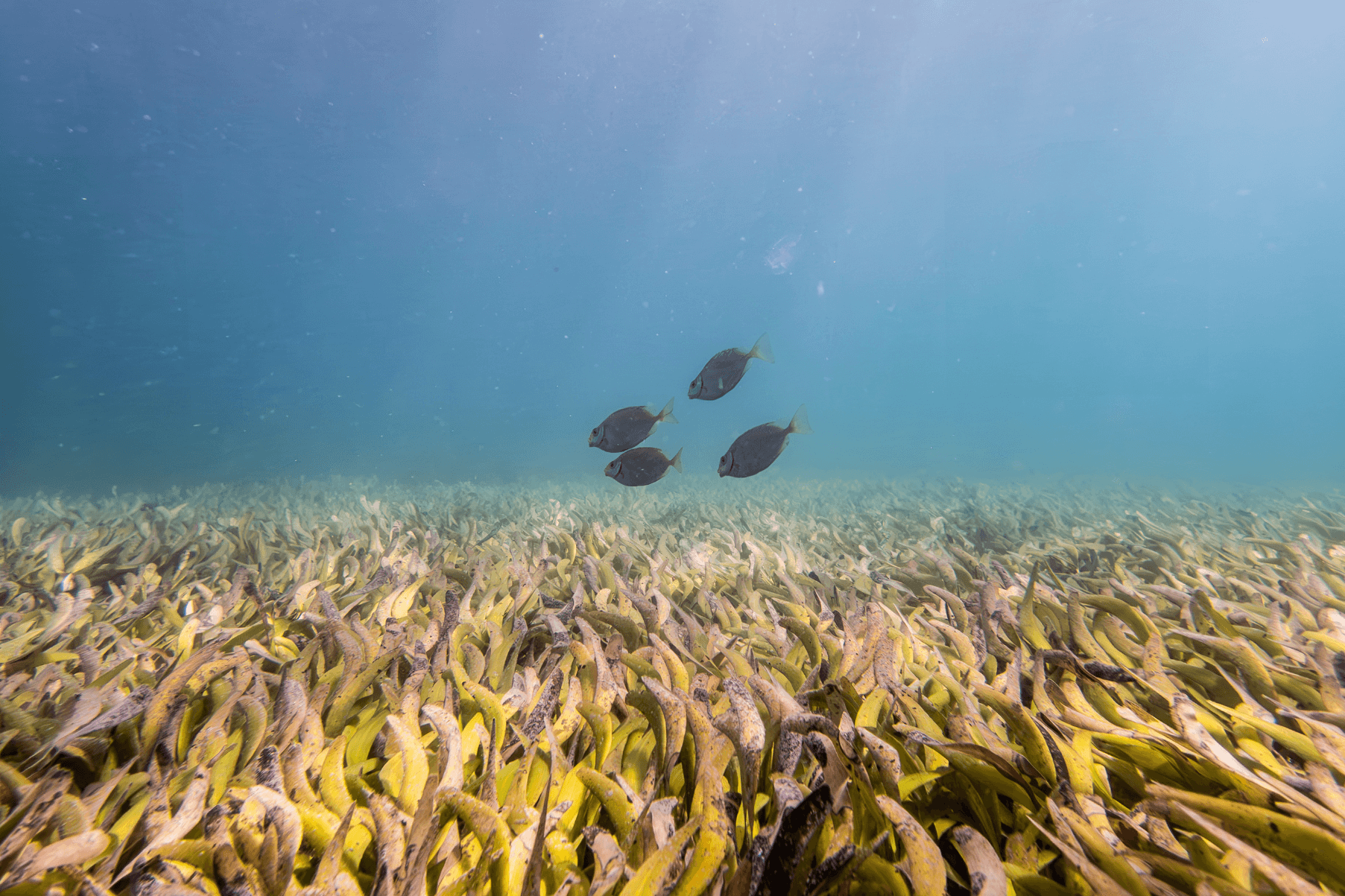
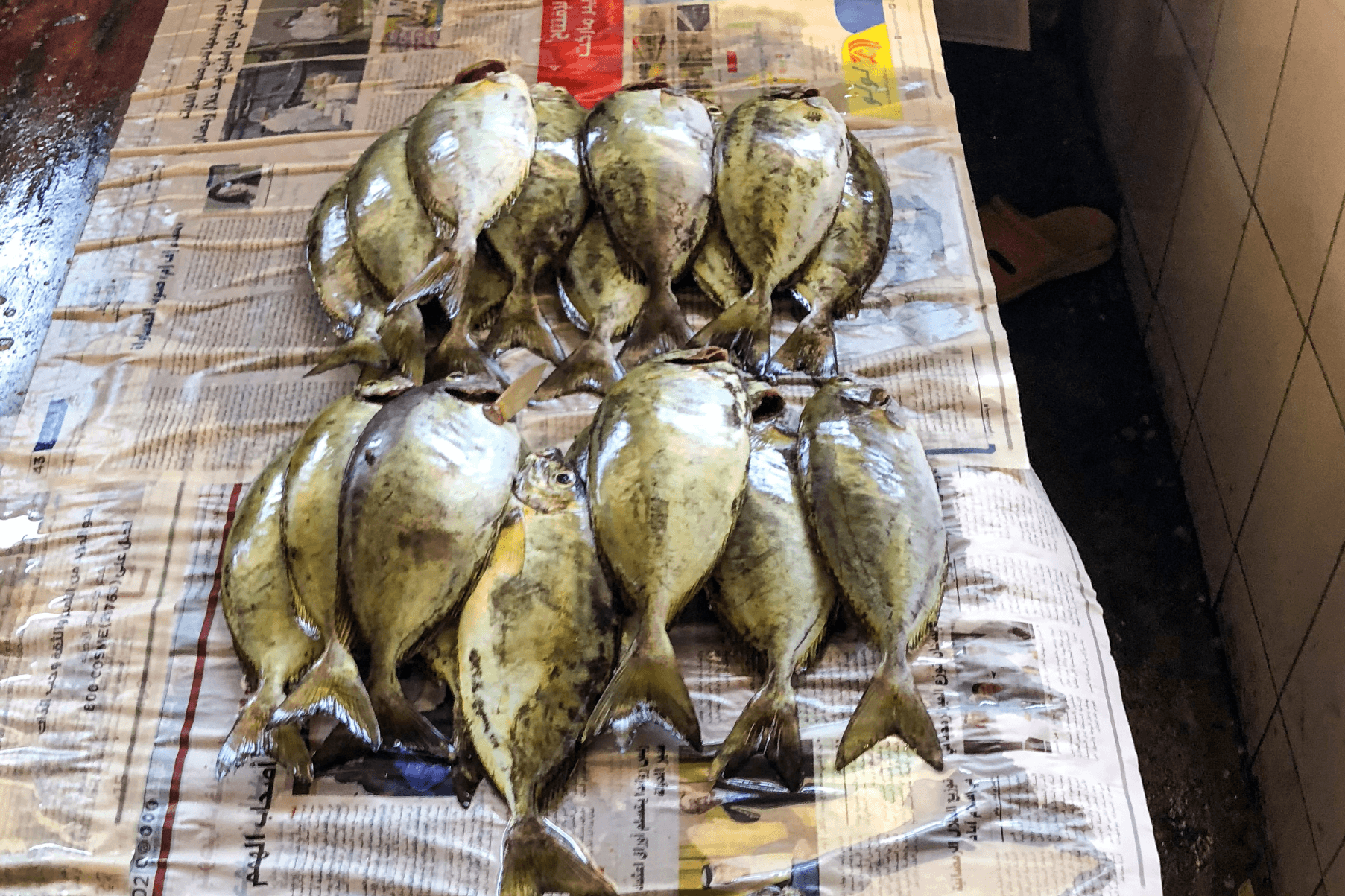
Millions of people in tropical coastal regions rely on fisheries for food and income, and many of these communities face poverty, limited livelihood options, and high risks of malnutrition.
The study also found that an average seagrass fish could provide around 5% of a young child’s daily iron needs, 70% of their selenium needs, and 21% of their zinc needs highlighting the overlooked role that seagrass meadows play in supporting the health of coastal communities.
The findings also challenge the way that ocean conservation is often framed. Coral reefs attract global attention, and rightly so. They are rich in biodiversity and support major fisheries. However, these important ecosystems are under severe pressure from climate change, bleaching, ocean warming, acidification, and overfishing. Seagrass meadows are also declining, especially in tropical regions, because of poor water quality, sewage pollution, coastal development, sediment runoff, and physical damage. Yet they receive far less attention and funding despite the wealth of benefits they provide.
The authors argue that this must change.
“If we lose seagrass meadows, we are not just losing habitat,” said Dr Jones. “We may be losing a source of nutrition for millions of people who need it most.”
The study argues that seagrass should not replace coral reefs in conservation priorities. Instead, it shows that the two habitats do different jobs and need equal attention.
Coral reefs support more fish biomass. Seagrass meadows provide reliable access to key food fish that can contain a powerful mix of nutrients.
“Reefs and seagrass meadows work together,” said Dr Jones. “If we want coastal fisheries to feed people, we need to protect the whole seascape.”
The researchers say that protecting seagrass for food security will require more than drawing boundaries in the sea. Most threats to seagrass come from land. Better sewage treatment, cleaner rivers, reduced sediment runoff, improved farming practices, and locally fair fisheries management are all needed to ensure the protection of our remaining seagrass meadows.
They also warn that seagrass conservation must not ignore the people who depend on these habitats. As interest grows in protecting seagrass for blue carbon, communities must not be pushed away from fishing grounds that support their diets and livelihoods.
“Seagrass conservation has to be about people as well as nature,” said Dr Jones. “These meadows store carbon, support biodiversity, and help feed millions. That makes them one of the most important ecosystems on Earth.”
The message from the study is simple: secure seagrass meadows, and we help secure food and nutrition for coastal communities.
Key Findings
- Seagrass fish communities were 1.6 times more nutritionally rich than coral reef fish communities after accounting for fish biomass and depth.
- For the top three regional food fish species, estimated nutrient availability was 8.4 times higher in unfished seagrass meadows than unfished coral reefs.
- In fished areas, predicted nutrient support from these same species was 8.8 times higher in seagrass meadows than coral reefs.
- Two important food fish were far more common in seagrass: Siganus sutor was 5 times higher by biomass, and Leptoscarus vaigiensis was 65 times higher by biomass.
- An average seagrass-associated fish could provide around 5% of a young child’s daily iron needs, 70% of selenium needs, and 21% of zinc needs.
- The study shows that seagrass meadows should be recognised as vital food-security habitats, not just biodiversity or carbon habitats.
The study, “Seagrass meadows sustain fish communities vital for human nutrition,” is published in Cell Reports Sustainability.
The research was led by Dr Benjamin Jones who conducted the study during his PhD at the Department of Ecology, Environment and Plant Sciences (DEEP) at Stockholm University and is now Chief Conservation Officer at Project Seagrass. The study was co-authored by Professor Johan Eklöf (DEEP, Stockholm University), together with global collaborators from BEAR, the Swedish University of Agricultural Sciences, Eduardo Mondlane University, Zanzi Marine and Coastal Solutions, the Kenya Marine and Fisheries Research Institute, and Södertörn University.
The study analysed fish communities from paired seagrass meadow and coral reef habitats across Kenya, Tanzania, and Mozambique. Fish survey data were combined with FishBase data to estimate the potential availability of calcium, iron, zinc, selenium, vitamin A, and omega-3 fatty acids.