Saving the World's Seagrass

For people, for planet, for biodiversity

Saving the World's Seagrass

For people, for planet, for biodiversity

What is seagrass?

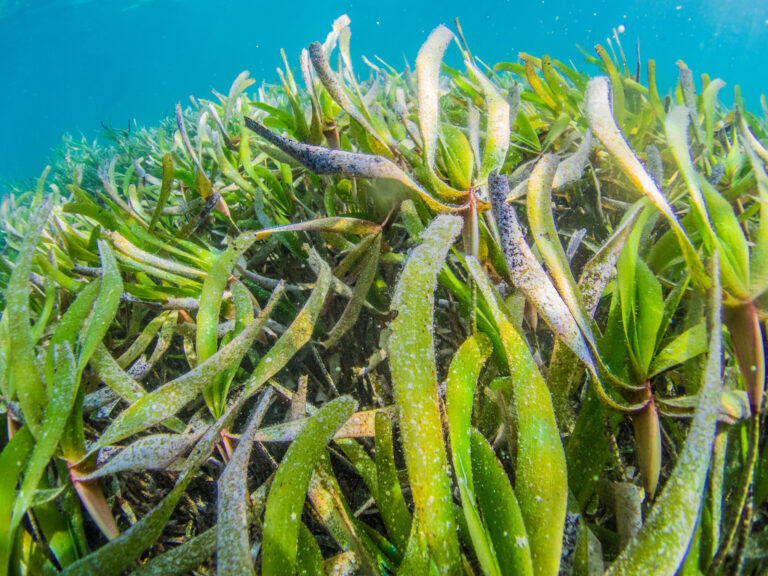
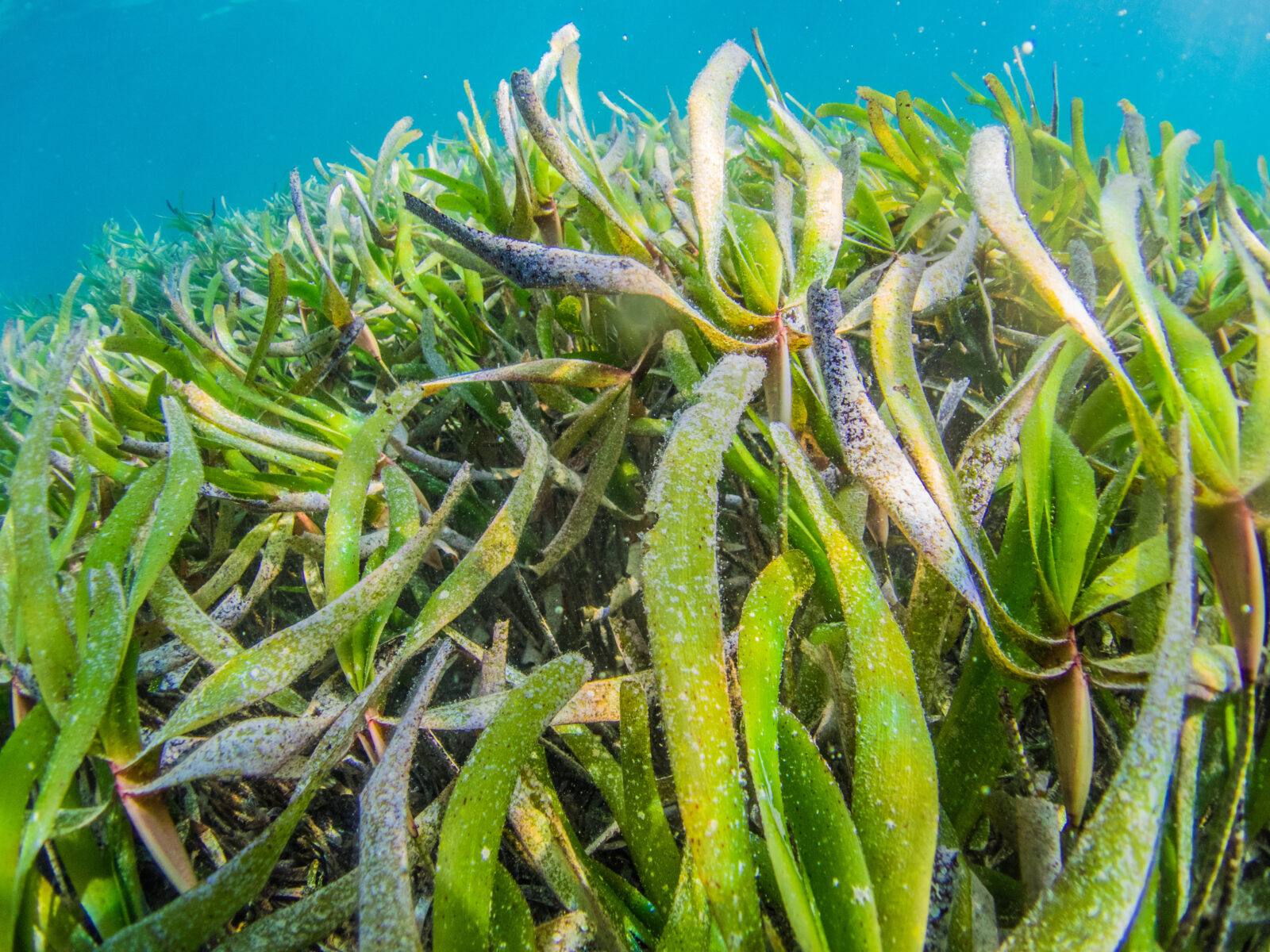
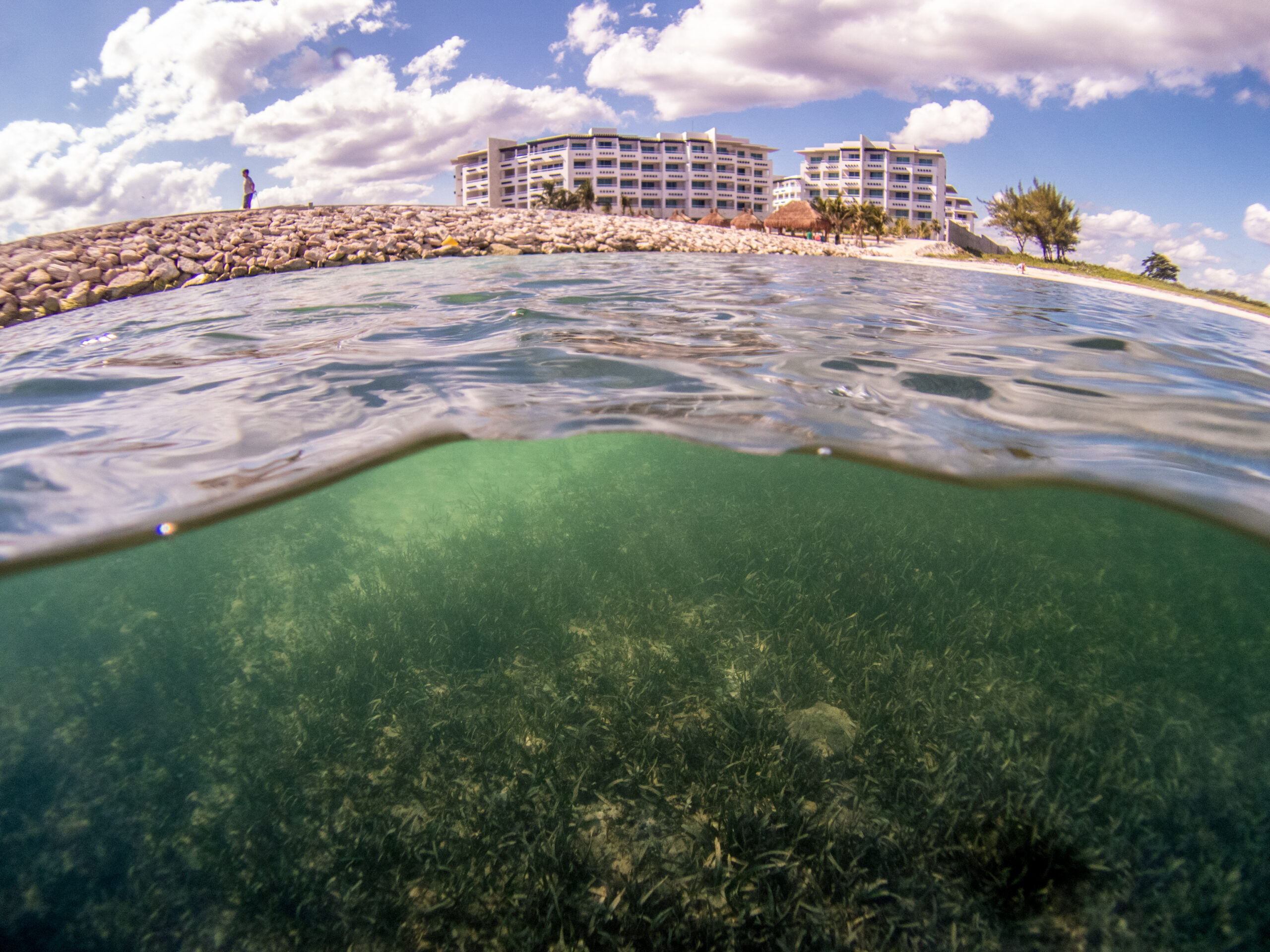
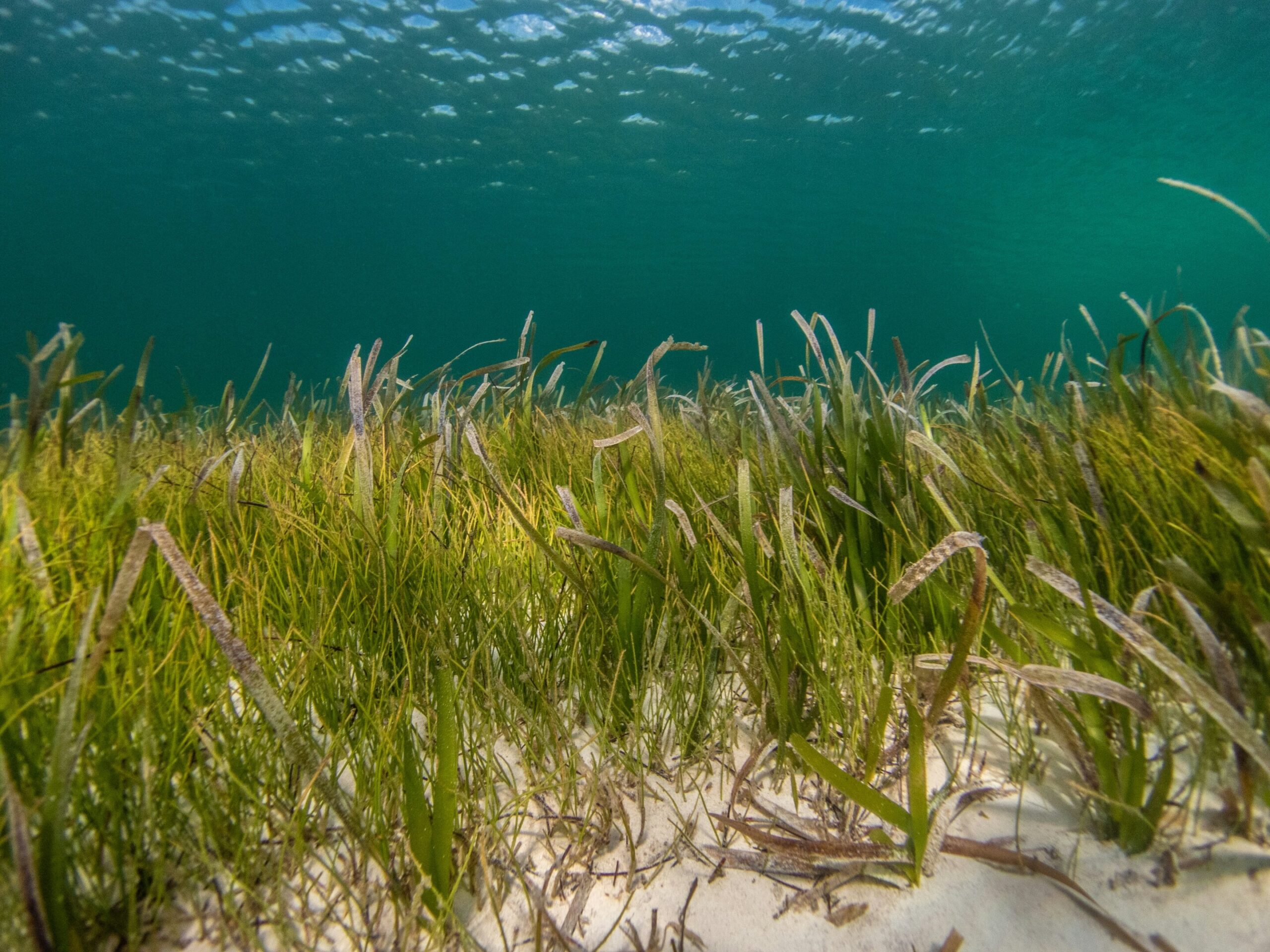
A seagrass meadow in Zanzibar.
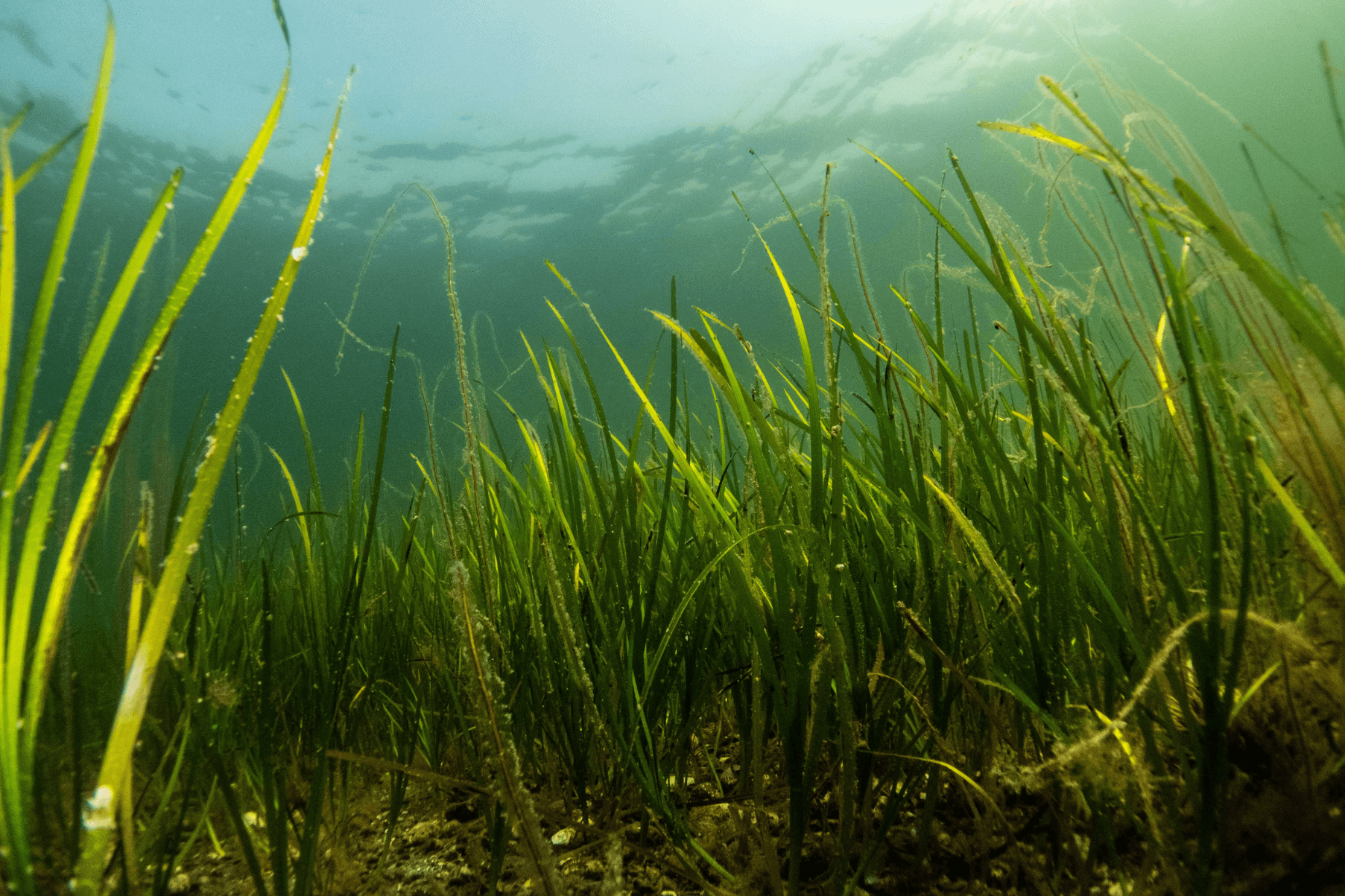
Zostera marina. Credit Ben Jones

Seagrasses are flowering plants that live in the shallow, sheltered areas of our coast. These sensitive plants are different from seaweed and grow bright green leaves forming dense underwater meadows. These meadows are full of life, supporting thousands of marine species, producing oxygen, storing carbon, stabilising our coastlines and keeping our ocean clean and clear. Yet, they are globally threatened and are facing significant loss around the world.

What is seagrass?

Seagrasses are flowering plants that live in the shallow, sheltered areas of our coast. These sensitive plants are different from seaweed and grow bright green leaves forming dense underwater meadows. These meadows are full of life, supporting thousands of marine species, producing oxygen, storing carbon, stabilising our coastlines, and keeping our ocean clean and clear. Yet, they are globally threatened and are facing significant loss around the world.

Zostera marina. Credit Ben Jones
A seagrass meadow in Zanzibar.

Urgent need to save seagrass

Since the late 19th century, it is estimated that one third of our World’s seagrass meadows have disappeared. It is vital we save what we have left and restore what we have lost.

Urgent need to save seagrass

Since the late 19th century, it is estimated that one third of our world’s seagrass meadows have disappeared. It’s vital we save what we have left and restore what we have lost.

Our Solution

Saving seagrass means saving our seas. We need to protect and restore seagrass whilst supporting the continuation of sustainable human activities that occur amongst or depend directly upon seagrass ecosystems. We need to do this now, as a connected global community, using and sharing knowledge and expertise, recognising, and espousing the vast body of largely untapped local ecological knowledge and empowering action from the local to international scale.

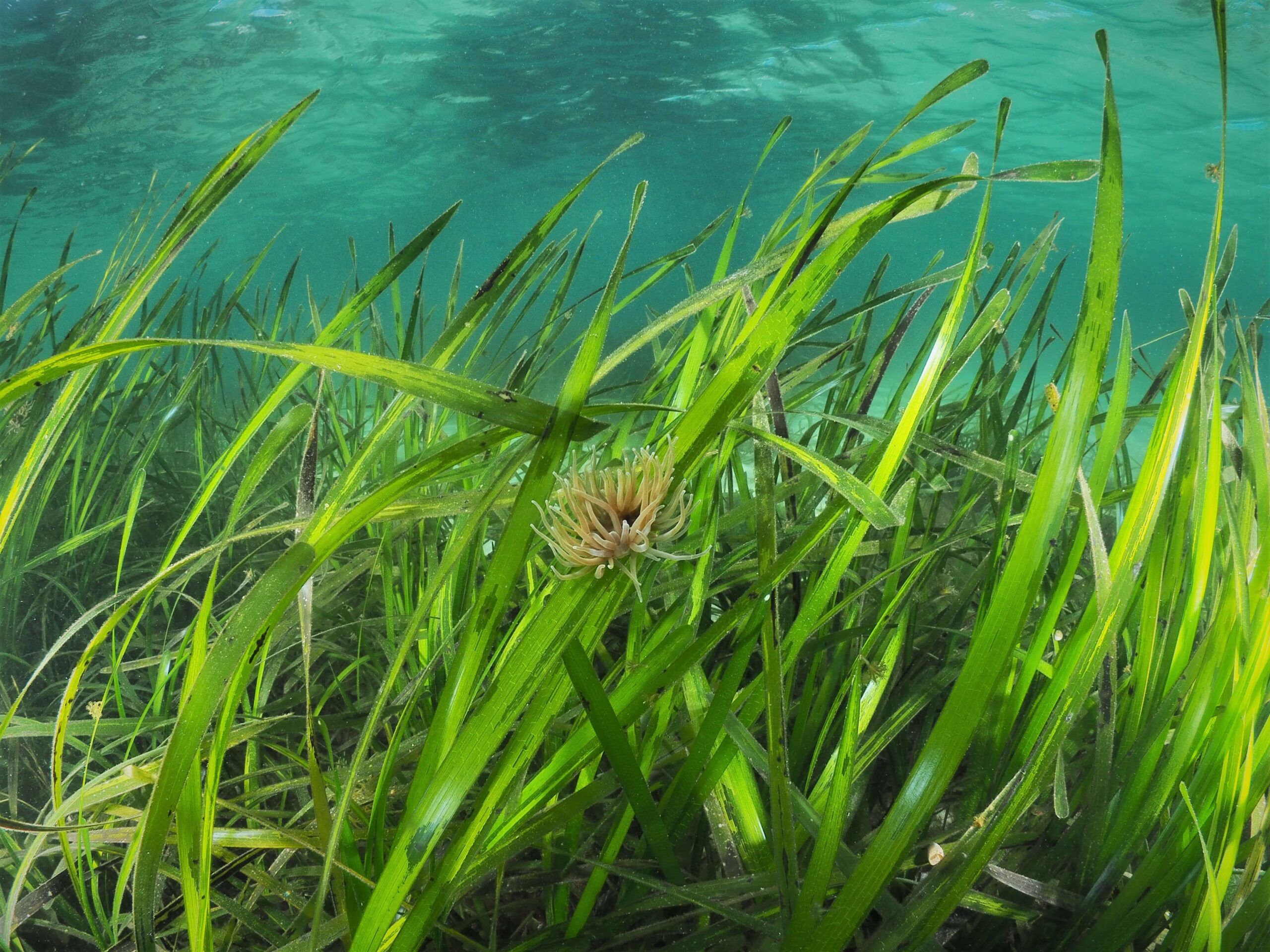
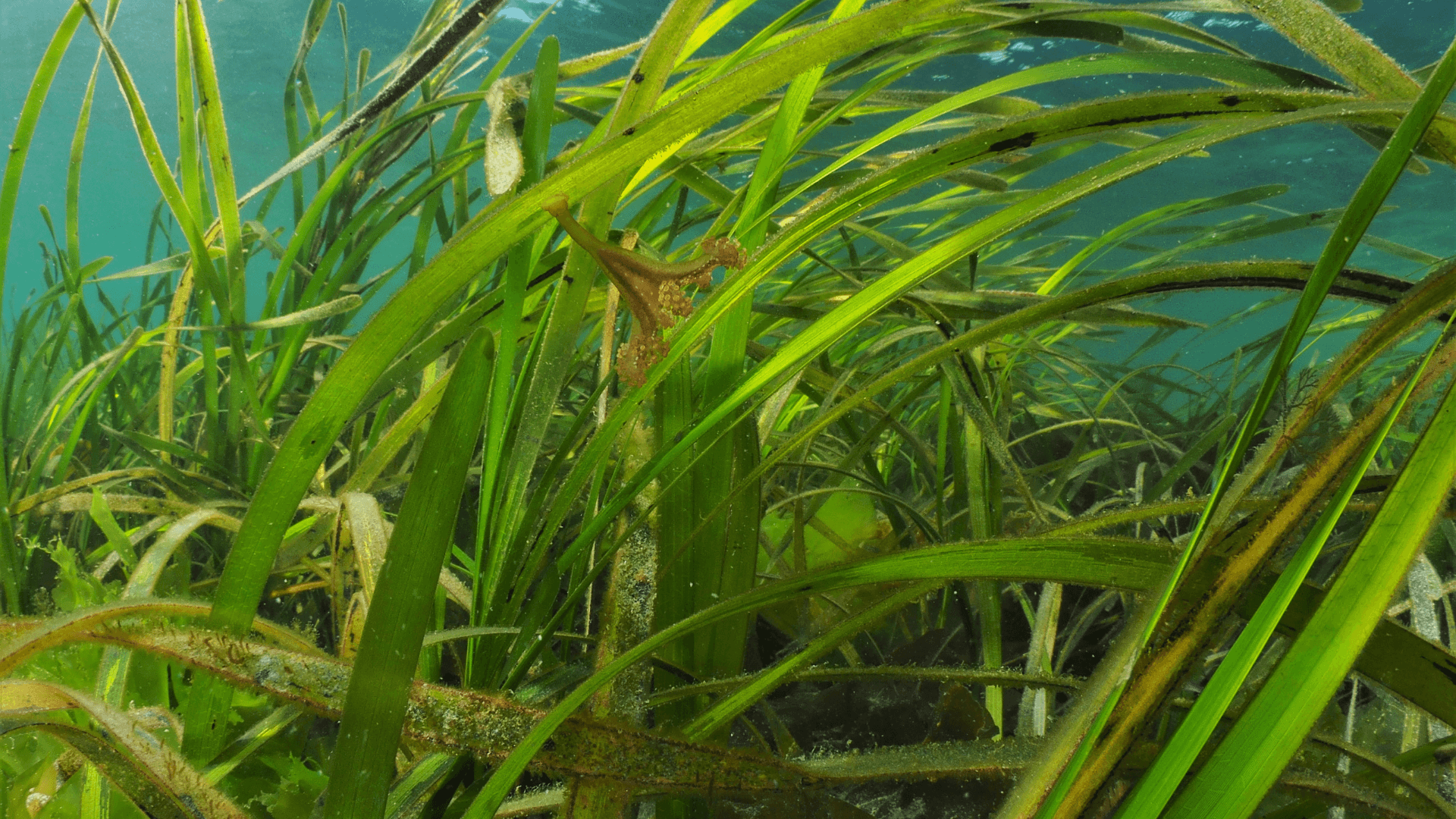
Zostera marina seagrass meadows with a snakelocks anemone

Our Solution

Zostera marina seagrass meadows with a snakelocks anemone

Saving seagrass means saving our seas. We need to protect and restore seagrass whilst supporting the continuation of sustainable
human activities that occur amongst or depend directly upon seagrass ecosystems. We need
to do this now, as a connected global community, using and sharing knowledge and
expertise, recognising, and espousing the vast body of largely untapped local ecological
knowledge and empowering action from the local to international scale.

Committed to securing a future for seagrass

Project Seagrass is a global facing marine conservation organisation securing a future for seagrass. Through community, research and action we will reach a world in which seagrass meadows are thriving, abundant and well managed for people and planet.

Committed to securing a future for seagrass

Project Seagrass is a global facing marine conservation organisation securing a future for seagrass. Through community, research, and action we will reach a world in which seagrass meadows are thriving, abundant, and well managed for people and planet.

Science based solutions to Global Challenges for seagrass

Since 2013, Project Seagrass has been committed conserving seagrass ecosystems to ensure that the benefits they provide people and planet are sustained now and for the future.

By bridging community, research, and action, we can save the World’s seagrass.

scientific publications
0 +
seagrass seeds planted
150000 +
new seagrass datapoints
3000 +
volunteers engaged
0 +

Science based solutions to Global Challenges for seagrass

Since 2013, Project Seagrass has been committed to conserving seagrass ecosystems to ensure that the benefits they provide people and planet are sustained now and for the future.

By bridging community, research, and action, we can save the World’s seagrass.

publications
0 +
seagrass seeds planted
150000 +
new seagrass datapoints
3000 +
volunteers engaged
10 +

Latest News

Latest News