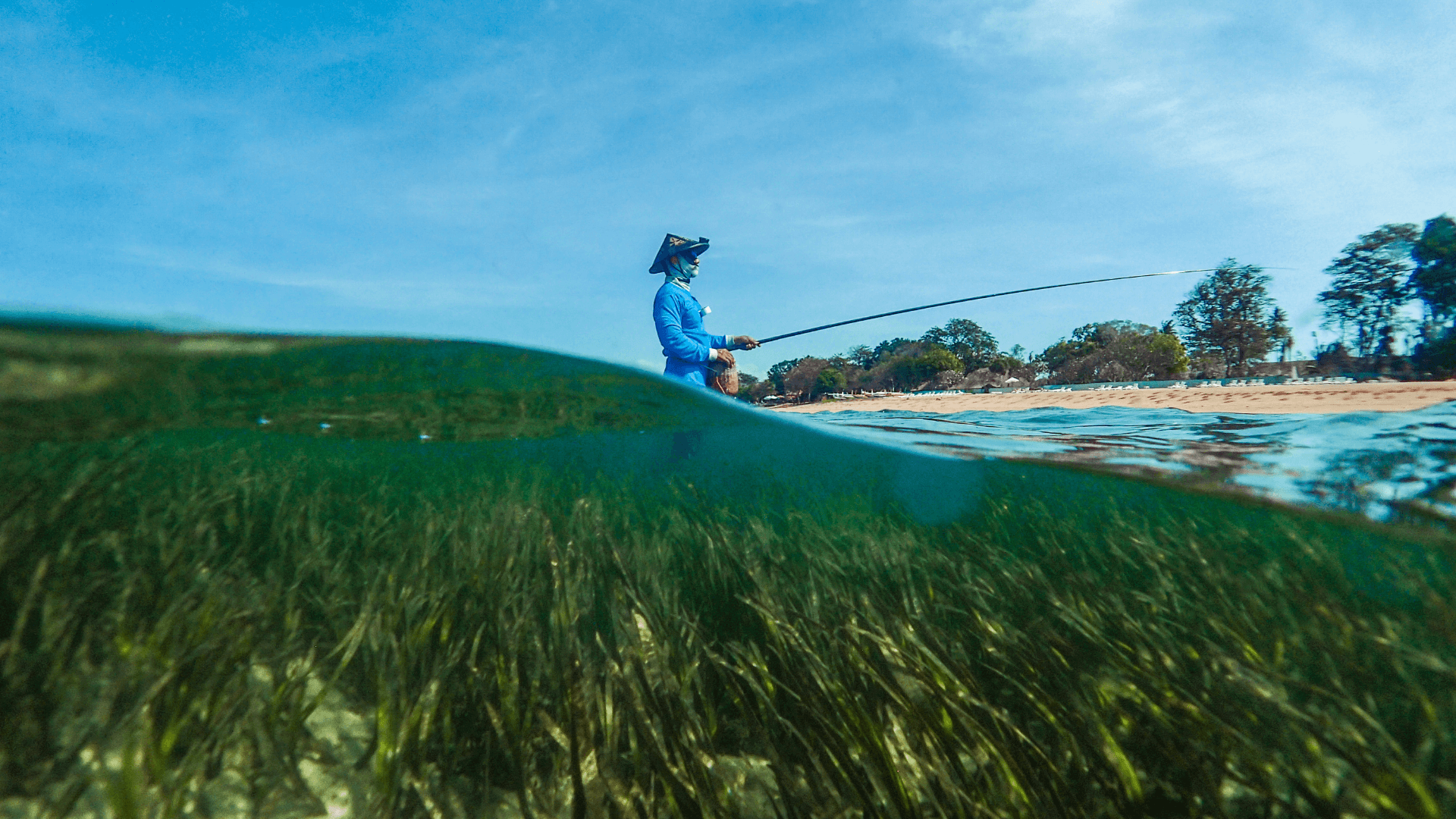
- The first large-scale analysis of its kind estimates that at least 18 million people living in poverty across the Indo-Pacific fish in seagrass meadows. Around 6.5 million may depend entirely on these overlooked habitats for fishing and subsistence.
- Researchers warn that seagrass decline could deepen hunger, economic insecurity, and inequality in some of the World’s most vulnerable coastal communities.
A groundbreaking new study provides the first large-scale empirical evidence that seagrass meadows act as a critical safety net for millions of coastal people living in extreme poverty across the Indo-Pacific.
Led by scientists from the world’s leading seagrass conservation organisation Project Seagrass, the research found that at least ~18m people in poverty across the Indo-Pacific fish in seagrass meadows, including ~6.5m who are entirely dependent on the habitat for subsistence and fishing-related income.
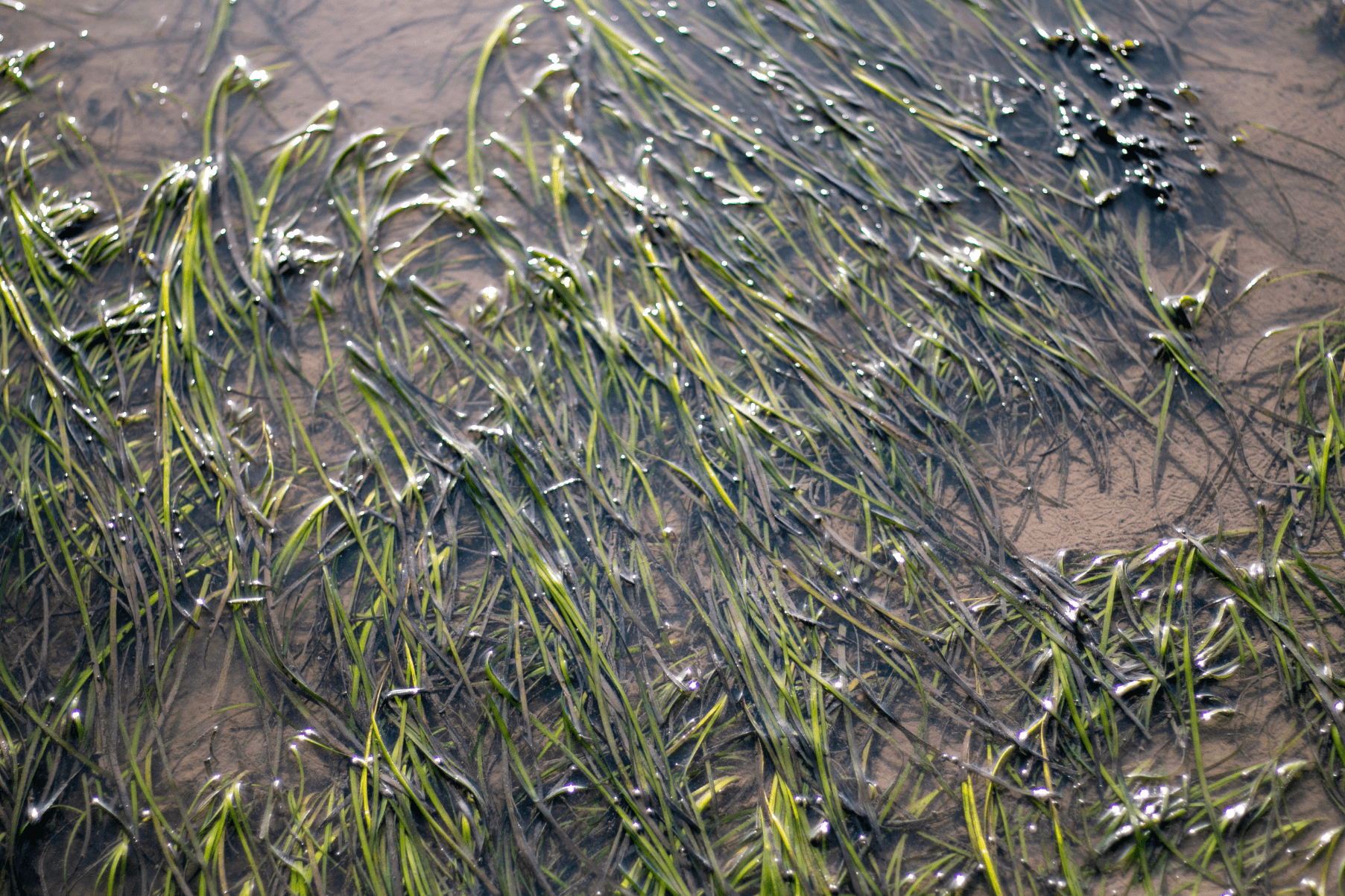
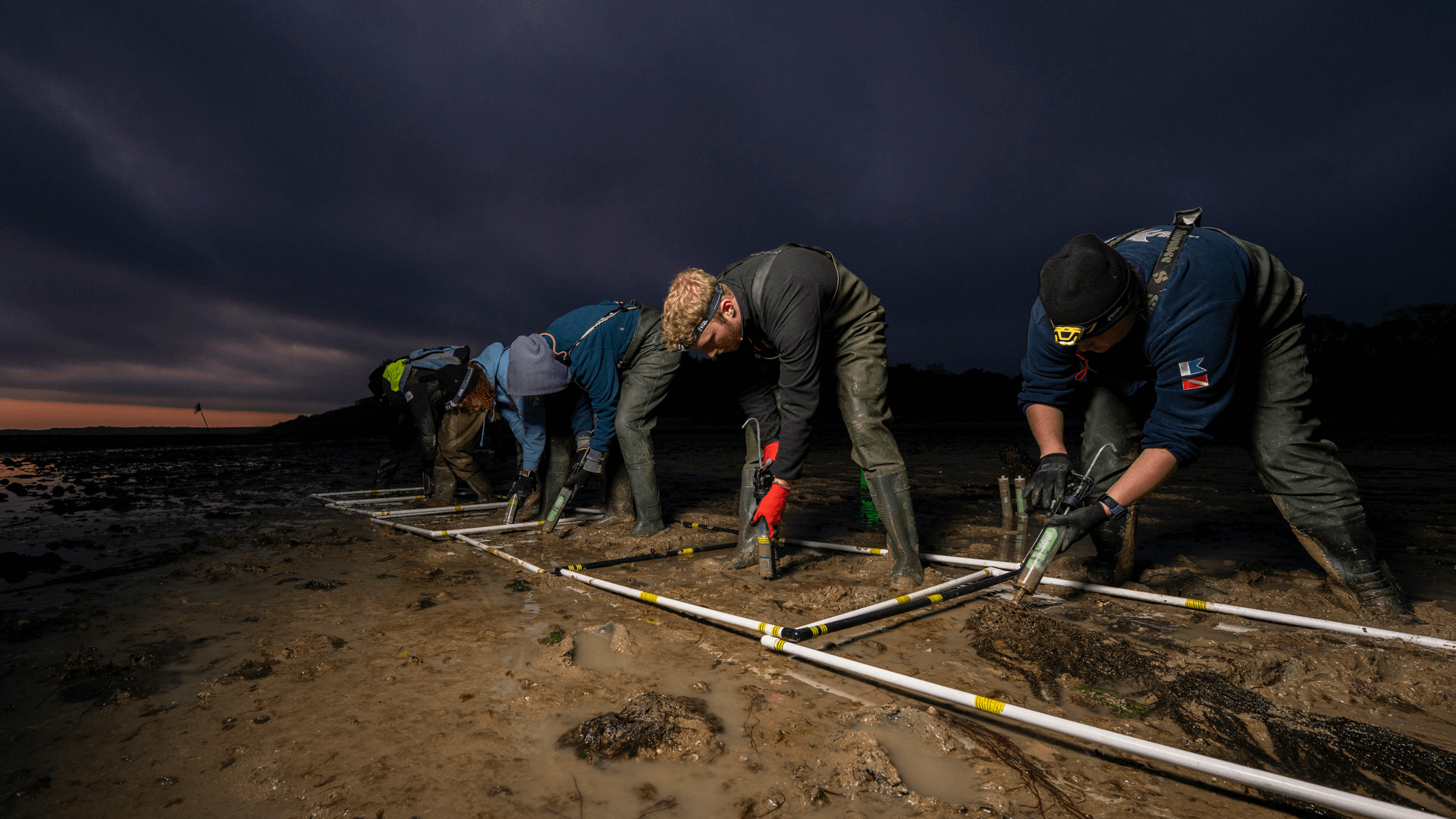
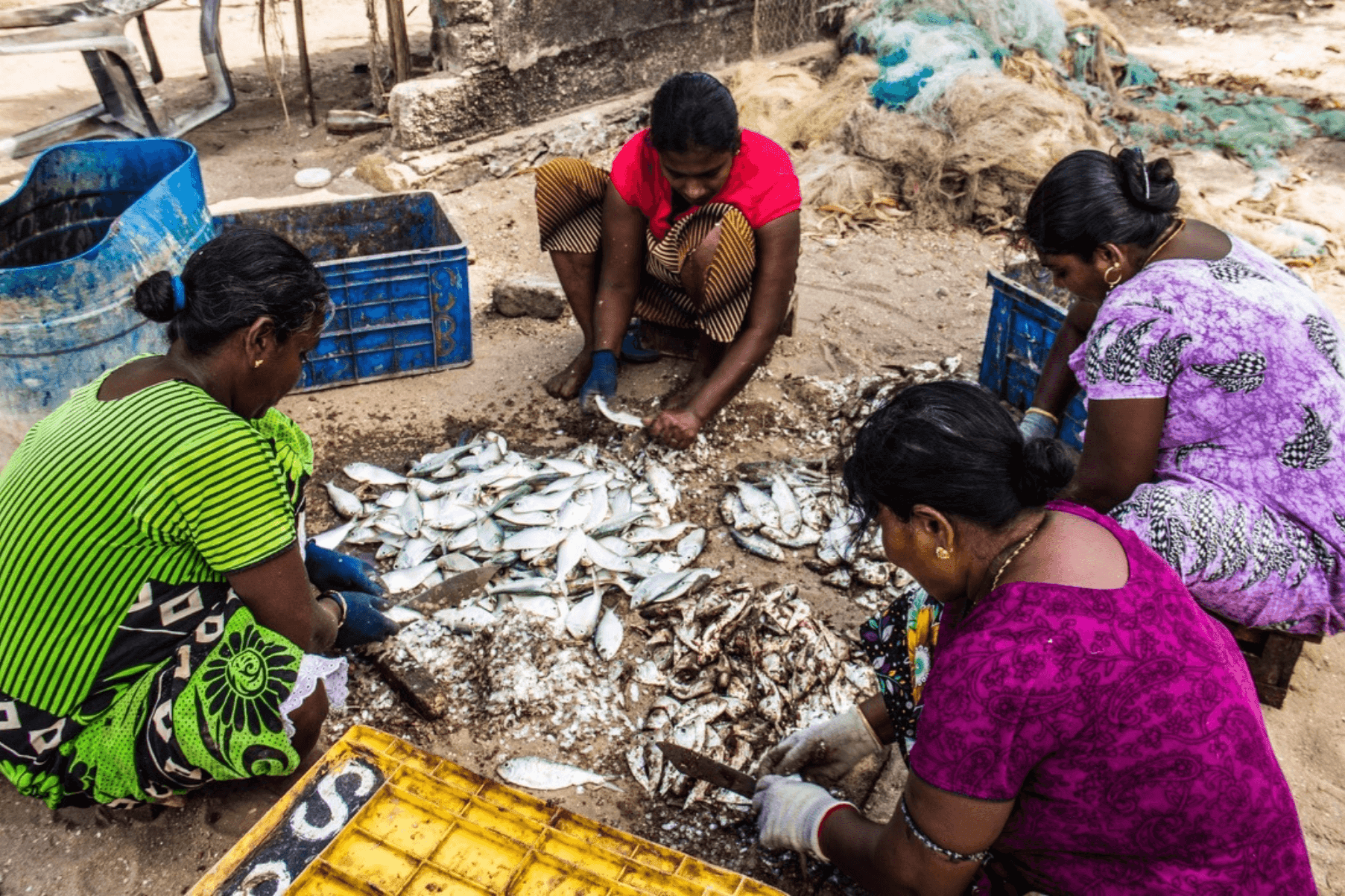
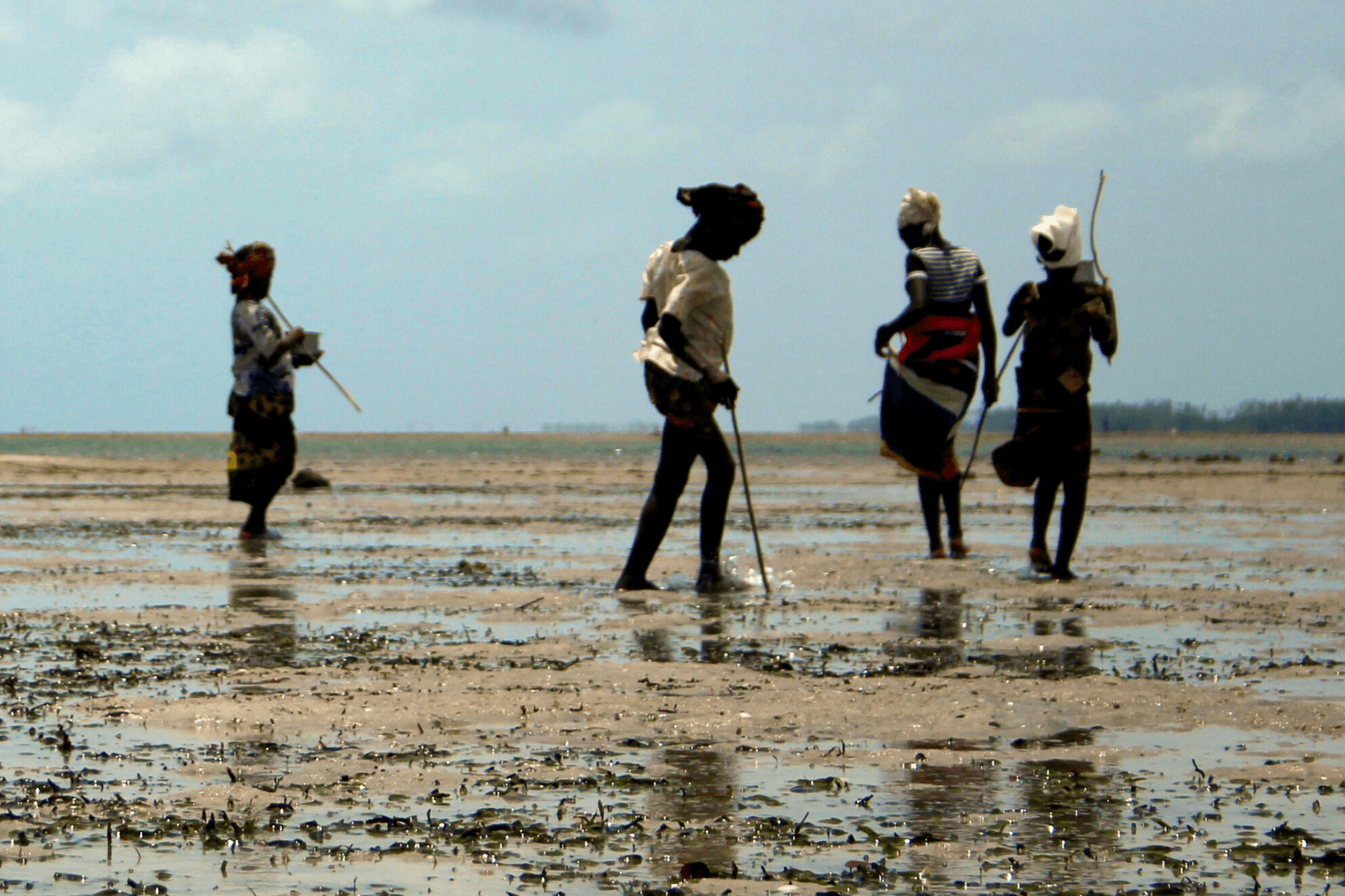
Seagrasses are flowering plants that form extensive underwater meadows along shallow coastlines. Although less familiar than coral reefs or tropical forests, these meadows support accessible fisheries that can be reached on foot or with limited equipment, making them especially important to households with few alternative sources of food or income. Women and other marginalised groups frequently play central roles in these fisheries.
The research identifies that, across the Indo-Pacific, households in extreme poverty were significantly more likely to be entirely dependent on seagrass meadows for their fishing activities, with seagrass-dependent households found to earn ~23% less than other fishers. The data makes visible a population of millions of people in poverty whose livelihoods intersect with a habitat that remains largely absent from poverty, development, and conservation agendas.
By linking household-level poverty data with seagrass-proximate population estimates, the study reveals a largely invisible population whose livelihoods are closely tied to one of the world’s most overlooked marine habitats. The findings suggest that reliance on seagrass fisheries may reinforce a coastal poverty trap, where households with few alternatives remain dependent on low-income livelihoods connected to vulnerable seagrass ecosystems.
Dr Benjamin Jones, Chief Conservation Officer at Project Seagrass and one of the lead researchers on the study said: “This study changes how the world needs to see seagrass. These aren’t just meadows for fish, for turtles or carbon. They’re hidden safety nets for millions of people. When seagrass disappears, it’s not just nature that’s lost. Food, income and security disappear with it, often for the people least responsible for its decline and least able to adapt. Seagrass loss is a direct threat to food security, livelihoods and justice across some of the world’s most climate vulnerable coastlines.”
The research highlights the importance of integrating seagrass ecosystems into poverty alleviation and sustainable development strategies in order to break this cycle. Failure to do so risks deepening coastal poverty and worsening food insecurity, undermining progress toward SDGs 1 and 2 (ending poverty and hunger). Only by recognising seagrass ecosystems within poverty-focused policy and aid interventions can we avoid exacerbating inequality and instead support more resilient and equitable coastal futures.
Dr Leanne Cullen-Unsworth, CEO at Project Seagrass, said: “More than 20 years ago in Indonesia, coastal communities and local colleagues helped me understand something that was still largely absent from global conservation debates; that some of the world’s poorest coastal communities were relying on seagrass meadows every day for food and income. Since then, many colleagues, collaborators, and communities have contributed to building the evidence behind that relationship. This study allows us to see its scale for the first time. Behind these figures are millions of real people for whom seagrass loss isn’t an abstract environmental problem; it can mean the loss of food, income and security. That, has profound implications for how the world thinks about seagrass conservation.”
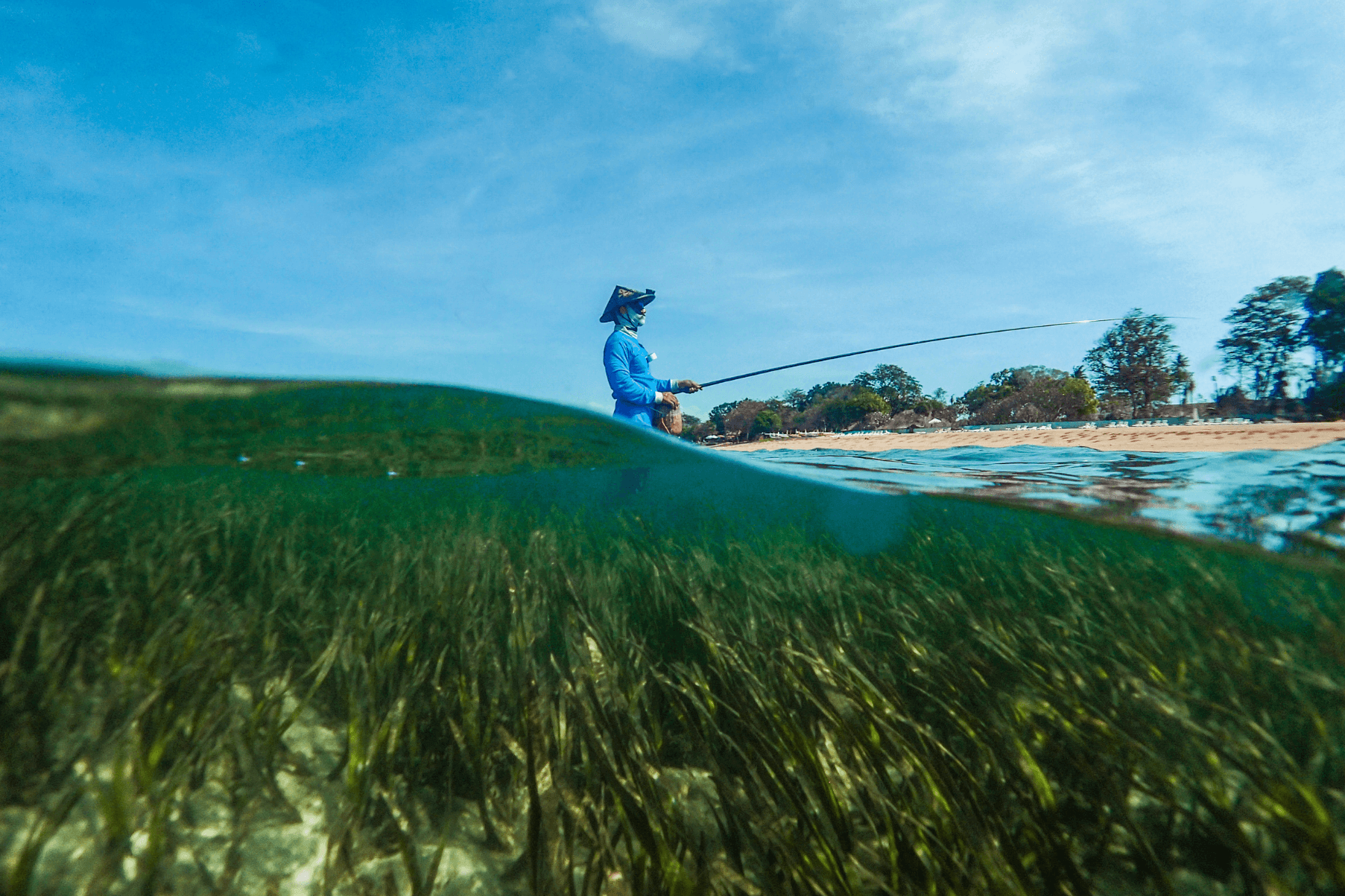
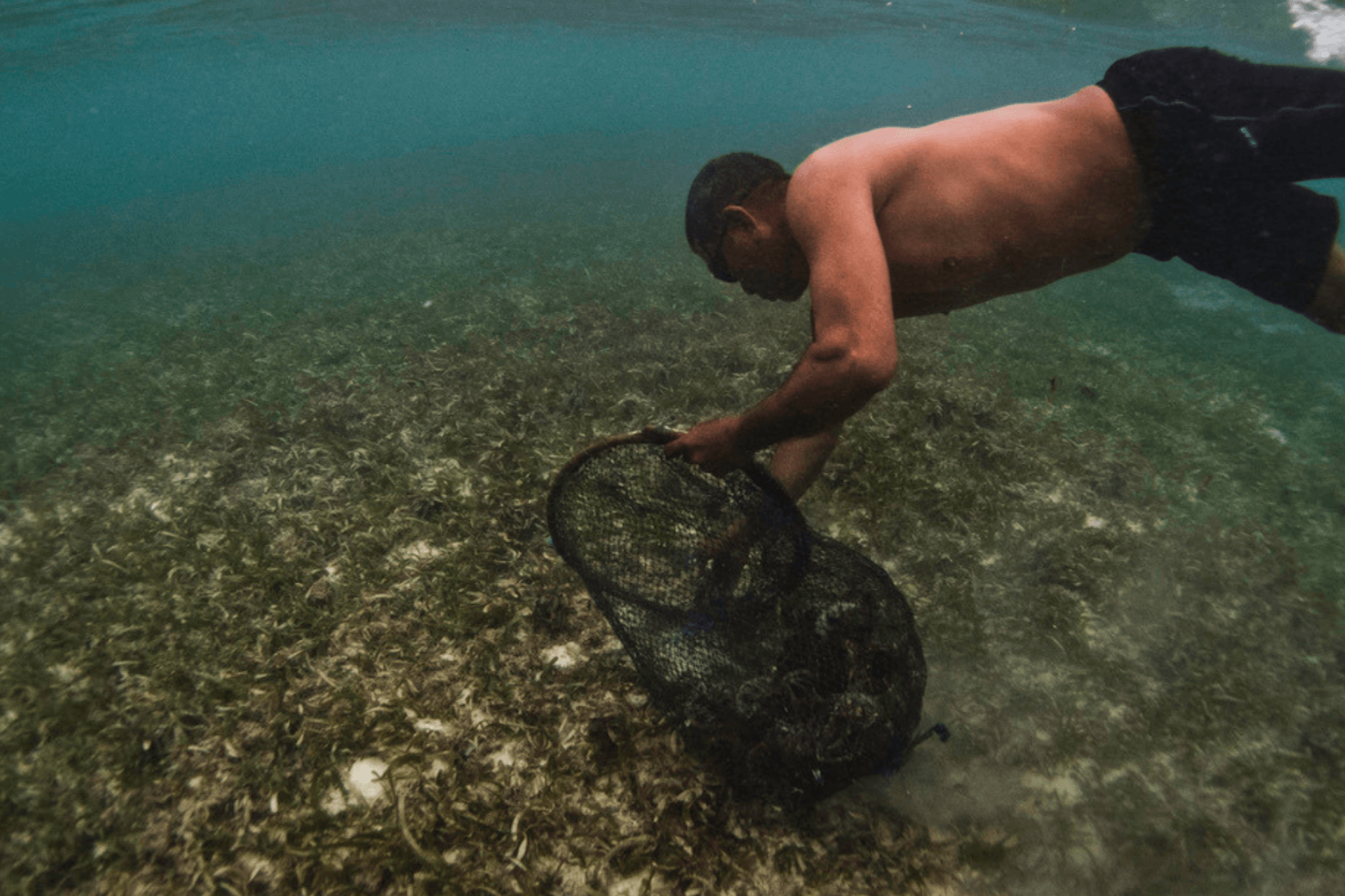
Seagrass meadows across the Indo-Pacific experience a range of threats, primarily as a result of coastal development and land-based pollution. In many places, the communities most dependent on seagrass meadows have little influence over the decisions driving their decline.
With dependencies on seagrass only expected to intensify under widening wealth inequalities, population growth, and accelerating climate change, the research reinforces the need for effective sustainable development, food security, fisheries and conservation strategies that avoid exacerbating existing inequality.
Dr Richard Unsworth, Chief Scientific Officer at Project Seagrass and study co-author: “The world has largely treated seagrass loss as a specialist conservation problem. This study shows that it is also a development and food-security issue. Governments and international donors cannot credibly address coastal poverty while allowing the ecosystems underpinning local food systems to disappear.”
Investment in seagrass conservation and sustainable fisheries could support more secure and dignified coastal futures, transforming seagrass meadows from a last-resort resource into a foundation for resilience across the region.
Contact Project Seagrass to discuss opportunities to support global seagrass conservation.
Publication details
Paper title: Seagrass fisheries expose the poverty dimensions of marine conservation
Journal: Nature Sustainability