Project Seagrass has been granted Independent Research Organisation status.
This is an important milestone for Project Seagrass, but more importantly, it is a milestone for seagrass science.
Since 2013, Project Seagrass has worked tirelessly to build a different kind of conservation organisation. One that is rooted in science, grounded in communities, and focused on turning evidence into action. Over more than a decade, we, alongside others, have helped move seagrass from the margins of marine conservation into global conversations about biodiversity, fisheries, climate, food security, and Ocean recovery.
That work has now been recognised by UKRI through our status as an Independent Research Organisation.
Independent Research Organisation status places Project Seagrass within an important group of UK research bodies that are recognised for their capacity to lead, manage, and deliver high-quality research. This includes all of the UK’s universities, and many of the UK’s most respected science-based museums, institutes, charities, and public bodies.
For us, this recognition speaks to the foundations of how we work. Project Seagrass has always been more than a delivery organisation. We are a research-active charity. We ask difficult questions, publish our findings, share our data, collaborate internationally, and use evidence to shape better decisions for seagrass meadows and the people who depend on them.
Since our founding in 2013, our team and collaborators have published nearly 120 academic articles that have been cited nearly 6,000 times. Behind those numbers is a larger story of a charity choosing to take research seriously, building credibility over time, and showing that world-class science does not only happen within universities.
Our work has helped advance understanding of how seagrass meadows support fisheries, sustain biodiversity, contribute to livelihoods, and shape coastal futures. It has also helped show that seagrass conservation is not only an ecological challenge and requires social-ecological thinking.
Seagrass recovery needs more than enthusiasm. It needs evidence, it needs integrity and it needs long-term thinking. Fundamentally, it needs organisations that can move carefully between science, policy, practice, and community action without losing sight of the standards that make research and action legitimate, trustworthy, and credible to the people funding work. Independent Research Organisation status strengthens our ability to do that.
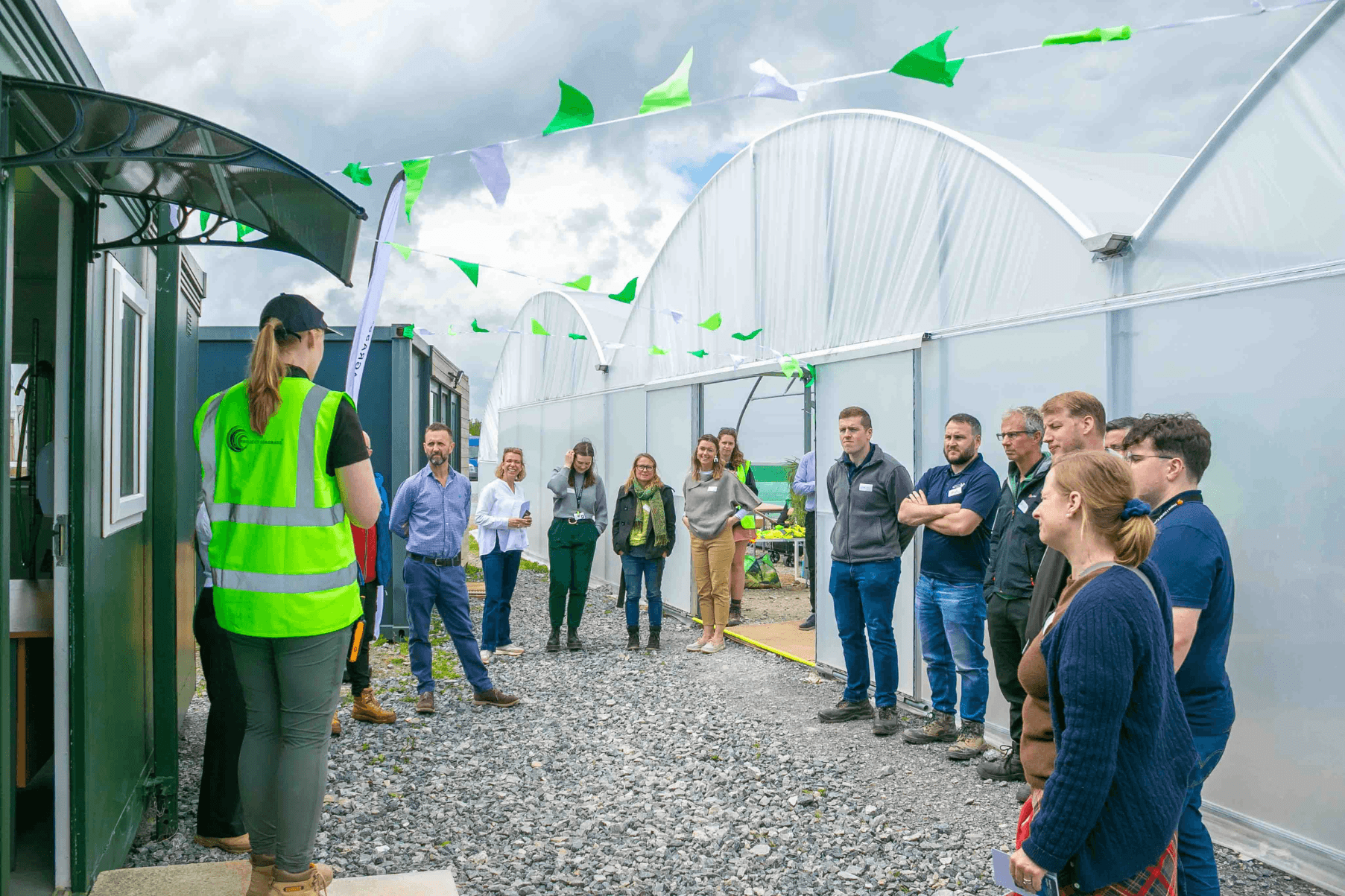
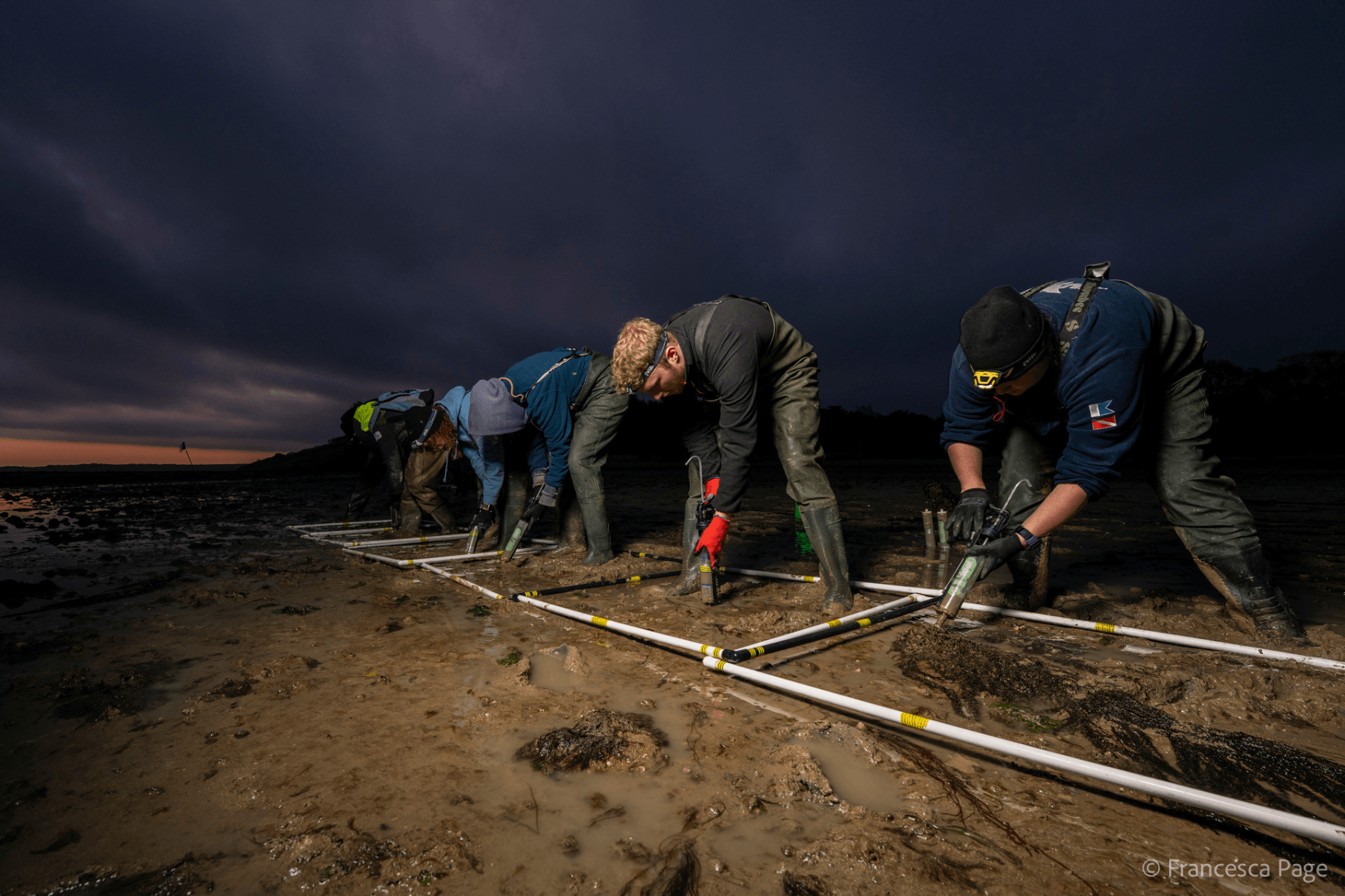
IRO status means that Project Seagrass is recognised as having the capacity to lead and host research in its own right. It opens new opportunities to work with researchers, funders, institutions, and partners across the UK and internationally. It gives us a stronger platform to develop the next generation of seagrass science, from social-ecological systems research and restoration evidence to coastal livelihoods, policy innovation, food security, and community-led monitoring.
It also creates new opportunities for researchers who want to work with us. Project Seagrass can now sit more clearly within the UK, European, and Global research landscape as a host and collaborator for ambitious, applied, interdisciplinary seagrass research.
We want to use this status to strengthen the quality, transparency, and impact of seagrass research. We want to support research that is open, useful, and accountable. We want to build partnerships that respect local knowledge as well as academic expertise. We want to create evidence that helps governments, communities, practitioners, and funders make better decisions. Most of all, we want to show that conservation organisations can be serious research institutions while remaining close to the places, people, and ecosystems they serve.
Seagrass meadows are still among the most overlooked ecosystems on the planet, and their recovery will require bold policy, practical action, and high-integrity science.
Project Seagrass was founded to help make that happen. Independent Research Organisation status gives us a stronger foundation for the next phase of that mission.