Opening slide at the Coastal Futures 26

From conversation to commitment: reflections on Coastal Futures

Two weeks ago, I joined colleagues and collaborators at the Coastal Futures Conference at the Royal Geographical Society in London. The theme this year was ‘From Ambition to Action’, a sentiment that seems to be playing on repeat across the conferencing world with, with yet and seemingly as always, not enough action. But once again, this auditorium was full of people who care deeply and are pulling in the same direction. There was also an energy to the conversations—a shared sense that 2026 must be a year of action. In a world that often feels heavy, that collective intent felt genuinely hopeful.

A clear theme threaded through the Coastal Futures sessions: action through collaboration. Joined voices carry further than fragmented ones. When our messaging is connected and our skills pooled, we create a far more powerful vehicle for change. The positivity and willingness to collaborate on display suggest that the moment is ripe—if we choose to seize it.

There is, after all, only one sea. We can divide it on maps and draw lines across it, but it remains one interconnected system, another sentiment that was articulately woven throughout the conference. It belongs to all of us and to no one. With the knowledge and capacity, we now have, we also share responsibility—for protecting the sea and, in doing so, protecting ourselves.

That responsibility is sharpened by the evidence. The Office for Environmental Protection reminded us that data continues to point to the biodiversity and habitat decline in the UK. The failure to meet Good Environmental Status targets by 2020 is not a footnote; it’s a warning. The OEP’s work—Improving Nature at Sea—is vital in holding government to account for commitments and targets that should underpin a healthy marine ecosystem.

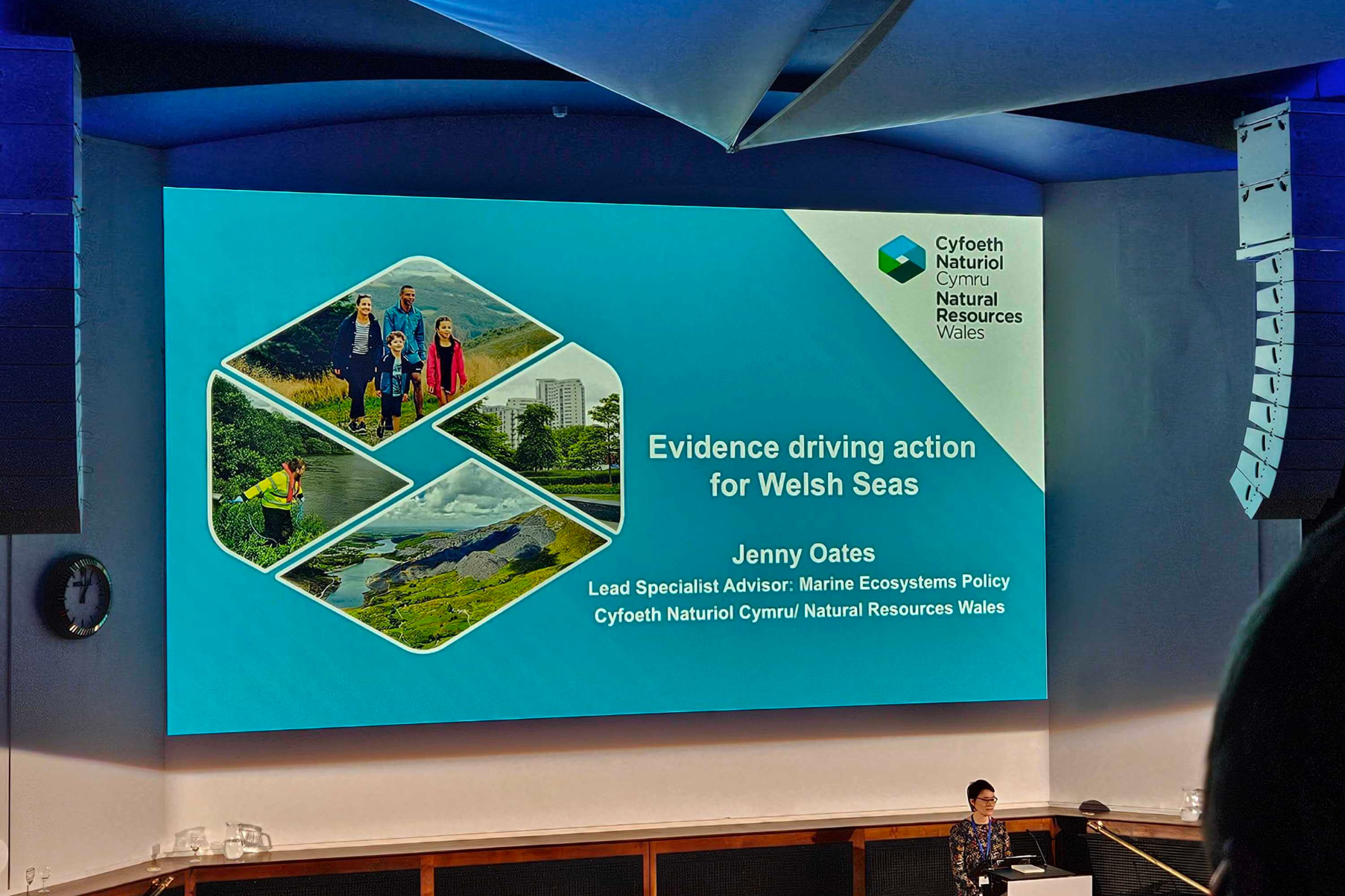
Presentation on the evidence driving action in Welsh seas
Evidence driving action in Wales including seagrass
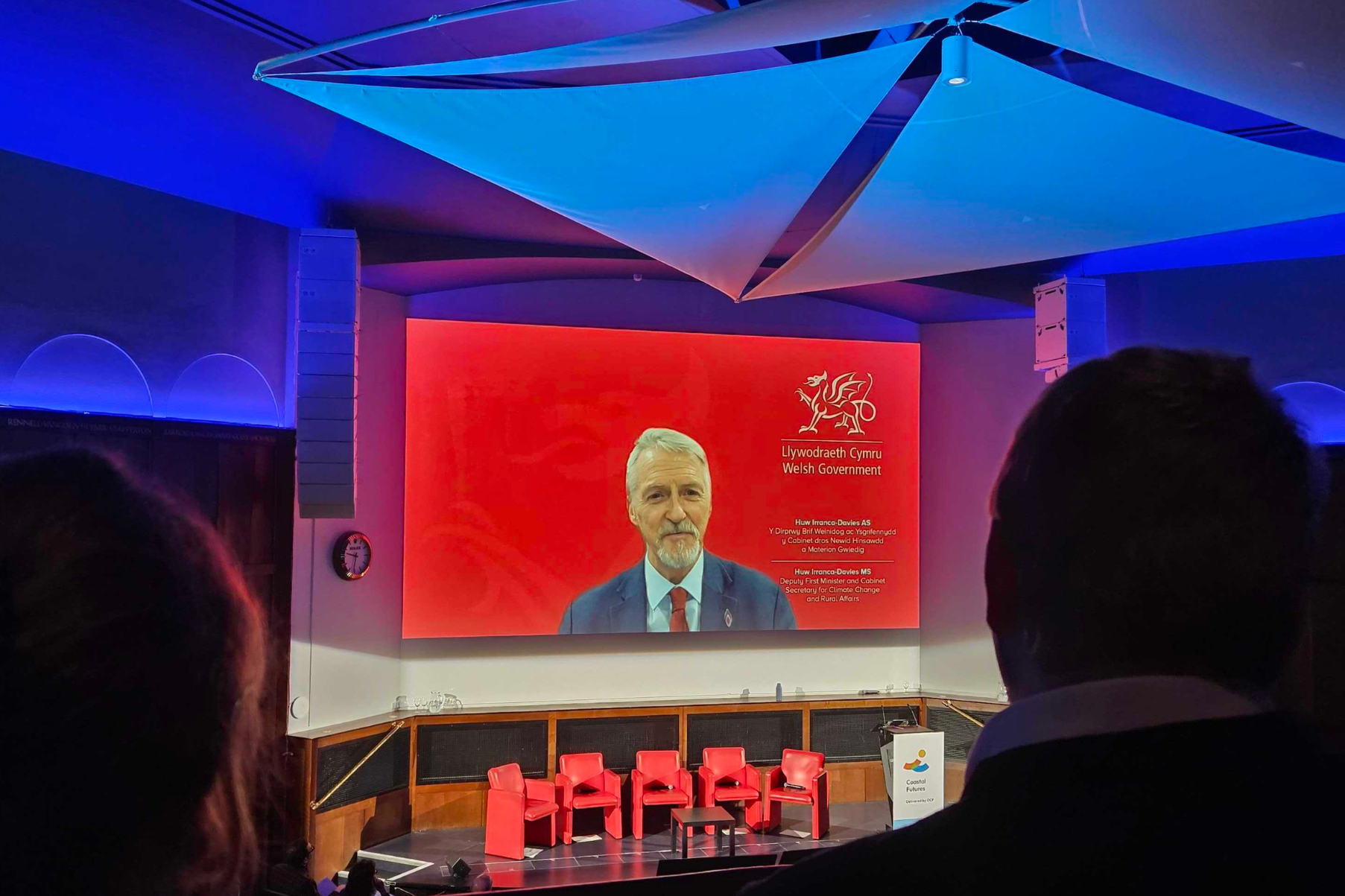
Labour MP - Huw Irranca-Davies Talk
Talk from Huw Irranca-Davies MS: Deputy First Minister and Cabinet Secretary for Climate Change and Rural Affairs

Language matters too. A shift has moved us from “limiting climate change” to “limiting the impacts of climate change.” That may be pragmatic, but it risks normalising loss. Many of the pressures on the sea are invisible; that invisibility is part of the problem. Our job—as scientists, practitioners, and communicators—is to make those pressures visible and to bring people with us on the journey from understanding to caring, and from caring to acting.

One message that resonated strongly: lack of data cannot be an excuse for inaction. We know enough to act now for ocean recovery. Yet policy choices still too often permit destruction—sometimes even licensing it—through so-called compensatory measures. The framing of “wider compensation measures” from Defra risks enabling loss in one place to be offset by something entirely different elsewhere. This is not recovery; it’s displacement.

We should be asking harder questions. Why are we still bowing to what large corporates and developers want—or will accept—when we are on a deep dive toward environmental collapse? Environmental stability and recovery must be the absolute priority if we are to continue to live well on this planet. Allowing any commercial interests to dictate the marine conservation agenda, or to profit from recovery after driving degradation, is a path we should challenge.

That is why purpose matters. Project Seagrass is not-for-profit, but for people and for the planet. The work is about recovery that is ecological, social, and lasting—not transactional.

As we look ahead—to questions about how restoration and monitoring feed into delivery routes, how nature portals are designed, where data comes from, and how progress is tracked—I’m hopeful. The conversations at Coastal Futures showed a community ready to move from words to work. If we keep our voices joined, our priorities clear, and our actions bold, this really can be the time we change course for the better.

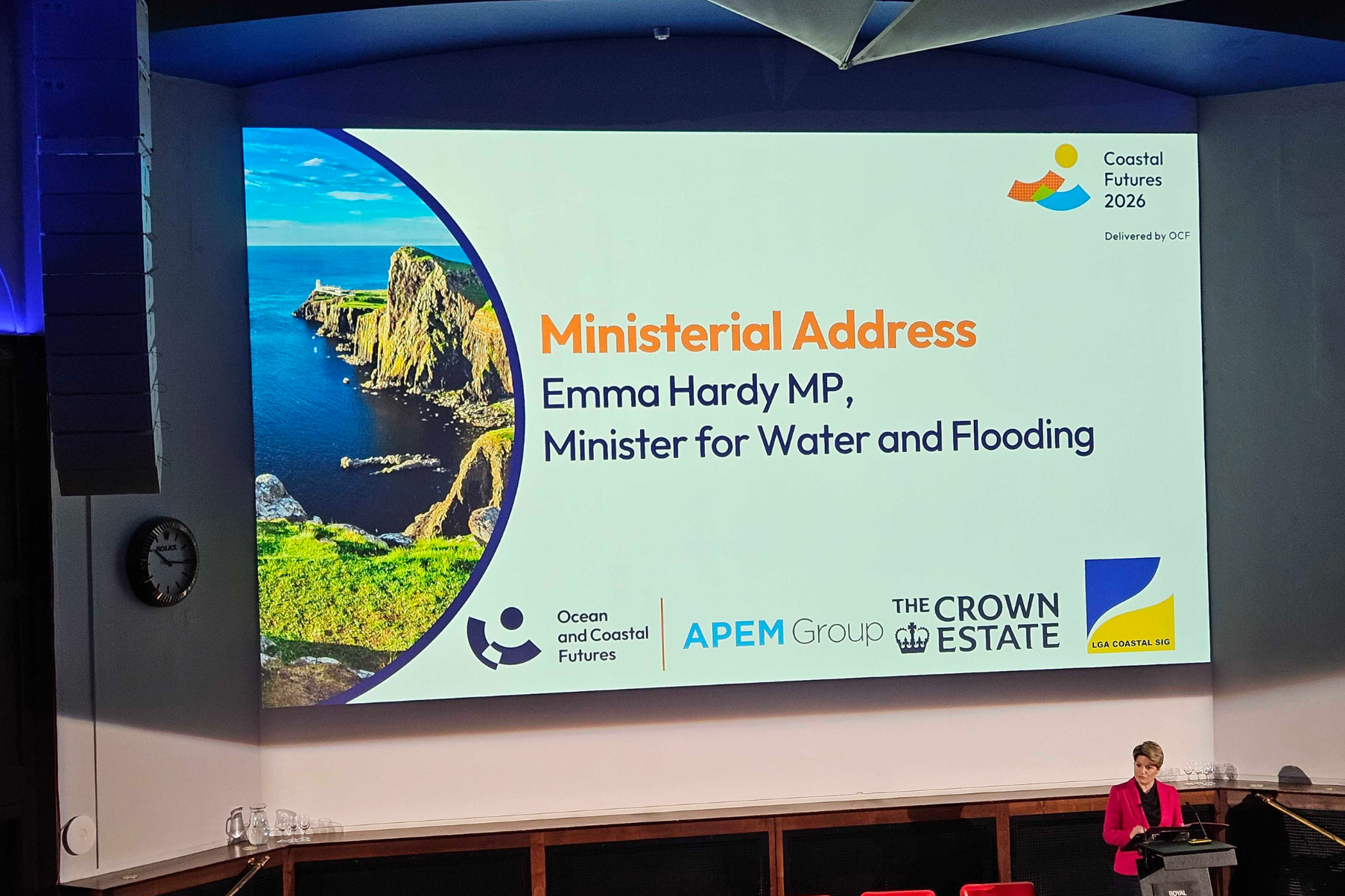
Ministerial Address
Ministerial Address by Emma Hardy MP - Minister for Water and Flooding

More themes to explore