Seagrass in Thorness

Fieldwork notes from our Solent planting

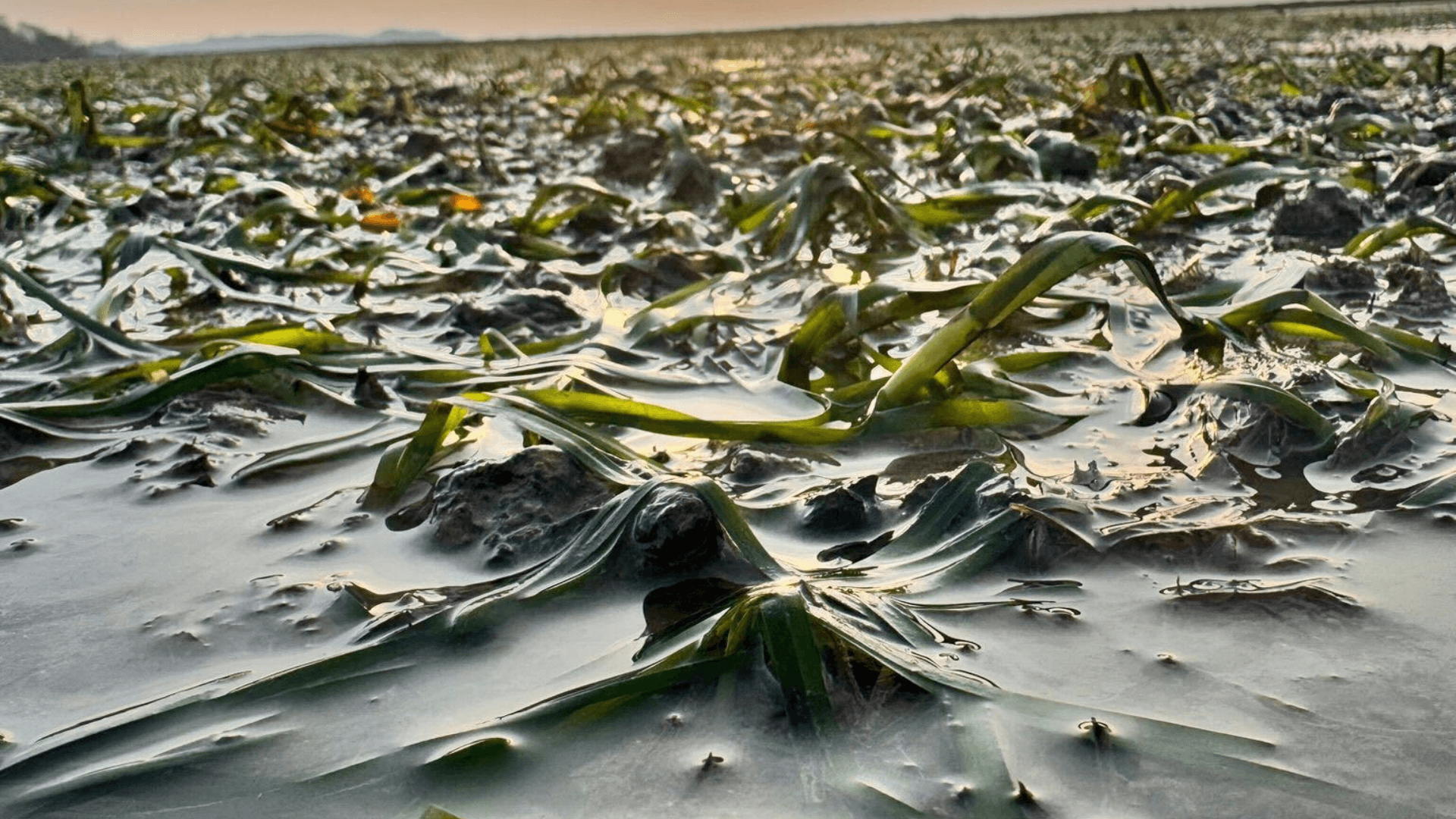
Between the 17th and 23rd March 2026, members of the Project Seagrass team were on the Isle of Wight carrying out active restoration as part of the The Solent Seascape Project, the first project of its kind in the UK to initiate seascape-scale restoration.

As part of The Solent Seascape Project, Project Seagrass is working to restore 3.5 hectares of seagrass in the Solent.

During this spring’s planting efforts, the team planted 175,416 seagrass seeds using the Dispenser Injection Seeding (DIS) method and 1,154 seagrass transplants from our Seagrass Nursery, planting across an area of 0.77 hectares.

Find out more about the activity that took place:

Fragment Walk

The March fieldwork efforts commenced with a Fragment Walk at Priory Bay.

Fragment Walks are a community-based seagrass restoration initiative and form one of the approaches to active restoration that Project Seagrass is undertaking on the Isle of Wight as part of The Solent Seascape Project.

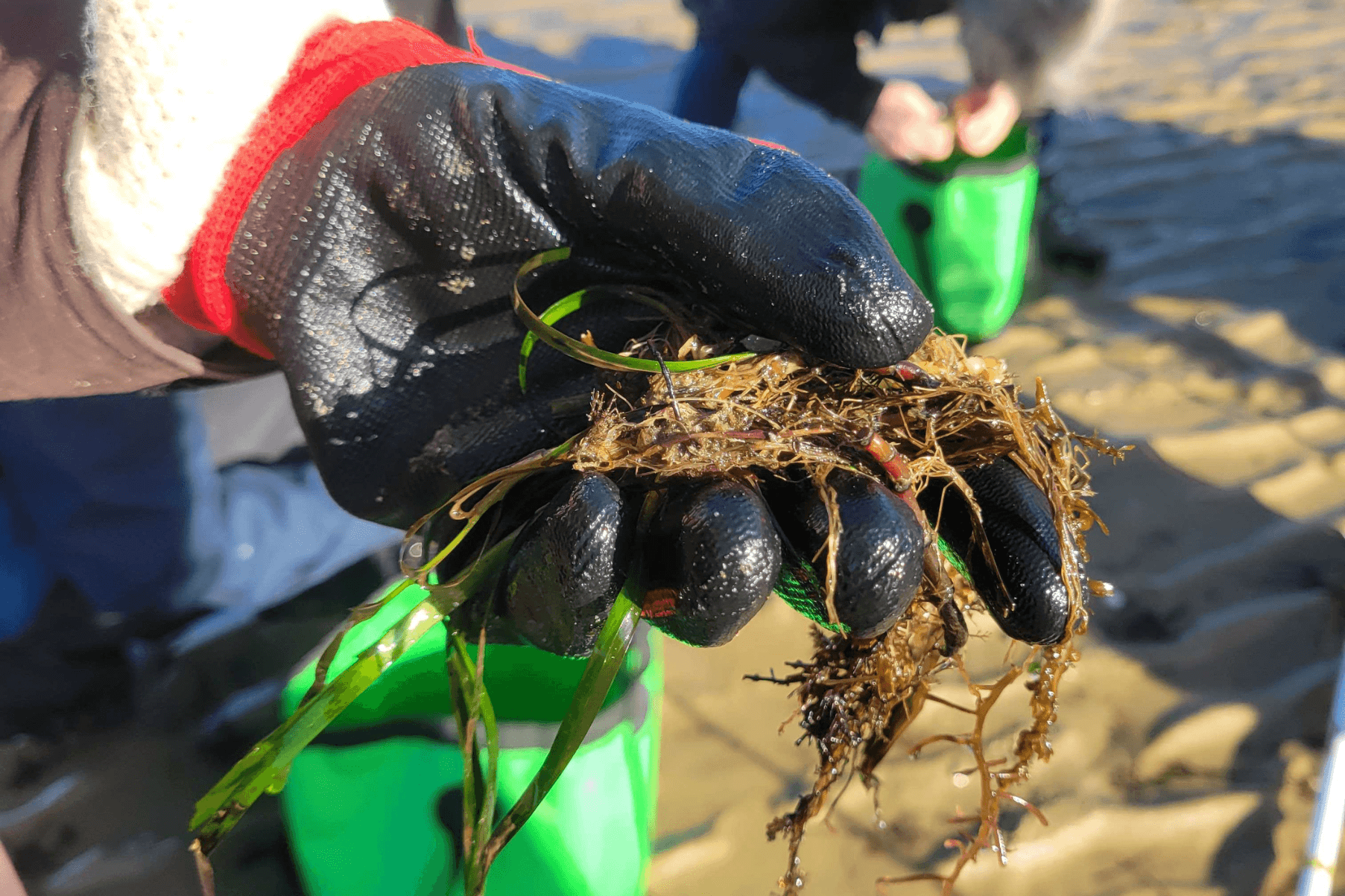
Seagrass meadows are sensitive habitats which can be easily uprooted. As a result of storms or other disturbances, fragments of seagrass (individual seagrass plants with the rhizome or reproductive root and node system still intact) can become dislodged, uprooted, and washed up onto beaches. Fragment Walks involve collecting and re-planting these dislodged seagrass fragments, giving them another chance to thrive.

During March’s Fragment Walk, the team were joined by 11 volunteers. Together, the group walked along the beach from St Helens to Priory Bay collecting over 100 dislodged seagrass fragments which were then re-planted in a dedicated seagrass community garden at Priory Bay.

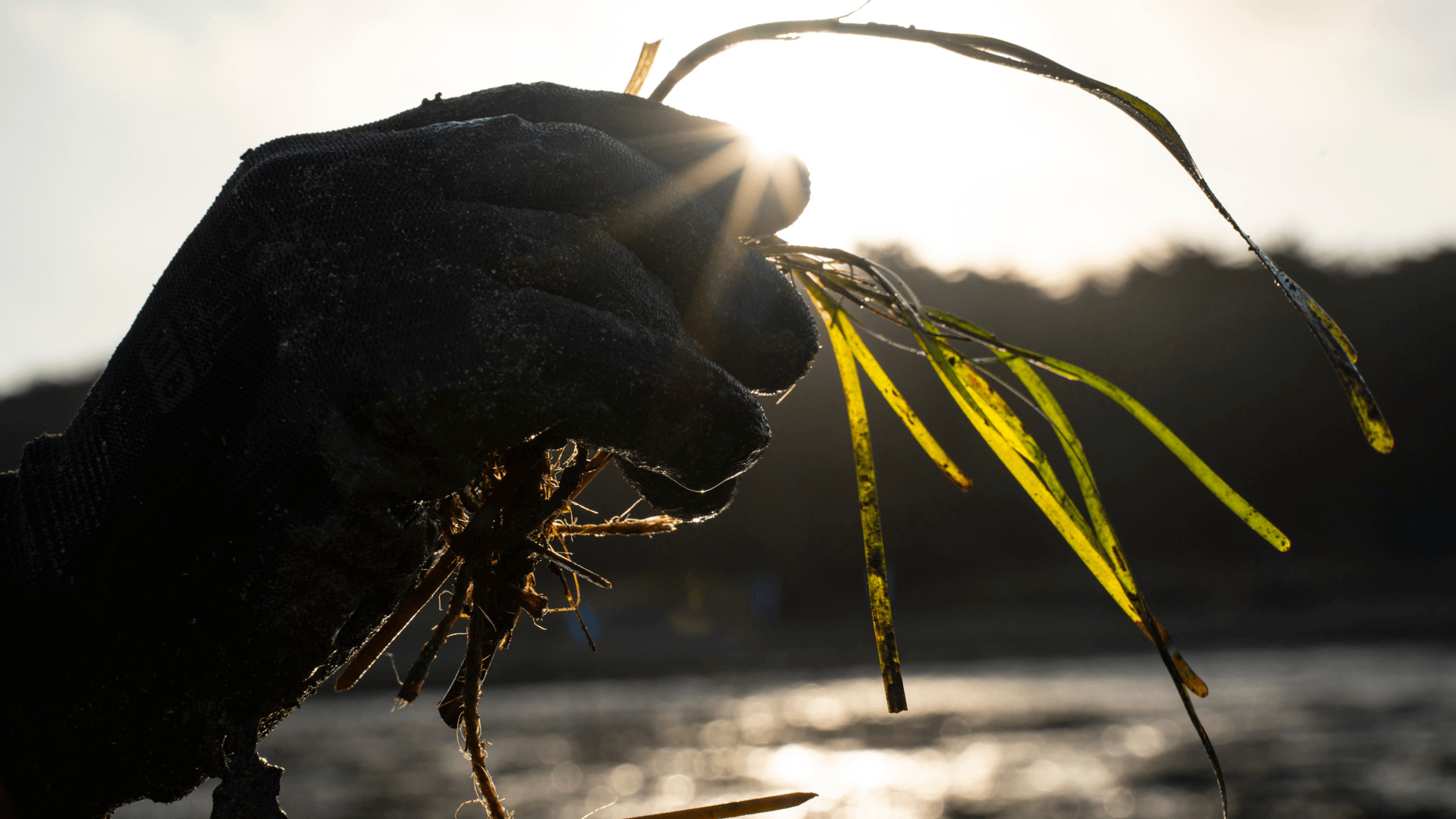
A volunteer holds a seagrass fragment
Over 100 seagrass fragments were collected at Priory Bay as part of March's Fragment Walk. These were re-planted in a Community Garden at Priory Bay.
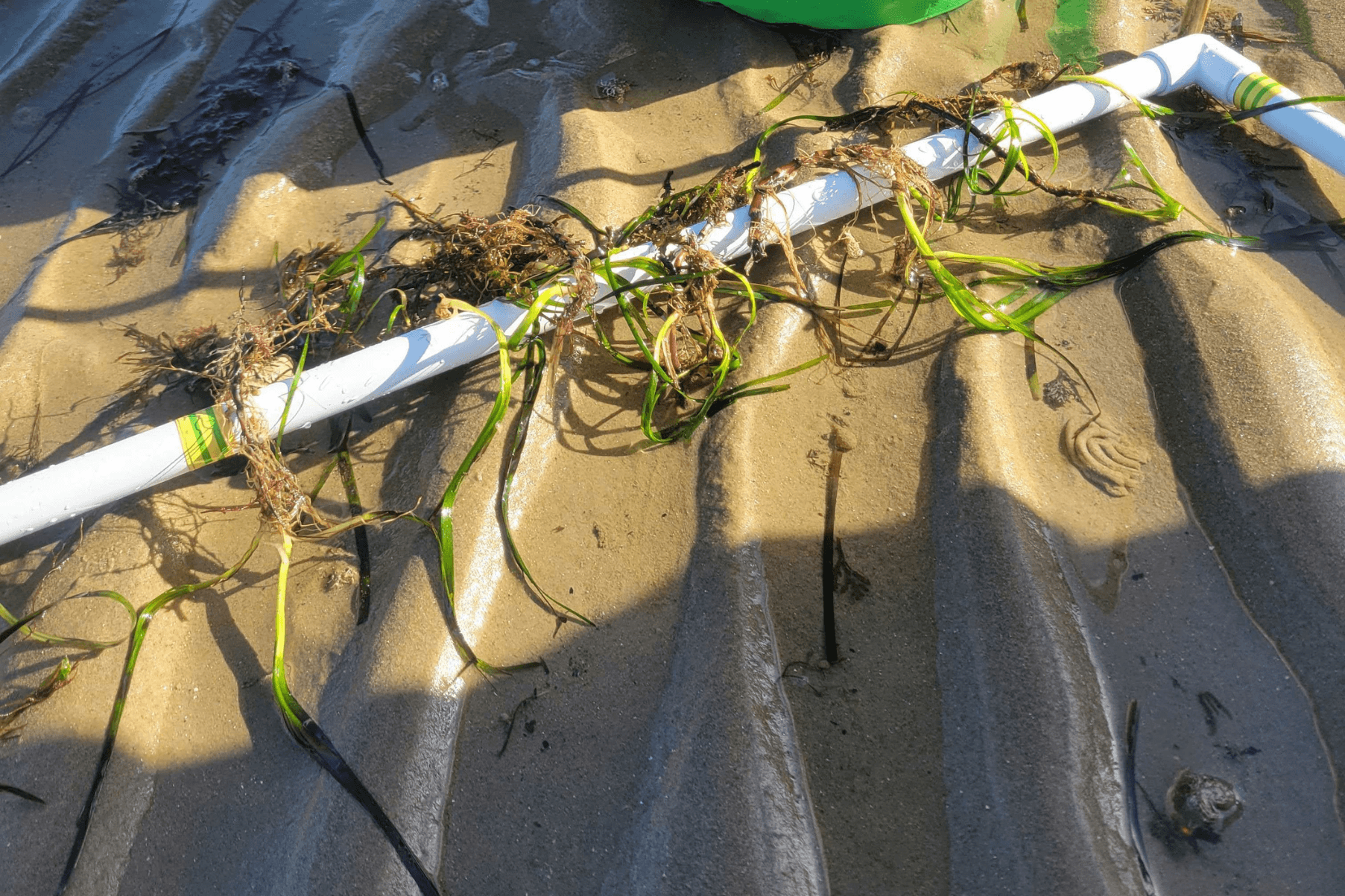
Seagrass fragments are lined up along the edge of a quadrat ahead of re-planting.
11 volunteers supported the activity, supporting active restoration on the Island.

Planting Preparation Workshop

One of the methods used for active seagrass restoration on the Isle of Wight is planting seagrass transplants.

This year’s Planting Preparation Workshop took place at Sea View Yacht Club where 17 volunteers helped the team to prepare 1,154 transplants from the Project Seagrass Seagrass Nursery for planting out into the field.

The preparation process for the transplants involves carefully attaching bamboo pins to seagrass rhizomes which provides them with increased stability when they are planted out into the field.

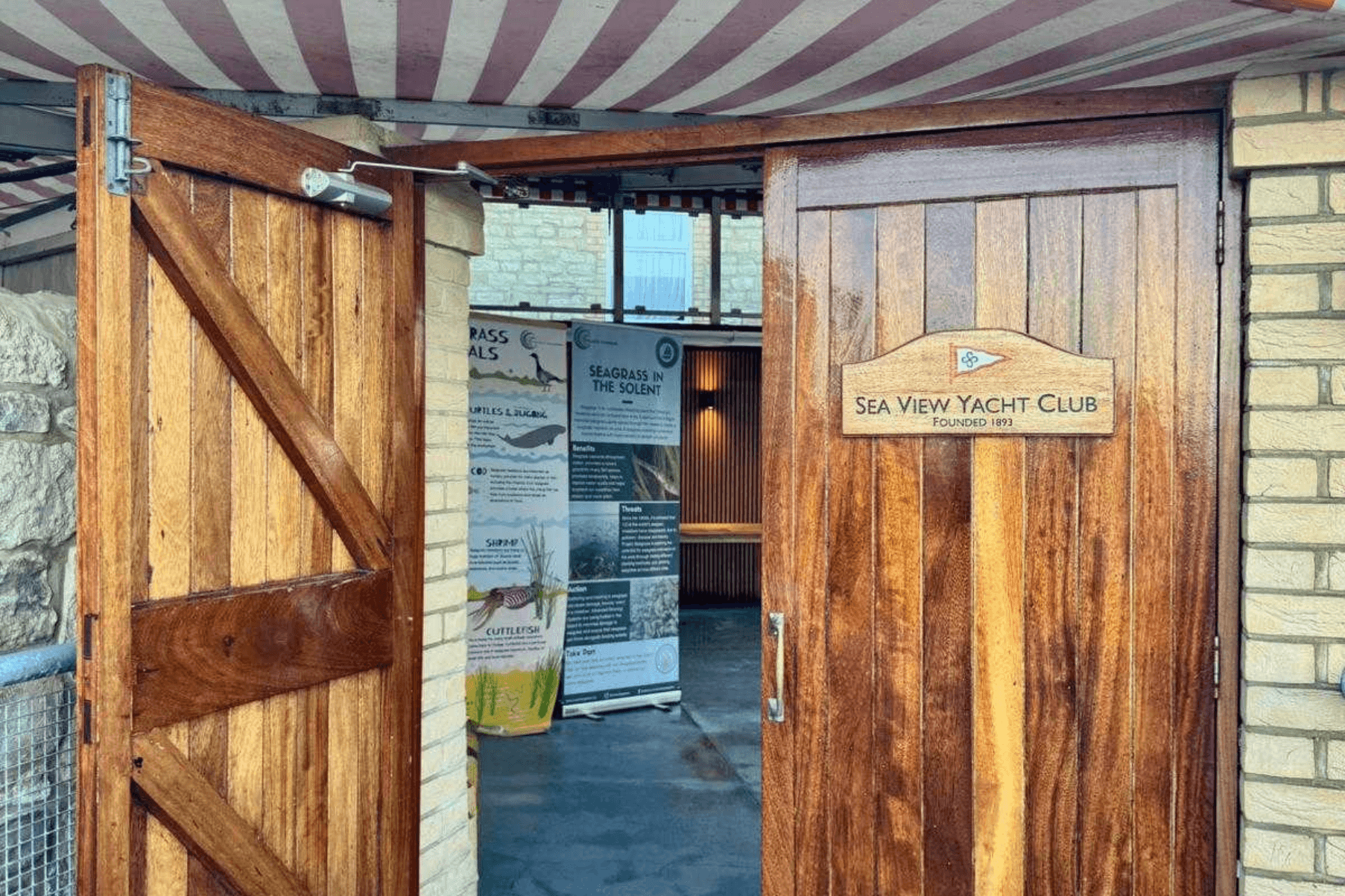
A door opens into Sea View Yacht Club. Inside are two Project Seagrass banners with information about the species that live in seagrass meadows and Project Seagrass' work in the Solent.
March's Planting Preparation Workshop took place at Seaview Yacht Club
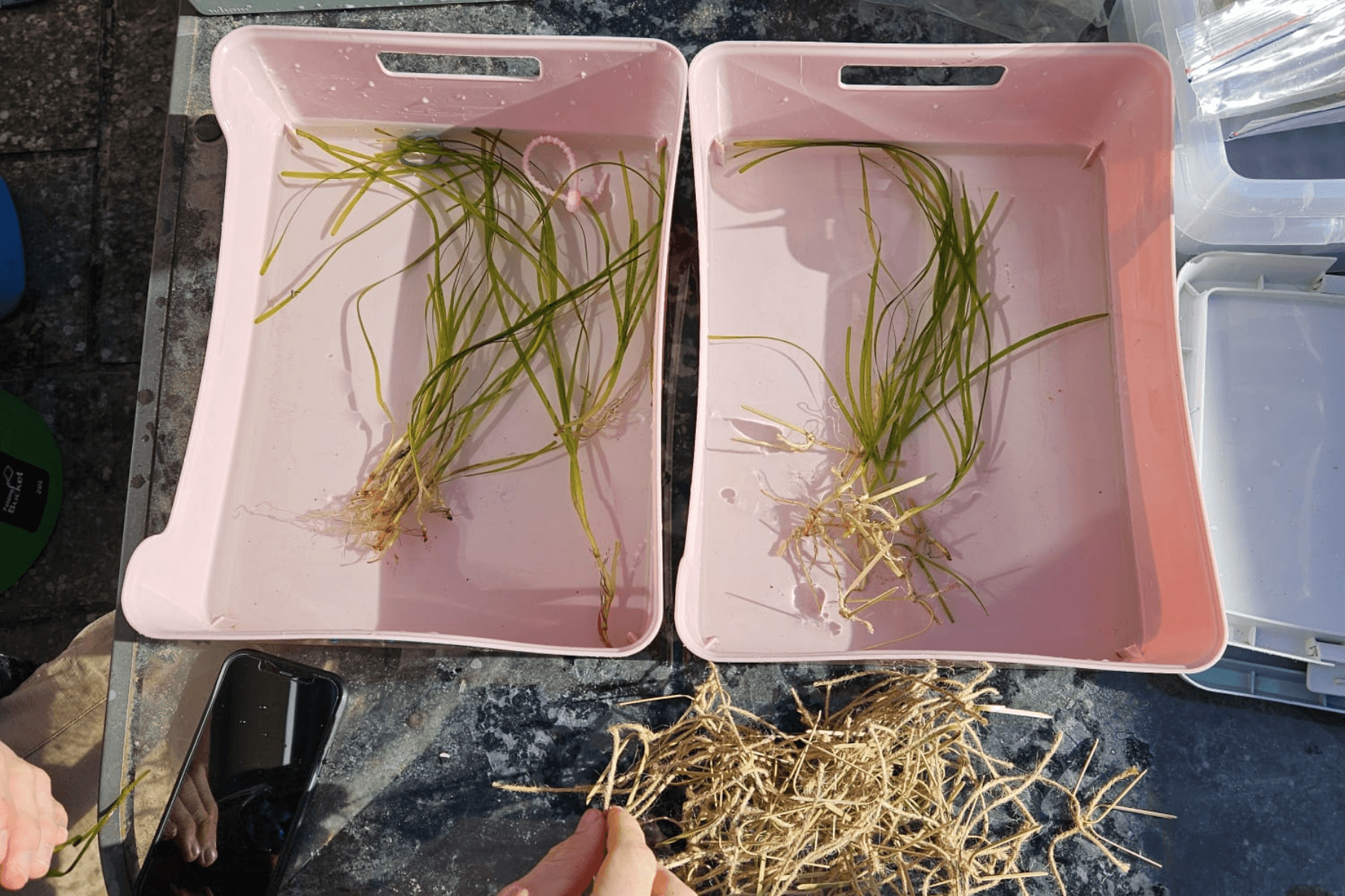
Bundles of seagrass transplants from the seagrass nursery are in salt water in pink trays.
Seagrass transplants from the Project Seagrass Seagrass Nursery are prepared for planting out into the field by attaching bamboo pins to the rhizome

Seagrass Planting

Project Seagrass’ planting as part of The Solent Seascape Project is located at two Isle of Wight sites: Priory Bay and Thorness.

Alongside the 1,154 seagrass transplants from the Project Seagrass Seagrass Nursery, the team planted 175,416 seagrass seeds across the sites using the Dispenser Injection Seeding (DIS) method, a method developed by The Fieldwork Company. This year’s seed planting incorporated experimental work to compare the germination success of subtidal and intertidal seed populations collected from Isle of Wight seagrass meadows in Yarmouth, Ryde, and Bembridge as part of last summer’s seagrass seed collections.

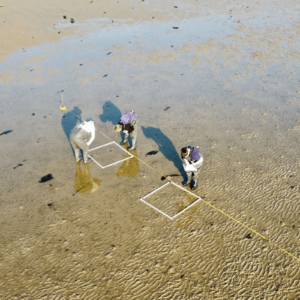
Baseline measurements were taken at our experimental plots including drone images, pH, salinity, and sediment samples. This provenance experiment will help to inform where seeds are collected from for future restoration activity.

Over the course of the fieldwork trip the team planting across an area of 0.77 hectares, an important step in the restoration of the Solent’s important seagrass habitats.

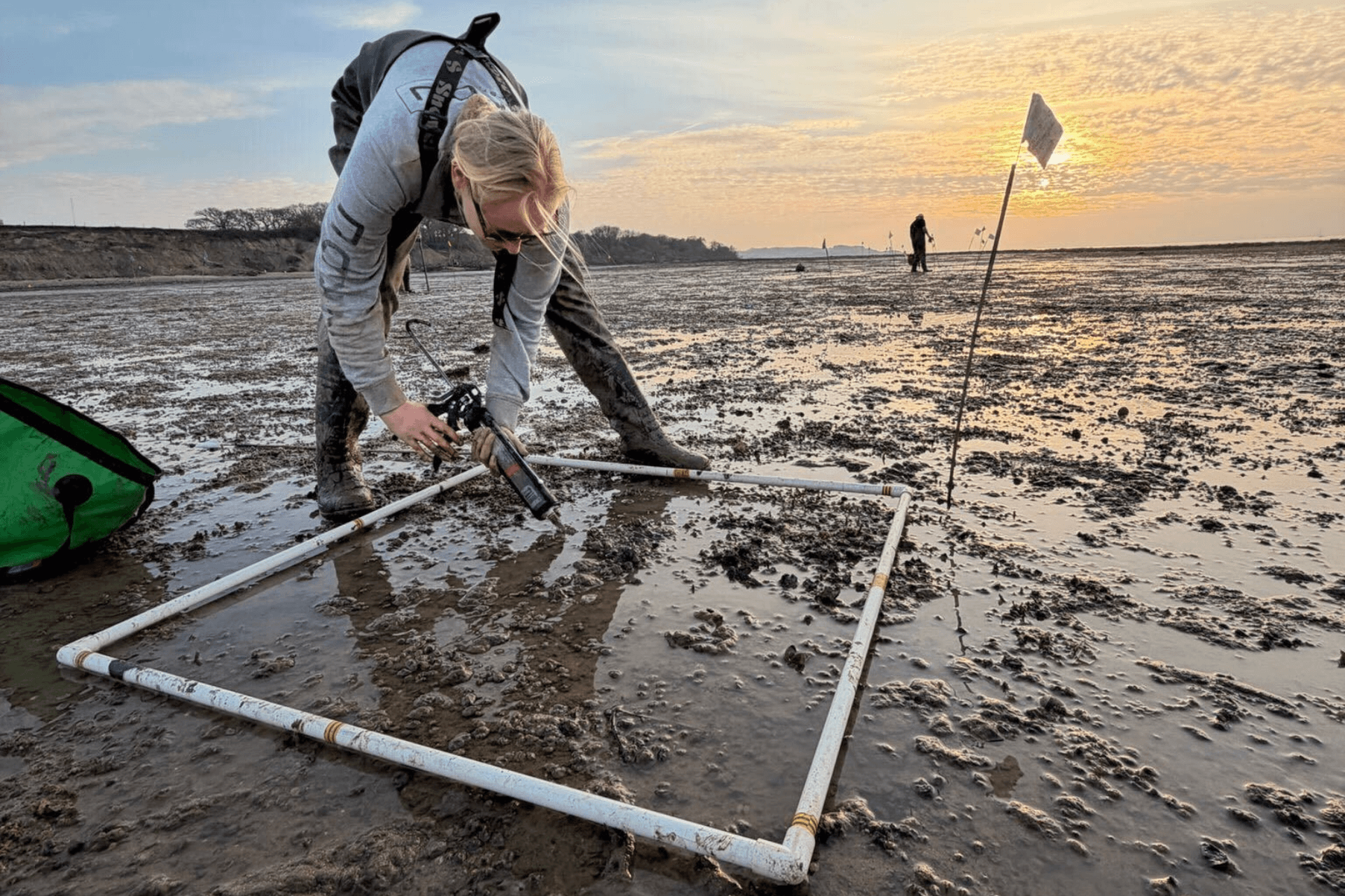
Project Seagrass Nursery Manager Emily Yates plants seagrass at Thorness using the DIS method
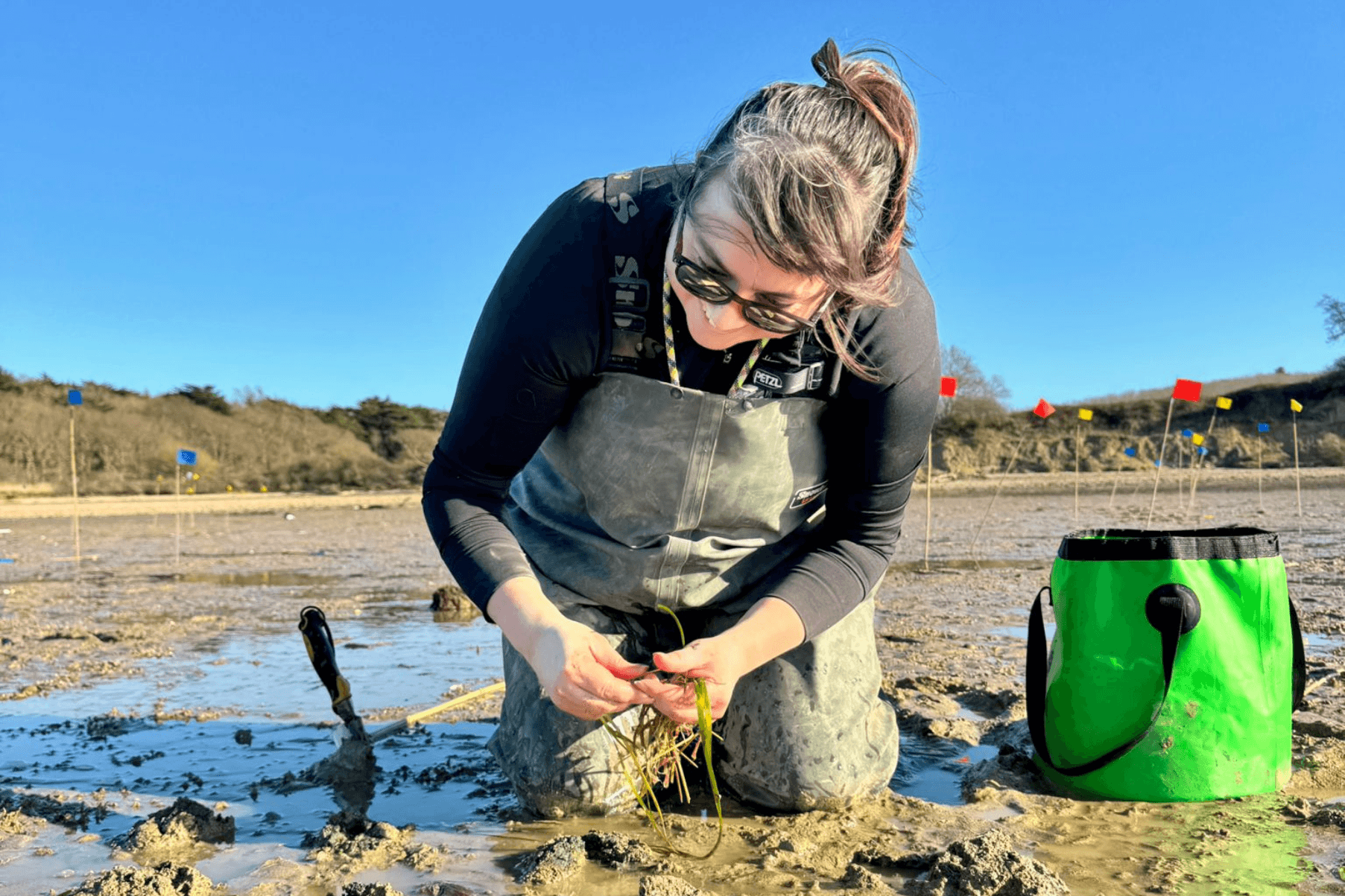
Operations Lead Eve Uncles plants seagrass transplants from the Seagrass Nursery out into the field at Thorness
Project Seagrass Operations Lead Eve Uncles plants seagrass transplants from the Seagrass Nursery out into the field at Thorness

More themes to explore