

In September 2025, Project Segrass welcomed Anya, Dylan, Will, Grace, Iestyn, Jasper, and Ewan as our interns for the 2025-26 academic year. In this Q&A our interns share their experiences and highlights from their first three months as interns with Project Seagrass.
What have been the highlights from your internship so far?
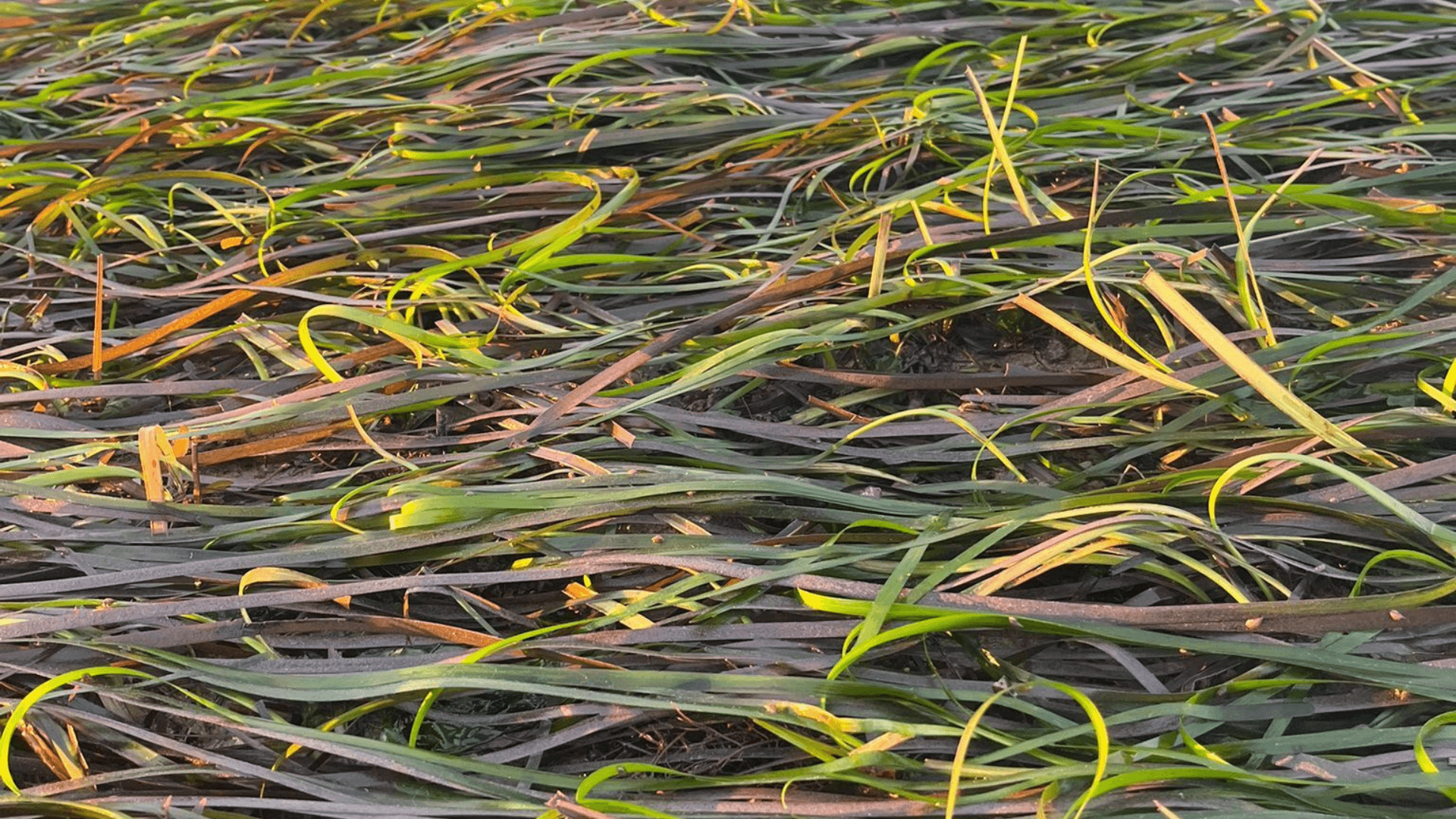
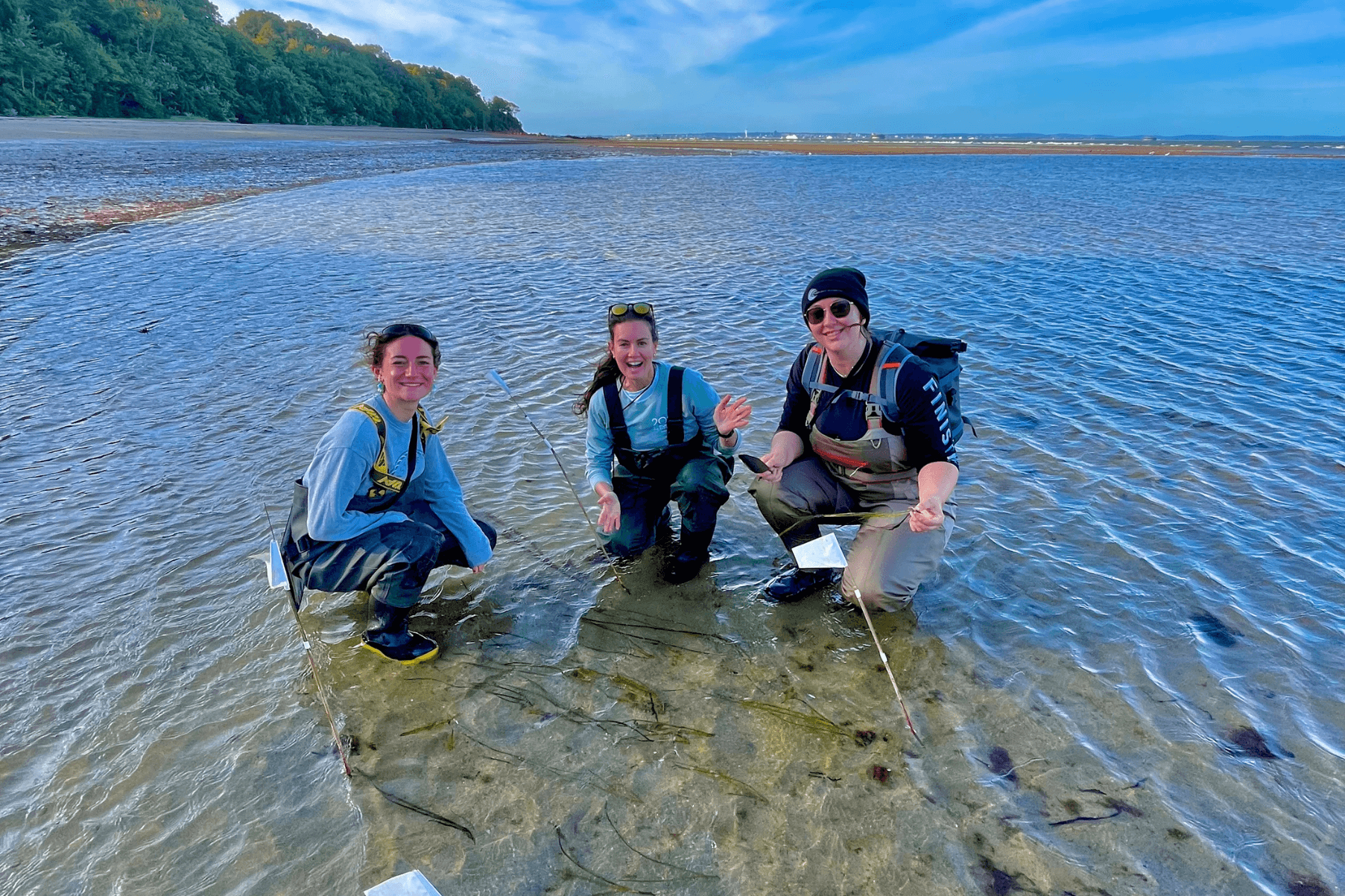
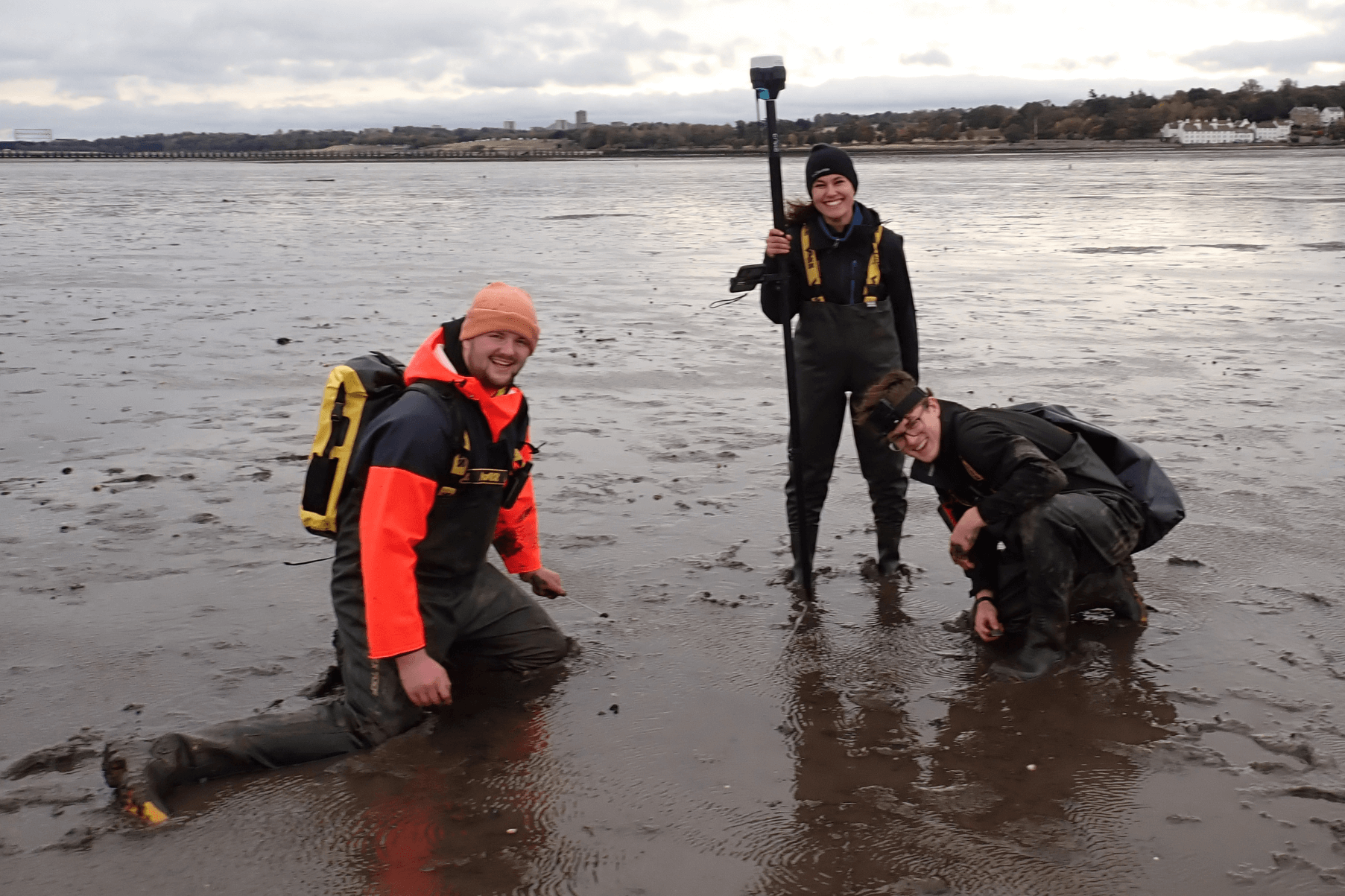
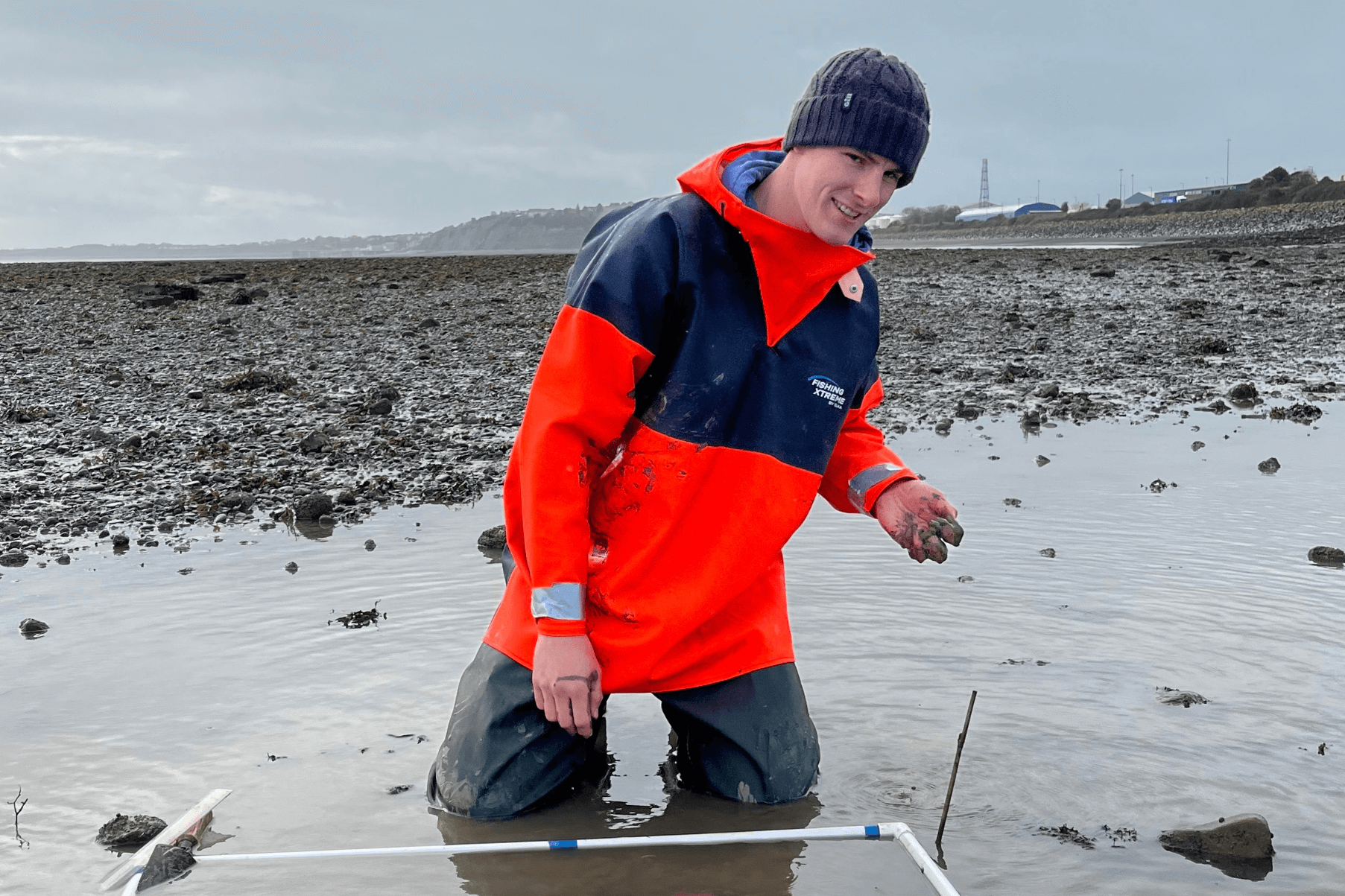
Anya: Fieldwork has been the highlight of my internship so far. I have monitored thriving seagrass meadows on the Isle of Wight, documenting the successes and challenges of previous planting trials. It’s great to see the team so excited about their hard work last year paying off. All this has happened whilst being visited by the Island’s coastal wildlife – seals, catsharks and the infamous White-tailed Eagles have come to check out our monitoring techniques. I particularly enjoyed blue boat monitoring in North Wales – which may be linked to the fact we could only work on calm, sunny, beautiful days. Although fieldwork is mostly cold, wet, and muddy I have found it the most rewarding part of my internship so far.
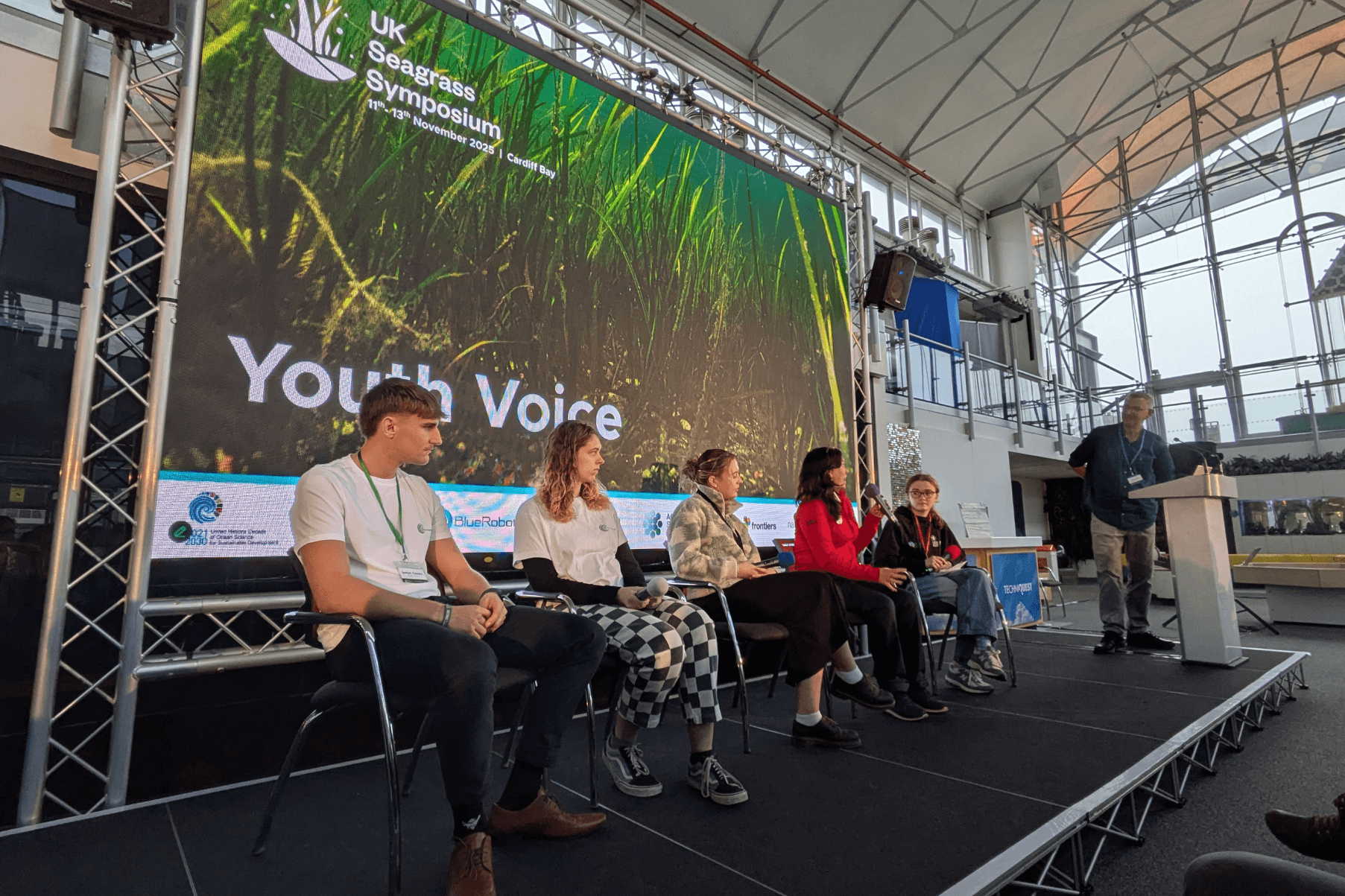
Will: Although there are too many things that I could list, one of the biggest highlights has to be being able to help at the UK Seagrass Symposium this year. It was an amazing experience being able to meet and talk to people who have put so much time and effort in seagrass restoration with so many great talks surrounding many different topics. It was also a great way to bond with other members of the team I don’t see as often, like the Scotland team. Outside of the symposium, I’ve always enjoyed being able to help with fieldwork be that in Anglesey or the Isle of Wight doing a variety of things like monitoring seagrass or placing hobo loggers out. I also came along to help at the Swansea Science Festival and the launch of Project Seagrass’s VR project with major success, and I felt lucky to be a part of the launch of the project, hopefully with many more outreach events to come in 2026 to showcase this further.
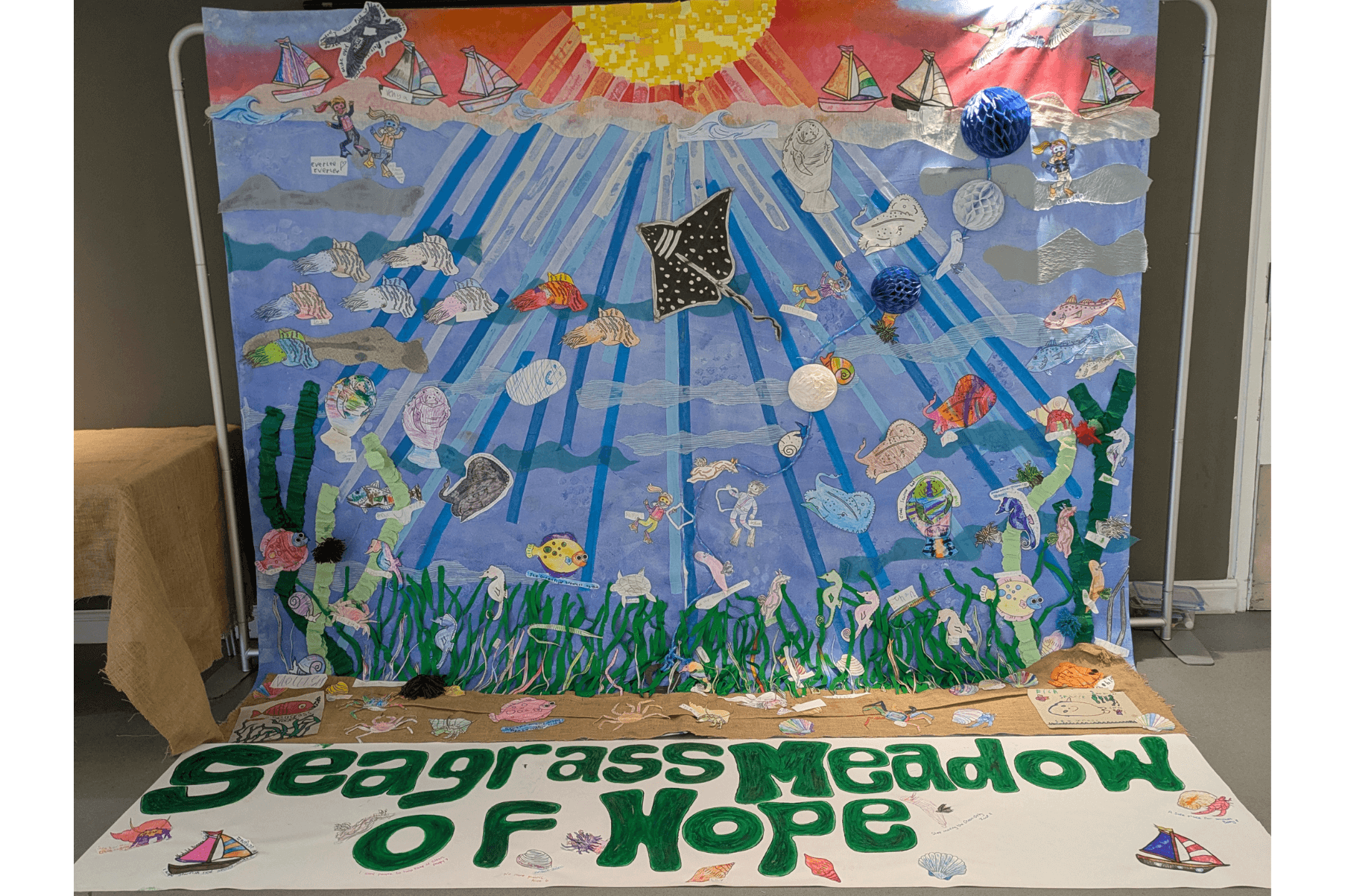
Grace: A standout moment from my internship this year has to be participating in the ‘Meadow of Hope’. I was able to combine both my love for art and science to make something meaningful and will hopefully have a lasting impact on the people involved and Project Seagrass. The meadow was part of an amazing experience I had at the UKSS, which was my first ever science conference and had the opportunity to meet others in my field. Fieldwork is another aspect of this placement that has been eye-opening. Not only has it helped improve my skills as a scientist but has led me to be more connected to nature than ever before. I even had the chance to find my first ever fossil!
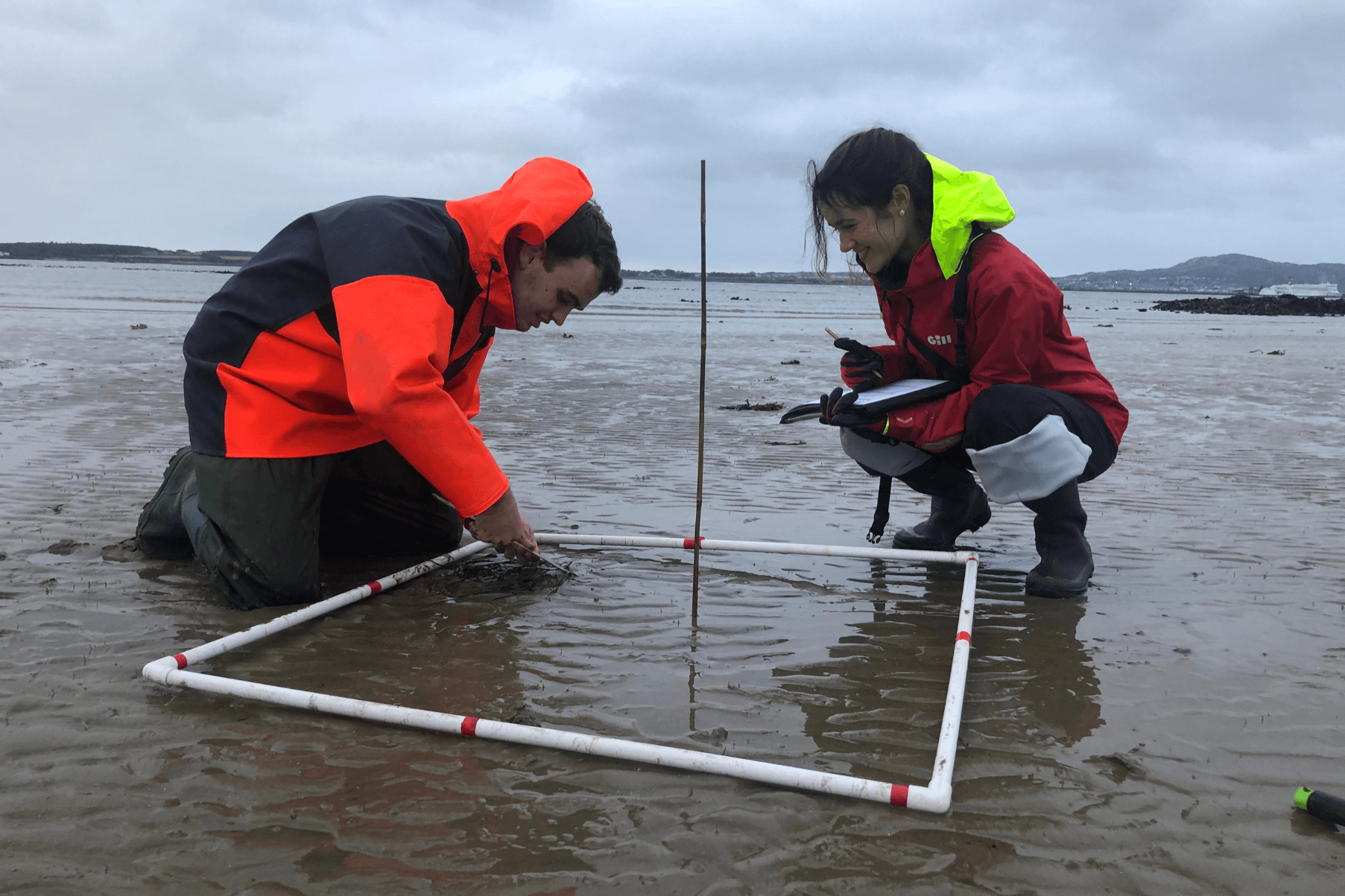
Jasper: So far, my internship has been amazing! One of my favorite bits has been the amount of fieldwork we have done. Being in the Scotland office I have a slightly different schedule to the HQ interns and to have done so much fieldwork has been a pleasant surprise. Additionally, the opportunities I’ve been given so far have been thoroughly beneficial. Through the internship directly, I’ve had multiple networking opportunities: UKSS, Forth20 Conference, Sea Scotland Hustings, where I got to meet key scientists, policy makers and other important people within the Scotland conservation network. Additionally, through the advice of my colleagues, I’ve been able to join the Young Sea Changers Community, based in Scotland, working towards giving young conservationists the education and ability to speak and contribute towards Marine policy, which has been thoroughly beneficial. The annual leave has come in quite handy for me as well, allowing me to participate in a week-long work experience with the aquarist team of an aquarium, allowing me to get hands-on with some animals.
Ewan: A highlight has been the large portion of fieldwork I have been able to be a part of in the first few months. I have been to several different sites around Edinburgh as well as traveling to Inverness for some surveying work.
Another notable highlight are the events and conferences I have been able to take part in which have allowed me to begin making connections with industry professionals. In particular the UK Seagrass Symposium where I was able to also meet the wider Project Seagrass team.
Dylan: Since September I’d say my highlight has been visiting as many of the seagrass sites as possible. My favourite so far is probably Penrhyn, but Llanelli is for sure the most fun to go to with how muddy it is. Penrhyn just beats it because of the super cool animals we saw while on fieldwork, the coolest being a sea mouse and a long-spined sea scorpion fish. It has also been really rewarding to feel part of the team so quickly, and hearing everyone’s stories from previous fieldwork is always great. Additionally, being allowed access to so much different scientific equipment is really exciting and the data collection feels much more impactful than any university fieldwork I have been on.
Iestyn: A real standout moment for me this year was attending and speaking at the UKSS. It was inspiring to be part of a space where researchers and conservationists come together to work towards a shared goal and present their work was very interesting. Fieldwork has also been a major highlight, especially the Solent seagrass monitoring trip. Being out on the coast and seeing the seagrass meadows up close helped me connect everything I’ve been learning to the practical realities of restoration.
What are you looking forward to in 2026?
Anya: I am looking forward to the shift in our work as the season’s change. With next year comes planting, more monitoring, and eventually seed picking. I enjoy the diverse and dynamic nature of this role -where each month brings new challenges and techniques to learn as our work is shaped by the seasonal patterns of seagrass. I will also be working more on my individual project – designing the field data collection to determine light and temperature conditions in the Solent.
Will: I am looking forward to going on more fieldwork in 2026, after a bit of quiet time due to the winter, especially with planting and seed collection, some of the highlights of the year for Project Seagrass in general. Although these will be tiring, I am so happy that I get to be a part of the fieldwork teams involved in these projects. I do also hope that I can get more involved in outreach at different events to talk to even more people at about Project Seagrass and the amazing work we do.
Grace: Next year, I look forward to the Essex fieldwork, where I will be visiting the sites I am studying for my final report. The placement is allowing me to explore different regions of the UK which I never would have otherwise visited, and I am ready to find new wildlife in these new places.
Jasper: Over the next half of the internship there is so much to look forward to. Hopefully, I’ll have the opportunity to participate in some more fieldwork and getting more opportunities to network. I will also be continuing my contributions towards Restoration Forth, Project Sjograss and Project Bilearach. Additionally, I’ll be working on my studies continuing my dissertation project and participating more actively in the Young Sea Changers Community.
Ewan: In 2026 I am really looking forward to getting back to fieldwork, where I am hoping to be able to help out with some of the diving work, where I hope to build on my experience as a working diver. I will also be continuing my work on Restoration Forth, Project Sjograss and Project Bilearach, as well as helping with upcoming projects that the Scotland office take on.
Dylan: Going forward I’m looking forward to seeing what the ROV, or remote-controlled submarine can do for sub-tidal sites such as Dale, as it was great fun using that around a lake in Cardiff. I’m also excited to get properly started with my own project which I’m hoping to complete while I’m here, and exploring how it will hopefully help the South & West Wales programme and Nursery project down the line even after my placement is finished.
Iestyn: I’m looking forward to the seasonal shift and everything that comes with the next stage of the seagrass lifecycle. With planting and more fieldwork coming up, I’m excited to apply the skills I’ve learned, and as I’m based at the Nursery, I’m especially interested to see how the seeds we processed this year develop once they’re out in the field.
I’ll also be working on my individual project, Comparing intertidal and subtidal Seagrass mesocosms across semi controlled and semi-natural environments, where I’ll be exploring how Intertidal and subtidal seed ecotypes perform in different conditions.


