
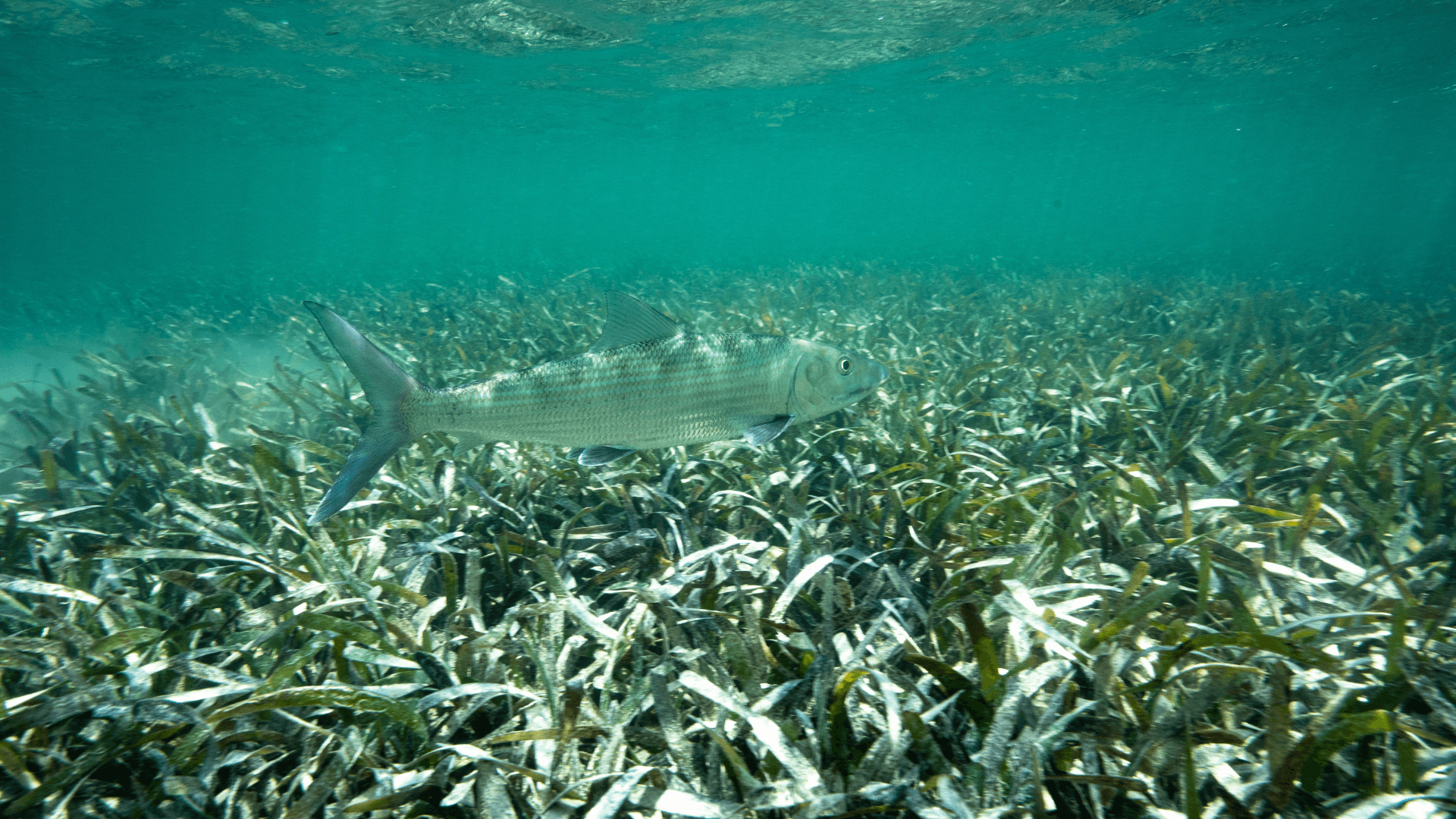
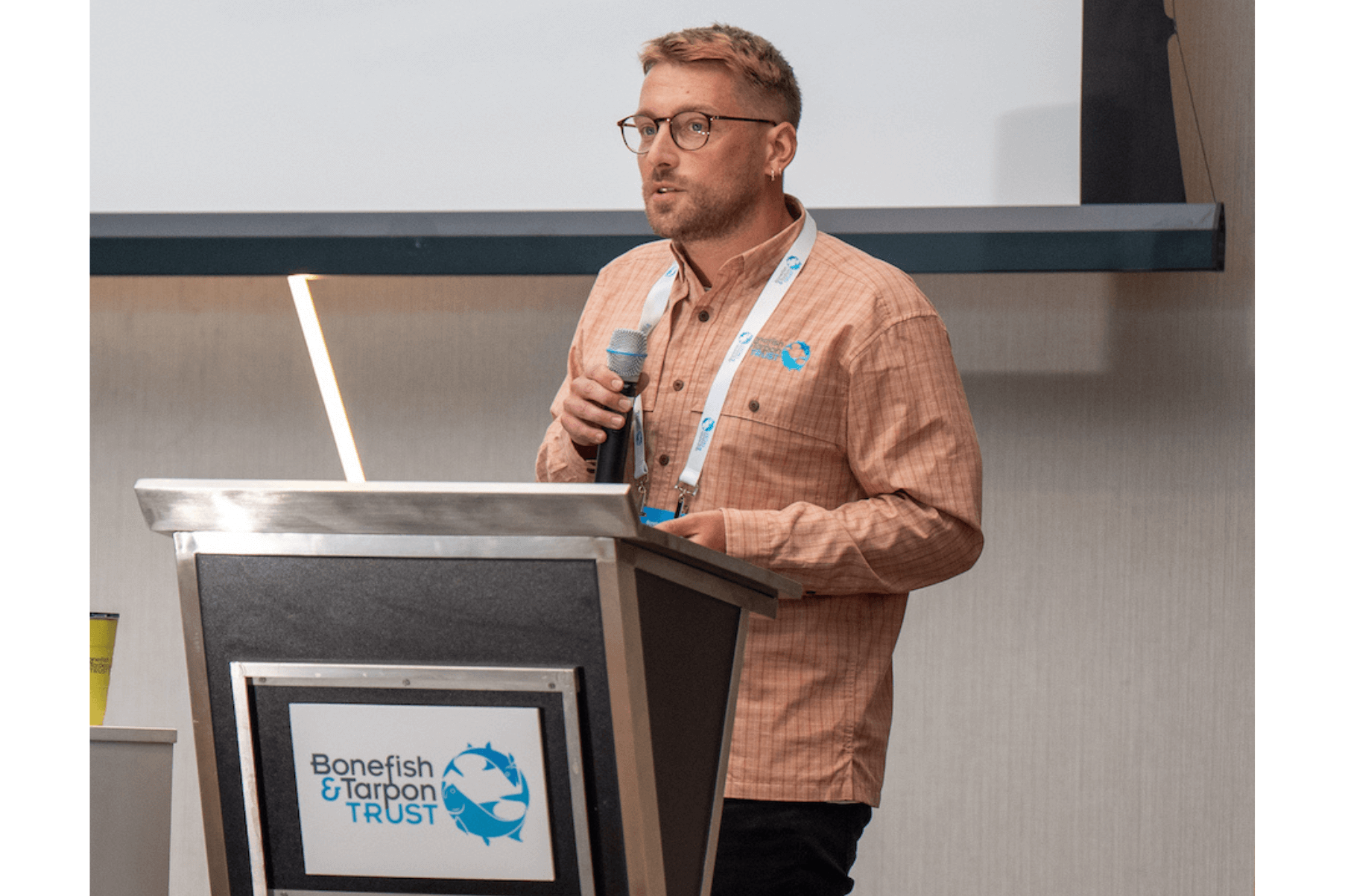
Bonefish & Tarpon Trust have selected Project Seagrass’ Chief Conservation Officer and Co-Founder Dr. Benjamin Jones as the recipient of the inaugural Davidson Science Award. The award has been established to recognize transformative scientific contributions to flats conservation, coastal inshore waters utilized by anglers which are dominated by seagrass meadows. The award is named in tribute to Tom Davidson, Sr., Bonefish & Tarpon Trust’s Founding Chairman and an influential leader in business and conservation.
For the past two years, Ben has been collaborating with the Bonefish & Tarpon Trust and scientists from Florida International University on an alternative fishery assessment project that was designed to address long-standing challenges in managing data-poor fisheries.
Upon receiving the award, Ben said: “I’m deeply honoured to receive the inaugural Davidson Science Award. This work began as an idea to bridge science and lived experiences, and its success shows what’s possible when we rethink how fisheries can be assessed and more strongly bring fishers on that journey with us. With this support, we can scale this work across the region and help secure a more resilient future for bonefish, tarpon, permit, and the coastal communities that rely on them.
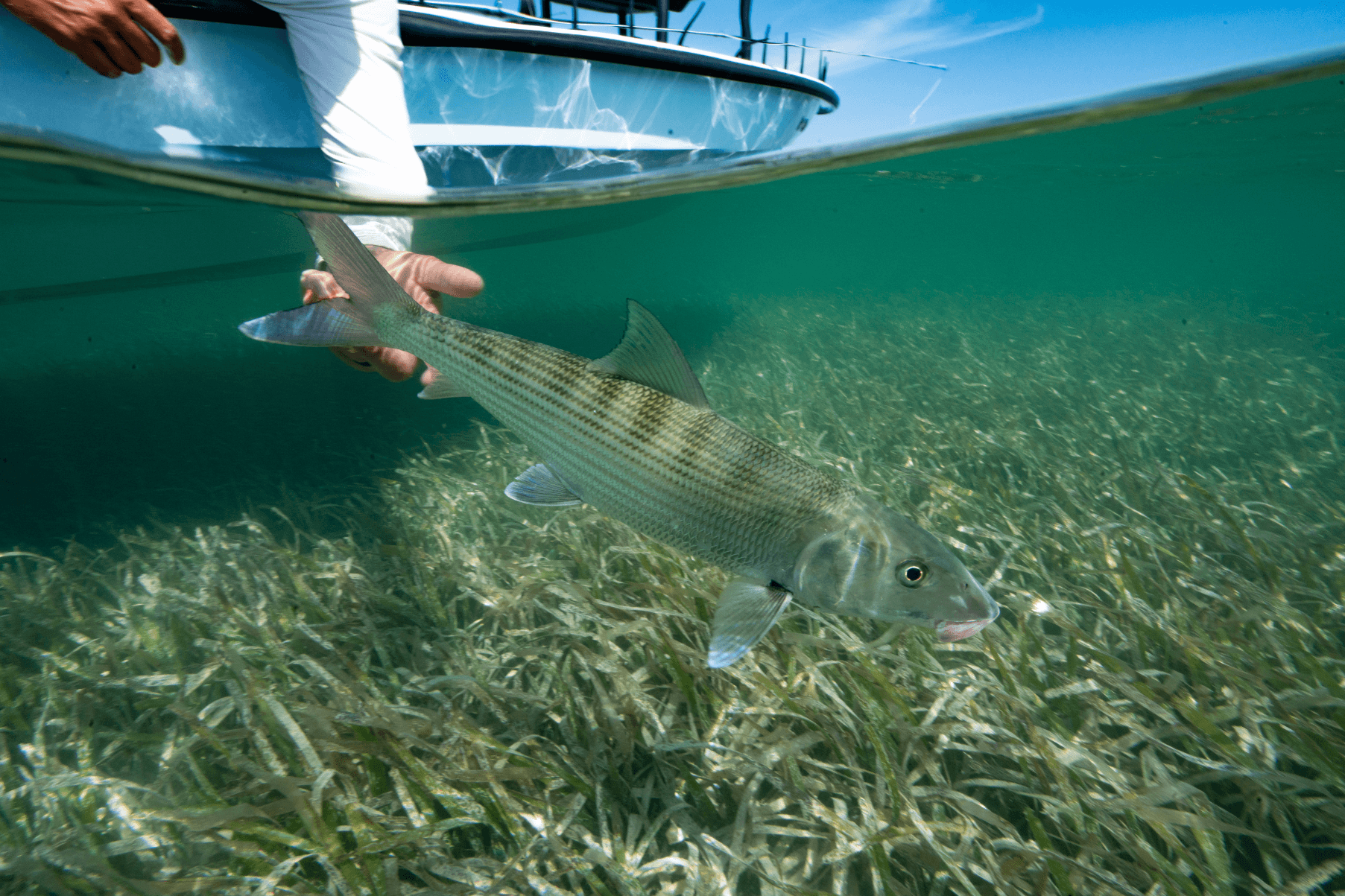
Recognizing that traditional stock assessments are often impractical for data-poor fisheries, Ben worked closely with fishing guides in South Florida who are highly dependent on seagrass meadows to devise new ways to understand and manage an important seagrass associated catch-and-release recreational fishery.
In the initial phase of this project, Ben led an extensive literature review across multiple fields on the use and optimization of Indigenous and Local Knowledge (ILK). Of the c.400 studies reviewed, results highlighted the primarily qualitative nature of the studies, the lack of replicability, and underutilization in seagrass fisheries, all of which presented opportunities for quantitative studies to feed into ongoing fisheries management and conservation.
Utilizing the concept of the Wisdom of Crowds, the project subsequently tested whether estimates of fishing quality from diverse groups (in this case, multiple ages and years of fishing experience) were more accurate than estimates provided by homogenous groups. Results showed that estimates from small diverse crowds (multiple ages and years of experience) outperformed most estimates from larger homogenous crowds with responses aligning with the empirical data available.
Through this work, an innovative method, now termed a Best Catch Assessment (BECAA), was developed utilizing local knowledge to determine historic trends and current fishery status. The method builds upon the work Dr. Andrea Sáenz-Arroyo, a researcher working with coastal communities in Mexico, by asking two key questions surrounding best catch in the past and current best catch.
A BECAA has already been successfully applied to assess the bonefish fishery in South Florida, demonstrating its effectiveness and promise for broader conservation efforts. With $50,000 in support from the Davidson Science Award, Ben will lead new assessments for other seagrass-associated species and initiate the process of applying the method in additional locations across the region.
“Dr. Jones’ work on alternative methods to assess fisheries reflects a pioneering approach that will have a positive influence on how we manage not only the flats fishery, but data poor fisheries globally,” said Dr. Aaron Adams, Bonefish & Tarpon Trust Director of Science and Conservation.
The work has the potential to be utilized in further seagrass contexts. “This is also an opportunity to bring this to even more places globally, in places where people depend on coastal habitats for food and livelihoods for example and ensure that conservation decisions are informed by the people who will be affected by them” said Ben.
About Bonefish & Tarpon Trust
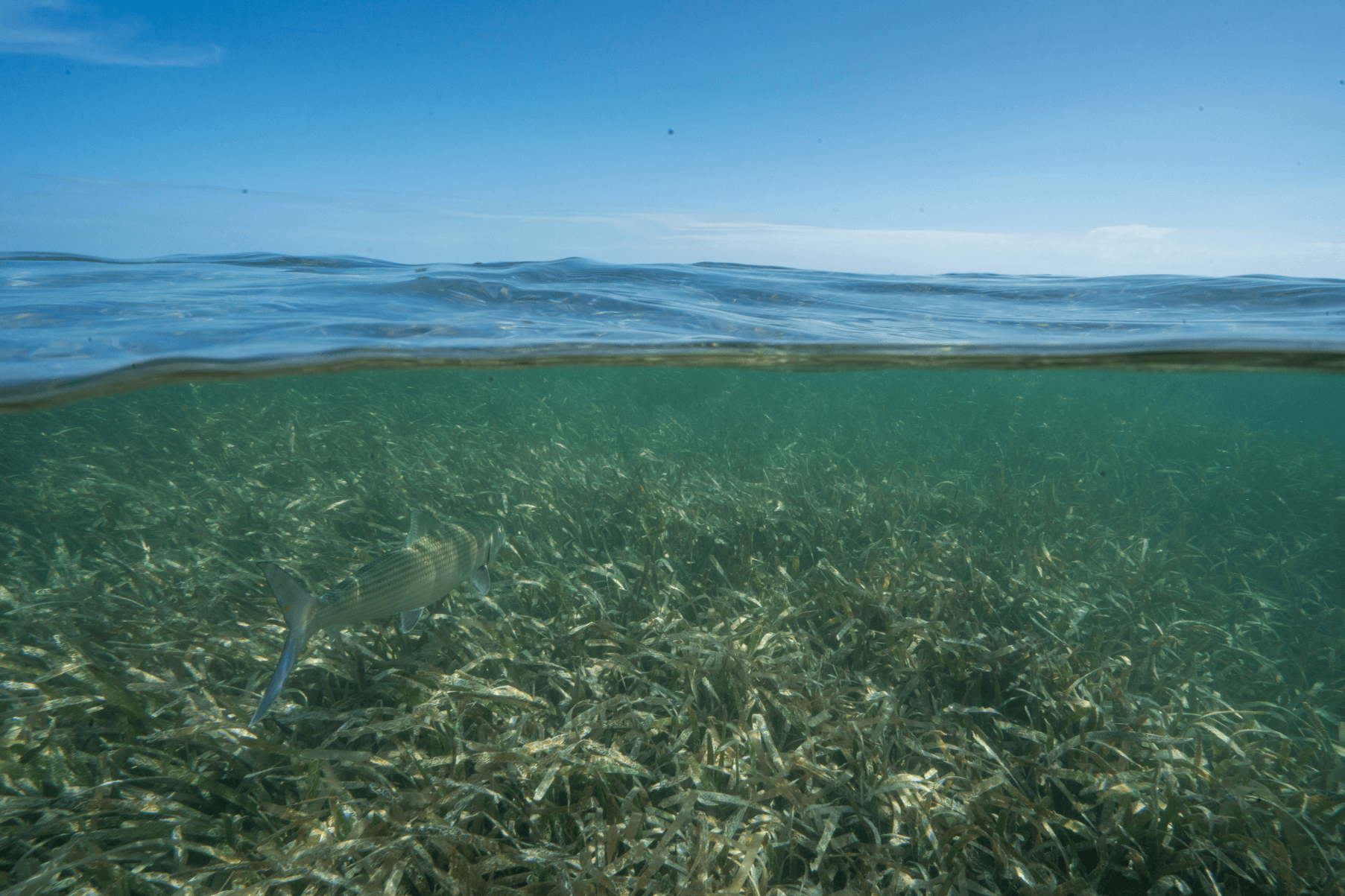
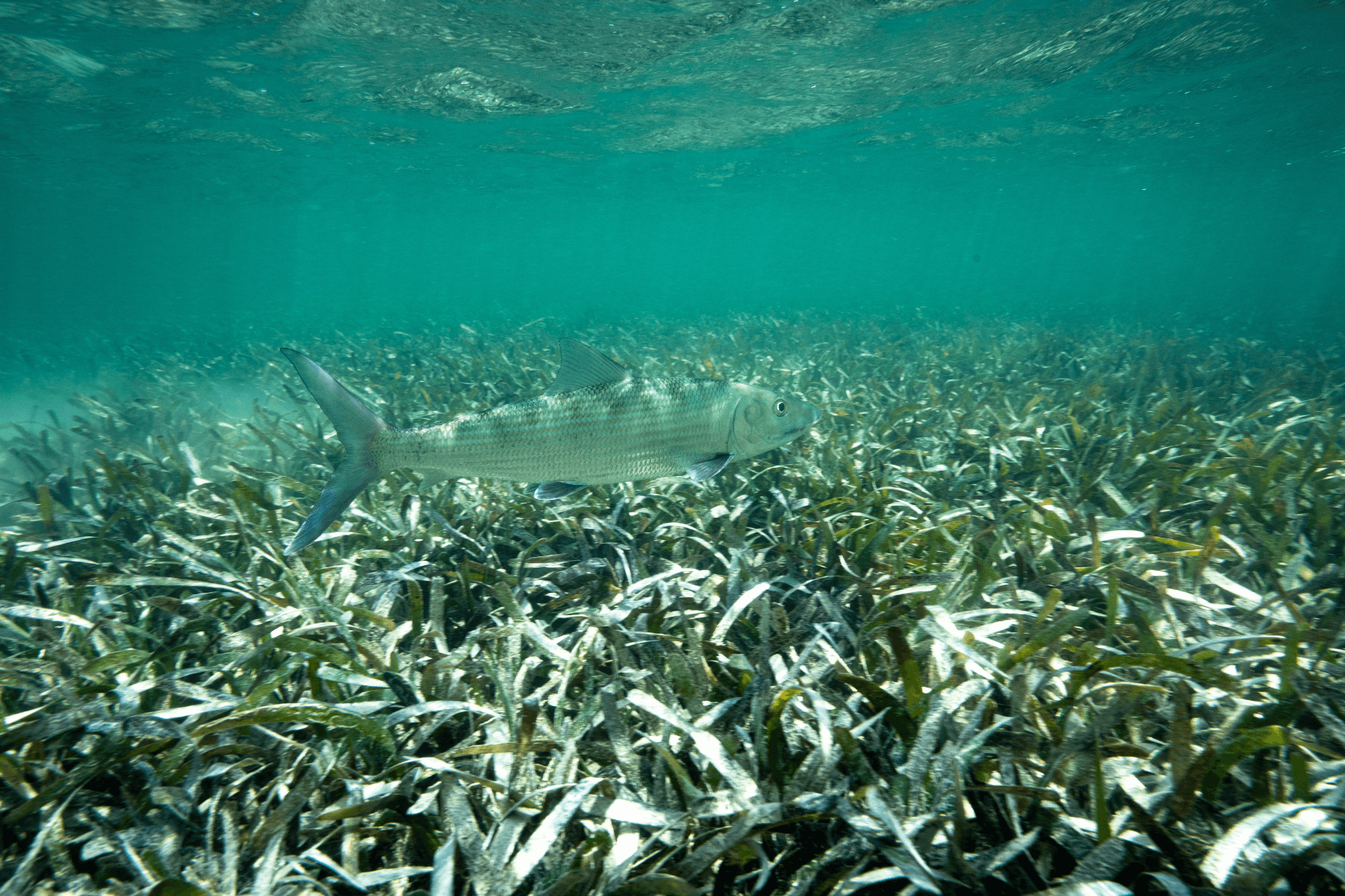
Bonefish & Tarpon Trust’s mission is to conserve bonefish, tarpon, and permit—the species, their habitats and the larger fisheries they comprise. BTT pursues this mission through science-based conservation, education, and advocacy across Florida, The Bahamas, Belize and Mexico, as well as in coastal states from Texas to Virginia. Learn more at: www.BTT.org.
About the Davidson Science Award
The Davidson Science Award honors the legacy of Tom Davidson, Sr., whose leadership has shaped both the corporate and conservation landscapes. As Founding Chairman of Bonefish & Tarpon Trust, Davidson helped establish BTT’s enduring mission to conserve the flats fishery through science, education, and advocacy. He also served on the Florida Keys Marine Sanctuary Advisory Board and as V.P. Director of Sanctuary Friends of the Florida Keys, and was a director of the Everglades Foundation.
With the decline of the bonefish fishery in the Florida Keys the talk of the fishing community in the 1990s, Tom Davidson took decisive action. With a core founding group, Tom created Bonefish & Tarpon Unlimited. BTU (now BTT) was unique in multiple ways: it was the first organization to focus on conservation of the flats fishery; BTT engages the fishing community as a core tenet; and Tom’s vision was for BTT to be a science-based organization that conducts collaborative science to address real conservation needs. This innovative combination of vision, collaboration, and action has enabled BTT to be far more influential in regional flats and coastal conservation than anyone imagined. This award is aimed at continuing that legacy by supporting innovative science that contributes to transformative conservation.