NEWS

NEWS

Keeping you up to date with Project Seagrass news and views with a mixture of field notes and commentary on seagrass and marine conservation topics.

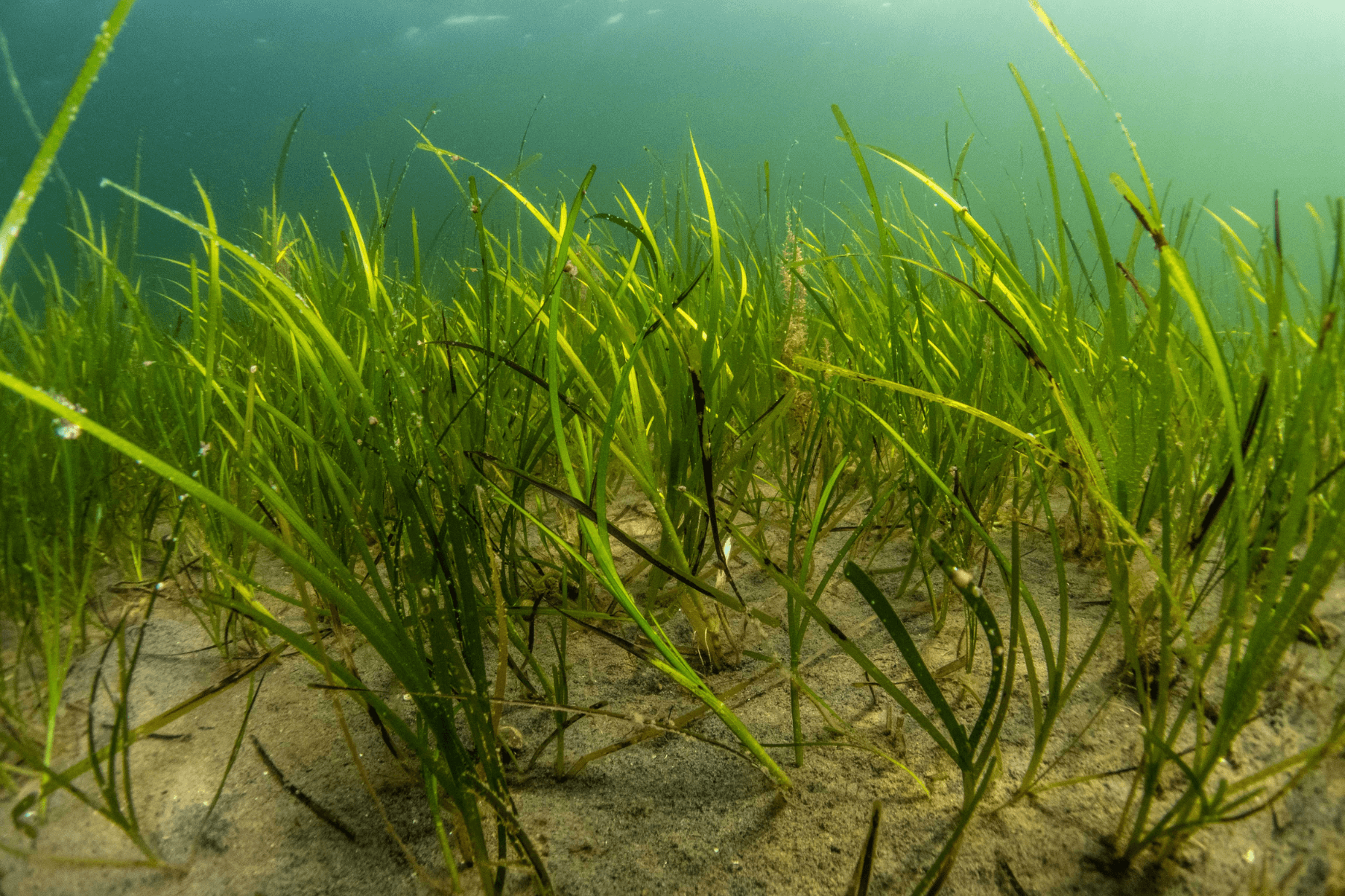
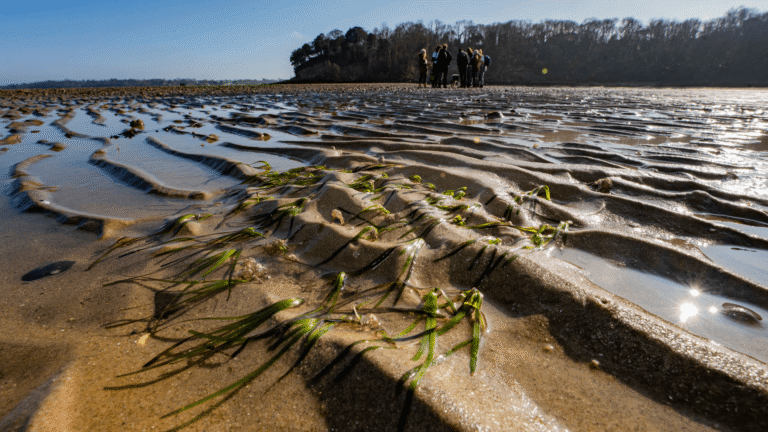
A patch of seagrass fragments planted at Priory Bay, Isle of Wight.

Fragment Walk reflections

As our Fragment Walks from the 2025/26 season come to an end Project Seagrass Intern Anya Lamparelli reflects on this year’s efforts. A seagrass fragment is a precious and vulnerable thing. Torn free by winter storms and strong swells these delicate shoots with intricate root systems still attached wash ashore
Read More »
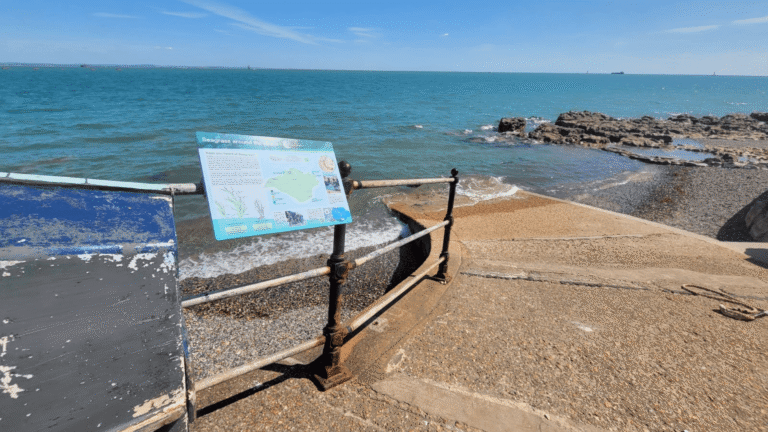
A sign with information about the Isle of Wight's seagrass meadows is attached to railings on the slipway at Seaview.

Seagrass signage installed in the Solent

Residents and visitors to the Isle of Wight can now access information about the Island’s important seagrass habitats thanks to new signage installed through support from Seacology. The signage has been installed by Project Seagrass as part of ongoing efforts to protect and restore seagrass ecosystems within the Solent. The signs

Read More »
Seagrass in Thorness

Fieldwork notes from our Solent planting

Between the 17th and 23rd March 2026, members of the Project Seagrass team were on the Isle of Wight carrying out active restoration as part of the The Solent Seascape Project, the first project of its kind in the UK to initiate seascape-scale restoration. As part of The Solent Seascape

Read More »
Juvenile señorita (Oxyjulis californica) utilize the protective canopy of the open-coast seagrass restoration site at Button Shell, Catalina Island.

Catalina Island study highlights open-coast seagrass restoration success

New research led by scientists at University of California’s San Diego’s Scripps Institution of Oceanography is shining a spotlight on one of the ocean’s most overlooked habitats: seagrass. Led by Scripps Oceanography Ph.D. candidate Rilee Sanders, the study documented the first successful restoration of open-coast seagrass (common eelgrass). The findings offer

Read More »
Beneath the surface a dense seagrass meadow is growing.

Six Global Challenges: One Powerful Solution. Project Seagrass launches Global Seagrass Challenge Fund to save the world’s seagrass.

Now seeking investment, the Global Seagrass Challenge Fund will unite funders, businesses, and individuals committed to securing a future for seagrass. With an ambitious target of £50 million, the Fund will support people-centred seagrass conservation for a healthier ocean and a fairer future. Project Seagrass has launched the Global Seagrass

Read More »
A seagrass meadow in Orkney. A lighter reproductive shoot is present.

Summer surveys in Scotland’s seagrass meadows

This summer, the Sjogras Partnership returned to Orkney to undertake a range of surveys to further develop our understanding of the health and extent of Orkney’s important seagrass meadows.    Between the 19th July and 1st August, Professor Joanne Porter from Heriot Watt University  and Dr Elizabeth Lacey from Project Seagrass

Read More »
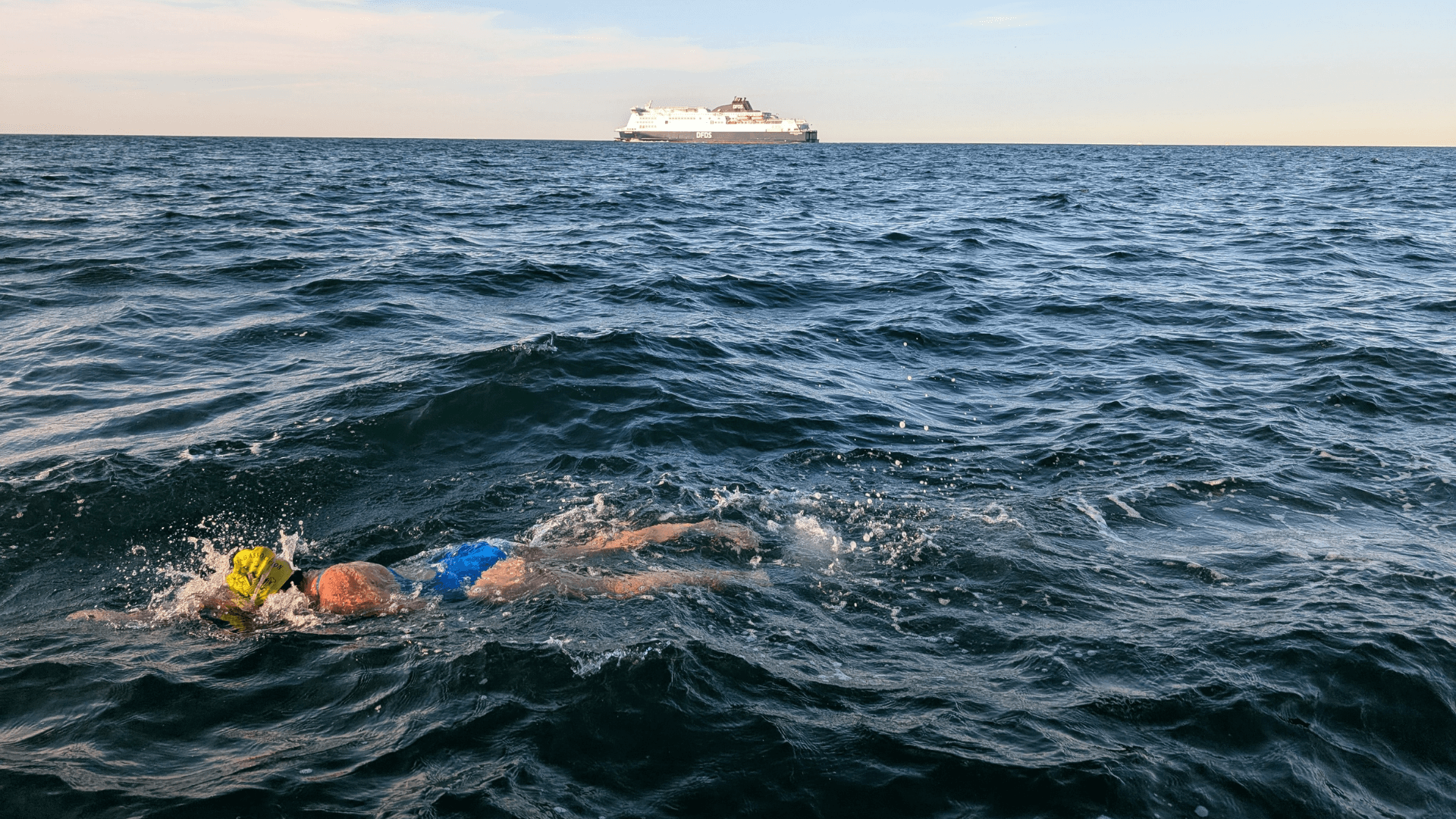
Laura Suggitt swimming the Channel
Channel Swim

Successful swim to support seagrass

In a guest blog post, Laura Suggitt shares her experiences of swimming the Channel to raise vital funds for environment funds including Project Seagrass: Earlier this month, I swam across the English Channel to France with my team, The Matriarsea. We completed the crossing in 12 hours and 49 minutes;

Read More »
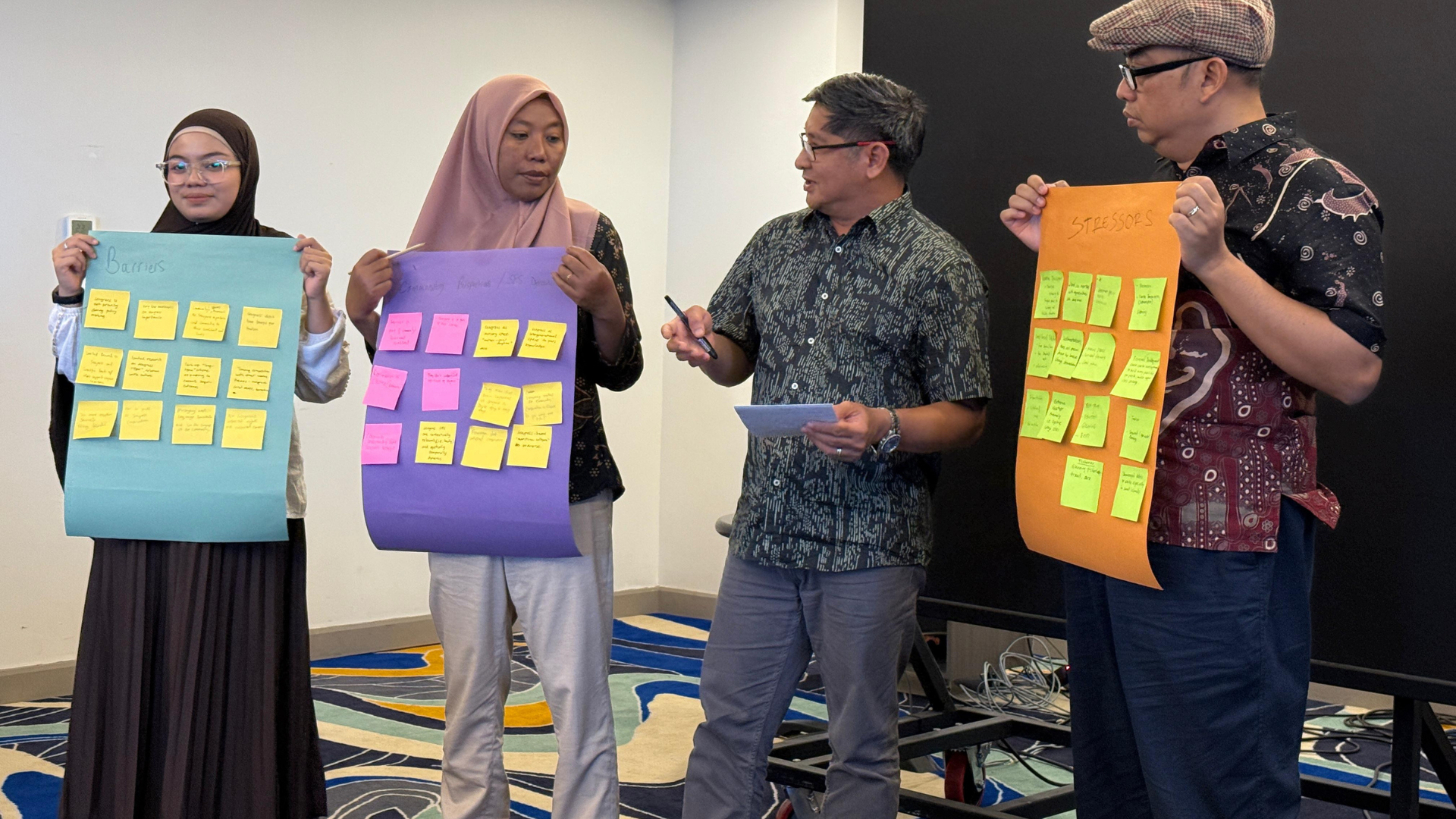
Four people are standing at the front of a room. Three members of the group are holding paper with post-it notes on as part of a workshop activity.
Global Seagrass Challenge

Reflections from the Seagrass Knowledge for Action in Southeast Asia Workshop

This summer, teams came together in Makassar, Indonesia, for the Seagrass Knowledge for Action in Southeast Asia workshop to explore pathways forward for strengthening knowledge, building research capacity, and development to further safeguard local seagrass social-ecological systems. Co-hosted by Universitas Hasanuddin (UNHAS) and Project Seagrass, the workshop involved teams from

Read More »
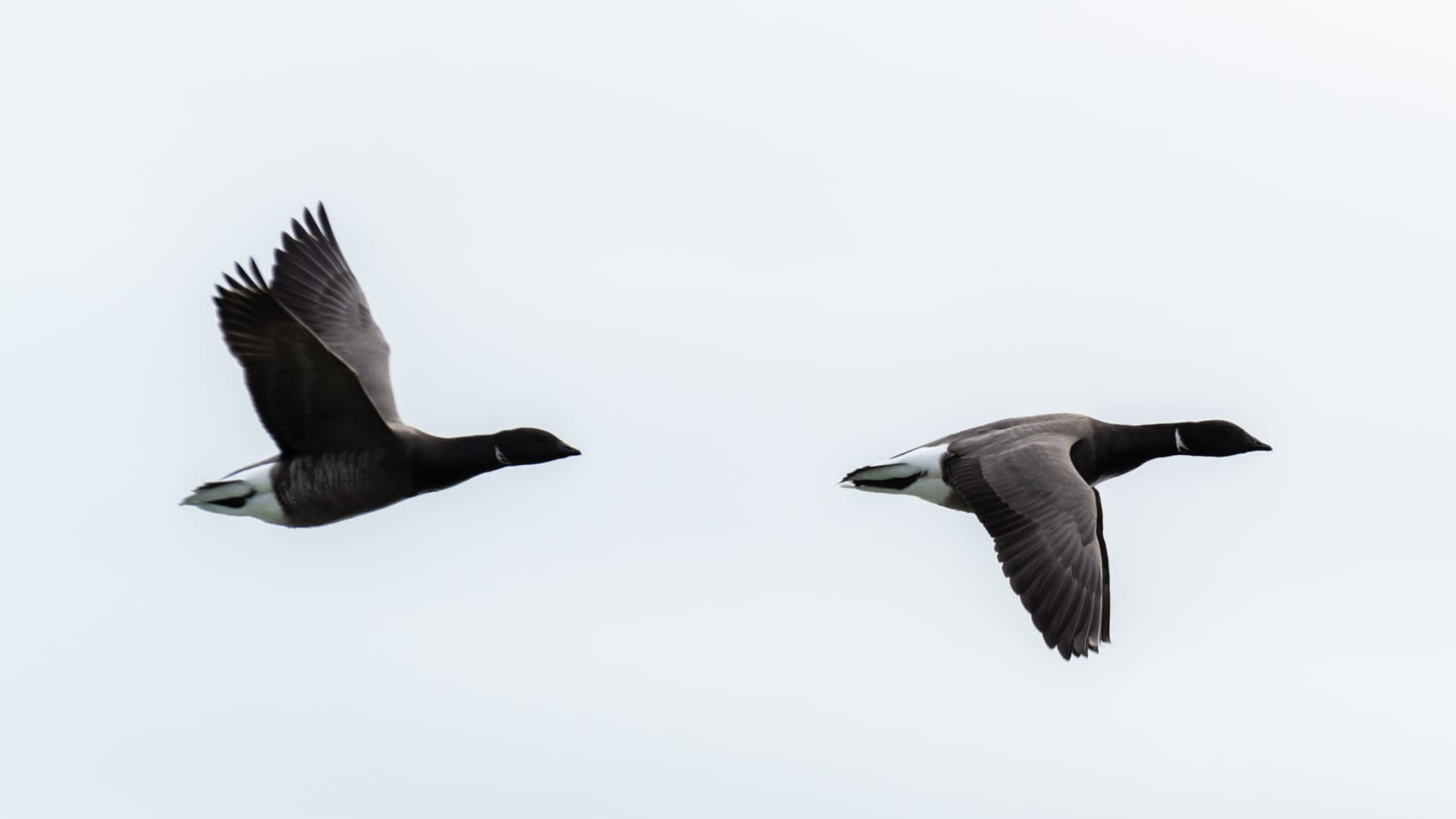
A pair of dark bellied Brent Geese fly through the sky. The sky is grey
biodiversity

The Brent Goose: Creatures that call seagrass home

In a new blog series, our Conservation Trainee Abi David explores some of the amazing creatures that call seagrass meadows their home. The Brent Goose Branta bernicla is of a similar size to a Mallard duck, making it one of the smallest goose species in the world. They are a

Read More »
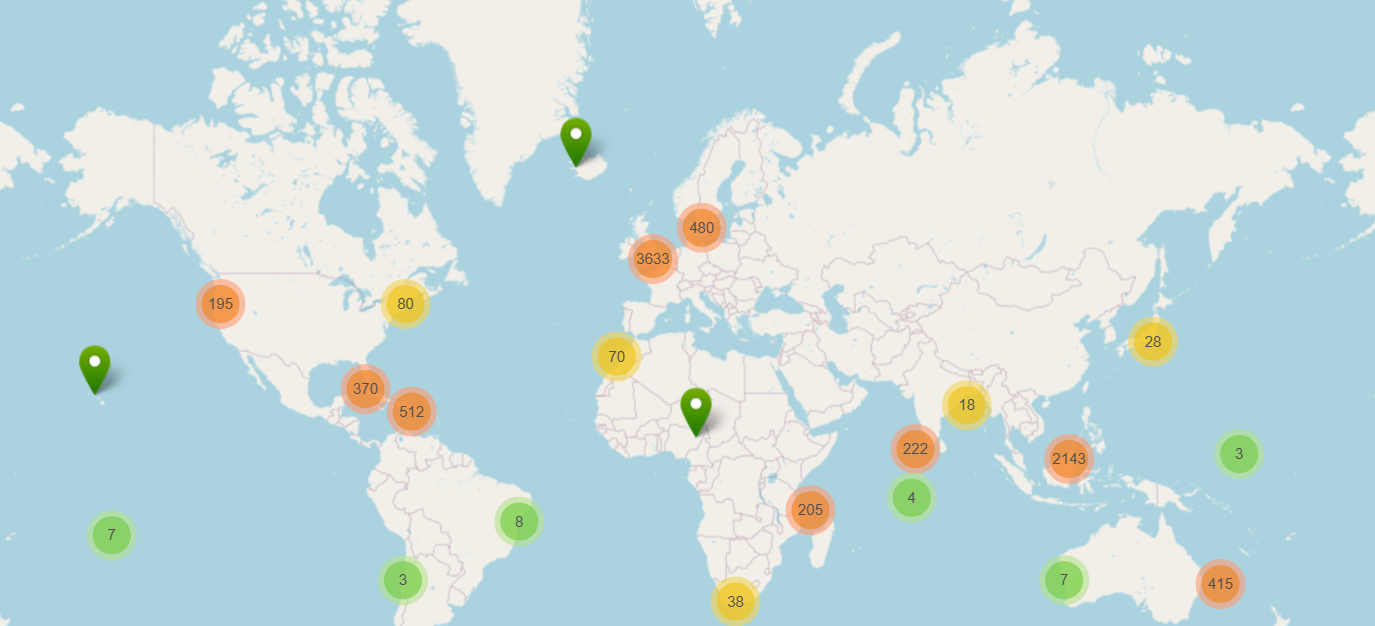
A map of the world showing where seagrass has been spotted using SeagrassSpotter
coastal systems

Harnessing open data to understand coastal social-ecological systems

Our oceans and coasts are home to ecosystems that provide immense benefits to people, from food and livelihoods to carbon storage and coastal protection. In particular, seagrass meadows are archetypal social-ecological systems (SES), linking human well-being to ecosystem health. But to manage these systems effectively, we need access to both ecological

Read More »
Zostera marina seagrass meadow. Credit Ben Jones
Chesapeake Bay

Seagrass swap could reshape Chesapeake Bay food web

Beneath the surface of the Chesapeake Bay, a subtle but dramatic shift is taking place as eelgrass gives way to its warmer-water relative, widgeon grass. A new study from researchers at William & Mary’s Batten School & VIMS shows that this seagrass swap could have ecological impacts across the Bay’s

Read More »