
NEWS

NEWS

Keeping you up to date with Project Seagrass news and views with a mixture of field notes and commentary on seagrass and marine conservation topics.

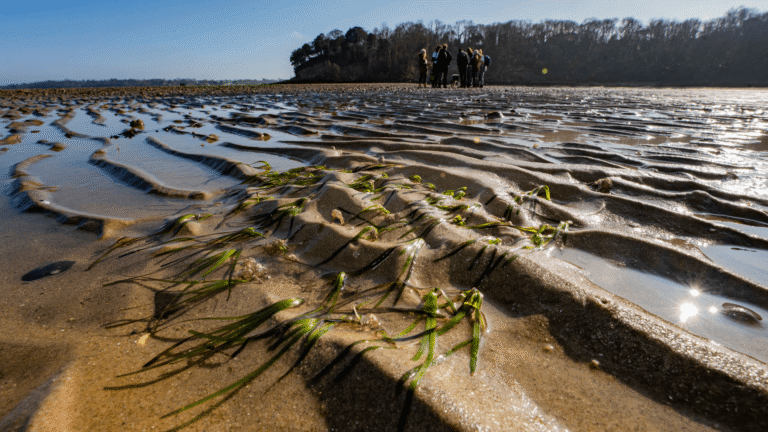
A patch of seagrass fragments planted at Priory Bay, Isle of Wight.

Fragment Walk reflections

As our Fragment Walks from the 2025/26 season come to an end Project Seagrass Intern Anya Lamparelli reflects on this year’s efforts. A seagrass fragment is a precious and vulnerable thing. Torn free by winter storms and strong swells these delicate shoots with intricate root systems still attached wash ashore
Read More »
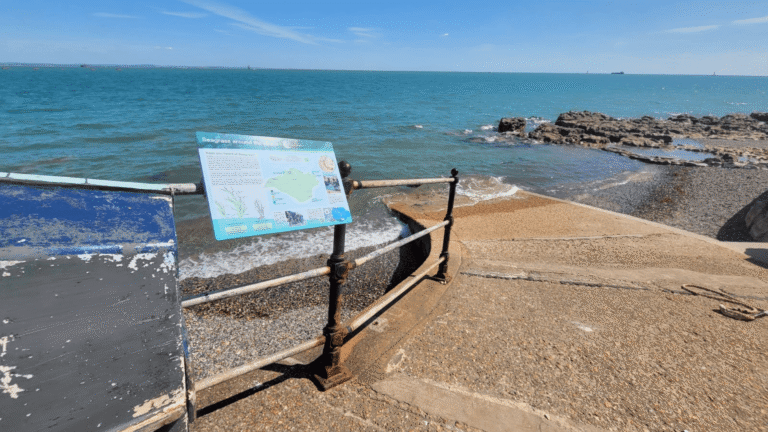
A sign with information about the Isle of Wight's seagrass meadows is attached to railings on the slipway at Seaview.

Seagrass signage installed in the Solent

Residents and visitors to the Isle of Wight can now access information about the Island’s important seagrass habitats thanks to new signage installed through support from Seacology. The signage has been installed by Project Seagrass as part of ongoing efforts to protect and restore seagrass ecosystems within the Solent. The signs

Read More »
Seagrass in Thorness

Fieldwork notes from our Solent planting

Between the 17th and 23rd March 2026, members of the Project Seagrass team were on the Isle of Wight carrying out active restoration as part of the The Solent Seascape Project, the first project of its kind in the UK to initiate seascape-scale restoration. As part of The Solent Seascape

Read More »
Juvenile señorita (Oxyjulis californica) utilize the protective canopy of the open-coast seagrass restoration site at Button Shell, Catalina Island.

Catalina Island study highlights open-coast seagrass restoration success

New research led by scientists at University of California’s San Diego’s Scripps Institution of Oceanography is shining a spotlight on one of the ocean’s most overlooked habitats: seagrass. Led by Scripps Oceanography Ph.D. candidate Rilee Sanders, the study documented the first successful restoration of open-coast seagrass (common eelgrass). The findings offer

Read More »
Beneath the surface a dense seagrass meadow is growing.

Six Global Challenges: One Powerful Solution. Project Seagrass launches Global Seagrass Challenge Fund to save the world’s seagrass.

Now seeking investment, the Global Seagrass Challenge Fund will unite funders, businesses, and individuals committed to securing a future for seagrass. With an ambitious target of £50 million, the Fund will support people-centred seagrass conservation for a healthier ocean and a fairer future. Project Seagrass has launched the Global Seagrass

Read More »
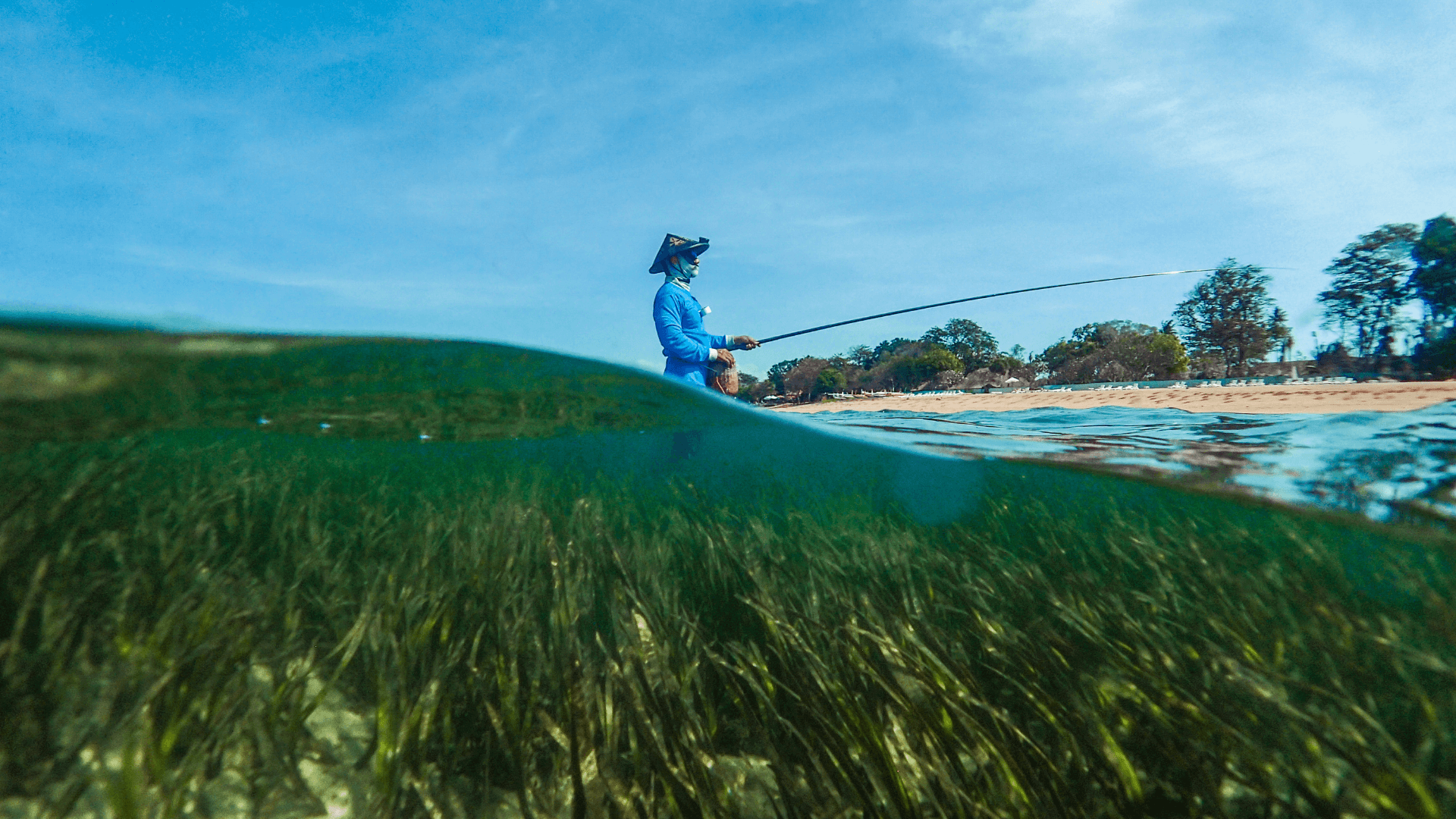
A fisher stands in the sea with a fishing rod.
press release

The underwater meadows sustaining millions in extreme poverty

The first large-scale analysis of its kind estimates that at least 18 million people living in poverty across the Indo-Pacific fish in seagrass meadows. Around 6.5 million may depend entirely on these overlooked habitats for fishing and subsistence.  Researchers warn that seagrass decline could deepen hunger, economic insecurity, and inequality

Read More »
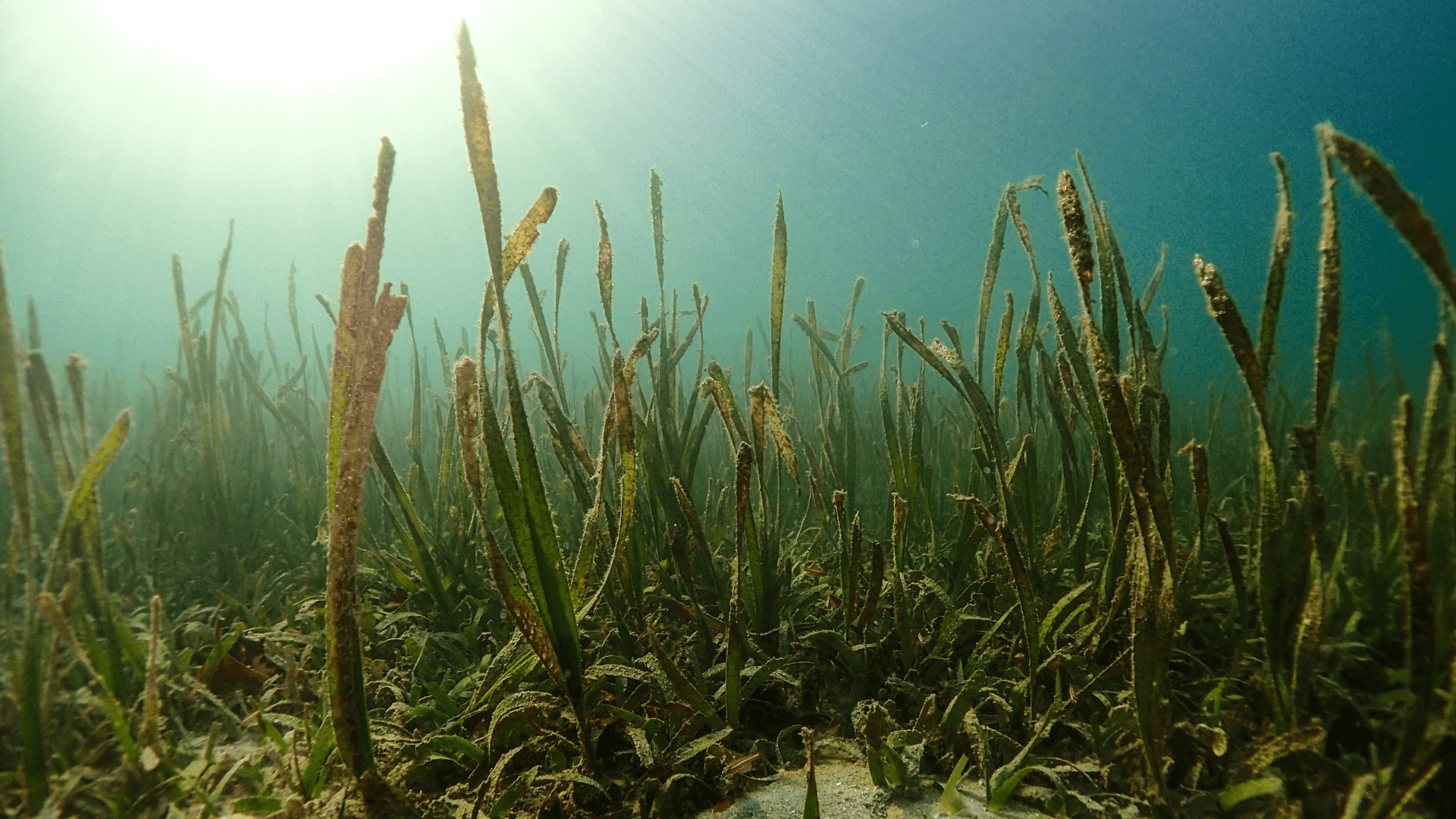
Blades of Enhalus acoroides stand upright in the water.
new science

Mapping Indonesian seagrass quality to target blue carbon conservation

Not all of Indonesia’s seagrass meadows are faring alike. A study has revealed substantial spatial differences in the condition of 21 seagrass meadows across central and eastern Indonesia, providing a clearer picture of where ecosystems are thriving (hotspots), under stress (coldspots) or undergoing ecological change (outliers). But why does this

Read More »
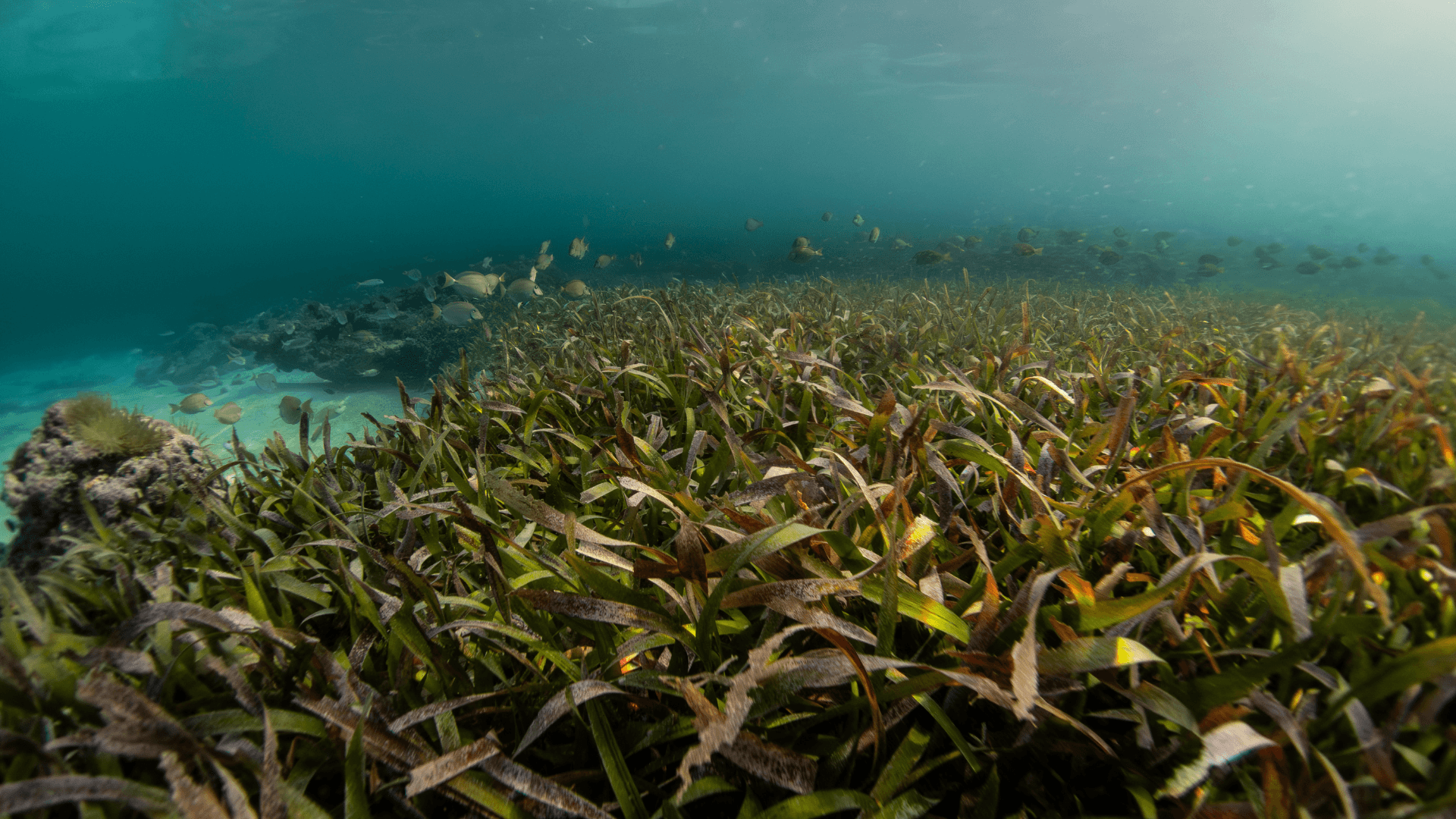
Fish swim through a seagrass meadow.
Project Seagrass updates

Project Seagrass recognised as an Independent Research Organisation

Project Seagrass has been granted Independent Research Organisation status. This is an important milestone for Project Seagrass, but more importantly, it is a milestone for seagrass science. Since 2013, Project Seagrass has worked tirelessly to build a different kind of conservation organisation. One that is rooted in science, grounded in

Read More »
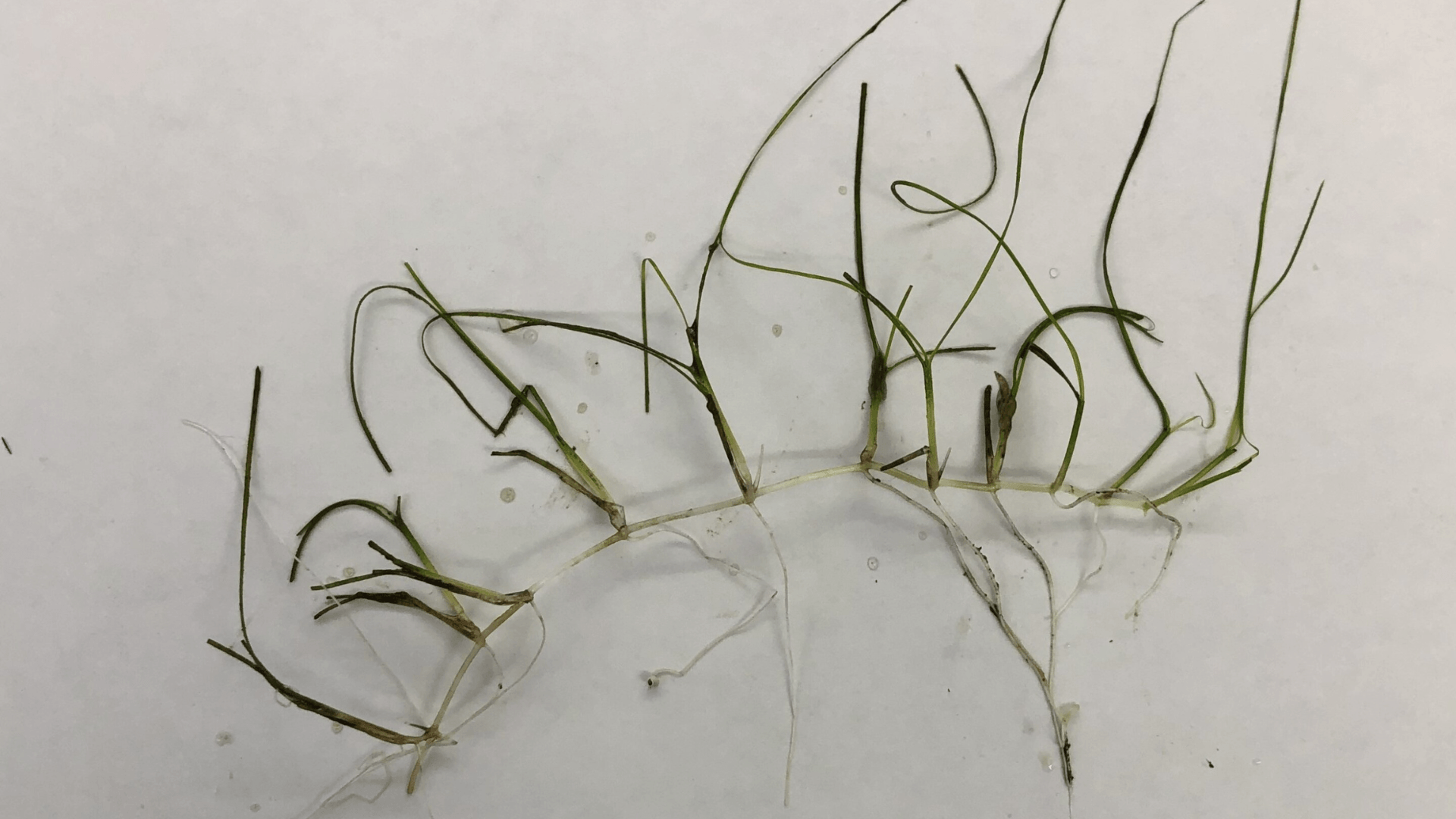
Ruppia maritima
new science

A resilient native seagrass species could help reshape coastal restoration

Seagrasses are among the most important foundation species in coastal ecosystems, providing habitat for marine life, stabilising sediments, and helping improve water quality. Yet nearly 20% of the world’s historic seagrass cover has been lost, and efforts to restore these vital underwater meadows often face significant challenges. In Florida’s Indian

Read More »