NEWS

NEWS

Keeping you up to date with Project Seagrass news and views with a mixture of field notes and commentary on seagrass and marine conservation topics.

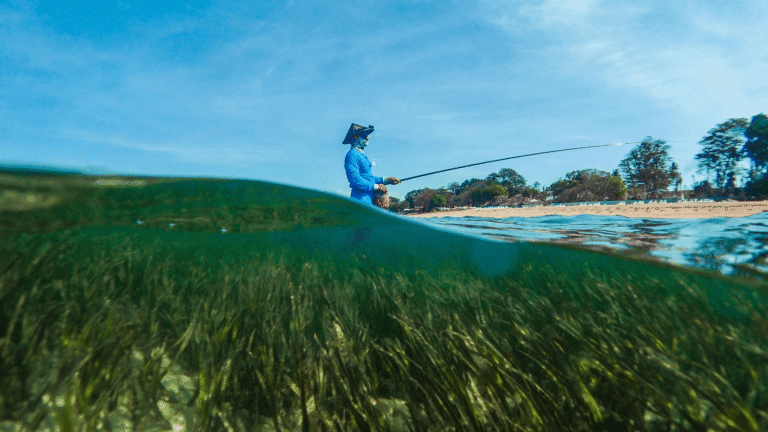
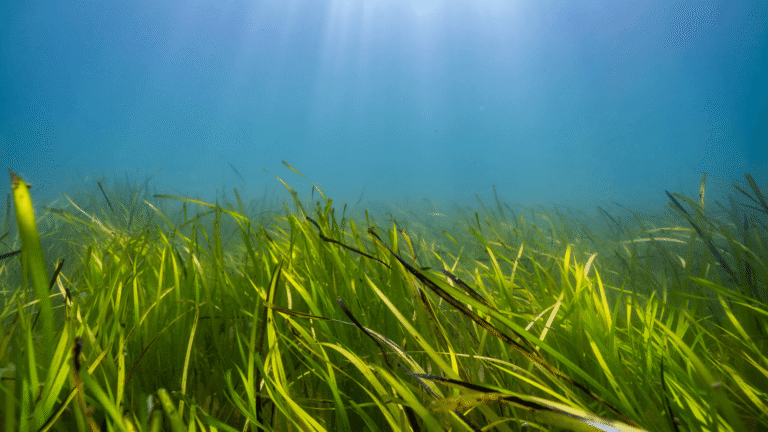
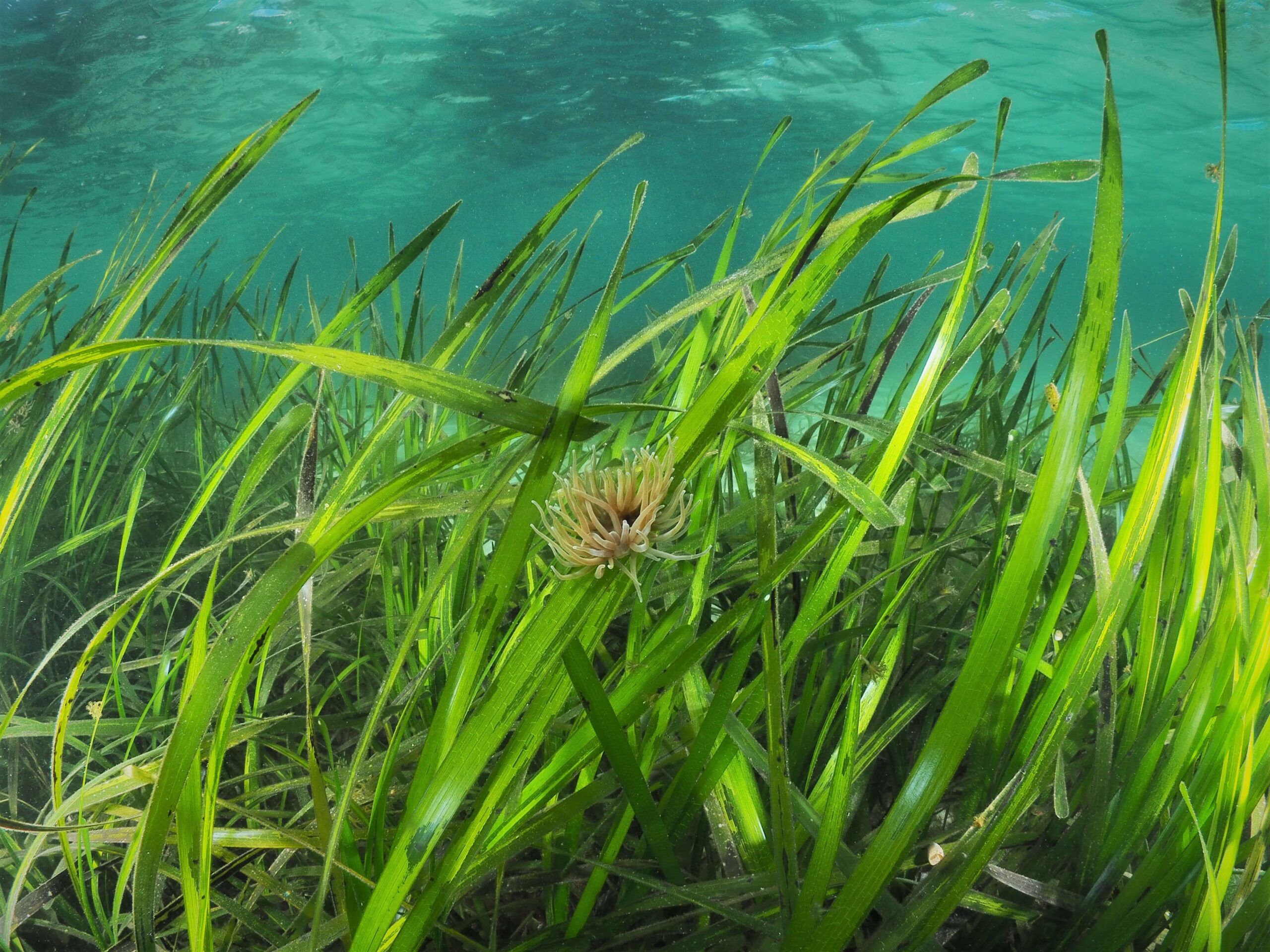
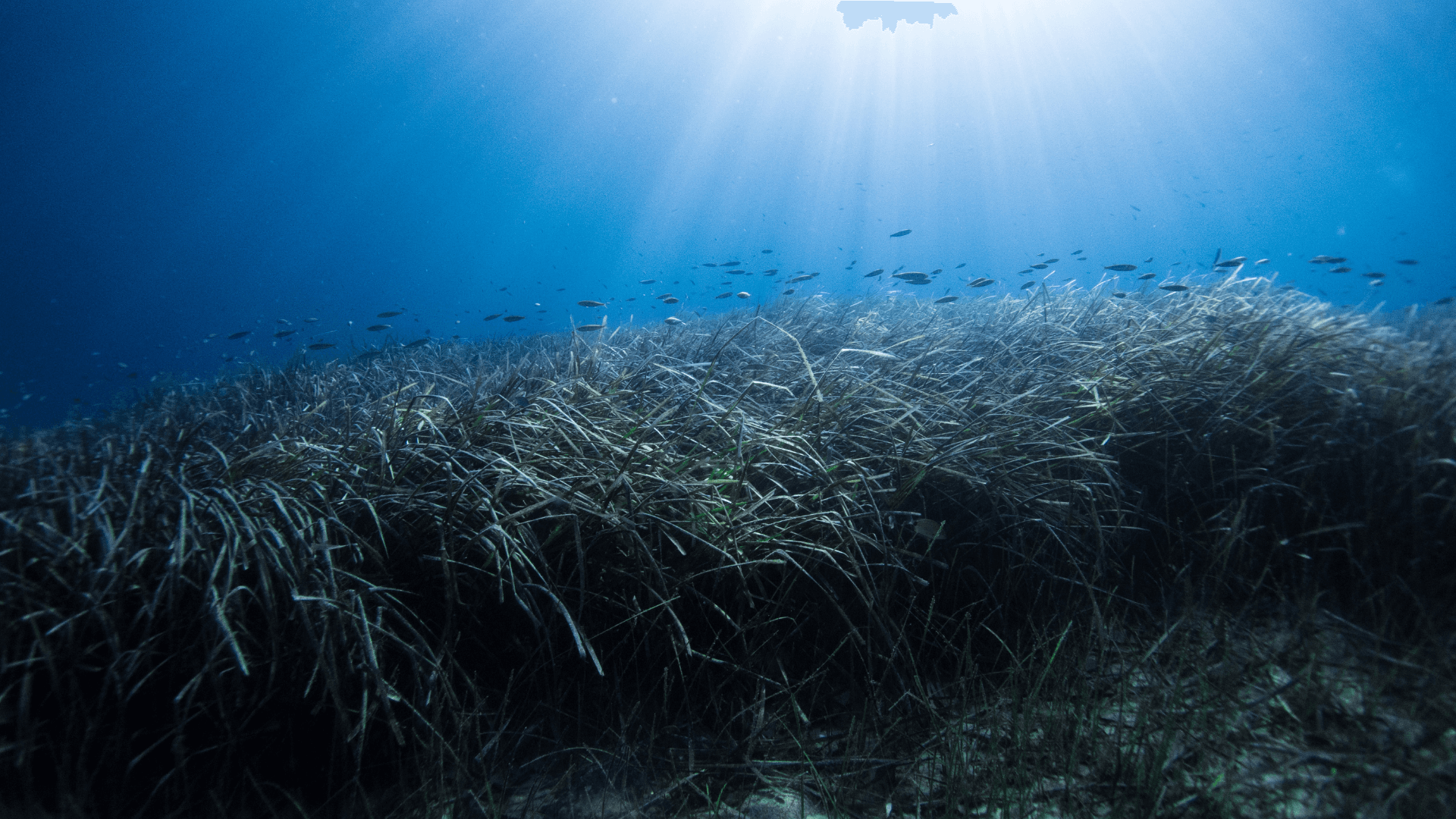
Zostera marina seagrass grows beneath the surface in Priory Bay, Isle of Wight. Above the surface, the sky is blue with white clouds. A logo with the words Seagrass Safe Silor and an image of a boat if overlain.

Protecting seagrass in Priory Bay

Priory Bay in the Isle of Wight supports important seagrass meadows that provide a home for marine life as well as supporting healthy coastlines. The bay is also of great value for boating and recreation, and a popular summer anchorage. This project is exploring ways to protect the seagrass in

Read More »
The Project Seagrass Logo is overlayed over a photo of seagrass

Embracing change: Introducing our refreshed Project Seagrass logo

In this blog, our Chief Conservation Officer, Dr Benjamin Jones, shares the thinking behind the decision to refresh the Project Seagrass logo and wider brand identity, and explains why visibility matters so much for seagrass conservation. Honouring our roots, looking to the future Back in 2013, we founded Project Seagrass

Read More »
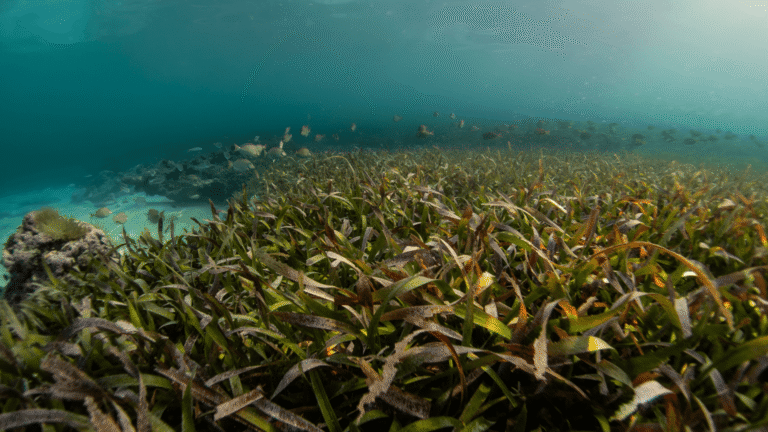
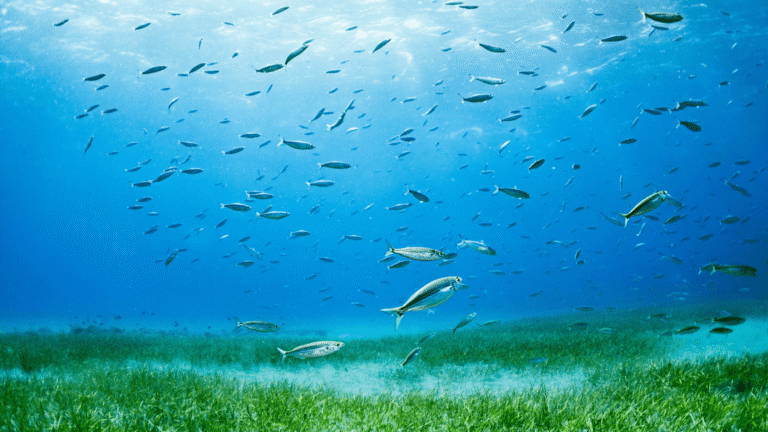
A shoal of parrotfish swim through a seagrass meadow

Seagrass meadows could help nourish millions, new study finds

New research finds that seagrass meadows support fish that can be more valuable for human nutrition than fish found on coral reefs   Seagrass meadows play a majorly overlooked role in providing nutrition for coastal communities, a new study published in Cell Reports Sustainability has uncovered. The study, led by

Read More »
Zostera marine seagrass meadow Porthdinllaen North Wales.

London Climate Action Week: Are we forgetting that we are nature?

Project Seagrass CEO and Co-Founder, Dr Leanne Cullen-Unsworth reflects on London Climate Action Week: I left London Climate Action Week inspired, challenged, and, at times, deeply concerned. Over the course of the week I joined conversations spanning nature finance, climate resilience, biodiversity, restoration, and global leadership. The speakers were exceptional.

Read More »
SeagrassTools Logo

Introducing SeagrassTools: strengthening the link between data and decision-making

July marks the launch of SeagrassTools, a single unified suite for seagrass science, conservation, and management which will enable users to collect, download, analyse, and act on seagrass data more effectively than ever before.  The new digital suite, which integrates citizen science, ecological data, restoration experiments, and spatial analytics, will support evidence-based decision-making

Read More »
A seagrass meadow in Cardiff.

Previously undocumented seagrass meadow found in Cardiff’s Severn Estuary

Field discovery reveals a healthy and apparently expanding seagrass meadow in one of the UK’s most challenging estuarine environments  Marine conservation organisation Project Seagrass has found a previously undocumented intertidal seagrass meadow in Cardiff, within the Severn Estuary. The newly discovered meadow, which was found by Project Seagrass’ Chief Conservation Officer Dr Benjamin Jones, does

Read More »
A pair of dark bellied Brent Geese fly through the sky. The sky is grey
biodiversity

The Brent Goose: Creatures that call seagrass home

In a new blog series, our Conservation Trainee Abi David explores some of the amazing creatures that call seagrass meadows their home. The Brent Goose Branta bernicla is of a similar size to a Mallard duck, making it one of the smallest goose species in the world. They are a

Read More »
A map of the world showing where seagrass has been spotted using SeagrassSpotter
coastal systems

Harnessing open data to understand coastal social-ecological systems

Our oceans and coasts are home to ecosystems that provide immense benefits to people, from food and livelihoods to carbon storage and coastal protection. In particular, seagrass meadows are archetypal social-ecological systems (SES), linking human well-being to ecosystem health. But to manage these systems effectively, we need access to both ecological

Read More »
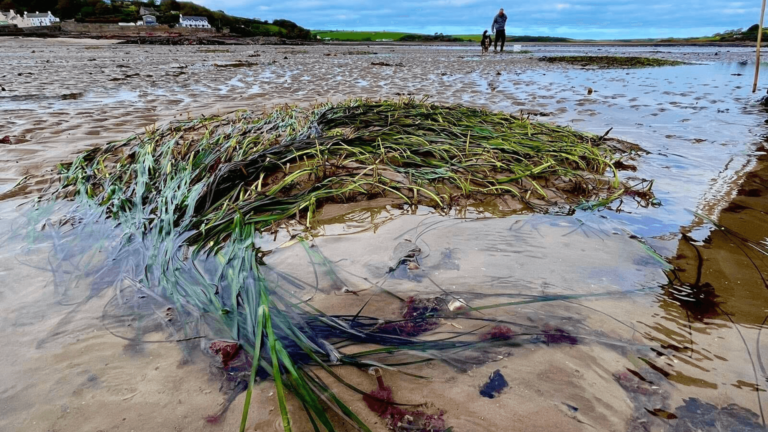
Zostera marina seagrass meadow. Credit Ben Jones
Chesapeake Bay

Seagrass swap could reshape Chesapeake Bay food web

Beneath the surface of the Chesapeake Bay, a subtle but dramatic shift is taking place as eelgrass gives way to its warmer-water relative, widgeon grass. A new study from researchers at William & Mary’s Batten School & VIMS shows that this seagrass swap could have ecological impacts across the Bay’s

Read More »
SeagrassSpotter Nanozostera japonica
genetics

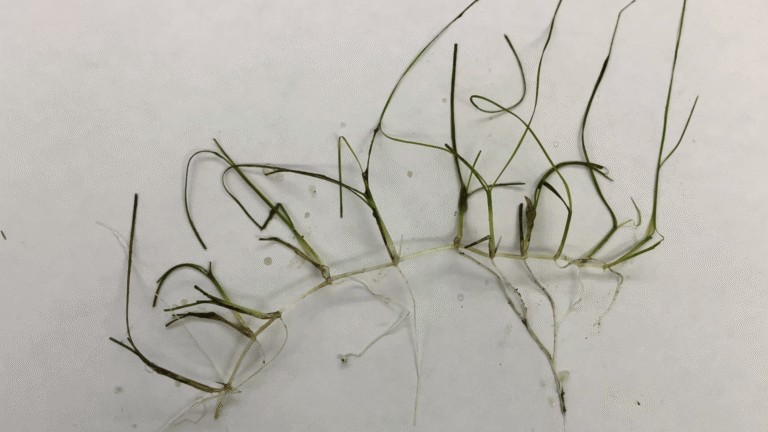
Researchers uncover hidden seagrass species in northwest Pacific

Seagrasses, foundational species in coastal ecosystems worldwide, are surprisingly few in documented diversity—with only about 70 species identified globally, despite their widespread distribution and ecological importance. Complicating matters, their high phenotypic plasticity within species makes precise classification challenging. Against this backdrop, a research team led by Prof. Zhou Yi from

Read More »
Volunteers crouch in the seagrass meadow at Porthdinllaen collecting seagrass seeds
North Wales

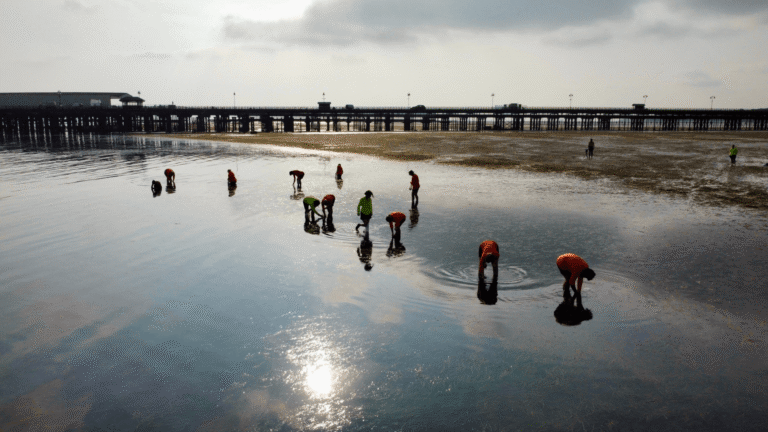
Fieldwork notes from our summer seagrass seed collections

The Project Seagrass team have had another busy summer of seagrass seed collections!  This year collections took place in Yarmouth, Ryde, and Bembridge on the Isle of Wight in the Solent, and in Porthdinllaen in North Wales. Find out more about how this summer’s collections went:  Solent Seed Collection |

Read More »