
NEWS

NEWS

Keeping you up to date with Project Seagrass news and views with a mixture of field notes and commentary on seagrass and marine conservation topics.

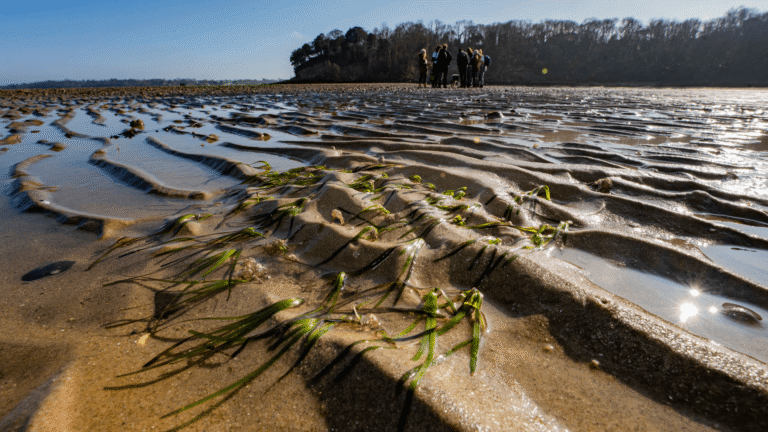
A patch of seagrass fragments planted at Priory Bay, Isle of Wight.

Fragment Walk reflections

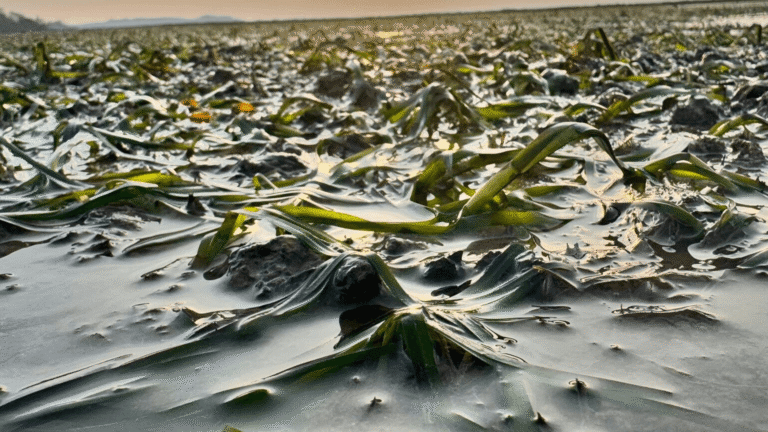
As our Fragment Walks from the 2025/26 season come to an end Project Seagrass Intern Anya Lamparelli reflects on this year’s efforts. A seagrass fragment is a precious and vulnerable thing. Torn free by winter storms and strong swells these delicate shoots with intricate root systems still attached wash ashore
Read More »
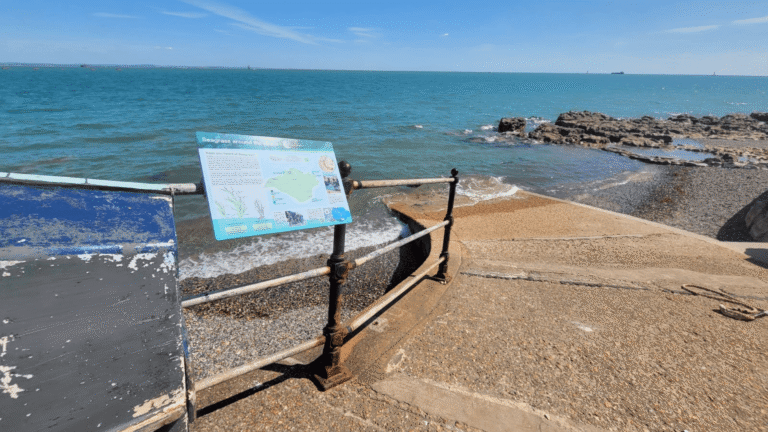
A sign with information about the Isle of Wight's seagrass meadows is attached to railings on the slipway at Seaview.

Seagrass signage installed in the Solent

Residents and visitors to the Isle of Wight can now access information about the Island’s important seagrass habitats thanks to new signage installed through support from Seacology. The signage has been installed by Project Seagrass as part of ongoing efforts to protect and restore seagrass ecosystems within the Solent. The signs

Read More »
Seagrass in Thorness

Fieldwork notes from our Solent planting

Between the 17th and 23rd March 2026, members of the Project Seagrass team were on the Isle of Wight carrying out active restoration as part of the The Solent Seascape Project, the first project of its kind in the UK to initiate seascape-scale restoration. As part of The Solent Seascape

Read More »
Juvenile señorita (Oxyjulis californica) utilize the protective canopy of the open-coast seagrass restoration site at Button Shell, Catalina Island.

Catalina Island study highlights open-coast seagrass restoration success

New research led by scientists at University of California’s San Diego’s Scripps Institution of Oceanography is shining a spotlight on one of the ocean’s most overlooked habitats: seagrass. Led by Scripps Oceanography Ph.D. candidate Rilee Sanders, the study documented the first successful restoration of open-coast seagrass (common eelgrass). The findings offer

Read More »
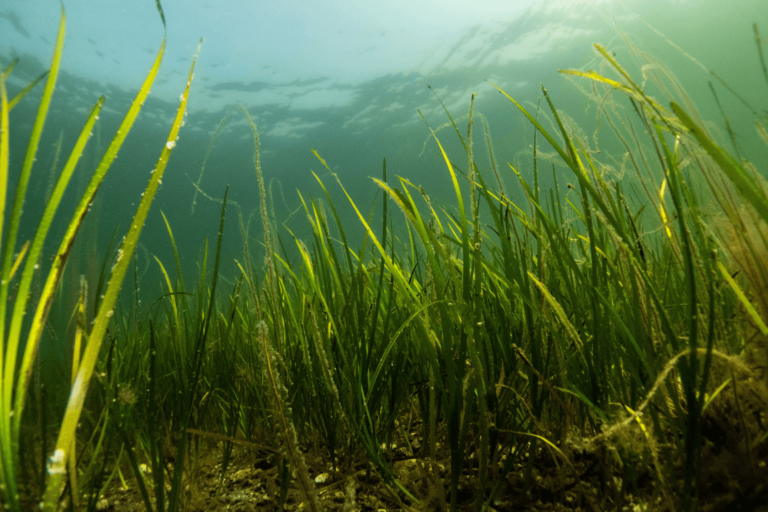
Beneath the surface a dense seagrass meadow is growing.

Six Global Challenges: One Powerful Solution. Project Seagrass launches Global Seagrass Challenge Fund to save the world’s seagrass.

Now seeking investment, the Global Seagrass Challenge Fund will unite funders, businesses, and individuals committed to securing a future for seagrass. With an ambitious target of £50 million, the Fund will support people-centred seagrass conservation for a healthier ocean and a fairer future. Project Seagrass has launched the Global Seagrass

Read More »
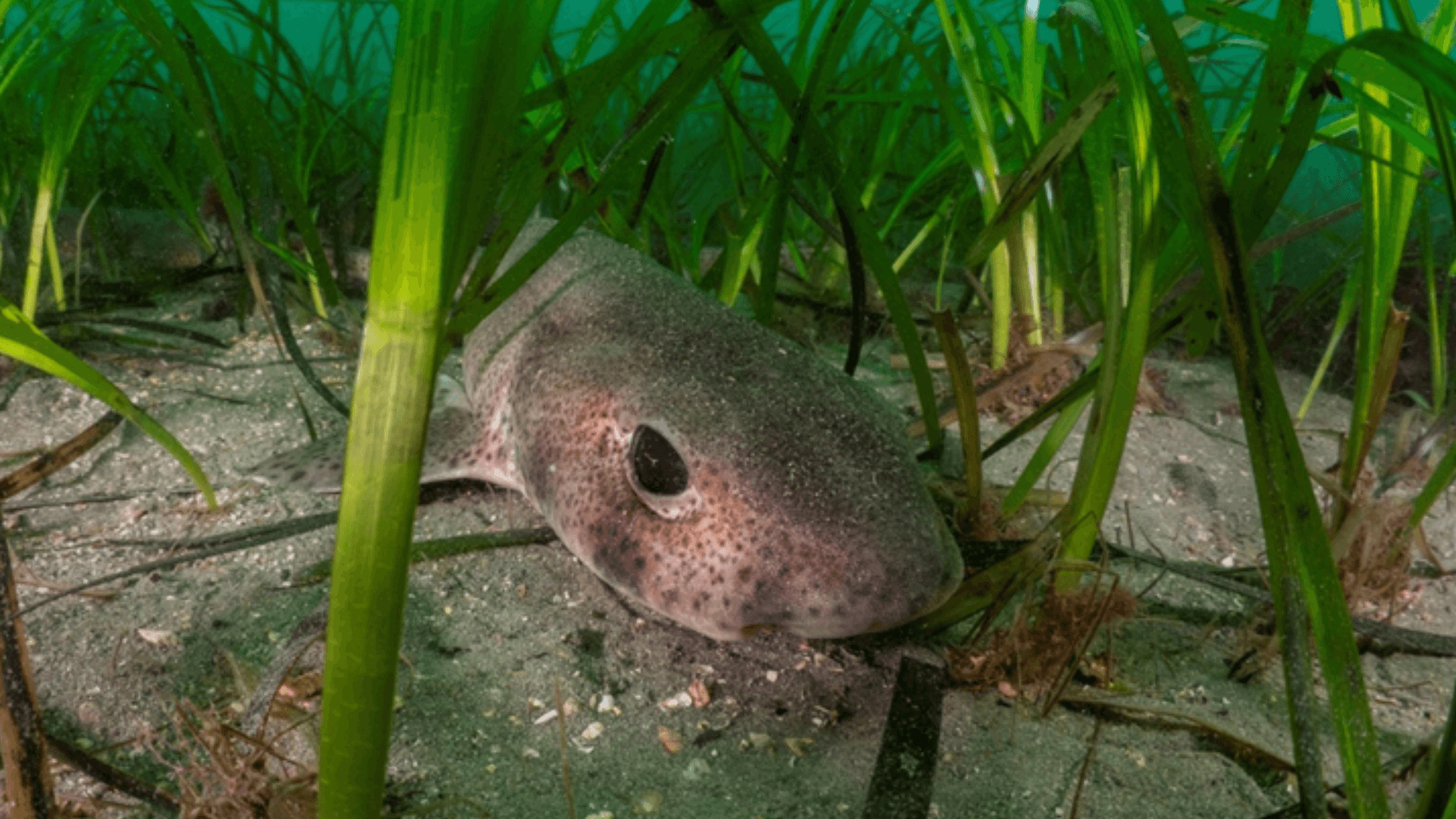
Catshark in seagrass
biodiversity

Spotted catshark – Creatures that call seagrass home

In a new blog series, our Conservation Trainee Abi David explores some of the amazing creatures that call seagrass meadows their home. The small spotted catshark (Scyliorhinus canicula) is a small shark species growing up to 1 meter long and can be seen around European and North African coastlines. They

Read More »
climate change

Seagrass to the rescue and rescue to the seagrass

In an article for Halloween, Grace Cutler, one of Project Seagrass’ Interns for the 2025-26 academic year, explores the frightening reality of continued seagrass loss as a result of anthropogenic activity and how this in turn threatens seagrass’ role in supporting people and planet. Werewolves are struck down by silver

Read More »
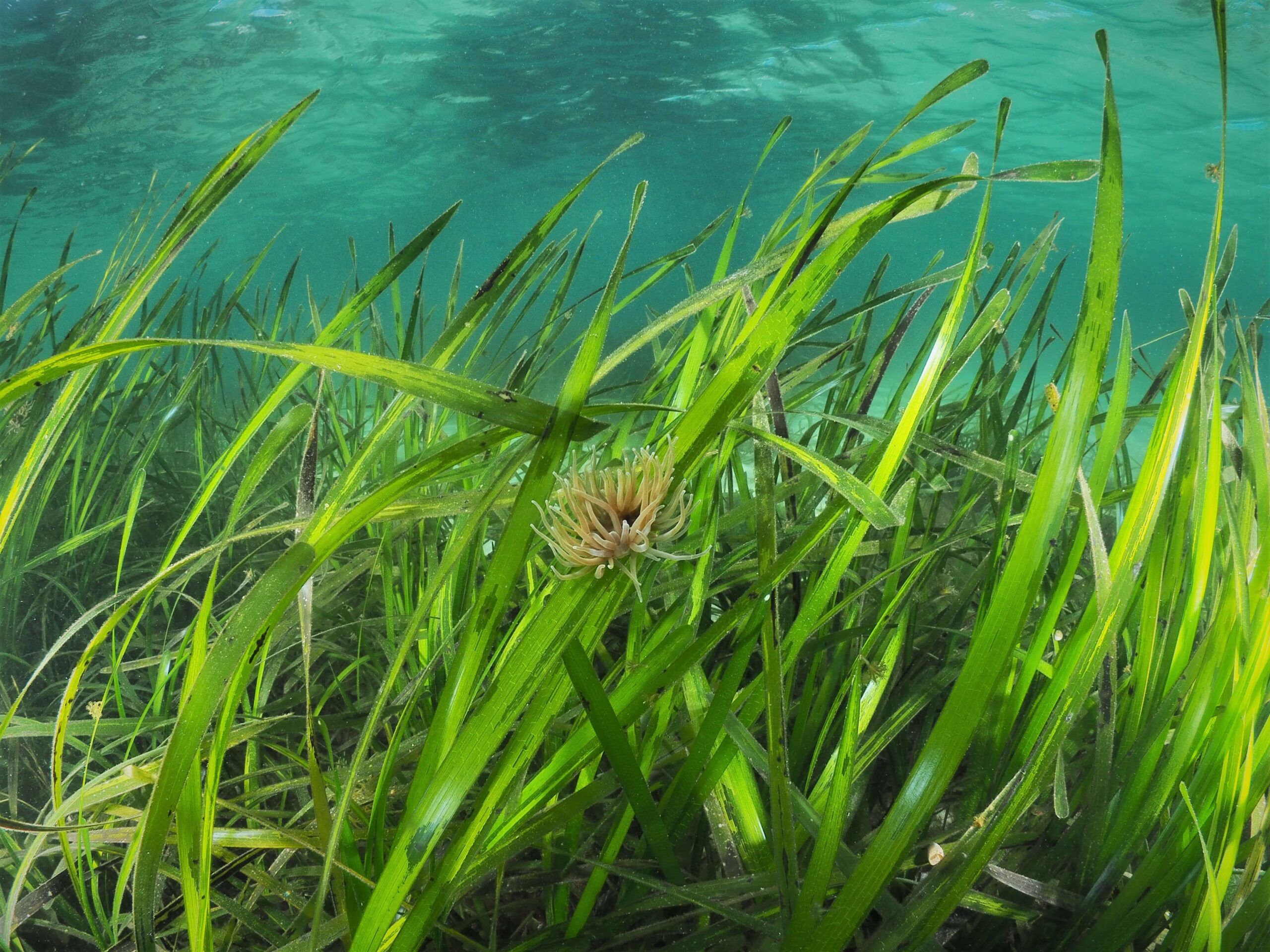
Zostera marina seagrass meadows with a snakelocks anemone
biodiversity

Snakelocks anemone: Creatures that call seagrass home

In a new blog series, our Conservation Trainee Abi David explores some of the amazing creatures that call seagrass meadows their home. The snakelocks anemone is a funny looking creature commonly found around the UK. They have up to 200 long, wavy tentacles and can grow on average to about

Read More »
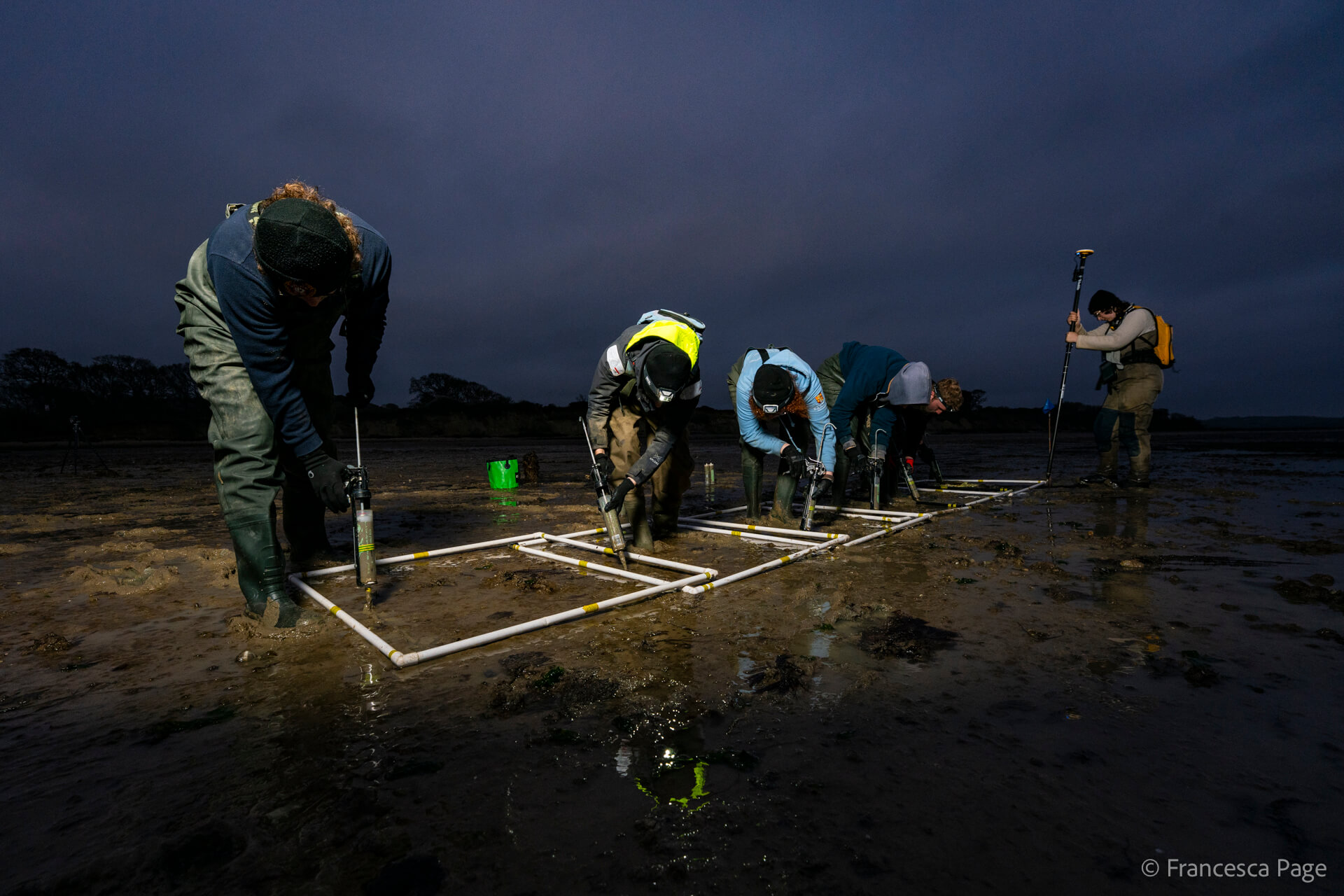
Members of Project Seagrass staff are planting seagrass seeds using DIS guns. They are planting into quadrats. It is early morning and the sun hasn't yet risen.
marine licensing

Rethinking Marine Restoration: Why Permits Could Be Holding Us Back

The Ocean is in crisis. Coral reefs are bleaching, seagrass meadows are vanishing, mangroves are being cleared, and biodiversity is plummeting. Scientists estimate we’ve already lost up to 50% of global saltmarshes, 35% of mangroves, and 20% of seagrasses. Yet alongside this sobering decline, momentum for marine restoration has never

Read More »
Seagrass meadow in Orkney.

Our response to the Scottish Government Blue Carbon Action Plan

Earlier this year, the Scottish Government circulated a draft version of Scotland’s first Blue Carbon Action Plan with key stakeholders to gather comments and feedback. Project Seagrass was one of the organisations contacted as part of this process. The Blue Carbon Action Plan sets out the Scottish Government’s position and

Read More »
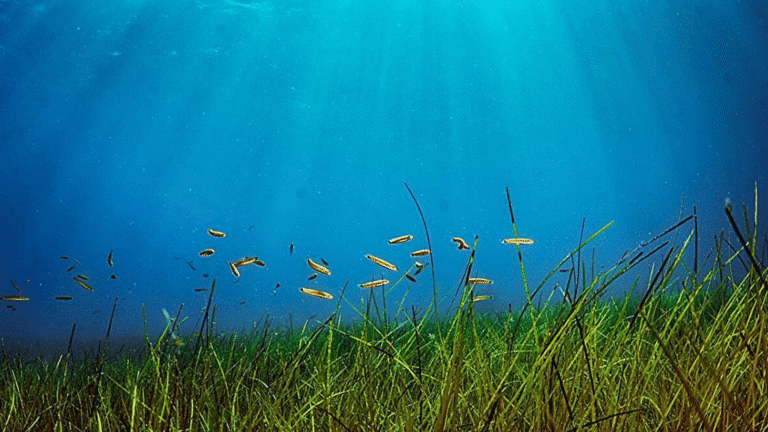
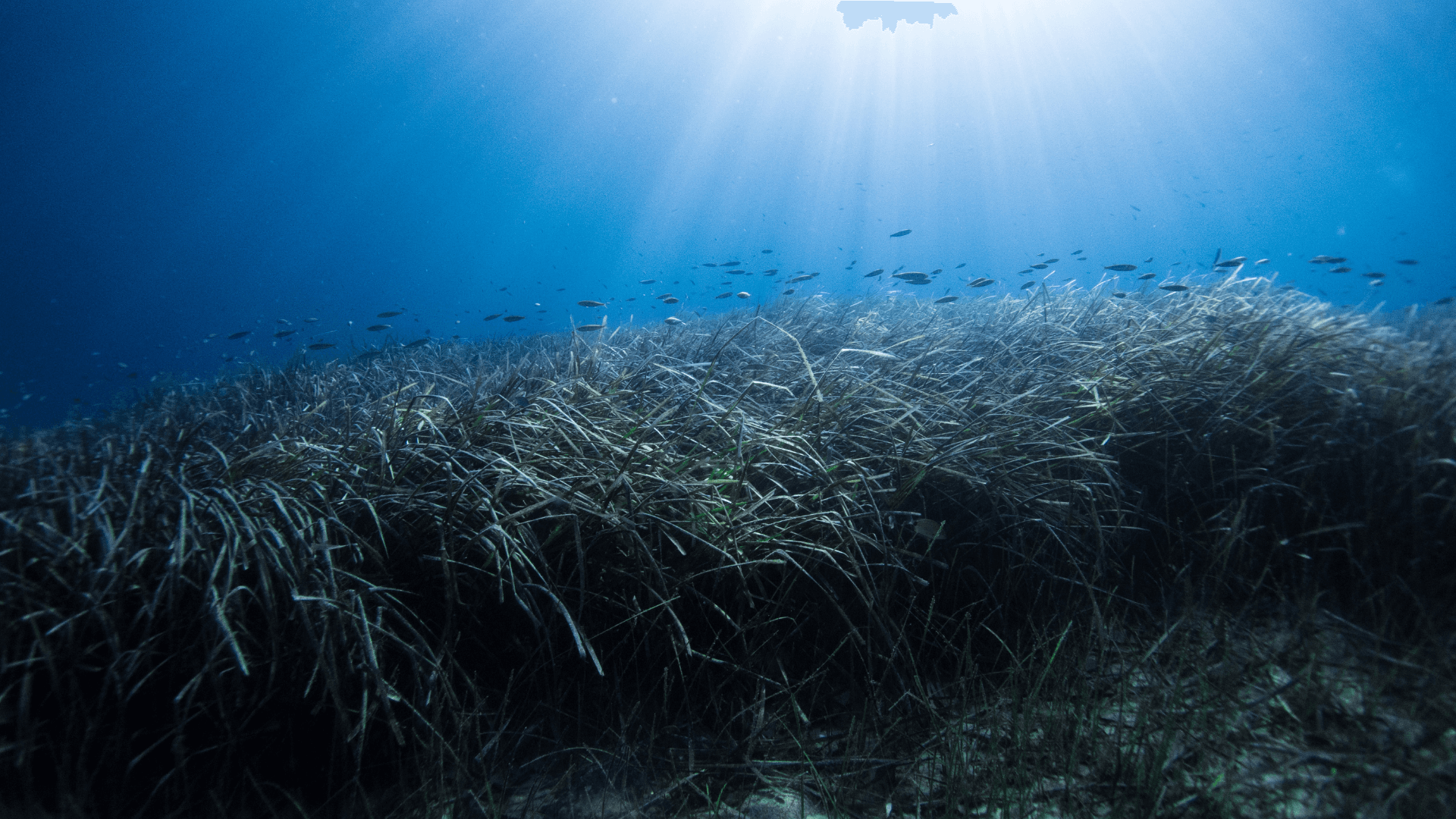
A seagrass meadow with fish swimming through it
microbiome

The role of the microbiome in the successful transplantation of seagrass meadows

Posidonia seagrass meadows, veritable underwater forests, play a major ecological role. Under constant pressure from human activity, scientists are looking for ways to ensure their survival, in particular by carrying out restoration campaigns. A study conducted by the University of Liège at the marine and oceanographical research station STARESO (Calvi,

Read More »