NEWS

NEWS

Keeping you up to date with Project Seagrass news and views with a mixture of field notes and commentary on seagrass and marine conservation topics.

Starting the Seagrass and Dugong fightback

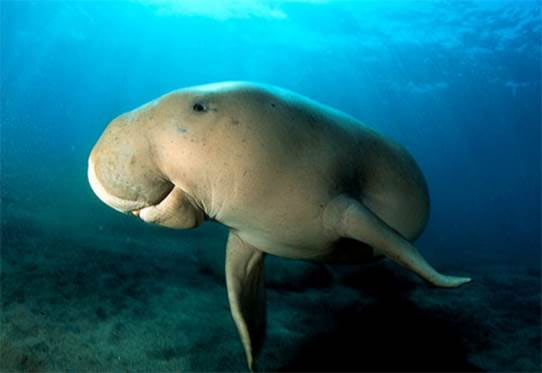
  The Dugong (Dugong dugon) is IUCN Red listed as Vulnerable, in many of the 46 range states that contain Dugong its status is a lot worse. Historic hunting, loss of its seagrass habitat and the impacts of by-catch have been the primary causes of its decline. Back in 2007 the
Read More »

Registration for the 12th International Seagrass Biology Workshop is Now Open!

The International Seagrass Biology Workshop (ISBW) is the only international meeting specifically tailored to seagrass scientists, professionals and students. Abstract submissions are now open as are proposals for workshops. All payment is via PayPal using credit/debit cards. There is one registration fee. It covers access to all parts of the conference program, including the

Read More »

Learning to protect seagrass in the heart of the Coral triangle.

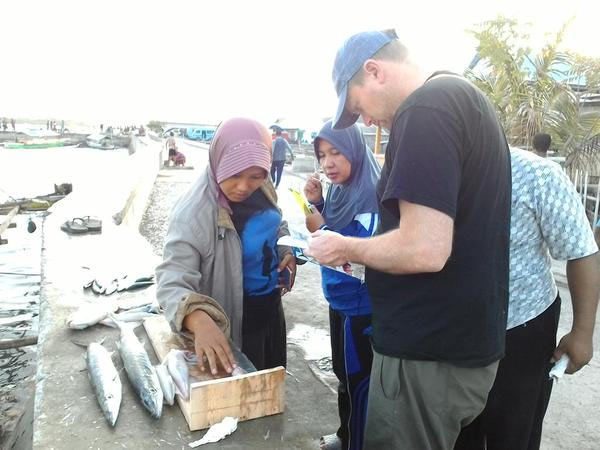
  Indonesia is at the heart of the Coral Triangle, an area characterised by having the World’s highest marine biodiversity. With over 17000 islands, 51,00km2 of coral reef and at least 30000 km2 of seagrass its marine life is extensive and spectacular. But with a growing population, rapidly expanding GDP,

Read More »

Puttalam Lagoon – Paradise Lost?

At the end of August I spent 10 days conducting fieldwork in Pattalam Lagoon, which is situated in the north west of Sri Lanka. The purpose of my visit to Puttalam Lagoon was to set up socio-economic and fish landings surveys with a research collaborator, who will now complete the

Read More »
Solent

Seagrass Ocean Rescue: Solent — establishing the foundations for seagrass restoration and conservation across the Solent

Between 2022 and 2025, the Seagrass Ocean Rescue: Solent project brought together scientists, practitioners, stakeholders, and local communities to explore the potential for seagrass restoration and conservation across the Solent. Funded by WWF and delivered in partnership with Project Seagrass, Swansea University, and Liz Earle, the project laid critical foundations

Read More »
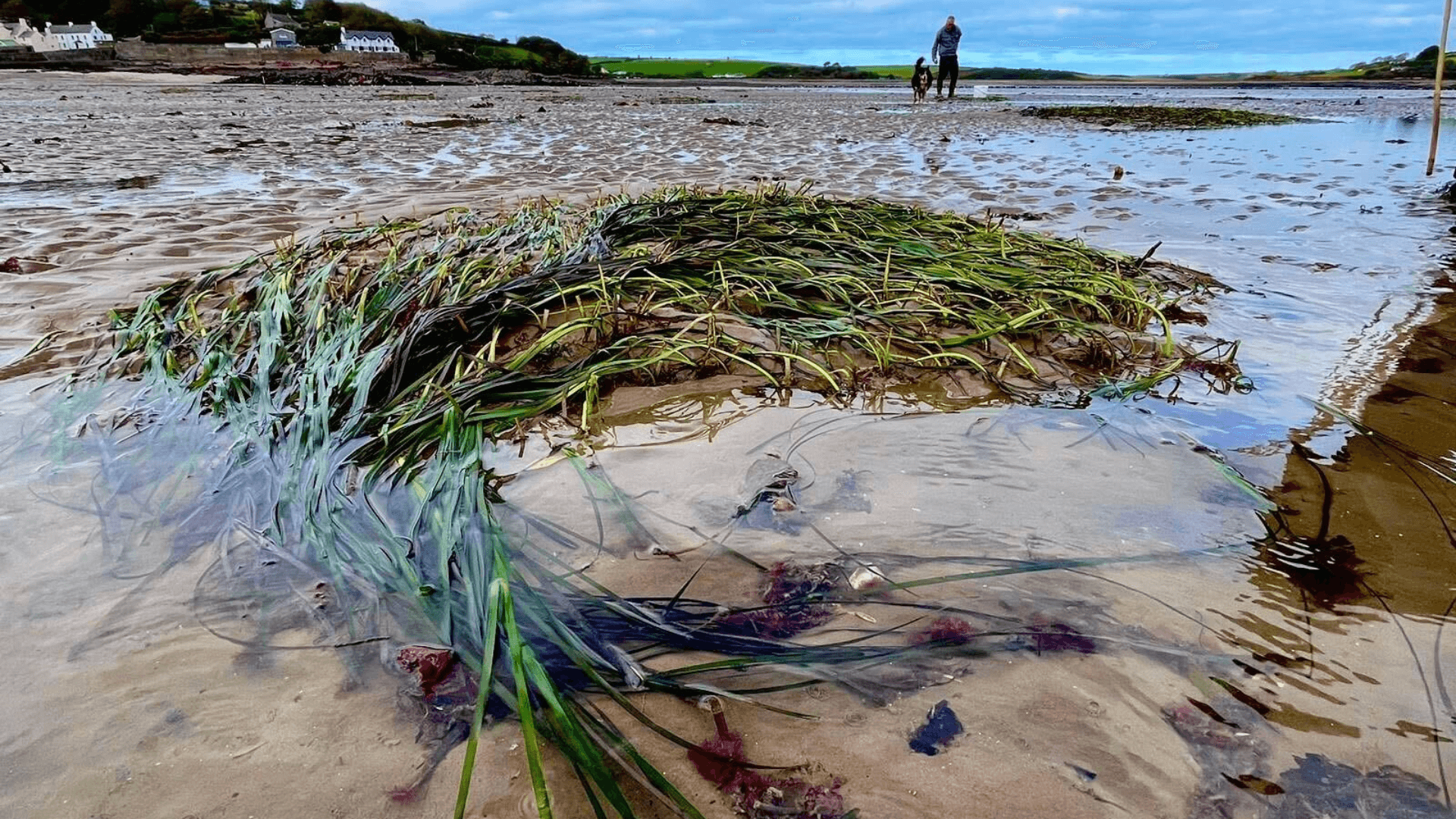
A large patch of seagrass is growing in Dale Bay.
press release

Fishers’ local knowledge can help identify the best locations for seagrass restoration, new research finds

New study shows coastal users can provide valuable insights that strengthen restoration planning and long-term project success Fishers and anglers possess valuable local knowledge that can help identify suitable locations for seagrass restoration, new research published by Project Seagrass shows. The study, conducted along the South Wales coastline, found that

Read More »
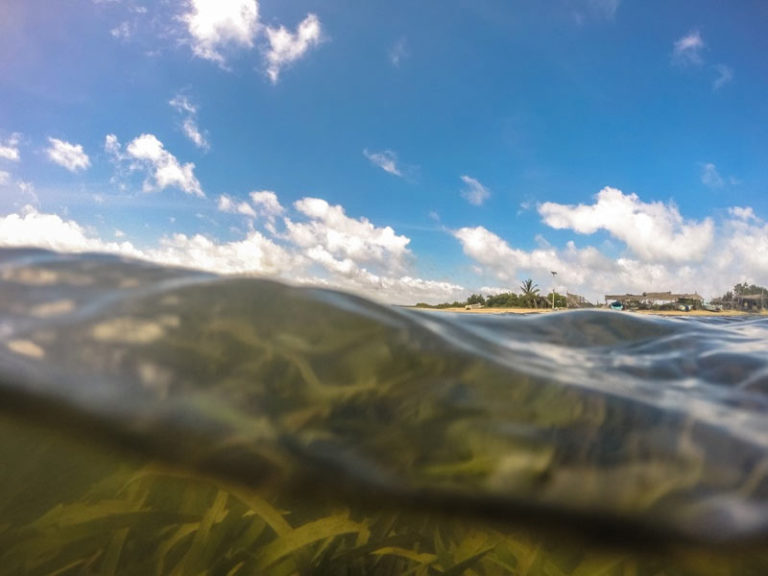
Zostera marina seagrass grows beneath the surface in Priory Bay, Isle of Wight. Above the surface, the sky is blue with white clouds. A logo with the words Seagrass Safe Silor and an image of a boat if overlain.
Project Page

Protecting seagrass in Priory Bay

Priory Bay in the Isle of Wight supports important seagrass meadows that provide a home for marine life as well as supporting healthy coastlines. The bay is also of great value for boating and recreation, and a popular summer anchorage. This project is exploring ways to protect the seagrass in

Read More »
The Project Seagrass Logo is overlayed over a photo of seagrass
Project Seagrass updates

Embracing change: Introducing our refreshed Project Seagrass logo

In this blog, our Chief Conservation Officer, Dr Benjamin Jones, shares the thinking behind the decision to refresh the Project Seagrass logo and wider brand identity, and explains why visibility matters so much for seagrass conservation. Honouring our roots, looking to the future Back in 2013, we founded Project Seagrass

Read More »
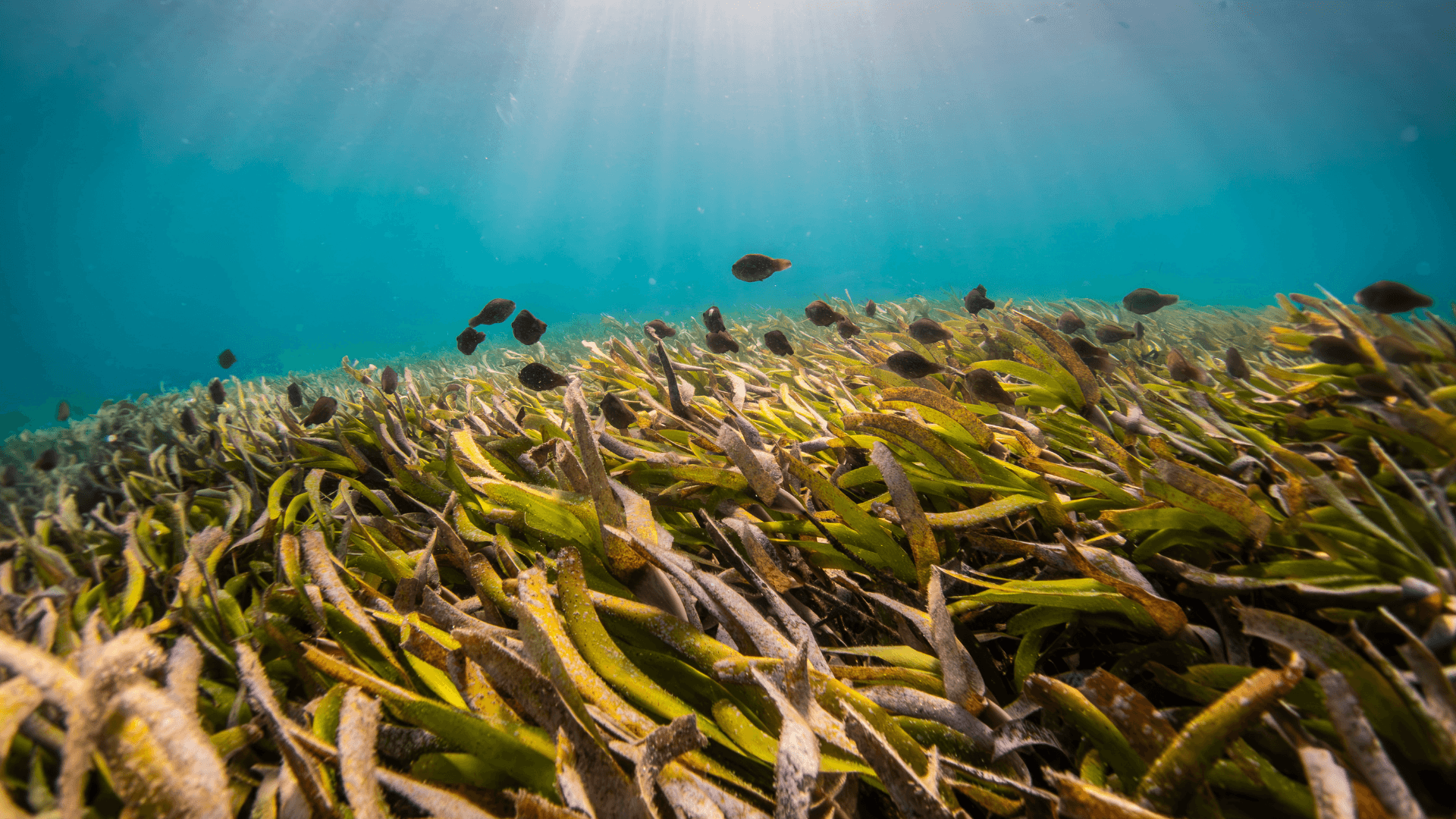
A shoal of parrotfish swim through a seagrass meadow
food security

Seagrass meadows could help nourish millions, new study finds

New research finds that seagrass meadows support fish that can be more valuable for human nutrition than fish found on coral reefs   Seagrass meadows play a majorly overlooked role in providing nutrition for coastal communities, a new study published in Cell Reports Sustainability has uncovered. The study, led by

Read More »