NEWS

NEWS

Keeping you up to date with Project Seagrass news and views with a mixture of field notes and commentary on seagrass and marine conservation topics.

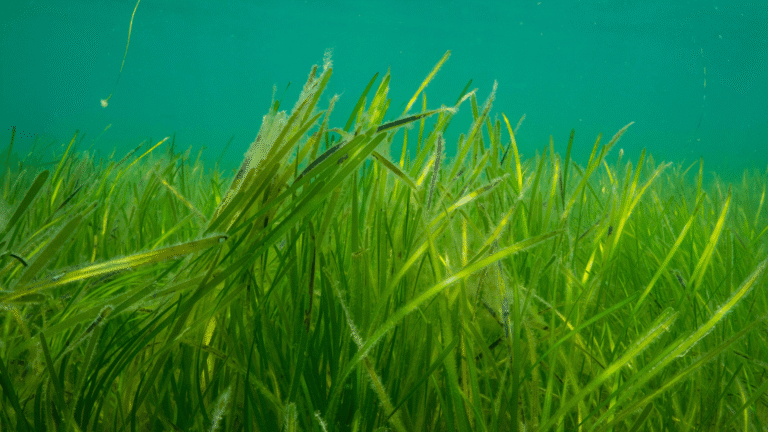
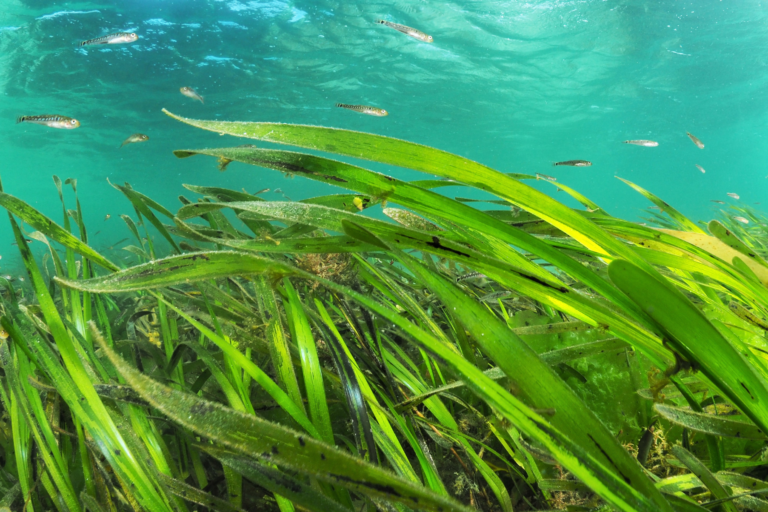
A seagrass meadow in Zanzibar.

Careers in Conservation: Programme Manager

The Careers in Conservation: Below the Surface series takes a deep dive into the variety of job roles available within the conservation sector. In this article, Project Seagrass Programme Manager Mark Hart shares his experiences and the route he took to a career in conservation. Job Description Mark has been

Read More »

Careers in Conservation: Senior Science Officer

The Careers in Conservation: Below the Surface series takes a deep dive into the variety of job roles available within the conservation sector. In this article, Project Seagrass Senior Science Officer Ally Evans shares her experiences and the route she took to a career in conservation. Job Description and Skills

Read More »
A pair of divers are making notes on dive slates as part of research in a seagrass meadow.

Careers in Conservation: Below the Surface

When you think of a career in conservation, what do you see? A lot of people will think a role in conservation is all exciting fieldwork – being out in the field all day every day, monitoring species, and restoring habitats. But this isn’t always the case. Conservation is a

Read More »
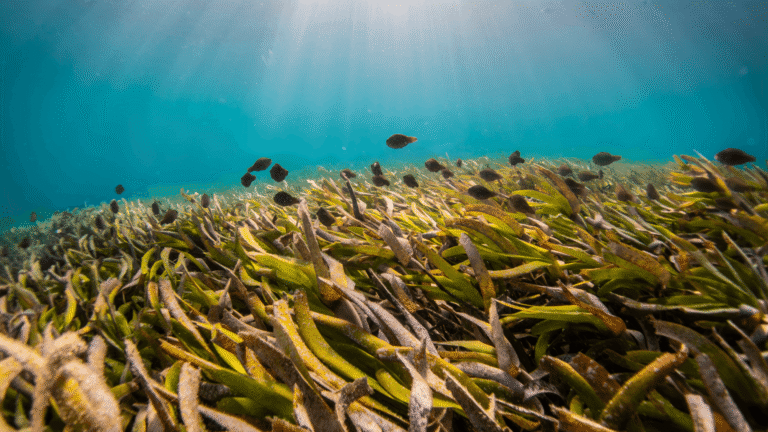
Sunlight hits an underwater seagrass meadow

Careers in Conservation: Finance Manager

The Careers in Conservation: Below the Surface series takes a deep dive into the variety of job roles available within the conservation sector. In this article, Project Seagrass Finance Manager Andrew Lee shares his experiences and the route he took to a career in conservation. Job Description and Skills Andrew

Read More »
A volunteer freediver is planting seagrass using a metal pin.

Exploring the results from restoration trials in South & West Wales

The FANNS programme took place between 2024 and 2026. One of the focuses within the programme was on improving the natural environment through a series of restoration trials across multiple Special Areas of Conservation in South and West Wales. These trials aimed to establish the most effective methods of planting seagrass

Read More »
A group of people are gathered around a pond inside one of the Seagrass Nursery polytunnels

Seagrass Nursery Open Days 2026

On the 7th, 8th, and 9th May, the Project Seagrass team hosted our 2026 Open Days at our Seagrass Nursery in Laugharne. The Seagrass Nursery Open Days are an annual opportunity for funders, partners, and members of the community to meet the team and learn more about the exciting work

Read More »
biodiversity

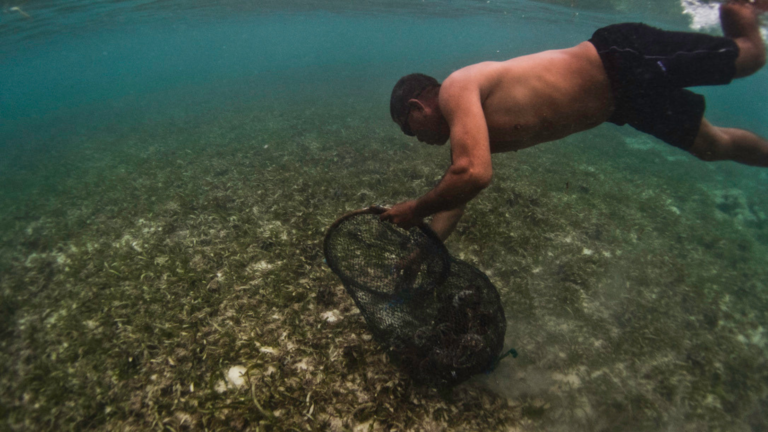
Global fisheries threatened by loss of seagrass

Seafood consumption is both a love and a necessity for hundreds of millions of people all across the world. And the supply of seafood is a key part of maintaining food security for the whole planet. But as demand for seafood is increasing, stocks of wild fish and invertebrates (such

Read More »

2020 Biodiversity agenda: Can we make a difference?

Hello Team Seagrass! My name is Laura and I am an ambassador for Project Seagrass. I completed my professional training year with the conservation charity from 2015-2016. Last week I was privileged to attend the Cambridge Conservation Initiative’s Panel Discussion on Setting a new post-2020 biodiversity agenda. The 2-hour lecture/interactive

Read More »
biodiversity

Waste Not, Want Not. Discards that could feed those in poverty

  At least 7.3m tons of fish (usually dead or dying) are thought to be discarded each year from marine fisheries around the world. But these estimates come mostly from observations of large-scale industrial fisheries. Limited attention has been paid to small-scale fisheries, which are assumed to have low discard rates –

Read More »
Europe

Sewage and livestock waste is killing Britain’s seagrass meadows

Britain’s seagrass is a refuge for numerous species of fish, stabilises sandy beaches, and helps to lock away the carbon which humans produce. The meadows that surround the country’s coast have been called the “canaries of the sea”, due to their sensitivity to a changing environment. And like a canary

Read More »