NEWS

NEWS

Keeping you up to date with Project Seagrass news and views with a mixture of field notes and commentary on seagrass and marine conservation topics.

What causes decline of tropical seagrass meadows?

Seagrass, a group of aquatic angiosperms, grows in shallow waters in the coastal sea and contributes most of the primary production while participating in many important ecological processes. Heat stress threatens the survival of seagrass, but its damage mechanisms are unclear. Recently, a research team led by Prof. Liu Jianguo

Read More »

Fauna return rapidly in planted seagrass meadows, study shows

A study of eelgrass meadows planted by researchers from the University of Gothenburg shows that fauna return rapidly once the eelgrass has started to grow. Already after the second summer, the biodiversity in the planted meadow was almost the same as in old established eelgrass meadows. Eelgrass meadows have declined

Read More »

Seagrass meadows show resilience to ‘bounce back’ after die-offs

In Florida alone, thousands of acres of marine seagrass beds have died. Major seagrass die-offs also are occurring around the world. Stressors such as high temperature, hypersalinity and hypoxia or lack of oxygen affect seagrasses’ ability to resist and recover from these stressor-related mortality events or when disturbances lead to

Read More »

Nursery News Vol. 19

By Emily Yates To donate to our Aviva Community Funds and find out more, click the links below: Making marine conservation more accessible Saving the worlds seagrass Developing the Project Seagrass nursery

Read More »
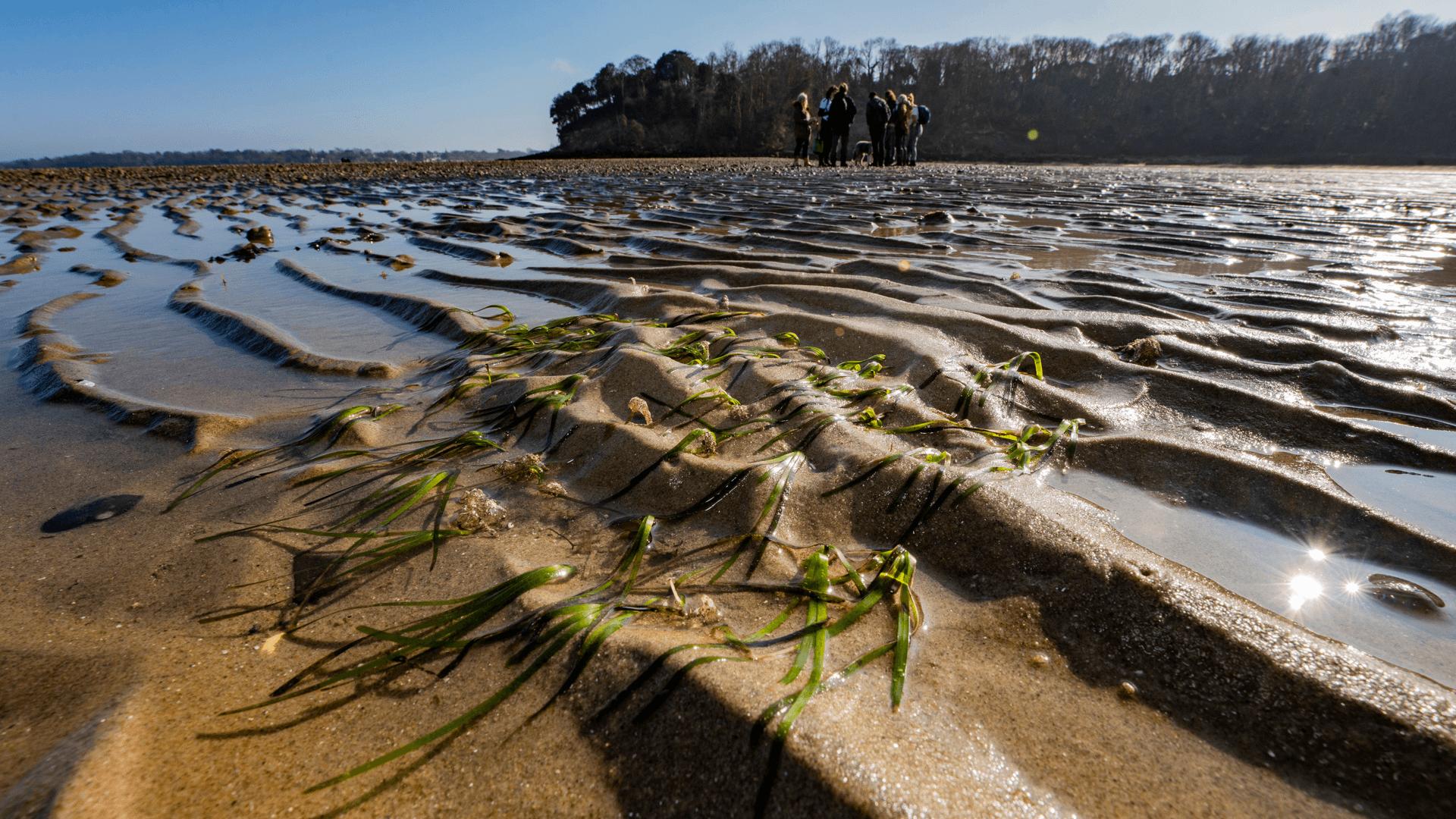
Noltii leaf - Charles Bagshaw
North Atlantic

Accelerate Seagrass: Exploring the process of site selection

Accelerate Seagrass is a collaborative program being delivered by Climate Impact Partners, Deloitte, Project Seagrass, and the National Oceanography Centre which aims to support groundbreaking research into seagrass carbon sequestration and unlock long-term finance to save and reinstate vital seagrass meadows.   Part of this programme of work involves collaborating with community groups across Scotland to develop knowledge

Read More »
Two divers are taking seagrass cores from a seagrass meadow in Orkney as part of research into the biodiversity within these meadows.
Open Letter

Open Letter to Crown Estate Scotland. Scottish Seagrass Collaborative Response to: Approach to Marine Enhancement Proposals (issued November 2025)

The Scottish Seagrass Collaborative, responds to Crown Estate Scotland’s Approach to Marine Enhancement Proposals: We write as marine scientists, restoration practitioners, and organisations working across Scotland’s coasts and seas, in response to Crown Estate Scotland’s Approach to Marine Enhancement Proposals. We welcome Crown Estate Scotland’s commitment to responsible stewardship of

Read More »
REFLECTION ON COASTAL FUTURES 2026
conference

From conversation to commitment: reflections on Coastal Futures

Two weeks ago, I joined colleagues and collaborators at the Coastal Futures Conference at the Royal Geographical Society in London. The theme this year was ‘From Ambition to Action’, a sentiment that seems to be playing on repeat across the conferencing world with, with yet and seemingly as always, not

Read More »
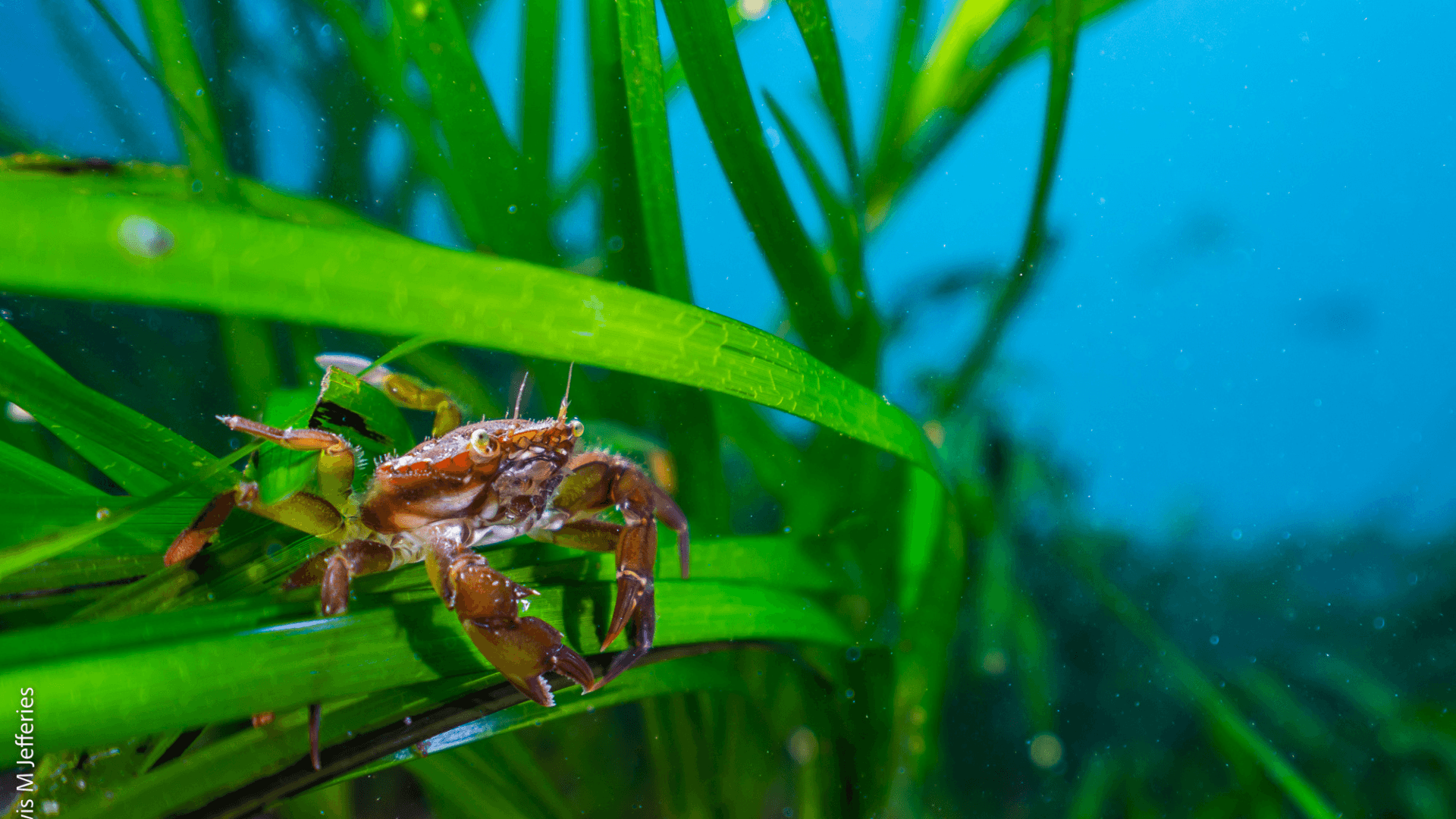
Green shore crab in seagrass
biodiversity

Shore crab – Creatures that call seagrass home

In this blog series, our Conservation Trainee Abi David explores some of the amazing creatures that call seagrass meadows their home. The shore crab, also known as the green crab, are contentious within the seagrass world. They have important ecological roles within their habitats, but their tendency towards destruction and

Read More »