NEWS

NEWS

Keeping you up to date with Project Seagrass news and views with a mixture of field notes and commentary on seagrass and marine conservation topics.

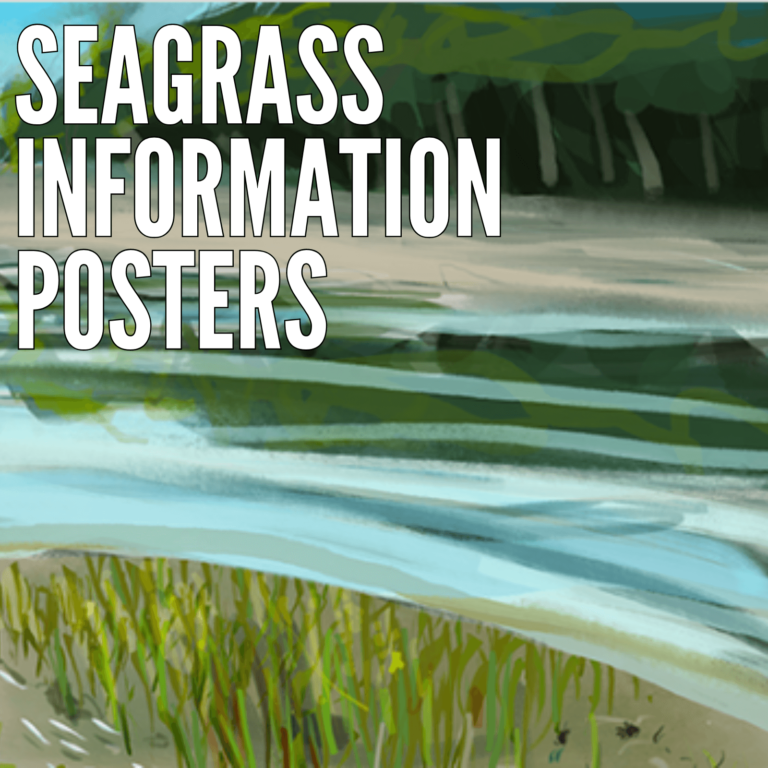
An illustration of seagrass with the text "Seagrass Information Posters" overlayed

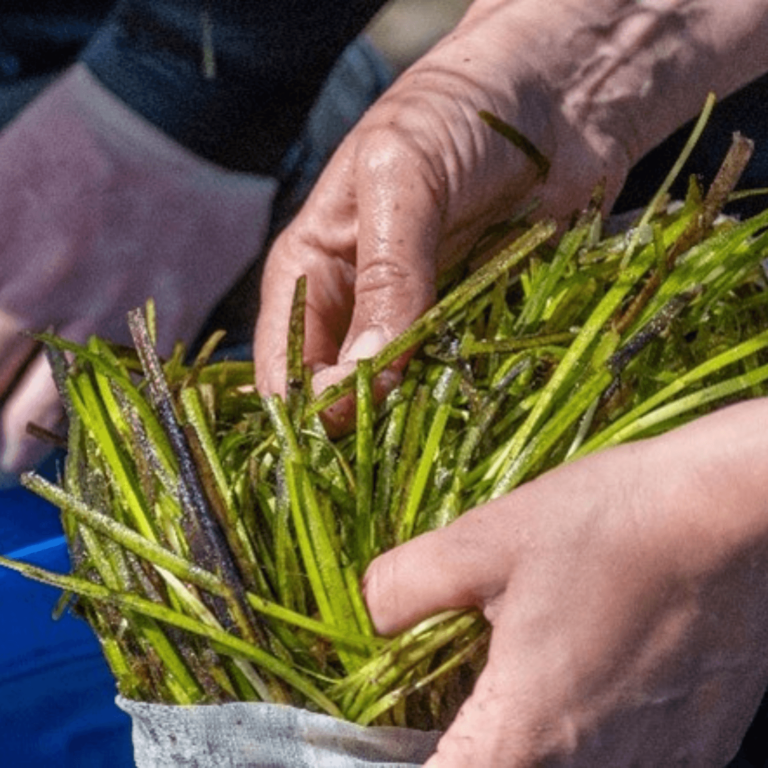
Multi-lingual seagrass information posters launched

Seagrass meadows provide a range of environmental, economic, and social benefits to people and planet. They provide habitat, food, and shelter to thousands of species of fish, invertebrates, mammals, reptiles, and birds. Through their diverse use as fishing grounds, they support the creation of jobs and provide access to food sources
Read More »
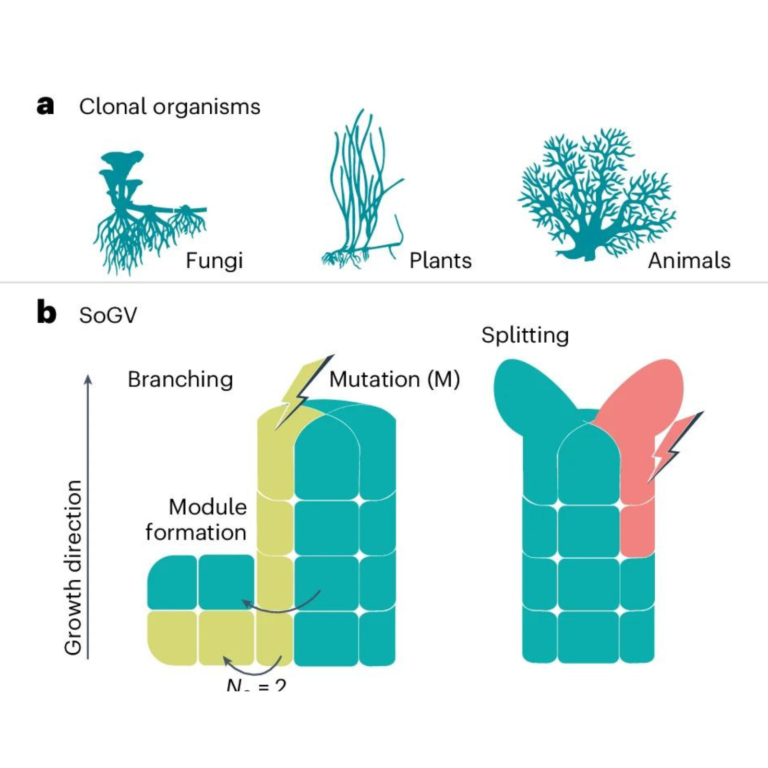
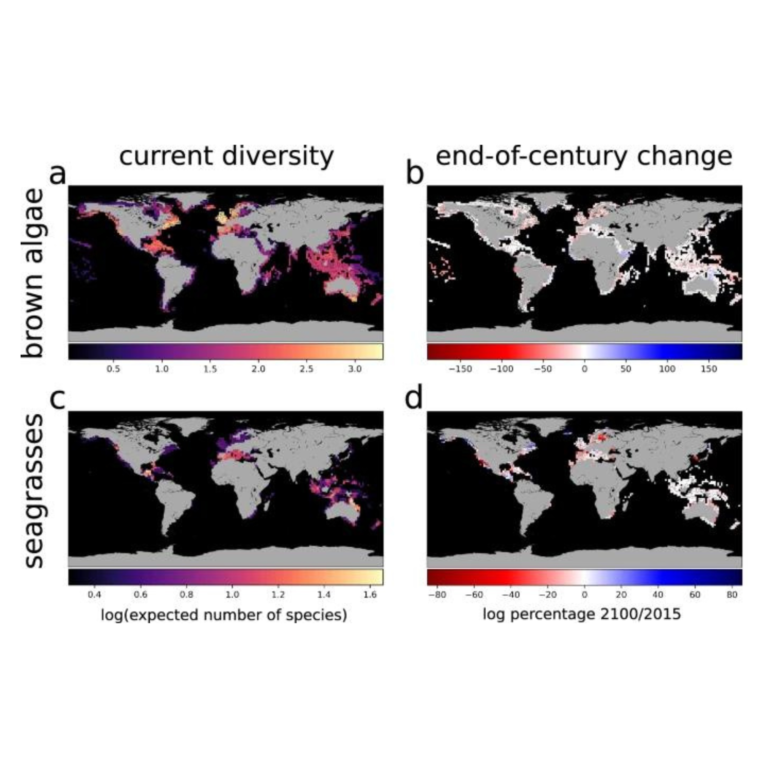
Four graphs outlining the present distribution and projected end-of-century changes in global macrophyte species diversity.

Study projects loss of brown macroalgae and seagrasses

Researchers predict that climate change will drive a substantial redistribution of brown seaweeds and seagrasses at the global scale. The projected changes are alarming due to the fundamental role of seaweeds and seagrasses in coastal ecosystems, and provide evidence of the pervasive impacts of climate change on marine life. In

Read More »

Project Update: Restoration Forth | June 2024

Restoration Forth aims to restore seagrass meadows and native oysters into the Firth of Forth, to create a healthier coastline for people and nature.   Find out more about the project here.  Orkney seagrass trip Next month the seagrass team will be departing for their annual seed collection trip in Orkney. Following

Read More »
Two adults are using DIS guns to insert seagrass seeds into sediment on the beach at Hafan y Mor. The sun is reflecting of the sea in the background.

Catalyst Cymru funding supports Pride Cymru collaboration

This Pride Month we’re celebrating our work with Pride Cymru. Thanks to support from Catalyst Cymru, Pride Cymru volunteers supported fieldwork to plant seagrass seeds as part of our programme of restoration work in North Wales. The planting took place earlier this year in Hafan y Môr, Pwllheli. An introduction

Read More »
ISBW Conference Logo

Project Seagrass head to Naples for ISBW

Between the 17th and 21st June 2024, over 500 scientists, conservation professionals, and managers will converge in Naples, Italy for the 15th International Seagrass Biology Workshop (ISBW15). It will be two years since the last meeting in Annapolis, USA. The theme of ISBW15 is “Seagrasses in the Anthropocene”, centred around

Read More »
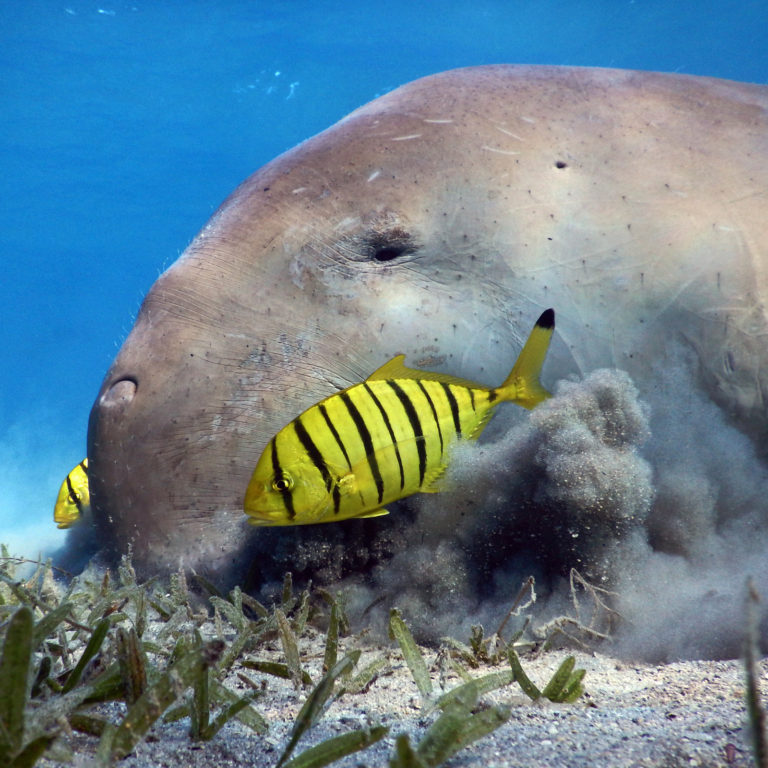
Dugong feeding on seagrass, Great Fringing Reef, Red Sea Credit Anett Szaszi Ocean Image Bank

World Ocean Day 2024 – catalysing action for seagrass

The theme of the 2024 World Ocean Day is catalyzing action for our ocean and climate.   This recognises the fact that the health of the marine environment, including our globally declining seagrass meadows, requires significantly stronger local, national, and international action from both government and corporate leaders.  In this article

Read More »
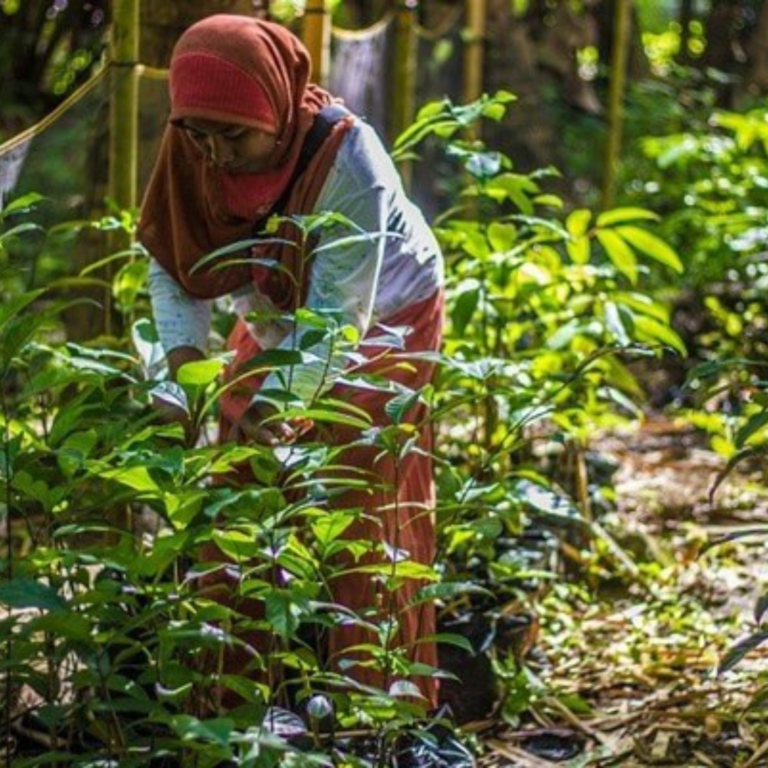
Nusi, a member of FORKANI, tends to trees in a nursery.

Restoring the land to restore the sea

This year’s World Environment Day campaign focuses on land restoration, under the slogan “Our land. Our future. We are #GenerationRestoration.” Loss and degradation of coastal marine ecosystems, compromise the delivery of important ecosystem services to human society. Yet turning the tide on these losses and working towards a net gain

Read More »
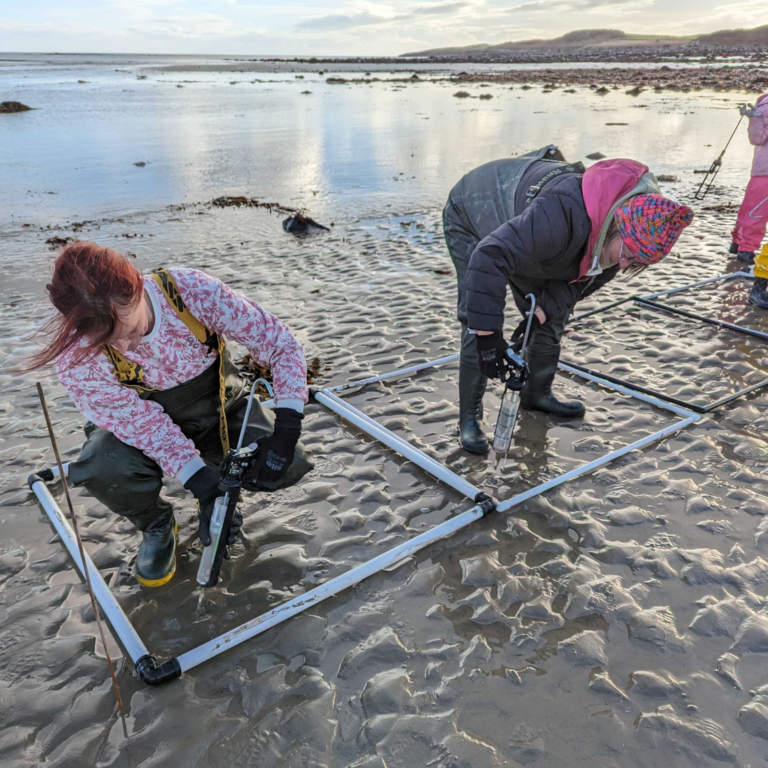
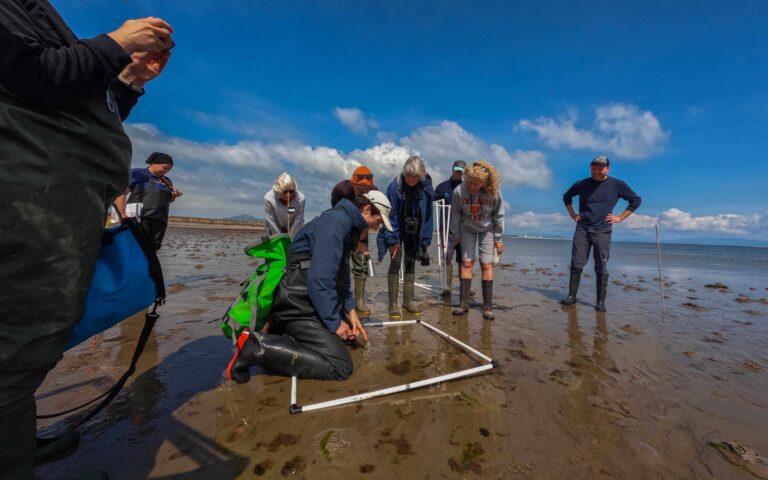
A group of Project Seagrass staff and volunteers are gathered on a beach in North Wales as part of our May fieldwork. Our North Wales project lead is kneeling by a quadrat providing a demonstration of how to monitor seagrass.

Fieldwork Notes from our May fieldwork

Read our Project Leads’ fieldwork notes from May: Solent Fieldwork (Anouska Mendzil, Solent Lead) Solent fieldwork update: Day 1 Myself and Manning arrived to the Isle of Wight around 14:00 and met Becky. We had an afternoon of preparation including labelling pins and mini-buoys, sorting kit, sorting data forms and

Read More »
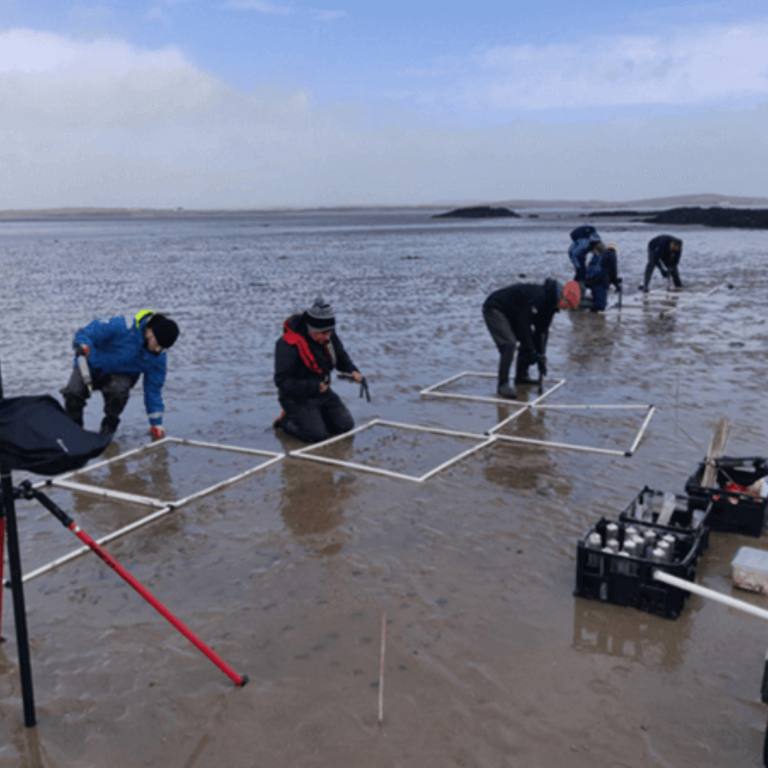
Volunteers supporting seagrass restoration work in Holyhead North Wales. Volunteers are crouching on the ground around quadrats monitoring seagrass.

North Wales seagrass restoration in Holyhead Bay

Thanks to the support of local volunteers and landowners Stena Line, 50,000 seagrass seeds were planted last month at sites near Holyhead, covering an area of 150 m2. The planting followed on from a successful stakeholder engagement session held at Holyhead Sailing Club in March 2024, which was attended by

Read More »
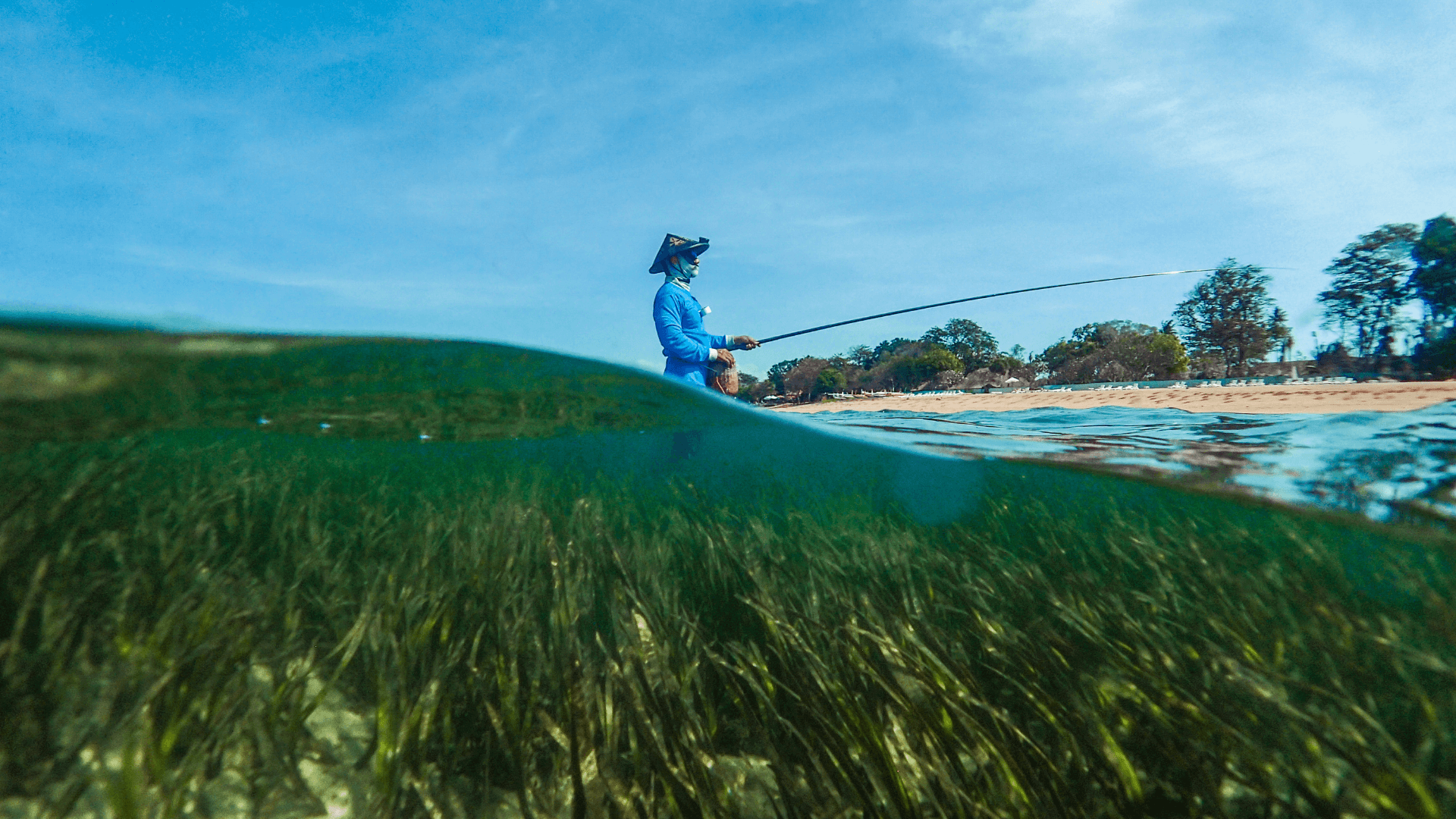
A fisher stands in the sea with a fishing rod.
press release

The underwater meadows sustaining millions in extreme poverty

The first large-scale analysis of its kind estimates that at least 18 million people living in poverty across the Indo-Pacific fish in seagrass meadows. Around 6.5 million may depend entirely on these overlooked habitats for fishing and subsistence.  Researchers warn that seagrass decline could deepen hunger, economic insecurity, and inequality

Read More »
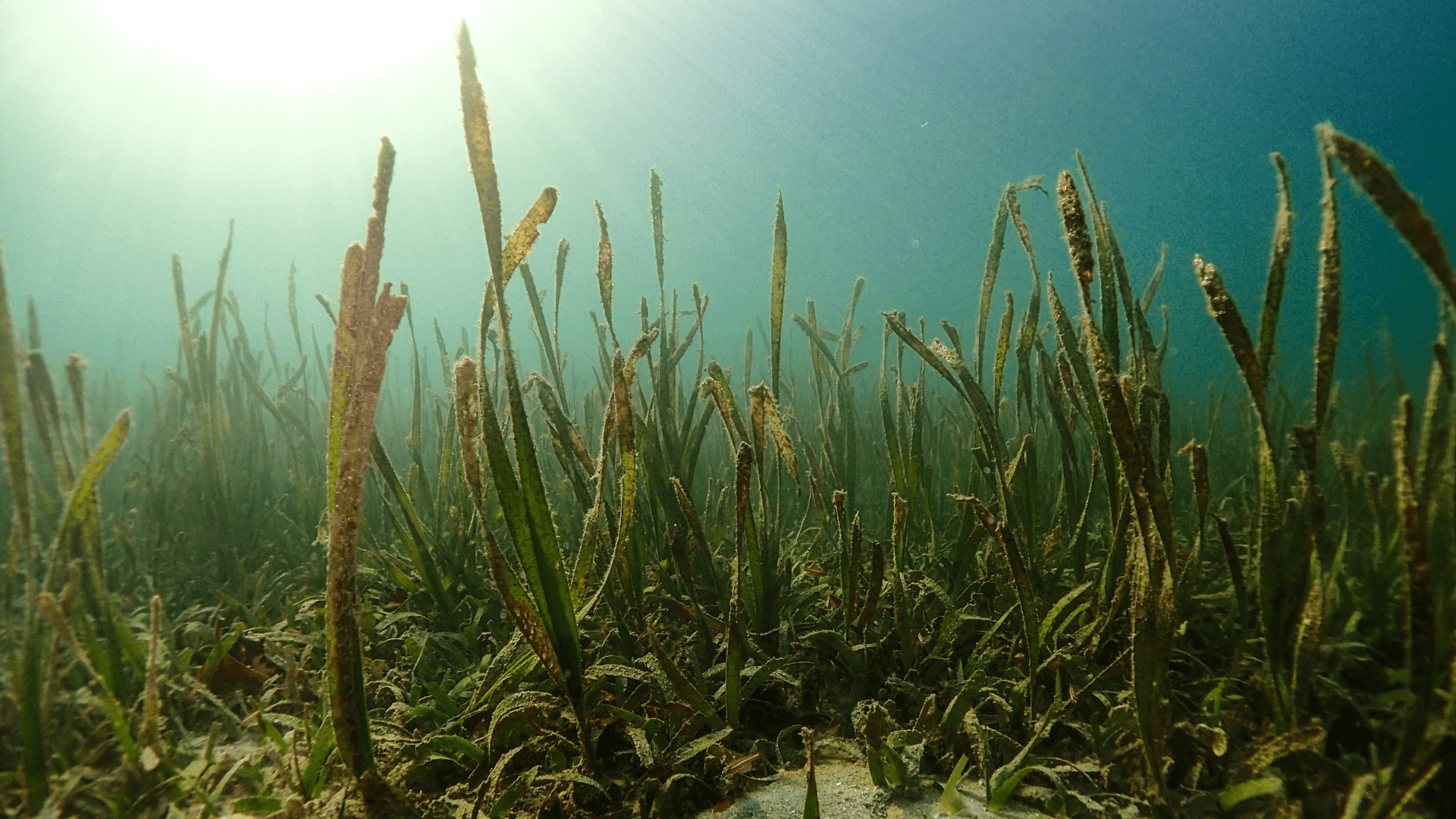
Blades of Enhalus acoroides stand upright in the water.
new science

Mapping Indonesian seagrass quality to target blue carbon conservation

Not all of Indonesia’s seagrass meadows are faring alike. A study has revealed substantial spatial differences in the condition of 21 seagrass meadows across central and eastern Indonesia, providing a clearer picture of where ecosystems are thriving (hotspots), under stress (coldspots) or undergoing ecological change (outliers). But why does this

Read More »
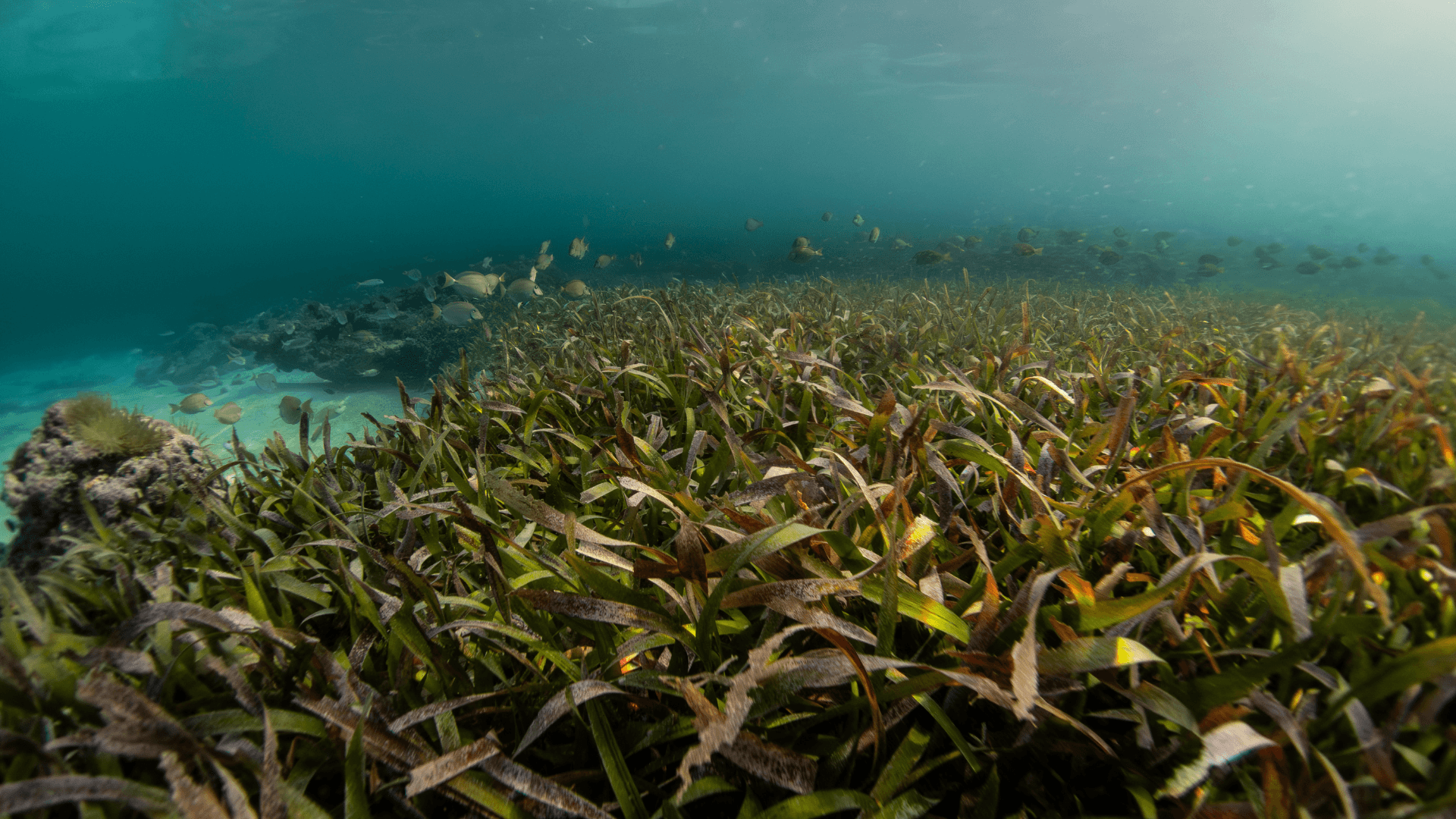
Fish swim through a seagrass meadow.
Project Seagrass updates

Project Seagrass recognised as an Independent Research Organisation

Project Seagrass has been granted Independent Research Organisation status. This is an important milestone for Project Seagrass, but more importantly, it is a milestone for seagrass science. Since 2013, Project Seagrass has worked tirelessly to build a different kind of conservation organisation. One that is rooted in science, grounded in

Read More »
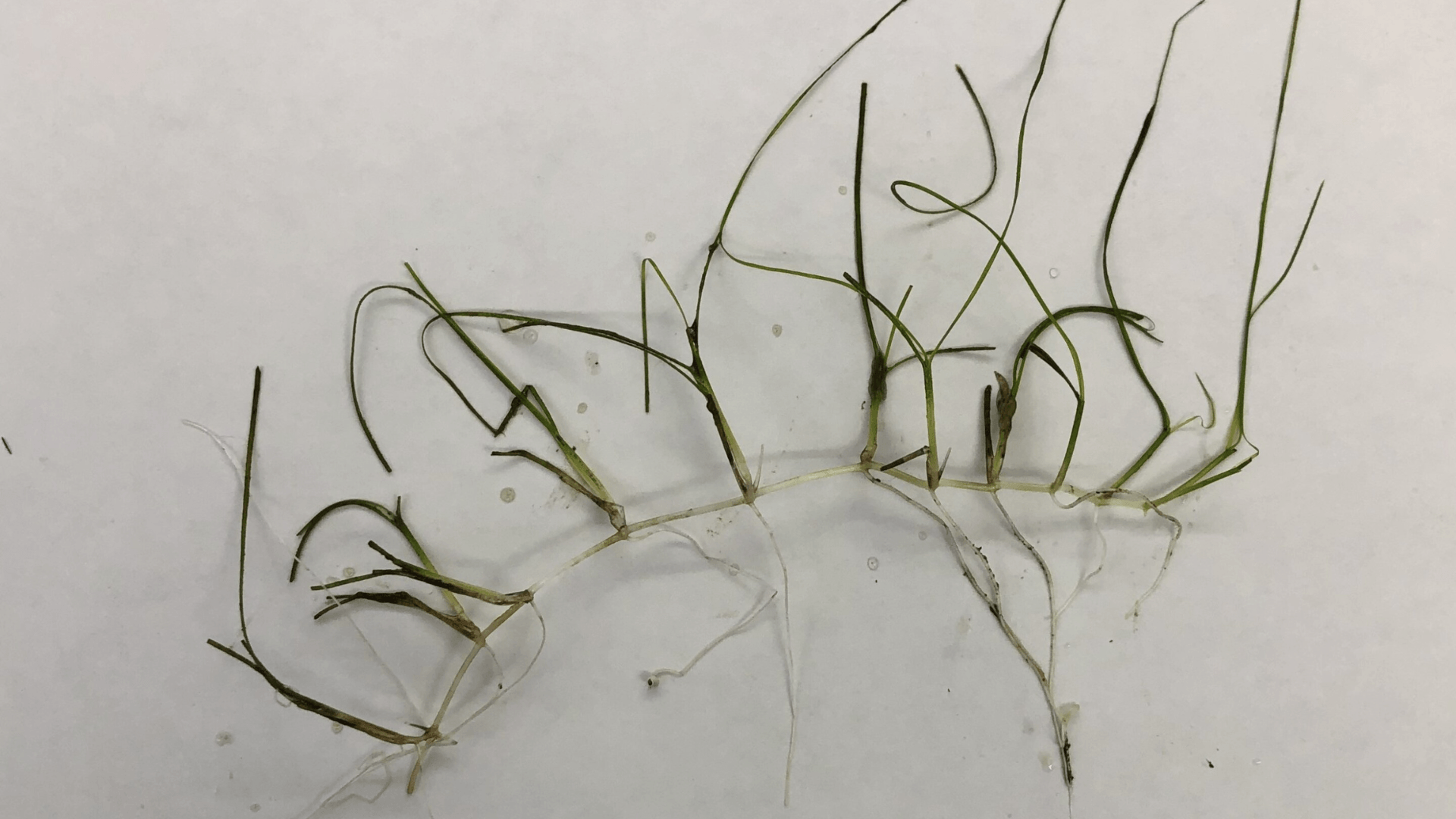
Ruppia maritima
new science

A resilient native seagrass species could help reshape coastal restoration

Seagrasses are among the most important foundation species in coastal ecosystems, providing habitat for marine life, stabilising sediments, and helping improve water quality. Yet nearly 20% of the world’s historic seagrass cover has been lost, and efforts to restore these vital underwater meadows often face significant challenges. In Florida’s Indian

Read More »