Keeping you up to date with Project Seagrass news and views with a mixture of field notes and commentary on seagrass and marine conservation topics.


Dr Richard Unsworth, Project Seagrass and Swansea University The seas around Wales have so much potential. They offer rich biodiversity hidden within productive lush habitats such as kelp forests, salt marshes and seagrass meadows. Life in these waters can be so ingenious that it bioengineers its own environment. Out of

This Thursday 6th October, Project Seagrass will be taking part in the Running Out of Time climate relay. The relay runs from COP26 to COP27 – from Glasgow, Scotland all the way to Sharm el-Sheikh, Egypt. It takes place over 38 days across 18 countries to carry a relay baton

The Seagrass Ecosystem Services Project is funded by the International Climate Initiative (IKI) and runs in partnership with the climate action Paris agreement 2015. The project aims to conserve biodiversity, seagrass ecosystems and their services across 5 Indo-Pacific countries (Malaysia, Philippines, Indonesia, Timor-Leste and Thailand). National partners (often NGOs) work


An outreach initiative to entice local ownership of the protection of seagrass meadows Seychelles is not the only country or territory where seagrass has had to play catch up with other types of coastal wetlands and other marine ecosystems. To most Seychellois, up until recently, anything plant-like which is green


“The downward trajectory of the world’s seagrass meadows must be reversed if we are to fight the planetary crisis” say leading seagrass scientists. The United Nations Sustainable Development Goals have recently been described as “the most important to-do list in the history of humankind”. Scientists from Project Seagrass and Swansea

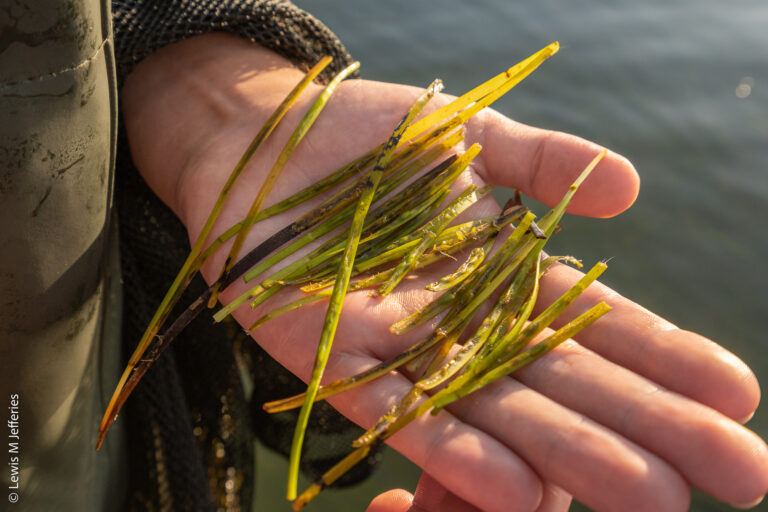
Deep evolution casts a longer shadow than previously thought, scientists report in a new paper published the week of Aug. 1 in the Proceedings of the National Academy of Sciences. Smithsonian scientists and colleagues looked at eelgrass communities—the foundation of many coastal marine food webs along the north Atlantic and


In 2024, Project Seagrass launched a new Fragment Walk initiative on the Isle of Wight to support community-based seagrass restoration as part of our work in the Solent. Seagrass Fragments Seagrass meadows are sensitive habitats which can be easily uprooted. As a result of storms or other disturbances, fragments of

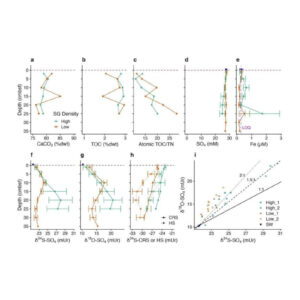
Two new studies call for clear framework conditions for CO2 sequestration in coastal areas, including a digital twin for projections and an independent body for certification and new legal structures for monitoring. The two papers led by researchers from Helmholtz-Zentrum Hereon were recently published in Environmental Research Letters and Elementa. So-called “blue carbon ecosystems”

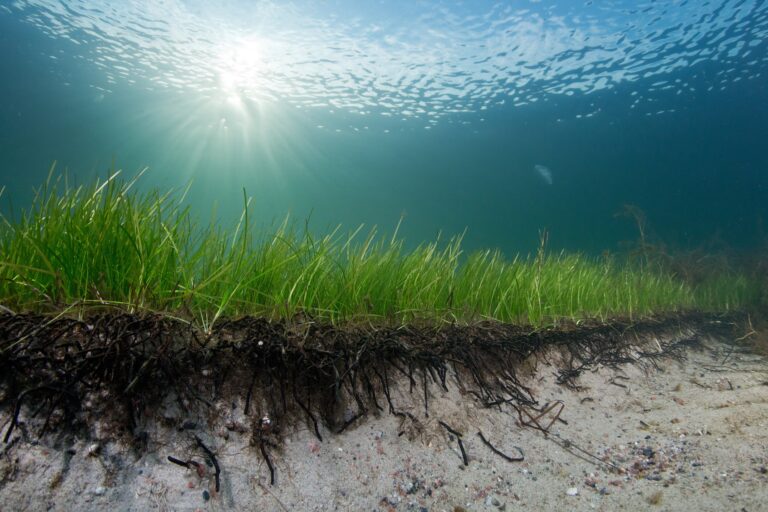
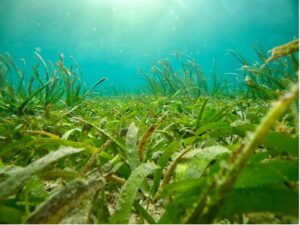
Seagrasses are special: they are the only flowering plants that have returned to sea from land. They are also known as the “lungs of the oceans” because of their ability to photosynthesize. And with the exception of Antarctica, they can be found on all continents, where they form extensive underwater

We spoke to Moray Ocean Community about their volunteering in the Moray Firth area and how they integrate the SeagrassSpotter app into their activities. Read the full interview below: Can you tell us about Moray Ocean Community and how it started? Moray Ocean Community started to come together over two

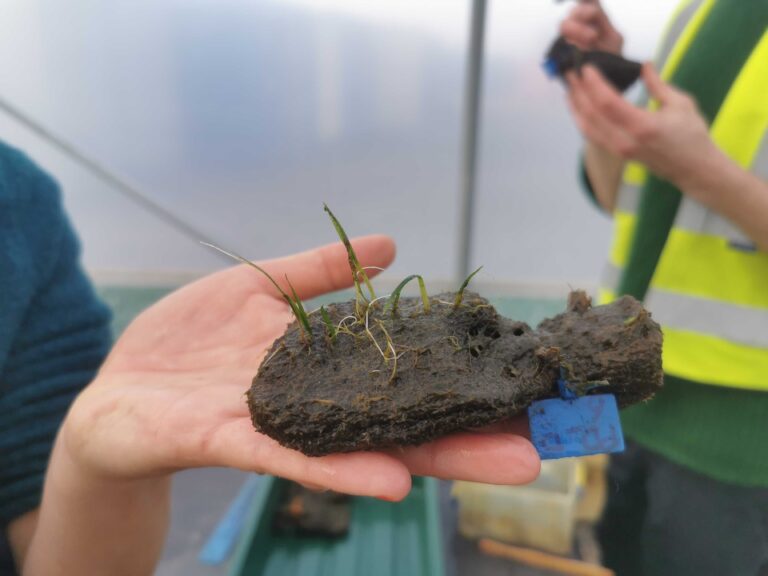
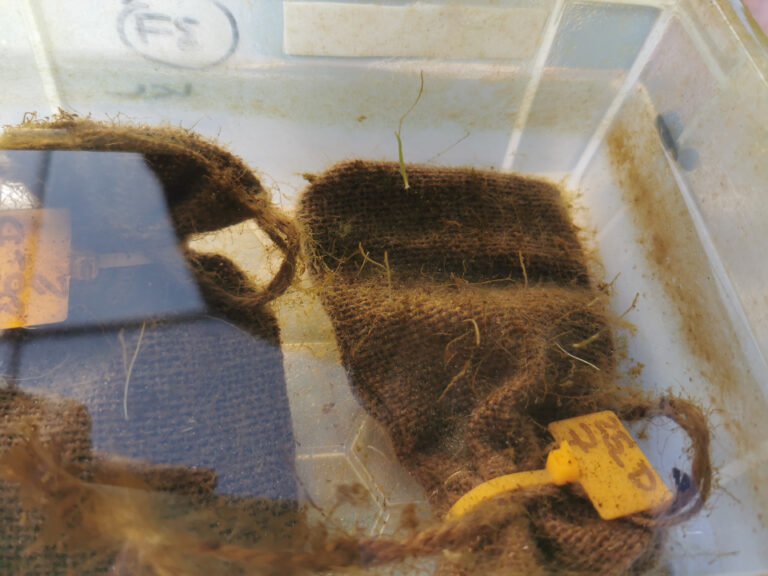
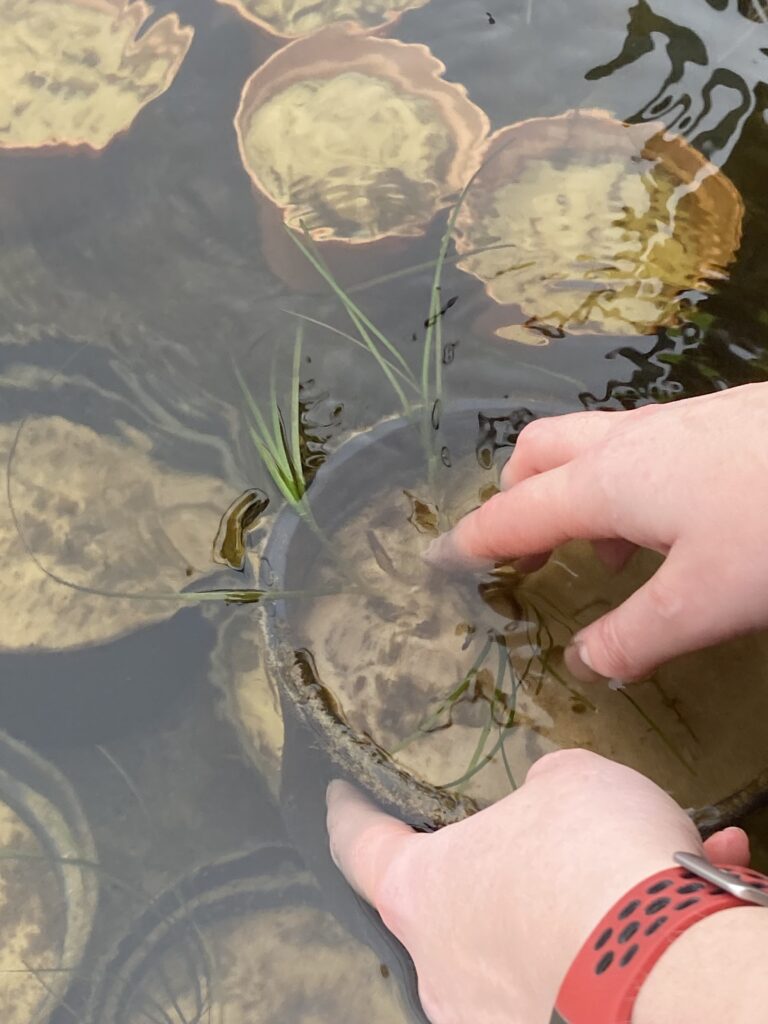
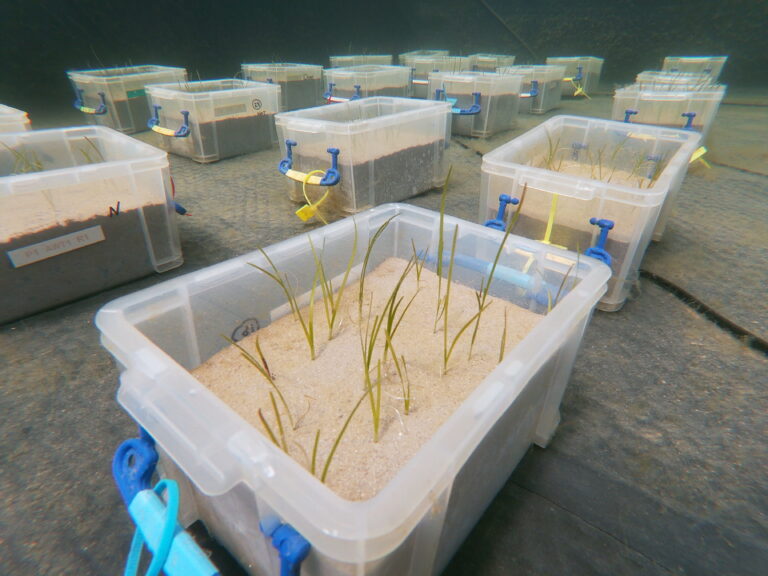
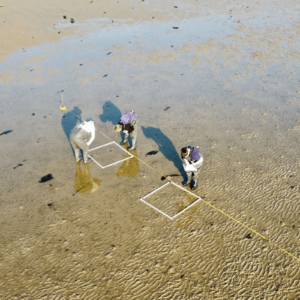
Scientists from the marine conservation charity Project Seagrass are undertaking seagrass planting experiments along the South & West Wales coastline, including a new planting site in Butetown along Cardiff’s Foreshore. Cardiff’s Foreshore is a popular place for sea-angling for species such as cod, which uses seagrass meadows as a nursery

We have just launched a journal club for the Project Seagrass team. These monthly meetups work much like a book club, members of the team each suggest a relevant scientific paper, vote on their favourite, then read the winning paper prior to meeting. During the journal club we critically discuss