Nursery News Vol. 19
By Emily Yates To donate to our Aviva Community Funds and find out more, click the links below: Making marine conservation more accessible Saving the worlds seagrass Developing the Project Seagrass nursery
Keeping you up to date with Project Seagrass news and views with a mixture of field notes and commentary on seagrass and marine conservation topics.

By Emily Yates To donate to our Aviva Community Funds and find out more, click the links below: Making marine conservation more accessible Saving the worlds seagrass Developing the Project Seagrass nursery

Storm Garry March 1st marked an important date in seagrass history as globally we celebrated the very first World Seagrass Day, formally recognised by the United Nations! This day will continue to annually raise awareness of the importance of healthy seagrass meadows. Seagrass is the only marine flowering plant in

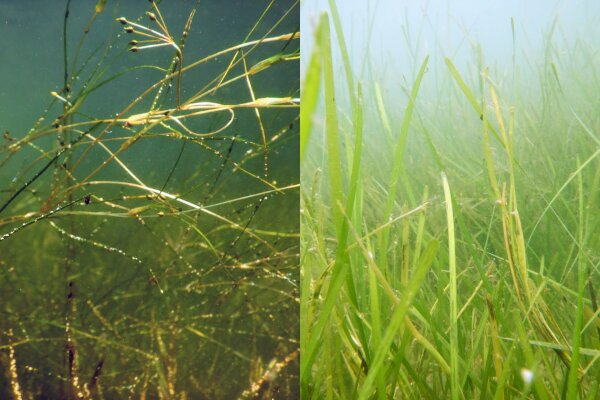
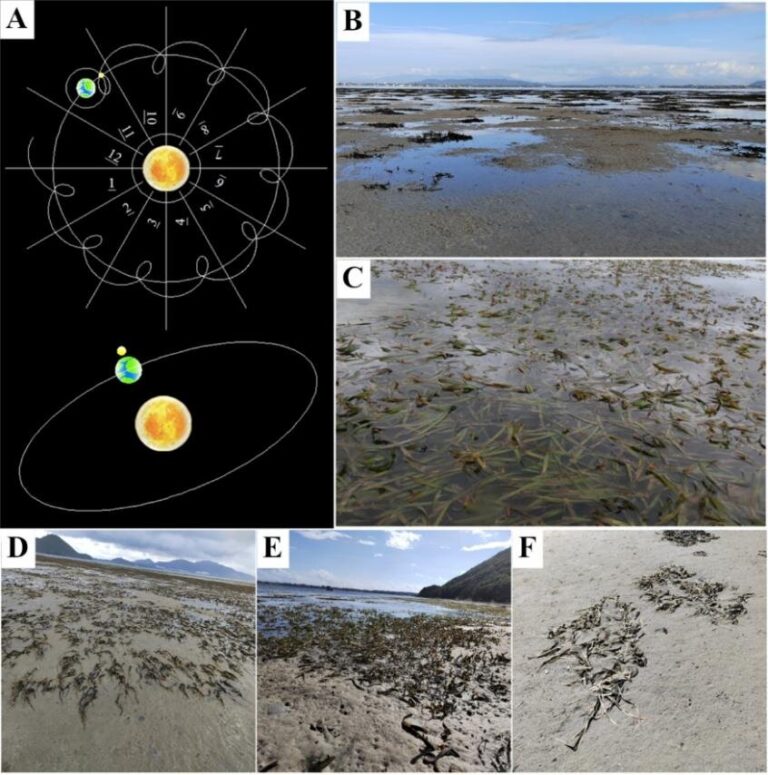
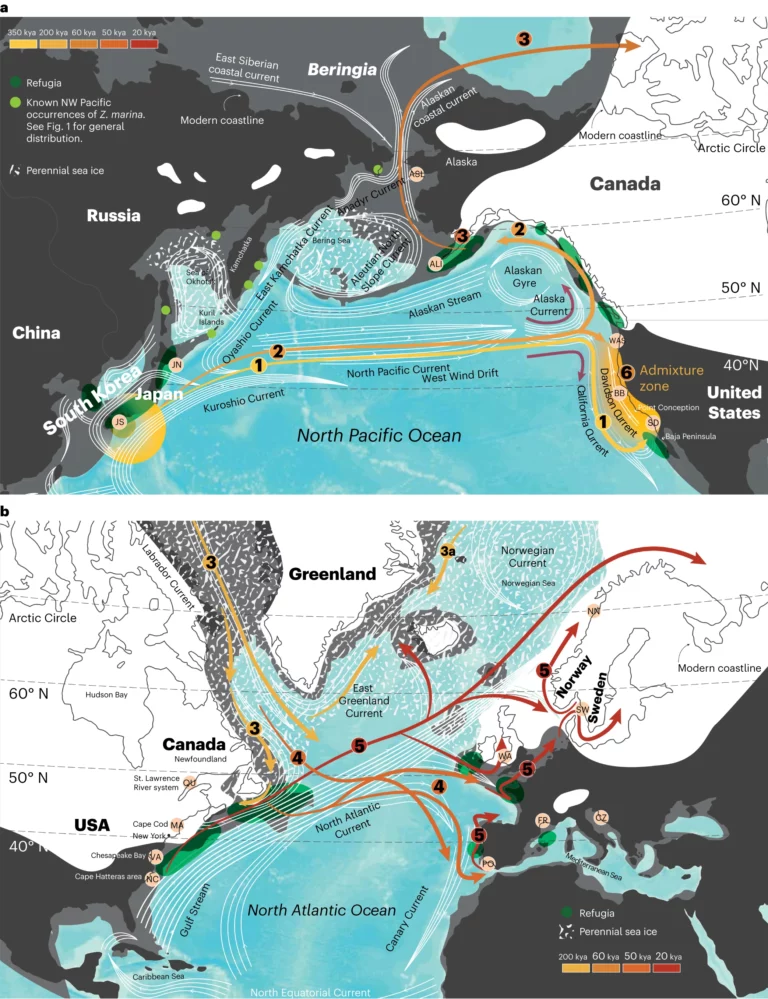
Eva Rothausler On a narrow stretch along the northern-central coast of Chile, the seagrass Heterozostera nigricaulis (syn. Zostera nigricaulis, Heterozostera tasmanica) occurs in three isolated patches no more than 300 km apart. It is a common intertidal to subtidal seagrass in the Zosteracea family and is found growing in protected


Dr Benjamin Jones, Chief Conservation Officer at Project Seagrass has started his two-year term as President of the World Seagrass Association (WSA). He steps up to the role having been elected at the WSA Annual General Meeting (AGM) in December 2022. Prior to this he’s served on the WSA Steering


The sea devours large tracts of land when storms wash sand out to sea from the coast. A new study involving a researcher from the University of Gothenburg has shown that seagrass can reduce cliff erosion by up to 70% thanks to its root mats binding the sand. Coastal erosion

The tropical coastlines of Southeast Asia are home to some of the most important and biodiverse marine ecosystems on the planet. However, they are also among its most vulnerable, with areas of coral reefs, mangrove forests, and seagrass beds under increasing threat from a wide range of human activities. To

In autumn 2024, Teigan joined the teams at Project Seagrass and Swansea University to undertake a PhD exploring the influence of water quality on greenhouse gas emissions from seagrass. Teigan’s PhD forms part of Accelerate Seagrass, a collaborative program with Climate Impact Partners, Deloitte, and the National Oceanography Centre to

Seagrass Restoration Efforts to restore seagrass marine habitat at our two restoration sites on the Isle of Wight began in March and April this year under the Solent Seascape Project. A total of 132,000 seeds and 2,160 transplants have been planted across the two sites. There are plans to continue this

Following scientific trials in 2019, in 2020 many seagrass seeds were planted in Dale, supported by the community, school children and local organisations. Since planting, the seagrass area has been reseeded several times to infill gaps and support it as it develops. Despite some setbacks, the restoration area is now

Restoration Forth aims to restore seagrass meadows and native oysters into the Firth of Forth, to create a healthier coastline for people and nature. Find out more about the project here. We’ve reached 30,000 oysters! October was a busy month for the Restoration Forth oyster team. We had an absolutely

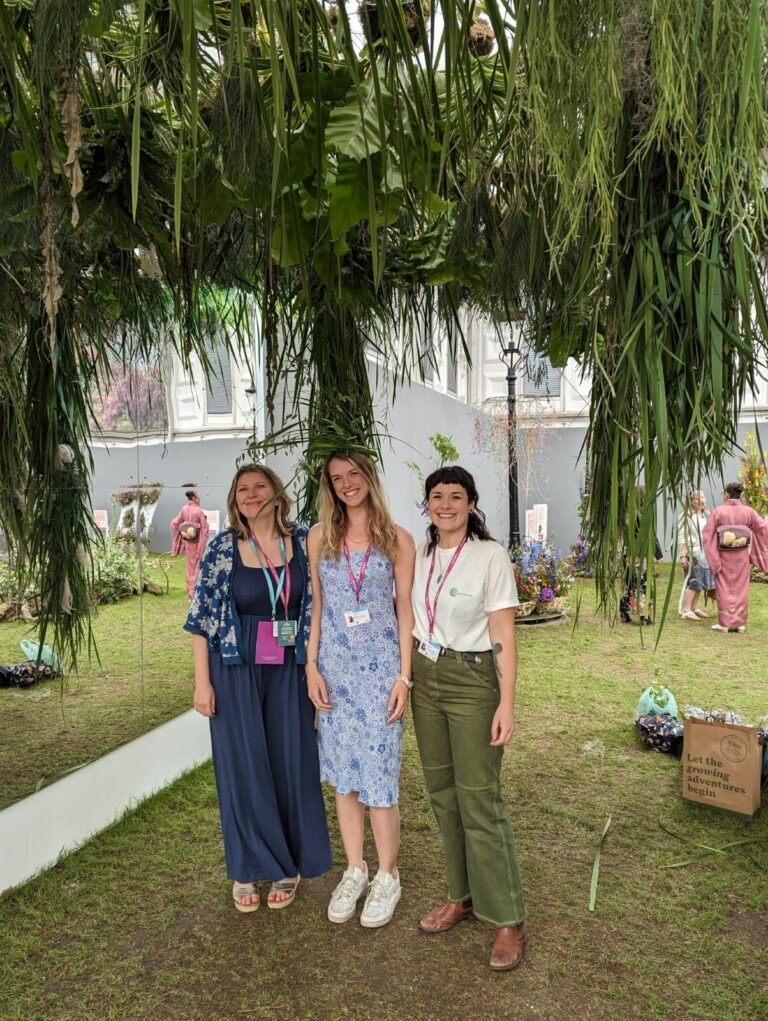
In September 2024, Project Segrass welcomed Finn, Grace, and Heather as our interns for the 2024-25 academic year. Finn and Heather have joined us as interns from the University of St Andrew’s and Grace has joined us from Swansea University. In this interview Finn, Grace, and Heather share their experiences