NEWS

NEWS

Keeping you up to date with Project Seagrass news and views with a mixture of field notes and commentary on seagrass and marine conservation topics.

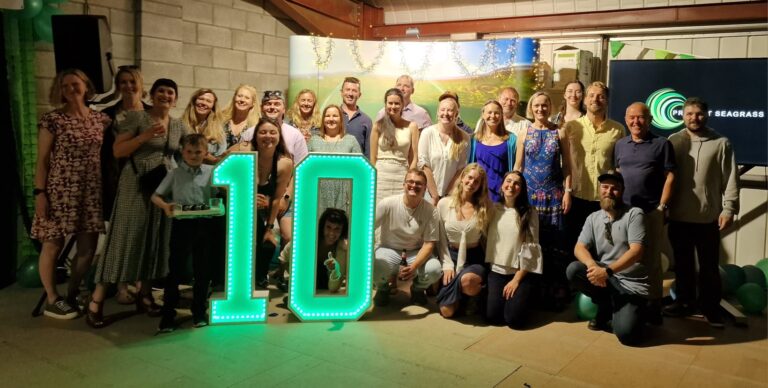
Project Seagrass celebrates its 10th birthday 🎉

Reflecting on 10 years of Project Seagrass   Project Seagrass was created on the 29th July 2013 with the vision of saving the worlds seagrass. As we approach our 10th birthday, we’re looking back on the last 10 years with our founder Ben Jones and CEO Leanne Cullen-Unsworth.   Where

Read More »

How eelgrass spread around the world

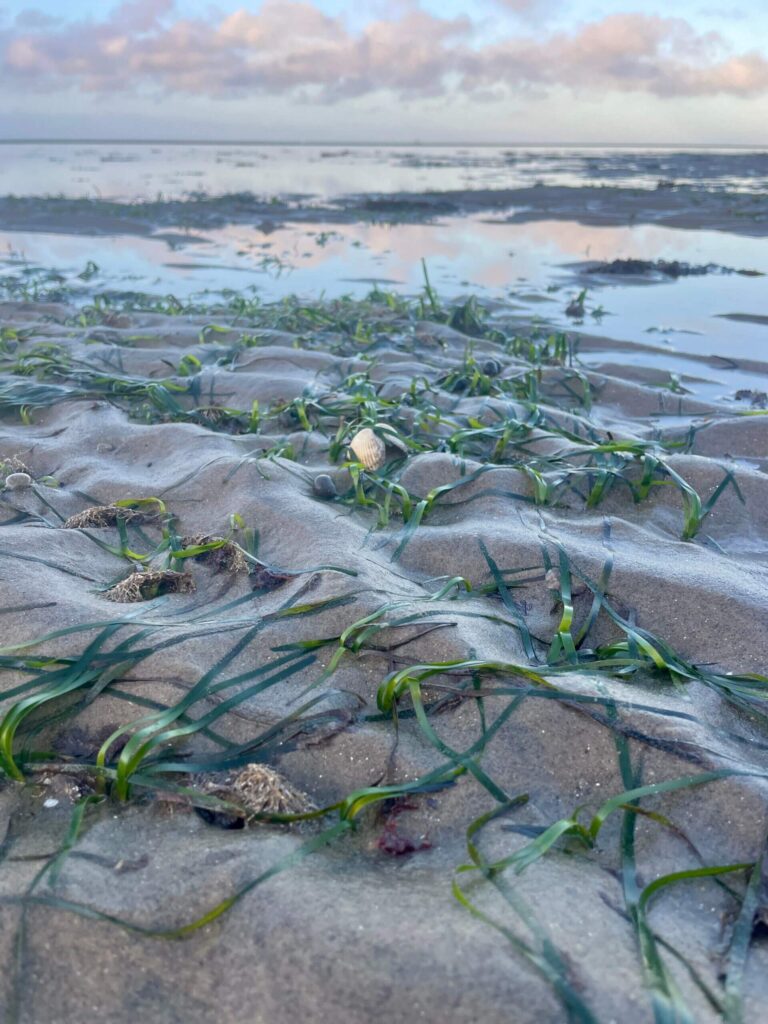
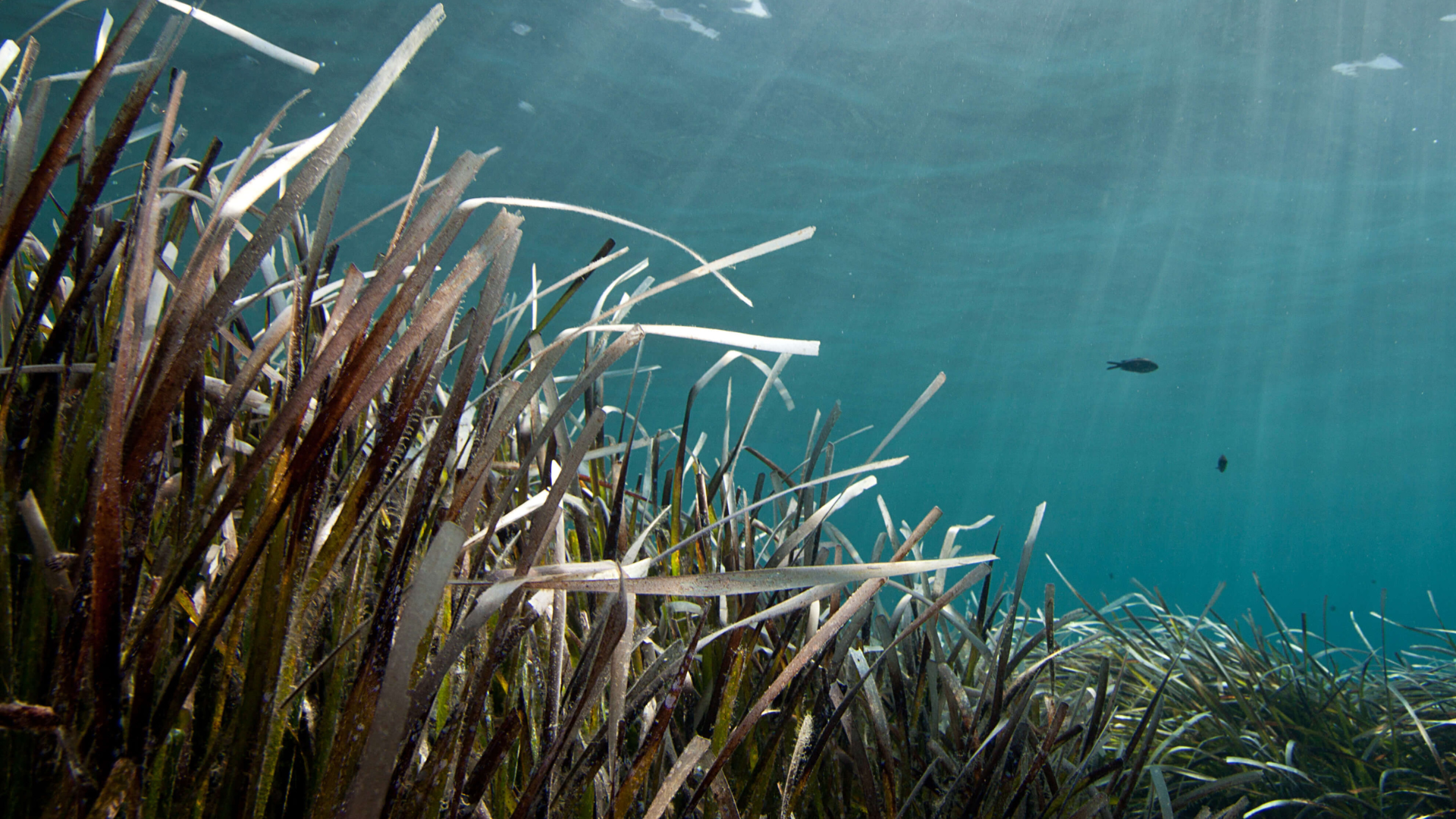
Seagrasses evolved from freshwater plants and use sunlight and carbon dioxide (CO2) for photosynthesis and are able to thrive in depths down to 50 meters. In contrast to algae, they possess roots and rhizomes that grow in sandy to muddy sediments. The grass-like, leaf-shoots produce flowers and complete their life

Read More »

What causes decline of tropical seagrass meadows?

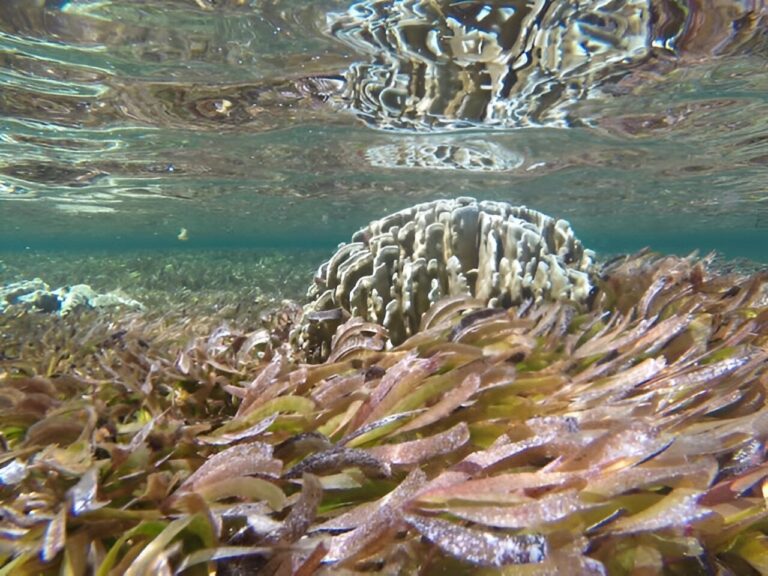
Seagrass, a group of aquatic angiosperms, grows in shallow waters in the coastal sea and contributes most of the primary production while participating in many important ecological processes. Heat stress threatens the survival of seagrass, but its damage mechanisms are unclear. Recently, a research team led by Prof. Liu Jianguo

Read More »

Fauna return rapidly in planted seagrass meadows, study shows

A study of eelgrass meadows planted by researchers from the University of Gothenburg shows that fauna return rapidly once the eelgrass has started to grow. Already after the second summer, the biodiversity in the planted meadow was almost the same as in old established eelgrass meadows. Eelgrass meadows have declined

Read More »

Seagrass meadows show resilience to ‘bounce back’ after die-offs

In Florida alone, thousands of acres of marine seagrass beds have died. Major seagrass die-offs also are occurring around the world. Stressors such as high temperature, hypersalinity and hypoxia or lack of oxygen affect seagrasses’ ability to resist and recover from these stressor-related mortality events or when disturbances lead to

Read More »
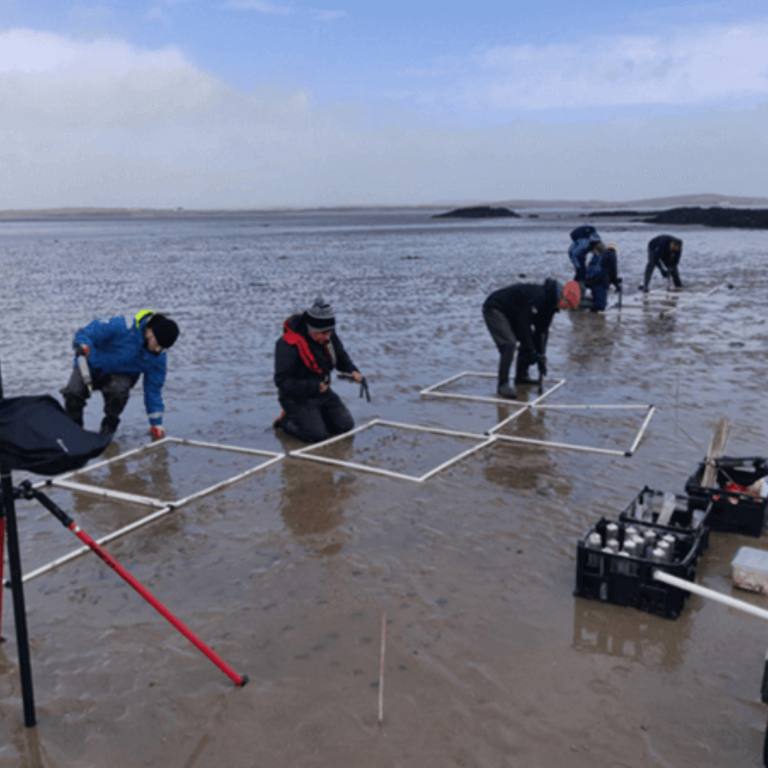
Three members of the Harvell Lab are crouched and kneeling in a seagrass meadow at low tide. They are examine the health of eelgrass along a transect line.
eelgrass wasting disease

AI-powered analysis uncovers marine herbivores’ impact on eelgrass disease spread

Eelgrass, a type of flowering seagrass found in temperate zones around the world, provides habitat for many species, protects coastlines, improves water quality, sequesters carbon and supports fishing economies. The foundation of a highly productive marine food web, eelgrass’s health is paramount but mysterious. Scientists have long studied how terrestrial

Read More »
Gathaagudu is an area of natural beauty. Credit: Cat Williams
local knowledge

Partnership is key to restoring shark bay seagrass

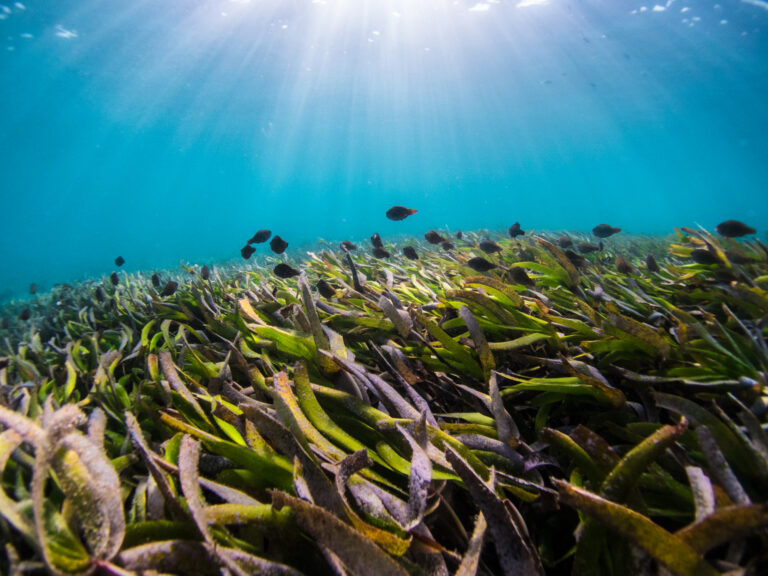
Gathaagudu/Shark Bay is located on Malgana (pronounced Mal-guh-nuh) Country. It’s a place of great natural beauty and a UNESCO World Heritage Site. The landscape is a stunning array of colors as the desert meets the ocean. Below the sea’s surface, 4,000 square kilometers of seagrass meadows sway. That’s equivalent to

Read More »