Category: Blogs

Spotlight on Scotland: The Sound of Jura

The weather in Scotland has been beautiful recently making the start of my Spring fieldwork very enjoyable – although surface water temperatures of 7 or 8℃ was a swift reminder that winter has only just left us! Last week I was very lucky to be shown around the Taynish peninsula

Read More »

Dear Santa

Dear Santa, We have tried to be responsible people all year. We are really hoping that this year we get the thing we have always wanted – healthy and productive oceans. We know that people haven’t looked after the oceans from the first time they were given to us, and

Read More »

Isadora Sinha on her Project Seagrass Experience

To give you a bit of an introduction, I am a Cardiff University Genetics (BSc) student going into my final year of my degree and have joined Project Seagrass for a Cardiff University Research Opportunities Programme (CUROP) summer research placement, at their offices in the Sustainable Places Research Institute. I

Read More »

Global fisheries threatened by loss of seagrass

Seafood consumption is both a love and a necessity for hundreds of millions of people all across the world. And the supply of seafood is a key part of maintaining food security for the whole planet. But as demand for seafood is increasing, stocks of wild fish and invertebrates (such

Read More »

2020 Biodiversity agenda: Can we make a difference?

Hello Team Seagrass! My name is Laura and I am an ambassador for Project Seagrass. I completed my professional training year with the conservation charity from 2015-2016. Last week I was privileged to attend the Cambridge Conservation Initiative’s Panel Discussion on Setting a new post-2020 biodiversity agenda. The 2-hour lecture/interactive

Read More »

Waste Not, Want Not. Discards that could feed those in poverty

  At least 7.3m tons of fish (usually dead or dying) are thought to be discarded each year from marine fisheries around the world. But these estimates come mostly from observations of large-scale industrial fisheries. Limited attention has been paid to small-scale fisheries, which are assumed to have low discard rates –

Read More »

A Symphony For Scottish Seagrass

Hello Team Seagrass! I am Rufus, a volunteer with Project Seagrass and a marine biology graduate from the University of St Andrews. Since graduating in June 2017, I have begun working for the Scottish Chamber Orchestra’s Connect team and the University of St Andrews’ Music Centre. In this split position, I get to enjoy

Read More »

Spotlight on Scotland: The Sound of Jura

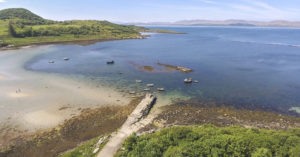
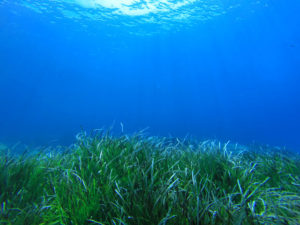
The weather in Scotland has been beautiful recently making the start of my Spring fieldwork very enjoyable – although surface water temperatures of 7 or 8℃ was a swift reminder that winter has only just left us! Last week I was very lucky to be shown around the Taynish peninsula (Loch Sween, Linne Mhuirich and the Sound of Jura) by members of the community group ‘Friends of the Sound of Jura.’ The Sound of Jura is home to some of the most fascinating and diverse marine life in Scotland and this community group seeks to protect the Sound from threats to the area’s wildlife, whilst championing the development of a local sustainable economy. The Friends of the Sound of Jura are an active member of the Coastal Communities Network, Scotland of which Project Seagrass is an Associated Organisation, and so this is not the first time I have had the pleasure of their company. The Sound of Jura and Loch Sween contain some of the most fascinating and diverse marine life in Scotland. The Loch Sunart to the Sound of Jura Marine Protected Area was established to protect the extraordinary flapper skate (Dipturus intermedia) that lives there. The Friends of the Sound of Jura are keen to point out that: “The International Union for the Conservation of Nature designates flapper skate as ‘critically endangered’, an unenviable category they share with the Sumatran rhino and mountain gorilla, meaning that the skate are among the rarest animals in the world, threatened with a high risk of extinction because of their rate of decline.” The first seagrass site we visited was Carsaig Bay (main blog photo) where there are two meadows of eelgrass (Zostera marina). The first in relatively continuous and extends broadly the width of the buoys within the bay. The second is a smaller patch which can be found towards the north of the bay. In the summer months these meadows are reportedly full of life, and I would suggest definitely worth a snorkel if it’s safe to do so – the beach is very accessible. Sandeels in Carsaig Bay seagrass meadow July 2017. Photo taken by Sound of Jura Seaweeds. The second site we visited was Linne Mhuirich. Here there are meadows of both Eelgrass (Zostera marina), and Dwarf eelgrass (Zostera noltii). The Dwarf eelgrass is especially prevalent in the small basin at the south of Linne Mhuirich and is known to play an important part in the winter diet of the whooper swan (Cygnus cygnus), the mute swan (Cygnus olor), the brent goose (Branta bernicla) and the wigeon (Anas penelope). An eelgrass meadows in Linne Mhuirich in March 2016. Photo taken by Sound of Jura Seaweeds. The final seagrass site is where the water enters/exits in the south of Linne Mhurich (where it joins Loch Sween). Here there are also eelgrass meadows around the Ulva Islands and Taynish Island. The seagrass meadow at Taynish Island in Loch Sween June 2017. Photo taken by Sound of Jura Seaweeds. Mapping our seagrass meadows is a priority for Project Seagrass in Scotland as we move towards a national celebration of our seas next year (2020 has been designated Scotland’s Year of Coasts and Waters). 2020 is a year that will spotlight, celebrate and promote opportunities to experience and enjoy our beautiful coasts and waters and at Project Seagrass we want to make sure that seagrass meadows are front and centre of that conversation – so that we can identifiy and engage with meaningful restoration work in areas where it is needed. The work of community organisations such as the Friends of the Sound of Jura are central to this effort, indeed as an organisation we couldn’t do half of what we do without the tireless efforts of individuals and communities on the ground (and in the water) who want to make a positive difference for their marine environment. So thanks again to my hosts last week for sharing their extensive Local Ecological Knowledge with me, I’ll be back to see you soon! RJ PS – YOU can help contribute to seagrass conservation by spotting seagrass in your area. Download the app at SeagrassSpotter.org

Read More »

Dear Santa

Dear Santa, We have tried to be responsible people all year. We are really hoping that this year we get the thing we have always wanted – healthy and productive oceans. We know that people haven’t looked after the oceans from the first time they were given to us, and we also know that the climate is changing and this is making us all very concerned! However, at Project Seagrass we have a plan to do our bit to help them get better. To help us achieve our aim we would like the following for Christmas this year: • We’d like seagrass meadows full of fish • We’d like everyone to know what seagrass meadows are • We’d like for everyone to know how diverse seagrass meadows are • We’d like for everyone to know where in the world all the seagrass was • We’d like for everyone to learn more about seagrass in school   Finally, if you don’t think we are being cheeky, we’d like you to ask our friends in #TeamSeagrass what they would like to ask for from Santa this year, I’m sure they also have some great ideas!   We’ll ask them to use the hashtag #DearSanta to collate a list for you. Thanks Santa   Merry Fishmas!   The Project Seagrass team.

Read More »

Isadora Sinha on her Project Seagrass Experience

To give you a bit of an introduction, I am a Cardiff University Genetics (BSc) student going into my final year of my degree and have joined Project Seagrass for a Cardiff University Research Opportunities Programme (CUROP) summer research placement, at their offices in the Sustainable Places Research Institute. I stumbled upon Project Seagrass rather unexpectedly and had no idea what it was all about. Upon reading further into what seagrass is and the work Project Seagrass does, I was very keen on joining the team to learn more and take part. The Project Seagrass team are the nicest people I have worked with and maintain a lovely work environment where research and collaboration can flourish. When I first heard of the organisation, I did not know what seagrass was nor how important it is. Seagrasses are flowering plants that live in marine environments off the coast in shallow water. I know many people, including myself before this project, do not know the difference between seaweed and seagrass. Seagrass has roots, stems, leaves and flowers just like terrestrial plants do and holds some very important roles. I have learnt that seagrass is vital for: food security for coastal communities; fisheries; increasing water quality, reducing atmospheric carbon dioxide and as a food source for plant eaters like sea turtles! That is a long list of important roles which I had no clue about. This made me realise how seagrass is absent from public awareness. Rainforests get lots of publicity, yet seagrass, that can sequester carbon ~35 times more efficiently, somehow lacks it. Hopefully, in time that will change as more people realise that public awareness needs to be raised. Unfortunately due to several factors, seagrass is declining (if you want to learn about why, go to the Why Seagrass). This is catastrophic given the amount seagrass does for the marine environment as well as for us. Project Seagrass aims to push conversation efforts, educate the public and collect data on seagrass to the goal of restoring seagrass meadows to their former health and abundance. I am from a rather specialised degree, however, I found I quickly adapted to research here and am greatly enjoying it. Project Seagrass runs multidisciplinary projects which is why the collaborations are so exciting and surprising! My work itself is has been a mixed bag of literature reviews, data analysis, application development and learning lots about seagrass and citizen science. Seagrass is not sufficiently mapped due to the dynamic and vast nature of seagrass; it shrinks and grows with changing seasons and conditions. Plus, it is spread globally and is under water so it is often hard for scientists to fully monitor. This is where the use of citizen science could be a game changer. Citizen science is the participation of citizens in the collection of (usually ecological) data in collaboration with scientists. Citizen science is fantastic as it has the potential to increase data points by thousands compared to scientists collecting data alone, and it means more area is covered too. This Earth is shared by all of us so if people are passionate about conservation and want to help, citizen science is ideal. It gives individuals the chance to make a meaningful contribution to scientific knowledge as well as protect what they care about. In line with using citizen science to save seagrass, Project Seagrass has created a mobile application called SeagrassSpotter which is available on iOS and Android. SeagrassSpotter data is used to map seagrass. This is done as users report sightings of seagrass, whether it be while going kayaking or walking their dog on the beach. The report is logged in the form of a geographically tagged photo of the seagrass and is put publically on the SeagrassSpotter database so everyone can view it. Mapping seagrass is important so Project Seagrass has data that enables them to reinforce conservation action, petition for needed conservation policies, as well as make targeted actions in specific areas where more research is needed. This data would also help identify areas where seagrass has been declining and where it is still flourishing. My project concentrates on analysis of the demographics of current SeagrassSpotter users, which has never been investigated before. The demographics of users are of particular importance as we want to ensure that SeagrassSpotter is used by citizens of all ages and professions, not solely by researchers. If it turns out, participants are mainly researchers, then we need to think about how best to make SeagrassSpotter accessible and known to the wider public. If the results show that there are mainly young users, we need to find ways to make SeagrassSpotter more user friendly for the older generations. After analysing the results, I will generate applicable suggestions and improvements on how to increase citizen participation as well as ideas for technical application improvements. The demographic data is being obtained by means of a survey which was made in collaboration with, master’s student, Oliver Dalby. The survey has citizen participation motivation questions as the main portion which is what Oliver’s project focusses on. The demographic questions at the end of the survey is how the data I am analysing for my project is collected. I hope that my work will contribute to making SeagrassSpotter more widely used as well as add to the understanding the user-base of the application and what effect that has on data collection. This in turn would ideally lead to more users of the application, resulting in more data and more mapping of seagrass. The objective is to use this information to push for change to protect seagrass, subsequently saving wildlife and protecting communities. My time working on this project has opened my eyes to the importance of seagrass and its conservation. I have also learned new transferable skills as well as gained specific knowledge of citizen science. I can see the need for geneticists in seagrass research so who knows what could come of the future. I am happy to be here now and to

Read More »

Seagrass citizen science: investigations into a potential seagrass saviour

A guest blogger? But why should I bother reading what he has to say? Well here’s a bit about me…. Originally hailing from Melton Mowbray, a small town in the middle of England known solely for producing pork pies and stilton cheese, my initial foray into marine science began with any other child’s obsession with the beach. My parents often remind me that after hours of poking around in rockpools and catching crabs I would throw tantrums when it was time to leave the coast and return to my landlocked home. As I became older and words like career and jobs became ever more prevalent in my life, I began searching for the holy grail of adult life, a job which I genuinely enjoyed. This search led me to undertake a Bachelor’s degree in Coastal Marine Biology in the now non-existent Scarborough Campus of the University of Hull; I should clarify that my class was the last year to graduate from that tiny seaside town before the satellite campus shut down. It was during my time as an undergraduate researching in the Aegean Sea that I first encountered seagrass ecosystems and immediately fell in love. Seagrasses are the only true marine angiosperm (flowing plants) and have been described by Professor Carlos Duarte (a famous seagrass scientist) as ugly duckling ecosystems. After returning from that career changing trip all my subsequent assessments were targeted towards seagrasses as I endeavoured to learn all I could about their function, ecology and reproduction. A room with a view… daily scenery when completing Aegean seagrass surveys. This obsession permeated through to my Master’s degree at the University of York in Marine Environmental Management where my supervisor shared a passion for these underappreciated ecosystems; it seemed fate had brought two seagrass nerds together at last. As I continued through the MSc with a specific focus on seagrasses when possible there came a time where I had to find an external placement partner to complete my second thesis with. Being still constrained firmly to the student financial situation I did not have the prospect of travelling to far flung places as some of my peers. However, this hardly mattered as my first choice was to work with the only active group of seagrass researchers in the UK, Project Seagrass! After finalising the logistics of the project and “upping sticks” to Cardiff in mid-July I now right this blog post sat at a desk in Project Seagrass HQ nestled in a surprisingly sunny Cardiff. But that’s enough about me, let’s talk seagrass citizen science! The project I am completing investigates the motivations, benefits, barriers and changes in knowledge associated with taking part in seagrass citizen science projects, specifically SeagrassSpotter and Seagrass-Watch (follow the links if you want to learn more about these projects). More broadly the project sets out to discover who is taking part, why they take part and when they take part. The project itself is being co-managed by myself and Isadora Sinha of Cardiff University who is heading up the demographics (the who) associated with the project. Throughout the project we utilised an online questionnaire which has been disseminated to current users of SeagrassSpotter, Seagrass Watch, and various seagrass-based email and social media groups (yes seagrass Facebook groups exist, if you’re interested you should join one). Given that citizen science, the participation of non-scientists in scientific research, has been labelled as a source of large data sets across varied space and time, seagrass citizen science has the potential to alleviate some of the primary threats these ecosystems face. Talking all things seagrass citizen science at a workshop organised by Cardiff University. Seagrasses are thought to be declining at around 7% a year, with declines primarily due to changes in water quality and increases in suspended sediments which reduce the ability of the plant to photosynthesise by blocking available sunlight. Additionally, researchers have little idea of local spatial coverages of seagrasses due in no short part to a chronic lack of public awareness of their existence; a concept which doesn’t apply to more charismatic ecosystems such as coral reefs. This decline represents not only the loss of a beautiful marine habitat (see the photo below if you don’t believe me) but also the services these ecosystems provide. Seagrasses are present on the coastal fringes of almost all continents worldwide where their presence promotes high primary and fisheries productivity, in turn supporting food security worldwide. You know the cod that forms an integral part of your chippy tea? Well it probably spent a good part of its juvenile years living in and around seagrass meadows. Seagrasses also add 3D structure to muddy bottoms, enhancing sediment capture which stabilises coastlines against erosion and acts to trap carbon dioxide helping to combat climate change. It is therefore hoped that by better understanding why people take part in seagrass citizen science we can reduce barriers to participation and increase public awareness and conservation of these crucial ecosystems. The project also represents the first time these topics have been studied in a seagrass specific context so will provide much needed insight into the finer state of seagrass citizen science. For a global review of seagrass citizen science see this article led by Project Seagrass Director Benjamin Jones (sorry, it’s not open access). At the time of writing the survey has been sent to over 1000 people and has been completed around 60 times. This may not seem like a worthwhile return, but such a small number of responses is common among online surveys. Results from the survey are being collated currently and will be prepared ready for my MSc thesis submission in early September. So, watch this space for seagrass updates! Together we can promote conservation and raise awareness of seagrasses to help this ugly duckling become beautiful swan.

Read More »

Global fisheries threatened by loss of seagrass

Seafood consumption is both a love and a necessity for hundreds of millions of people all across the world. And the supply of seafood is a key part of maintaining food security for the whole planet. But as demand for seafood is increasing, stocks of wild fish and invertebrates (such as mussels and prawns) are declining. A major problem is that policies and plans designed to ensure the sustainability of our fisheries almost exclusively target fishing activity. But we also need to protect the critical habitats that these fisheries also depend on. Most species that are fished require more than one habitat to complete their lifecycles. For example Atlantic cod (Gadus morhua) spends its adult life shoaling in deep water, but juveniles require more stable habitat where they can hide such as seagrass meadows. So, if we want to manage stocks for sustainability, it is essential to protect the supporting habitats of targeted species. Seagrass meadows are a critical habitat supporting biodiversity and in turn the productivity of the world’s fisheries. Seagrass meadows are not only suitable for juvenile fish but also for larger fish of different species. As seagrass meadows occur in shallow, clear waters, they are an easily exploitable fishing habitat. Today, we published the first quantitative global evidence on the significant roles that seagrasses play in world fisheries . Seagrass as nursery grounds: provide a safer, less exposed, environment for eggs to be laid and young animals to find food and protection from predators as they grow. This includes commercial species such as tiger prawns, conch, Atlantic cod and white spotted spinefoot. In fact, one-fifth of the world’s most landed fish — including Atlantic Cod and Walleye Pollock benefit from the persistence of extensive seagrass meadows. Seagrass as a fishing area: it is not just large scale fishing industries that benefit from the presence of seagrass meadows. They are an easily accessible fishing ground used by small scale artisanal and subsistence fisheries around the world. Seagrass gleaning: seagrass is also essential habitat for gleaning activity, fishing for invertebrates such as sea cucumbers in water that is shallow enough to walk in. This is often done by women and children, and provides a source of essential protein and income for some of the most vulnerable people in tropical coastal communities. It is a common and increasingly visible activity, but it is not usually included in fishery statistics and rarely considered in resource management strategies. Seagrass supports other fisheries: seagrass also provides trophic support to other fisheries. They do this by creating expansive areas rich in fauna, from which there are vast quantities of living material, organic matter and associated animal biomass that supports other fisheries. Seagrasses also promote the health of connected habitats (like coral reefs), and have the capacity to support whole food webs in deep sea fisheries. Threats to seagrass, fisheries and food security: the coastal distribution of seagrass means that it is vulnerable to a multitude of land and sea derived threats. These include land runoff, coastal development, boating activity and trawling. On a global scale, seagrass is rapidly declining and when seagrass is lost associated fisheries and their stocks are likely to become compromised with profound and negative economic consequences. Seagrass meadows support global fisheries production Pdf Supporting policy and action is needed now! The importance of seagrass meadows for fisheries productivity and hence food security is not reflected by the policies currently in place. Urgent action is needed if we want to continue enjoying the benefits that healthy and productive seagrass meadows provide. Fisheries management must be broadened from just targeting fishing activity to also targeting the habitats on which fisheries depend. Awareness of the role of seagrass in global fisheries production, and associated food security, must be central to policy, and major manageable threats to seagrass, such as declining water quality, must be dealt with. Action is urgently needed to protect the worlds seagrass meadows if we are to continue to enjoy the benefits they provide.

Read More »

2020 Biodiversity agenda: Can we make a difference?

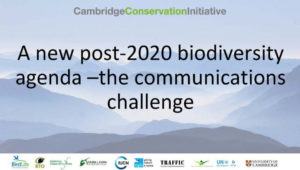
Hello Team Seagrass! My name is Laura and I am an ambassador for Project Seagrass. I completed my professional training year with the conservation charity from 2015-2016. Last week I was privileged to attend the Cambridge Conservation Initiative’s Panel Discussion on Setting a new post-2020 biodiversity agenda. The 2-hour lecture/interactive question and answer session at the University of Cambridge, focused on what scientists and the world needs to do ahead of the 2020 Beijing Biodiversity conference, in which many hope will have the same impact on biodiversity as the Paris agreement has had on climate change. Why is biodiversity important? Species are declining at unprecedented rates, with the loss of some species such as corals, mangroves and seagrass threating the existence of habitats and ecosystems. Biodiversity is often overlooked in comparison to climate change and the growing fight against plastic pollution as you can’t necessarily see the physical effects. However, national governments are starting to recognise its importance, with 17% of the world’s land and 10% of the world’s oceans agreed to be protected by 2020. But is this enough? We heard a call from Dr Christina Pasca-Palmer for “50% by 2050” The first talk was given by Dr Christina Pasca-Palmer, the Executive Secretary of the UN Biodiversity Convention and she strongly disagreed with the current state of protection, suggesting how 50% of the Earth should be conserved, or restored by 2050. We want to be “living in harmony with nature” and the remaining 50% should be transformed to be made more sustainable in terms on consumption and efficiency. Steps to achieve this include business and political engagement and raising the profile of Biodiversity, which will hopefully be implemented at the 2020 Beijing Biodiversity conference. The panel discussed the current problems they face in conserving biodiversity. The second part of the session focused on the panel discussion where experts discussed the current problems they face in conserving biodiversity and how they may overcome these before the 2020 Bejing Biodiversity conference. The panel included Dr Christina Pasca-Palmer, Alice Jay (campaign director for Avaaz), Patricia Zurita (CEO of Birdlife), Prudence Galega (Secretary General in the Ministry of Environment, Protection of Nature and Sustainable Development in Cameroon) and Dr Helen Crowley (Head of Sustainable Sourcing And innovation at Kering group). It was inspiring, not only to see an entirely female panel but to hear their views on what needs to be done. “The world has changed…” according to Sir David Attenborough Finally, Sir David Attenborough gave his closing remarks on the afternoon, saying how the world has changed since his time at the University of Cambridge, with the population tripling in size and having severe consequences on biodiversity. He highlighted how “there is no single solution”, with different communities experiencing different problems. However, with gatherings such as the Panel Discussion and the upcoming 2020 Beijing Biodiversity conference, the world has a “cause for optimism” for the conservation of biodiversity. #OurNatureOurFuture Urgent action is needed to safeguard life on Earth, from iconic endangered species such as the white rhino to our precious seagrass meadows. As Dr Pasca-Palmer said, “with the collective will and determination from all of us it is still possible”. If you are interested in learning more about the panel discussion an online version of the event is available: http://ow.ly/pY5I30jvT2g

Read More »

International Women’s Day 2018: A call to #PressforProgress in recognising the role of women in fisheries

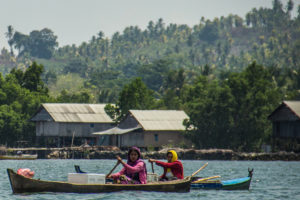
Today on international women’s day 2018 we collectively acknowledge and celebrate women’s achievements throughout history and across nations. It is also known as the United Nations (UN) Day for Women’s Rights and International Peace. Absolutely a day for shared and international celebration. Throughout history and across the world women have fought and continue to fight for equality. We are the individuals, mothers, grandmothers, great grandmothers, sisters, aunties and wives who support ourselves, our families, our friends, our countries and our planet for the most part with quiet affection and definitely not for reasons of recognition or wider acknowledgement. But it is important to recognise and acknowledge the role and achievements of all women, particularly those who are the silent backbone of their communities, where neither support nor recognition is widely offered. I could choose any number of amazing women to focus on here but would like to, very briefly, just draw attention to the women who play a significant yet quiet role in the world’s fisheries. Women play a significant role in fisheries across the globe Women (and children) are key providers for their families and communities across the globe though the work they do gathering seafood for food and for income. The fisheries involving women and children are generally low tech with minimal or no gear often where seagrass and reef flats are ‘gleaned’ by hand at low tide to collect valuable invertebrates (and sometimes fish) for food and for sale. These women and these fisheries remain ill acknowledged and unsupported by local, regional or international efforts to manage and maintain the sense of food security that they convey. But they make up a significant proportion of the small-scale artisanal fisheries that collectively contribute up to one quarter of the total global catch. These women work tirelessly to maintain a way of life or simply to provide protein and nutrition for their families. These are voices that need to be heard and have a significant role to play in the management and maintenance of local scale fisheries. A woman gleans at low tide in Indonesia These often ignored fishers can teach us all a lot about a lot of things, their ecological knowledge, dedication and hard work is something we could all learn from. So this year I would like to celebrate and acknowledge these women on this important day. I would also like to acknowledge and celebrate the amazing women who have always worked hard, led by example, encouraged (without question) and helped shape my own life (‘no matter what’). I am privileged to have and to have had these women in my life. Happy International Women’s Day!

Read More »

Waste Not, Want Not. Discards that could feed those in poverty

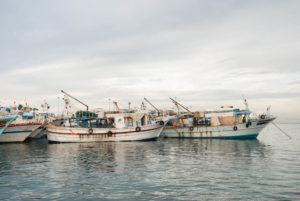
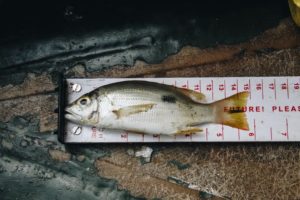
  At least 7.3m tons of fish (usually dead or dying) are thought to be discarded each year from marine fisheries around the world. But these estimates come mostly from observations of large-scale industrial fisheries. Limited attention has been paid to small-scale fisheries, which are assumed to have low discard rates – some estimate as little as 3.7% total catch, compared to more than 60% for some large-scale shrimp trawlers. Small-scale or artisanal fisheries – for which there is no universal definition – are generally considered more sustainable than their large-scale industrial counterparts, but there is increasing evidence that shows this is not always the case. They employ more than 99% of the world’s 51m fishers and likely account for more than half of the total global fisheries catches. A Sri Lankan fisherman. One of the biggest problems for both large and small-scale fisheries around the globe is bycatch – fish and other marine organisms caught when the fishers are targeting something else. Powerful images of turtles and dolphins caught in fishing gear have caught the sympathy of the general public, but unintentional landings of fish aren’t as evocative. The truth is, however, that fish bycatch is a big issue. Progress is being made in Europe within large-scale fisheries thanks to campaigns such as the Fish Fight. But small-scale fisheries – though there is increasing recognition outside that they are “too big to ignore” – are only just beginning to recognise the fish bycatch and discard problem. Catch and bycatch. Our newly published research has found that artisanal fisheries in Sri Lanka are throwing away more marine species than they keep. For every fishing trip in one of Sri Lanka’s largest lagoons, Puttalam Lagoon, fishermen could be throwing away more than 50 fish. What’s more, of the 62 species recorded in the survey, more than 80% were routinely discarded. The reasons for this practice are unclear but sometimes it is because the individual fish are too small – or they are species without a high market value. We found that fishers targeting shrimp in particular caught more non-target species and had higher discards than those targeting fish. This is particularly worrying at a time when Sri Lankan shrimp exports are increasing, after the EU granted the country improved access to its market. Fishers in Puttalam Lagoon discard non-target catch onshore. Potentially 90% of the world’s fish stocks are threatened by over-fishing – when more fish are caught than the population can replace. And the “tell-tale” signs of over-fishing are now being observed in Sri Lanka and across other research sites in the Indo-Pacific region. Fishers in these locations have told us and other researchers that they are catching much less fish than they were five years ago. But this is not just an ecological issue, it is a social one too. In this era of increasing food insecurity, our findings highlight a serious concern for Sri Lanka. This unwanted seafood could be used to provide protein for the poorest in society. Instead, we found that fish with high nutritional value is being eaten by feral dogs and birds. Unwanted fish end up as quick and easy meals for animals. Billions of people worldwide rely daily on fish for protein, while 50m people also rely on catching fish for work. But, if the levels of bycatch and discard continue, the livelihoods and food security of the people that depend on these fisheries will be under threat. If the problem is not managed, there won’t be any fish left in the waters. There is one ray of hope for Sri Lanka, however. There are some small-scale fishery cooperatives which maximise long-term community benefits by dealing with the threats of fisheries mismanagement, livelihood insecurity and poverty. Communities with successful and inclusive cooperatives are better off than those without. Cooperatives have the potential to empower small-scale fishers against environmental and socioeconomic shocks, but the problem in Puttalam Lagoon is that these cooperatives are not operating across all levels of society. Fishing cooperatives do exist, but there could be more. If the bycatch and discards issue is going to be solved over the long-term, we need to look at combining sustainable management practices with community schemes to reduce unnecessary seafood waste all over the world. Together the millions of small-scale fishers all over the world have an immense amount of power, they just need to realise it. This article was originally published on The Conversation. Read the original article.

Read More »

Sewage and livestock waste is killing Britain’s seagrass meadows

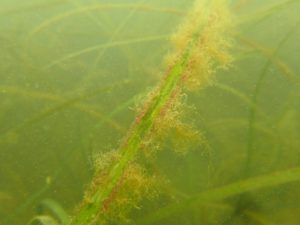
Britain’s seagrass is a refuge for numerous species of fish, stabilises sandy beaches, and helps to lock away the carbon which humans produce. The meadows that surround the country’s coast have been called the “canaries of the sea”, due to their sensitivity to a changing environment. And like a canary in a coal mine, their health can be used as an indicator of the condition of coastal areas. We know that the seagrass meadows surrounding the UK are in a perilous state of decline, and our recently published research has now uncovered one of the biggest causes. Our study suggests that a major driver of seagrass decline is nutrient pollution from sewage and livestock waste. Though a new finding, it sadly comes as no surprise, given that about 40% of rivers in England and Wales are polluted with sewage. This nutrient pollution puts the long term viability of seagrass meadows in doubt. Over-enrichment results in the suffocation of seagrass. The nutrients cause microscopic algae – called epiphytes – to smother the seagrass leaves, decreasing their ability to capture light, ultimately killing them, and destroying the habitat for fish and other marine animals. Â The seagrass, Zostera marina, covered in epiphytes. In addition to this environmental impact, we found that several areas, including the Thames waterway seagrass, and a meadow in Studland Bay, Dorset – which are popular with swimmers and boaters – were considerably enriched in nutrients from sewage, livestock effluent and/or human waste. Despite this, neither location, nor any other we identified with the same problem, were classed as unsuitable for swimmers. Outdated treatment Clearly, we have a massive problem at hand – but water companies, farmers and the government have not done and are still not doing enough to prevent it. Though efforts have been made to develop a British marine protected area network, and EU legislation has improved water quality in the last few decades, we have found these initiatives to be insufficient. Ten of the 11 sites we studied were in areas with designated EU protection, but most of these seagrass meadows were still polluted with nutrients derived from urban sewage and livestock waste. So how has this happened? Analysis of the seagrass tissues points to constant sewage exposure. Old and outdated water treatment facilities are one of the likely culprits, resulting in discharges of untreated sewage during times of heavy rainfall. These are legal, but evidently the capacity of these facilities is insufficient to handle the country’s needs, and waterways are suffering because of it. There is also the problem of livestock waste. Farming is now one of the UK’s leading causes of water pollution, and inefficiencies in storage and disposal of slurry mean that it ends up in rivers and coastal waters. Local and national Evidently, in addition to national and international initiatives, we need to start quickly identifying and understanding all local threats to seagrass. Especially if we are going to harmonise conservation goals with sustainable economic development. Only by finding out specifically where the nutrients affecting seagrass areas have come from can we really start to think about a targeted solution for each meadow. Unfortunately, to date, the conservation of specific seagrass meadows is rarely based on the explicit consideration of local threats and drivers. Instead, projects focus on conserving seagrass as part of a broader plan, incorporating other specific habitats or species. While this may be effective at dealing with problems such as fisheries impacts, and is certainly a step forward for the marine environment, it doesn’t deal with the persistent and chronic problem of pollution – which can go largely unnoticed. Poor water quality isn’t just a problem for seagrass in the British Isles, it’s a global concern. But if we want to solve it, we must look beyond “protecting” seagrasses with legislation, and challenge the way we think about marine protection overall. Serious infrastructure changes and better management of river catchments – for example, restoration of riverbanks – are vital if we are going to develop long term waste water management plans that span both land and sea. You can read the study, Tracking Nitrogen Source Using δ15N Reveals Human and Agricultural Drivers of Seagrass Degradation across the British Isles, here. This article was originally published on The Conversation. Read the original article.

Read More »

A Symphony For Scottish Seagrass

Hello Team Seagrass! I am Rufus, a volunteer with Project Seagrass and a marine biology graduate from the University of St Andrews. Since graduating in June 2017, I have begun working for the Scottish Chamber Orchestra’s Connect team and the University of St Andrews’ Music Centre. In this split position, I get to enjoy the benefits of working with extraordinary artists and musicians across the country to inspire babies, toddlers, children, students and adults to get more involved with the music in the community around them. There are so many educational opportunities provided by both the Scottish Chamber Orchestra and the University of St Andrews. Through its Connect programme, the Scottish Chamber Orchestra interacts with over 10,000 people each year through a vast array of activities. Both the staff and the musicians of the orchestra are extremely driven to reach new audiences all the time, not only to encourage interaction with music in the future but also, in some cases, to improve quality of life. There are so many educational opportunities that can be provided through music. Photo Credit – Fraser Band  The Music Centre at the University St Andrews has also led some fantastic workshops throughout local schools in Fife with some of the excellent artists that come to the town to perform. One of the University’s initiatives that I have been involved in is Music Planet. This is a platform that promotes the combination of the arts with global environmental issues to enhance the power of the message that is conveyed, and also to engage new audiences. Music is a fundamental part of human culture, irrespective of where you come from or what your background is. There aren’t many people who don’t enjoy listening to some form of music, either when they are travelling, working, cooking, cleaning or as any other part of their day. I believe that because of this, music has the most potential in interdisciplinary education. Using music, and getting an audience to be involved with music and music making, will help to engage them with any subject. Music making can help children and adults to engage with any subject. Photo Credit – Fraser Band One of the easiest combinations that can be made is music and nature because, in nature, music is all around anyway. The natural soundscape has endless capabilities that can be tapped into to expand the possibilities of what you are teaching. In March, I will be co-leading a SCO workshop, with SCO violin Aisling O’Dea, for primary schools in Fife in conjunction with Project Seagrass and Music Planet from the University of St Andrews. A team of musicians from the orchestra and volunteers from Project Seagrass will provide a day workshop for pupils at primary schools centered around the children’s story, “The Snail and the Whale” by Julia Donaldson. This excellent book tells the story of a snail that seeks to see the world and journeys across the oceans on the tail of a humpback whale. In the end, it is an endearing story of community and self-worth. In March, I will be co-leading a SCO workshop, with SCO violin Aisling O’Dea, for primary schools in Fife in conjunction with Project Seagrass and Music Planet from the University of St Andrews. Photo Credit – Fraser Band The day will be centered around this story’s characters and the music that was written to accompany the story. Various activities throughout the day will involve the children in the scientific background behind important environmental issues whilst providing them the opportunity to get involved with the music making themselves. At this important tipping point, the future of the planet as we know it relies on the engagement of the public all over the world. Music can help to broaden the prospects of domestic and international education campaigns to make that change. Rufus If you would like to follow more of my activity, I have recently started a personal challenge and campaign to reduce my impact on the environment – #Green18. In my attempt to complete this challenge, I will write regular blog posts to document my success and any obstacles I have encountered along the way. Follow online @ www.green18.org Facebook @ www.facebook.com/GreenEighteen/ Instagram @ www.instagram.com/_green_18/ Twitter @ www.twitter.com/_Green_18 You can find out more about the Scottish Chamber Orchestra or music in St Andrews below:   Follow online: st-andrews.ac.uk/music/ sco.org.uk Like on Facebook: www.facebook.com/scottishchamberorchestra/ www.facebook.com/UniversityofStAndrewsMusicCentre/ Follow on Twitter: @SCOmusic @StAndrewsMusic

Read More »