Category: Blogs

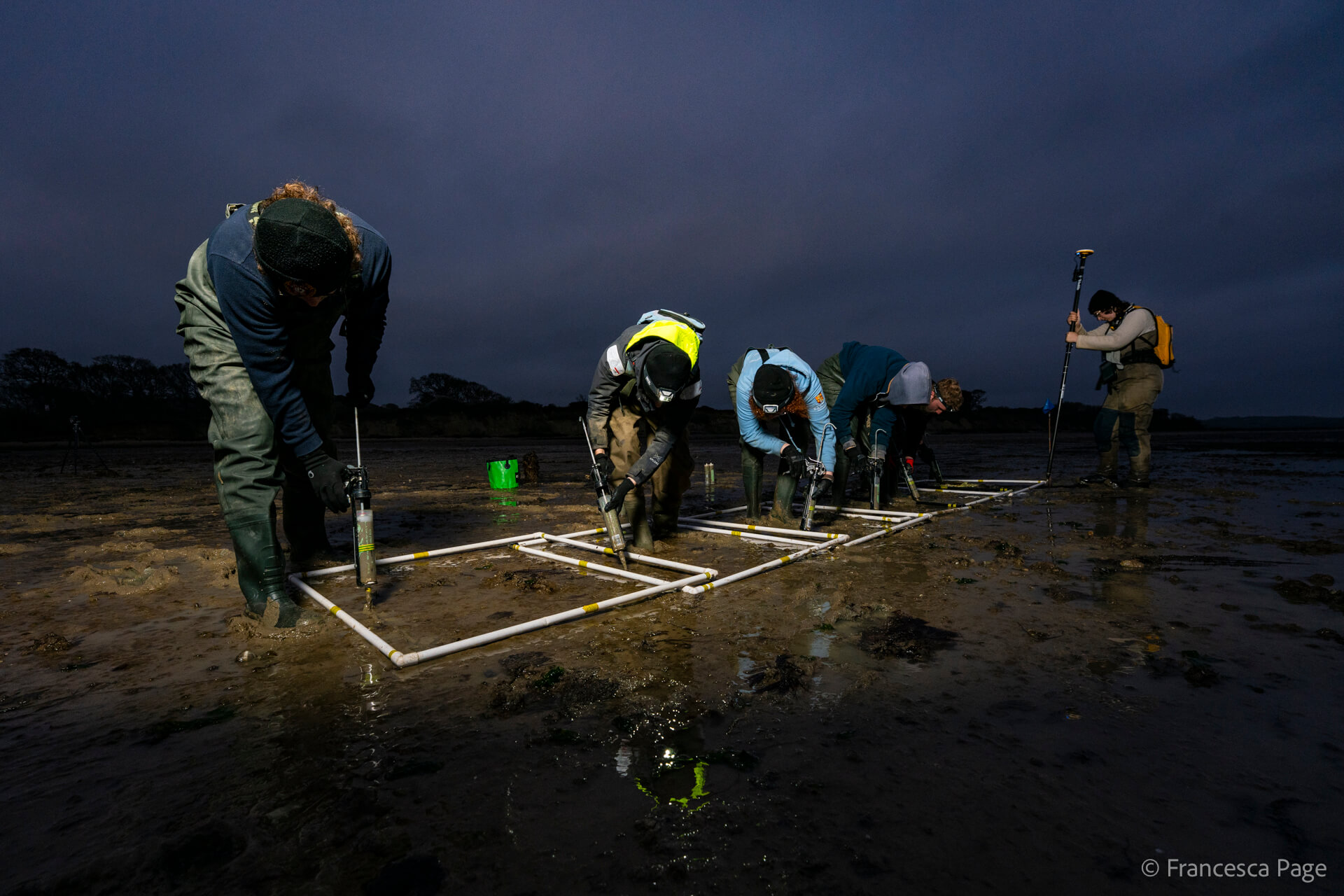
Members of Project Seagrass staff are planting seagrass seeds using DIS guns. They are planting into quadrats. It is early morning and the sun hasn't yet risen.

Rethinking Marine Restoration: Why Permits Could Be Holding Us Back

The Ocean is in crisis. Coral reefs are bleaching, seagrass meadows are vanishing, mangroves are being cleared, and biodiversity is plummeting. Scientists estimate we’ve already lost up to 50% of global saltmarshes, 35% of mangroves, and 20% of seagrasses. Yet alongside this sobering decline, momentum for marine restoration has never

Read More »
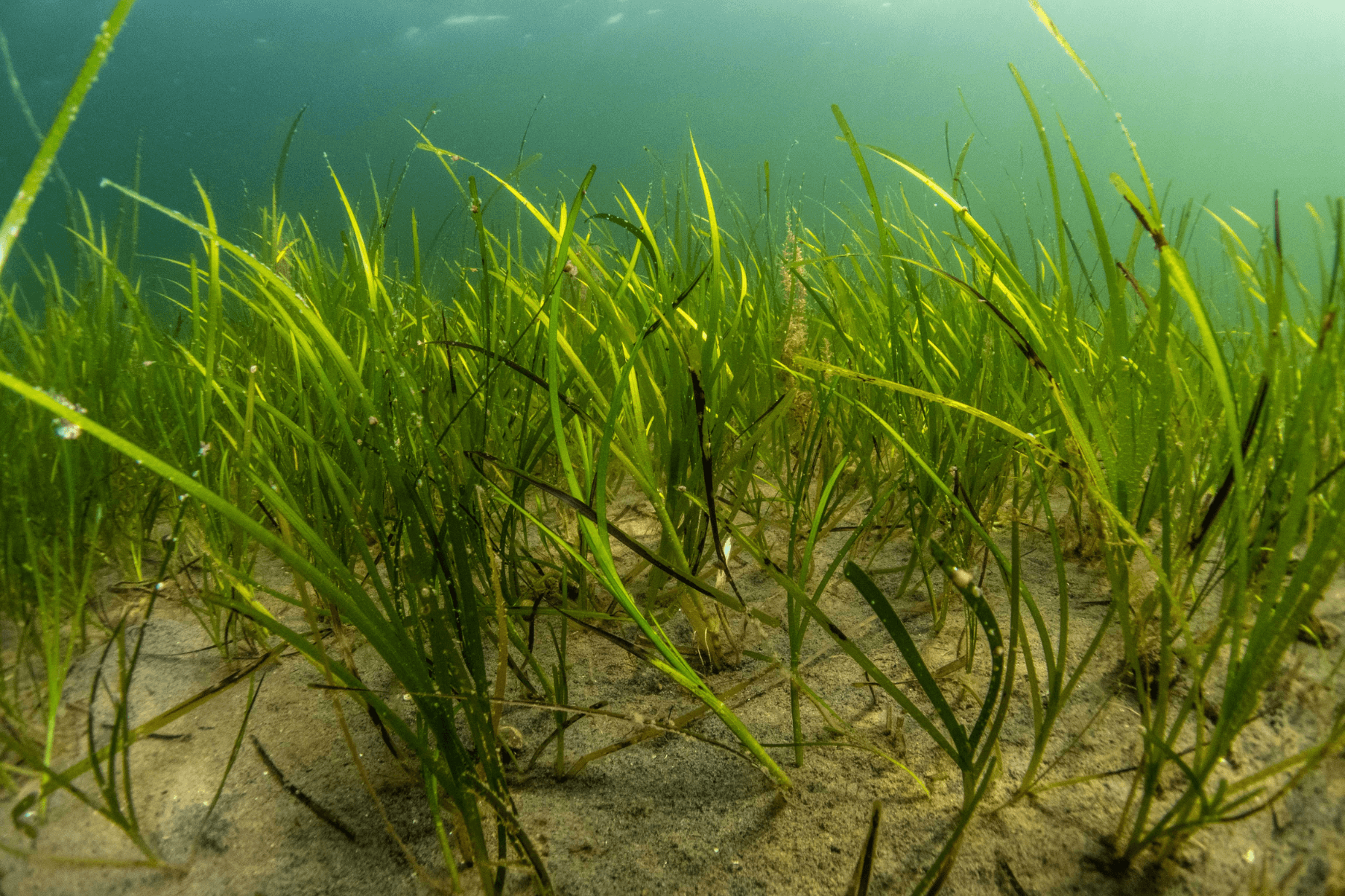
Seagrass meadow in Orkney.

Our response to the Scottish Government Blue Carbon Action Plan

Earlier this year, the Scottish Government circulated a draft version of Scotland’s first Blue Carbon Action Plan with key stakeholders to gather comments and feedback. Project Seagrass was one of the organisations contacted as part of this process. The Blue Carbon Action Plan sets out the Scottish Government’s position and

Read More »
A seagrass meadow in Orkney. A lighter reproductive shoot is present.

Summer surveys in Scotland’s seagrass meadows

This summer, the Sjogras Partnership returned to Orkney to undertake a range of surveys to further develop our understanding of the health and extent of Orkney’s important seagrass meadows.    Between the 19th July and 1st August, Professor Joanne Porter from Heriot Watt University  and Dr Elizabeth Lacey from Project Seagrass

Read More »
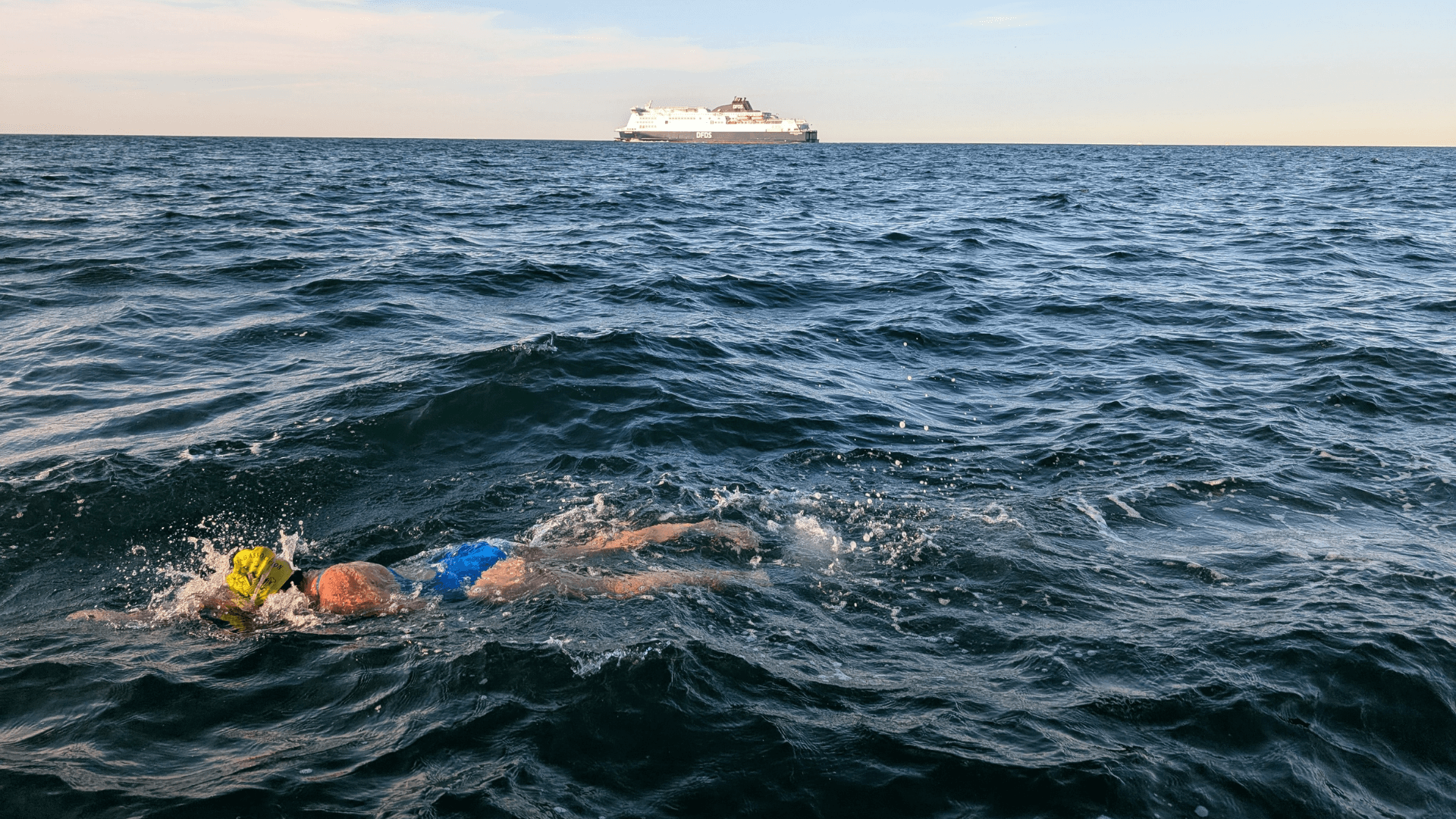
Laura Suggitt swimming the Channel

Successful swim to support seagrass

In a guest blog post, Laura Suggitt shares her experiences of swimming the Channel to raise vital funds for environment funds including Project Seagrass: Earlier this month, I swam across the English Channel to France with my team, The Matriarsea. We completed the crossing in 12 hours and 49 minutes;

Read More »
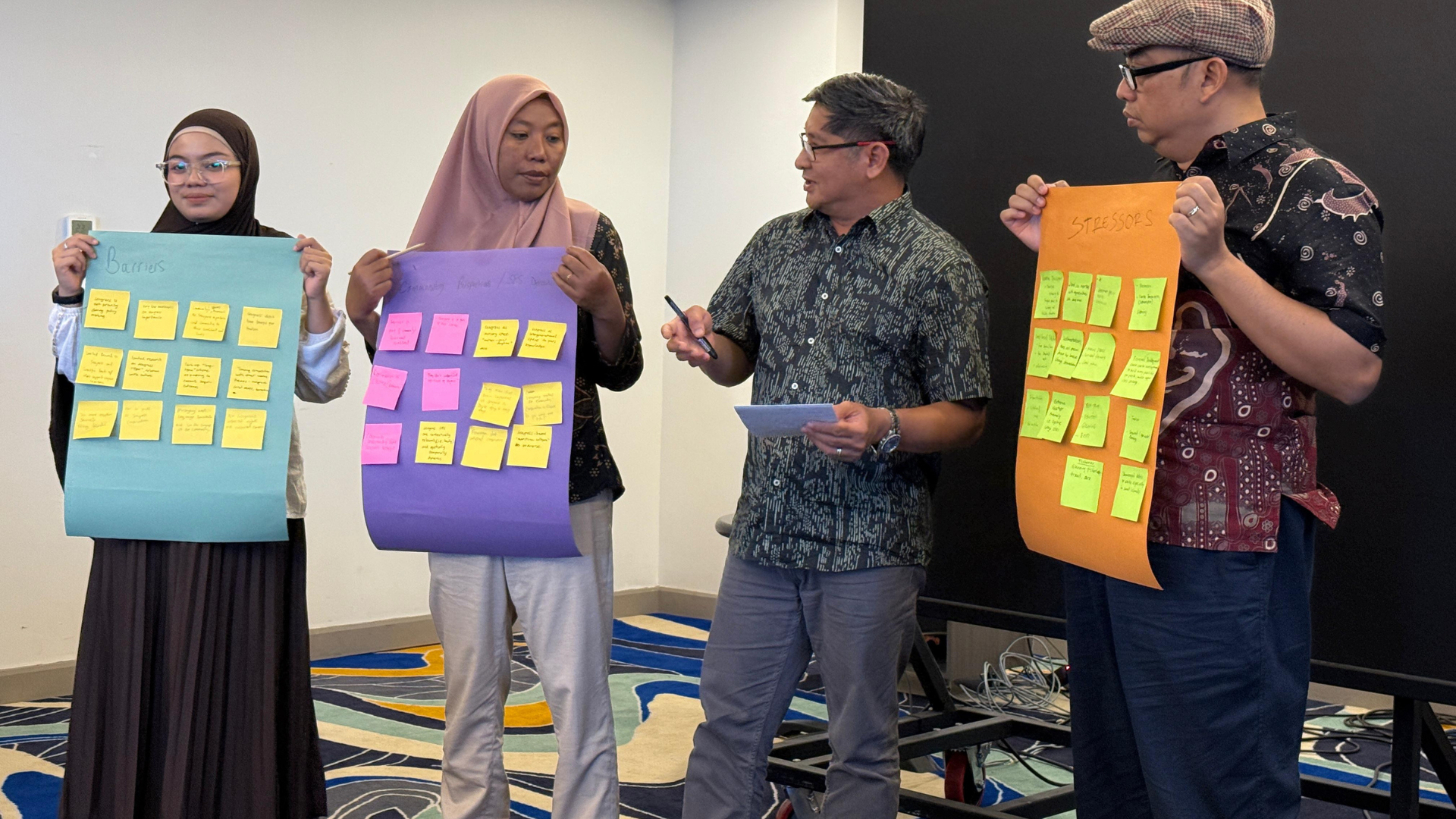
Four people are standing at the front of a room. Three members of the group are holding paper with post-it notes on as part of a workshop activity.

Reflections from the Seagrass Knowledge for Action in Southeast Asia Workshop

This summer, teams came together in Makassar, Indonesia, for the Seagrass Knowledge for Action in Southeast Asia workshop to explore pathways forward for strengthening knowledge, building research capacity, and development to further safeguard local seagrass social-ecological systems. Co-hosted by Universitas Hasanuddin (UNHAS) and Project Seagrass, the workshop involved teams from

Read More »
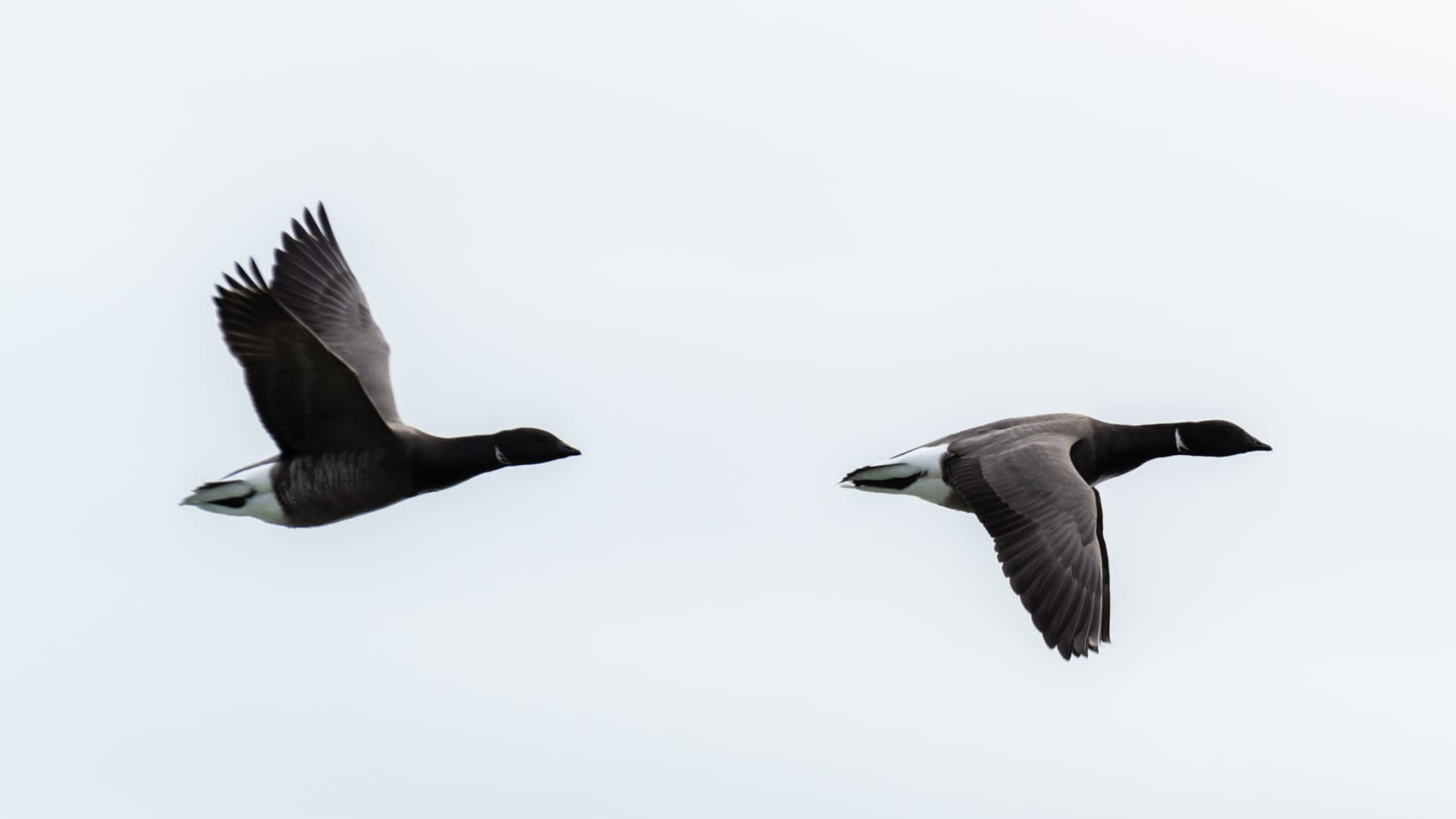
A pair of dark bellied Brent Geese fly through the sky. The sky is grey

The Brent Goose: Creatures that call seagrass home

In a new blog series, our Conservation Trainee Abi David explores some of the amazing creatures that call seagrass meadows their home. The Brent Goose Branta bernicla is of a similar size to a Mallard duck, making it one of the smallest goose species in the world. They are a

Read More »
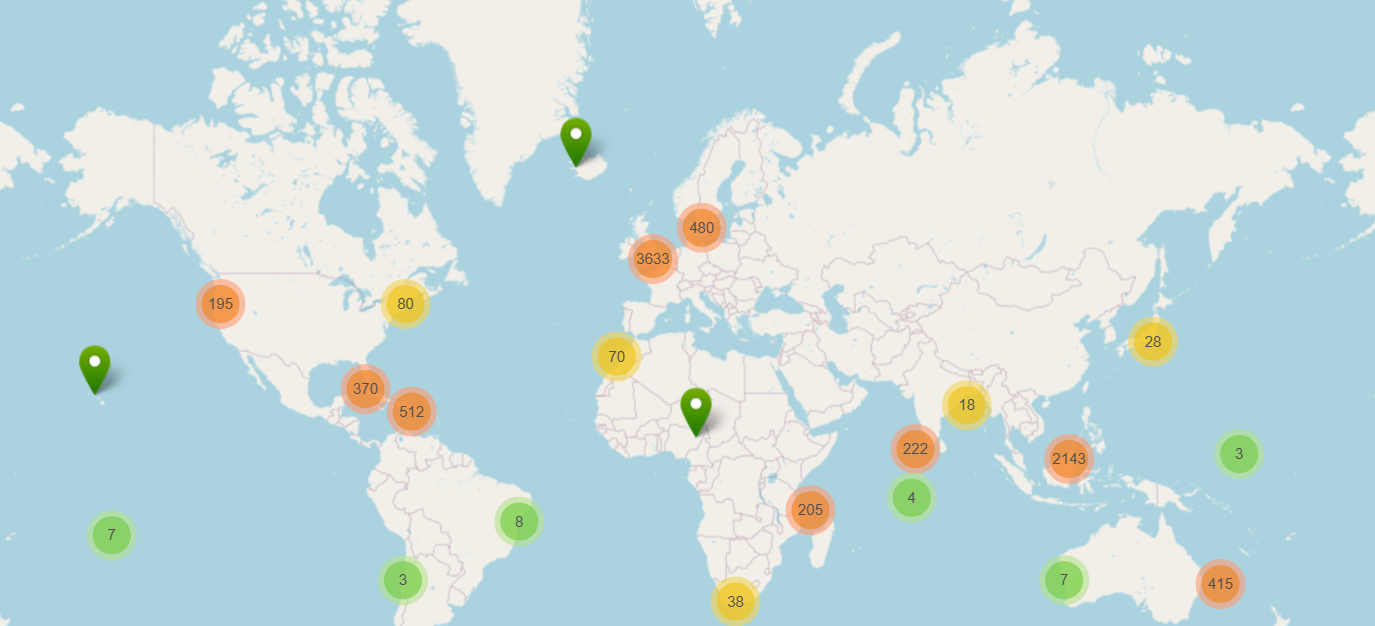
A map of the world showing where seagrass has been spotted using SeagrassSpotter

Harnessing open data to understand coastal social-ecological systems

Our oceans and coasts are home to ecosystems that provide immense benefits to people, from food and livelihoods to carbon storage and coastal protection. In particular, seagrass meadows are archetypal social-ecological systems (SES), linking human well-being to ecosystem health. But to manage these systems effectively, we need access to both ecological

Read More »
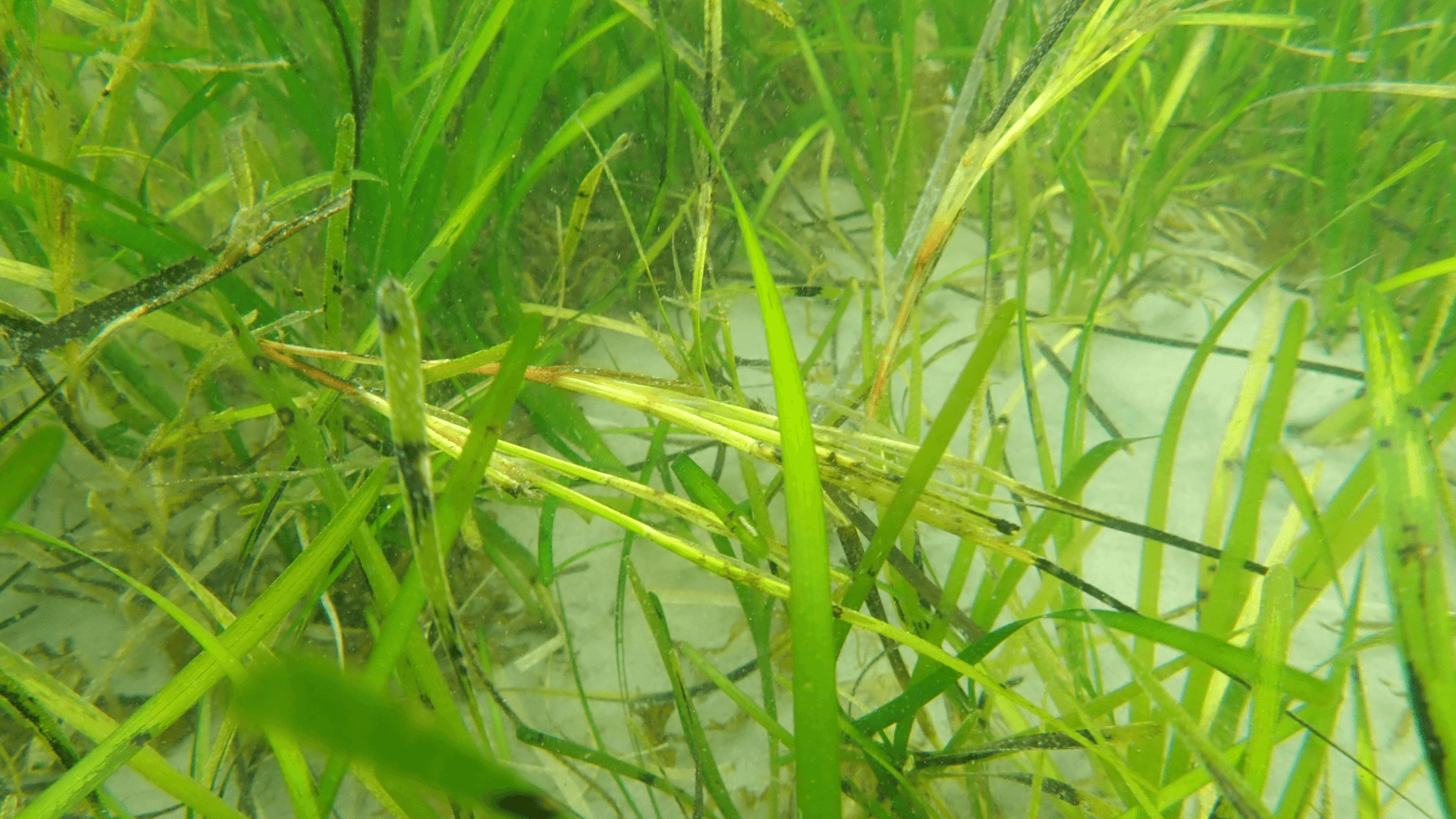
Zostera marina seagrass meadow. Credit Ben Jones

Seagrass swap could reshape Chesapeake Bay food web

Beneath the surface of the Chesapeake Bay, a subtle but dramatic shift is taking place as eelgrass gives way to its warmer-water relative, widgeon grass. A new study from researchers at William & Mary’s Batten School & VIMS shows that this seagrass swap could have ecological impacts across the Bay’s

Read More »
SeagrassSpotter Nanozostera japonica

Researchers uncover hidden seagrass species in northwest Pacific

Seagrasses, foundational species in coastal ecosystems worldwide, are surprisingly few in documented diversity—with only about 70 species identified globally, despite their widespread distribution and ecological importance. Complicating matters, their high phenotypic plasticity within species makes precise classification challenging. Against this backdrop, a research team led by Prof. Zhou Yi from

Read More »
Members of Project Seagrass staff are planting seagrass seeds using DIS guns. They are planting into quadrats. It is early morning and the sun hasn't yet risen.

Rethinking Marine Restoration: Why Permits Could Be Holding Us Back

The Ocean is in crisis. Coral reefs are bleaching, seagrass meadows are vanishing, mangroves are being cleared, and biodiversity is plummeting. Scientists estimate we’ve already lost up to 50% of global saltmarshes, 35% of mangroves, and 20% of seagrasses. Yet alongside this sobering decline, momentum for marine restoration has never been greater. The United Nations’ Decade on Ecosystem Restoration (2021–2030) and the Kunming–Montreal Global Biodiversity Framework both set ambitious targets: restoring 30% of degraded ecosystems, including those underwater, by 2030. So the question is: if the will, the science, and the funding are building, what’s holding us back? According to a team of 25 scientists and practitioners from 18 countries, one of the biggest obstacles isn’t just the technical challenge of restoration itself, it’s the licensing and regulation systems designed to govern it. In their recent paper, Rethinking Marine Restoration Permitting to Urgently Advance Efforts, they argue that outdated, overly complex permitting processes are unintentionally slowing down the very projects needed to restore the oceans. Marine Restoration Is Still Young Unlike reforestation on land, which has centuries of trial and error behind it, marine restoration is still in its infancy. Early projects in kelp, oysters, and seagrass go back decades, but systematic science-based restoration is relatively new. Failures are common, often because methods are untested or ecological dynamics are poorly understood. But those failures are not a reason to stop—they are opportunities to learn. Unfortunately, knowledge sharing is patchy, with unsuccessful projects often going unreported. This means mistakes are repeated instead of avoided. When Regulation Backfires No one disputes that regulations are essential to protect fragile ecosystems. But the paper highlights a paradox: the very laws meant to safeguard marine environments can also block or delay restoration. Permitting processes are frequently designed for terrestrial development projects, not marine habitat recovery. This mismatch means approvals are expensive, slow, and sometimes impossible to obtain. For instance, restoration within marine protected areas is often heavily restricted, even when the activity would clearly benefit the marine ecosystems and its biodiversity. The result? Practitioners may choose suboptimal sites just to avoid regulatory headaches, or abandon projects altogether. In some cases, frustrated groups even take matters into their own hands through “covert restoration,” risking legal trouble to get reefs or seagrasses replanted. Why “Business as Usual” Won’t Work Complicating matters further is climate change. Even if the world manages to stay under the 1.5°C target of the Paris Agreement, marine ecosystems face enormous risks. Marine heatwaves, shifting species ranges, and rising seas mean that simply recreating past habitats is no longer realistic. Instead, the authors argue for a forward-looking approach: restoration must aim to create resilient ecosystems for the future, not replicas of the past. That may involve controversial tools like assisted gene flow, assisted migration, or even repurposing invasive species to provide ecological functions. While these approaches raise ethical questions, the authors stress that clinging to outdated baselines is more dangerous than carefully exploring new ones. The Case for Innovation “Sandpits” One of the paper’s most intriguing proposals is the creation of innovation sandpits, dedicated spaces where scientists and practitioners can test new restoration methods under flexible permitting conditions. The idea is to encourage creativity and experimentation, similar to the culture of innovation that drove the U.S. “moonshot” program. Such sandpits could allow restoration at meaningful scales, where failures are expected but also monitored and shared, building collective knowledge. Crucially, this would need to be done with free, prior, and informed consent from local communities, ensuring equity and transparency. Scaling Up Takes Time Another bottleneck is time. Most restoration permits are short-term, three to five years at most. But successful marine recovery often requires decades of continuous effort. Seagrass meadows, oyster reefs, and mangrove forests don’t mature overnight. Short permits create interruptions, forcing projects to restart and making funding insecure. For large-scale recovery, licensing must align with ecological realities: long-term horizons, continuity, and scale. Small, scattered projects will never be enough. Strategic national and international coordination is needed to identify suitable areas, streamline approvals, and pool resources. Equity and Responsibility The paper also highlights the importance of equity. Restoration is not just about biodiversity; it directly impacts the people who live alongside these ecosystems. Indigenous communities, local fishers, and coastal residents must have a say in how projects are planned and implemented. Otherwise, well-meaning initiatives could unintentionally restrict access to resources or sideline traditional knowledge. The authors emphasise that urgency must not become an excuse for ignoring equity. Social inclusion, fairness, and justice are essential for lasting success. Six Steps Toward Better Restoration Licensing The authors conclude with a six-point agenda for change: Embrace novelty: Use innovative tools (genetics, assisted migration, new technologies) to prepare for future conditions, not past baselines. Establish sandpits: Create safe zones for testing and scaling new methods. Strategic restoration zones: Designate areas where permits are streamlined and projects are protected from future disturbance. Transparent reporting: Mandate open sharing of successes and failures, so the whole field can learn. Streamlined, long-term permits: Align licensing with ecological timescales and assume restoration is a positive activity by default. Remove fees, add incentives: Instead of charging for permits, reward landowners and stakeholders who enable restoration. Looking Ahead Marine restoration has the potential to be a cornerstone of the “blue revolution” needed to sustain life on Earth. But to succeed, governments, regulators, scientists, and communities must rethink how we design the systems that enable it. As the authors argue, the goal is not deregulation, but smarter, more adaptive regulation. The ocean is changing rapidly, and restoration must change with it. By fostering innovation, embracing uncertainty, and prioritising resilience and equity, we can give our seas a fighting chance.

Read More »
Seagrass meadow in Orkney.

Our response to the Scottish Government Blue Carbon Action Plan

Earlier this year, the Scottish Government circulated a draft version of Scotland’s first Blue Carbon Action Plan with key stakeholders to gather comments and feedback. Project Seagrass was one of the organisations contacted as part of this process. The Blue Carbon Action Plan sets out the Scottish Government’s position and priorities for blue carbon habitats with emphasis in the Plan placed on the need to protect existing carbon stores in blue carbon habitats.  Project Seagrass’ Senior Science Officer and Scotland Team Lead Dr Elizabeth Lacey reviewed the Plan and met with Scottish Government to share a series of recommendations to ensure that the Actions outlined in the Plan effectively represented and addressed knowledge gaps surrounding Scotland’s important seagrass habitats. It is disappointing that none of the recommendations provided by Project Seagrass have been incorporated into the final Scottish Blue Carbon Action Plan published earlier this month. Read the recommendations that we provided to the Scottish Government as part of the consultation process below: Key Areas for Improvement and Additional Action Items 1. Evaluate Carbon Sequestration Rates in Scottish Seagrass Meadows The Plan’s introductory text accurately highlights the lack of measured carbon sequestration rates for Scottish seagrass. However, this is not reflected in the list of action items. Measuring sequestration rates is well-established in the literature and could be incorporated into current or planned monitoring frameworks with relatively modest additional investment. Including this as a specific action would address an important evidence gap. 2. Improve Mapping of Seagrass Habitat ExtentThe under-mapping of seagrass beds in Scotland is acknowledged in the Plan, yet no corresponding action is outlined. Comprehensive habitat mapping is critical for understanding carbon storage potential, informing protection strategies, and guiding restoration efforts. This is an urgent need and should be prioritized as a stand-alone action. 3. Improve Mapping of Seagrass Carbon CaptureWhile the Plan includes detailed biomass and carbon mapping for salt marshes, similar work is not proposed for seagrass. Parameters such as biomass and sediment characteristics, which inform carbon stock estimates, are currently lacking for Scottish seagrass meadows. Including such surveys for seagrass would bring parity with other blue carbon habitats. Tools such as LIDAR—already proposed for salt marshes—could also be used to map seagrass-associated bathymetry, sediment dynamics, and coastal erosion. If coordinated with salt marsh mapping flights, this would offer efficient cross-habitat benefits for multiple agencies. 4. Understand Seagrass Health and PressuresAn action to assess the health of seagrass meadows and the pressures acting on them would strengthen the Plan. While this is included for salt marshes, it is not currently addressed for seagrass. Data on the impacts of water quality, dredging, sedimentation, and nutrient inputs are especially lacking in Scotland. These data are crucial to inform effective management and protection strategies and to identify opportunities for both active and passive restoration. 5. Support Habitat Restoration and CreationThe Plan opens with strong language in support of passive restoration—reducing pressures to allow natural recovery—but the associated actions lean heavily toward active restoration projects. Passive approaches are often more cost-effective and ecologically successful. Globally, numerous studies have developed habitat suitability models for active restoration, yet actual implementation success remains limited. An alternative, and potentially more impactful approach, would be to model areas experiencing seagrass decline and identify known pressures. This would help highlight locations with the highest potential for recovery through pressure reduction—supporting more strategic, evidence-based passive restoration. Comments on Existing Action Items Action 6 – Baseline Survey of Carbon Uptake and Storage in New Seagrass ProjectsWe have some concerns regarding the emphasis on measuring carbon in seagrass restoration areas. Current research indicates that it may take 10 years or more before restored seagrass meadows begin storing detectable levels of carbon. Moreover, SMEEF projects are intended to demonstrate effort, not guarantee ecological success. As such, relying on these sites for baseline data may lead to inaccurate or premature conclusions. Instead, we recommend prioritizing measurements in existing meadows across a range of environmental settings. This would provide more ecologically relevant and accurate data to inform national blue carbon estimates. Furthermore, the suggestion that this work will help “standardise monitoring of carbon storage” could benefit from clarification. Robust and standardised methods for measuring seagrass carbon storage already exist and are widely used by the global scientific community. Rather than developing new standards, Scotland could adopt these existing protocols to ensure comparability and scientific rigor. Action 7 – Supporting Habitat Restoration and CreationAs noted above, we recommend adding a complementary focus on passive restoration. Developing ‘opportunity maps’ that identify areas where seagrass is most likely to recover following pressure reduction would be a valuable tool. This would support more targeted interventions and help align restoration efforts with the most ecologically feasible and cost-effective strategies. Action 8 – Understanding Existing and Proposed ProtectionsWhile we recognize that fishing pressure is an important concern in some regions, our experience suggests that other stressors—including land-based runoff, pollution, aquaculture, and dredging—are more widespread and pressing in the context of Scottish seagrass meadows. These pressures are often overlooked in current management frameworks and would benefit from more explicit inclusion in future protection and policy planning.

Read More »
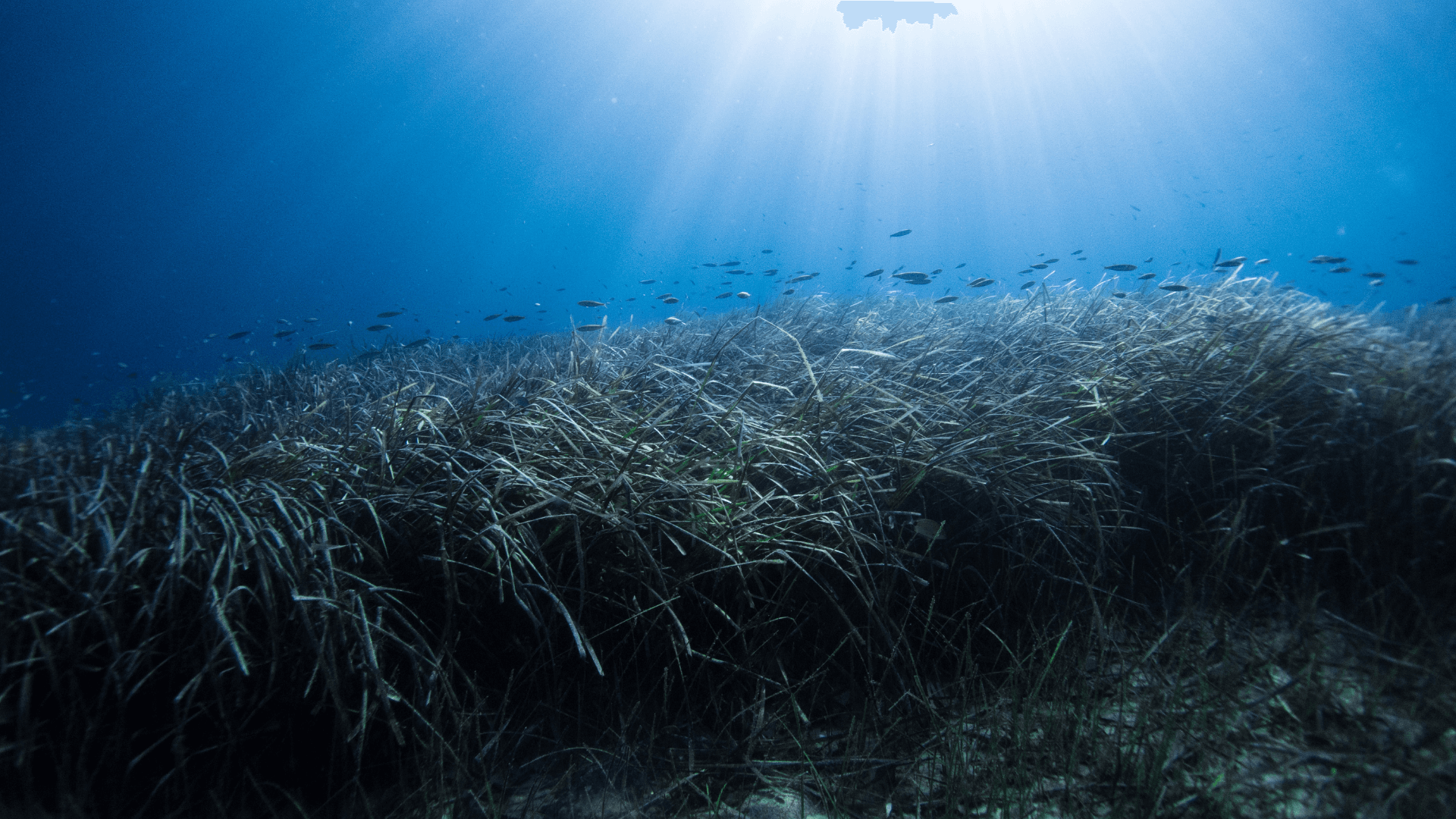
A seagrass meadow with fish swimming through it

The role of the microbiome in the successful transplantation of seagrass meadows

Posidonia seagrass meadows, veritable underwater forests, play a major ecological role. Under constant pressure from human activity, scientists are looking for ways to ensure their survival, in particular by carrying out restoration campaigns. A study conducted by the University of Liège at the marine and oceanographical research station STARESO (Calvi, Corsica) reveals that the transplantation method directly influences the root microbiome, which is essential for the survival of the plants. These results pave the way for more effective and sustainable restoration techniques. The paper is published in the journal Environmental Microbiome. Roots growing on a Posidonia cutting transplanted using metal staples. Arnaud Boulenger conditioning Posidonia roots for genetic analysis of the microbiome. Credit: University of Liège, Arnaud Boulenger Often compared to terrestrial forests, Posidonia oceanica seagrass meadows form off the coast of the Mediterranean. These ecosystems act as environmental sentinels, stabilizing the seabed, storing carbon, and harboring exceptional biodiversity. Unfortunately, scientists have been observing a decline in their population for many years due to coastal urbanization, boat anchoring, and climate change. To halt this decline, researchers are experimenting with transplanting cuttings. “Until now, efforts have focused mainly on their visible survival, i.e., root recovery and leaf growth,” explains Arnaud Boulenger, a Ph.D. candidate in oceanography at ULiège (Belgium). “However, the study we conducted at STARESO reveals that the health of seagrass beds also depends on an invisible network of microorganisms associated with the roots.” It is therefore not enough to simply replant the seagrass meadows; we must also ensure the good health of their microbiome. By testing three transplantation techniques—metal staples, coconut fiber mats and potato starch structures—the team showed that the choice of substrate profoundly changed the composition of the microbiome. “Staples, which allow direct contact with the sediment, promote the establishment of key bacteria such as Chromatiales and Desulfobacterales, which are essential for the sulfur and nitrogen cycles,” the researcher explains. “Conversely, the other methods delay this beneficial colonization.” Scientists highlight that restoration methods must now incorporate this microbiological dimension, as these bacteria play a direct role in plant resilience. “These results are groundbreaking,” says Sylvie Gobert, oceanographer. “This is the first time that a study has demonstrated in situ the importance of the microbiome in the success of Posidonia transplantation. The results we have obtained open up concrete perspectives, such as the inoculation of beneficial bacteria or the design of supports that facilitate root-sediment interaction.” Restoring a seagrass bed is therefore much more than just replanting cuttings underwater. It means recreating an entire ecosystem, both visible and invisible, in which bacteria play a crucial role. As Boulenger sums it up, “it’s a bit like replanting a forest, while also ensuring that the soil that nourishes it is brought back to life.” More information: This article is republished from PHYS.ORG and provided by the University of Liège. Arnaud Boulenger et al, Microbiome matters: how transplantation methods and donor origins shape the successful restoration of the seagrass Posidonia oceanica, Environmental Microbiome (2025). DOI: 10.1186/s40793-025-00764-9

Read More »
A seagrass meadow in Orkney. A lighter reproductive shoot is present.

Summer surveys in Scotland’s seagrass meadows

This summer, the Sjogras Partnership returned to Orkney to undertake a range of surveys to further develop our understanding of the health and extent of Orkney’s important seagrass meadows.    Between the 19th July and 1st August, Professor Joanne Porter from Heriot Watt University  and Dr Elizabeth Lacey from Project Seagrass led their respective teams as part of the annual survey work. In a first for the partnership, this year saw the establishment of ‘sentinel’ sites around the Orkney archipelago. A sentinel site in the context of monitoring ecological characteristics is a specific location or set of locations chosen to provide long-term, consistent, and representative data about environmental conditions and changes. Sites in Finstown, Tankerness, and Westray were chosen to represent the characteristics of seagrass habitats across the islands. Ongoing monitoring at these sites will enable the partnership to improve our understanding of the dynamics and drivers of seagrass health in Orkney and could help us understand how and why seagrass is changing across Scotland. Dr Elizabeth Lacey, Senior Science Officer and Scotland Team Lead at Project Seagrass said: “The sentinel sites will help build long-term records of seagrass health, map changes over time, and involve more people in safeguarding this important ecosystem. Collaborative partnerships like this are essential – we each bring unique skills and experiences to the team, which helps us all achieve our shared goal of advancing seagrass conservation.” Quadrat-based meadow health surveys were undertaken at each site, encompassing a range of measures such as percentage cover of seagrass, the complexities of the seagrass canopy, the number of reproductive shoots present, and epiphyte cover. These were complemented by a number of methods to map the extent of each seagrass meadow. In the water, the team utilised a remotely controlled boat to capture echosounder data; in the air Dr Calum Hoad undertook drone surveys to capture thousands of images of the seagrass meadows. Regular mapping of the sentinel site seagrass meadows will allow the size and extent of the meadow to be tracked, noting any increases or decreases in cover; which, when coupled with the health parameters during the sentinel sites monitoring, can be used to determine the impacts of disturbances like climate change and coastal development.  Within these sentinel sites, Heriot Watt University PhD candidate Millie Brown undertook work investigating carbon sequestration as part of her SMMR funded scholarship research and MSc project student Alisha Underwood collected samples to research the properties of the sediment associated with seagrass at Finstown and Tankerness. Professor Joanne Porter of Heriot Watt University said: “This summer in Project Sjogras the team from Heriot Watt Orkney campus worked in collaboration with Dr Elizabeth Lacey and the Project Seagrass team to gather information on the species biodiversity associated with seagrass sediments and seagrass leaves, and carbon sequestration. This new data supports the development of an evidence base for quantifying the Ecosystem Services provided by Orcadian seagrass meadow sentinel sites” The partnership were pleased to have the opportunity to share their work at the Orkney Research and Innovation Centre, for their Renewables Revolution Open Day. Professor Joanne Porter represented the Sjogras partnership as part of a stand sharing information about the seagrass. In September 2025 Professor Porter presented some of the findings at the Orkney International Science Festival, on behalf of the Project Sjogras team. The Sjogras project is made possible with the support of Highland Park.

Read More »
Laura Suggitt swimming the Channel

Successful swim to support seagrass

In a guest blog post, Laura Suggitt shares her experiences of swimming the Channel to raise vital funds for environment funds including Project Seagrass: Earlier this month, I swam across the English Channel to France with my team, The Matriarsea. We completed the crossing in 12 hours and 49 minutes; swimming 35 miles in total as a result of the tough tides. It has long been a dream for me to cross the Channel and reaching France in the sparkling sunshine with the strong women in my team around me was magical. I was swimming in memory of my brother Henry and we raised over £6,000 for three charities: Project Seagrass, Planet Patrol, and Surfers Against Sewage. I am so proud of the team, and it is such a privilege to be their captain.  Yet, behind the sparkling sunshine and smiles, its easy to forget that our journey to get there was far from smooth… We were originally scheduled to swim in June – but the winds were too high throughout our tide window and it wasn’t safe. We responded by designing our own challenge and swimming double the distance in Dover Harbour; through sewage, high wind and freezing water. It was brilliant and I am still particularly proud of how we turned our initial disappointment into something amazing. But there was a part of me that didn’t want to give up on the original dream. I knew, if the weather was right, we could do something really special. So, when a cancellation came up for August, I took the chance. But the weather still wasn’t playing ball. Then, with 24 hours notice, our pilot rang me up and gave me a choice, to try outside of the main tide window and do our best to make the crossing. He warned me the tides were aggressive, and there would be huge swell, but if we swum hard we might be able to make it. It would be our very last chance. We decided to take the risk. So against all the odds, we left Dover Harbour at 2am on Monday morning. The first 5 hours were gruelling. Seriously nauseating conditions on the boat, and 4ft swell in the water, swimming in the middle of the Channel in the pitch black. I’ll be honest, we were all terrified, but we dug deep. Then came the really aggressive switch of tide at sunrise. I had to swim the hardest I ever have to salvage our crossing or we’d be pushed into a freight lane. That’s not to mention jellyfish the size of dinner plates, the huge swell, no sleep, the stench of diesel, sewage slicks, and buckets of seawater swallowed. And it took sweat and tears to even start. A year of planning, rallying after opportunities didn’t materialise, early morning swims around work, sessions that pushed us to our edge, adapting to freezing water, and the mental gymnastics (and maybe insanity) it takes to jump into the Channel at night and swim your guts out. There were many reasons we shouldn’t have made it, but we did. We were extremely lucky to have amazing supporters, and most of all each other, to lift us when things got tough.  This was one hell of a lesson in what it takes to never give up and I hope something in our story resonates. I am so proud of these women, and I’m so proud to be a woman. We really can do anything. Project Seagrass is most grateful to The Matriarsea team for raising funds to support our work to save the world’s seagrass. Project Seagrass is extremely grateful to The Suggitt Family for their generous support for the Henry Suggitt Laboratory (named after Laura’s brother). Find out more about the lab here.

Read More »
Four people are standing at the front of a room. Three members of the group are holding paper with post-it notes on as part of a workshop activity.

Reflections from the Seagrass Knowledge for Action in Southeast Asia Workshop

This summer, teams came together in Makassar, Indonesia, for the Seagrass Knowledge for Action in Southeast Asia workshop to explore pathways forward for strengthening knowledge, building research capacity, and development to further safeguard local seagrass social-ecological systems. Co-hosted by Universitas Hasanuddin (UNHAS) and Project Seagrass, the workshop involved teams from across Indonesia and the Philippines including Forkani, Yapeka, and C3 (Philippines) who joined forces to discuss highlights, setbacks and future dreams for seagrass conservation, protection and restoration in their local contexts and more broadly within the region. The workshop provided an opportunity to discuss our plans for future collaborative work in Southeast Asia, building upon work undertaken through the Seagrass Ecosystem Services project. Partners discussed pervasive threats to seagrass within each of their local study regions and explored the numerous commonalities between their organisation’s locations. In addition to threats, the limitations that prevent partners from addressing these threats and undertaking social-ecological research were identified. A diverse and numerous array of research and capacity building barriers were discussed which were associated with governance, social, ecological, socio-cultural, cultural, spiritual, logistical, and funding limitations. Though nuanced, and taking different forms for each organisation, the identification of these barriers provides essential context for helping to develop research and build local capacity in partner organisations. Each partner discussed their research priorities which concerned many dimensions of seagrass social-ecological systems and the just protection and conservation of seagrass meadows for food security, poverty alleviation, cultural importance, and local livelihood support. Through these conversations, partners explored the spaces within these research priorities that require conservation actions, what these actions may well be, and what support may be required to bring these priorities to reality. Following these in-depth discussions partners also worked on shaping a paper focusing on persistent threats and urgent calls to action to reduce these threats. From 2026, Project Seagrass’ international strategy will also include grant giving, which has been co-conceptualised and developed with local NGO’s, and has been evidenced by others.

Read More »
A pair of dark bellied Brent Geese fly through the sky. The sky is grey

The Brent Goose: Creatures that call seagrass home

In a new blog series, our Conservation Trainee Abi David explores some of the amazing creatures that call seagrass meadows their home. The Brent Goose Branta bernicla is of a similar size to a Mallard duck, making it one of the smallest goose species in the world. They are a highly social species and form strong bonds within the groups they live in. If you spot a group of Brent Geese, look out for the ‘compass’ goose – this is the leader of the group and will lead the way between foraging areas. Depending on the species of Brent Goose, individuals may have a dark or light belly, along with a dark head and body, with adults having a small white patch on their necks. They can be seen throughout the UK during the autumn/ winter months in marine, intertidal or wetland areas. Dark bellied Brent Geese. Photo Credit Emma Butterworth Migration Just like many other bird species, Brent Geese carry out an annual migration. They spend summer months breeding and raising chicks in the Arctic and migrate to Western Europe for more temperate winters. Generally, the individuals we get overwintering here in the UK are from Siberia. Due to these long migration routes and small body size, Brent Geese have a high food demand meaning they heavily rely on stopovers to refuel. Their most popular stopover sites tend to be Zostera marina meadows. Large numbers of Brent Geese have been spotted for several weeks each year in Izembek Lagoon (Alaska), lagoons in Baja California, the German/Danish Wadden Sea, the Golfe du Morbihan (France), British estuaries, and the White Sea (Western Russian Arctic). Diet Brent Geese are heavily herbivorous and mainly consume seagrass. They have relatively short necks and lack the ability to dive so can only reach plants at low tide or in shallow water. Interestingly, during breeding season the geese will consume a wide range of plant species but show a strong preference for Zostera species throughout non-breeding seasons due to the high digestibility and nutritional value compared to other options. They have been observed eating both the leaves and rhizomes of the plants. Importance of seagrass for Brent Goose populations As mentioned previously, Brent Geese rely heavily on seagrass during their migrations. This can be seen in population trends. In the 1930s, Zostera species across the North American coast were heavily affected by wasting disease and there was a significant population decline. At the same time, a steep decline in Brent Goose population was also observed on both sides of the Atlantic, with estimates ranging from 75 – 90% of populations lost. During the 1950s, there was a good recovery of seagrass beds in the areas previously affected, which was followed by a recovery of Brent Goose populations from around 15,000 to over 100,000. Similar smaller scale events like this have been observed, showing just how important healthy seagrass meadows are for species like the Brent Goose that rely so heavily on them. Are Brent Geese bad for seagrass restoration? It could be argued that Brent Geese are bad for seagrass and bad for seagrass restoration due to their consumption of the plants. However, there is a bit more to it than that. Seagrass provides services for many species, and a food source is one of those. Anecdotally, there have been instances where restoration has occurred only for geese to come along and eat all of the freshly planted shoots, which really isn’t ideal. In the scientific literature, there is mixed evidence about how much the geese will consume and how this affects the meadow’s health, which makes it difficult to quantify their impact. Some research notes that the percent the geese eat out of the whole meadow is actually quite small and a healthy meadow should have no issue recovering from any damage. The geese could even be useful in seagrass restoration. They tend to only be seen where food is available and as such are an indicator species for the health of an ecosystem. Like all birds, they are useful for their ability to spread nutrients and seeds through their faeces, helping to spread plant species more widely than they would on their own. Additionally, they are an important food source for predators such as foxes and raptors in their Arctic breeding grounds. Brent Geese, like any other species using seagrass, are carrying out behaviours that have evolved over thousands of years. Therefore, the question of whether geese are bad for seagrass restoration is not a straightforward one. What do you think? Sources: Ganter, B. (2000). Seagrass ( Zostera spp.) as food for brent geese ( Branta bernicla ): an overview. Helgoland Marine Research, 54(2–3), 63–70. https://doi.org/10.1007/s101520050003 Find out more the role that seagrass plays for migratory birds here.

Read More »
A map of the world showing where seagrass has been spotted using SeagrassSpotter

Harnessing open data to understand coastal social-ecological systems

Our oceans and coasts are home to ecosystems that provide immense benefits to people, from food and livelihoods to carbon storage and coastal protection. In particular, seagrass meadows are archetypal social-ecological systems (SES), linking human well-being to ecosystem health. But to manage these systems effectively, we need access to both ecological data (such as habitat extent, biodiversity, or water quality) and social data (such as fishing activity, governance, or community use). In a new paper led by Uppsala University, Project Seagrass Chief Conservation Officer Dr. Benjamin Jones, joined forces with scientists from Sweden and the USA to explore how researchers and managers can better use open-access data to integrate these perspectives and improve decision-making. Why this data matters Over the past decade, the amount of freely available ecological and social data has exploded. From satellite-derived habitat maps to global fisheries datasets, there is now a wealth of information that could support more holistic approaches to conservation and management. Such data includes the likes of our very own SeagrassSpotter dataset. Yet, this opportunity comes with challenges. For many practitioners, the biggest barrier is knowing where to find relevant datasets and how to make sense of them in a way that reflects both the ecological and social dimensions of coastal systems. Without broad interdisciplinary training, it can be easy to feel overwhelmed by the sheer volume and complexity of open data sources. To address this challenge, we developed a workflow based on a social-ecological systems framework to help researchers systematically identify the types of variables they need (e.g., ecological, social, or governance-related) and guides the search for appropriate open datasets. The workflow was demonstrated using seagrass meadows in the Tropical Indo-Pacific, a region where millions of people depend directly on coastal ecosystems. This provides a strong test case for exploring how open data can inform both research and management and highlights just how much open-access information is already available, from global biodiversity repositories to socioeconomic databases, and how it can be assembled into a more complete picture of system dynamics. The study underscores the huge potential of open data to support inclusive and interdisciplinary approaches in coastal science. It allows researchers to explore ecological and social indicators side by side, ask new, cross-cutting research questions, support management decisions even in data-poor regions and facilitate collaboration across disciplines and geographies. However, there are important challenges. First, data can be patchy or biased, with strong coverage of biophysical variables but limited social or long-term monitoring data. Second, many datasets are coarsely aggregated or inconsistent in spatial and temporal coverage. Third, users often require specialised technical skills to access, harmonise, and analyse the data and finally, the “paradox of choice” means the sheer volume of available datasets can be overwhelming without a clear framework to guide selection. These limitations highlight the need for continued investment in training, better tools, and improved data-sharing practices. The paper also emphasises the importance of contributing data back into open repositories such as the Ocean Biodiversity Information System. By sharing primary data openly, researchers and practitioners not only enhance the value of their own work but also support a stronger, more connected global community. Project Seagrass is committed to this via its open access SeagrassSpotter database, and the newly launched SeagrassRestorer.  This cultural shift towards open data sharing, proper attribution of data collectors, and incentivising contributions is essential if we are to unlock the full potential of open data in advancing coastal science and conservation. Frameworks like this provide a structured way of navigating the open-data landscape. By combining social and ecological variables, researchers and managers can move beyond siloed approaches to develop a truly integrated understanding of coastal systems. For seagrass meadows and other critical coastal habitats, this means being better equipped to anticipate change, design effective interventions, and ensure the long-term provision of ecosystem services that millions of people depend upon. In short: open data, when harnessed effectively, is a powerful tool for bridging science and society and for building more sustainable futures for our coasts.

Read More »
Zostera marina seagrass meadow. Credit Ben Jones

Seagrass swap could reshape Chesapeake Bay food web

Beneath the surface of the Chesapeake Bay, a subtle but dramatic shift is taking place as eelgrass gives way to its warmer-water relative, widgeon grass. A new study from researchers at William & Mary’s Batten School & VIMS shows that this seagrass swap could have ecological impacts across the Bay’s food webs, fisheries and ecosystem functions. Published in Marine Ecology Progress Series, the study reveals that while both seagrass species offer valuable habitat, they support marine life in very different ways. The researchers estimate that the continued shift from eelgrass to widgeon grass could lead to a 63% reduction in the total quantity of invertebrate biomass living in seagrass meadows in the bay by 2060. “Several factors including water quality, rising temperatures and human development are threatening eelgrass in the Chesapeake Bay. In its place, particularly in the middle Bay, widgeon grass has expanded due to its ability to tolerate warmer, more variable conditions,” said Associate Professor Chris Patrick, who is also director of the Submerged Aquatic Vegetation (SAV) Monitoring & Restoration Program at the Batten School of Coastal & Marine Sciences & VIMS. “However, the two grasses provide structurally distinct habitats that shape the animals living within.” All grasses are not created equal While working with Patrick and earning her master’s degree at the Batten School & VIMS, lead author Lauren Alvaro engaged in extensive fieldwork studying seagrass meadows in Mobjack Bay. Her team surveyed and compared habitats consisting of eelgrass, widgeon grass as well as mixed beds. They documented everything from burrowing clams and snails to crabs and fishes to get an idea of life living within the sediment and among the grasses. The findings showed that while widgeon grass supports more individual invertebrates per gram of plant material, eelgrass meadows are home to larger animals and have more plant biomass per square meter. As a result, eelgrass supports a greater total animal biomass per square meter. “Our findings suggest that we’re likely to see a fundamental shift in the structure of the food web that favors smaller creatures as eelgrass is replaced by widgeon grass,” said Alvaro. “The eelgrass meadows produced fewer animals, but they’re bigger and more valuable to predators like fish and blue crabs.” Much of the difference is due to the physical characteristics of the two types of seagrasses. Widgeon grass beds have a greater surface-to-biomass ratio due to their narrower leaf structure, which provides more area for small invertebrates to cling to. However, eelgrass’s broader leaves provide a type of canopy favored by animals like pipefish, blue crabs, and larger isopods, which are small shrimp-like crustaceans. The bigger picture The researchers extrapolated their findings and estimated that current seagrass habitats in the Chesapeake Bay support approximately 66,139 tons of invertebrate biomass living in the sediment and among the grass beds and produce 35,274 tons of new animal biomass each growing season. Termed “secondary production,” this is the biomass the habitat makes available to higher levels of the food chain. If seagrasses continue to shift as expected, by 2060 secondary production could be reduced by more than 60% under a scenario where no further nutrient reductions occur. Nutrient runoff into the Bay is the largest threat to submerged aquatic vegetation. Even in a best-case nutrient management scenario, the Bay could still lose approximately 15% of secondary production biomass. “Within the limits of our study, it wasn’t possible to determine whether it was the meadow’s physical structure, the meadow area, or available food sources that contributed to greater numbers of fish in the eelgrass meadows,” said Alvaro. “This makes it difficult to accurately estimate fishery-level impacts of changes in meadow composition, but several lines of reasoning support an expectation of reduction in numerous commercial and recreational species.” The study adds to a growing body of research documenting the effects of changes in foundational species influenced by a warming planet. The authors cite similar research involving Florida’s mangroves and a worldwide shift from coral to algae-dominated ecosystems. As states within the Bay’s extensive watershed work to maintain and improve the health of the estuary, the team hopes their findings will help inform management decisions and restoration strategies. Protecting and restoring the remaining eelgrass and better understanding the role of widgeon grass may help preserve ecological resources for future generations and provide a buffer against future shocks. More information: This article is republished from PHYS.ORG and provided by Virginia Institute of Marine Science. Lauren Elizabeth Alvaro et al, Changing foundation species in Chesapeake Bay: implications for faunal communities of two dominant seagrass species, Marine Ecology Progress Series (2025). DOI: 10.3354/meps14901

Read More »
SeagrassSpotter Nanozostera japonica

Researchers uncover hidden seagrass species in northwest Pacific

Seagrasses, foundational species in coastal ecosystems worldwide, are surprisingly few in documented diversity—with only about 70 species identified globally, despite their widespread distribution and ecological importance. Complicating matters, their high phenotypic plasticity within species makes precise classification challenging. Against this backdrop, a research team led by Prof. Zhou Yi from the Institute of Oceanology of the Chinese Academy of Sciences (IOCAS), in collaboration with researchers from Germany’s GEOMAR Helmholtz Center for Ocean Research Kiel and other institutions, has discovered cryptic speciation within Nanozostera japonica—a seagrass species common across the Northwest Pacific. The findings were published in New Phytologist. Co-existence of diploidy and triploidy within a population of Nanozostera japonica. Credit New Phytologist, 2025 Nanozostera japonica is rare among seagrasses as it’s able to thrive in both temperate and tropical-subtropical coastal zones. Native to the Northwest Pacific, it spread to North America’s Pacific coast in the early 20th century via oyster shipments. Its phenotypes vary sharply across geographic regions, and prior research using microsatellite markers revealed striking genetic differences between northern and southern populations—hinting that what is currently classified as Nanozostera japonica might include multiple species. To test this hypothesis, the team assembled high-quality, chromosome-level reference genomes from Nanozostera japonica samples collected in northern and southern China. They then conducted whole-genome resequencing of 17 populations spanning the Western Pacific. Genomic analyses showed the northern and southern clades diverged approximately 4.16 million years ago (Ma). Notably, the southern clade is more closely related to its European sister species Nanozostera noltii, with a more recent split at about 2.67 Ma. “The genetic divergence between these two clades exceeds typical intraspecific differences,” noted Dr. Zhang Xiaomei. The study also identified hybrids between the clades in their contact zone, all of which are first-generation diploids or triploids—with no evidence of higher-order hybrids. This pattern strongly indicates reproductive isolation, a key marker of distinct species. Further comparative genomic work revealed a massive ~42 megabase (Mb) chromosomal inversion with fixed differences between the clades, likely contributing to their reproductive separation. “This work shows that what we currently recognize as Nanozostera japonica actually comprises two distinct species,” said Prof. Zhou. “It provides critical insights for future seagrass classification and conservation strategies.” This marks the first time cryptic seagrass species have been identified using comprehensive population genomics. The study suggests seagrass diversity may be significantly underestimated, underscoring the need for more extensive population genomic research on these ecologically vital organisms. More information: This article is republished from PHYS.ORG and provided by the Chinese Academy of Sciences. Xiaomei Zhang et al, Uncovering the Nanozostera japonica species complex suggests cryptic speciation and underestimated seagrass diversity, New Phytologist (2025). DOI: 10.1111/nph.70355

Read More »