
NEWS

NEWS

Keeping you up to date with Project Seagrass news and views with a mixture of field notes and commentary on seagrass and marine conservation topics.

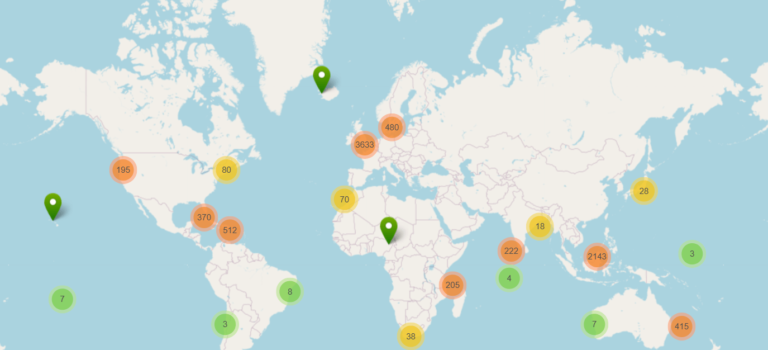
A map of the world showing where seagrass has been spotted using SeagrassSpotter

Harnessing open data to understand coastal social-ecological systems

Our oceans and coasts are home to ecosystems that provide immense benefits to people, from food and livelihoods to carbon storage and coastal protection. In particular, seagrass meadows are archetypal social-ecological systems (SES), linking human well-being to ecosystem health. But to manage these systems effectively, we need access to both ecological
Read More »
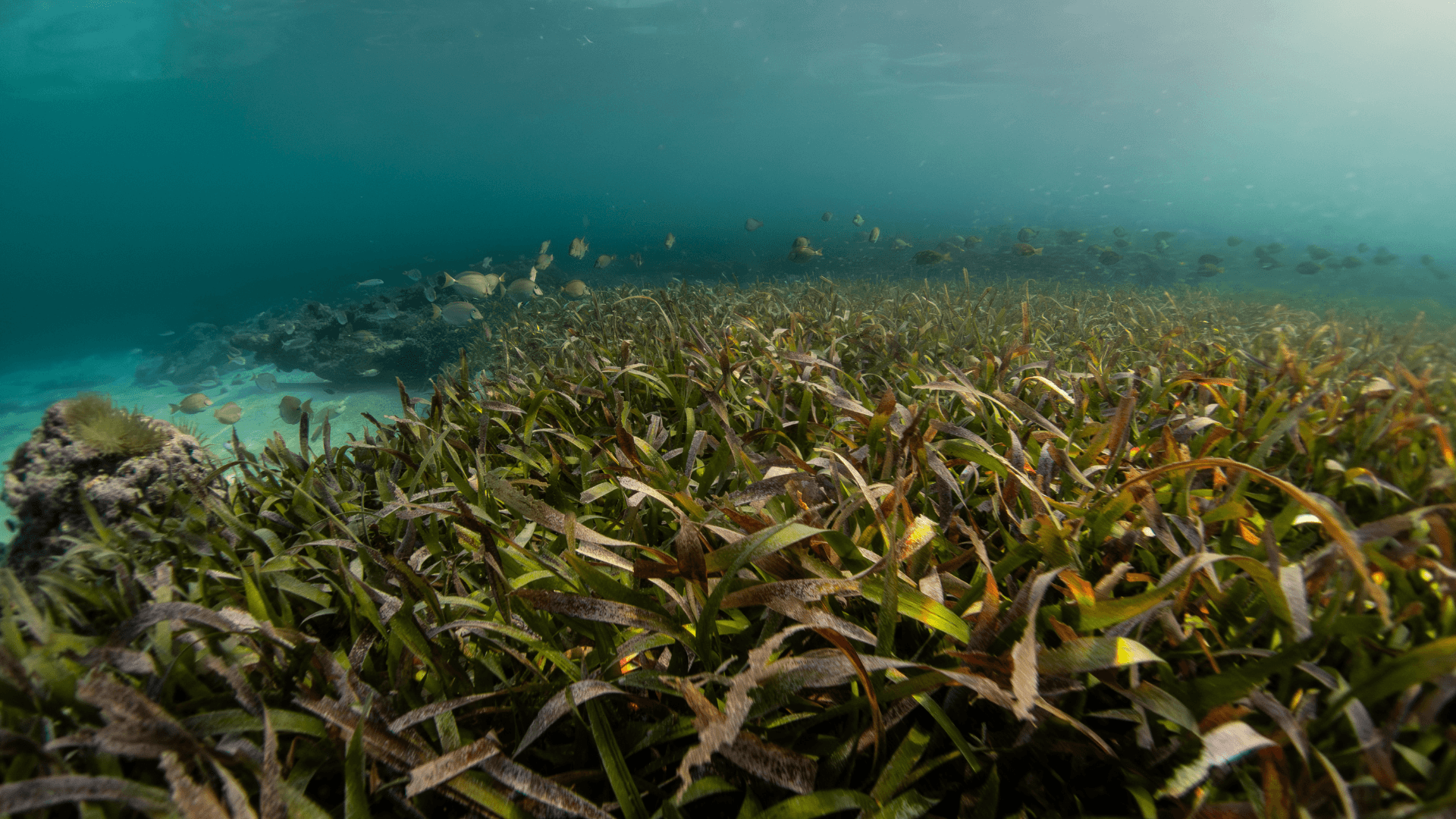
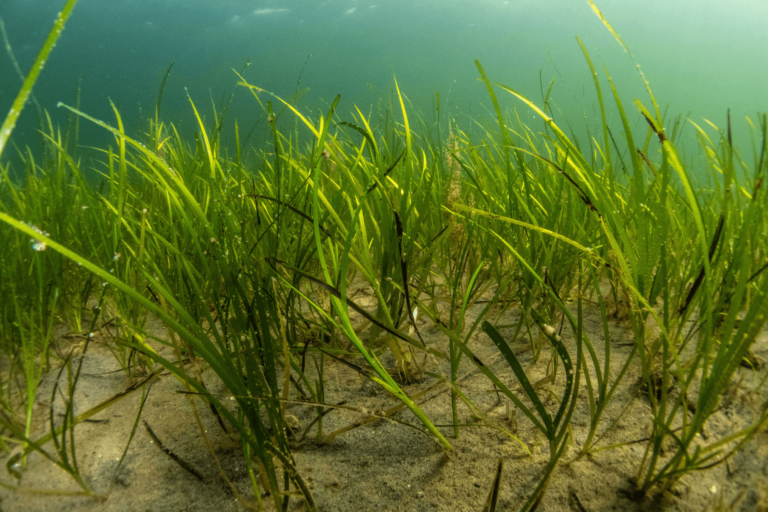
Zostera marina seagrass meadow. Credit Ben Jones

Seagrass swap could reshape Chesapeake Bay food web

Beneath the surface of the Chesapeake Bay, a subtle but dramatic shift is taking place as eelgrass gives way to its warmer-water relative, widgeon grass. A new study from researchers at William & Mary’s Batten School & VIMS shows that this seagrass swap could have ecological impacts across the Bay’s

Read More »
SeagrassSpotter Nanozostera japonica

Researchers uncover hidden seagrass species in northwest Pacific

Seagrasses, foundational species in coastal ecosystems worldwide, are surprisingly few in documented diversity—with only about 70 species identified globally, despite their widespread distribution and ecological importance. Complicating matters, their high phenotypic plasticity within species makes precise classification challenging. Against this backdrop, a research team led by Prof. Zhou Yi from

Read More »
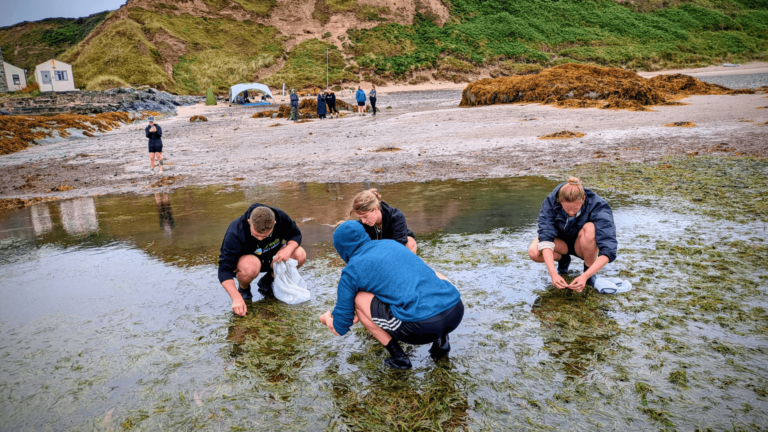
Volunteers crouch in the seagrass meadow at Porthdinllaen collecting seagrass seeds

Fieldwork notes from our summer seagrass seed collections

The Project Seagrass team have had another busy summer of seagrass seed collections!  This year collections took place in Yarmouth, Ryde, and Bembridge on the Isle of Wight in the Solent, and in Porthdinllaen in North Wales. Find out more about how this summer’s collections went:  Solent Seed Collection |

Read More »
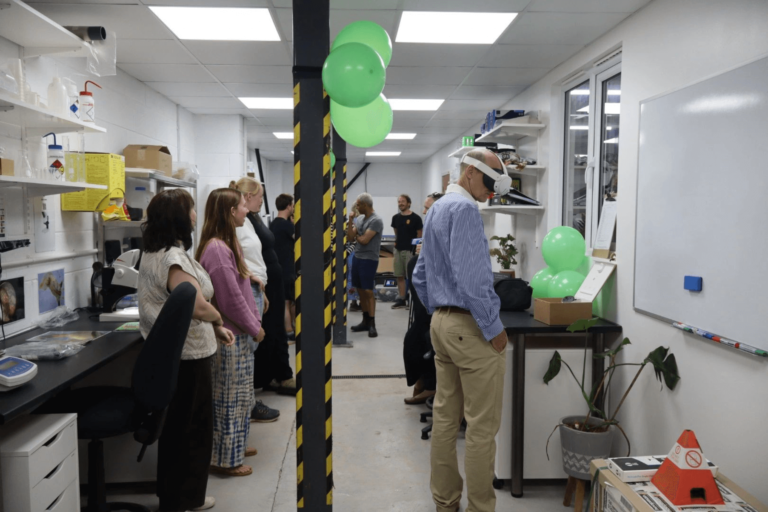
Project Seagrass Lab Opening

Project Seagrass celebrates opening of new Lab

Last month marked the opening of a newly constructed laboratory facility at Project Seagrass’ headquarters in Bridgend, South Wales. Project Seagrass CEO Leanne Cullen-Unsworth said: “We’re delighted to be able to launch this fantastic new facility within our existing working space in Bridgend. Thanks to generous support from funders who

Read More »
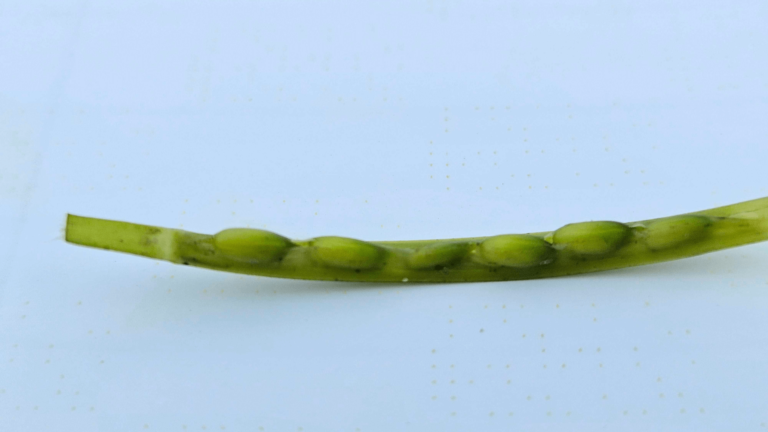
Close up of a spathe with seagrass seeds

Seagrass Nursery News

July 2025 Emily Yates, Seagrass Nursery Lead Introduction It’s that time of year when the sun is shining and seagrass meadows around the UK are filled with flowering shoots, laden with maturing seeds. Much of July has been dominated by seagrass seed collection fieldwork and preparing for the seeds to

Read More »
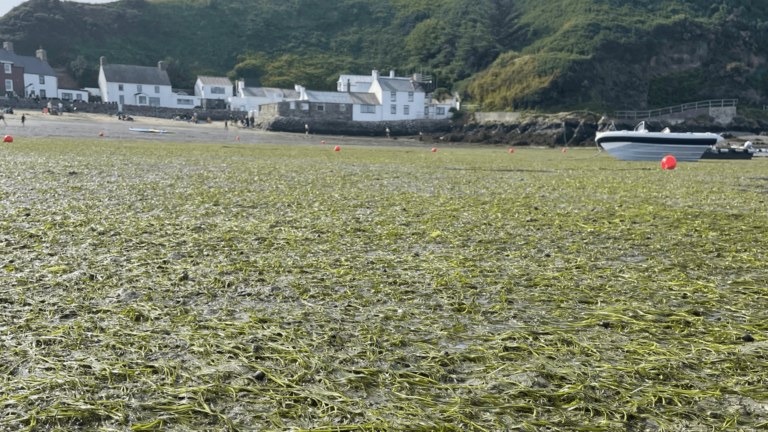
Seagrass meadow at Porthdinllaen meadow exposed at low tide,

Seagrass-Watch & Restoration Update – North Wales

Earlier this year, Project Seagrass welcomed Rhys Bowen to the team to support our work in North Wales as part of the Seagrass Ocean Rescue North Wales programme. This follows on from Rhys’ involvement in the programme during 2024 where we worked as one of the Marine Futures Interns at

Read More »
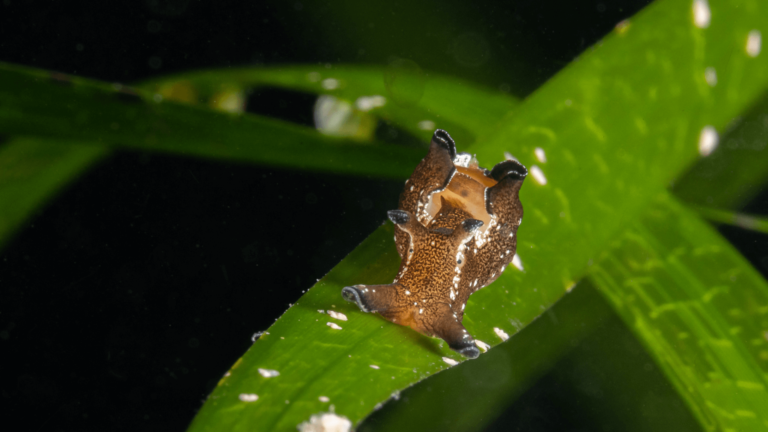
A Sea Hare sitting on a blade of seagrass in an Orcadian seagrass meadow.

The Sea Hare: Creatures that call seagrass home

In a new blog series, our Conservation Trainee Abi David explores some of the amazing creatures that call seagrass meadows their home. Sea hares are odd looking creatures. They are mostly soft bodied but have a small internal shell, which separates them from their close relatives – sea slugs. The

Read More »
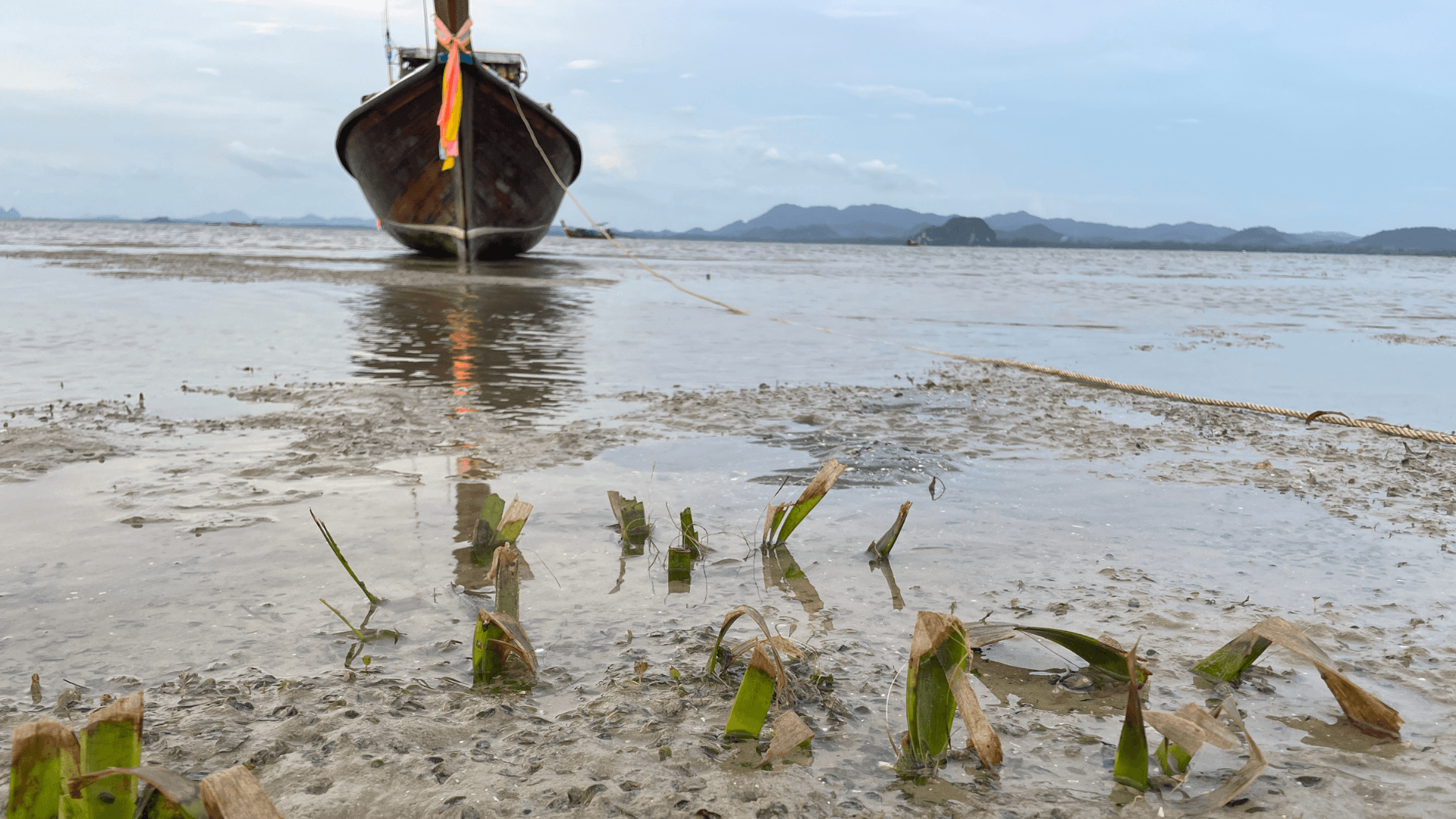
Blades of Enhalus acoroides stand upright in the water.
new science

Mapping Indonesian seagrass quality to target blue carbon conservation

Not all of Indonesia’s seagrass meadows are faring alike. A study has revealed substantial spatial differences in the condition of 21 seagrass meadows across central and eastern Indonesia, providing a clearer picture of where ecosystems are thriving (hotspots), under stress (coldspots) or undergoing ecological change (outliers). But why does this

Read More »
Fish swim through a seagrass meadow.
Project Seagrass updates

Project Seagrass recognised as an Independent Research Organisation

Project Seagrass has been granted Independent Research Organisation status. This is an important milestone for Project Seagrass, but more importantly, it is a milestone for seagrass science. Since 2013, Project Seagrass has worked tirelessly to build a different kind of conservation organisation. One that is rooted in science, grounded in

Read More »
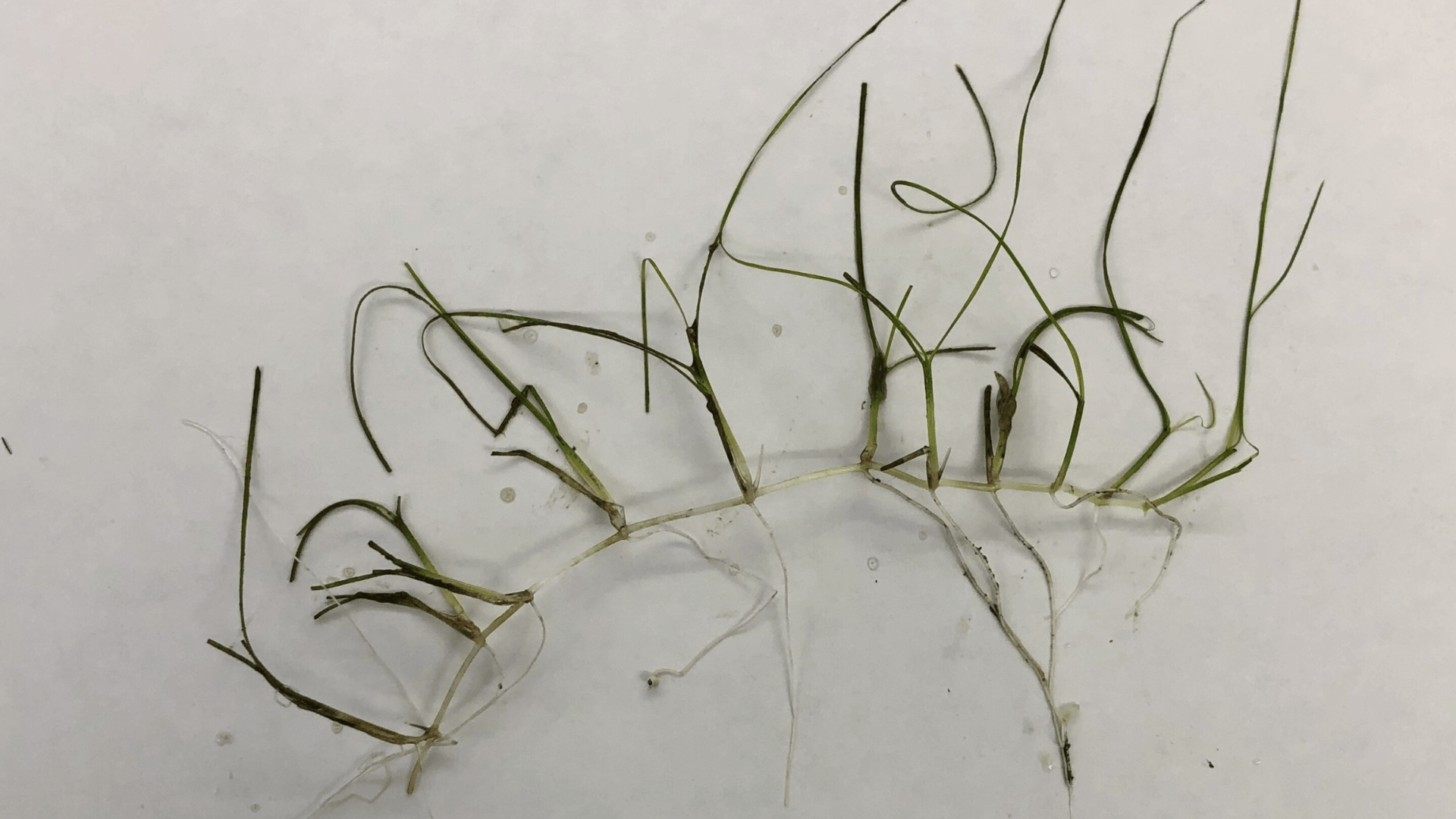
Ruppia maritima
new science

A resilient native seagrass species could help reshape coastal restoration

Seagrasses are among the most important foundation species in coastal ecosystems, providing habitat for marine life, stabilising sediments, and helping improve water quality. Yet nearly 20% of the world’s historic seagrass cover has been lost, and efforts to restore these vital underwater meadows often face significant challenges. In Florida’s Indian

Read More »
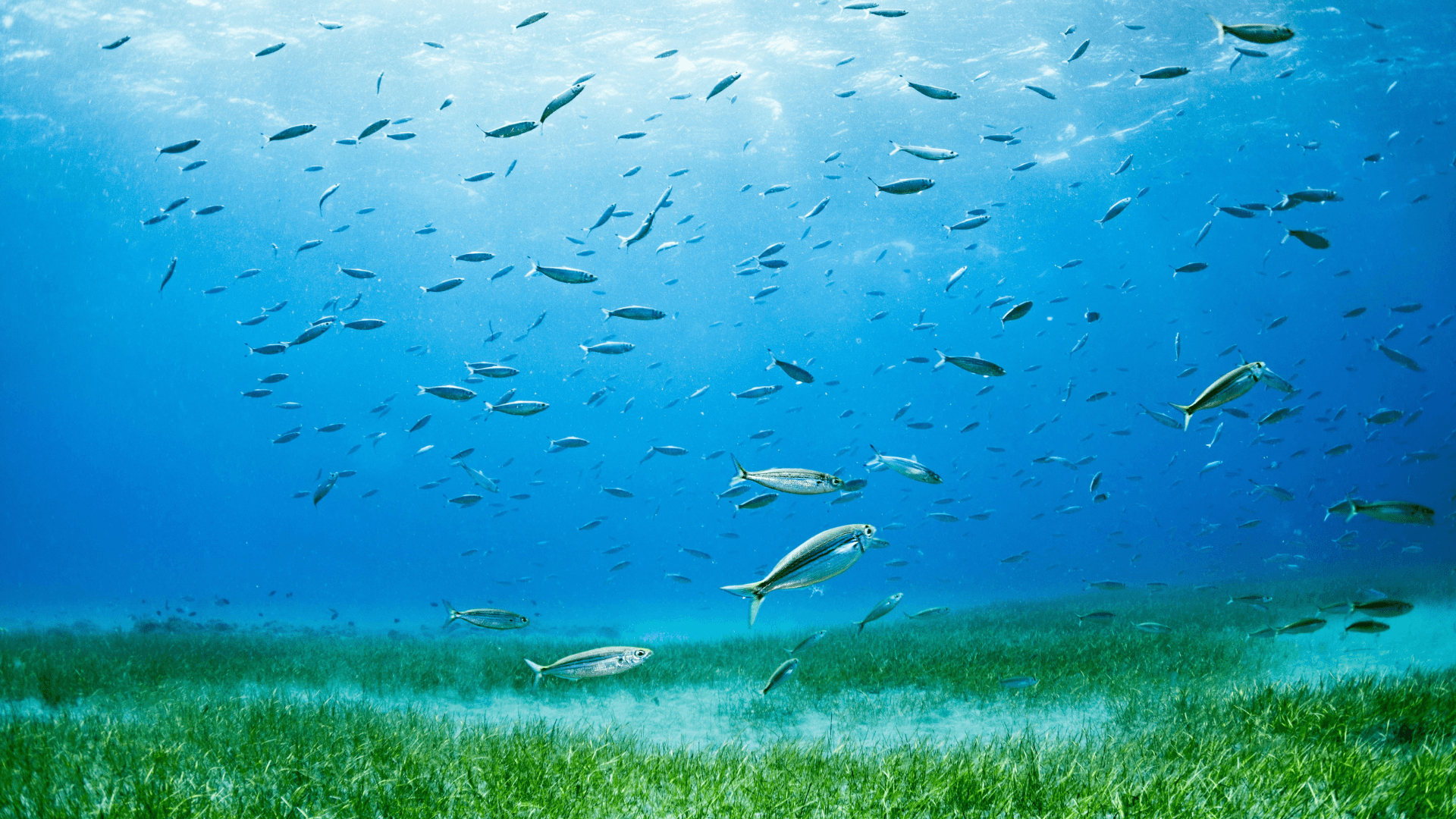
A school of Bogue swim above a seagrass meadow
Careers and training

Marie Skłodowska-Curie Postdoctoral Fellowship 2026

Are you an early-career researcher interested in seagrass conservation, people–nature relationships, and the future of coastal sustainability? Project Seagrass is keen to hear from potential applicants to the 2026 Marie Skłodowska-Curie Postdoctoral Fellowships programme. We welcome ideas spanning climate resilience, restoration ecology, water quality, biodiversity, blue carbon, genetics and connectivity,

Read More »
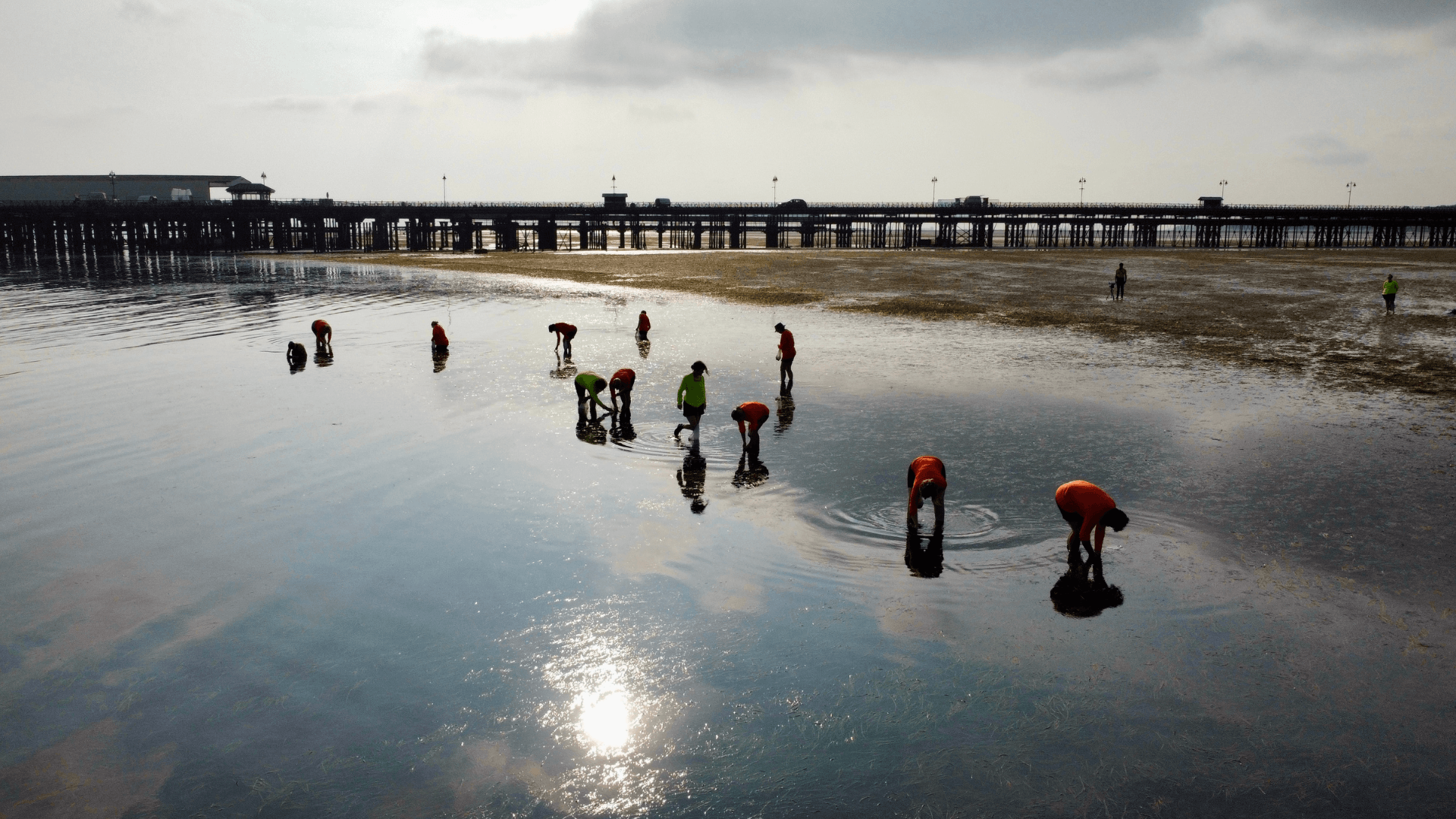
A drone shot shows volunteers wading in the seagrass meadow in Ryde. Volunteers are wearing bright orange tops. Ryde pier is in the background.
Solent

Celebrating another successful seed collection in the Solent

This summer, members of the Project Seagrass team were on the Isle of Wight as part of our annual seagrass seed collection efforts: Seed Collections This year, our seagrass seed collections on the Isle of Wight took place in Yarmouth and Ryde. Seeds were collected through a combination of SCUBA

Read More »