NEWS

NEWS

Keeping you up to date with Project Seagrass news and views with a mixture of field notes and commentary on seagrass and marine conservation topics.

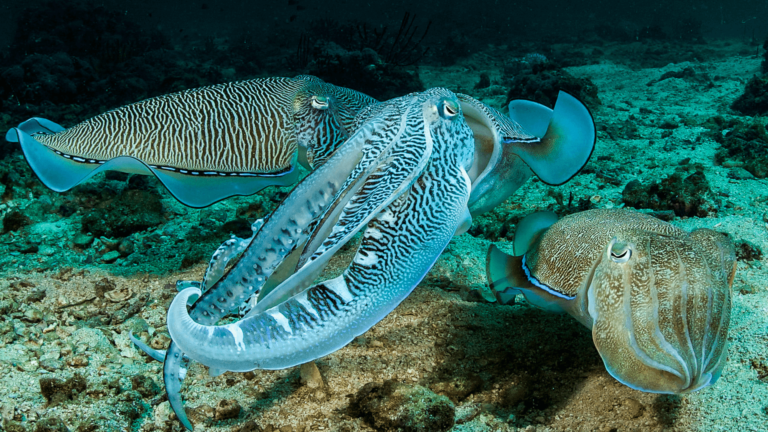
Cuttlefish.

The Cuttlefish: Creatures that call seagrass home

In a new blog series, our Conservation Trainee Abi David explores some of the amazing creatures that call seagrass meadows their home. Cuttlefish are molluscs and join squid and octopuses in the Cephalopod family. Predominantly found in temperate and tropical areas, 120 species can be found around the world. Cuttlefish

Read More »
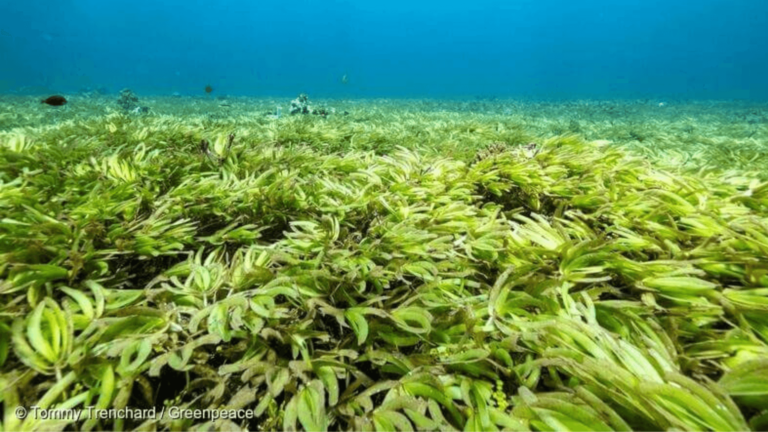
Seagrass at Saya De Malha Bank in the Indian Ocean.

Why the BBNJ Treaty Matters for Seagrass

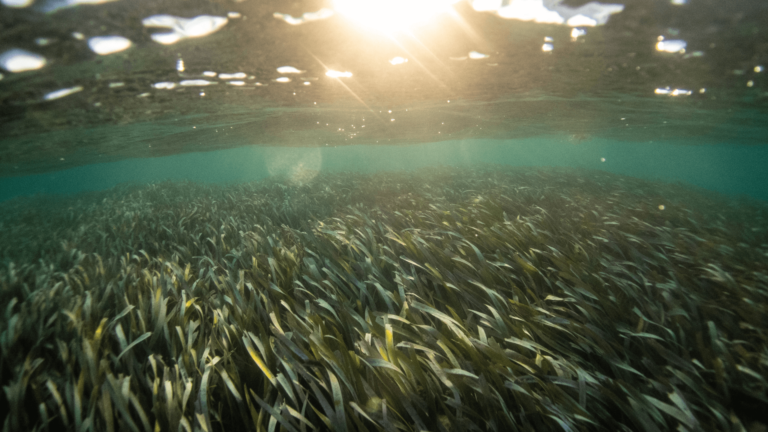
The BBNJ (Biodiversity Beyond National Jurisdiction) Treaty is critical for protecting and enhancing seagrass. Most of the world’s seagrass is within national jurisdictions; however, in some locations, such as the Saya De Malha Bank in the Indian Ocean, seagrass is located beyond any national jurisdiction. This means it’s not legally

Read More »
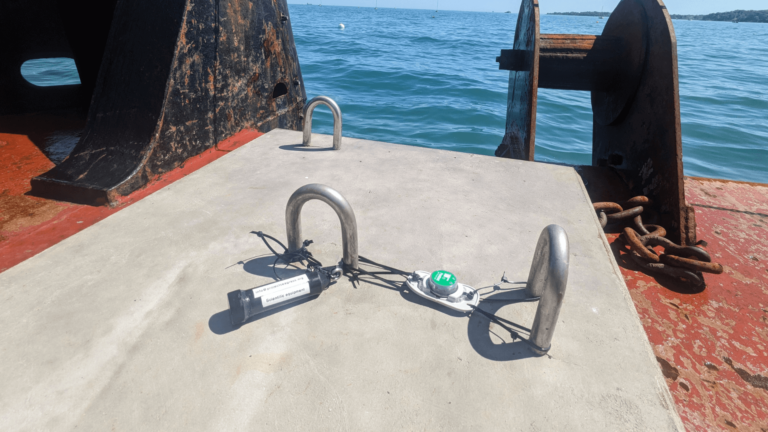
Advanced Sustainable Mooring System with monitoring devices

The new mooring systems supporting the Solent’s seagrass

An innovative cross-sector partnership between Project Seagrass, Blue Parameters, and WarrenBoats has enabled the installation of two Advanced Sustainable Mooring Systems (ASMS) at Seaview on the Isle of Wight, relieving pressure on the Island’s important seagrass habitats. Seagrass meadows play a critical role in keeping our oceans healthy and are

Read More »
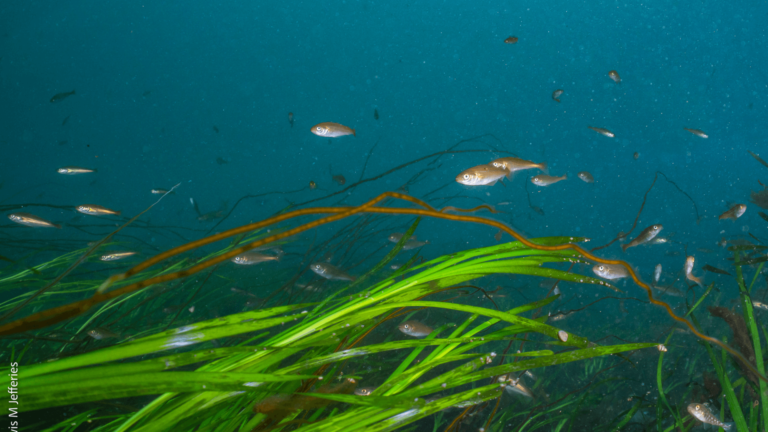
Pollack and Cod in an Orcadian seagrass meadow

Exploring the secrets within Orkney’s seagrass meadows

Around the archipelago of Orkney, are some of the UK’s most pristine seagrass meadows.  With numerous sheltered bays, low numbers of inhabitants, and crystal-clear waters, Orkney’s shores provide the ideal conditions for seagrass. However, much remains unknown about these important ecosystems.  The Highland Park funded Sjogras Partnership was established to

Read More »
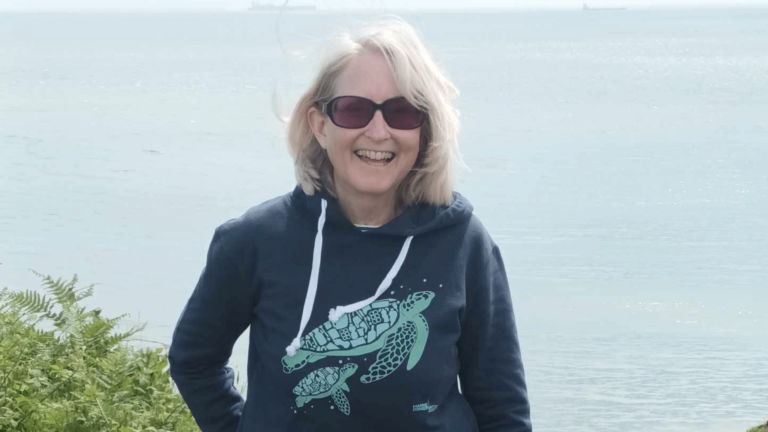
Lindsey is standing by the coast. She is wearing sunglasses and a hoodie with a turtle on it.

Volunteers’ Week: Interview with Lindsey

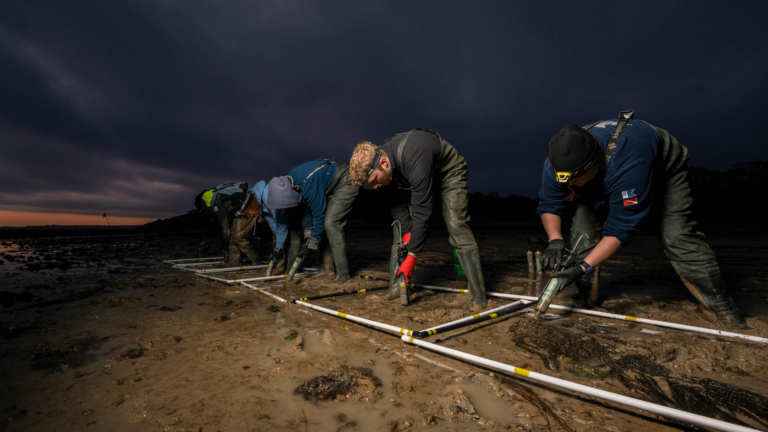
At Project Seagrass, we rely on the enthusiasm and commitment of our volunteers who support our work to save the world’s seagrass. We couldn’t do it without you! We spoke to Lindsey, one of our regular volunteers in the Solent about her experiences of volunteering with Project Seagrass: 1. Tell

Read More »
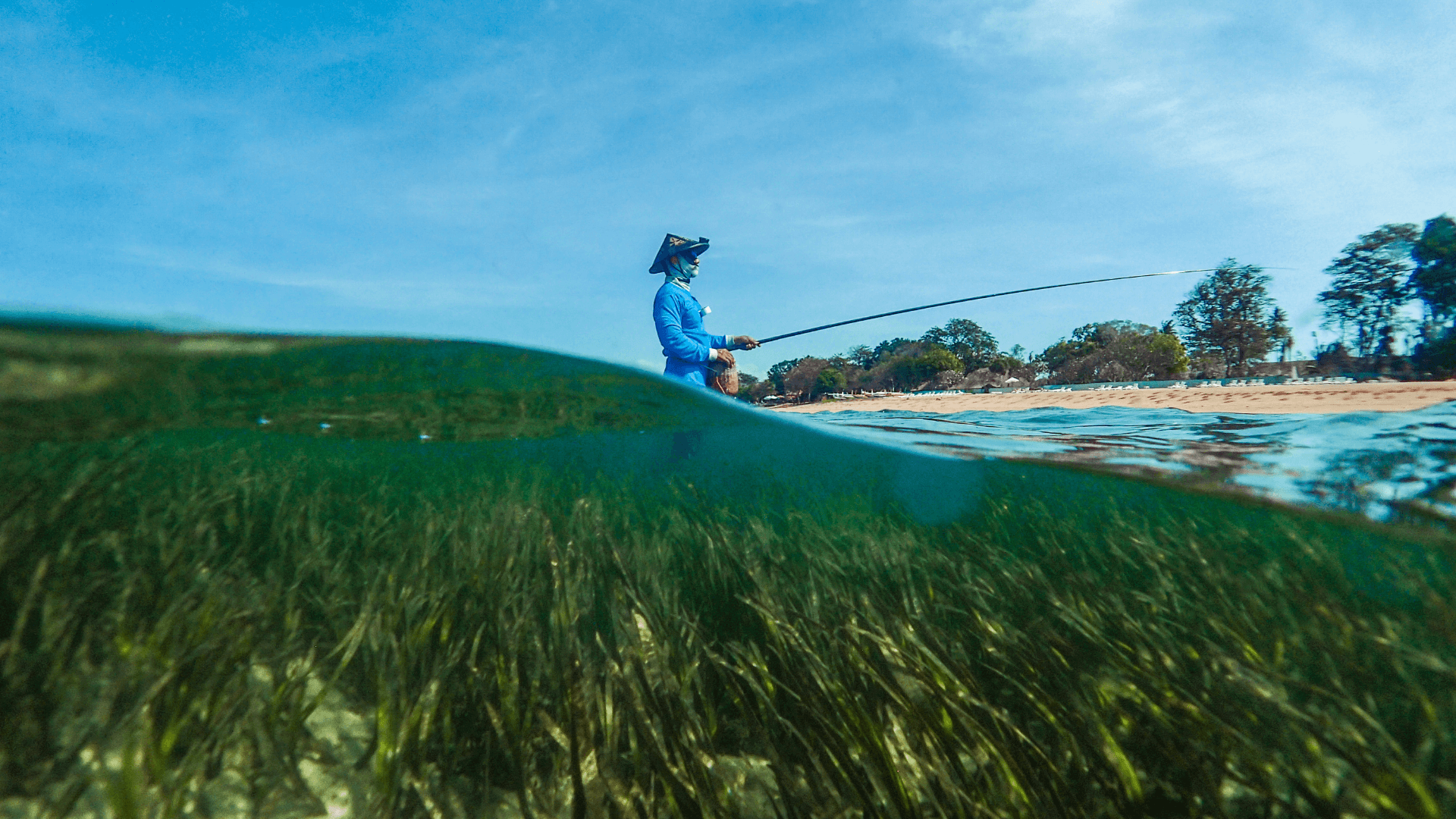
A fisher stands in the sea with a fishing rod.
press release

The underwater meadows sustaining millions in extreme poverty

The first large-scale analysis of its kind estimates that at least 18 million people living in poverty across the Indo-Pacific fish in seagrass meadows. Around 6.5 million may depend entirely on these overlooked habitats for fishing and subsistence.  Researchers warn that seagrass decline could deepen hunger, economic insecurity, and inequality

Read More »
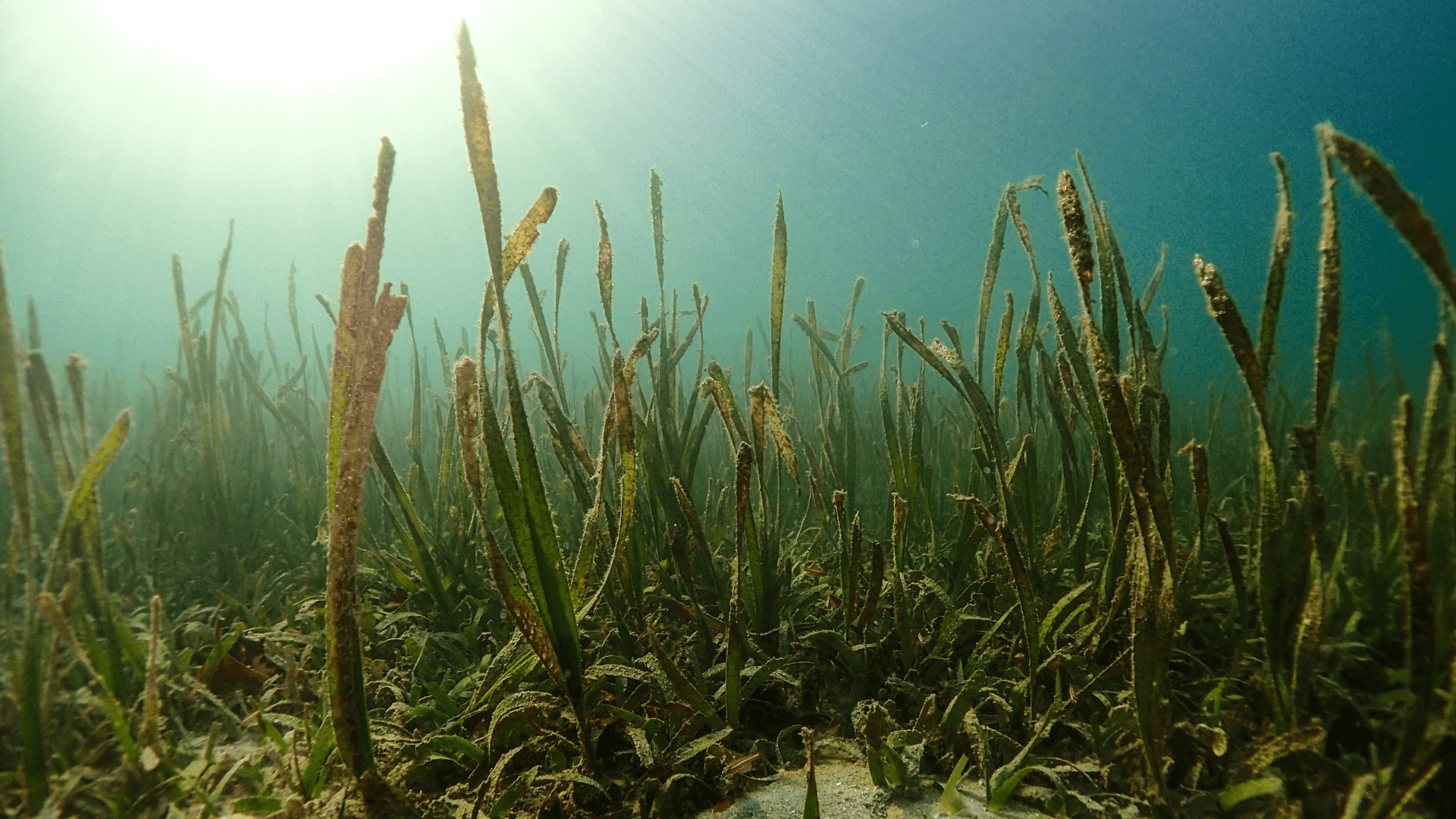
Blades of Enhalus acoroides stand upright in the water.
new science

Mapping Indonesian seagrass quality to target blue carbon conservation

Not all of Indonesia’s seagrass meadows are faring alike. A study has revealed substantial spatial differences in the condition of 21 seagrass meadows across central and eastern Indonesia, providing a clearer picture of where ecosystems are thriving (hotspots), under stress (coldspots) or undergoing ecological change (outliers). But why does this

Read More »
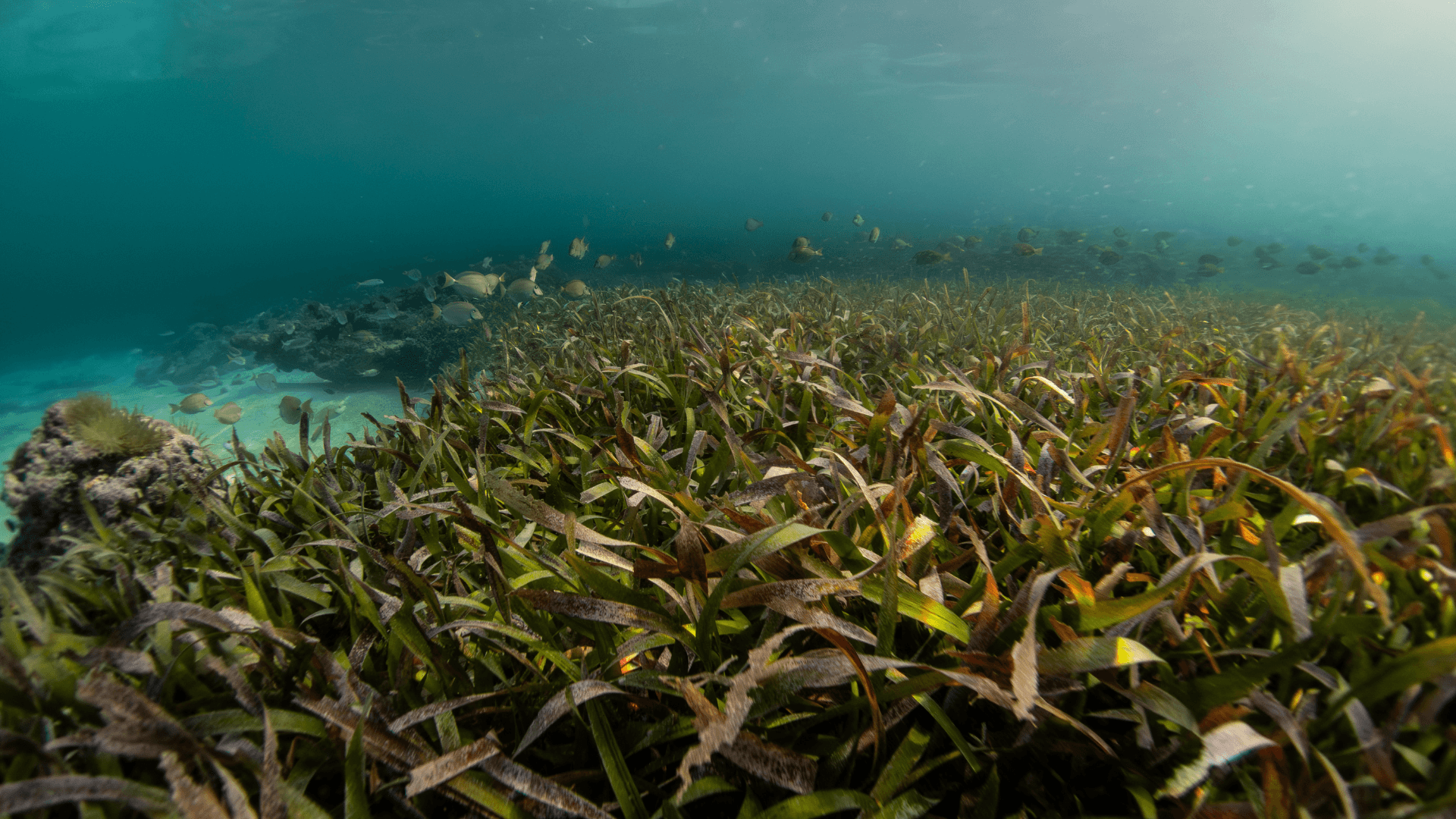
Fish swim through a seagrass meadow.
Project Seagrass updates

Project Seagrass recognised as an Independent Research Organisation

Project Seagrass has been granted Independent Research Organisation status. This is an important milestone for Project Seagrass, but more importantly, it is a milestone for seagrass science. Since 2013, Project Seagrass has worked tirelessly to build a different kind of conservation organisation. One that is rooted in science, grounded in

Read More »
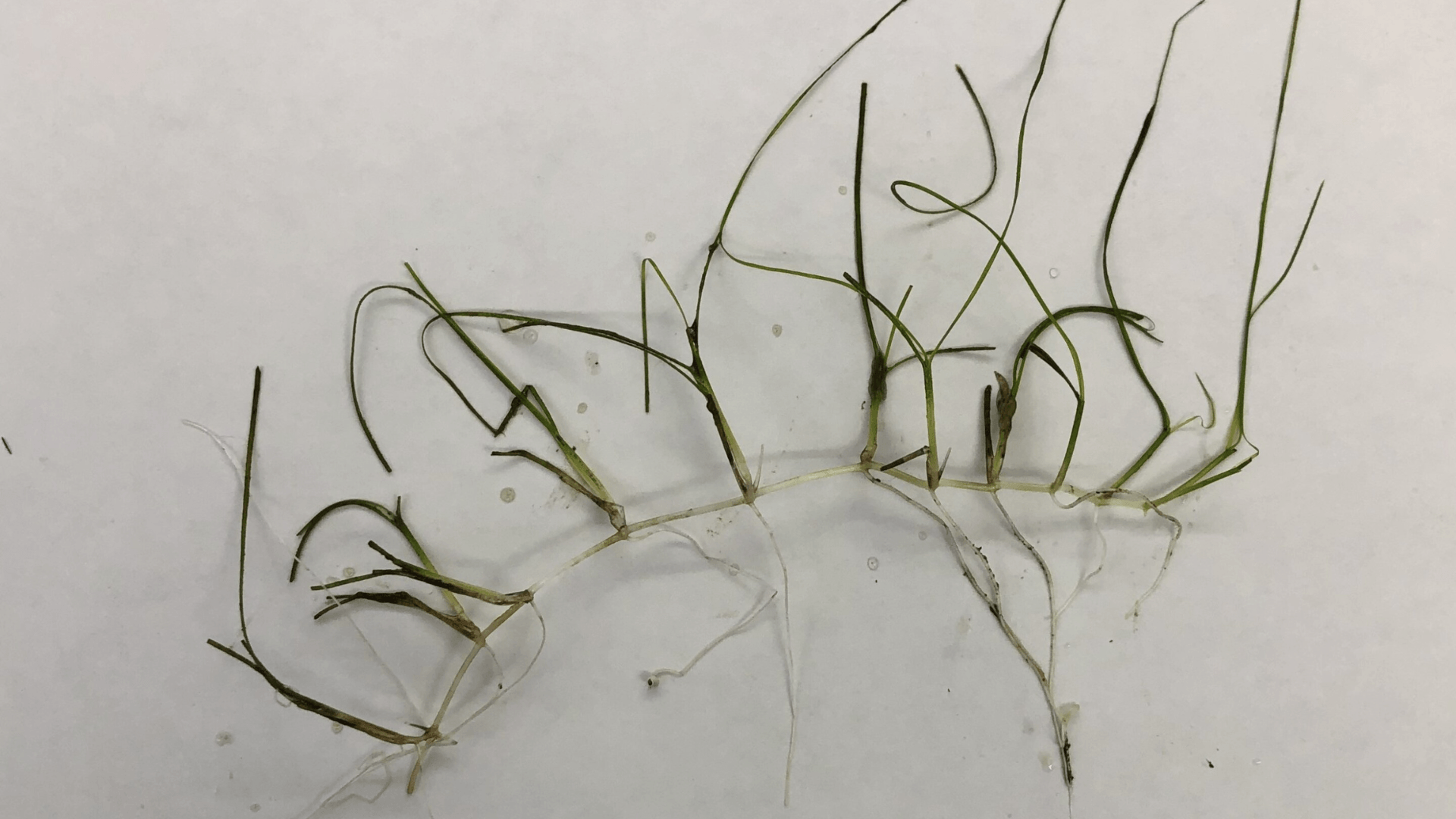
Ruppia maritima
new science

A resilient native seagrass species could help reshape coastal restoration

Seagrasses are among the most important foundation species in coastal ecosystems, providing habitat for marine life, stabilising sediments, and helping improve water quality. Yet nearly 20% of the world’s historic seagrass cover has been lost, and efforts to restore these vital underwater meadows often face significant challenges. In Florida’s Indian

Read More »