

Dr Benjamin Jones, Chief Conservation Officer at Project Seagrass has started his two-year term as President of the World Seagrass Association (WSA). He steps up to the role having been elected at the WSA Annual General Meeting (AGM) in December 2022. Prior to this he’s served on the WSA Steering
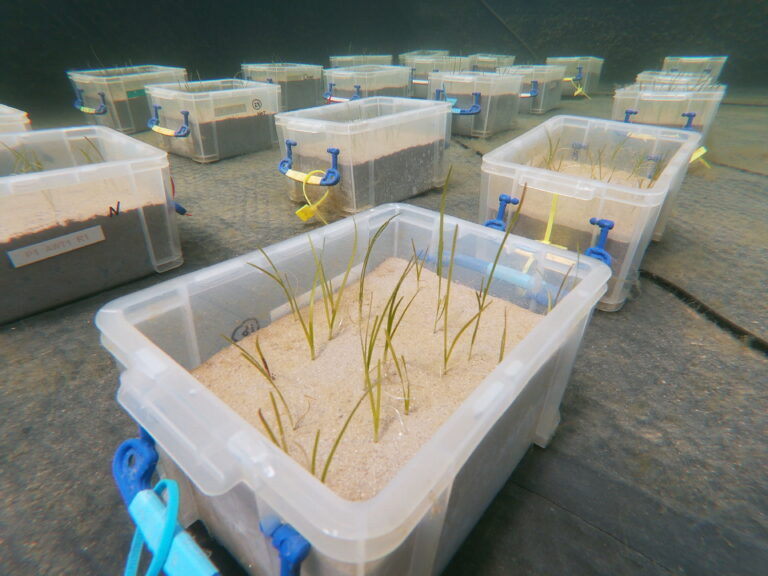
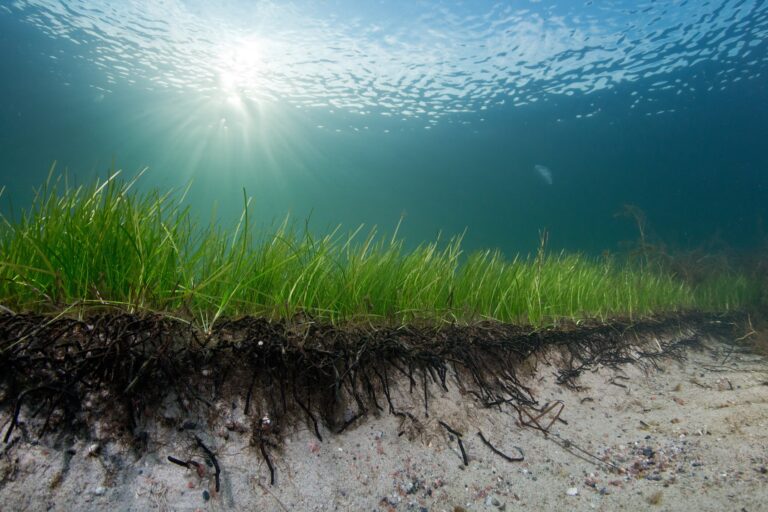
The sea devours large tracts of land when storms wash sand out to sea from the coast. A new study involving a researcher from the University of Gothenburg has shown that seagrass can reduce cliff erosion by up to 70% thanks to its root mats binding the sand. Coastal erosion
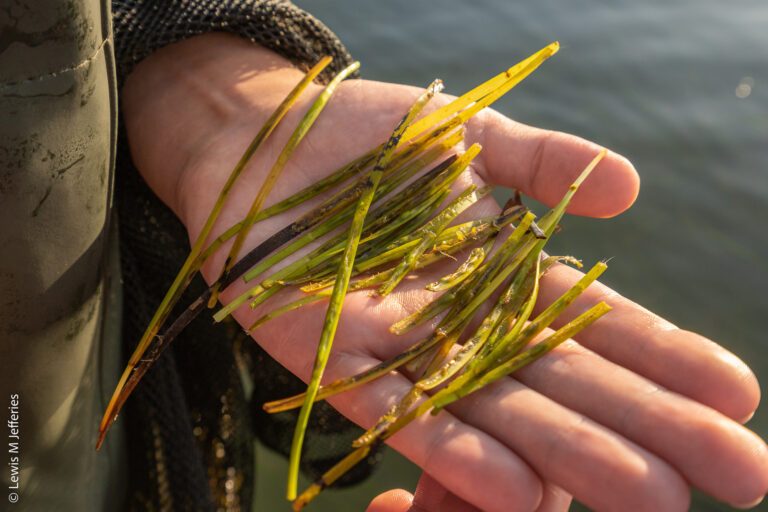
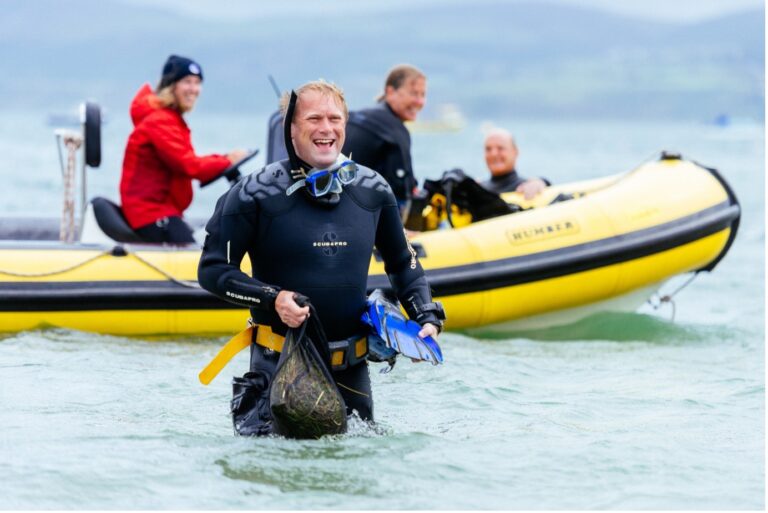
Dr Richard Unsworth, Project Seagrass and Swansea University The seas around Wales have so much potential. They offer rich biodiversity hidden within productive lush habitats such as kelp forests, salt marshes and seagrass meadows. Life in these waters can be so ingenious that it bioengineers its own environment. Out of
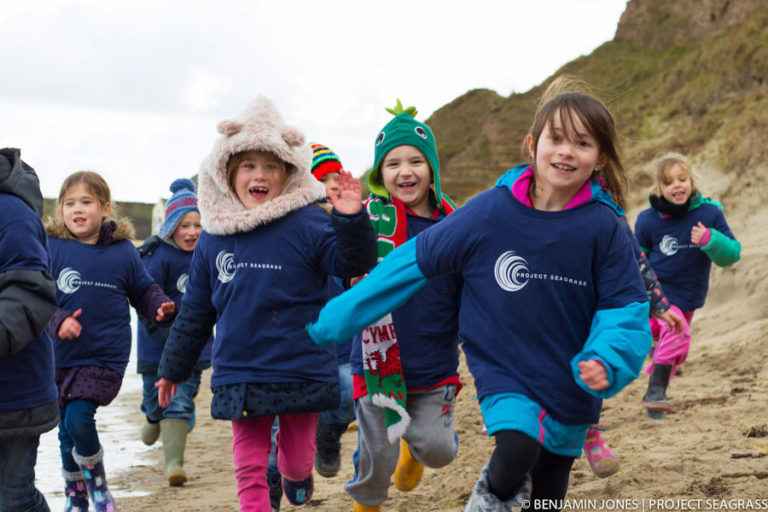
This Thursday 6th October, Project Seagrass will be taking part in the Running Out of Time climate relay. The relay runs from COP26 to COP27 – from Glasgow, Scotland all the way to Sharm el-Sheikh, Egypt. It takes place over 38 days across 18 countries to carry a relay baton
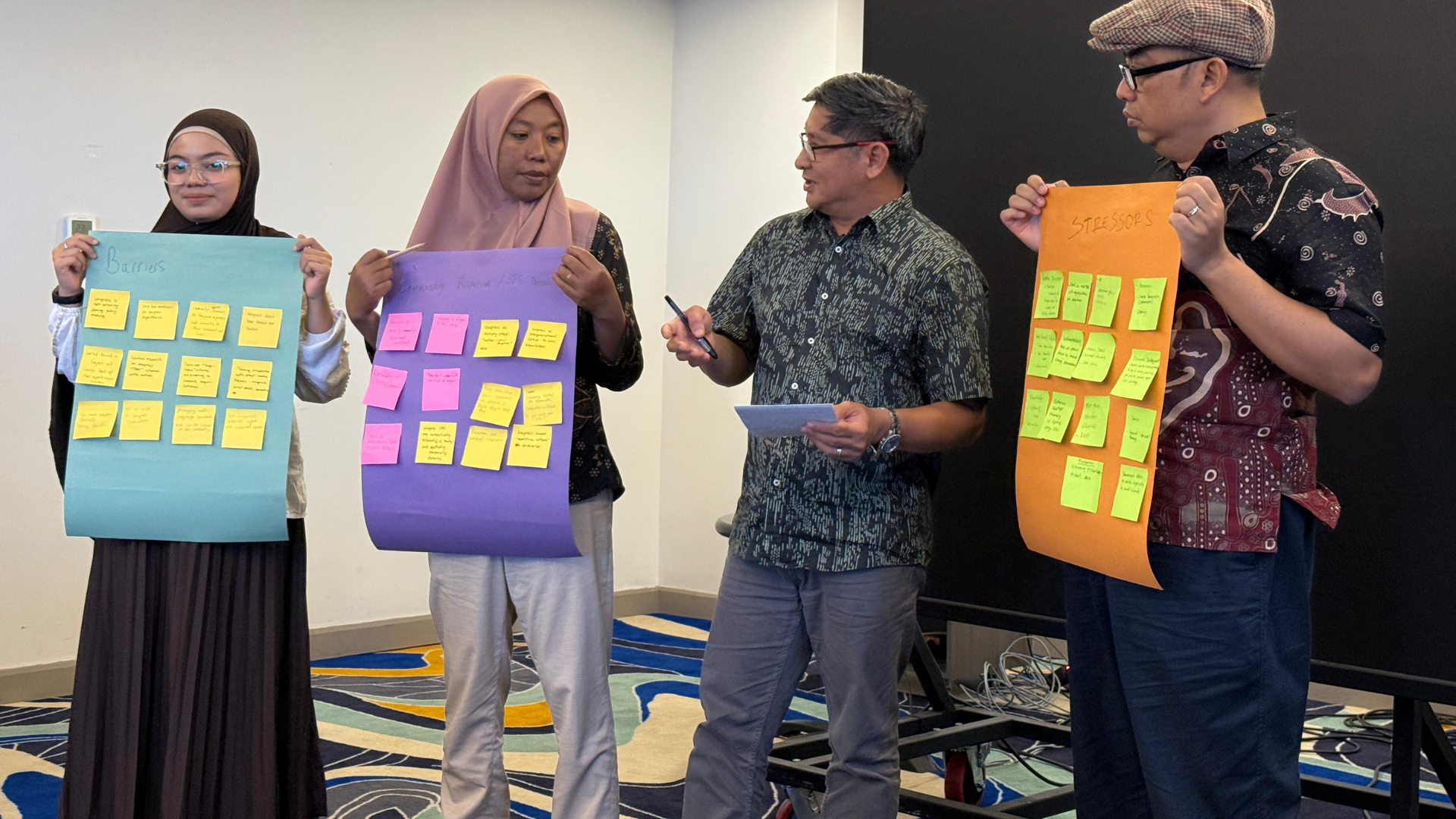
This summer, teams came together in Makassar, Indonesia, for the Seagrass Knowledge for Action in Southeast Asia workshop to explore pathways forward for strengthening knowledge, building research capacity, and development to further safeguard local seagrass social-ecological systems. Co-hosted by Universitas Hasanuddin (UNHAS) and Project Seagrass, the workshop involved teams from
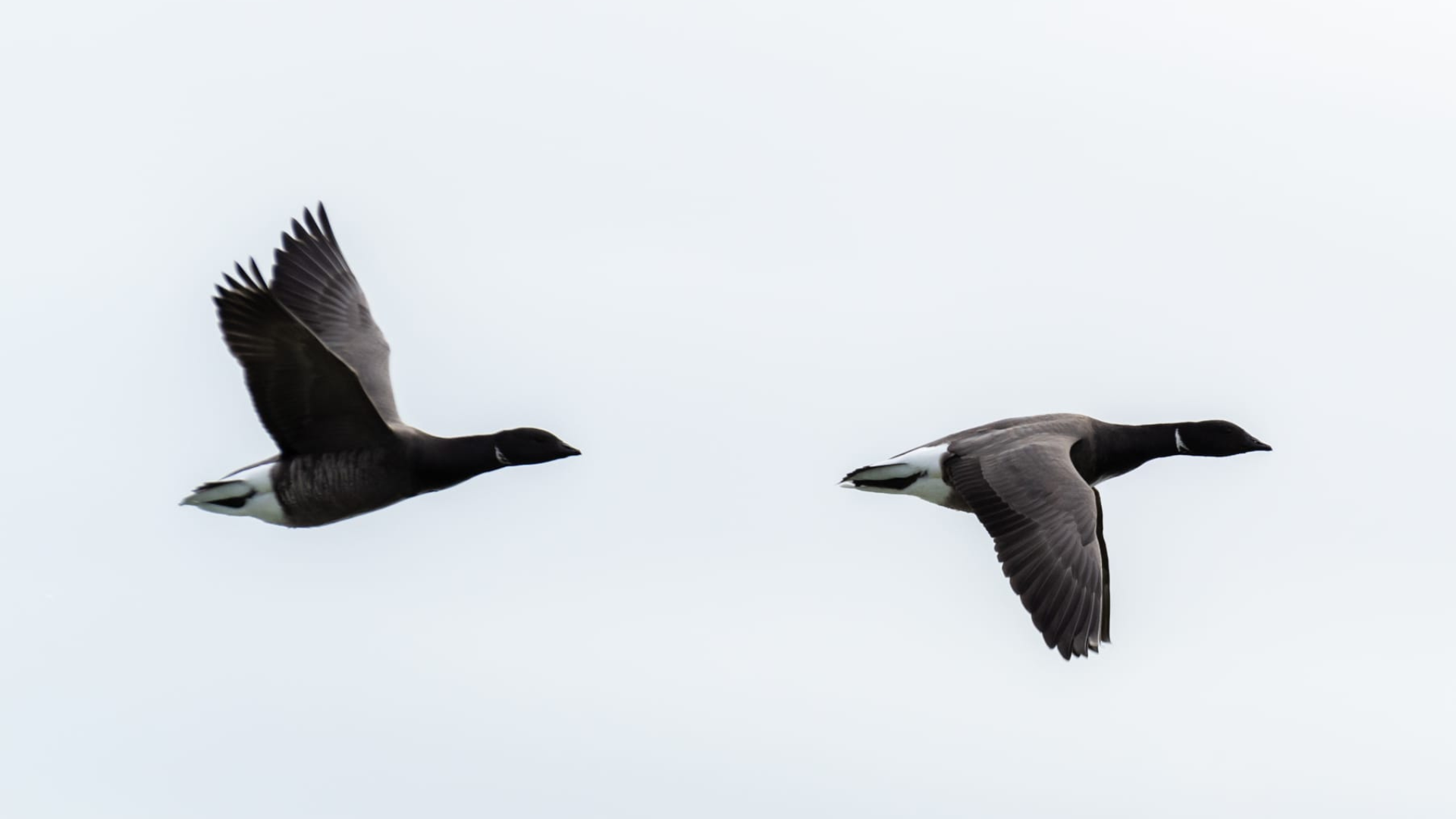
In a new blog series, our Conservation Trainee Abi David explores some of the amazing creatures that call seagrass meadows their home. The Brent Goose Branta bernicla is of a similar size to a Mallard duck, making it one of the smallest goose species in the world. They are a
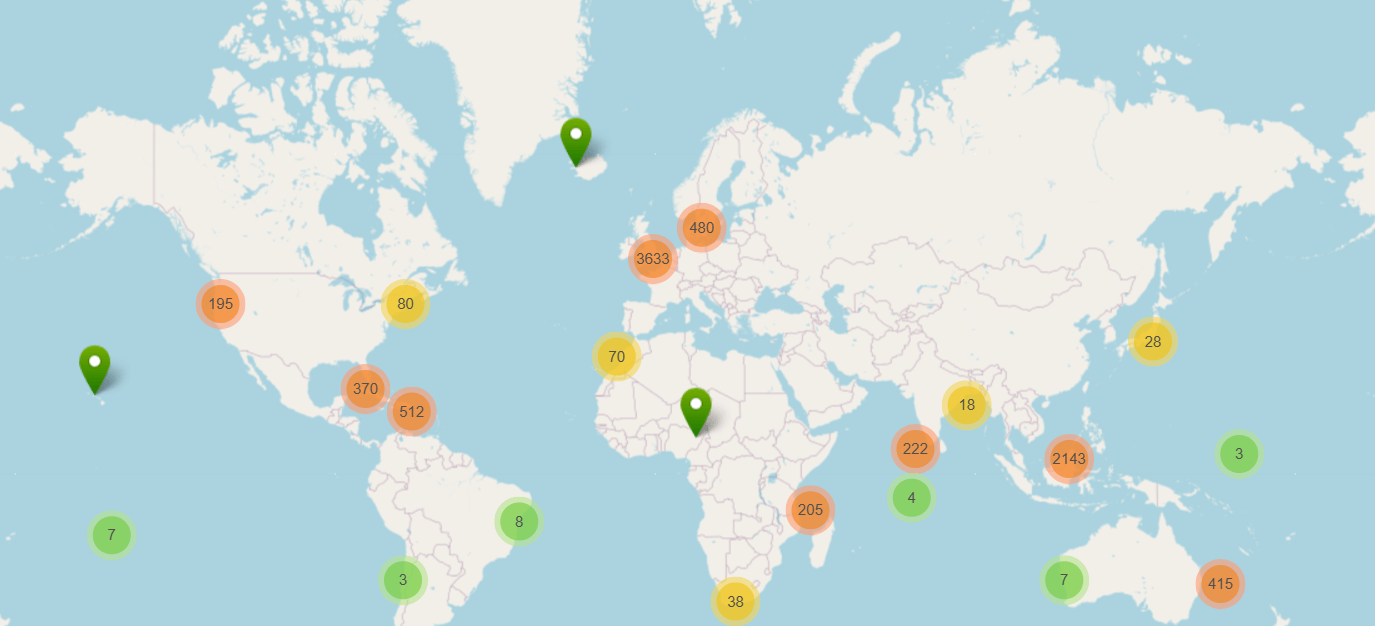
Our oceans and coasts are home to ecosystems that provide immense benefits to people, from food and livelihoods to carbon storage and coastal protection. In particular, seagrass meadows are archetypal social-ecological systems (SES), linking human well-being to ecosystem health. But to manage these systems effectively, we need access to both ecological
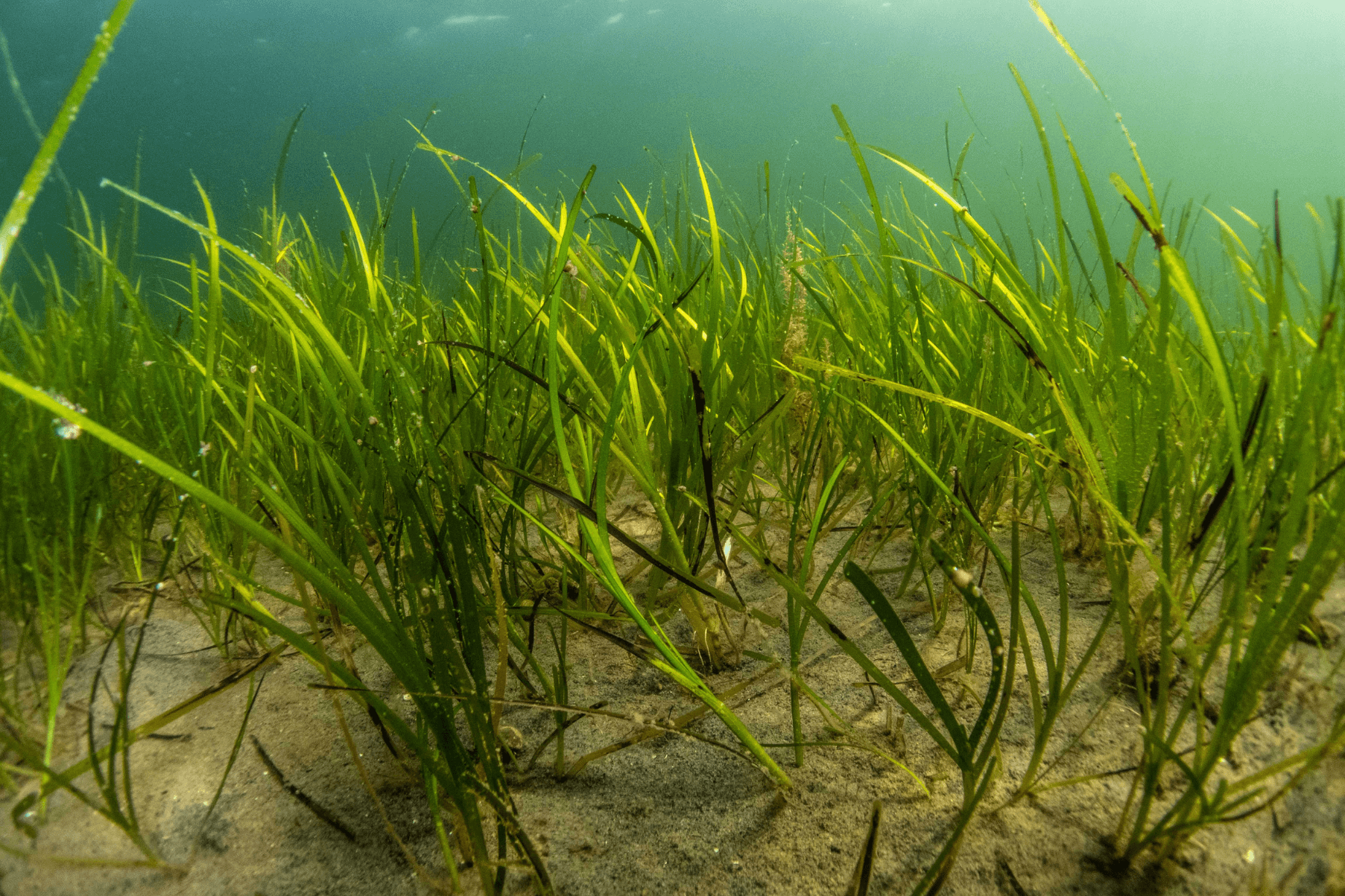
Beneath the surface of the Chesapeake Bay, a subtle but dramatic shift is taking place as eelgrass gives way to its warmer-water relative, widgeon grass. A new study from researchers at William & Mary’s Batten School & VIMS shows that this seagrass swap could have ecological impacts across the Bay’s
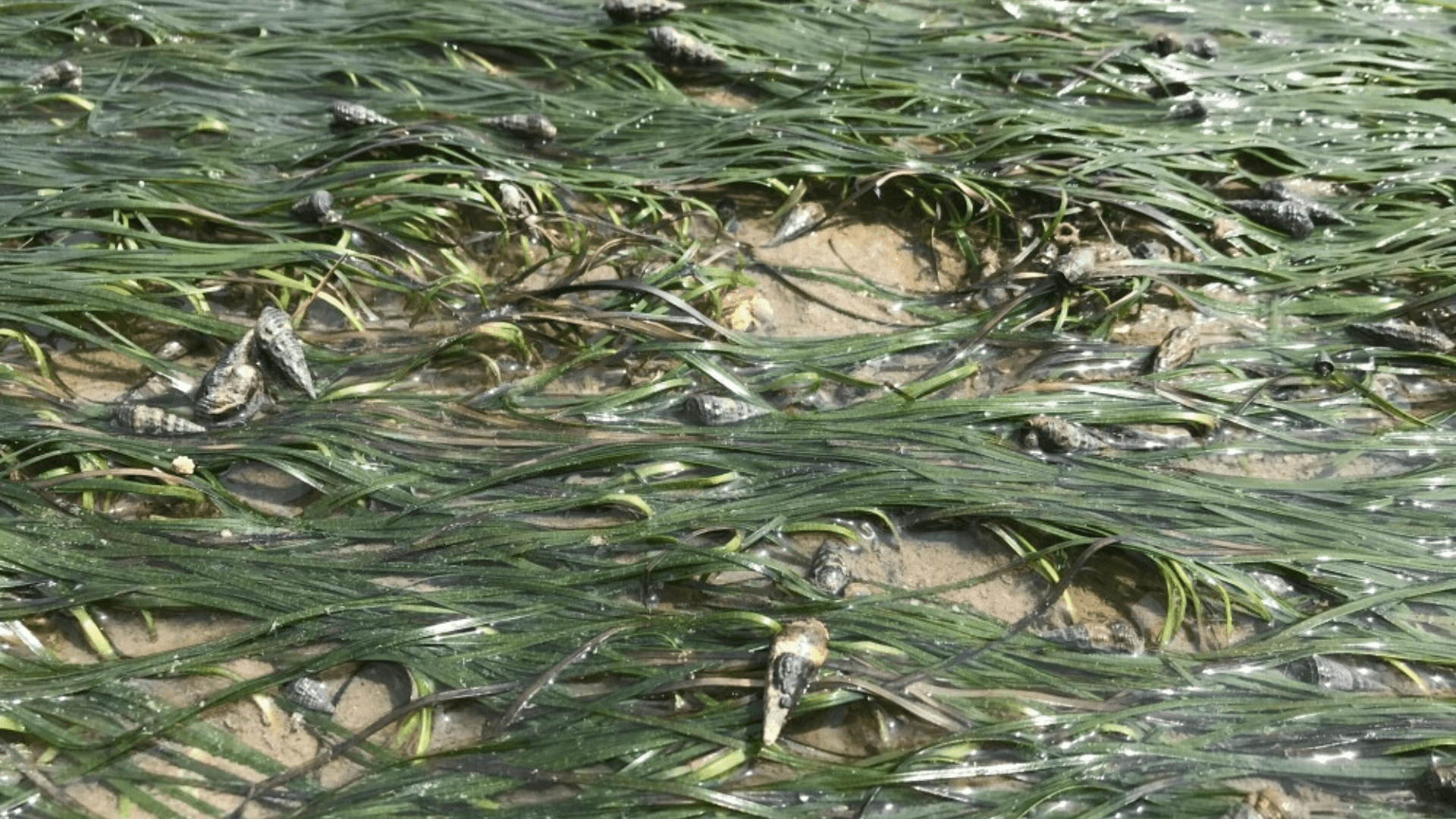
Seagrasses, foundational species in coastal ecosystems worldwide, are surprisingly few in documented diversity—with only about 70 species identified globally, despite their widespread distribution and ecological importance. Complicating matters, their high phenotypic plasticity within species makes precise classification challenging. Against this backdrop, a research team led by Prof. Zhou Yi from
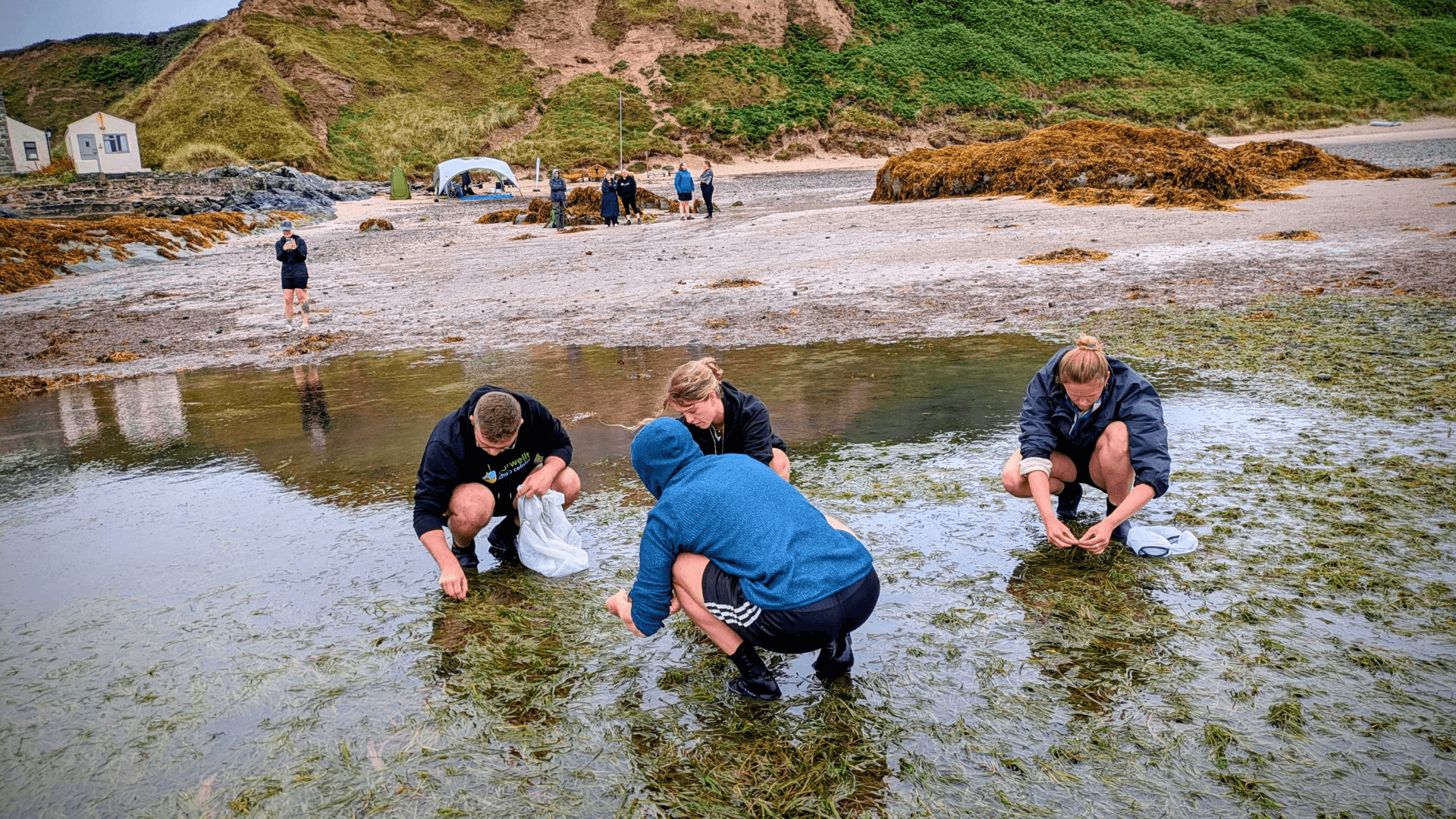
The Project Seagrass team have had another busy summer of seagrass seed collections! This year collections took place in Yarmouth, Ryde, and Bembridge on the Isle of Wight in the Solent, and in Porthdinllaen in North Wales. Find out more about how this summer’s collections went: Solent Seed Collection |