
Dr Benjamin Jones, Chief Conservation Officer at Project Seagrass has started his two-year term as President of the World Seagrass Association (WSA). He steps up to the role having been elected at the WSA Annual General Meeting (AGM) in December 2022. Prior to this he’s served on the WSA Steering
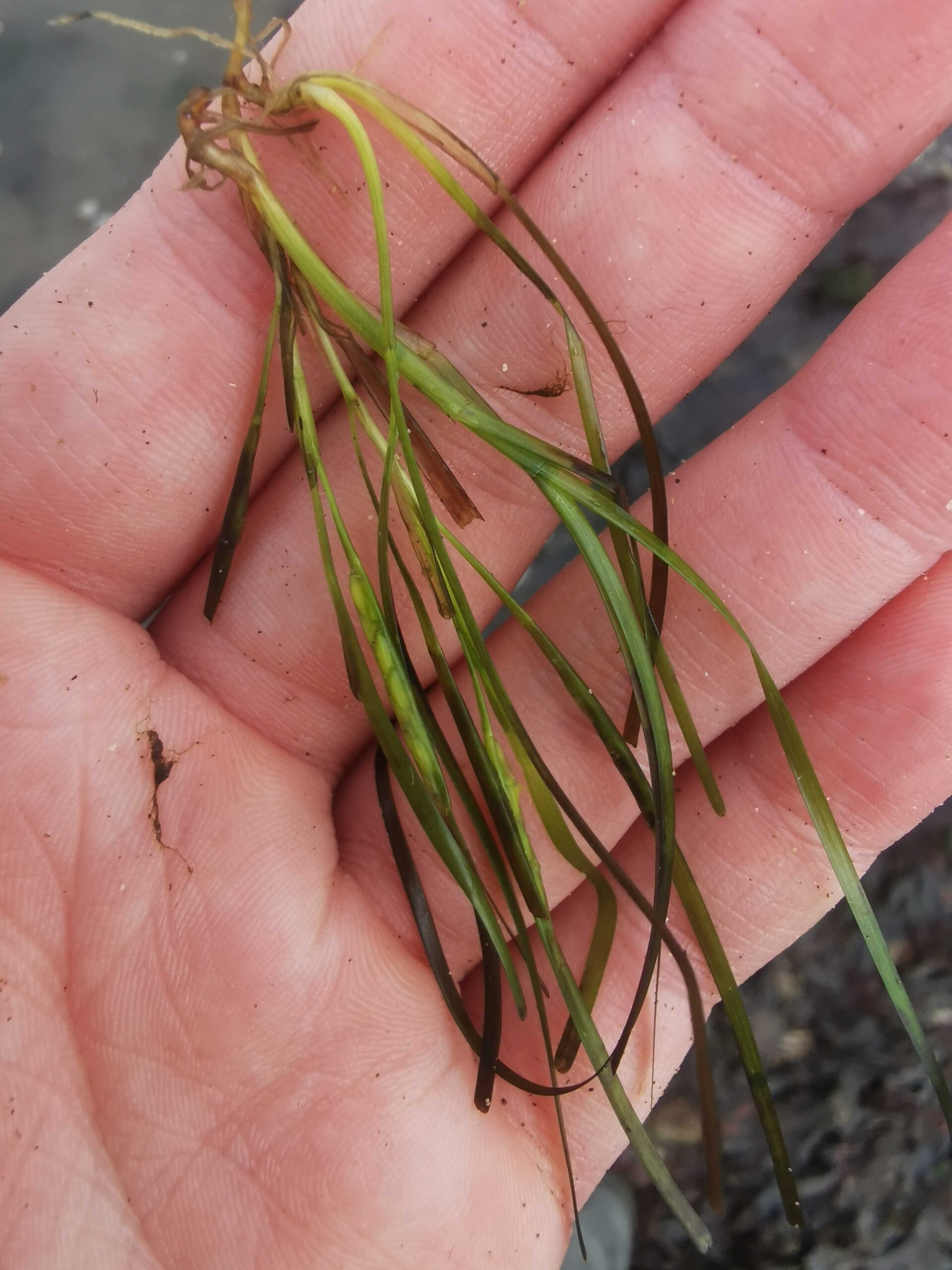
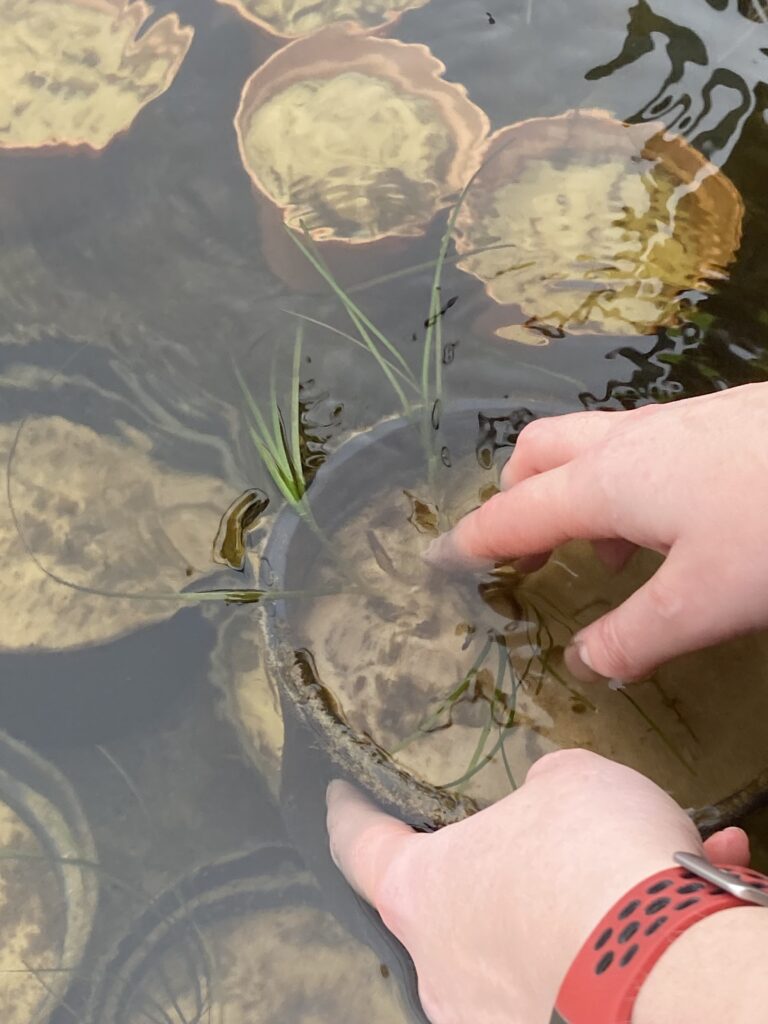
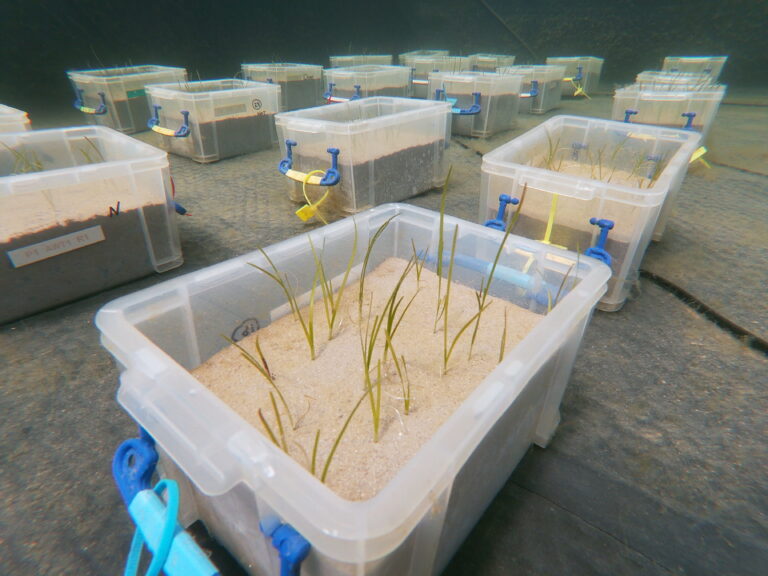
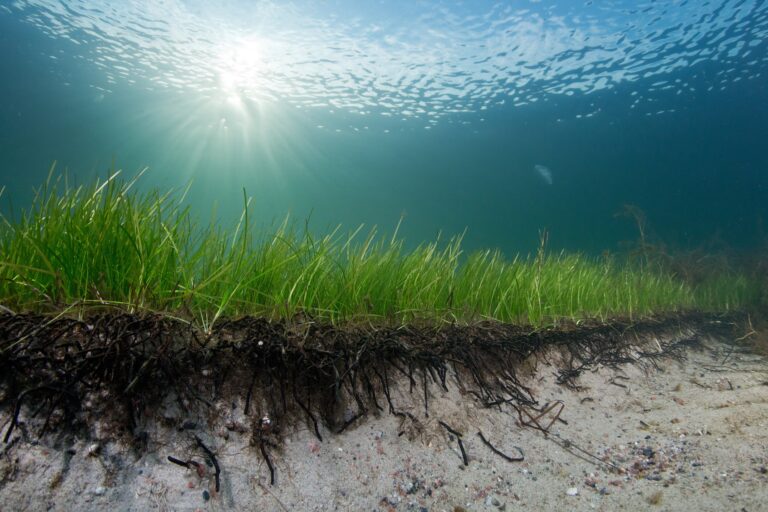
The sea devours large tracts of land when storms wash sand out to sea from the coast. A new study involving a researcher from the University of Gothenburg has shown that seagrass can reduce cliff erosion by up to 70% thanks to its root mats binding the sand. Coastal erosion
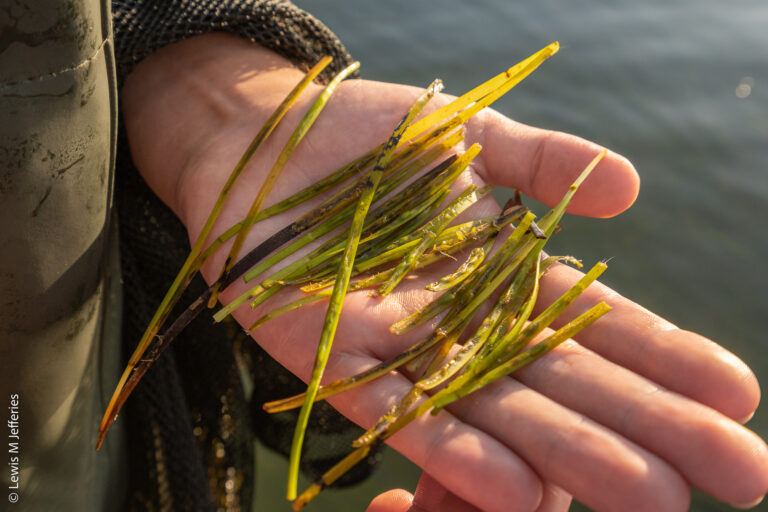
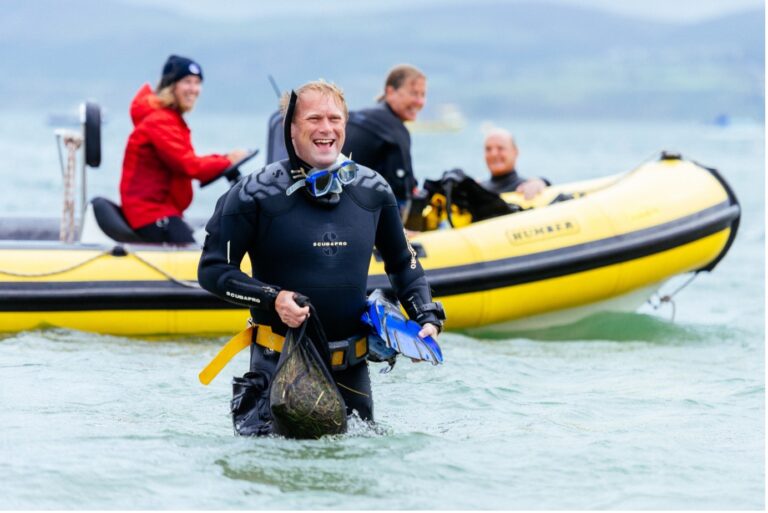
Dr Richard Unsworth, Project Seagrass and Swansea University The seas around Wales have so much potential. They offer rich biodiversity hidden within productive lush habitats such as kelp forests, salt marshes and seagrass meadows. Life in these waters can be so ingenious that it bioengineers its own environment. Out of

This Thursday 6th October, Project Seagrass will be taking part in the Running Out of Time climate relay. The relay runs from COP26 to COP27 – from Glasgow, Scotland all the way to Sharm el-Sheikh, Egypt. It takes place over 38 days across 18 countries to carry a relay baton

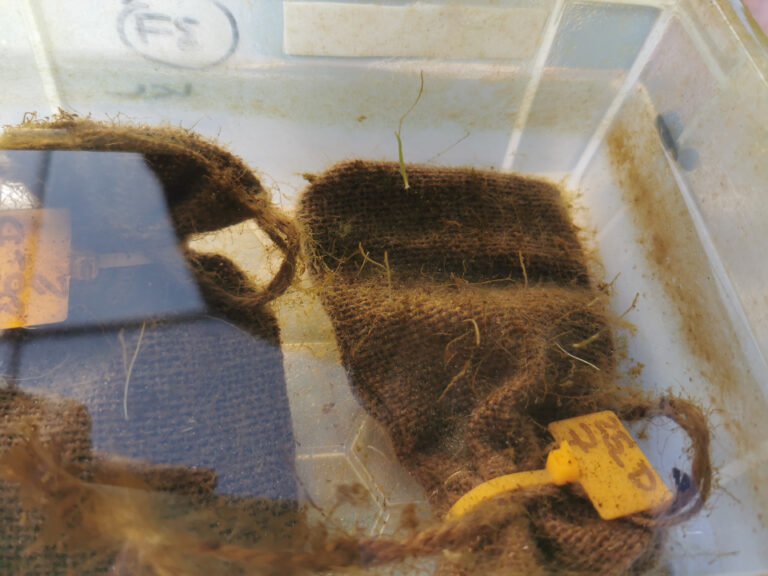
New research provides one of the first documented cases of a marine heatwave undermining restoration efforts at a site in Northern Europe. Forecasting extreme weather events will be essential to the success of future marine restoration efforts and Ocean recovery. A marine heatwave has undermined the success of
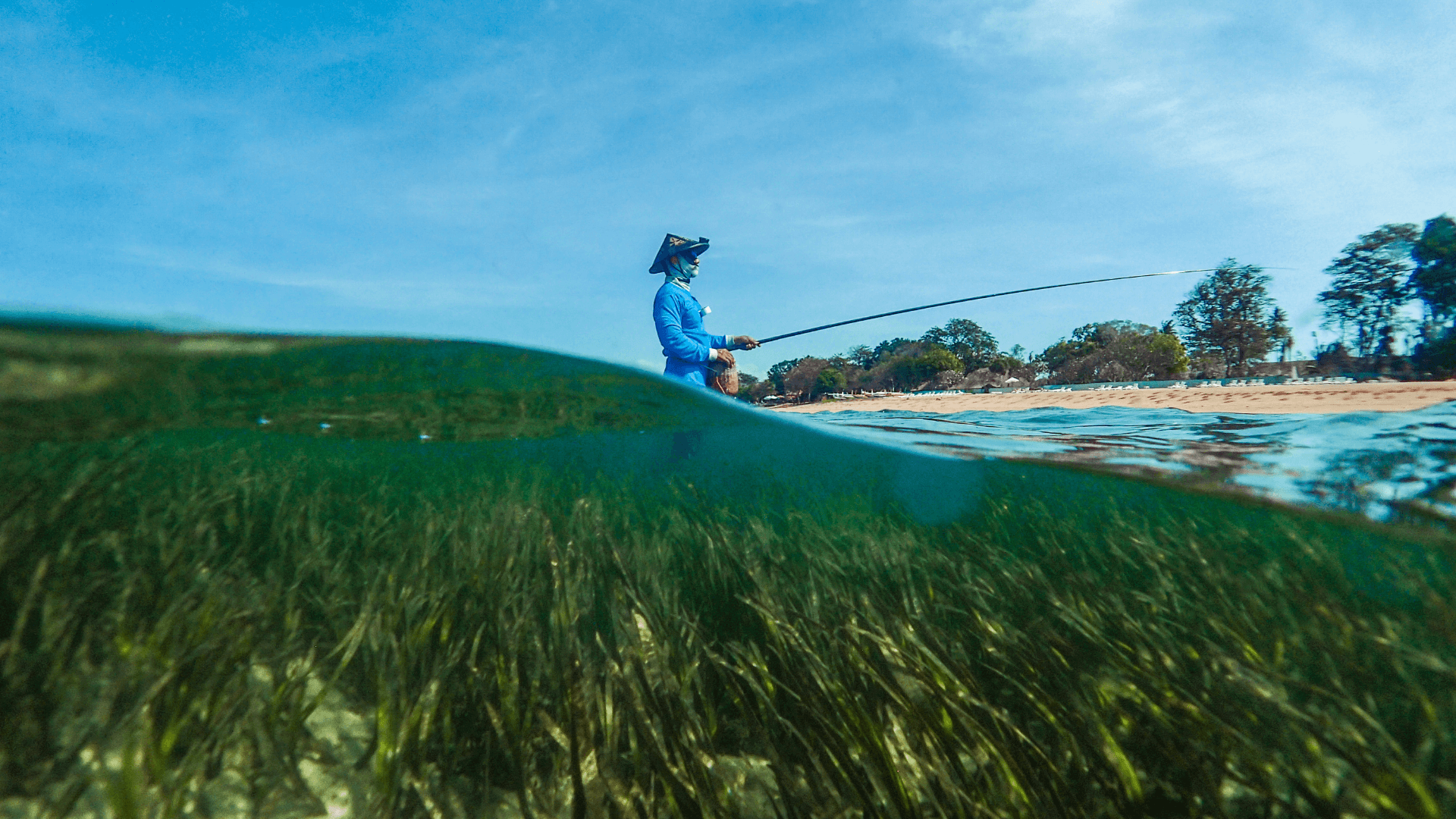
The first large-scale analysis of its kind estimates that at least 18 million people living in poverty across the Indo-Pacific fish in seagrass meadows. Around 6.5 million may depend entirely on these overlooked habitats for fishing and subsistence. Researchers warn that seagrass decline could deepen hunger, economic insecurity, and inequality
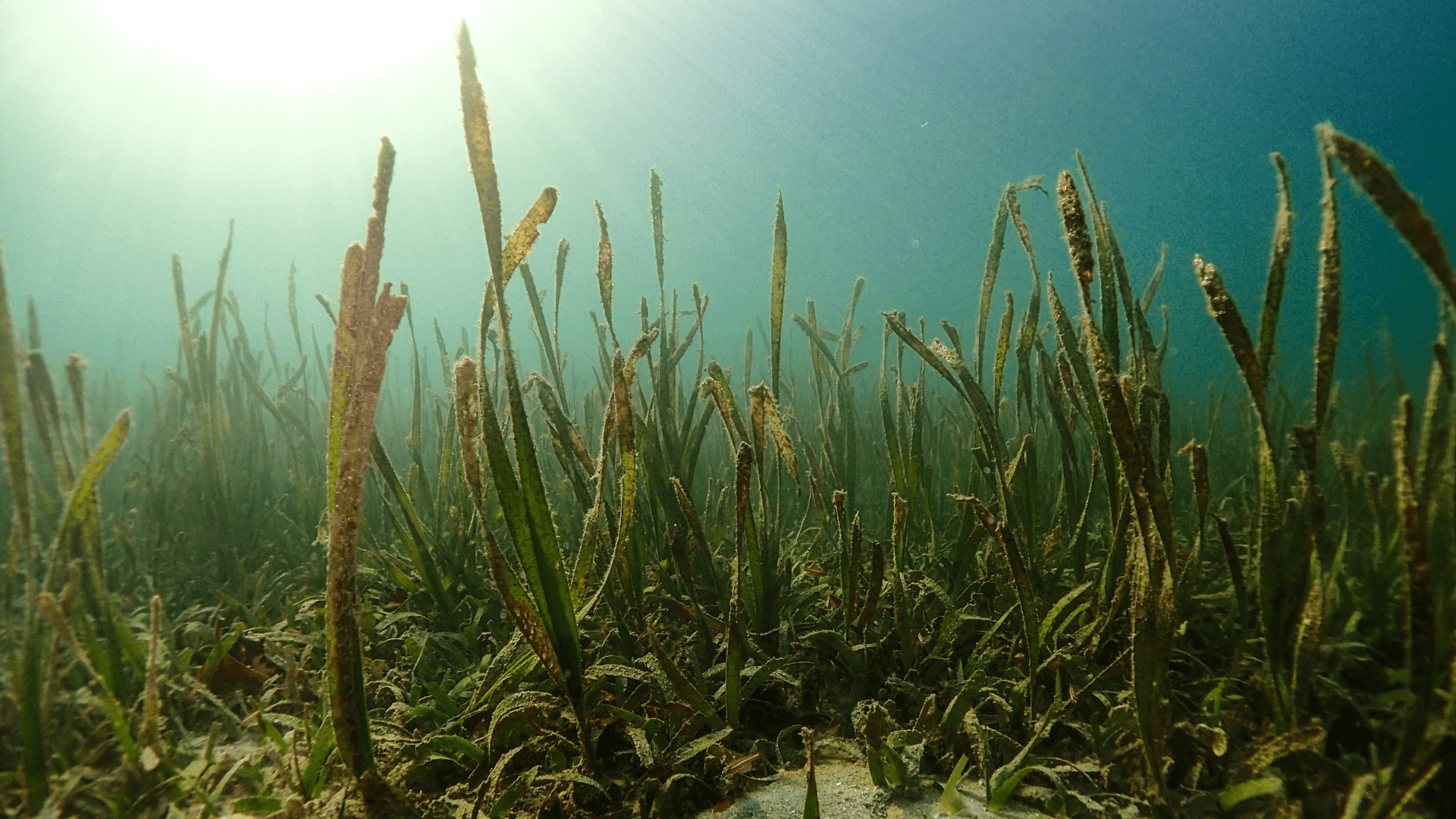
Not all of Indonesia’s seagrass meadows are faring alike. A study has revealed substantial spatial differences in the condition of 21 seagrass meadows across central and eastern Indonesia, providing a clearer picture of where ecosystems are thriving (hotspots), under stress (coldspots) or undergoing ecological change (outliers). But why does this
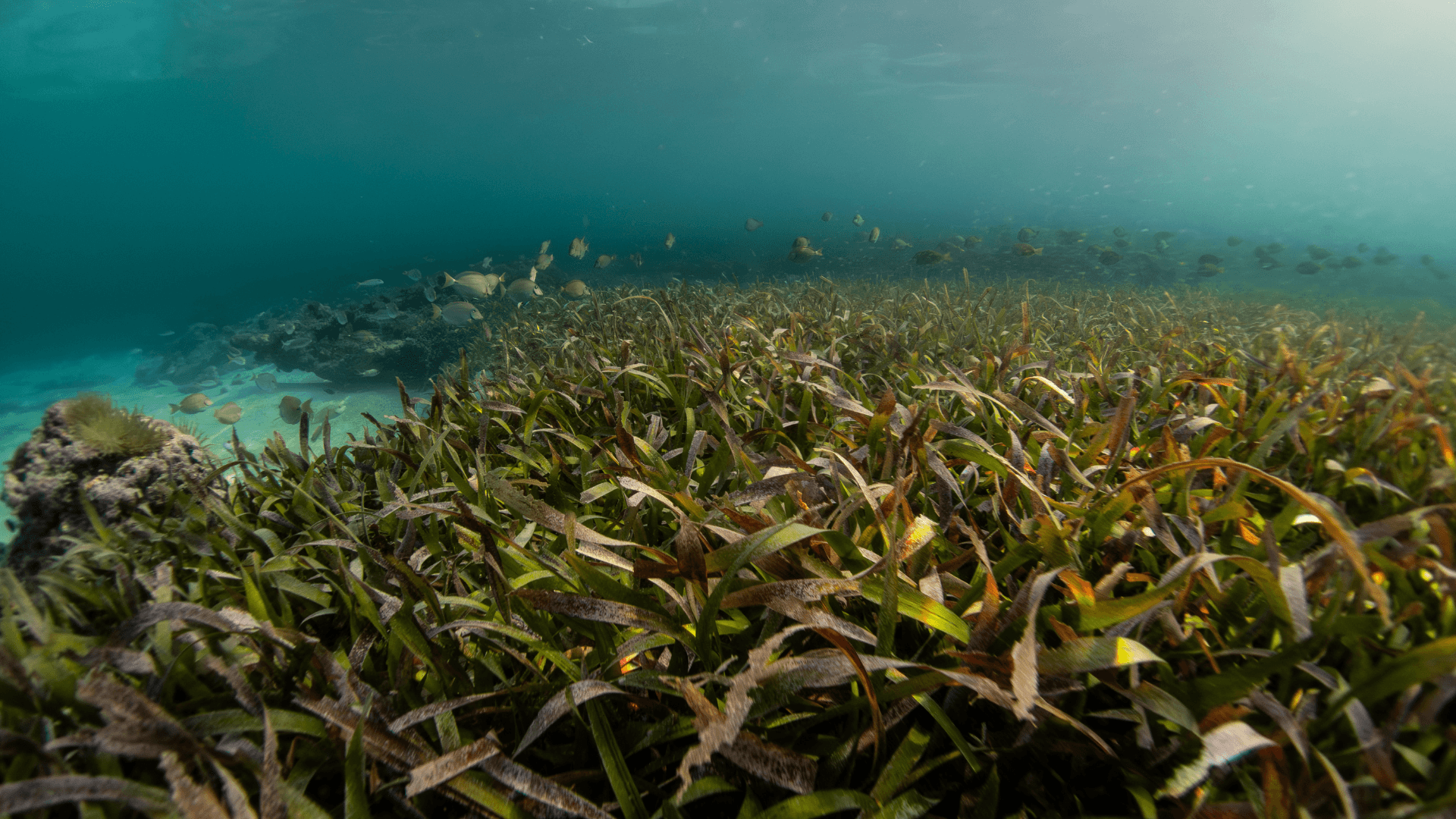
Project Seagrass has been granted Independent Research Organisation status. This is an important milestone for Project Seagrass, but more importantly, it is a milestone for seagrass science. Since 2013, Project Seagrass has worked tirelessly to build a different kind of conservation organisation. One that is rooted in science, grounded in
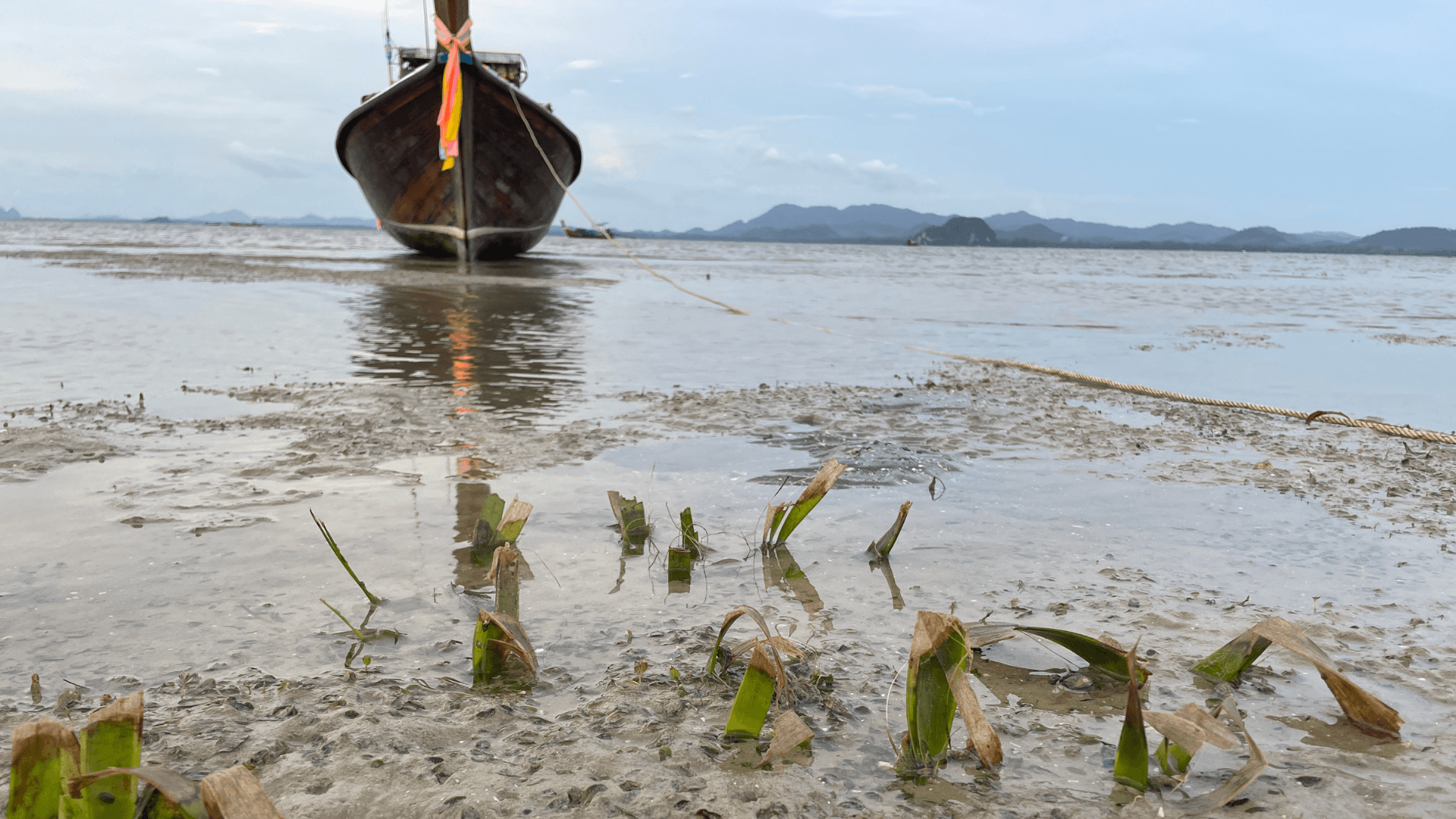
A new collaborative research project between Murdoch University and Walailak University (WU) aims to restore seagrass meadows in Thailand using 3D-printed pods made from bioplastics. The seagrass meadows around Koh Lidi, a pair of islands inside Mu Ko Phetra National Park in Satun Province, are a nursery for shrimp, crabs,
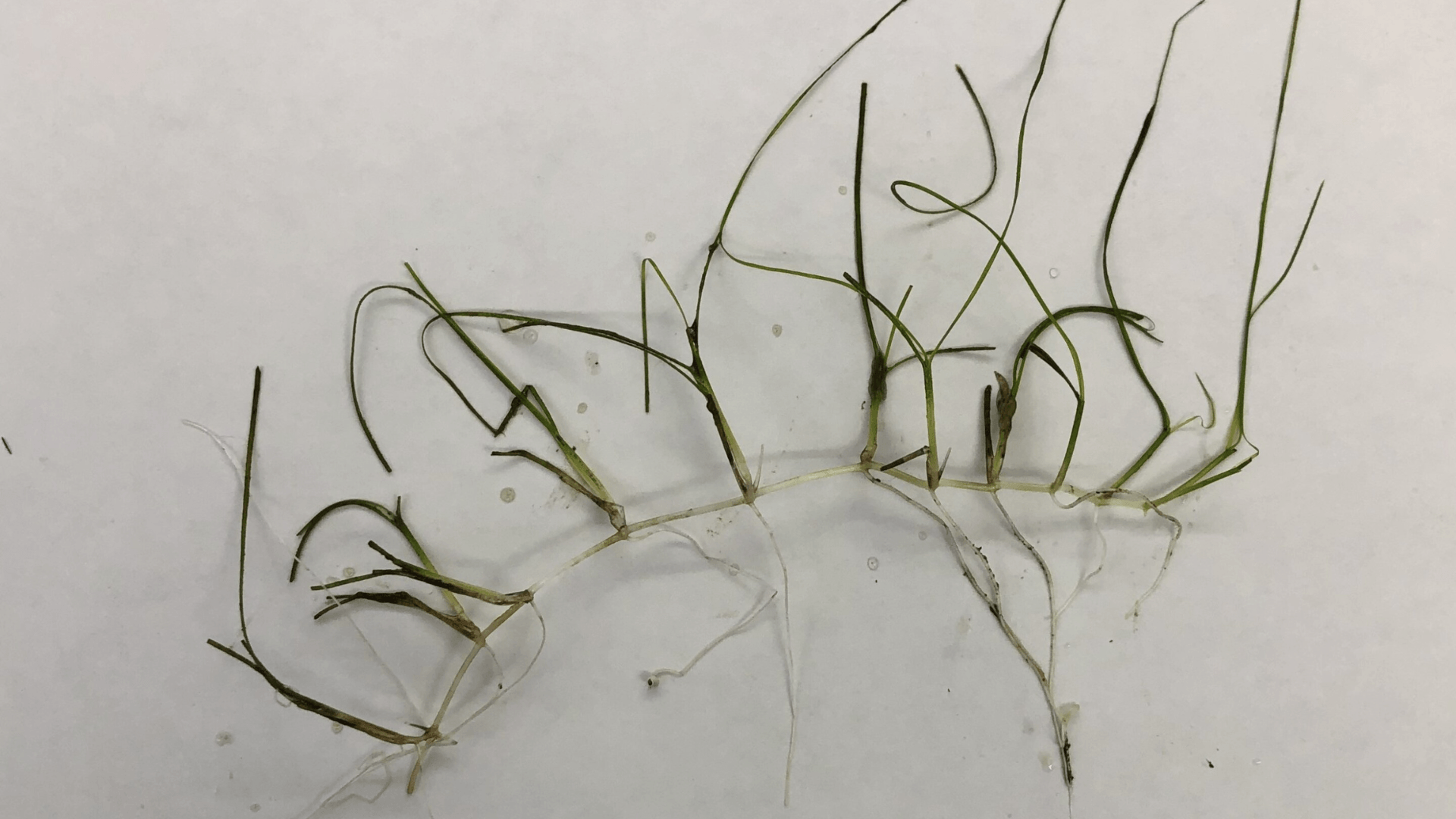
Seagrasses are among the most important foundation species in coastal ecosystems, providing habitat for marine life, stabilising sediments, and helping improve water quality. Yet nearly 20% of the world’s historic seagrass cover has been lost, and efforts to restore these vital underwater meadows often face significant challenges. In Florida’s Indian