
NEWS

NEWS

Keeping you up to date with Project Seagrass news and views with a mixture of field notes and commentary on seagrass and marine conservation topics.

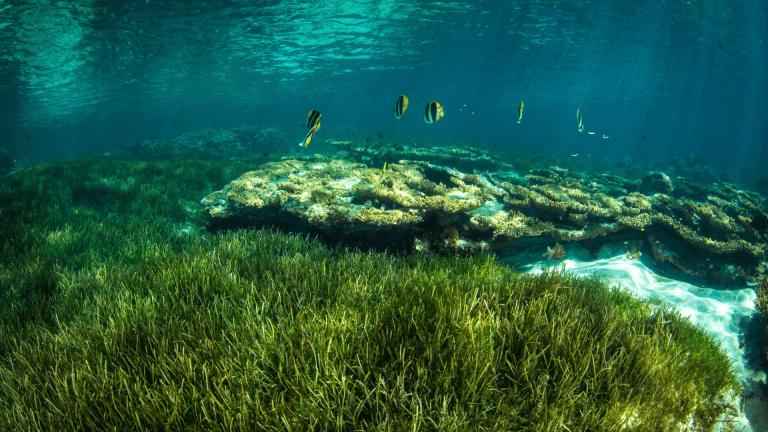
Seagrass and coral with fish swimming

Seagrass meadows bounce back with new fish communities

Seagrasses are flowering plants that thrive in marine environments and form extensive meadows along the tropical Queensland coast. New James Cook University research shows the seagrass meadows of Trinity Inlet in Cairns Harbor have recovered after severe cyclones and flooding nearly wiped them out—but with a new mix of fish
Read More »
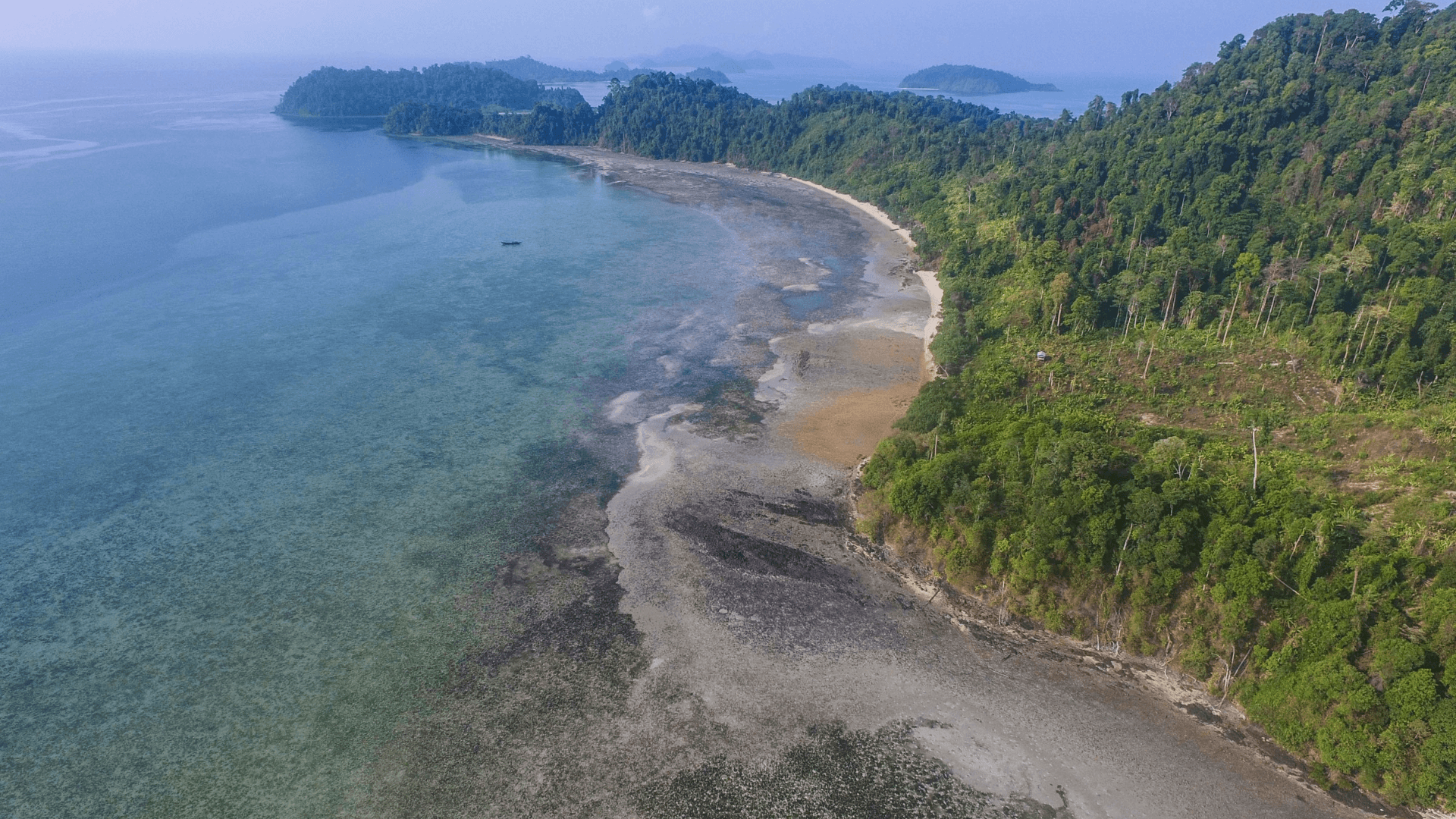
Aerial of seagrass meadow in Myeik Archipelago, Myanmar

“Global Seagrass Challenge Fund set to transform seagrass conservation world wide” says world’s leading seagrass conservation organisation Project Seagrass

Momentum builds around the Global Seagrass Challenge Fund as growing public interest and rising urgency position investment in seagrass conservation as one of the decade’s most important solutions for our planet.   Investment will facilitate a step-change in global seagrass conservation via new fund designed to put resources directly into

Read More »
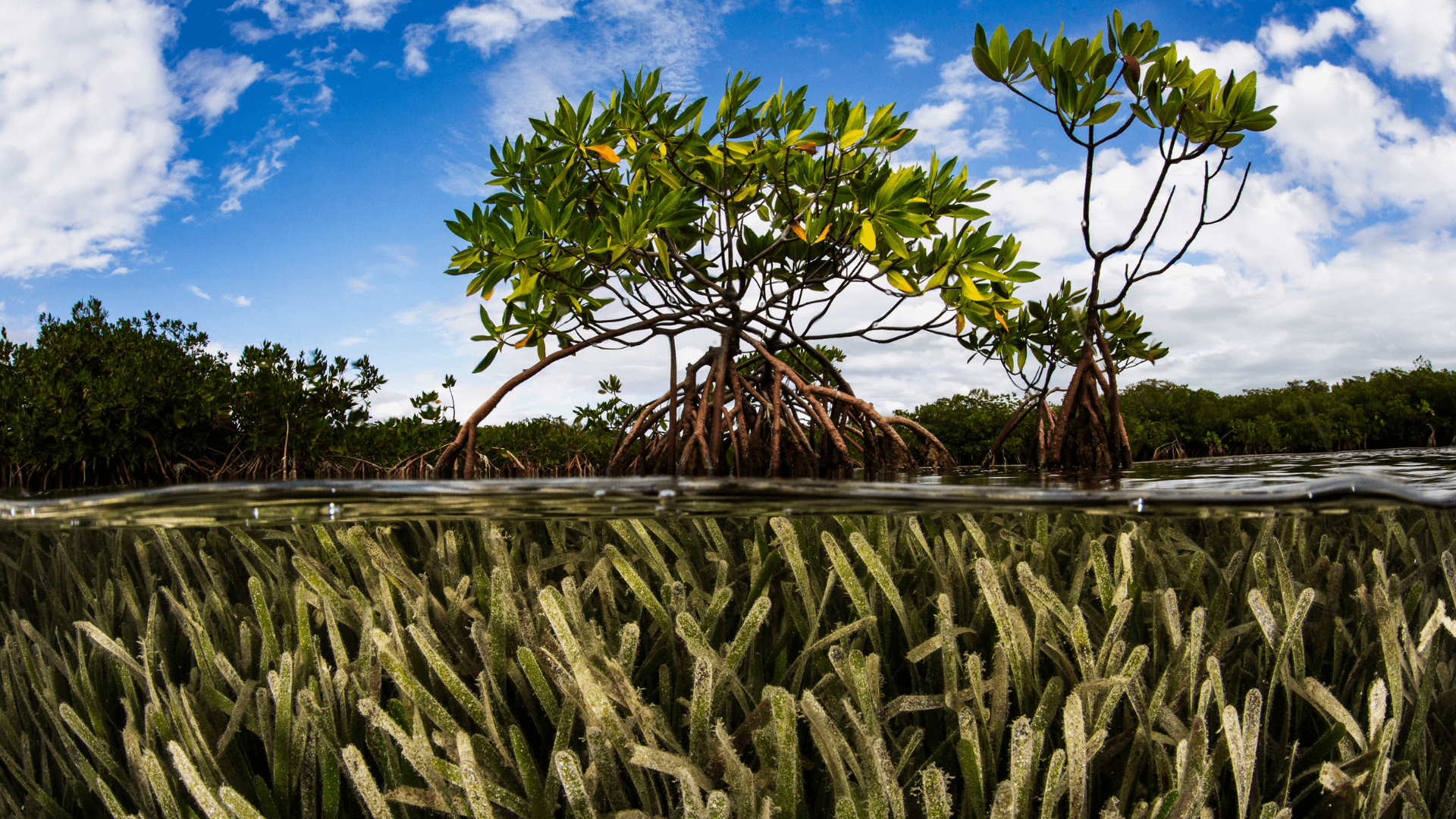
Seagrass and mangrove grow next to each other

COP17: Beyond promises, towards a future for seagrass

Our Ocean is changing and conservation efforts need to keep up.  This week, governments, scientists and conservation organisations are gathering in Yerevan, Armenia, for COP17, the United Nations Biodiversity Conference. Four years after the world agreed to halt and reverse biodiversity loss by 2030, we’re now taking stock on progress. 

Read More »
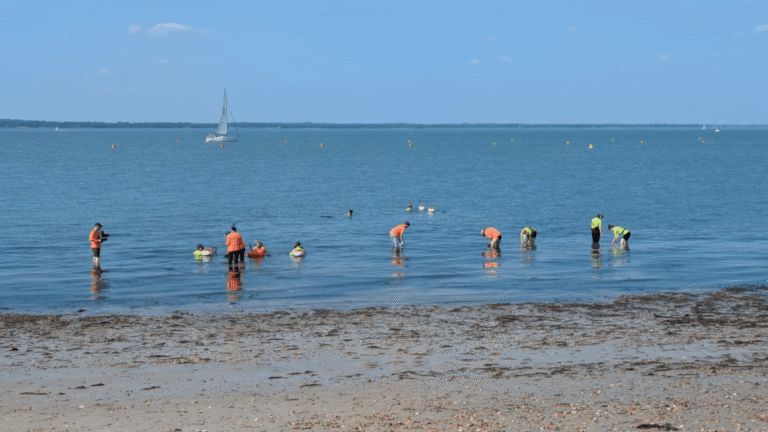
Volunteers in bright flourescent vests gather seeds in the shallow waters at Yarmouth, Isle of Wight.

Careers in Conservation: Digital Content Creator

The Careers in Conservation: Below the Surface series takes a deep dive into the variety of job roles available within the conservation sector. In this article, Project Seagrass Digital Content Creator Tim Horton shares his experiences and the route he took to a career in conservation. Job Description and Skills

Read More »
A large patch of seagrass is growing in Dale Bay.

Fishers’ local knowledge can help identify the best locations for seagrass restoration, new research finds

New study shows coastal users can provide valuable insights that strengthen restoration planning and long-term project success Fishers and anglers possess valuable local knowledge that can help identify suitable locations for seagrass restoration, new research published by Project Seagrass shows. The study, conducted along the South Wales coastline, found that

Read More »
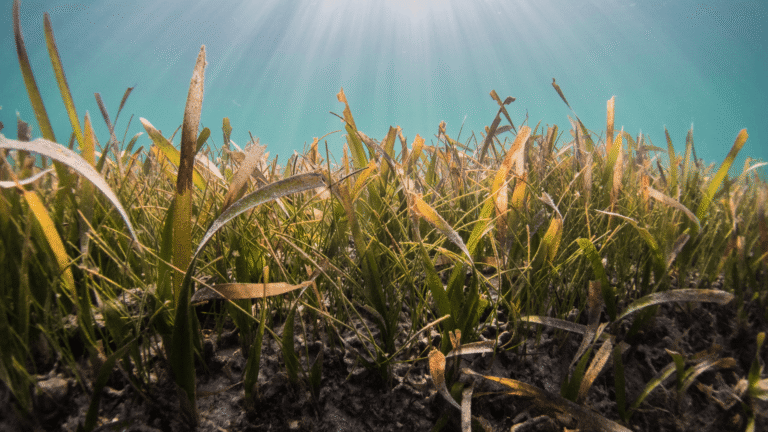
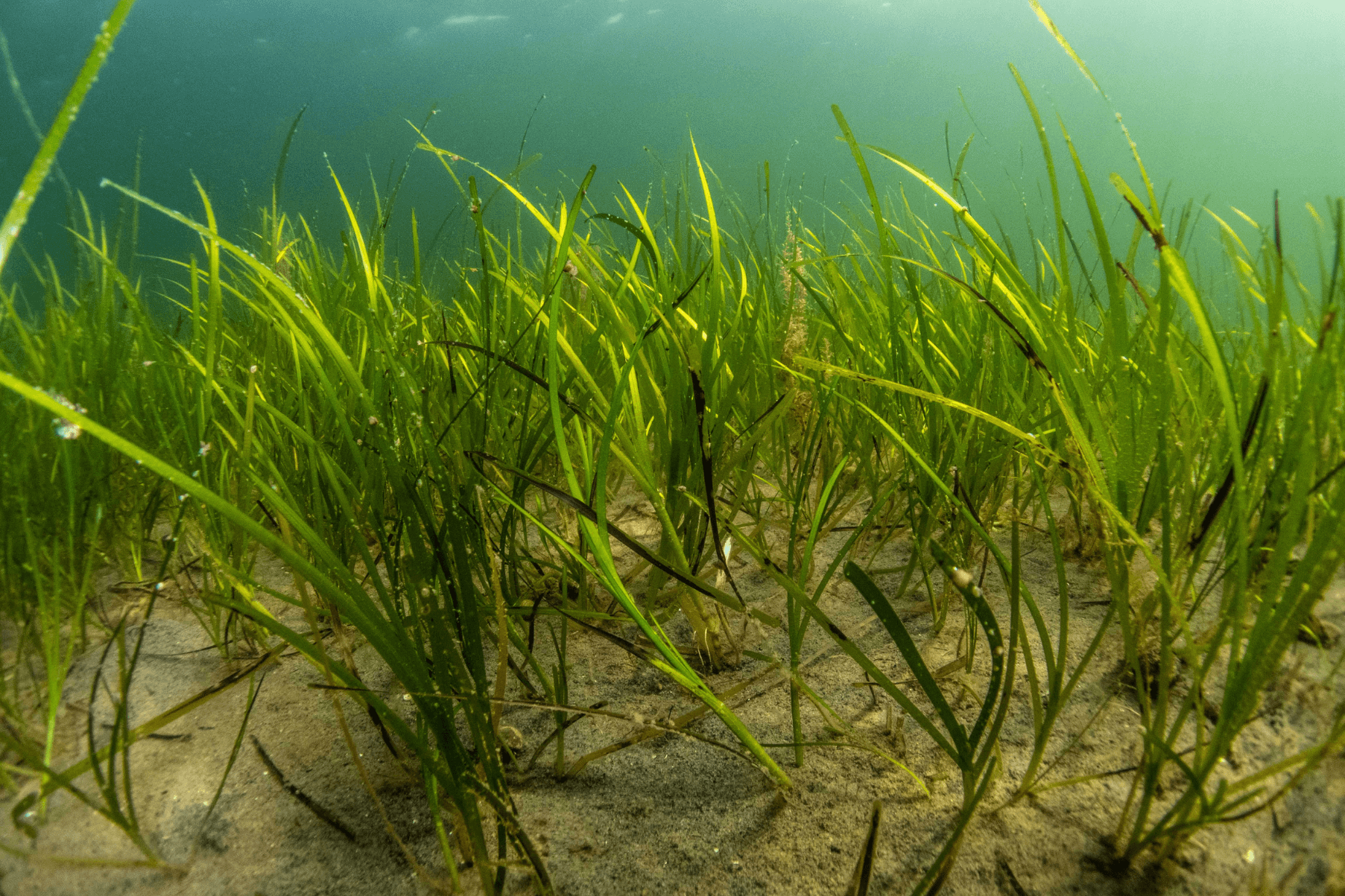
Seagrass meadow with sunlight shining through the water

Careers in Conservation: Chief Executive Officer

The Careers in Conservation: Below the Surface series takes a deep dive into the variety of job roles available within the conservation sector. In this article, Project Seagrass CEO Dr Leanne Cullen-Unsworth shares her experiences and the route she took to a career in conservation. What does it take to

Read More »
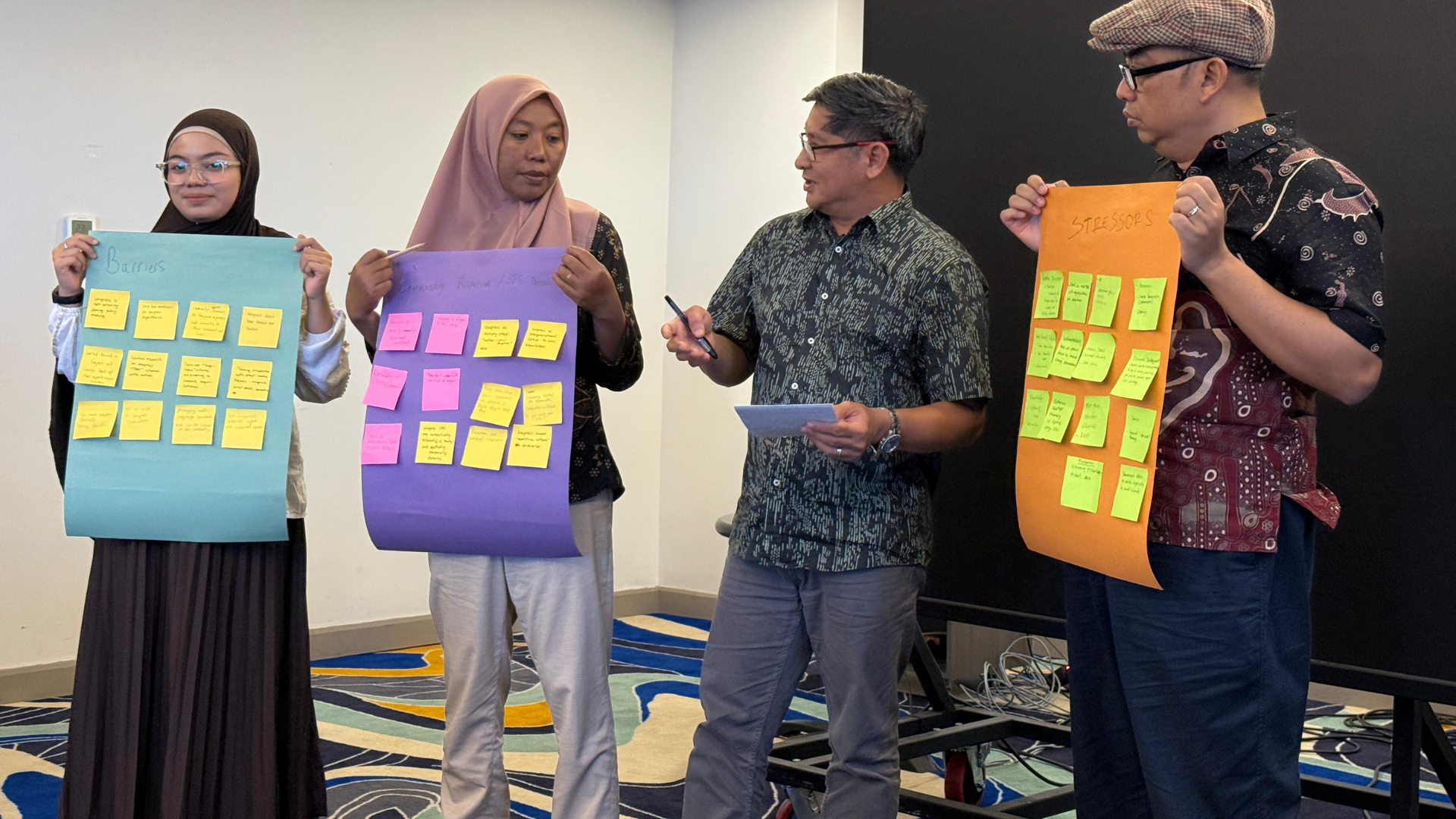
Four people are standing at the front of a room. Three members of the group are holding paper with post-it notes on as part of a workshop activity.
Global Seagrass Challenge

Reflections from the Seagrass Knowledge for Action in Southeast Asia Workshop

This summer, teams came together in Makassar, Indonesia, for the Seagrass Knowledge for Action in Southeast Asia workshop to explore pathways forward for strengthening knowledge, building research capacity, and development to further safeguard local seagrass social-ecological systems. Co-hosted by Universitas Hasanuddin (UNHAS) and Project Seagrass, the workshop involved teams from

Read More »
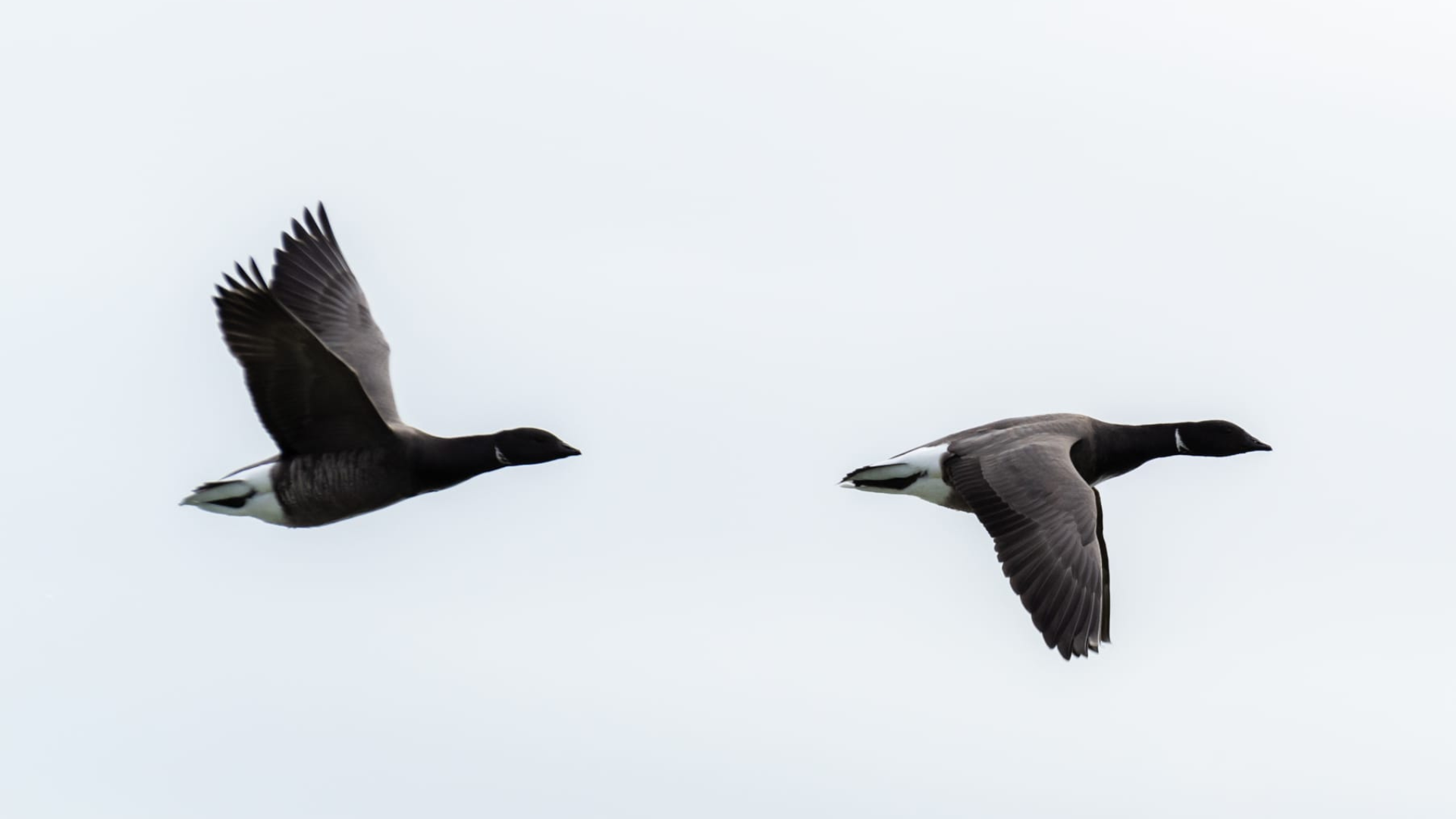
A pair of dark bellied Brent Geese fly through the sky. The sky is grey
biodiversity

The Brent Goose: Creatures that call seagrass home

In a new blog series, our Conservation Trainee Abi David explores some of the amazing creatures that call seagrass meadows their home. The Brent Goose Branta bernicla is of a similar size to a Mallard duck, making it one of the smallest goose species in the world. They are a

Read More »
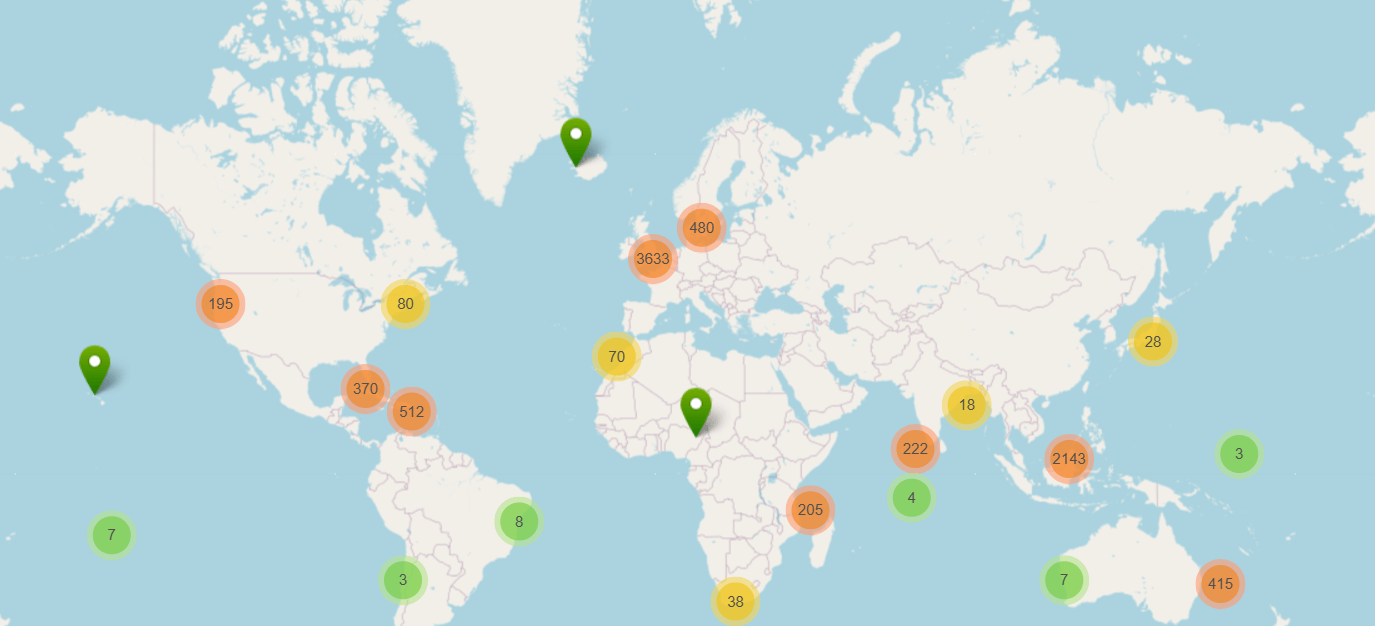
A map of the world showing where seagrass has been spotted using SeagrassSpotter
coastal systems

Harnessing open data to understand coastal social-ecological systems

Our oceans and coasts are home to ecosystems that provide immense benefits to people, from food and livelihoods to carbon storage and coastal protection. In particular, seagrass meadows are archetypal social-ecological systems (SES), linking human well-being to ecosystem health. But to manage these systems effectively, we need access to both ecological

Read More »
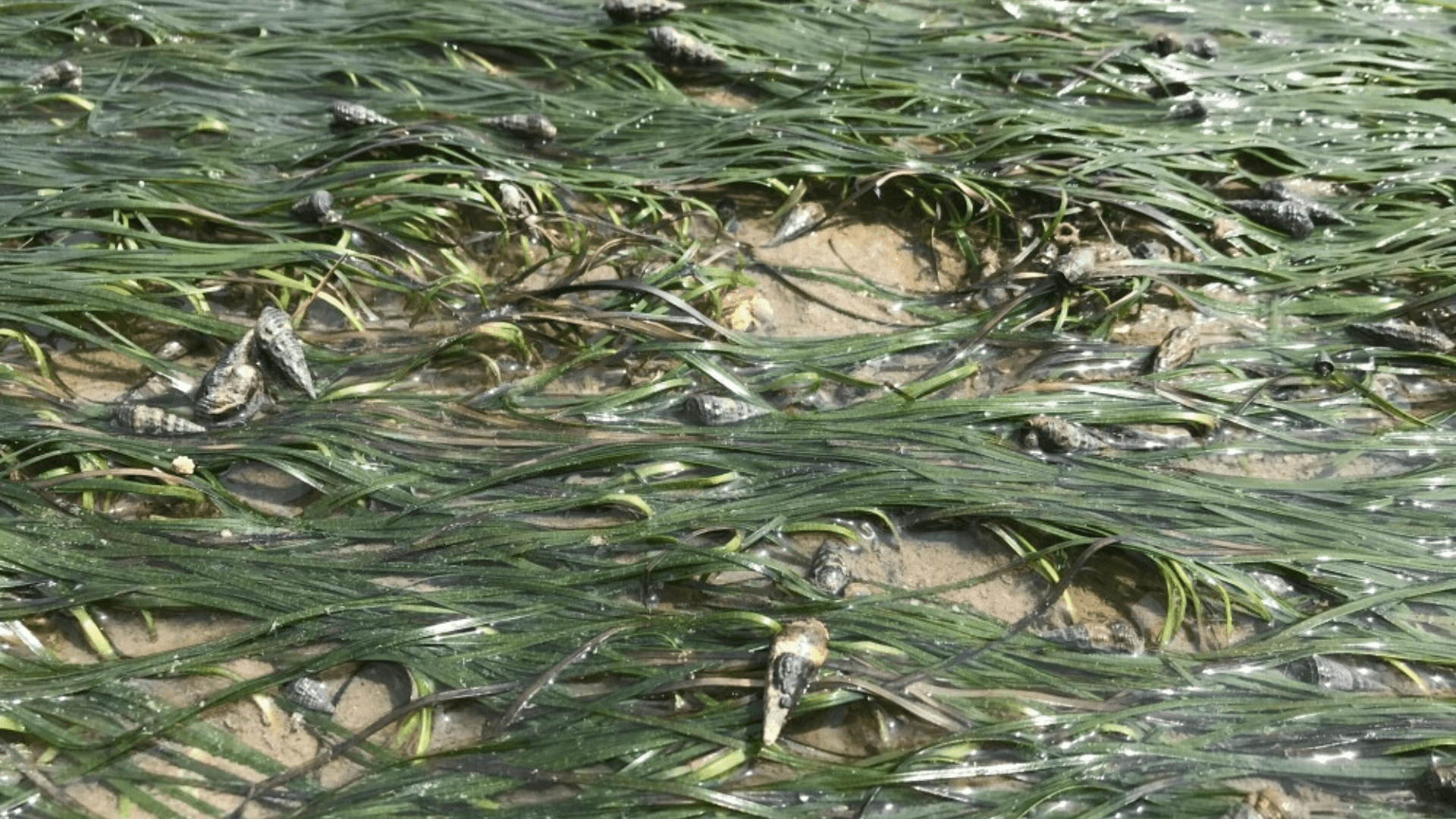
Zostera marina seagrass meadow. Credit Ben Jones
Chesapeake Bay

Seagrass swap could reshape Chesapeake Bay food web

Beneath the surface of the Chesapeake Bay, a subtle but dramatic shift is taking place as eelgrass gives way to its warmer-water relative, widgeon grass. A new study from researchers at William & Mary’s Batten School & VIMS shows that this seagrass swap could have ecological impacts across the Bay’s

Read More »
SeagrassSpotter Nanozostera japonica
genetics

Researchers uncover hidden seagrass species in northwest Pacific

Seagrasses, foundational species in coastal ecosystems worldwide, are surprisingly few in documented diversity—with only about 70 species identified globally, despite their widespread distribution and ecological importance. Complicating matters, their high phenotypic plasticity within species makes precise classification challenging. Against this backdrop, a research team led by Prof. Zhou Yi from

Read More »
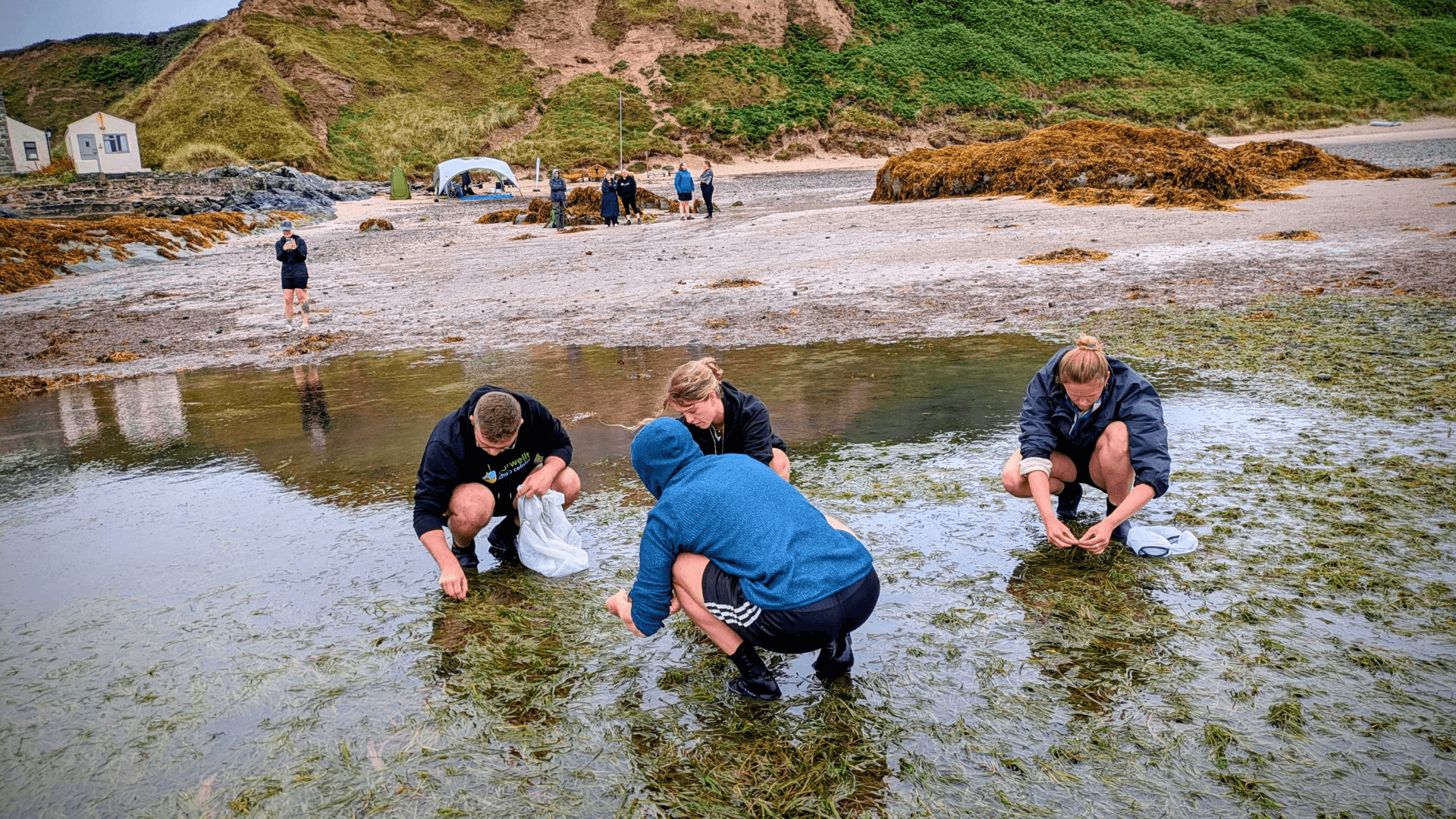
Volunteers crouch in the seagrass meadow at Porthdinllaen collecting seagrass seeds
North Wales

Fieldwork notes from our summer seagrass seed collections

The Project Seagrass team have had another busy summer of seagrass seed collections!  This year collections took place in Yarmouth, Ryde, and Bembridge on the Isle of Wight in the Solent, and in Porthdinllaen in North Wales. Find out more about how this summer’s collections went:  Solent Seed Collection |

Read More »