
NEWS

NEWS

Keeping you up to date with Project Seagrass news and views with a mixture of field notes and commentary on seagrass and marine conservation topics.

What causes decline of tropical seagrass meadows?

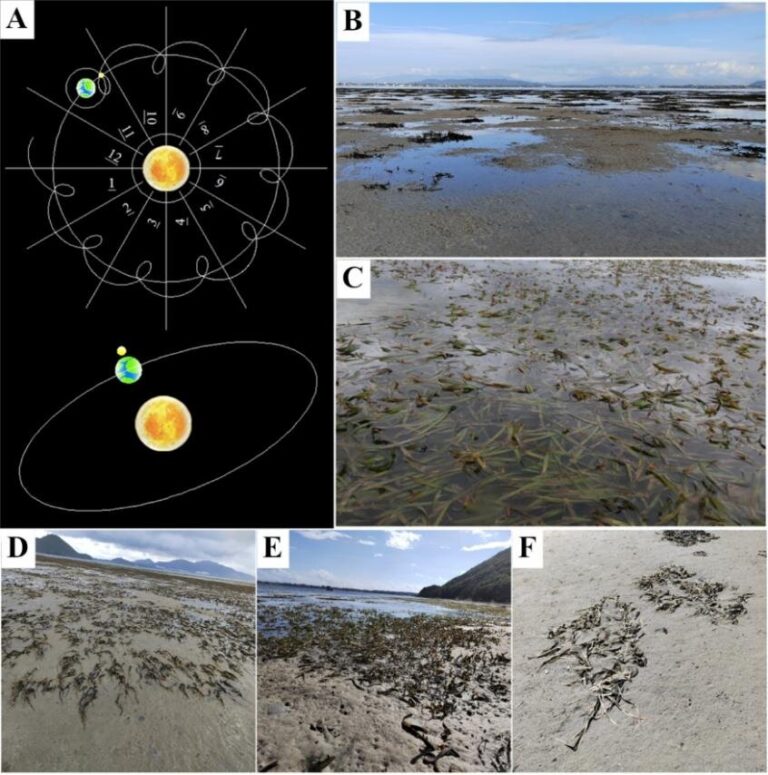
Seagrass, a group of aquatic angiosperms, grows in shallow waters in the coastal sea and contributes most of the primary production while participating in many important ecological processes. Heat stress threatens the survival of seagrass, but its damage mechanisms are unclear. Recently, a research team led by Prof. Liu Jianguo

Read More »

Fauna return rapidly in planted seagrass meadows, study shows

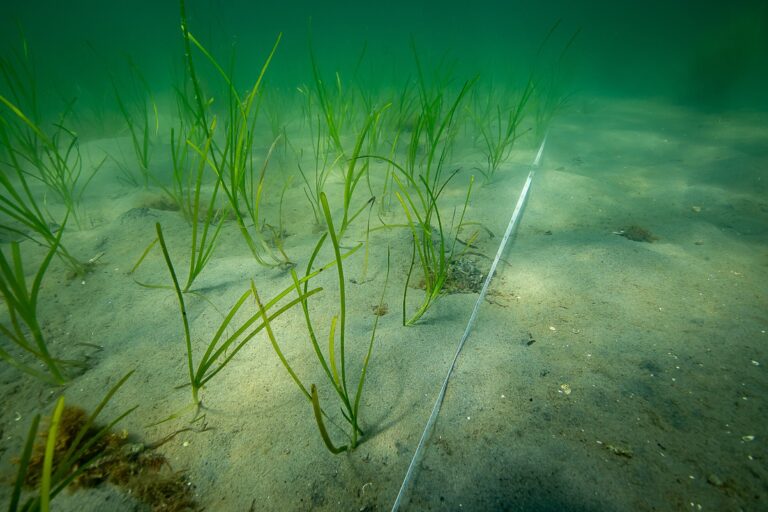
A study of eelgrass meadows planted by researchers from the University of Gothenburg shows that fauna return rapidly once the eelgrass has started to grow. Already after the second summer, the biodiversity in the planted meadow was almost the same as in old established eelgrass meadows. Eelgrass meadows have declined

Read More »

Seagrass meadows show resilience to ‘bounce back’ after die-offs

In Florida alone, thousands of acres of marine seagrass beds have died. Major seagrass die-offs also are occurring around the world. Stressors such as high temperature, hypersalinity and hypoxia or lack of oxygen affect seagrasses’ ability to resist and recover from these stressor-related mortality events or when disturbances lead to

Read More »

Nursery News Vol. 19

By Emily Yates To donate to our Aviva Community Funds and find out more, click the links below: Making marine conservation more accessible Saving the worlds seagrass Developing the Project Seagrass nursery

Read More »

Visiting one of the worlds most remote seagrass meadows

Eva Rothausler On a narrow stretch along the northern-central coast of Chile, the seagrass Heterozostera nigricaulis (syn. Zostera nigricaulis, Heterozostera tasmanica) occurs in three isolated patches no more than 300 km apart. It is a common intertidal to subtidal seagrass in the Zosteracea family and is found growing in protected

Read More »
Blades of Enhalus acoroides stand upright in the water.
new science

Mapping Indonesian seagrass quality to target blue carbon conservation

Not all of Indonesia’s seagrass meadows are faring alike. A study has revealed substantial spatial differences in the condition of 21 seagrass meadows across central and eastern Indonesia, providing a clearer picture of where ecosystems are thriving (hotspots), under stress (coldspots) or undergoing ecological change (outliers). But why does this

Read More »
Fish swim through a seagrass meadow.
Project Seagrass updates

Project Seagrass recognised as an Independent Research Organisation

Project Seagrass has been granted Independent Research Organisation status. This is an important milestone for Project Seagrass, but more importantly, it is a milestone for seagrass science. Since 2013, Project Seagrass has worked tirelessly to build a different kind of conservation organisation. One that is rooted in science, grounded in

Read More »
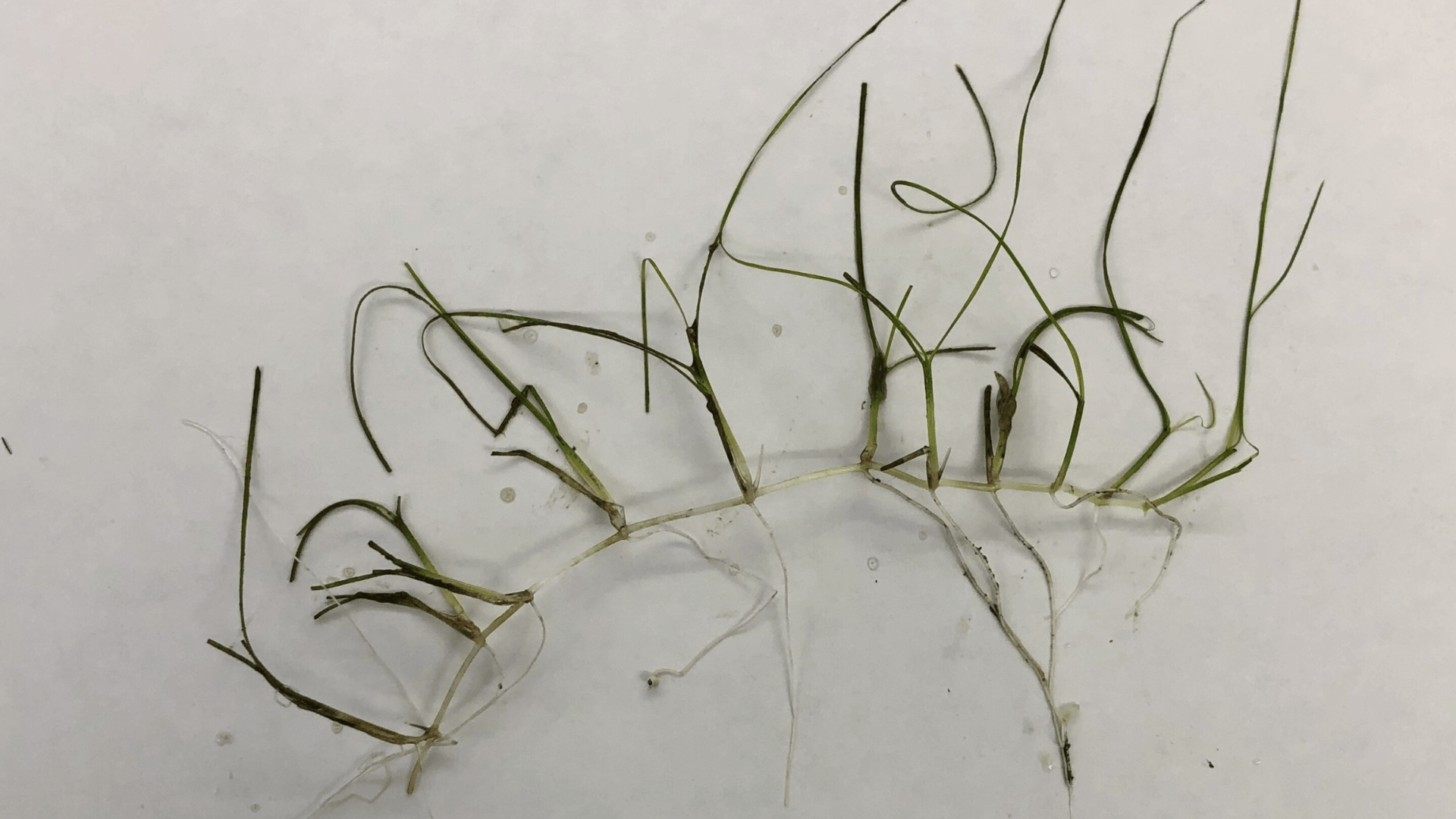
Ruppia maritima
new science

A resilient native seagrass species could help reshape coastal restoration

Seagrasses are among the most important foundation species in coastal ecosystems, providing habitat for marine life, stabilising sediments, and helping improve water quality. Yet nearly 20% of the world’s historic seagrass cover has been lost, and efforts to restore these vital underwater meadows often face significant challenges. In Florida’s Indian

Read More »
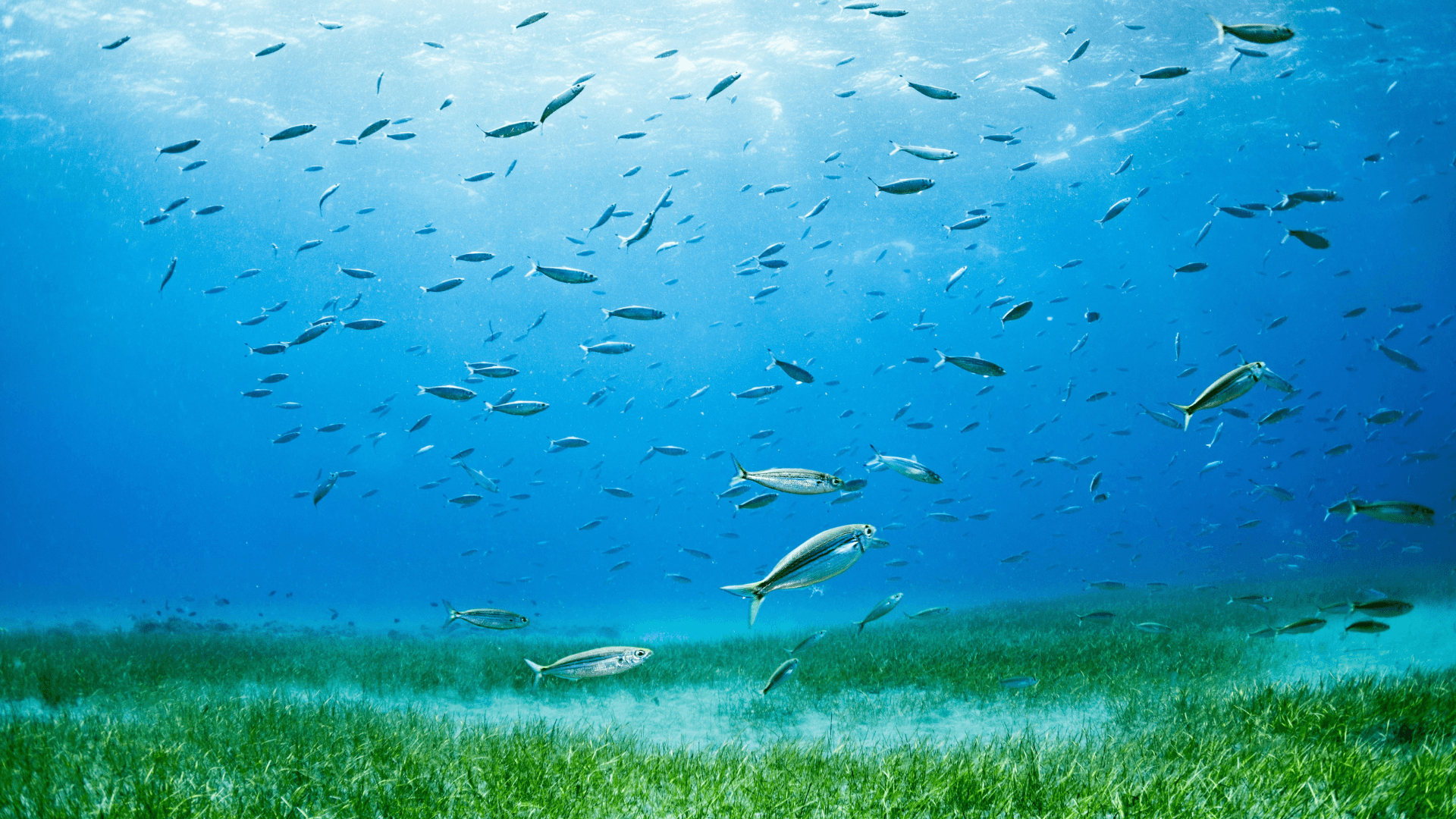
A school of Bogue swim above a seagrass meadow
Careers and training

Marie Skłodowska-Curie Postdoctoral Fellowship 2026

Are you an early-career researcher interested in seagrass conservation, people–nature relationships, and the future of coastal sustainability? Project Seagrass is keen to hear from potential applicants to the 2026 Marie Skłodowska-Curie Postdoctoral Fellowships programme. We welcome ideas spanning climate resilience, restoration ecology, water quality, biodiversity, blue carbon, genetics and connectivity,

Read More »
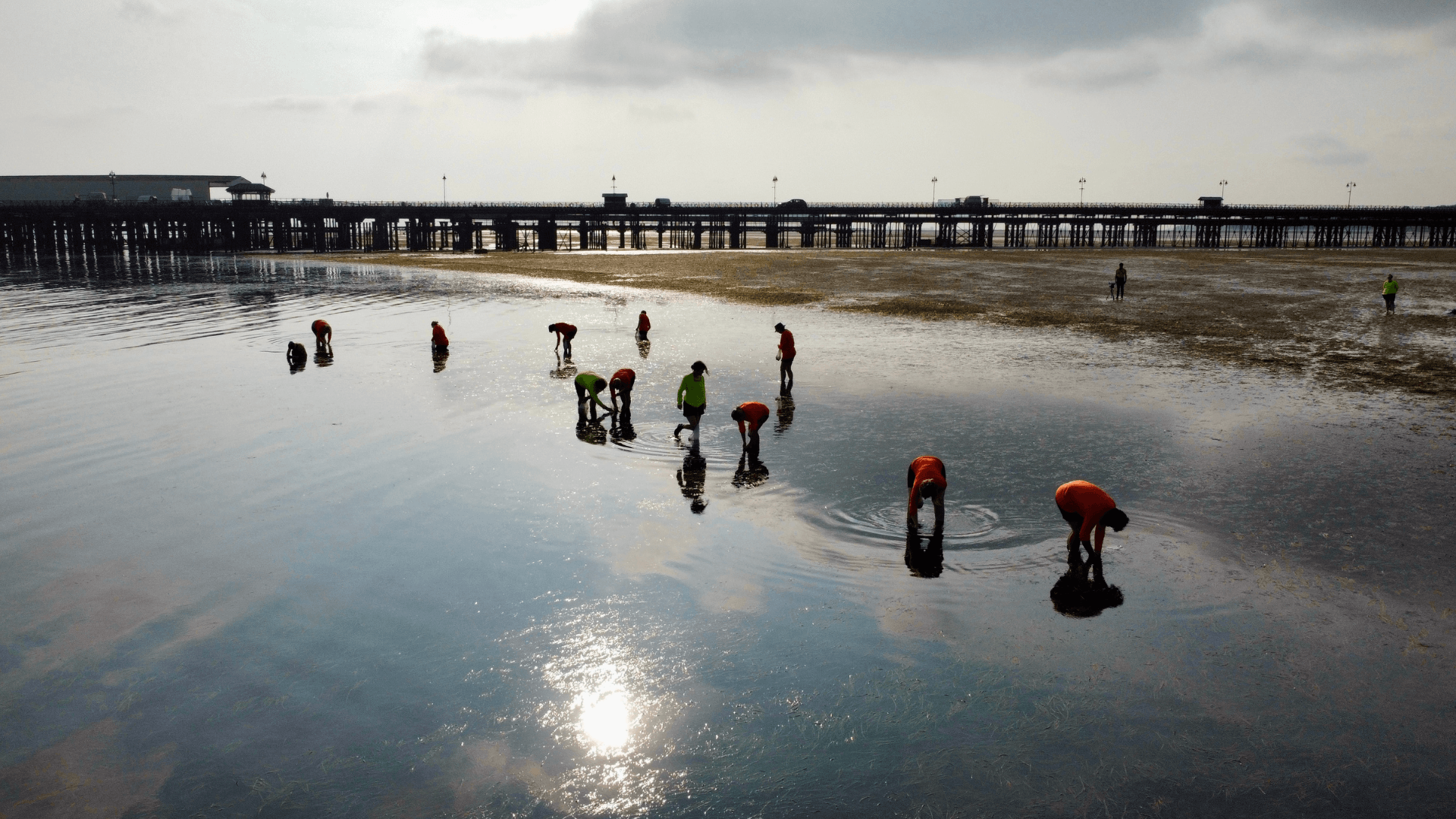
A drone shot shows volunteers wading in the seagrass meadow in Ryde. Volunteers are wearing bright orange tops. Ryde pier is in the background.
Solent

Celebrating another successful seed collection in the Solent

This summer, members of the Project Seagrass team were on the Isle of Wight as part of our annual seagrass seed collection efforts: Seed Collections This year, our seagrass seed collections on the Isle of Wight took place in Yarmouth and Ryde. Seeds were collected through a combination of SCUBA

Read More »