

Dr Benjamin Jones, Chief Conservation Officer at Project Seagrass has started his two-year term as President of the World Seagrass Association (WSA). He steps up to the role having been elected at the WSA Annual General Meeting (AGM) in December 2022. Prior to this he’s served on the WSA Steering
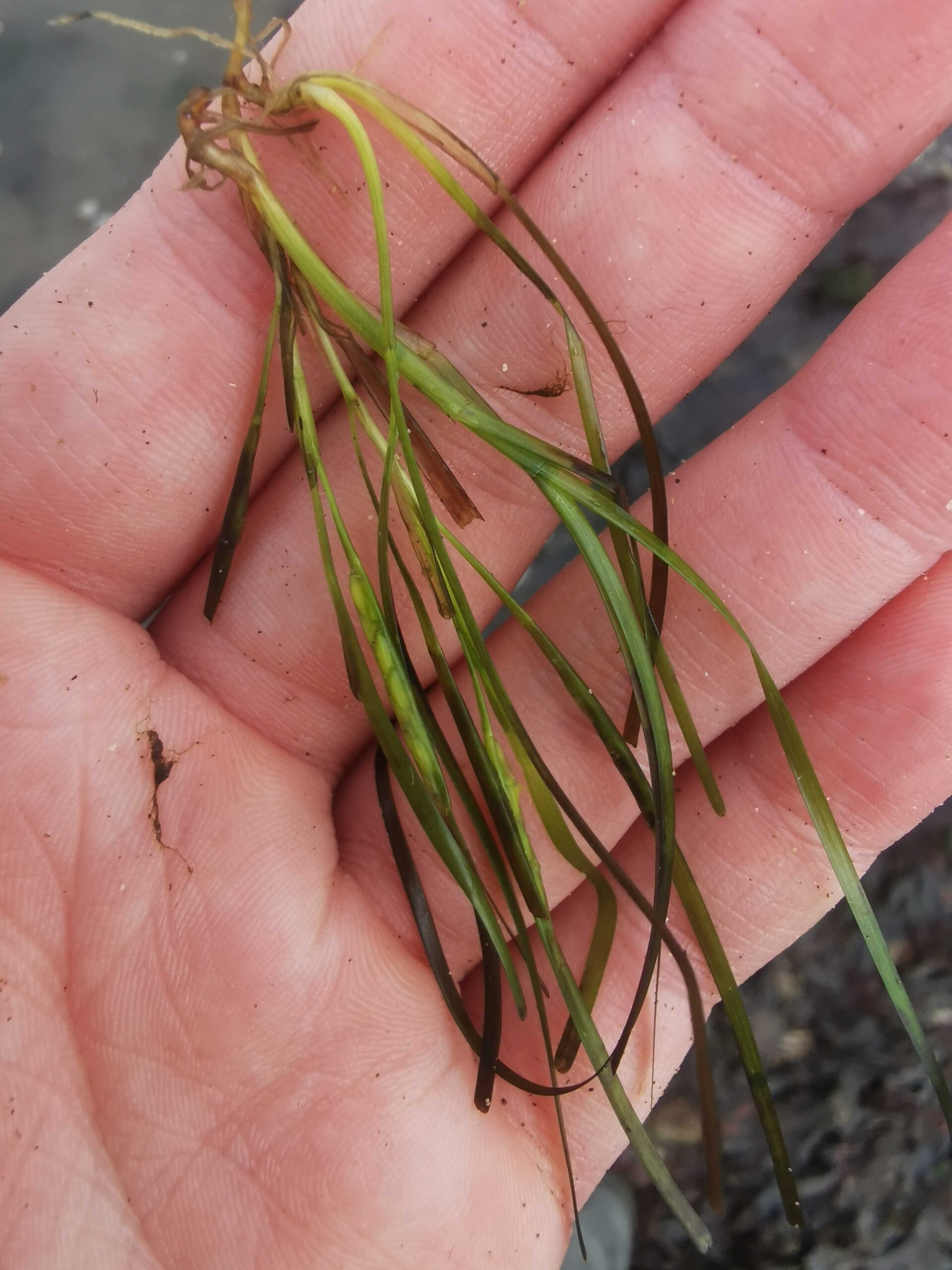
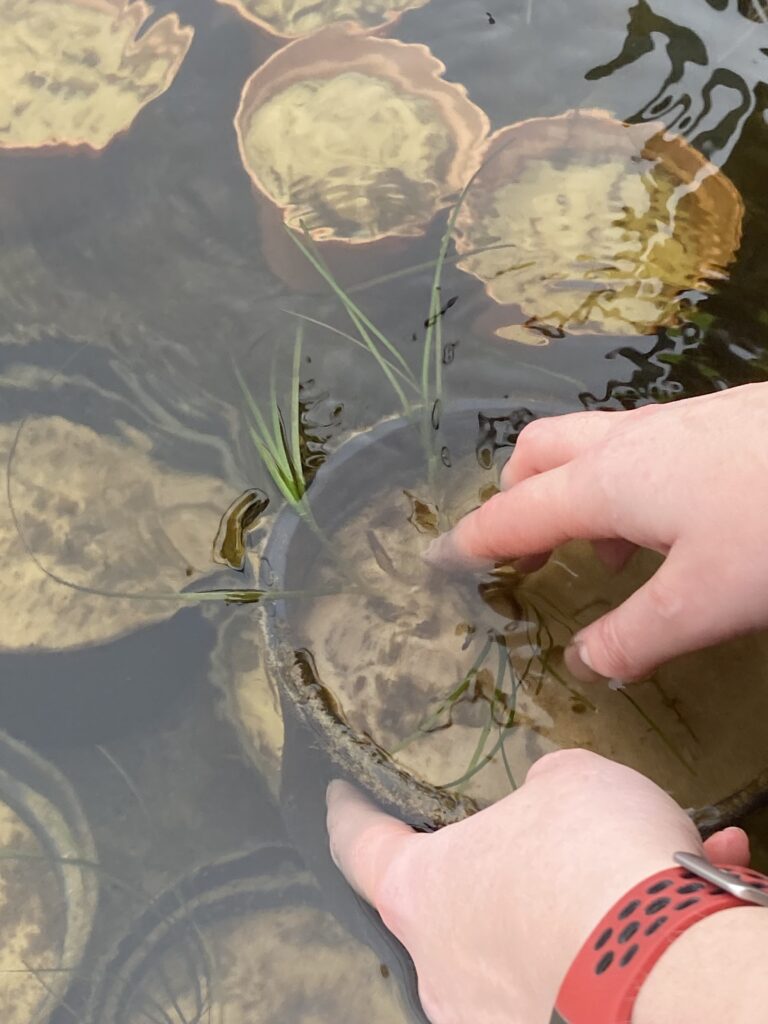
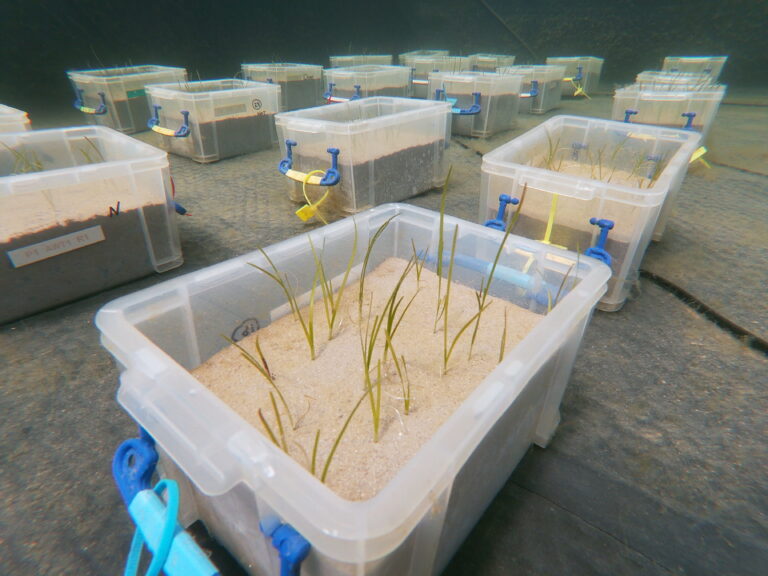
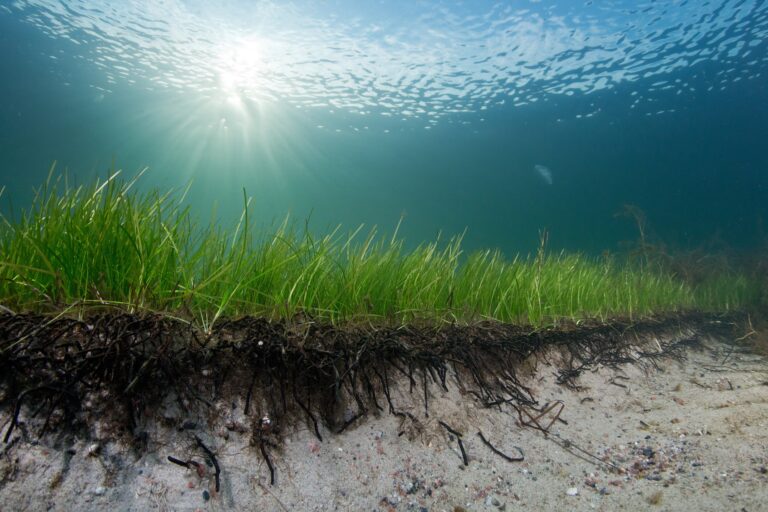
The sea devours large tracts of land when storms wash sand out to sea from the coast. A new study involving a researcher from the University of Gothenburg has shown that seagrass can reduce cliff erosion by up to 70% thanks to its root mats binding the sand. Coastal erosion
Dr Richard Unsworth, Project Seagrass and Swansea University The seas around Wales have so much potential. They offer rich biodiversity hidden within productive lush habitats such as kelp forests, salt marshes and seagrass meadows. Life in these waters can be so ingenious that it bioengineers its own environment. Out of

This Thursday 6th October, Project Seagrass will be taking part in the Running Out of Time climate relay. The relay runs from COP26 to COP27 – from Glasgow, Scotland all the way to Sharm el-Sheikh, Egypt. It takes place over 38 days across 18 countries to carry a relay baton
Are you an early-career researcher interested in seagrass conservation, people–nature relationships, and the future of coastal sustainability? Project Seagrass is keen to hear from potential applicants to the 2026 Marie Skłodowska-Curie Postdoctoral Fellowships programme. We welcome ideas spanning climate resilience, restoration ecology, water quality, biodiversity, blue carbon, genetics and connectivity,
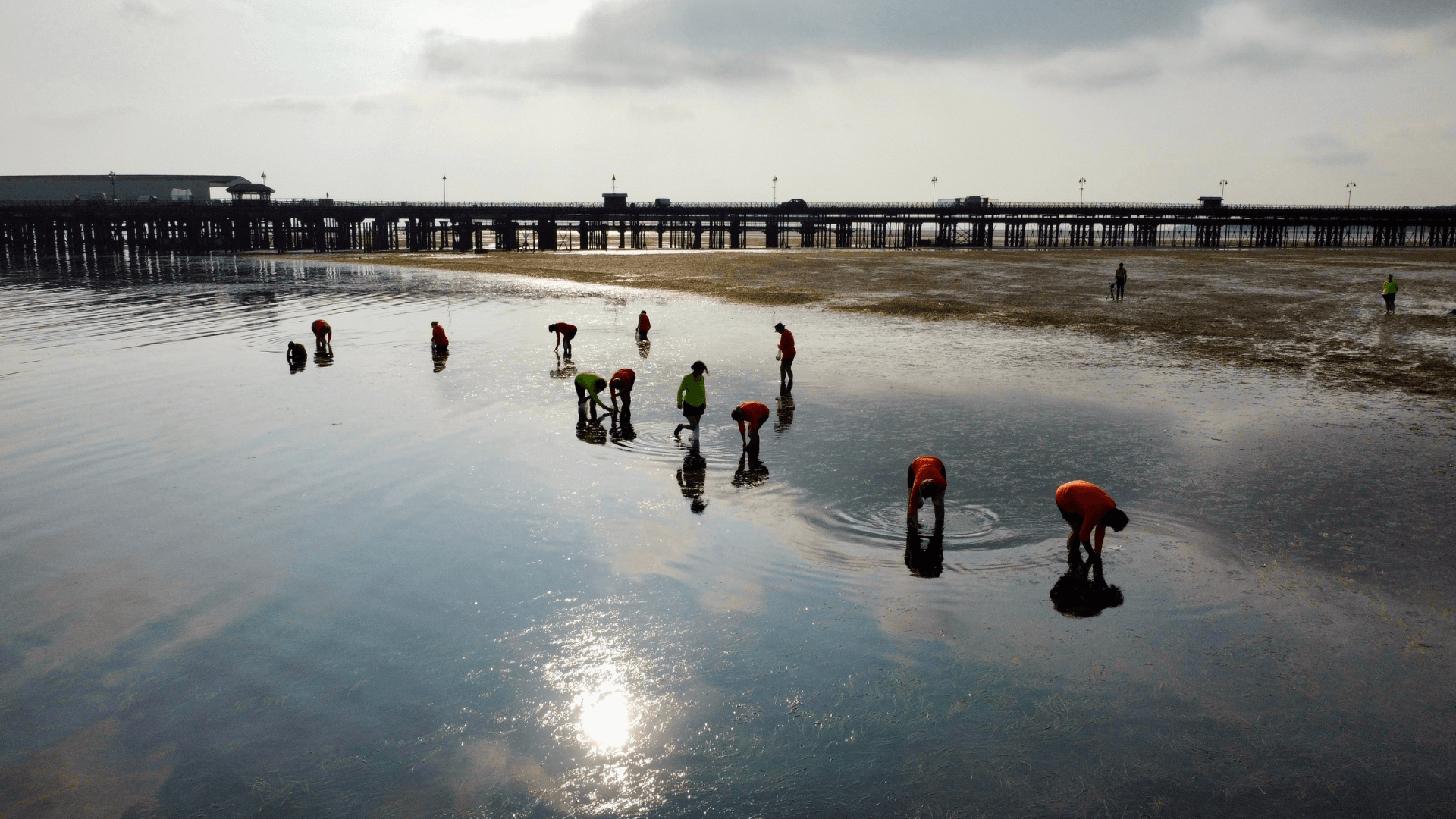
This summer, members of the Project Seagrass team were on the Isle of Wight as part of our annual seagrass seed collection efforts: Seed Collections This year, our seagrass seed collections on the Isle of Wight took place in Yarmouth and Ryde. Seeds were collected through a combination of SCUBA
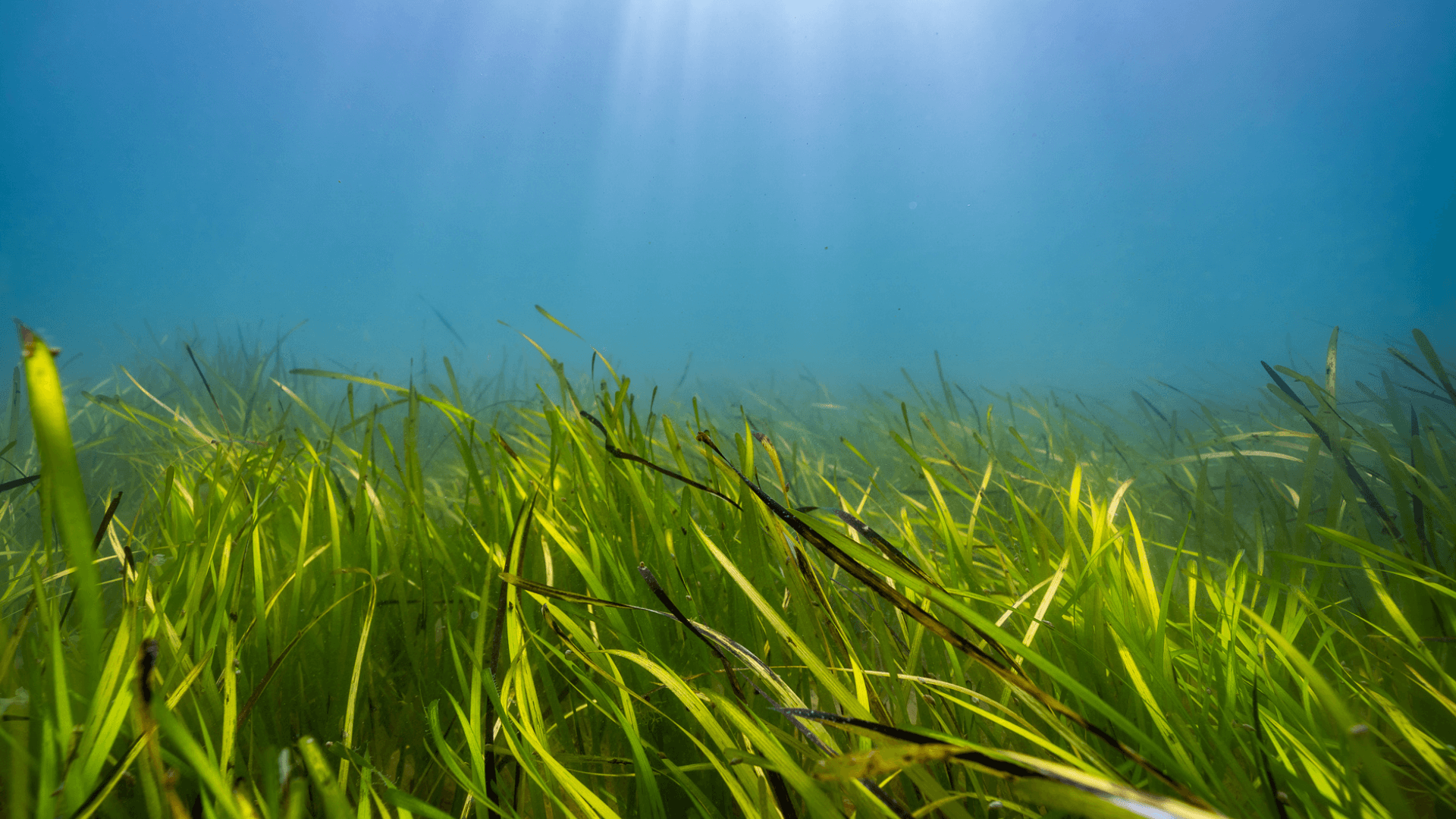
Between 2022 and 2025, the Seagrass Ocean Rescue: Solent project brought together scientists, practitioners, stakeholders, and local communities to explore the potential for seagrass restoration and conservation across the Solent. Funded by WWF and delivered in partnership with Project Seagrass, Swansea University, and Liz Earle, the project laid critical foundations
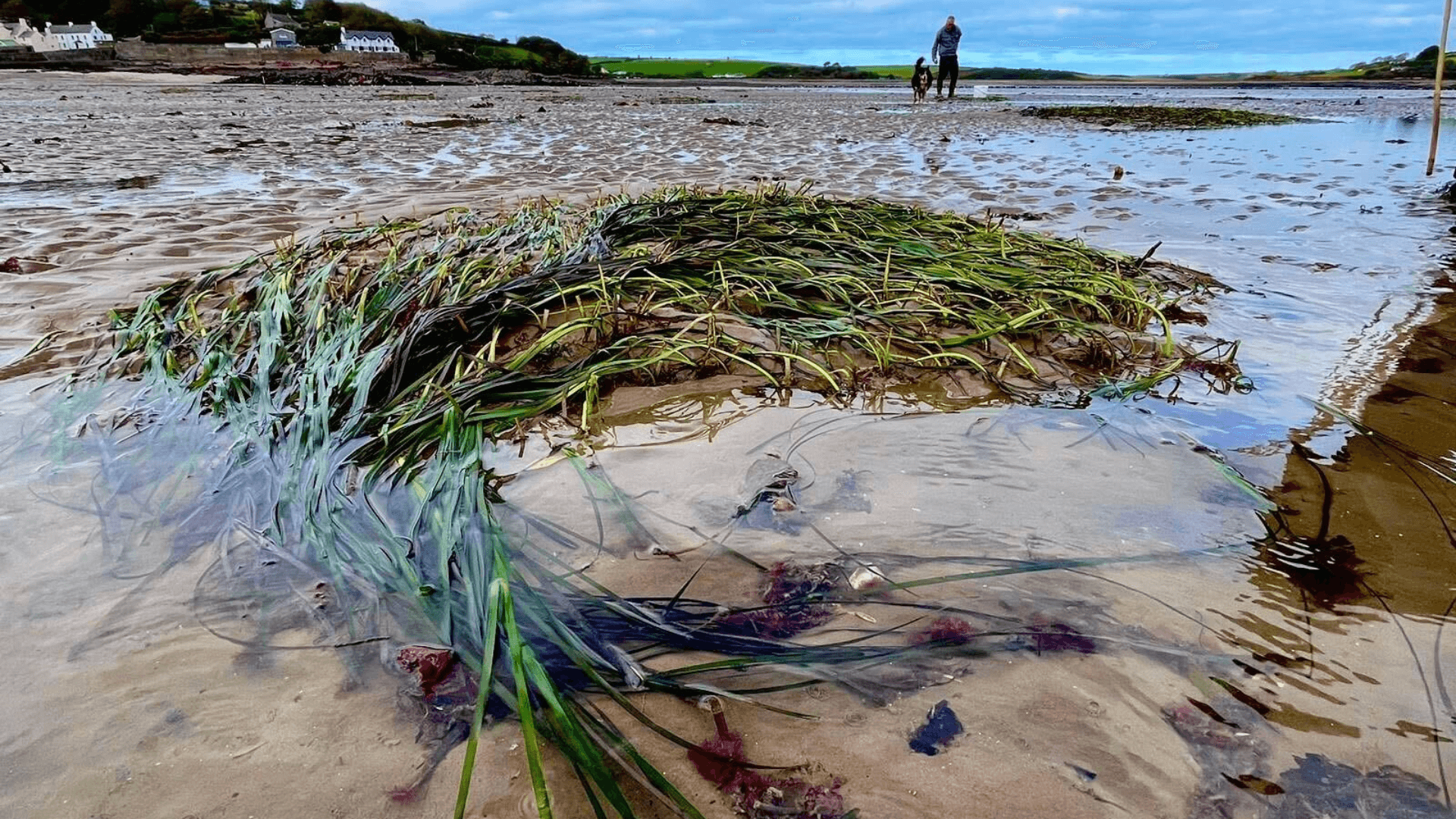
New study shows coastal users can provide valuable insights that strengthen restoration planning and long-term project success Fishers and anglers possess valuable local knowledge that can help identify suitable locations for seagrass restoration, new research published by Project Seagrass shows. The study, conducted along the South Wales coastline, found that
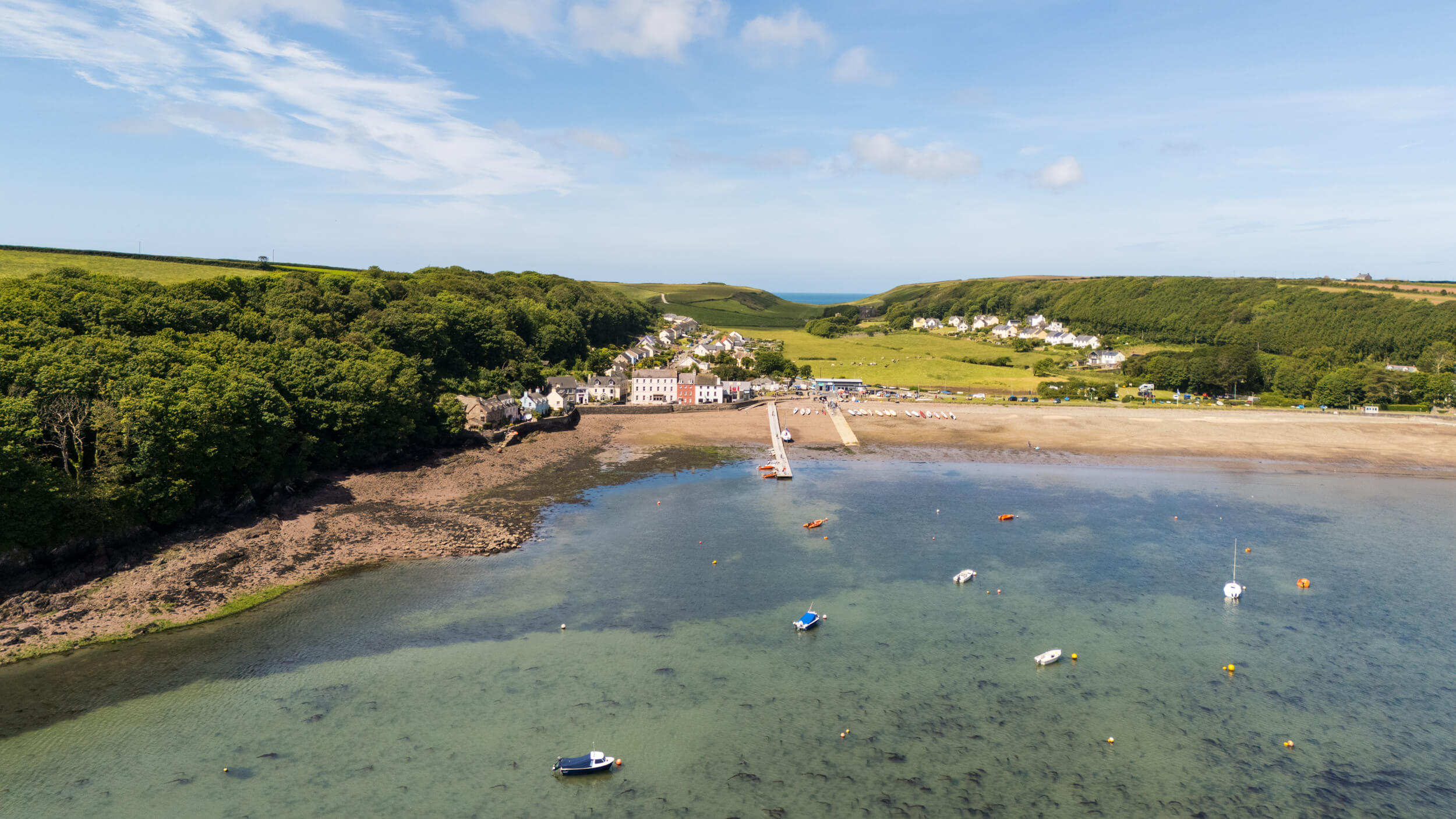
Dale Bay on a summer’s day bustles with a community in motion. Yachts bob on their moorings, a group explores rockpool life on the shore, holiday makers catch crabs from the pontoon and a local fishing boat putters out to check on shellfish pots. Setting off from the slip way,
Priory Bay in the Isle of Wight supports important seagrass meadows that provide a home for marine life as well as supporting healthy coastlines. The bay is also of great value for boating and recreation, and a popular summer anchorage. This project is exploring ways to protect the seagrass in