Global teabags study shows warming temperatures may shrink wetland carbon sinks
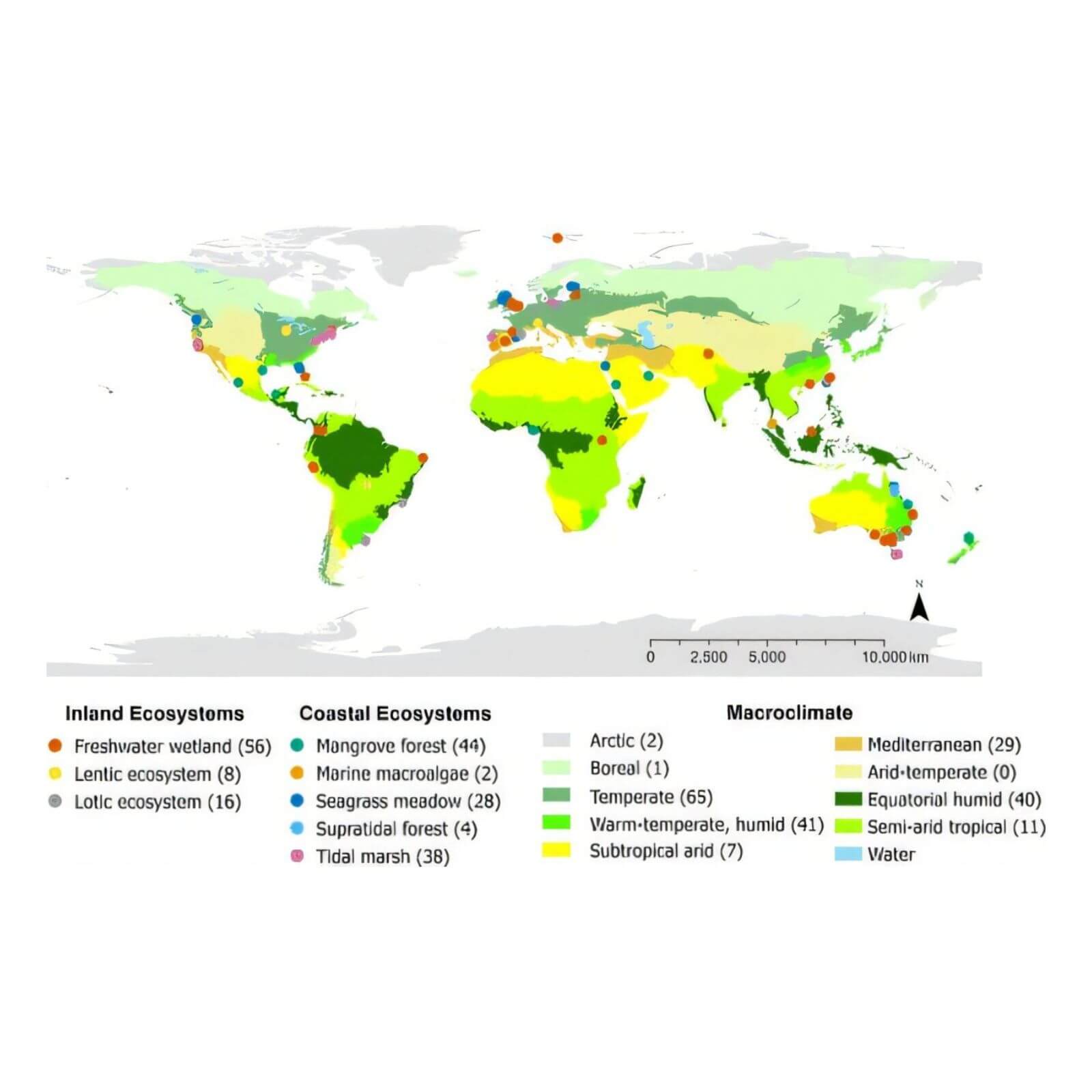
A major global study using teabags as a measuring device shows warming temperatures may reduce the amount of carbon stored in wetlands. The international team of scientists buried 19,000 bags of green tea and rooibos in 180 wetlands across 28 countries to measure the ability for wetlands to hold carbon in their soil, known as wetland carbon sequestration. While tea bags may seem an unusual instrument to measure this phenomenon, it is a proven proxy method to measure carbon release from soil into the atmosphere. However, this is the first time teabags have been used for a large-scale, long-term study and the tea leaves have revealed which types of wetlands are leaking the most carbon. RMIT University’s Dr. Stacey Trevathan-Tackett led the study as part of an Australian Research Council DECRA Fellowship while at Deakin University. “Climate effects on belowground tea litter decomposition depend on ecosystem and organic matter types in global wetlands” is published in Environmental Science and Technology. The global study involved 110 co-authors on the paper, along with many others who helped, such as undergraduate students and citizen scientists. Core team members included Dr. Martino Malerba and Professor Peter Macreadie from Deakin University and RMIT, Dr. Sebastian Kepfer-Rojas from the University of Copenhagen in Denmark and Dr. Ika Djukic from The Swiss Federal Institute for Forest, Snow and Landscape Research WSL. “This is the first long-term study of its kind, using this teabags method, which will help guide how we can maximize carbon storage in wetlands and help lower emissions globally,” said Trevathan-Tackett, who is now in RMIT’s School of Science. “Changes in carbon sinks can significantly influence global warming—the less carbon decomposed means more carbon stored and less carbon in the atmosphere.” Map of TeaComposition H2O sites across eight macroclimatic zones. Credit: Environmental Science & Technology (2024). DOI: 10.1021/acs.est.4c02116 Reading the tea leaves Tea bags provide a simple and standardized way to identify how climate, habitat type and soil type influence carbon breakdown rates in wetlands. At each site, scientists buried between 40 and 80 tea bags about 15 cm underground and collected these at various time intervals over three years, tagging their GPS location. They then measured their remaining organic mass to assess how much carbon had been preserved in the wetlands. The project used the two types of tea bags (green and rooibos) as measures for different kinds of organic matter found in soils. Green tea consists of organic matter that decomposes easily, whereas rooibos decomposes more slowly. Using both types of tea bags in this project enabled the researchers to gain a more comprehensive picture of the wetlands’ capacity for carbon storage. “This data shows us how we can maximize carbon storage in wetlands globally,” Trevathan-Tackett said. The Findings The team studied the effect of temperature in two ways: using local weather station data for each site and comparing differences in climate regions. “Generally, warmer temperatures led to increased decay of organic matter, which translates to reduced carbon preservation in soil,” Trevathan-Tackett said. The two tea types acted differently with increasing temperature. “For the harder to degrade rooibos tea, it didn’t matter where it was—higher temperature always led to more decay, which indicates that types of carbon we’d typically expect to see last longer in the soil were vulnerable to higher temperatures,” Trevathan-Tackett said. “With increasing temperatures, the green tea bags decayed at different rates depending on the type of wetland—it was faster in freshwater wetlands but slower in mangrove and seagrass wetlands. “Increasing temperatures may also help boost carbon production and storage in plants, which could help offset carbon losses in wetlands due to warmer weather, but this warrants further investigation with future studies.” Freshwater wetlands and tidal marshes had the highest tea mass remaining, indicating a greater potential for carbon storage in these ecosystems. The study’s findings are helping piece together the puzzle of wetland carbon sequestration on a global scale. Within the terrestrial TeaComposition initiative led by Djukic, information on litter decomposition has been collected at about 500 sites worldwide resulting in several peer-review publications. “Applying the common metric across aquatic, wetland, marine and terrestrial ecosystems allows for a conceptual comparison and understanding of key drivers involved in the control of global litter carbon turnover,” Djukic said. “Now that we are starting to get a better understanding of which environments are storing more carbon than others, we can use this information to ensure we protect these areas from environmental or land-use change.” The researchers will combine the data from this project with data from similar studies of land-based carbon sinks, including forests, to inform designs of predictive global models. More information: Stacey M. Trevathan-Tackett et al, Climate Effects on Belowground Tea Litter Decomposition Depend on Ecosystem and Organic Matter Types in Global Wetlands, Environmental Science & Technology (2024). DOI: 10.1021/acs.est.4c02116 This article is republished from PHYS.ORG and provided by RMIT. Explore our blog for insights on the latest research from across the globe. Click here
Southeast Asia coastline research highlights the pressures human activities place on tropical marine ecosystems
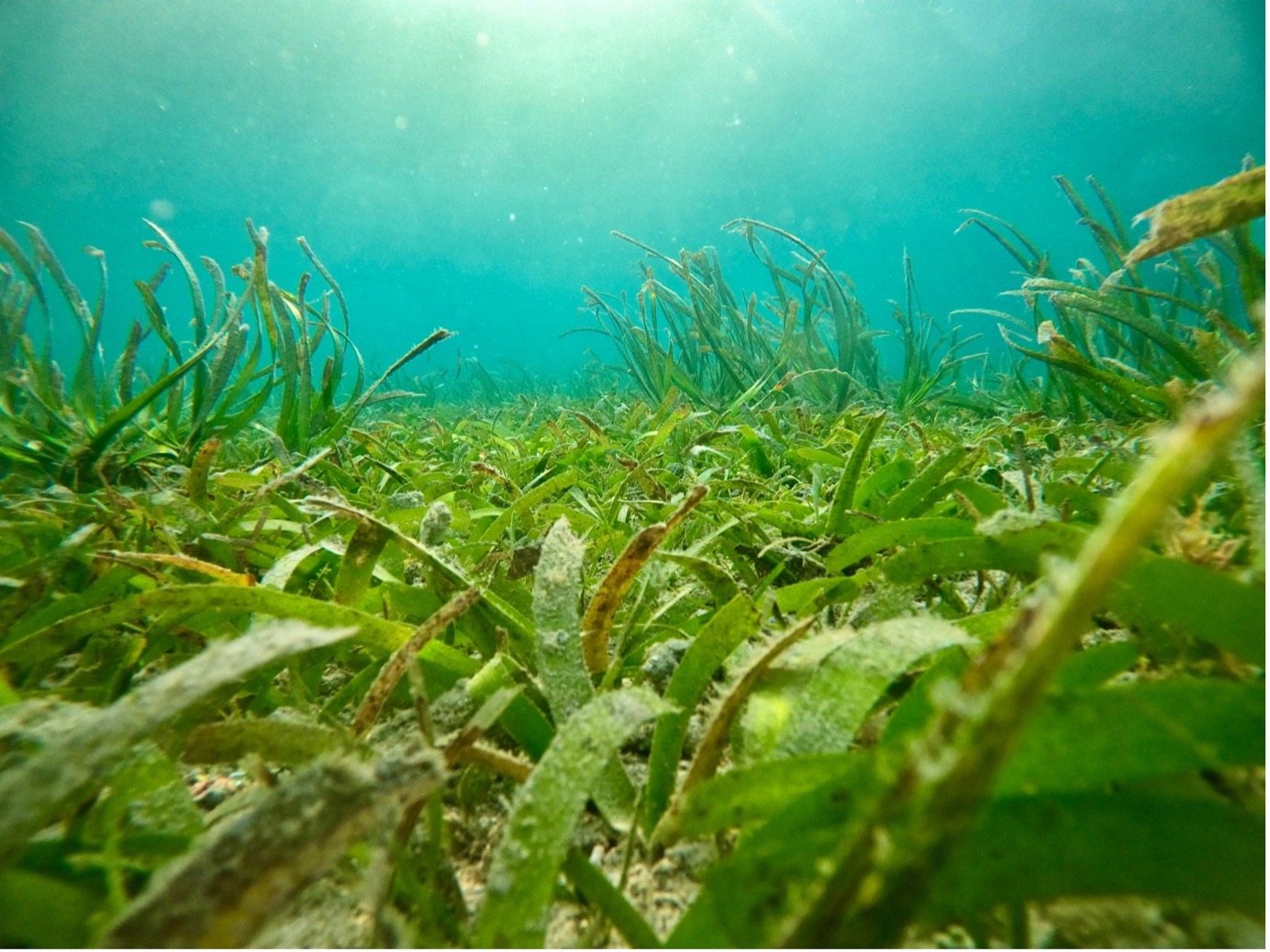
The tropical coastlines of Southeast Asia are home to some of the most important and biodiverse marine ecosystems on the planet. However, they are also among its most vulnerable, with areas of coral reefs, mangrove forests, and seagrass beds under increasing threat from a wide range of human activities. To try and better understand those potential threats, a study by an international team of researchers has provided the first detailed assessment of activities taking place within coastal and marine habitats and the impact they have on those ecosystems. The research focused on case study sites in Indonesia, the Philippines, Vietnam and Malaysia, including marine protected areas in UNESCO Man and the Biosphere (MAB) Reserves as well as a Marine Park. Of the 26 activities that were examined, it found that particular fishing techniques—and tourism and recreation—posed the greatest threat to the ecosystems. The fishing practices, including trawling and the use of gill and seine nets, were shown to cause physical pressures such as abrasion, smothering, siltation and total habitat loss. Meanwhile, tourism activities result in different pressures such as organic enrichment, litter and pollution, in particular affecting coral reef habitats. With fishing and tourism being critical to the region’s economy, the researchers hope that highlighting their potential to impact specific locations could help ensure they can be conducted in a more sustainable manner in the future. The study, published in the Journal of Applied Ecology, was led by researchers from the University of Plymouth and involved colleagues from across Southeast Asia. It was carried out as part of Blue Communities. Dr. Fiona Culhane, who carried out the research as part of a Postdoctoral Research Fellowship at the University of Plymouth, and is currently a Postdoctoral Researcher at the Marine Institute in Ireland, is the study’s lead author. She said, “These sites are globally significant for their high marine biodiversity, but are at high risk of pressures from human activities. This work, carried out in collaboration with local communities and in-country researchers, has demonstrated that different locations experience different risks, according to the level of human activities in the sea. “By better understanding how human activities are impacting various marine habitats, and the ecosystem services they provide, we can provide local stakeholders and marine managers with clearer evidence that they can use to inform future action.” Professor Melanie Austen, Professor of Ocean and Society at the University of Plymouth and lead of the Blue Communities program, added, “This study is a powerful example of strong collaboration between researchers from the Global South and Global North. “Its aim, and that of the entire program, has been to provide much needed analysis and information to help coastal communities live within the environmental limits of the natural marine resources.” In addition to forms of fishing and tourism, the research explored the importance and impact of activities including waste disposal, sand mining, aquaculture, coastal infrastructure development, and antique exploration. It then mapped whether, and to what extent, each activity caused forms of disruption including light, noise and water pollution, as well as physical damage to the coastline and seabed and the habitats they contained. Across the different countries, there was variation in the activities posing the greatest pressures with, for example, high risk coming from seine nets in Vietnam, fish farming in Malaysia and pots, traps and barricades in the Philippines. There were also differences across the main habitat types, with trawling and blast finishing among the activities posing the greatest risk to coral reefs, while shrimp farming placed the greatest pressure on mangroves, and trawling and tourism introduced the highest risk to seagrass. Dr. Amy Y. Then, Associate Professor in the Institute of Biological Sciences at the Universiti Malaya in Malaysia, said, “Findings from this paper challenge the way we think about spatially managing multiple economic activities and their impacts on vital coastal ecosystems. “By identifying interactions between these activities and the habitats where they take place, we are able to make better marine spatial management decisions to ensure sustainability and resilience of these socio-ecological systems and their functioning.” Dr. Radisti Praptiwi, researcher at the National Research and Innovation Agency in Indonesia, added, “This is an important study, especially in the context of data-poor regions such as Indonesia. “Research on understanding the impact chains linking activities and pressures to the marine environment can not only help identify the types of activities and habitats to be prioritized for management purposes, but also highlights areas for further research required for evidence-based policymaking.” More information: Fiona Culhane et al, Assessing impact risk to tropical marine ecosystems from human activities with a Southeast Asian example, Journal of Applied Ecology (2024). DOI: 10.1111/1365-2664.14812 This article is republished from PHYS.ORG and provided by the University of Plymouth. Explore our blog for insights on the latest research from across the globe. Click here
Greenhouse gas emissions from seagrass: Q&A with Teigan

In autumn 2024, Teigan joined the teams at Project Seagrass and Swansea University to undertake a PhD exploring the influence of water quality on greenhouse gas emissions from seagrass. Teigan’s PhD forms part of Accelerate Seagrass, a collaborative program with Climate Impact Partners, Deloitte, and the National Oceanography Centre to fund UK seagrass recovery and unlock long-term finance to save and reinstate vital seagrass meadows. Find out more about the Accelerate Seagrass program here. We spoke to Teigan about her PhD and what inspired her to pursue research in seagrass ecosystems. Read the full Q&A below: What inspired you to pursue research in seagrass ecosystems? From the moment I first learned about seagrass meadows during my second year of university, I was captivated. I found it astonishing that these vital ecosystems exist while we still understand so little about their dynamics and functions. For my third-year dissertation, I knew I wanted to complete a seagrass-based project. I explored the feasibility of using satellite imagery to track seagrass populations. I developed a model employing image classification techniques to predict seagrass distribution, further deepening my appreciation for the field. This is what sparked my passion for pursuing research in seagrass ecology. Seagrass is truly extraordinary, and I am continually inspired by its unique ecological role and significance. Can you share an interesting fact about seagrass that most people might not know? Here are two of my favourite facts about seagrass that most people may not know! Some species of seagrass exhibit remarkable resilience with instances of growth documented as far north as Greenland! Additionally, despite covering just 0.1% of the ocean floor, seagrass ecosystems play a crucial role in mitigating the impacts of global warming, highlighting their ecological significance. What’s the most fascinating discovery you’ve made so far in your research? I have been involved in this project for just under two months, so I am still in the process of reviewing literature and familiarizing myself with potential site locations to complete the gas analysis. However, one notable realisation is the significant gap in knowledge regarding the role of seagrass in greenhouse gas emissions. Surprisingly, only a handful of studies have addressed this topic. What is the biggest challenge you will face in your research into greenhouse gas emissions from seagrass, and how do you think you’ll overcome it? The most significant challenge I anticipate is constructing the chamber required for the gas analysis. This will be my first experience designing and building field equipment. To address this, I plan to collaborate closely with experts who previously developed suitable chamber designs to ensure the equipment is fit for purpose. Another challenge I anticipate is the microbial work associated with this project. While I have limited experience completing microbial work, I will work closely with my second supervisor and experienced PhD students to acquire the necessary skills and support for this aspect of the project.
Solent Seagrass Update – A Year in Review
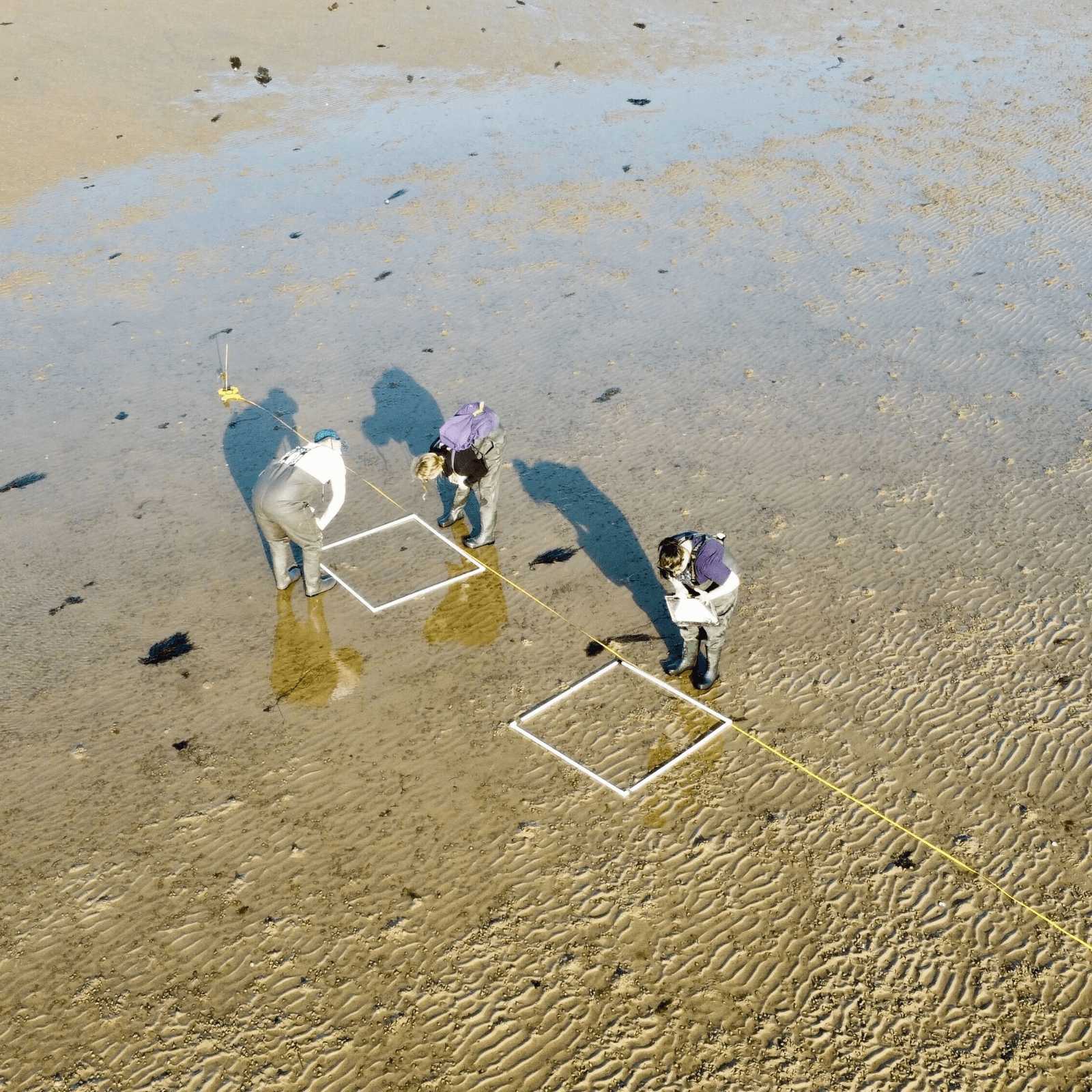
Seagrass Restoration Efforts to restore seagrass marine habitat at our two restoration sites on the Isle of Wight began in March and April this year under the Solent Seascape Project. A total of 132,000 seeds and 2,160 transplants have been planted across the two sites. There are plans to continue this planting in spring 2025 using the same methods. Continued monitoring of the restoration sites and WWF seagrass planting trials are undertaken during fieldwork on a monthly basis. Summer Seagrass Seed Harvest During July, we collected seagrass seeds (Zostera marina) from three meadows around the Isle of Wight. We were joined by 117 volunteers and some of our funders and project partners as part of our seagrass seed harvesting wade and pick event. We collectively harvested 101, 710 seeds in total, which will contribute towards 2025’s restoration efforts. Seagrass Safe Sailor We’ve been working with the boating community on the island to explore Advanced Mooring Systems (AMS), and promote seagrass safe sailing practices. Two AMS have been designed and are in the final stages of being installed at Seaview. These AMS provide a demonstration of how AMS can work safelyin a challenging tidal environment with moving sediment and currents, whilst reducing scarring on the extensive seagrass meadow here. In 2025, we’ll be monitoring seagrass recovery at Seaview, and working with local stakeholders to map the seagrass meadow. You can explore our Seagrass Safe Sailor resources here. Fragment Walks This year we, and many volunteers have also been restoring seagrass through fragments (washed up seagrass). We have: Set up two fragment collection points at St Helen’s and Arc Biodiversity in Sandown Run eight fragment collection walks Planted 329 plants over 17m² Run two school-focused fragment collection walks Worked with over 200 volunteers. To find out more about our Fragment Walk initiative visit our blog article. Looking Back and Moving Forward: A Big Thank You to Our Volunteers! This year has been incredibly busy, and we couldn’t have succeeded without our amazing volunteers. Your dedication has been invaluable. As we plan for an exciting 2025, we’re eager to welcome familiar faces back and meet new ones. Let’s make next year even better together! Thank you for being a vital part of the seagrass community.
Dale Seagrass Update
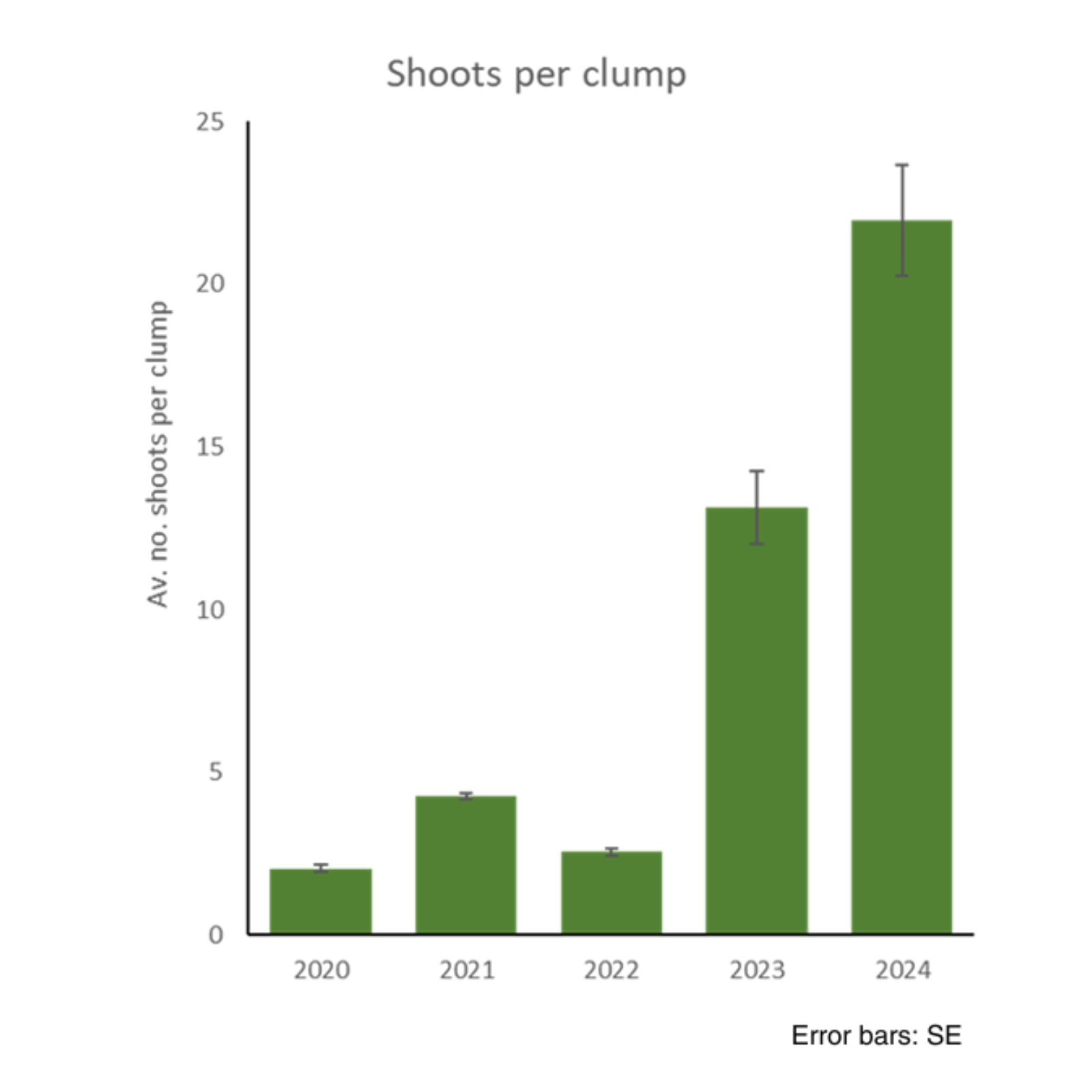
Following scientific trials in 2019, in 2020 many seagrass seeds were planted in Dale, supported by the community, school children and local organisations. Since planting, the seagrass area has been reseeded several times to infill gaps and support it as it develops. Despite some setbacks, the restoration area is now doing well, with a great increase in growth this year seen in recent monitoring. The natural patch of seagrass closer to the shore (Frenchman’s Bay area) is also doing well, likely due to seagrass seeds being transported to this area from the restoration area, and natural growth. Scuba divers went out in autumn 2024 and covered 3,000 m² of the restoration area, surveying in ten distinct lines. The results show that the average number of shoots within each seagrass clump has greatly increased since 2023. This means that the clumps of seagrass are larger, with the potential to patch together with more growth to form a meadow. The seagrass in the restoration is looking healthy and growing well! The average number of shoots across the whole restoration area has also increased since 2023, and recovered since a trawling and storm incidentthat impacted the seagrass from 2021 to 2022. Leaf length of the seagrass has remained stable from 2023 to 2024, suggesting that the seagrass is reaching it’s maximum length for the environmental conditions. We’ve also been co-delivering many seagrass related activities with local businesses – including seagrass paddleboard and snorkel safaris, art activities, seine netting, community meetings and more. We have our first Sensitive Ecosystem Responsible Fisher (SERF) and are trialling seagrass friendly lobster pots. We also continue to support the visitor moorings located outside of the restoration area – with donations encouraged for use. We couldn’t have achieved what has been without the ongoing support of Dale Seagrass Stakeholder Group, who continue to provide oversight to the project.
Project Update: Restoration Forth December 2024
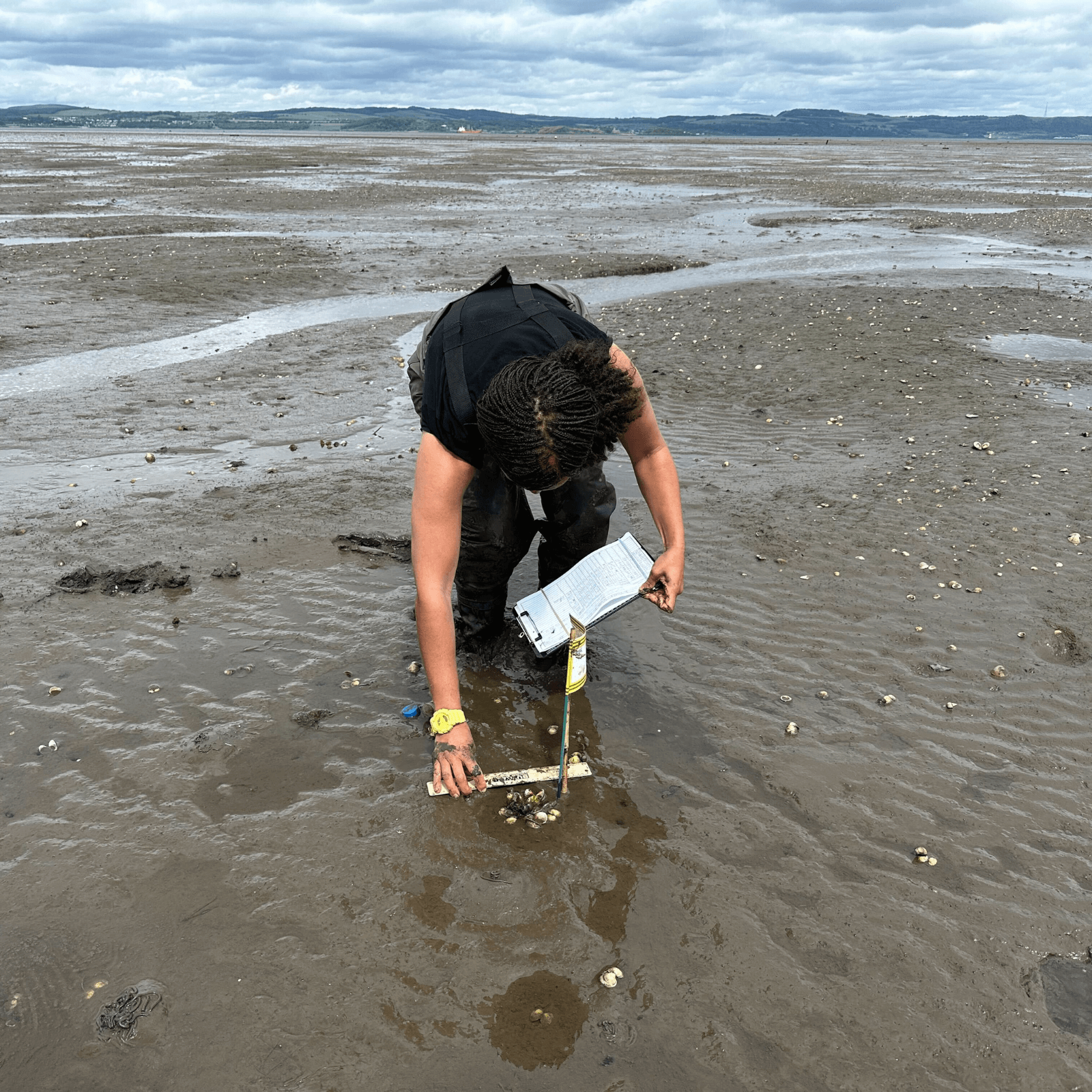
Restoration Forth aims to restore seagrass meadows and native oysters into the Firth of Forth, to create a healthier coastline for people and nature. Find out more about the project here. We’ve reached 30,000 oysters! October was a busy month for the Restoration Forth oyster team. We had an absolutely amazing number of volunteers dedicate over 900 hours of their time this autumn to help us get the last 10,700 oysters through the biosecurity process, stringed so they were ready for monitoring, and then safely deployed in their new home. This brings our total oysters restored to the Firth of Forth to 30,638, exceeding our 30,000 target! We really can’t thank everyone enough who joined us over the last year to make this possible, it really could not have been achieved without all your hard work. In August, the Heriot-Watt University team were also out monitoring the oysters that were deployed in the spring. We are very pleased to share with you that there was an incredible 85% survival rate of the oysters monitored! This survival rate is such a great start for these oysters, we can only hope that monitoring continues to show them doing well in their new home. Seagrass processing completed In summer 2024, the seagrass team collected reproductive seagrass shoots in Orkney, Inverness, and Burntisland. With the help of over 150 volunteers, all seeds have now been separated from the seagrass material, ahead of planting in March 2025. Eleri and Lyle delivered the seagrass seeds to the Project Seagrass nursery, where they will be stored over the winter. Thank you to all our volunteers that have helped process seagrass material over the past couple of weeks. Understanding Scotland’s Seagrass Survey You are invited to participate in a short, online survey focussed on better understanding Scottish seagrass ecosystems. Local knowledge is invaluable in understanding this habitat, the challenges it faces and its impact on communities connected to it. The survey aims to explore: The location and status of local meadows Possible, localised reasons for decline Community perspectives, including; concerns, barriers and needs Responses will identify how best to support coastal communities in seagrass conservation, ensuring local voices play a central role in shaping future strategies by those working in this field. Find out more and access the survey here. (Scots Gaelic speakers can access a translated version using the drop-down box on the survey). We hope to reach communities across Scotland’s coastline, a big task! As such, sharing in your networks is greatly appreciated. The higher the participation, the stronger an impact this research can have. Any questions please contact katy@projectseagrass.org Citizen Science Update Thank you so much to those of you who submitted survey data for our oyster citizen science. We have collated all the results that were submitted up until September, and a summary of those results can be found here. An amazing 130 surveys were submitted altogether across Fife, Edinburgh and East Lothian! This data is incredibly useful in conjunction with other site suitability assessments to help identify future locations for oyster restoration. Outcome of the Nature of Scotland Awards! We won! Restoration Forth are delighted to have won the Coast and Waters award at this years RSPB Nature of Scotland Awards. Thank you so much to all who have helped make this project a success!
End of year reflections from our 2024-25 interns
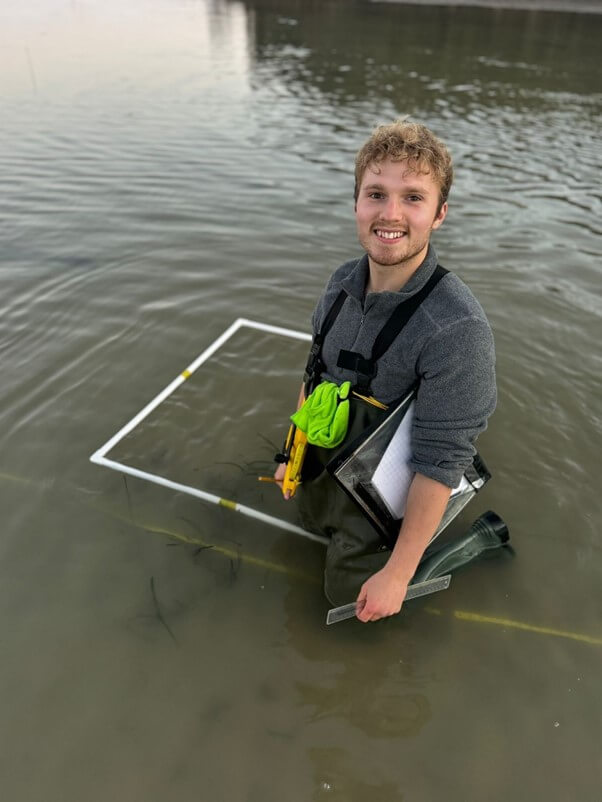
In September 2024, Project Segrass welcomed Finn, Grace, and Heather as our interns for the 2024-25 academic year. Finn and Heather have joined us as interns from the University of St Andrew’s and Grace has joined us from Swansea University. In this interview Finn, Grace, and Heather share their experiences and highlights from their first three months as interns with Project Seagrass. What have you been up to during the first three months as interns with Project Seagrass? Heather: My time at Project Seagrass has been spent on a really diverse set of tasks so far, ranging from practical fieldwork out in North Wales, to desk jobs back at HQ analysing data or building equipment. One of my favourite jobs so far has been processing the seeds harvested in the summer. This task was based in the warehouse at HQ and involved separating the seeds from their protective seagrass sheaths using a water-tower. Apart from being a very satisfying job, doing this also allowed me to spend time looking at the infauna living among the vegetation and also to see, first-hand, the huge natural variation present in the seeds we are working with. In the end, we helped process over 1,000,000 seeds like this in the space of one month. Grace: Since starting I have assisted various projects within Project Seagrass, getting to know the team and building my knowledge base. Some of the major parts were aiding Isle of Wight and West Wales monitoring and mapping fieldworks, and processing seagrass seeds at HQ, as well as breaking down fieldwork data to analyse the results. In this short time I feel I have developed my confidence in field data collection and analysis, and am beginning to understand the precarious status of seagrass meadows in the UK. Finn: I have done so many different things since starting my internship with Project Seagrass – helping out with seed processing, building fieldwork equipment, visiting the nursery to help with monitoring the seagrass growing there, taking part in engagement events, and completing a review of the seagrass microbiome as well as various other tasks at HQ. A big part of my internship has also been going on fieldwork to the Isle of Wight every month to monitor restoration plots of seeds and transplants planted in the spring. What have been your highlights so far? Heather: My highlight so far was the sunny afternoon I spent surveying the seabed of the Cymyryn Strait by kayak. We found a really dense, healthy seagrass meadow there with all three British seagrass species present – it was also the first time I had ever seen Ruppia! Grace: My standout experience at the moment has to have been going on fieldwork in South and West Wales. Participating in mapping new sites for potential seagrass restoration is very satisfying, especially when I can plot out our GPS tracks on a map afterwards, and have a nice little record of where we’ve been. I’ve also enjoyed developing my programming knowledge with real data to make useful and interpretable figures. Finn: My highlight so far has definitely been going out on fieldwork and seeing my first seagrass meadow in the UK!! It was awesome to see the work Project Seagrass has done paying off and being able to see seagrass seedlings and transplants still surviving and growing. As well as the seagrass itself, I have seen some cool animals living within the seagrass. It can be a muddy, wet, and cold job but despite that fieldwork is still my favourite part of my internship. What are you looking forward to in 2025? Heather: At the moment, I am working towards setting up a controlled tank here, in HQ, in anticipation of the New Year when I will be beginning my undergraduate project. For this, I will be looking at the seeds we have processed in more detail, aiming to quantify their natural physical variation as well as determine if there are any links between this and the seeds’ ability to produce successful young plants. At the moment, this subject is not well resolved in the literature and so it will be great to push this knowledge boundary, even a little, and have the chance to continue working with the seeds I have already put so much energy into caring for. Grace: Moving into 2025, I’m looking forward to starting and linking together some smaller projects surrounding site characteristics. These include combining the physical parameters measured in different fieldworks at each site with background information to assess their suitability for seagrass restoration. As part of this, I’m excited to spend some time in the lab analysing site sediment samples and may also investigate programming models for site assessment. Finn: I’m looking forward to more fieldwork and taking part in the planting of seagrass seeds in the spring. Alongside the usual fieldwork, I am also going to be collecting data for my undergraduate project investigating the physical and biological factors that determine the distribution of seagrass on a fine and site-specific scale on the Isle of Wight. This data will help inform future decision making about selecting the best sites for seagrass restoration to hopefully increase the success of restoration. I have already collected some data, carrying out biotope mapping to characterise the habitats and species present alongside seagrass meadows and restoration sites. Each year Project Seagrass welcome a group on interns to develop their skills. These opportunities are available for students studying a university course that requires a year in industry as part of their studies and are advertised on our website. Keep an eye on our social media channels for announcements of future opportunities.
Community-based seagrass restoration: Fragment Walks
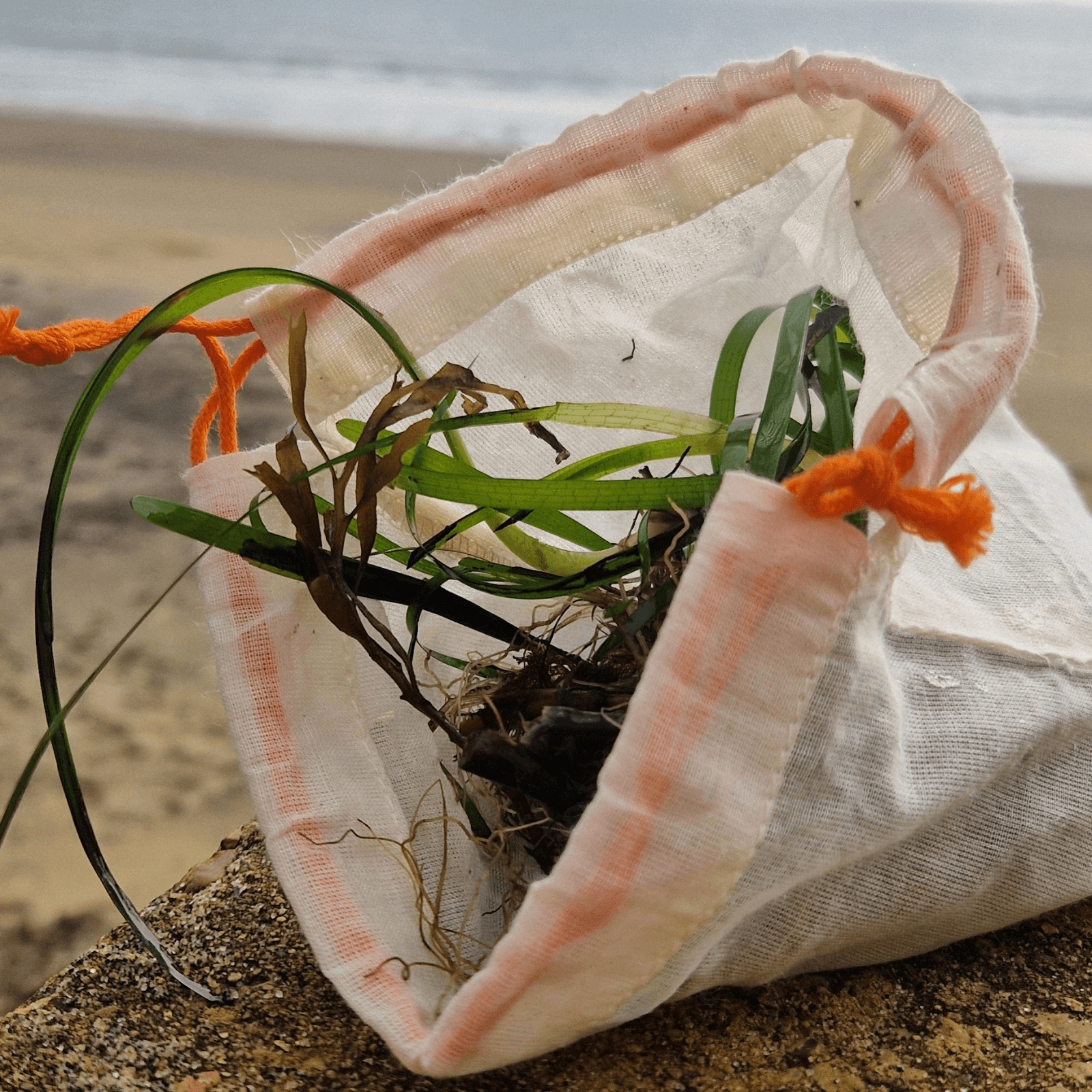
In 2024, Project Seagrass launched a new Fragment Walk initiative on the Isle of Wight to support community-based seagrass restoration as part of our work in the Solent. Seagrass Fragments Seagrass meadows are sensitive habitats which can be easily uprooted. As a result of storms or other disturbances, fragments of seagrass (individual seagrass plants with the rhizome or reproductive root and node system still intact) can become dislodged, uprooted, and washed up onto beaches. However, there is still an opportunity, for these plants to thrive by replanting the dislodged fragments. This presents a unique opportunity to involve the local community in seagrass planting at our Isle of Wight restoration sites. Seagrass meadows are critical and beautiful marine habitats that are essential for people and our planet. By undertaking active seagrass restoration on the Isle of Wight we can ensure that threatened and diminishing seagrass species can thrive, and additional fragment planting alongside our restoration efforts through advocacy and local community involvement presents an additional opportunity and involvement for all and reconnection to the seascape. Anouska Mendzil Project Seagrass Fragment Walks In spring 2024, we delivered a Fragment Walk pilot project where members of the public joined us to collect seagrass fragments at Priory Bay. This enabled us to gauge the level of interest for volunteer opportunities of this nature amongst the local Isle of Wight community. We were pleased to see positive uptake and interest in the initiative and went on to expand the project to include the following: A fragment collection point at St Helens A fragment walk to collect seagrass fragments A fragment preparation workshop Fragment planting at our restoration sites Monitoring our planted seagrass During the fragment preparation workshop, volunteers attach fragments to a pin using natural twine. This provides an anchor point for when the fragments are replanted, increasing the chances of re-establishment. During 2024 we have undertaken a total of 6 fragment walks, with 214 volunteers attending. We have also started to plant fragments in our restoration area at Priory Bay, Isle of Wight, with a total number of 329 fragments planted. Our fragment collection point is located at St Helens Duver (What3Words: invest.cropping.scatter). Fragment Collection Points In addition to our direct engagement through the Fragment Walks we have additionally installed two Fragment Collection Points in Sandown and St Helen’s. These collection points enable members of the public to collect and place seagrass fragments found on the beach into the fragment collection points, which can then be retrieved and replanted in local seagrass meadows and restoration sites. Project Seagrass in the Solent Project Seagrass is working to restore 3 hectares of seagrass on the Isle of Wight as part of the Solent Seascape Project alongside undertaking planting trials as part of the Seagrass Ocean Rescue: Solent programme. Fragment Walks enable us to engage with members of the local community and trial another approach to seagrass restoration on the Island. If you would like to set up and run your own fragment walks around the Solent or further afield we will be releasing this as a marine practitioner protocol in 2025. Keep an eye on our social media for the dates of future Fragment Walks or contact volunteers@projectseagrass.org to be kept informed about future opportunities.
Two new studies call for clear frameworks for coastal CO₂ sequestration
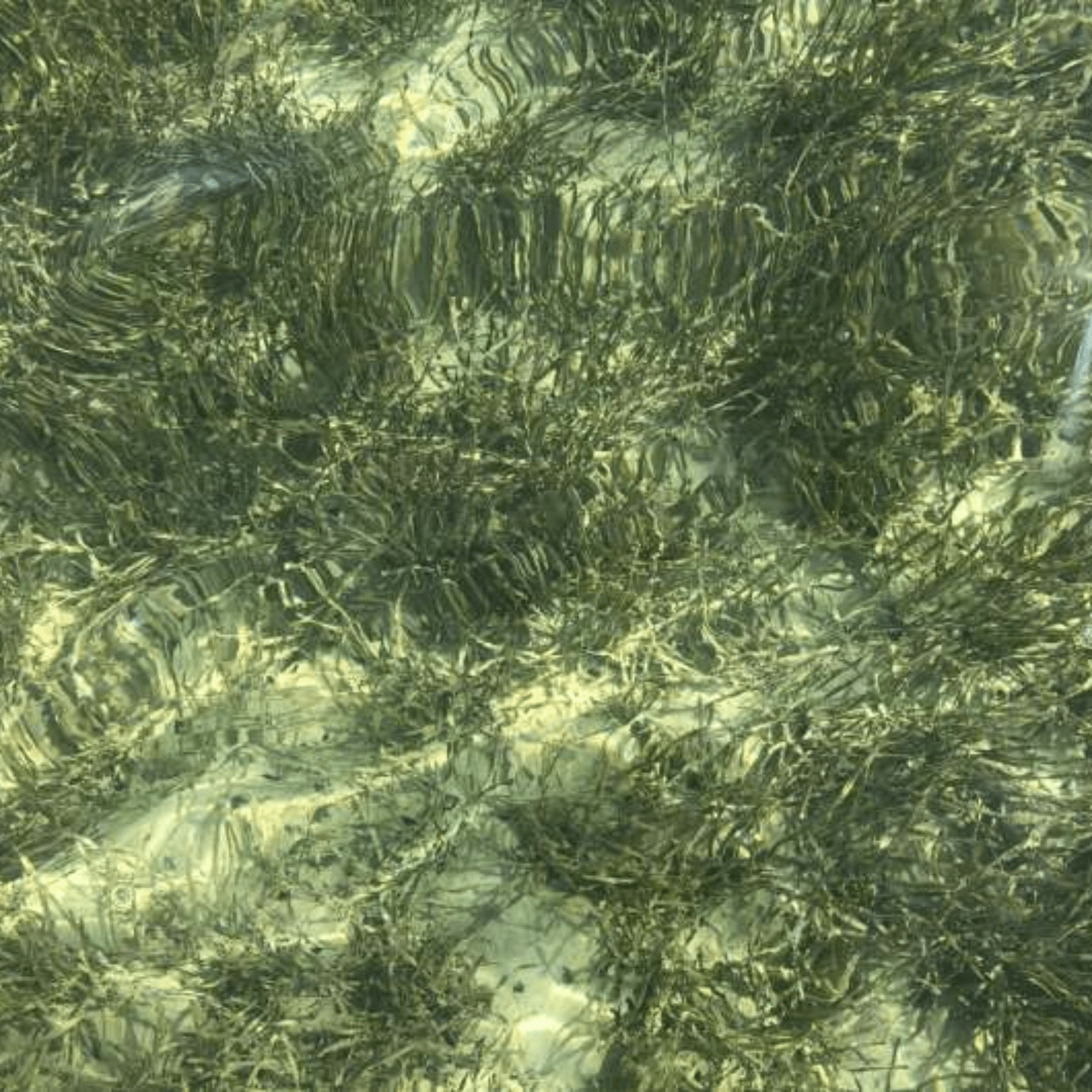
Two new studies call for clear framework conditions for CO2 sequestration in coastal areas, including a digital twin for projections and an independent body for certification and new legal structures for monitoring. The two papers led by researchers from Helmholtz-Zentrum Hereon were recently published in Environmental Research Letters and Elementa. So-called “blue carbon ecosystems” for CO2 storage on the coasts and in the ocean can be seagrasses, mangroves or salt marshes, for example. Whether they help to achieve the climate targets and how this can be achieved still needs to be researched in more detail. Projects for CO2 storage are increasingly being initiated by science and industry. But the risks need to be better researched and regulated, say the authors. International legislation is needed for this. Only then could a blue carbon industry be established. Seagrass, pictured here in Florida, could be an option for CO2 storage. Credit: Hereon/Bryce van Dam Clear rules for an industry with a future Regulation through legislation and evaluation are important, says lead author Bryce von Dam from the Hereon Institute of Carbon Cycles. However, this can only be achieved with an international, overarching organization for monitoring, reporting and verification. This organization could issue certificates and create fair conditions. The Paris Climate Agreement is intended to help regulate carbon removal. But until it is fully ratified, there must be other verification bodies. Furthermore, smaller projects should not be disadvantaged—as long as they demonstrably remove greenhouse gases from the atmosphere, say the authors. “In addition, a digital twin that models baseline scenarios and shows what the carbon cycle would look like without blue carbon activities can help. This works well if it collects real data in real time,” says von Dam. The twin should create AI-supported “what-if scenarios” regarding the effectiveness of storage methods. Stronger links between business and science Hereon Institute Director Helmuth Thomas and other researchers have come to the conclusion that the role of coastal and marine ecosystems can contribute to combating climate change. “But only if we find new international governance and legal frameworks.” This is also important in order to recognize unexpected side effects. Only with a clear legal definition could science, business and politics jointly create frameworks. One example would be to clarify liability issues. “Some measures in the wrong place can even lead to an increase in CO2 emissions,” says Thomas. The effectiveness of individual projects needs to be much better researched and evaluated. It is also unclear, for example, to what extent international law already obliges states to restore marine habitats. Binding political guidelines are needed. More information: Bryce Van Dam et al, Towards a fair, reliable, and practical verification framework for Blue Carbon-based CDR, Environmental Research Letters (2024). DOI: 10.1088/1748-9326/ad5fa3 Martin Johnson et al, Can coastal and marine carbon dioxide removal help to close the emissions gap? Scientific, legal, economic, and governance considerations, Elem Sci Anth (2024). DOI: 10.1525/elementa.2023.00071 This article is republished from PHYS.ORG and provided by the Helmholtz Association of German Research Centres. Explore our blog for insights on the latest research from across the globe. Click here
Bacterial communities on seagrass leaves shown to suppress waterborne pathogens
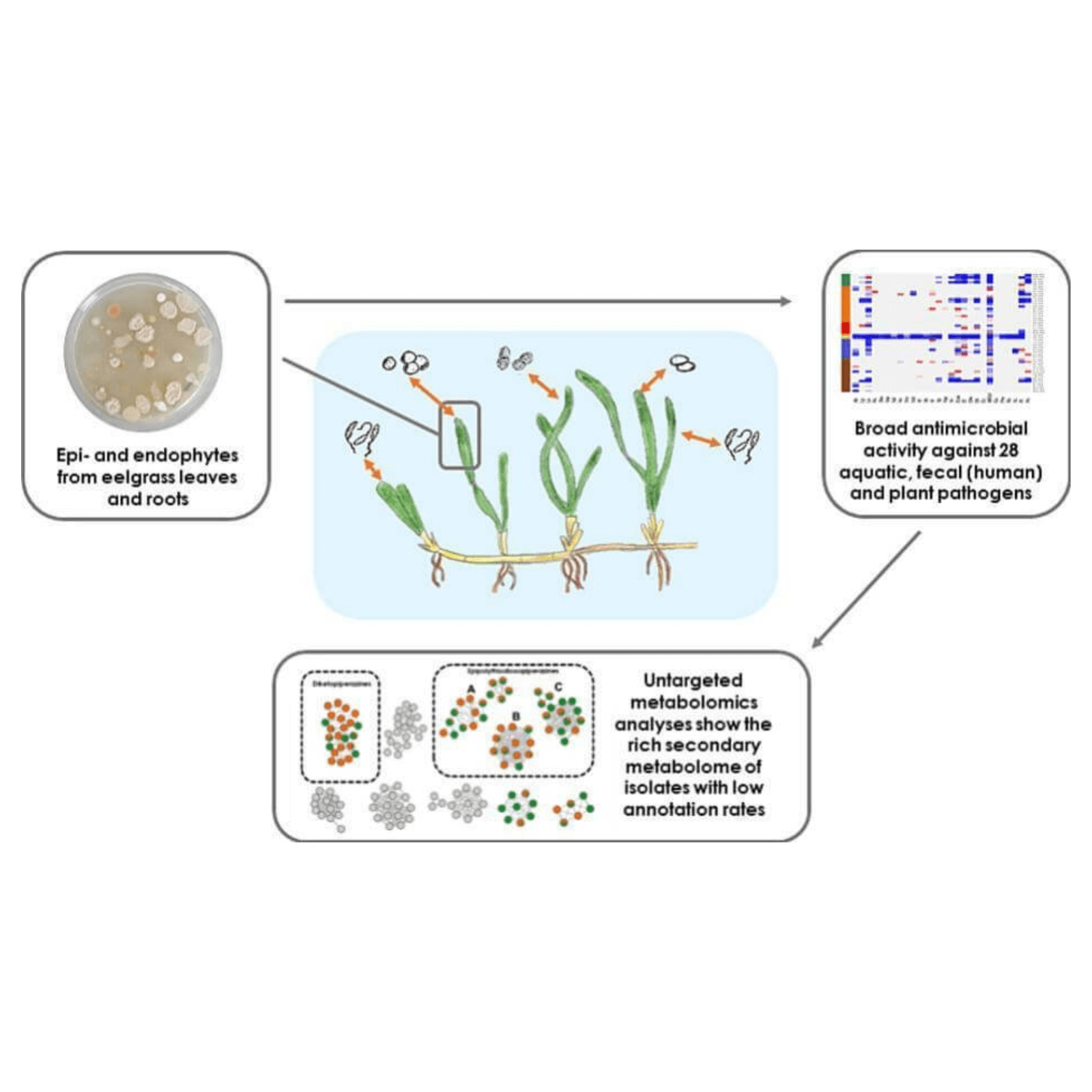
Seagrasses are special: they are the only flowering plants that have returned to sea from land. They are also known as the “lungs of the oceans” because of their ability to photosynthesize. And with the exception of Antarctica, they can be found on all continents, where they form extensive underwater meadows that generate and sustain healthy coastal regions. Seagrass meadows are key ecosystem engineers that directly benefit humans and animals. Hence, they are of enormous ecological and economic importance. They are spawning grounds for economically important fish, hiding places for juvenile fish and habitats for mussels, snails and crabs, making them one of the most productive and diverse ecosystems on earth, along with coral reefs and rainforests. They protect our coasts by stabilizing the sediment. They also store carbon dioxide very quickly and effectively. Graphical abstract. Credit: Science of The Total Environment (2023). Seagrass meadows as natural water purifiers A few years ago, another remarkable ecosystem service of seagrasses was discovered: seagrass meadows reduce the load of pathogenic bacteria in the water around them. A 2017 study showed that the relative abundance of harmful bacteria, including human fecal bacteria and pathogens dangerous to marine animals and humans, was significantly (50%) lower in Indonesian seagrass meadows than in the water outside the meadows. Subsequent studies, including one at GEOMAR, have confirmed the reduction of pathogens such as Escherichia coli, enterococci, Salmonella and Vibrio species in the vicinity of seagrass beds. Scientists of the Research Unit Marine Natural Product Chemistry at the GEOMAR Helmholtz Centre for Ocean Research Kiel have been investigating multiple mechanisms behind this sanitation effect for several years. The results of the first part of their study have recently been published in the journal Science of the Total Environment. How do seagrasses combat pathogens? “The elimination of pathogens from the water is a very complex phenomenon involving physical, (micro)biological and chemical mechanisms” says Dr. Deniz Tasdemir, professor of marine natural product chemistry and senior author of the study. The researchers started first analyzing the cultivable microbiome of Zostera marina, a common seagrass species in the Baltic Sea, and the natural molecules they produce. To do this, they isolated almost 90 bacteria and fungi from the surface and internal tissues of the seagrass leaves (and roots) and tested their extracts for antibiotic activity. These tests were carried out against a large group of aquatic, human and plant pathogens, including Vibrio species, which can cause serious diseases and even death when transmitted to humans by raw or undercooked seafood, or through skin damage during recreational activities. This study showed that the bacteria from healthy leaf surfaces have strong, broad-spectrum antibiotic activity, in some cases even outperforming commercial antibiotics. “This confirmed our hypothesis,” says Prof. Tasdemir. In addition to a few known antimicrobial compounds, the team also discovered the presence of many new ones in these bacteria. These new molecules will now be isolated, in other words chemically purified, their chemical structures will be identified and their potential as future marine antibiotics will be assessed. “This is only the tip of the iceberg for us. We now heavily work, with an international team, on other chemical and microbiome-related mechanisms and how they may contribute to the hygiene effect of seagrasses in the laboratory and in the ocean settings,” says Prof. Tasdemir. Antibiotics from the sea: The potential of the seagrass microbiome The climate change-related ocean warming is increasing the load of pathogens, such as Vibrio species, in coastal waters during summer months. This is also a great public health concern for the German Baltic Sea, as death is being reported among holiday makers. Therefore, the protection and restoration of seagrass meadows is essential for the health of oceans and humans more than ever. On the other hand, the seagrass microbiome holds great potential for the discovery of new antibiotics for other human infections, which is of enormous importance in the fight against rising antibiotic resistance. More information: Deniz Tasdemir et al, Epiphytic and endophytic microbiome of the seagrass Zostera marina: Do they contribute to pathogen reduction in seawater?, Science of The Total Environment (2023). DOI: 10.1016/j.scitotenv.2023.168422 This article is republished from PHYS.ORG and provided by the Helmholtz Association of German Research Centres. Explore our blog for insights on the latest research from across the globe. Click here