Community, Connection, Conservation: latest SeagrassSpotter Updates
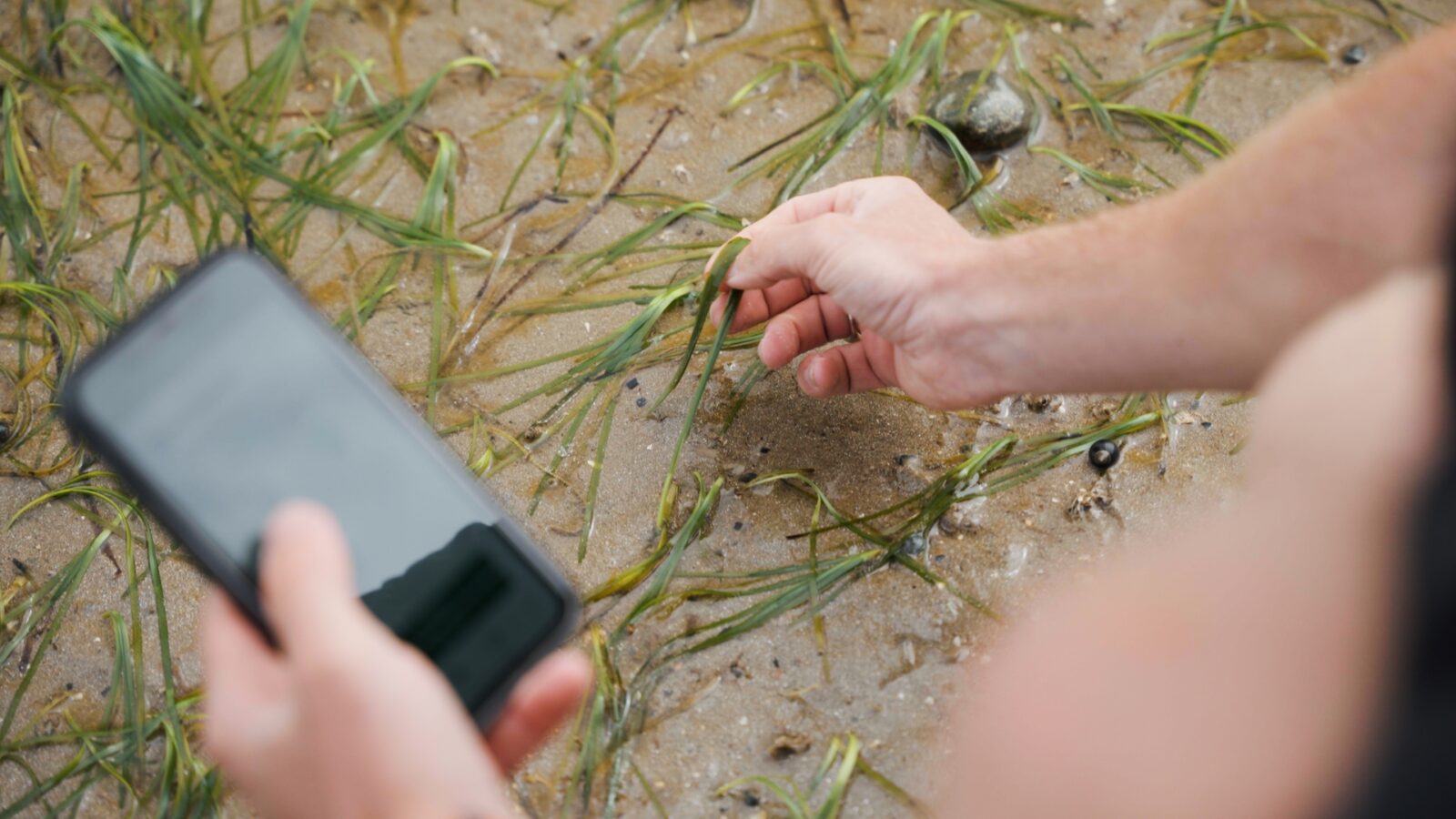
The Project Seagrass team have been busy working on a range of new features within SeagrassSpotter. Since our last major update in 2023, we have been working to further enhance your experience when participating in the programme and are super excited to share the latest developments. In response to your feedback, the new functionality focuses on introducing ways for you to interact with each other, as well as introducing an element of healthy competition as we seek to widen our reach, grow the community mapping the world’s seagrass, and contribute to solving global challenges for seagrass! One of the six global challenges facing seagrass conservation is obtaining and maintaining information on the status and condition of seagrass meadows around the world. SeagrassSpotter makes a vital contribution to this, providing open access seagrass data that has been used in various scientific publications, from deep learning algorithms, to accessing genetic connectivity of seagrass populations. Explore some of the new functionality below: Leaderboards Think Duolingo, but for seagrass! The new Leaderboards within SeagrassSpotter showcase users with the Most Sightings, Most Countries Visited, and highest number of Species Found. With Yearly and All Time views available, users have a range of options to explore the sightings of their fellow SeagrassSpotters. And if your competitive spirit inspires you to head out to your local beach in search of seagrass, we’d love to see your sightings! Achievements Following the latest update, you might have noticed some new badges on your profile. This forms part of a host of new Achievements that SeagrassSpotter users can work towards. Ranging from the number of sightings uploaded to more specific achievements such as taking a photo with seeds or flowers or, there are a range of different achievements to unlock. Interactivity Users now have the opportunity to interact with each other’s seagrass sightings. Alongside new Like and Comment functions, users can now Favourite a seagrass sighting, making it easily accessible to find again via the My Favourites section in My Profile. Users can also make use of a new ‘I’ve spotted this too’ function, helping the community to confirm data points for sightings. We love to hear your feedback! SeagrassSpotter is constantly developing in response to its users. Please send any comments or feedback you have to seagrassspotter@projectseagrass.org .
Protecting seagrass meadows & other habitats: Study presents strategies to preserve marine ecosystems
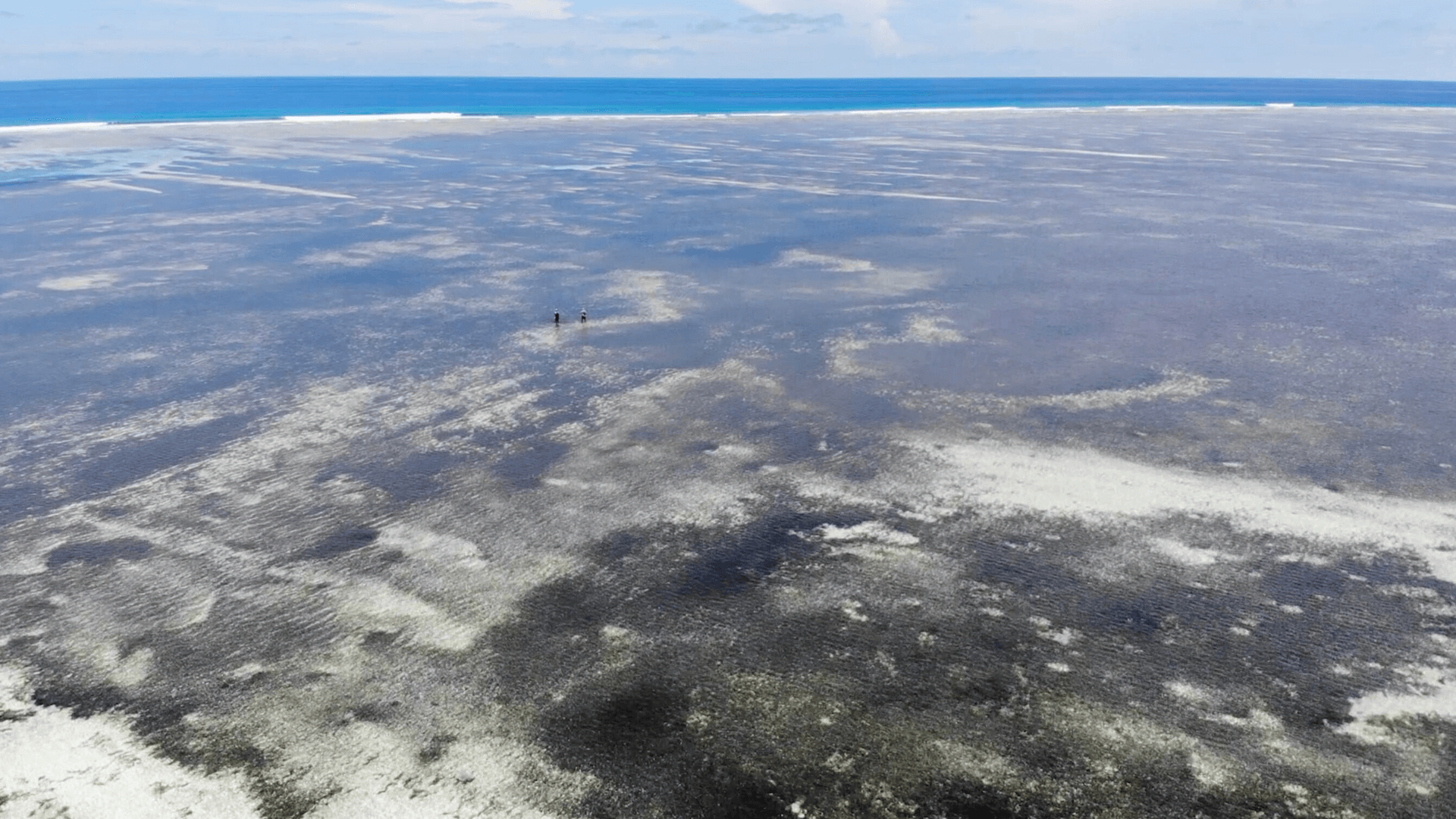
A new study led by the University of South Florida highlights the urgent need to protect marine ecosystems in shallow water near the shore —an area that many beachgoers don’t realize is highly important to fish populations. Known as tidal flats, these coastal waters are characterized by a complex mosaic of habitats, such as sand, mud, coral rubble, seagrass meadows, oyster reefs, coral reefs and mangroves. They are vital nursery grounds for diverse marine life, including reef fish, sharks and rays and are critical to global seafood supplies, local economies and overall marine health. The findings from a team of interdisciplinary marine experts, “Habitat management and restoration as missing pieces in flats ecosystems conservation and the fishes and fisheries that they support,” are published online in Fisheries. The team created 10 core strategies that boaters, anglers, wildlife managers and policymakers can adopt to prioritize and preserve marine flat ecosystems including seagrass meadows from humans and intensified weather events. At the top of the list is considering fish, such as tarpon, as flagship and umbrella species, as their protection would benefit additional species that use the same habitats. They urge habitat management and restoration to be at the forefront of the community’s mind, starting with integrating them into local government and coastal development and planning processes. Recent research from Project Seagrass, based on a fishery in South Florida, highlights the need for more diverse knowledge holders in local knowledge research and application to ensure that management recommendations arising from local knowledge are not skewed towards the most vocal individuals. The University of South Florida team believes this will lead to resilient shorelines and shallow-water habitats, providing long-term benefits for coastal communities and the marine life that depends on them. “The ecological connections between these ecosystems and other marine habitats are vital for the lifecycle of various species, many of which are integral to fisheries,” said Lucas Griffin, assistant professor in the USF Department of Integrative Biology. For the last decade, Griffin has studied fish and their migration patterns in a variety of areas, including the Florida Keys, witnessing firsthand how tidal flats are rapidly changing. Inspired by that work to take action, Griffin partnered with experts from the Florida Fish and Wildlife Conservation Commission, Carleton University and the University of Massachusetts Amherst to develop a plan that can be applied locally and globally to help protect tidal flats. “The Florida Keys are a biodiversity hotspot where wildlife and fish depend on flats habitats,” Griffin said. “But these ecosystems are at risk—from coastal development and harmful algal blooms, to heat waves and boats running aground on sensitive habitats, like seagrass. Iconic recreational fish like tarpon, permit and bonefish rely on these flats, contributing millions of dollars to the local economy each year. “Despite their importance, there is not a lot of direct habitat management to protect these ecosystems. We need to address questions like how much good habitat remains, what can be restored and what has already been lost.” Overfishing, habitat degradation, coastal development and environmental conditions have contributed to these fragile habitats disappearing around the world. In Florida, intensified weather, such as heat waves and hurricanes, has further compounded these issues. “Effective habitat management and restoration are critical, but have been overlooked for flats ecosystems,” Griffin said. “Implementing these principles can help secure the biodiversity, fisheries and ecosystem services that millions of people depend on.” More information: This article is republished from PHYS.ORG and provided by the University of South Florida. Study: Habitat management and restoration as missing pieces in flats ecosystems conservation and the fishes and fisheries that they support,, Fisheries (2025). Flats ecosystems are characterized by a complex mosaic of habitats, such as sand, mud, coral rubble, seagrass meadows, oyster reefs, coral reefs and mangroves. They are vital nursery grounds for diverse marine life, including reef fish, sharks and rays. Credit: Andy Danylchuk, University of Massachusetts Amherst
And the winners are… Coldplay Competition winners announced

Earlier this year, Project Seagrass launched a creative competition in collaboration with our official patrons, Coldplay. The competition invited entrants to submit inspiring, impactful, and creative designs communicating one of the following five themes: 1. The importance of seagrass 2. Seagrass and people 3. Seagrass around the world 4. Seagrass at risk 5. Seagrass life Over 200 entries were submitted across the 5 categories. Following close consideration by a judging panel consisting of the Project Seagrass team, Coldplay management team, and independent judge, Award-winning artist and author Janina Rossiter, we are pleased to announce that the winners are: Category One: The Importance of Seagrass Winner: Joy Clifton Commended: Hannah Oakes Category Two: Seagrass and People Winner: Panka Eszenyi Commended: Jessica Clarke Commended: Maria Navya Fernandes Category Three: Seagrass around the World Winner: Kyle Walford Commended: Emma Lopes Category Four: Seagrass at Risk Winner: Clarisse Carré Commended: Alicia Hayden Category Five: Seagrass Life Winner: Andrea Baez Trejo Commended: Pablo Andres Dueñas Diaz Commended: Nicola Schlagenwerth The 5 winners will receive a pair of tickets to see Coldplay perform live at Wembley Stadium in London in summer 2025! We will be sharing more information on the winning entries in the coming weeks.
Expanding seaweed farms pose a risk to vital marine life
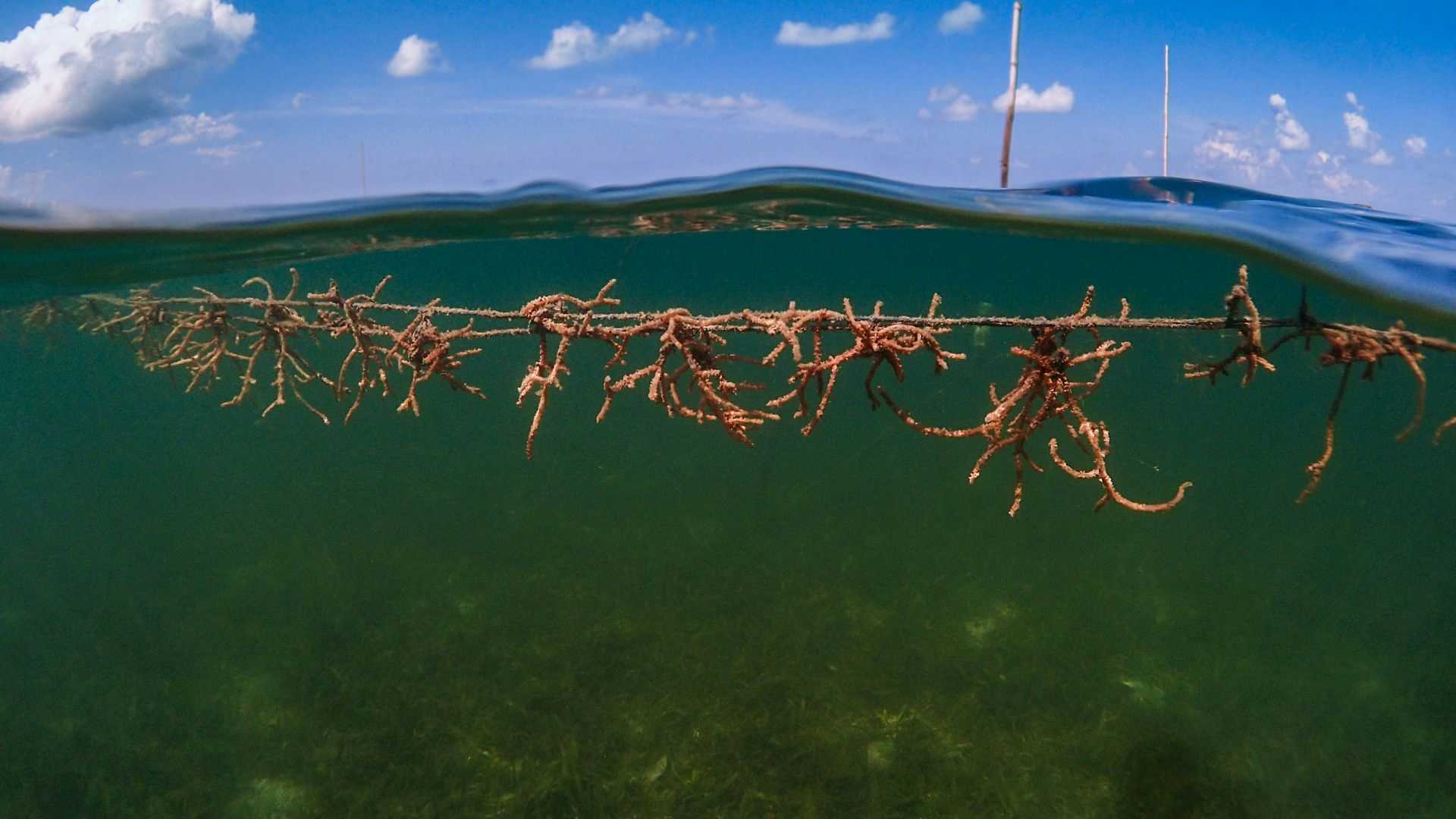
Seaweed farming is a rapidly expanding global industry. As a food resource, it has high nutritional value and doesn’t need fertilisers to grow. Seaweed provides valuable habitats for marine life, takes up carbon and absorbs nutrients, plus it helps protect our coastlines from erosion. Usually, seaweeds grow on hard, rocky surfaces. Yet, to farm seaweed, potential areas need to be easily accessible and relatively sheltered. This is where seaweed can grow with limited risk of being dislodged by waves. Seaweed farms in Asia, in countries like China and Indonesia, are responsible for more than 95% of global seaweed production. Seaweed farms, particularly those in Southeast Asia, are commonly in the very same environments where seagrass meadows thrive. Competition for resources ensues. Evidence shows that tropical seaweed farms, when placed in or on top of tropical seagrass meadows leads to a decline in the growth and productivity of seagrass. There is also evidence that seaweeds outcompete seagrasses in cooler waters, especially when nutrients in the water are very high. Despite negative interactions, such as shading, between seaweed and seagrass, some scientists now advocate for a global expansion of seaweed farming in areas where seagrass grows. This call, comes at a time when seagrass global initiatives are trying to stem seagrass loss. Efforts are underway to expand these habitats to their once extensive range to help fight climate change and biodiversity loss. Seagrass meadows are a crucial store of carbon, providing habitats for a wide array of animals. Why farm seaweed on top of seagrass? The reason that some scientists are advocating for farming seaweed in seagrass is that their research claims that the presence of seagrass reduces disease causing bacterial pathogens by 75%. A major win for a relatively low tech industry where seaweed disease outbreaks hinder production. These scientists are not the only ones advocating for seaweed production at scale. Global conservation charities, like World Wildlife Fund and The Nature Conservancy, as well as the Earthshot prize launched by Prince William all support seaweed cultivation programmes in areas likely to contain abundant seagrass. However, together with other scientists, we have argued in an academic response in the journal PNAS that their claim is premature. We are concerned that, without appropriate management, these seaweed programmes threaten marine biodiversity and the benefits that humans get from the ocean. Despite historic and globally widespread seaweed cultivation, effects on seagrass have mostly been ignored. Where studies exist, effects have been negative for seagrass, its ability to capture carbon, and the diverse animals that call it home. Entanglement of migratory animals, such as turtles and dugong with seaweed also needs wider consideration. This is especially the case given new legal frameworks to protect their habitat, and there is ongoing concern for these species being killed by seaweed farmers. The equity of coastal fishing grounds also comes into question, as communities that use seagrass for fishing are most likely to lose access. Conservation charities advocate for tropical seaweed farms for good reason. This is to improve community resilience in the face of degrading coral reefs and overfishing. While projects mostly have the best intentions, they often don’t consider cascading unintended consequences, nor the equity of the whole community. In reality, seaweed farm placement is effectively akin to ocean grabbing (the act of dispossession or appropriation of marine resources or spaces) with farmers winning on a “first come, first serve” basis, despite not owning the seabed. Some seagrass meadows in Zanzibar, Tanzania, have recovered since seaweed farms have been removed. GoogleEarth Sustainable standards If seaweed farming is to be expanded, standards for sustainability must be upheld and strengthened. In 2017, a sustainable seaweed standard was launched by the Aquaculture and Marine Stewardship Councils. But few tropical seaweed farms meet the criteria outlined in this standard due to known consequences that affect seagrass (rightly defined in the standard as vulnerable marine habitats) and likely negative effects on endangered species, like dugong, that frequent seagrass habitats. Seaweed cultivation strategies have mixed evidence for long-term success. In Tanzania, many farmers have abandoned the industry due to low monetary rewards compared to the investments they put in, and some evidence suggests that the activity reduces income and health, particularly for women. Where seaweed cultivation has been implemented to reduce fishing pressure, it has instead increased (and often just displaced) fishing activity. Given the rapidly increasing threats faced by tropical marine habitats despite the role they play in climate resilience, understanding trade-offs prior to large scale expansion of seaweed farming is a priority. To reduce further any negative effects, international programmes and research advocating for large-scale seaweed farms need to align more readily with the seaweed standard. More information: This article was published in The Conversation Jones. et al, Risks of habitat loss from seaweed cultivation within seagrass, PNAS (2025). https://doi.org/10.1073/pnas.242697112 Seaweed farms are often placed on top of seagrass meadows. Niels Boere/flickr A women prepares seaweed ropes for deployment in the Wakatobi, Indonesia. Benjamin Jones/Project Seagrass
QR code on Wales Coast Path reveals the story of seagrass
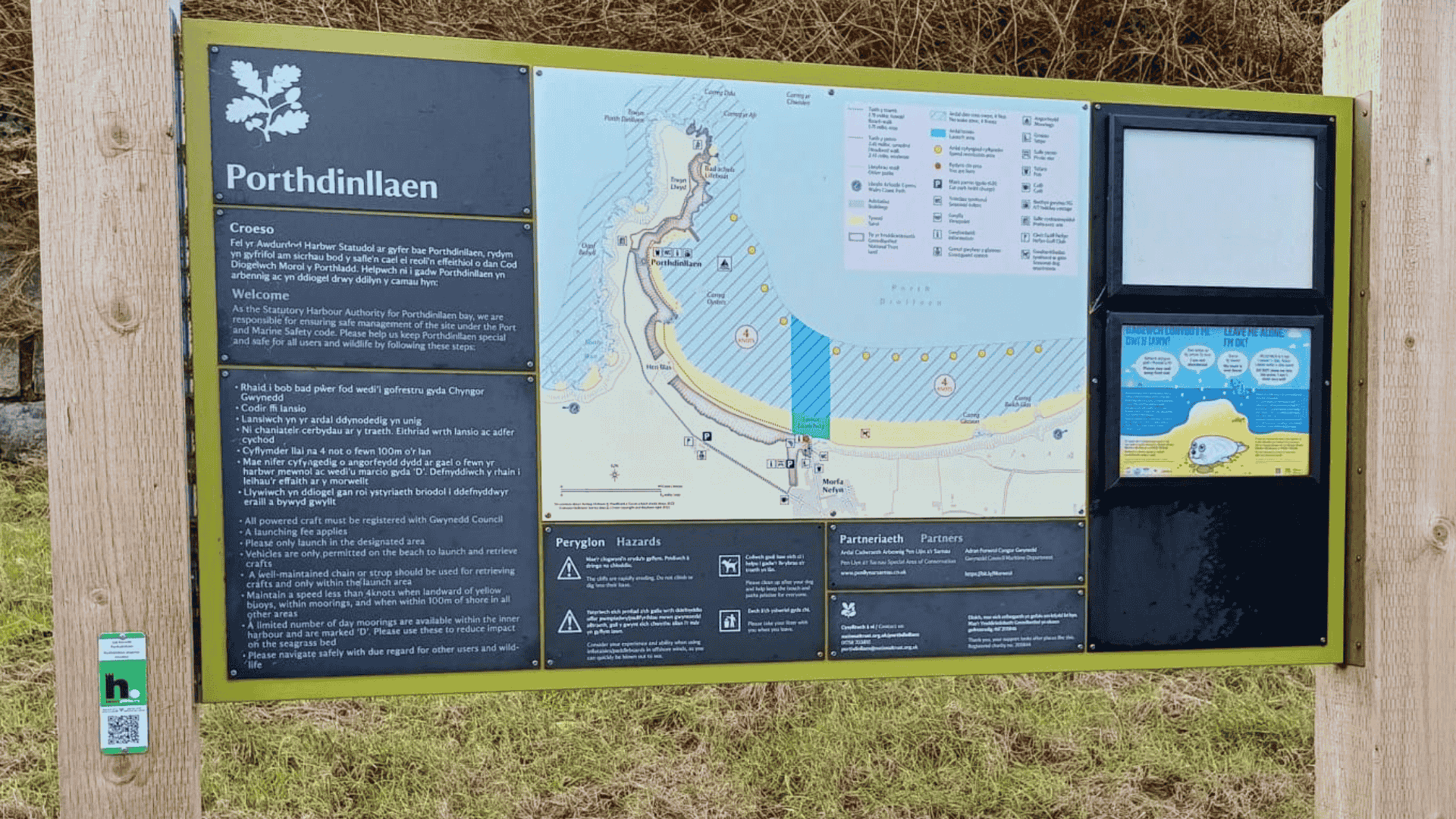
A new QR code on the Wales Coast Path at Porthdinllaen and Morfa Nefyn reveals the story of the large seagrass meadow in the shallow water. Thousands of people visit this area every year to enjoy its natural beauty, but few are probably aware of the seagrass meadow – estimated to cover the same area as 46 football pitches – and its environmental importance. Now HistoryPoints, Project Seagrass and the National Trust have teamed up to provide on-the-spot information about the meadow on smartphones. Anyone can scan the QR code, displayed at Morfa Nefyn and at Porthdinllaen, to view a page on the HistoryPoints website with concise information, photos and a video of seagrass seeds being collected for restoration of meadows elsewhere around the coast. Seagrass meadows are havens of biodiversity and trap carbon from the atmosphere. Since 2012, HistoryPoints has provided QR codes for display at other 600 places along the 870-mile Wales Coast Path, shedding light on interesting aspects of local human history or natural history. The Porthdinllaen seagrass QR code is the first one dedicated to raising awareness of some of the underwater wildlife which lies close to the path but goes unnoticed by walkers. Leanne Cullen-Unsworth CEO of Project Seagrass, who have been studying the meadows in North Wales for more than a decade, said: “the coast path history points are a fantastic resource for us to share more widely the beauty and importance of this vital habitat. The UK has lost up to 90% of its seagrass over the past century, and so it’s essential that we celebrate and enhance what we have left. We need people to know that seagrass is there and to understand its importance so that more people care about it, this is a great way to help achieve that.” Eve Nicholson of Cyfoeth Naturiol Cymru/Natural Resource Wales, which oversees the path, said: “Walking the Wales Coast Path is a great way to connect with nature along the Welsh coastline at your own pace, offering lots of opportunity to relax and experience the unique Welsh coastline at their own pace. Whilst the sea is your constant companion on the path, what lies beneath the waves is just as intriguing as what’s surrounding you. Many people enjoy the views from the path at Morfa Nefyn and Porthdinllaen and we hope that people will discover what underwater natural history there is beneath them during their walks.” Find out more about the Seagrass Ocean Rescue: North Wales programme and explore the new HistoryPoints webpage.
AI-powered analysis uncovers marine herbivores’ impact on eelgrass disease spread
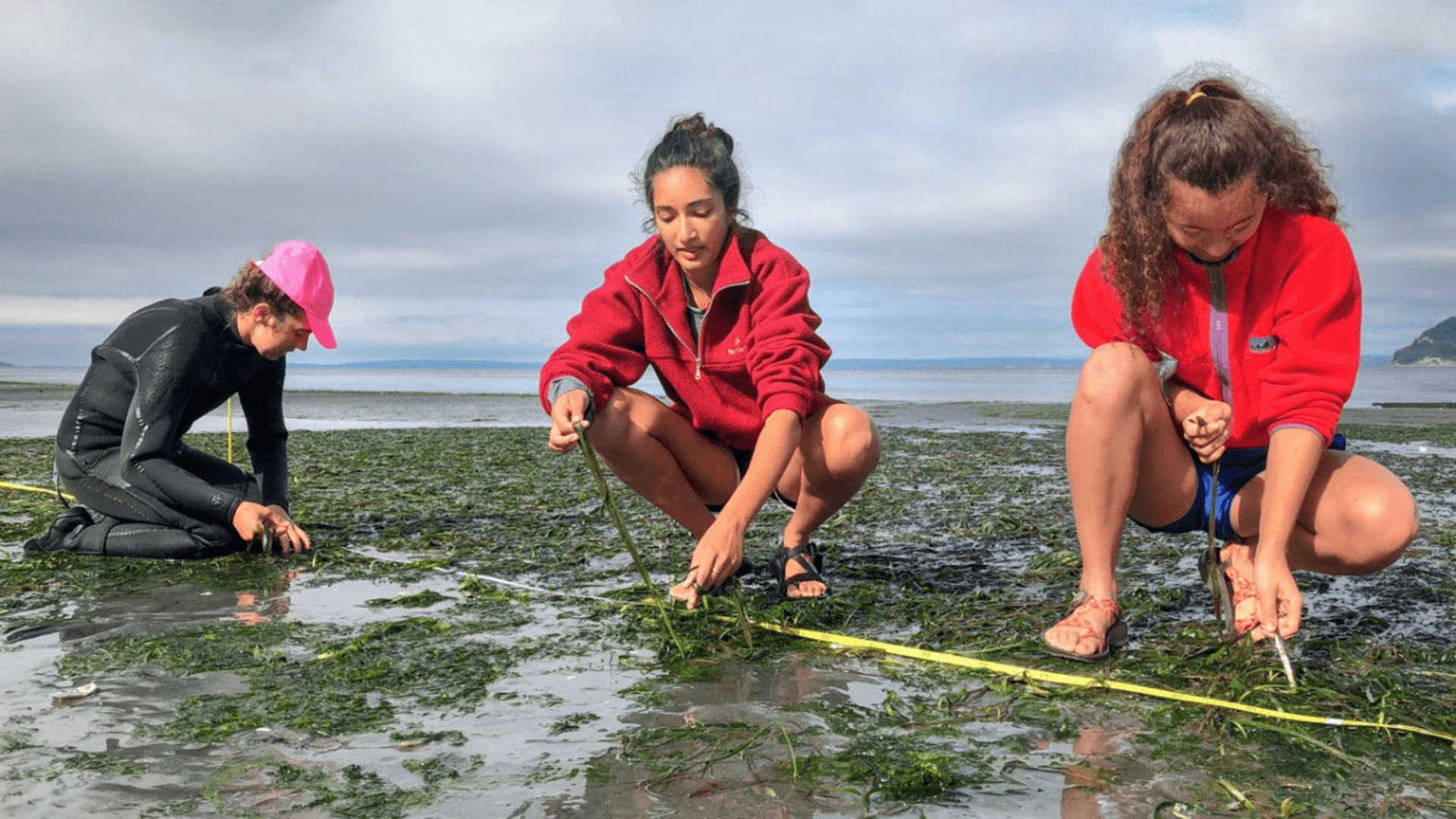
Eelgrass, a type of flowering seagrass found in temperate zones around the world, provides habitat for many species, protects coastlines, improves water quality, sequesters carbon and supports fishing economies. The foundation of a highly productive marine food web, eelgrass’s health is paramount but mysterious. Scientists have long studied how terrestrial invertebrate herbivores such as insects (aphids, beetles) and gastropods (snails, slugs) frequently act as vectors, transmitting plant diseases through their feeding activities and often creating wounds on plants’ surfaces that make it easier for pathogens to enter. But how this works, and how pernicious the problem is, has been harder to study underwater in the ocean. In two new papers, Cornell plant-herbivore experts and researchers from the Cornell Institute for Computational Sustainability joined forces to show the significant impacts of herbivores like sea snails on the spread of seagrass wasting disease. Grazing by small herbivores was associated with a 29% increase in the prevalence of disease, which contributes to huge losses in meadow areas from San Diego to Alaska. The two papers are “Invertebrate Herbivores Influence Seagrass Wasting Disease Dynamics“ and “Seagrass Wasting Disease Prevalence and Lesion Area Increase with Invertebrate Grazing Across the Northeastern Pacific,” the former published in the December 2024 issue of Ecology, and the latter in the January 2025 issue. The research brings together the work of Drew Harvell, professor emerita of marine ecology in the Department of Ecology and Evolutionary Biology; Olivia Graham, a marine disease ecologist and postdoctoral researcher in the Department of Ecology and Evolutionary Biology; Lillian Aoki, an eelgrass ecologist and former postdoctoral researchers in the Department of Ecology and Evolutionary Biology; Carla Gomes, the Ronald C. and Antonia V. Nielsen Professor of Computing and Information Science, director of the Institute for Computational Sustainability, and a Schmidt AI2050 Senior fellow; and Brendan Rappazzo, doctoral student in computer science. “The cool thing about these two papers coming out at the same time is that they are two ends of the same project, from controlled lab experiments to continental scale field surveys” Harvell said. “This is pioneering work in an understudied system, the first study to show the role of these herbivores in facilitating disease at a huge latitudinal scale.” Their work shows that isopods and snails create open wounds on eelgrass when they graze; lab experiments verify increased disease in the wounded plants. The researchers also showed that sea creatures can be picky eaters: Crustaceans called amphipods selectively consumed diseased eelgrass, while the isopods and snails prefer to feed on pristine leaves, meaning different herbivores have contrasting impacts on seagrass health. Gomes and Rappazzo have accelerated the effort to identify and quantify the problem via the Eelgrass Lesion Image Segmentation Application (EeLISA, pronounced eel-EYE-zah), an AI system they have developed that, when properly trained, can quickly analyze thousands of images of seagrass leaves and distinguish diseased from healthy tissue, thus allowing continental scale studies. (a) Evidence of snail grazing (left) that damages leaf surfaces in contrast to crustacean grazing (right) that consumes the full thickness of the leaf tissue (photo credit Lillian R. Aoki). (b) Across all meadows and years, leaves with grazing scars were more likely to be diseased; labels show counts of leaves in each category and box widths are proportional to the count (total n = 1351). Credit: Ecology (2025). DOI: 10.1002/ecy.4532 Researchers collected thousands of eelgrass leaves at 36 sites along the Pacific Coast from Southern California to Alaska, uploading high resolution images of each plant. Gomes and Rappazzo used algorithms and machine learning to train a computer using state-of-the-art image segmentation to recognize necrotic dark spots on eelgrass blades and correctly identify them, separating disease-caused lesions from other kinds of leaf damage. “We came up with a positive feedback loop,” Rappazzo said. “Researchers Olivia Graham and Morgan Eisenlord would correct EeLISA, which would update immediately. When a new set of samples would come in, the AI would do better immediately. The accuracy is more consistent than humans, which allows for scalability—to have humans analyzing the images by hand would take 20 minutes per image. EeLISA can do it in a second. The whole continental-scale study took 30 minutes to run.” Gomes describes Eelisa as a novel AI approach to solve impactful real-world problems. “The collaboration has removed the historic bottleneck of interpreting data,” Gomes said. “We continue to enhance Eelisa with the capabilities of multimodal language models, enabling it to explain its scientific reasoning—why it determines the presence or absence of disease. It can also engage in conversation with researchers, making the process more interactive and insightful.” “Working with Carla and Brendan has allowed us to do so much more work,” Graham said. “Eelgrass is globally distributed and it’s not an exaggeration to say these seagrass meadows have superpowers. They are our rainforest of the sea. As incredibly valuable habitat for marine fish and vertebrates, they support vital fisheries.” Recently, international researchers have contacted Graham with requests for access to EeLISA, she said. There are a number of global stressors for seagrass meadows, especially as ocean temperatures rise, but Graham, who leads the deeper-water SCUBA surveys and lab experiments, came at the question as a disease ecologist, asking first if these herbivores were directly transmitting pathogens. The answer was no, it was indirect transmission, the bite marks providing an entry point for infection. Better knowledge of both the mechanisms—both how herbivory can influence disease as well as the ecological impacts—is needed, said Lillian Aoki ’12, lead on the second paper and an ecosystem ecologist and coastal scientist at the University of Oregon. “We need to know when and where herbivory might be important to disease dynamics and ecosystem stability,” said Aoki, also a former postdoc in Harvell’s Cornell lab. “This information will help us to better predict changes, such as disease outbreaks, and to manage coastal habitats.” More information: This article is republished from PHYS.ORG and provided by Cornell University. Olivia J. Graham et al, Invertebrate herbivores influence seagrass wasting disease dynamics, Ecology (2024). DOI: 10.1002/ecy.4493 Lillian R. Aoki et al, Seagrass wasting disease
Different public opinions could slow down use of natural methods to protect the UK’s coasts

Scientists have warned efforts to protect and restore marine habitats along the UK’s coastline could be hindered by a lack of public knowledge about these initiatives. In the face of climate change and rising sea levels, nature-based coastal solutions (NBCS) are emerging as a sustainable and environmentally friendly way to protect our shores. These innovative solutions—which include living shorelines, engineered reefs, and restoration of saltmarshes and dunes—offer a greener alternative to traditional hard defenses like seawalls and barriers. However, new research reveals that while NBCS are preferred by many for their environmental benefits, public understanding of their effectiveness lags behind. In a study published in the Journal of Environmental Management, researchers surveyed over 500 UK residents and found a striking divide between public preference and their perception of effectiveness. Most respondents expressed a preference for nature-based coastal solutions due to their sustainability and aesthetic appeal. Yet hard defenses, which were long-established and visibly effective, remained widely thought-of as the most reliable way to mitigate coastal risks like flooding and erosion. Spatial distribution in preferences and perceived effectives for the two active coastal management strategies considered: hard defenses and nature-based coastal solutions. Credit: Journal of Environmental Management (2024). DOI: 10.1016/j.jenvman.2024.123413 The study highlights a critical knowledge gap. Although NBCS offer significant environmental advantages- including carbon sequestration, enhanced biodiversity, and community resilience—their long-term effectiveness is not well understood by the public. This disconnect could hinder efforts to implement NBCS at scale, despite growing calls from the coastal science community to adopt these solutions as a cornerstone of sustainable coastal management. To bridge this gap, researchers emphasize the need for greater public engagement and education about nature-based initiatives. Collaborative approaches, such as systems mapping, could play an important role in involving local communities in the decision-making process. By fostering dialogue among residents, scientists, and policymakers, systems mapping can help ensure that coastal management strategies are both inclusive and effective. Dr. Scott Mahadeo, from the School of Accounting, Economics and Finance at the University of Portsmouth, explains, “Nature based coastal solutions offer a promising path toward sustainable coastal management, combining environmental benefits with resilience against climate challenges. However, our findings highlight a clear knowledge gap between the scientific community’s advocacy for these solutions and the public’s understanding of their effectiveness. Bridging this gap through meaningful dialogue and inclusive decision-making will be key to fostering widespread support and ensuring robust, long-term coastal policies.” The study highlights that coastal zones hold deep socio-cultural significance, from family heritage and community cohesion to recreation and environmental stewardship. Researchers say that any changes to these landscapes can profoundly impact the lives and identities of coastal residents and users. This is why public support and understanding are crucial for the successful adoption of NBCS and other coastal management strategies. Dr. Mahadeo adds, “As the UK and the world grapple with the challenges of climate change, balancing innovative solutions with community needs is essential. The path forward lies in building trust, sharing knowledge, and working together to safeguard our coasts for generations to come.” The University of Portsmouth is involved in several projects that use nature as a potential solution to climate-related or pollution-related issues. These include the Rapid Reduction of Nutrients in Transitional Waters (RaNTrans) project, which is exploring how nature-based approaches can improve and protect marine ecosystems. Restoration projects are also underway across the south coast of England, including the pioneering Blue Marine Foundation’s Solent Oyster Restoration Project, and the UK’s first seascape restoration project the Solent Seascape Project. Both projects are based at the University of Portsmouth’s Institute of Marine Sciences in Langstone Harbour, and aim to restore multiple habitats such as oyster reefs, seagrass meadows, saltmarsh and birds, to reconnect and revive our ailing coastal waters. This latest study was conducted by a team of interdisciplinary scientists—in coastal geomorphology, environmental economics, and human geography—and focused on public perceptions of coastal management in the UK. Using innovative survey and analysis techniques, the authors hope the research will help develop more sustainable and inclusive coastal policies. More information: This article is republished from PHYS.ORG and provided by the University of Portsmouth.
Partnership is key to restoring shark bay seagrass
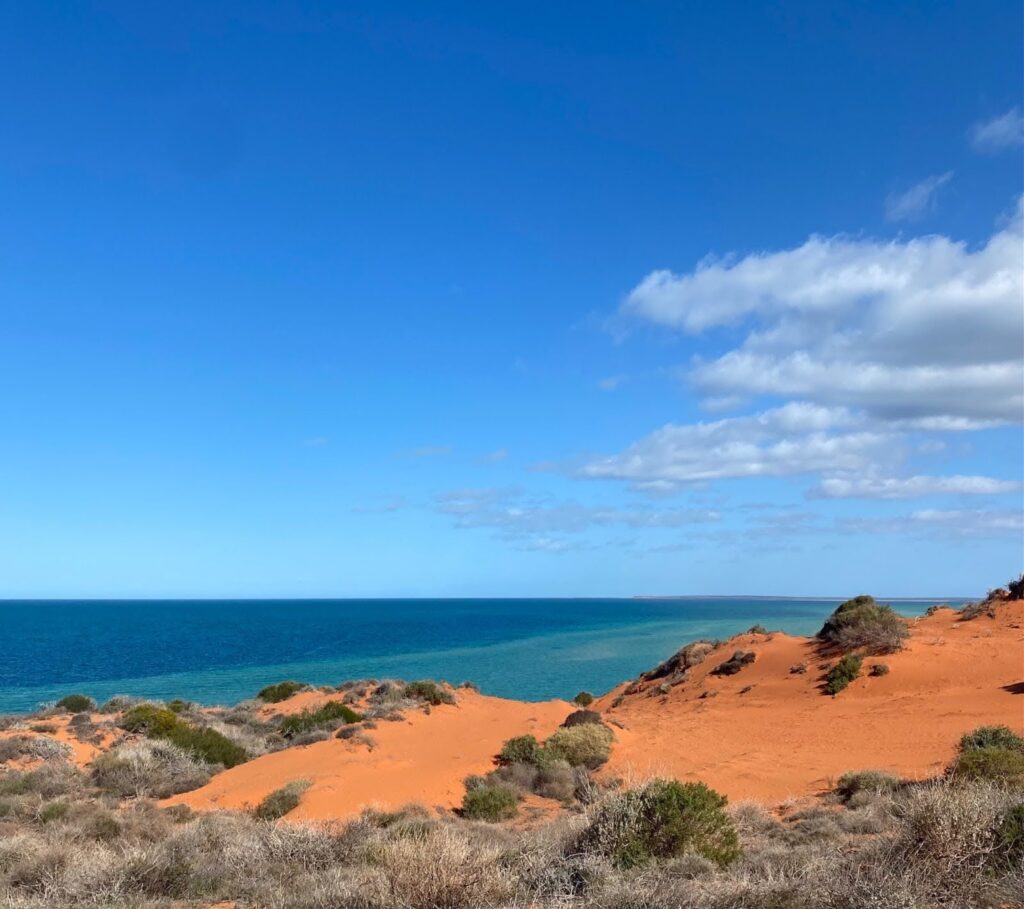
Gathaagudu/Shark Bay is located on Malgana (pronounced Mal-guh-nuh) Country. It’s a place of great natural beauty and a UNESCO World Heritage Site. The landscape is a stunning array of colors as the desert meets the ocean. Below the sea’s surface, 4,000 square kilometers of seagrass meadows sway. That’s equivalent to 226 AFL footy fields. The Shark Bay Heritage Area is home to 12 of the world’s 72 seagrass species. Unfortunately, more than a quarter of the seagrass died during the 2010/11 marine heat wave. To restore the seagrass, a deep knowledge of the area and its plants are needed as well as scientific tools for genetic testing. Malgana mob brought their knowledge and UWA researchers brought their tools. Together, they’re bringing the wirriya jalyanu back to life. A deep connection Malgana people have a 30,000-year connection with Gathaagudu. They have a deep knowledge of Country and are passionate about looking after the area. Aunty Pat is a Malgana Gantharri/Elder. She says Gathaagudu is paradise. “If we look after Country, Country will look after us,” says Aunty Pat. Malgana people had known Sea Country was changing for a long time. “The fishermen knew it,” says Aunty Pat. “Fishermen know Sea Country better than anyone. You talk to any of those fishermen and they will tell you stories about the changes in biology and the marine environment.” UNESCO only recognizes Gathaagudu as an important ecological site, not a cultural site. “We’re trying to [get] our cultural values listed alongside our natural values,” says Aunty Pat. “They’re of equal importance.” These cultural values and knowledge are key to the wirriya jalyanu restoration to provide a broader historical context of Sea Country in Gathaagudu. Teamwork Dr. Elizabeth Sinclair is an Adjunct Senior Research Fellow at UWA. She worked with Aunty Pat and Malgana Traditional Owners to restore the seagrass. Sinclair says researchers have been working on the seagrass for around 15 years. Seagrass grows extremely well in Gathaagudu because the bay area is very shallow, has a sandy bottom and has no big ocean swells. The main seagrass disturbance is dugongs feeding on it. When seagrass is gone, the sandy floor is left exposed to tides. The sand shifts a lot, making the water cloudy. With sand constantly moving, it’s difficult for new plants to grow. This creates a system that’s hard to reverse. “By the time the heat wave came along and in the following years, it was clear that parts of the seagrass meadow were not going to recover naturally and they needed a bit of help,” says Sinclair. Sinclair and the research team looked at genetic markers in the seagrass DNA to understand how the population was structured and how to best restore it. Dugong in a seagrass meadow. Credit: via SeagrassWatch Distribution There are two large species of seagrass that grow on Gathaagudu Sea Country: ribbon weed and wire weed. These plants can grow up to 2 meters tall, creating an underwater forest and crucial habitat for marine life. Growing different types of seagrass requires different strategies. Ribbon weed grows like lawn, with new shoots emerging from the sand. “If you stick your head underwater, all you see is the green shoots,” says Sinclair. “You don’t see [a] massive network of roots.” In Gathaagudu, most of the ribbon weed is one giant clone that is 180 kilometers long. That’s longer than the drive from Perth to Bunbury. It’s the largest known plant on Earth. Knowing how the seagrass is genetically connected informs how the team approaches restoring the meadow. Wire weed grows entire seedlings that break off and float around until they land in the sand. This distribution strategy means wire weed has much more genetic diversity spread further around the bay. “We have the genetics to understand how the plants are related and then we use that information to figure out which plants to collect and where to grow them,” says Sinclair. Underwater gardening The Malgana rangers were heavily involved in the restoration process. “Rangers collected a lot of the restoration material because some now have dive tickets,” says Sinclair. “If you’re working in really shallow water, you can do it on a snorkel, but it’s much easier to do it on scuba.” To collect ribbon weed, rangers would take 10–15cm cuttings. These could be replanted and held in place with a U-shaped piece of wire for about 6 months until they grew new roots. For the wire weed restoration, the team collected seedlings and replanted them at a new location. Instead of being secured with wire, they would hang onto snaggers, a “sand-filled sausage” with a hessian coating. The hessian provided an anchor for the wire weed seedlings to attach to. Aunty Pat says the rangers loved working with the research team because it was a meaningful way to care for Country. “They couldn’t get enough of it,” says Aunty Pat. “To be working in a trial like that, they learned so much. They were happy to be doing something that was meaningful.” Ribbon weed meadow. Credit: Rachel Austin via UWA ‘Medicine for us’ Opportunities for Malgana people to return to Country are few and far between. They can’t participate on a regular basis because of a housing shortage at Gathaagudu. “The Malgana Aboriginal Corporation currently have several rangers in the program, unfortunately everyone has to rely on staying with family or friends who live in Gathaagudu because there isn’t enough accommodation due to the housing crisis,” says Aunty Pat. These types of partnerships enable Malgana people to work on Country and the younger generation the chance to reconnect to the land. “It helps them with their healing [and] their cultural and personal identity,” says Aunty Pat. Restoration team filling seagrass ‘snaggers.’ Credit: Gary Kendrick, UWA Shared knowledge “Shared knowledge leads to an improved understanding of our environment,” says Sinclair. “As Western researchers, we come in, look at a site and focus on one little thing … We have fairly narrowly focused research areas. When you start talking with Traditional Owners,
Welsh NGO and Coldplay hopeful that new competition inspires creativity to save the world’s seagrass
Project Seagrass, the world’s leading conservation organisation for seagrass meadows, has collaborated with Coldplay to launch an exclusive competition offering fans the chance to win tickets to see the band live in concert! As part of Project Seagrass’ ongoing mission to be a global voice for seagrass, and raise awareness of the critical role that seagrass meadows play for our planet, the competition encourages participants to create inspiring, impactful, and creative designs advocating for and communicating the science and importance of seagrass. Full details on the themes of the competition can be found on the Project Seagrass website, but Project Seagrass is hopeful that 100’s of creatives will take part. Seagrass meadows are vital for the health of our planet, but until relatively recently faced a charisma problem. “Global awareness of the importance of seagrass is one of the greatest challenges facing its conservation” said Dr Benjamin Jones, Project Seagrass’s Chief Conservation Officer. Often termed the “ugly duckling” of marine conservation, global advocacy for conserving seagrass has been hindered by assumptions that they aren’t as vibrant as other ocean habitats. With awareness of their importance for a wide variety of animals, from the tiniest of invertebrates, to the world’s largest herbivorous marine mammal, opinion is now changing. “Globally, the undersea meadows that seagrasses create are vital for biodiversity, stabilising our coastlines, absorbing carbon, and alleviating poverty in fishing communities dependent on them” said Dr Jones. However, seagrass meadows are under threat. Seagrass loss, primarily driven by land-use change, poor water quality, and human activity, is globally widespread. By participating in the competition, entrants are not only entering for the chance to see Coldplay live but also showing their support for marine conservation efforts. Competition Deadline: The competition will be open for entries until Sunday 16th February. The winners will be chosen by a panel of judges from Project Seagrass, Coldplay’s Management Team and an independent judge, award winning author and artist Janina Rossiter. The lucky winners will have the opportunity to see Coldplay live at Wembley Stadium in London in summer 2025! Project Seagrass invites everyone to take part in this exciting opportunity to combine creativity and environmental advocacy. For details about the competition, full terms and conditions, and to enter the competition, visit https://www.projectseagrass.org/coldplay-ticket-competition/ Photo Credit: Anna Lee
How sulfur affects the carbon cycle of subtropical seagrass meadows: New findings from Florida Bay
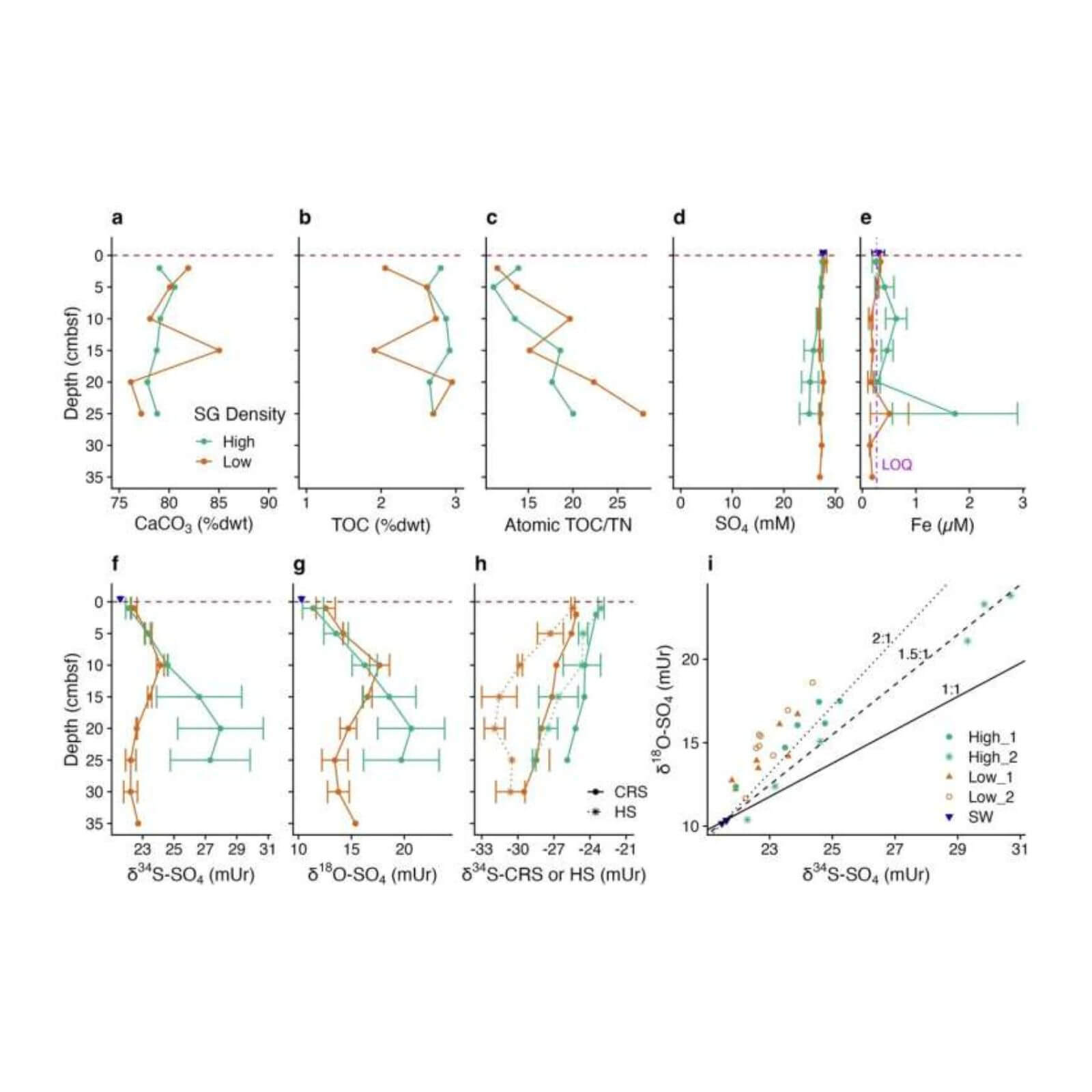
Seagrass meadows have an important climate protection function due to their long-term carbon storage potential. An international research team led by the Leibniz Institute for Baltic Sea Research Warnemünde (IOW) has now been able to show that seagrass beds have a stronger influence on the carbon and sulfur cycling in subtropical coastal areas than previously thought. Of particular interest is the important role of sulfur, which stabilizes organic carbon, regardless of whether it is sequestered in the calcareous sediments of subtropical seagrass meadows or remains in dissolved form. The results of the study were recently published in Communications Earth & Environment. Seagrass ecosystems are particularly worthy of protection as they provide shelter and food for a wide diversity of marine species and act as natural wave breakers that reduce coastal erosion. They also store so-called “blue carbon”—carbon that stays trapped in the ocean and in coastal ecosystems for a long time and therefore cannot have a climate-damaging effect as carbon dioxide (CO2). Seagrass not only stores carbon via photosynthesis in its plant components, but also buries the organic material of other organisms that accumulates in the dense plant cover in its root sediments. How do subtropical seagrass meadows ‘tick?’ “It has been known for some time that not all seagrass meadows ‘tick’ in the same way when it comes to carbon storage. Tropical and subtropical seagrass meadows in particular can sometimes release more carbon than they store,” says Mary Zeller. The marine chemist is an expert in biogeochemical seabed processes and lead author of the new study on the seagrass carbon cycle. “However, as seagrass meadows are particularly widespread in warm ocean regions, we wanted to take a close look at the processes that ultimately determine their carbon balance. This is the only way to correctly estimate their climate protection potential,” says the scientist, who now works at MARUM—Center for Marine Environmental Sciences at the University of Bremen, but was a researcher in IOW’s Geochemistry & Isotope Biogeochemistry working group during the seagrass study. Zeller and her German-American research team focused on subtropical seagrass beds located in Florida Bay in the south of the United States. In order to understand whether and how organic matter—and therefore carbon—is released from the sediments into the water column, they combined state-of-the-art geochemical and molecular methods to analyze sediments, pore water and the surrounding water. The focus of the involved IOW researchers Zeller and Michael Böttcher was to analyze various stable isotopes as biogeochemical markers to understand the complex matter transformation processes, as well as to employ a special method of high-resolution mass spectrometry, which allows the determination of the molecular formula of individual molecule types in complex mixtures of organic molecules. Porewater and sediment inorganic and stable isotope geochemical data. Credit: Communications Earth & Environment (2024). DOI: 10.1038/s43247-024-01832-7 Surprisingly close coupling of the sulfur and carbon cycles The researchers found that almost 10% of all organic matter of the investigated seagrass meadows is bound to their calcareous sediments. This type of sediment is a characteristic of tropical and subtropical seagrass ecosystems, because in the warm environment the metabolic processes of the seagrass plants cause carbonate, which is dissolved in the seawater, to be converted into lime that accumulates in the root area. If these sediments disintegrate, the bound organic substances can dissolve and enter the water column, making them potentially available again to the marine carbon cycle. “We were able to provide direct proof for the first time that seagrass sediments actually release organic carbon. In particular, our molecular analyses have shown that the dissolved organic molecules in the surrounding water correspond to 97% in structure and composition with the lime-associated organic material in the sediments,” Zeller explains. A crucial role in the mobilization of organic substances from the sediments is played by the sulfur chemistry in the seabed, which the seagrass meadows stimulate like a kind of biocatalyst: Their roots actively transport oxygen into the sediment, which facilitates the oxidation of sulfur compounds by microorganisms. This produces acid, which causes the calcareous sediments at the seagrass roots to partially disintegrate, releasing previously bound organic matter. Additionally, these microbial processes produce highly stable organic sulfur compounds that are largely resistant to biological decomposition and degradation by the UV radiation of sunlight. Improved modeling of the climate protection potential of seagrass “The fact that the sedimentary and dissolved carbon pools in seagrass meadows are so closely coupled was previously unknown and was therefore not adequately taken into account in climate modeling,” comments Zeller on the results of the study. “In this context, it is also important that although the organic sulfur generated in seagrass beds mostly exists in dissolved rather than particulate form, it is apparently still a very long-lived carbon reservoir that cannot be easily metabolized into climate-active CO2,” Zeller continues. According to the marine chemist, the study could help to improve modeling of the “blue carbon” storage potential of the widespread tropical and subtropical seagrass meadows. “However, further research is needed to clarify whether the mechanisms found here are universal—i.e., whether they also apply to other ecosystems with similar rhizosphere processes, such as mangroves. It also needs to be clarified whether and what kind of impact environmental changes such as climate change have on these processes,” concludes Zeller. More information: Mary A. Zeller et al, The unique biogeochemical role of carbonate-associated organic matter in a subtropical seagrass meadow, Communications Earth & Environment (2024). DOI: 10.1038/s43247-024-01832-7 This article is republished from PHYS.ORG and provided by Leibniz-Institut für Ostseeforschung Warnemünde.