Interview with Moray Ocean Community
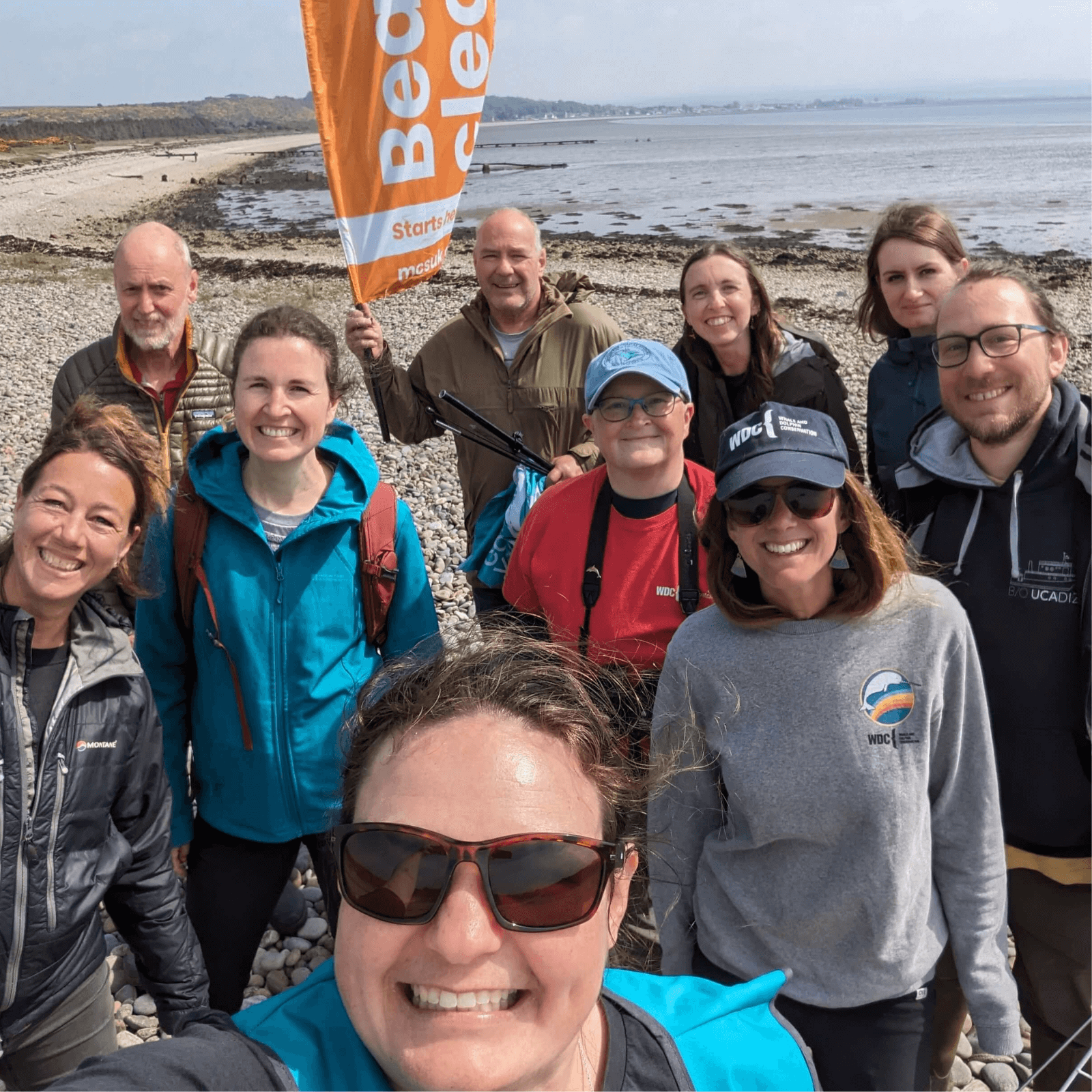
We spoke to Moray Ocean Community about their volunteering in the Moray Firth area and how they integrate the SeagrassSpotter app into their activities. Read the full interview below: Can you tell us about Moray Ocean Community and how it started? Moray Ocean Community started to come together over two years ago when founding members were either looking for snorkelling buddies, interested in seagrass, or had read the NatureScot Community-led Marine Biodiversity Monitoring Handbook and wanted to join their local coastal community group but there wasn’t one in the Moray Firth area! Through some wonderful connections we got together and formed Moray Ocean Community. For our first year we were an informal volunteer group heading out to do snorkels, swims, and citizen science surveys. When we realised how many folk wanted to learn more about the coastline around the Moray Firth and that there was funding available we officially became a Community Interest Company in February 2024. Can you tell us about your volunteering and the groups and organisations you work with? We have completed surveys for a variety of citizen science projects including Seasearch, Project Seagrass’ SeagrassSpotter, Beachwatch, Big Seaweed Search, and Shorewatch. We are also the community collaborator for the Mossy Earth led restoration project Cromarty Seascape focusing on native oyster and seagrass restoration in the firths surrounding the Black Isle, and work closely with the Findhorn, Nairn and Lossie Rivers Trust on seagrass surveys in Findhorn Bay, as part of their Findhorn Watershed Initiative. All our seagrass survey data has been uploaded on to the NatureScot data platform as well as onto SeagrassSpotter. And of course we have fun! We get together for social events to enjoy being next to, on, or under the sea through swims and recreational snorkels and paddleboarding. We find SeagrassSpotter a really easy way to introduce seagrass and citizen science to volunteers and we have been learning a lot about it ourselves! It was fantastic to hear from the Project Seagrass experts at the training day in Findhorn earlier this year which covered the app and building on some other survey techniques including quadrats and transects. We have even used it beneath the water when we have been out with the local Burghead Sub-Aqua Club and from paddleboards! What are some of the challenges you face in your activities? As we are all volunteers it is sometimes a juggling act to get all the organising done like funding applications and we are currently working with Fauna and Flora to help us increase our capacity as an organisation which has involved strategy meetings and paperwork but we know it is all so important and worth it so we can get as many people out there learning and protecting the coast as possible. Can you share a success story or a milestone you are particularly proud of? We all really enjoyed supporting a citizen science taster day for students of the Inverness Royal Academy where we worked with partners to introduce three citizen science projects. One was with Whale and Dolphin Conservation to run Shorewatch whale and dolphin surveys (sadly all the dolphins turned up after the school bus left!). One was with ourselves Moray Ocean Community showing students how to use SeagrassSpotter on their phone and try some quadrat measuring. And the final one was with the Marine Conservation Society doing a beach litter survey. The students were fantastic and all our volunteers had a brilliant time and we would love to do more school engagement as we grow and get more folk learning and excited about seagrass! What activities have you got coming up and how can people get involved? We are always up for welcoming new volunteers to our Rising Tides whatsapp group – please do look out for us on social media (links below) and drop us a message to be added. We share swims, snorkels, surveys, and other information there while we work to get some funding to set ourselves up with a website and mailing list. We would like to say a huge thank you to Project Seagrass for all the support as we grow as a new organisation, from information and training to opportunities like sharing our story on your blog. We hope to see some visitors back to the Moray Firth soon! You can catch up with Moray Ocean Community‘s interview on the BBC Radio Scotland Out of Doors programmeand follow Moray Ocean Community on social media to find out more about their work and how to get involved: Facebook X-twitter Instagram
Seagrass planting trials underway in Cardiff
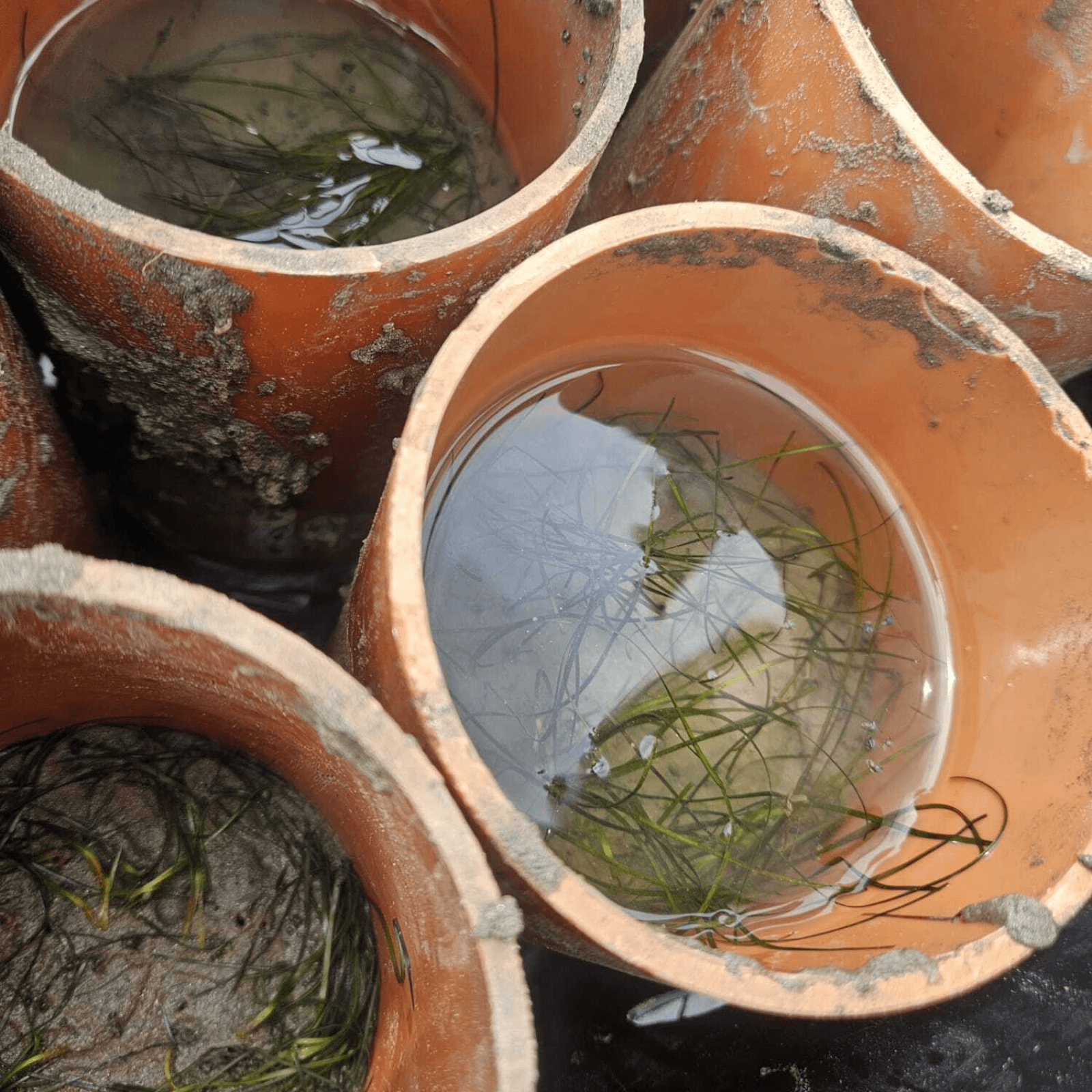
Scientists from the marine conservation charity Project Seagrass are undertaking seagrass planting experiments along the South & West Wales coastline, including a new planting site in Butetown along Cardiff’s Foreshore. Cardiff’s Foreshore is a popular place for sea-angling for species such as cod, which uses seagrass meadows as a nursery area. The Butetown site was identified as a potential location for seagrass restoration efforts based on the presence of small and isolated patches of existing seagrass growing naturally in the area. The scientists are using the experimental trials to explore the possibility of expanding these patches of seagrass for the benefit of biodiversity. Ben Jones, Chief Conservation Officer at Project Seagrass said, ‘We’ve known about these small patches of seagrass on the foreshore for some time, clinging on, in what looks and feels like quite an extreme site. There’s now huge potential to expand this and create a large and vibrant biodiverse space in this urban coastal environment.‘ Following site assessments and monitoring of the current seagrass patches over the last couple of years, Project Seagrass began small-scale seagrass planting trials earlier this year. 60,000 seagrass seeds, collected from a much larger seagrass meadow in Porthdinllaen in North Wales, were planted out on the foreshore in May, alongside 75 seagrass plants transplanted from a donor meadow in Llanelli. Emma Fox, South & West Wales Project Lead at Project Seagrass said, ‘The foreshore may not look like your typical site for a seagrass meadow, but exploring restoration within the shadow of Cardiff’s industrial past is an exciting, if challenging, opportunity to learn more about this versatile plant.” The scientists at Project Seagrass used experimental methods that have shown success in other parts of Wales, but unfortunately, initial monitoring has shown that the seeds and transplants planted in May mostly failed. A further 75 seagrass plants planted out in Llanelli at the same time were still present so the team will now use these failings as a learning exercise to devise new methods for use in the foreshore’s challenging environment. The planting on the Foreshore forms part of a wider programme of work to investigate sites along the South & West Wales coastline to identify and trial suitable restoration areas. The programme of work is delivered by Project Seagrass in partnership with Swansea University and with funding from Heritage Fund in partnership with Welsh Government; Wasserman Live; Rebel Restoration; and Ozone. To register interest for future volunteering opportunities as part of this programme please contact: volunteers@projectseagrass.org
Project Seagrass Journal Club: October 2024
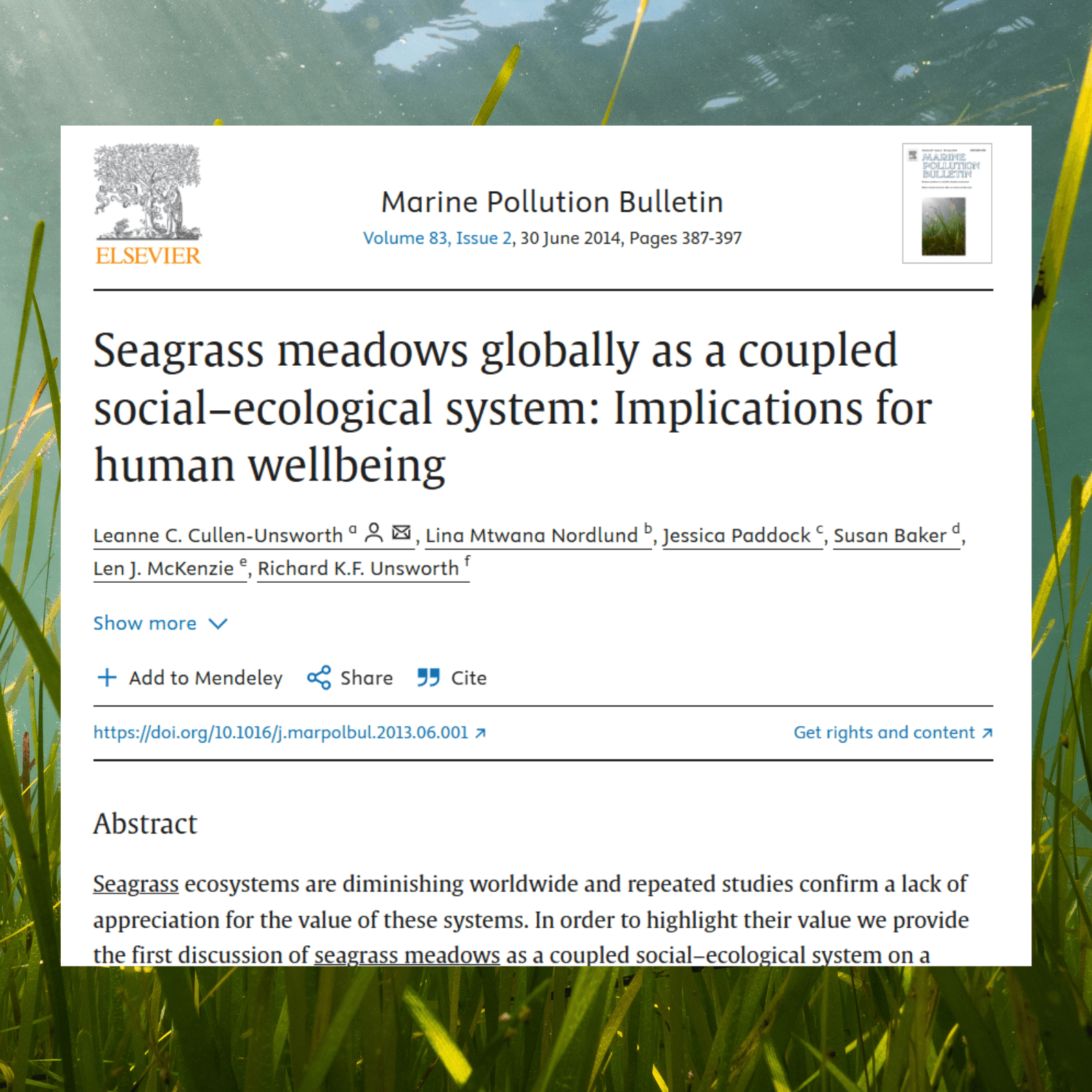
We have just launched a journal club for the Project Seagrass team. These monthly meetups work much like a book club, members of the team each suggest a relevant scientific paper, vote on their favourite, then read the winning paper prior to meeting. During the journal club we critically discuss the paper and analyse how it relates to our own research. Seagrass science is continually evolving, with researchers across the globe constantly pushing the boundaries of our understanding of how these dynamic ecosystems function and work. This journal club helps us keep abreast of new research, and as it’s held online keeps our team connected across our UK sites. We launched this month with a paper integral to the core values of Project Seagrass: research, community and action. Seagrass meadows globally as a coupled social–ecological system: Implications for human wellbeing, published in 2013 by our CEO, Dr Leanne Cullen-Unsworth and our Chief Scientific Officer, Dr Richard Unsworth, among others. Using this paper to launch Journal club allowed the team to focus on factors influencing the development of Project Seagrass, and to reflect on how our current work aligns with these. The paper describes 7 globally spread case studies highlighting the intricate and dynamic relationship between seagrass and humans, to demonstrate the importance of a social-ecological approach in the field. One reoccurring finding highlights the role of seagrass as a foundation marine species, and nursery ground as vital to subsistence fisheries (fishing for direct community nutrition). Practices such as gleaning (small scale collection of invertebrates from the intertidal using simple gear), and artisanal fin fishing were found key in providing food security and wellbeing for coastal communities, with the highlighted case studies evidencing seagrass decline. The human dependence on seagrass highlights the importance in understanding the associated decline in communities’ capacities for resilience when facing environmental changes. By viewing seagrass meadows as a coupled social-ecological system, projects can carve pathways supporting resilience for both seagrass and people, which in turn support each other. Discussions focussed on a ‘knock before you enter’ approach, and the importance of carrying out stakeholder mapping and social science research to understand complex linkages. This knowledge coupled with ecological site assessments allows conservation and restoration efforts to align with local needs, ensuring social and ecological resilience into the future for seagrass projects. You can access the paper at this link to explore the findings in more depth. Our next journal club meets on the 5th of November, we look forward to sharing the paper and our thoughts on it then. Explore our blog for insights on the latest research from across the globe. Click here
Indigenous and Local Knowledge in Fisheries Science
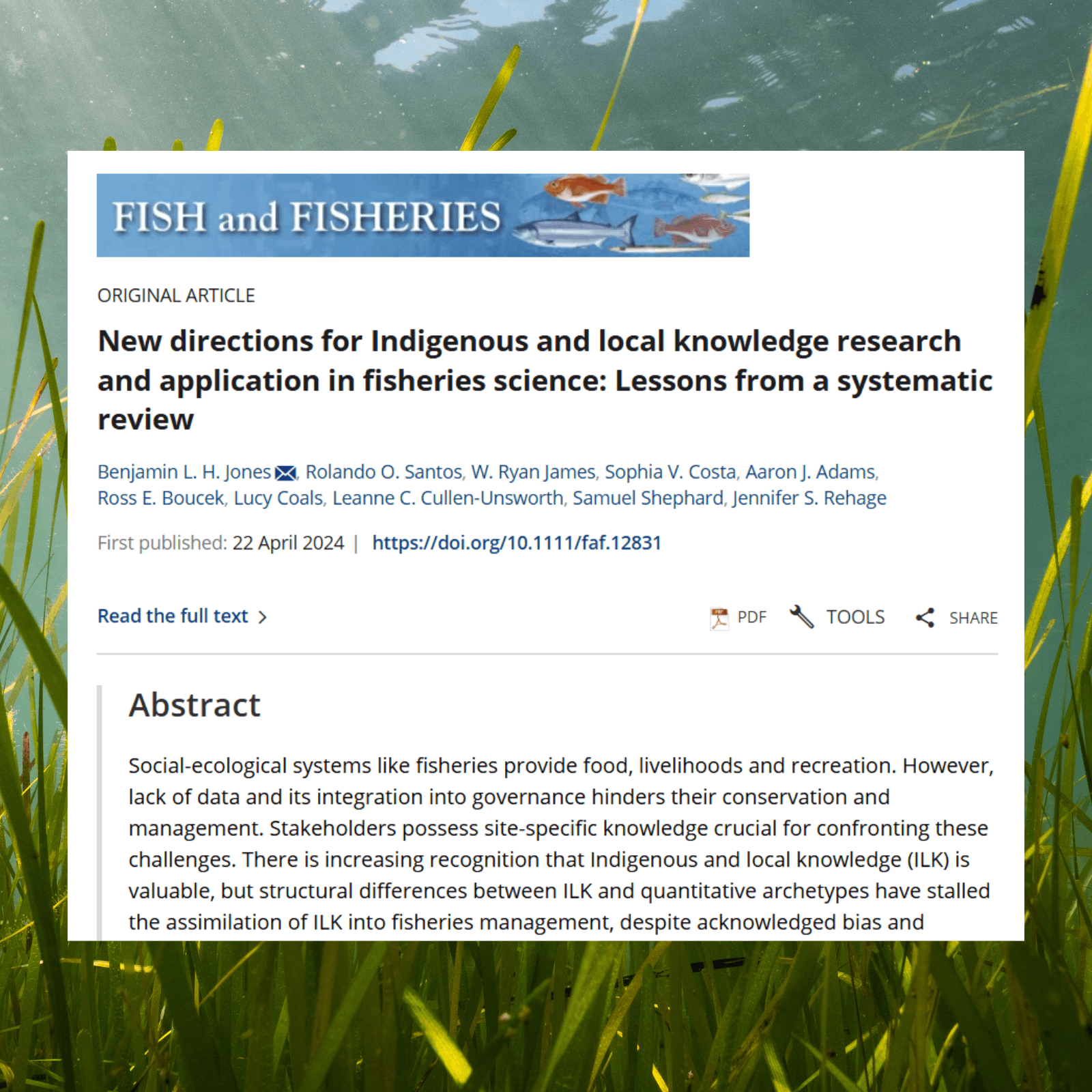
Seagrass meadows play a critical role in keeping our oceans healthy and stocked with food, providing valuable nursery habitat to over 1/5th of the world’s largest 25 fisheries. Seagrass meadows are also important to small-scale fisheries, particularly as a place to find and collect a reliable source of food with some countries (e.g., Indonesia) seeing up to 60% of coastal populations dependant on seagrass for access to food. However, fisheries are more than just sources of food—they are also lifelines for millions of people worldwide, underpinning livelihoods, culture, and well-being. Yet despite their important role, managing these resources, especially in the face of climate change and overfishing, is becoming harder due to a lack of solid data. This is where Indigenous and Local Knowledge (ILK) could support Fisheries Science. A recent study undertaken by Project Seagrass systematically reviewed 397 fisheries-related research articles and revealed that Indigenous and local communities hold key insights into the ecosystems they live in. Indigenous and local communities have often been fishing in their local areas for generations and possess detailed knowledge about species behaviour, habitats, and environmental changes which could fill significant gaps in formal scientific research. The Problem: Gaps Between Indigenous and Local Knowledge and Scientific KnowledgeWhile the scientific community acknowledges the importance of ILK, a large challenge remains: ILK is largely qualitative, based on observations and traditions, whereas fisheries management is based on quantitative data—numbers, charts, and models. Despite efforts to utilise information from scientific knowledge and ILK, the integration has been slow with many studies still viewing ILK as something that needs to be validated through scientific data. The Solution: A New Approach to Fisheries Research The research highlights the need for more collaborative methods to enhance Fisheries Management by integrating ILK and scientific knowledge. Rather than simply comparing Indigenous and Local Knowledge to scientific data, we should view these knowledge systems as complementary. ILK can inform fish population trends, help establish marine protected areas, and guide sustainable fishing practices with a greater chance of success. What’s Next? Moving Towards Integrated Fisheries Management It is crucial to respect both Indigenous and Local Knowledge and scientific knowledge as equally valid. By intertwining these knowledge systems, we can build a more holistic and effective approach to fisheries management, ensuring that the voices of Indigenous and local communities are heard and their knowledge utilized. The next wave of fisheries science should aim to bridge the gap between data-driven science and the rich, qualitative insights from those who know the waters best. The future of sustainable fisheries management depends on it. More information: Jones et al, New directions for Indigenous and local knowledge research and application in fisheries science: Lessons from a systematic review. Fish and Fisheries (2024) DOI: https://doi.org/10.1111/faf.12831 Explore our blog for insights on the latest research from across the globe. Click here
Coastal Communities Network Gathering 2024
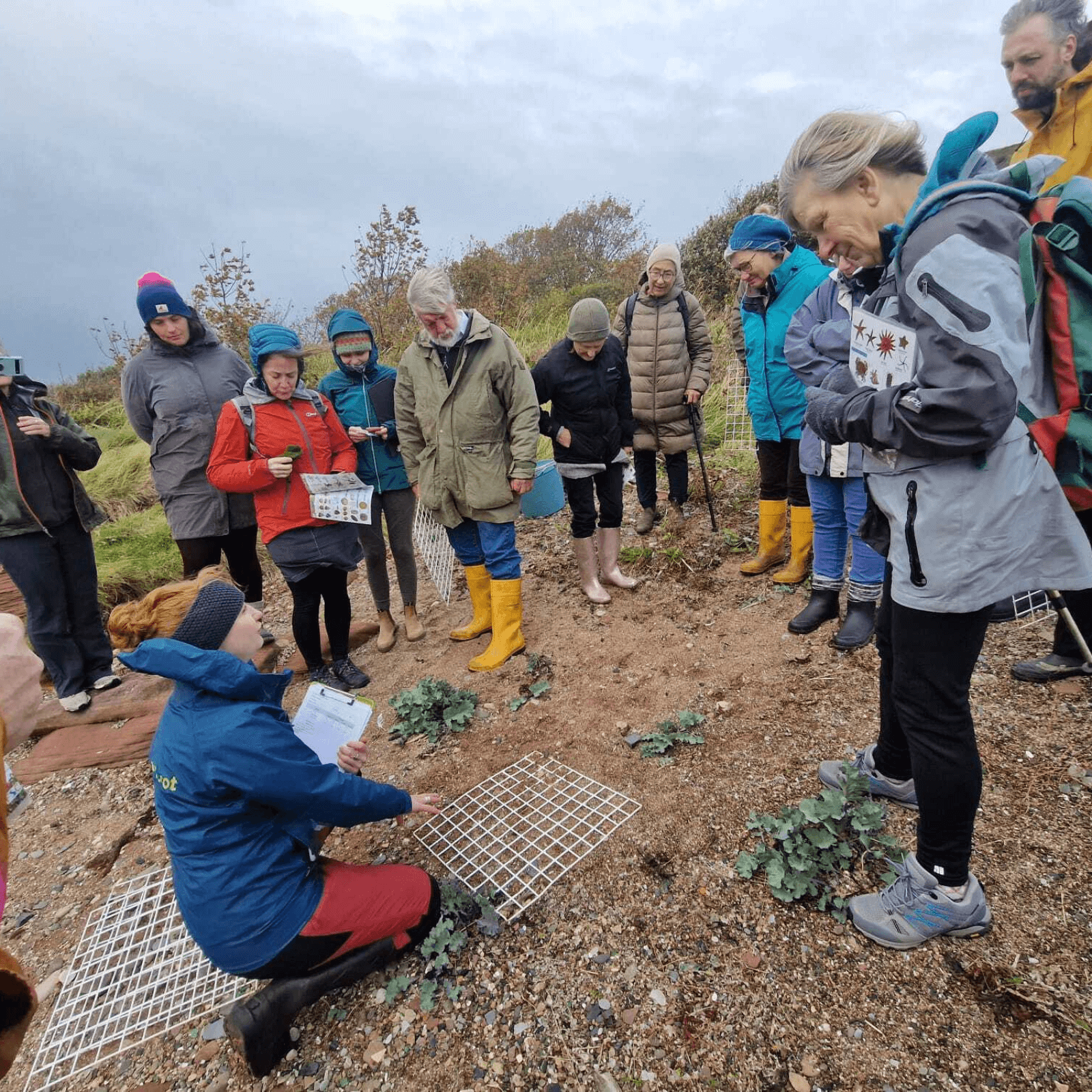
Earlier this month Project Seagrass’ Senior Conservation Officer Katy Waring attended the yearly gathering for coastal communities from the Coastal Communities Network facilitated by Fauna and Flora International. The event was held on the island of Millport at their field studies centre. The 3-day event was inspiring; groups from around Scotland showcased their projects, held skill-sharing workshops, and collectively unpacked common challenges such as funding, advocacy, and management to explore collaborative solutions. Project Seagrass Trustee Rosslyn Barr was also in attendance with her project Edinburgh Shoreline. Rosslyn shared Edinburgh Shoreline’s story, including their part in Restoration Forth and news of an exciting new project they are developing looking at blue mussels. Many of the seagrass groups were in attendance, providing an opportunity to catch up and explore opportunities for collaboration in 2025. As part of the gathering, Katy delivered a pilot of a new survey developed as part of “Accelerate Seagrass” a new collaborative programme with Climate Impact Partners, Deloitte, and the National Oceanography Centre. The survey aims to connect with local ecological knowledge around Scotland on both current and historical seagrass and to understand localised drivers of decline. This data will help identify areas for tailored conservation and restoration work from a social-ecological perspective ensuring resilience of projects. Katy gathered valuable feedback from members of COAST, CROMACH, Eigg Environmental Action Group, and CLP nature action which will be used to inform further development of the survey. Thanks to these projects for their feedback, we are looking forward to sharing the final piece with you soon. The breadth of positive action delivered by these mostly voluntary ran community groups was inspiring and highlights the power of community. Thanks to the team at Fauna and Flora International for inviting us and the work they do supporting these groups to flourish. Find out more about the organisations in attendance: Community of Arran Seabed Trust (COAST) Young Sea Changers Scotland Carna Conservation Initiative Clean Coast Outer Hebrides Dunoon Development Trust Kintyre Coastal Network Fair Isle Marine Research Organisation (FIMRO) CLP Nature Action Eriboll Community Craignish Restoration of Marine and Coastal Habitats (CROMACH) Eigg Environmental Action Group Moray Ocean Community East Have Together Edinburgh Shoreline Friends of Sound of Jura Fairlie Coastal Community Association of Lochs and Sounds (CAOLAS) Argyll Hope Spot The Scottish Coastal Clean Up Skye Seas Survey Initiative Friends of Loch Hourn
Dead leaves in sea break down into a compost that produces oxygen
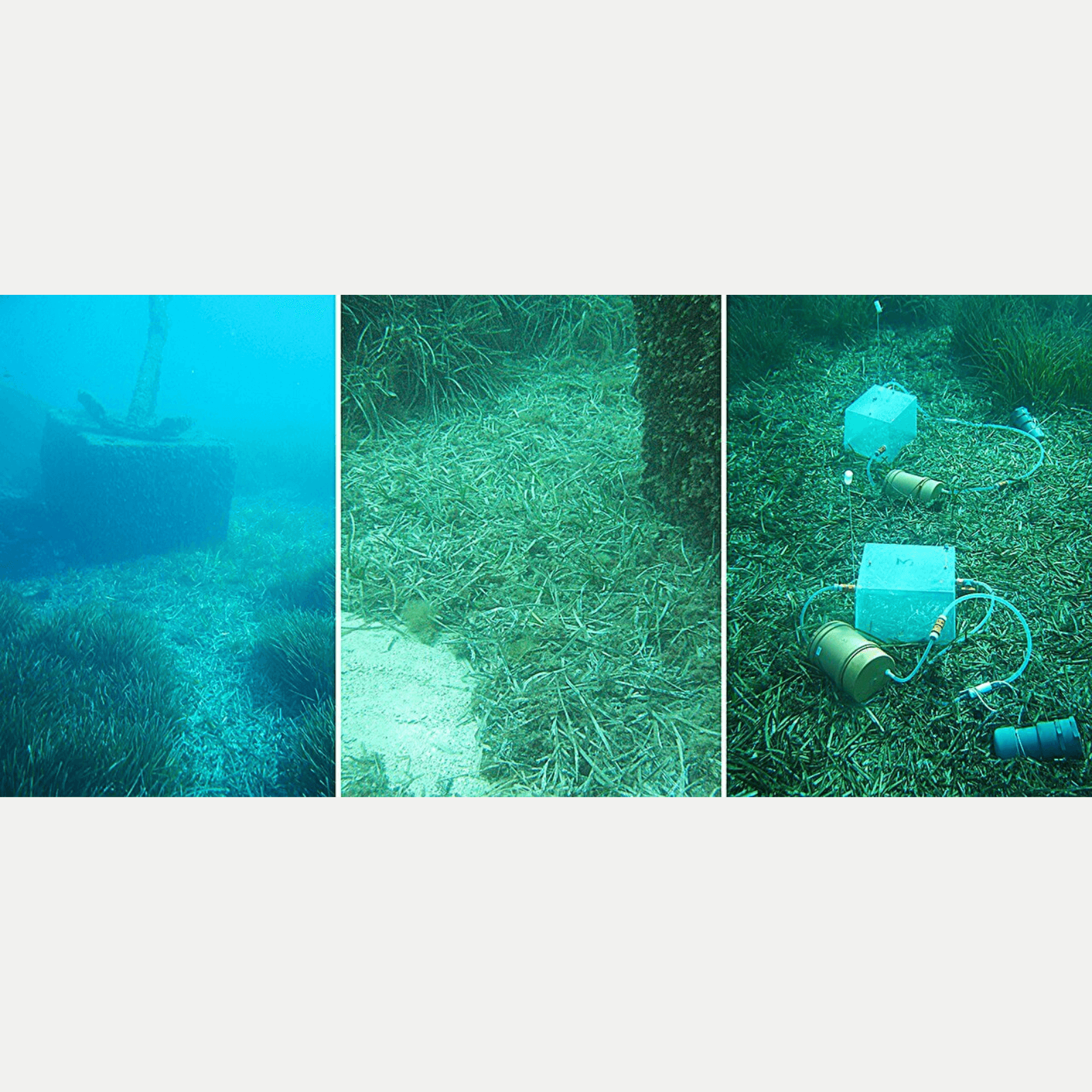
Researchers from the University of Liège (BE) studied the fate of the material produced by Posidonia seagrass meadows. This study, carried out in the Mediterranean Sea at STARESO, shows that the dead leaves of what is commonly known as Neptune grass accumulate in shallow areas, where they break down like a compost, remineralizing the organic matter. This has a previously underestimated effect on carbon fluxes in the Mediterranean coastal environments. Surprisingly, alongside this CO2 emission, oxygen production was also measured. This is linked to the presence of photosynthetic organisms living in this compost in the sea, which fundamentally differentiates it from compost on land. The work is published in the journal Estuarine, Coastal and Shelf Science. From left to right: View of the STARESO harbor entrance with Posidonia meadow islands and an accumulation of dead leaves. Close-up of litter accumulation. Experimental benthic incubation device (‘bell’) installed on accumulations of Posidonia dead leaves (10 m deep). Credit: G.Lepoint & W. Champenois / ULiège Posidonia, a flowering plant emblematic of the Mediterranean Sea, commonly known as Neptune grass, forms vast meadows (underwater prairies) in shallow waters (less than 40m deep). “It is a terrestrial plant that recolonized the marine environment several million years ago, a small quirk of evolution,” explains Alberto Borges, an oceanographer at ULiège. “Like most terrestrial plants in our regions, Posidonia loses its oldest leaves in autumn. These dead leaves accumulate as litter (like at the base of trees) in large patches near the seagrass meadows.” It is these accumulations of dead leaves and their breakdown and transformation that interested the researchers who traveled to STARESO, an underwater and oceanographic research station located in Calvi, Corsica, to conduct a study on the primary production and degradation of organic matter in Posidonia litter. “In the litter, the organic matter breaks down and releases nutrients and CO2, like compost in gardens,” explains Gilles Lepoint. “The litter accumulates in open, sun-light areas.” “Every gardener knows that to grow plants, you need nutrients and light. It is on this basis that we conducted our study which led to a surprising first result: in the litter resulting from the accumulation of material that one would initially imagine as dead and inert, we measured oxygen production, a consequence of the photosynthetic activity of macroalgae drifted from rocks, living Posidonia shoots detached from the nearby meadow, and diatoms (microscopic algae) present in the litter.” To summarize, in this nutrient-rich environment, all living plants associated with the litter thrive and photosynthesize. This oxygen production is significant but does not offset the oxygen consumption by the decomposition of the dead leaves. These accumulations, therefore, remain net consumers of oxygen and, consequently, net emitters of CO2, much like compost and litter in terrestrial environments. The second result from this study somewhat surprised the researchers. “While we thought that Posidonia litter degraded relatively quickly, this study showed us the opposite, based on measurements of litter mass loss—it degrades more slowly,” says Alberto Borges. “We measured respiration through short-term (1-day) incubations based on very precise oxygen measurements.” These measurements provided a more realistic and accurate estimate, with lower values than those traditionally obtained by monitoring mass loss over very long periods (several months). This result could modify the current carbon balance calculations for these ecosystems, which are based on traditional mass loss measurements. As part of this study, the researchers also examined the primary production and degradation of organic matter from the macroalgae growing on rocks adjacent to the Posidonia meadows. “We hypothesized that there might be exchanges between the two systems, which one might initially imagine to be separate and compartmented. Once again, we obtained an unexpected result,” says Willy Champenois. “These macroalgae, despite undergoing photosynthesis, were net consumers of oxygen rather than net producers. This means that the communities of bacteria and invertebrates living within the algae community consume more organic matter than the algae produce. This necessarily implies that this excess organic matter must come from an external source.” By calculating a mass balance, the researchers concluded that this excess organic matter was likely provided by the Posidonia in the form of dissolved organic molecules diffusing from the seagrass meadow and litter to the rocks. In summary, there is a two-way exchange between the macroalgae on the rocks and the Posidonia meadows. The macroalgae drifting from the rocks can accumulate in the Posidonia litter and contribute to primary production there. In turn, the seagrass can supply organic molecules that diffuse to the rocks and are assimilated by the bacterial communities associated with the macroalgae on the rocks. A mutually beneficial relationship, indeed. This study provides new insights into the quantification and understanding of the organic carbon balance of Posidonia seagrass meadows in the Bay of Calvi, which has been the subject of research by oceanographers and marine biologists at the University of Liège since the 1980s, notably through the STARESO marine research station. More information:W. Champenois et al, Community gross primary production and respiration in epilithic macroalgae and Posidonia oceanica macrophytodetritus accumulation in the Bay of Revellata (Corsica), Estuarine, Coastal and Shelf Science (2024). DOI: 10.1016/j.ecss.2024.108971 This article is republished from PHYS.ORG and provided by the University of Liège. Explore our blog for insights on the latest research from across the globe. Click here
Climate Impact Partners and Deloitte Join Forces to Unlock Large-Scale Seagrass Recovery Financing
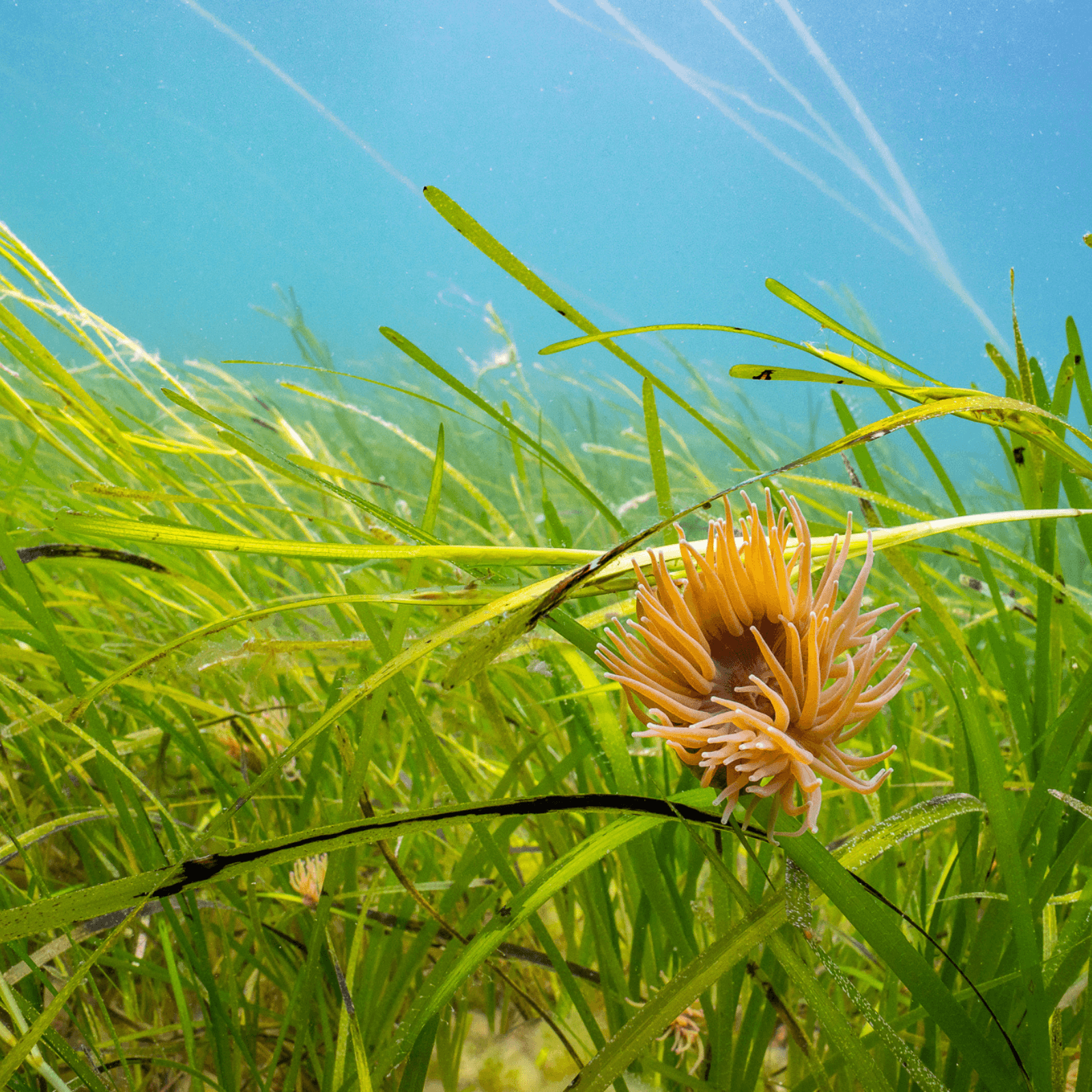
Climate Impact Partners and Deloitte, in collaboration with Project Seagrass and the UK’s National Oceanography Centre, announce a groundbreaking program to fund UK seagrass recovery and unlock long-term finance to save and reinstate vital seagrass meadows. The program will fund critical research across UK seagrass meadows, mapping the ecosystems and developing methods to restore them at scale. Crucially, this work will support the development of a new seagrass carbon code in the UK and beyond – enabling companies to finance seagrass recovery at greater speed and scale. Despite seagrass’ crucial role in sequestering carbon, protecting coastlines, and supporting marine biodiversity; seagrass restoration has been underfunded, with nearly a third of seagrass lost globally in the last century. This program will look to address the barriers that prevent finance flowing to seagrass restoration, including improving the scientific knowledge of carbon sequestration, piloting new techniques for seagrass propagation and engaging communities in meadow restoration. This program forms a key part of Deloitte’s Beyond Value Chain Mitigation (BVCM) activities, supporting innovative solutions outside their value chain. Deloitte is using skills, influence and targeted investment to catalyze environmental and social impact across the energy transition, circularity, sustainable food systems and nature restoration. “Reaching net-zero will require the global economy to decarbonize as part of a connected system,” said Smruti Naik-Jones, Chief Sustainability Officer of Deloitte UK and North & South Europe. “This incredible seagrass program, developed by Climate Impact Partners, enables us to learn more about these marine ecosystems, fund critical research and help unlock a powerful tool in the fight against the climate crisis.” “Deloitte is demonstrating true climate leadership through this program. Seagrass offers a unique opportunity to mitigate climate change while delivering significant co-benefits for biodiversity and coastal communities,” said Kirsty Schneeberger, Head of Product Innovation at Climate Impact Partners. “Imagine seagrass meadows as underwater vaults – they lock away enormous amounts of carbon for long periods, potentially millennia, as long as they remain healthy and undisturbed. We need to ensure they receive long-term and large-scale financing to accelerate the restoration and protection of these underwater wonders.” https://www.youtube.com/watch?v=1sEISirUSn0 “We need to protect and restore seagrass whilst supporting the continuation of sustainable human activities that occur amongst or depend directly upon seagrass ecosystems”, said Dr Leanne Cullen-Unsworth, Chief Executive Officer and Charity Co-Founder, Project Seagrass. “We need to do this now, as a connected global community. This program helps to deliver this.” “Seagrass meadows are the powerhouses of coastal seas providing a nature-based solution to climate change, said Dr Claire Evans, Biogeochemist, the UK’s National Oceanography Centre. “They have been neglected for decades, which has led to their large-scale degradation and loss. This program exemplifies how we can turn that loss into an opportunity for environmental renewal through large-scale restoration.” In coordination with Project Seagrass, a team of volunteers from Deloitte and Climate Impact Partners helped harvest seedlings from a healthy seagrass meadow for the recovery program.
Sentinel-2 data reveal significant seasonal variations in intertidal seagrass
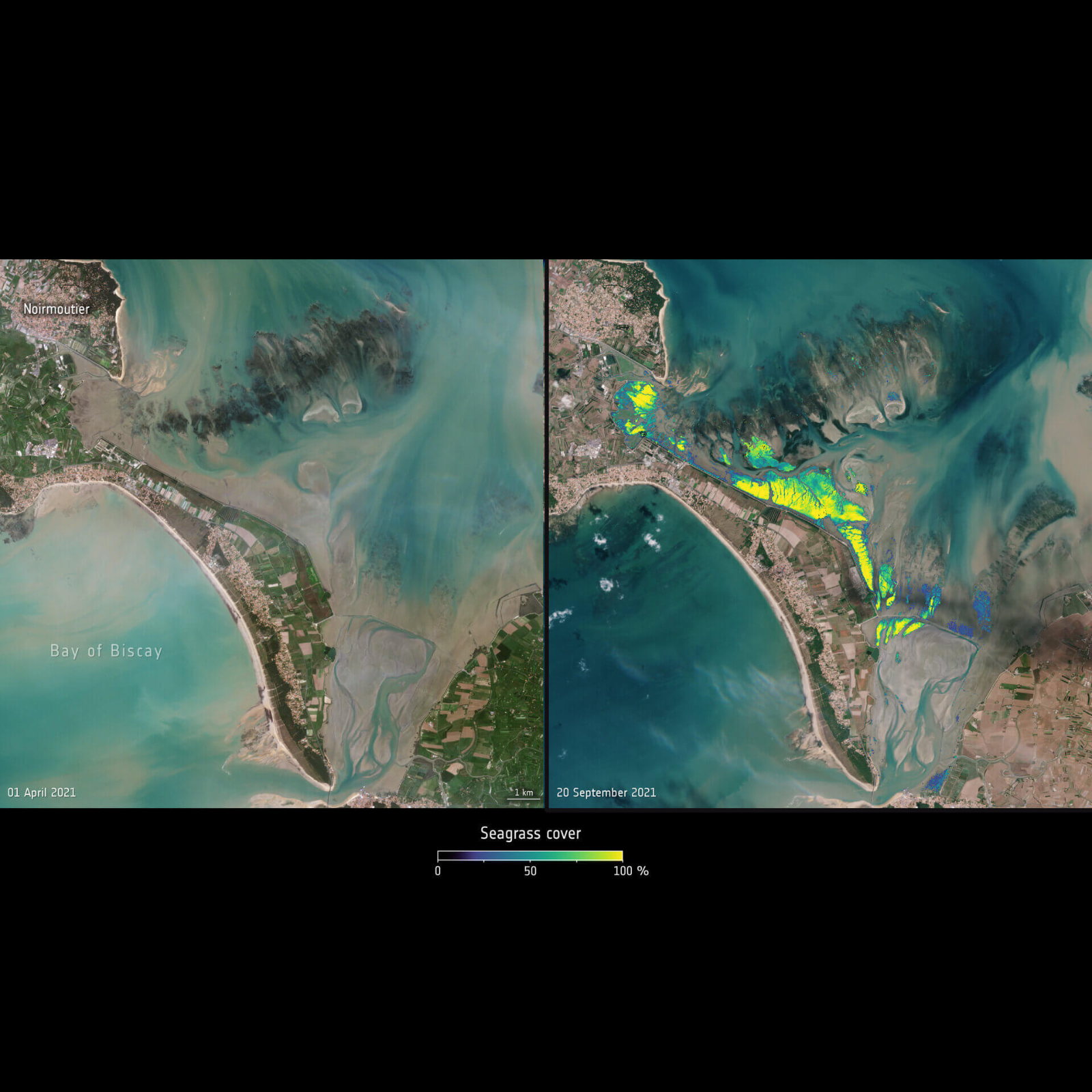
With data from the Copernicus Sentinel-2 mission, researchers have revealed seasonal variations in intertidal seagrass across Western Europe and North Africa. As a key indicator of biodiversity, these new findings offer valuable insights for the conservation and restoration of these vital ecosystems. The intertidal zone is the area where the ocean meets the land between high and low tides, and here seagrasses can form extensive meadows. These flowering marine plants provide critical habitats, acting as shelter, nurseries, and feeding and spawning grounds for a diverse range of birds, fish and invertebrates. Beyond their ecological importance, seagrass meadows also stabilize sediments and protect coastlines from erosion. Monitoring the occurrence, extent, condition and diversity of intertidal seagrass as a key biodiversity variable is essential for assessing the overall health of local ecosystems. Current global estimates of seagrass coverage do not differentiate between seagrasses in the intertidal zone and those in the subtidal zone, which remain submerged below the sea surface. However, a recent paper, published in Communications Earth & Environment, details how a team of scientists used high-resolution imagery from the Copernicus Sentinel-2 mission to demonstrate its ability to map intertidal seagrass meadows and their seasonal changes across continents with consistency and precision. Bede Ffinian Rowe Davies from Nantes University in France and lead author of the paper, said, “Coastal regions, like much of the world, are experiencing rapid and alarming biodiversity loss. To address this, it’s crucial to develop efficient monitoring methods so that timely and appropriate action can be taken to preserve delicate ecosystems. “Using data from Sentinel-2 within the BiCOME project, we were able to reveal significant seasonal variations in intertidal seagrass. The peaks in extent shifted by as much as five months—challenging previous assumptions that there was little or no seasonal fluctuation.” The satellite images below illustrate changes in intertidal seagrass cover in the Bay of Bourgneuf, located north of the Bay of Biscay, off the western coast of France. The image on the left, from April 2021, shows sparse intertidal seagrass, while the image on the right, from September 2021, reveals abundant growth. Victor Martinez-Vicente, BiCOME project principal investigator, noted, “This study demonstrates the potential of satellite observations to track changes in the extent of natural coastal ecosystems, providing valuable insights for indicators in the Global Biodiversity Framework. Further research is needed to develop long-term satellite-based monitoring systems and datasets to support global progress toward achieving the framework goals.” ESA’s Marie-Helene Rio added, “These new findings clearly demonstrate the value that Sentinel-2 can bring to monitoring intertidal seagrass. We now believe that these intertidal meadows behave differently to the type of seagrass that spends most of its life submerged by seawater. This suggests that previous estimates, which grouped the two types together, could be misleading. The research paves the way to further monitoring and assessment of intertidal seagrass meadows using Sentinel-2 data.” The Sentinel-2 satellites each carry a multispectral imager that takes high-resolution images of Earth’s land, islands, and inland and coastal waters. And with a large swath width of 290 km, it provides these images in 13 spectral bands with resolutions of 10 m, 20 m and 60 m. The third Sentinel-2 satellite, Sentinel-2C, was launched on 5 September 2024, and has already delivered its first images of Earth. More information: Bede Ffinian Rowe Davies et al, A sentinel watching over inter-tidal seagrass phenology across Western Europe and North Africa, Communications Earth & Environment (2024). DOI: 10.1038/s43247-024-01543-z This article is republished from PHYS.ORG and provided by the European Space Agency. Explore our blog for insights on the latest research from across the globe. Click here
Seagrass Ocean Rescue Volunteer Profile: Neil
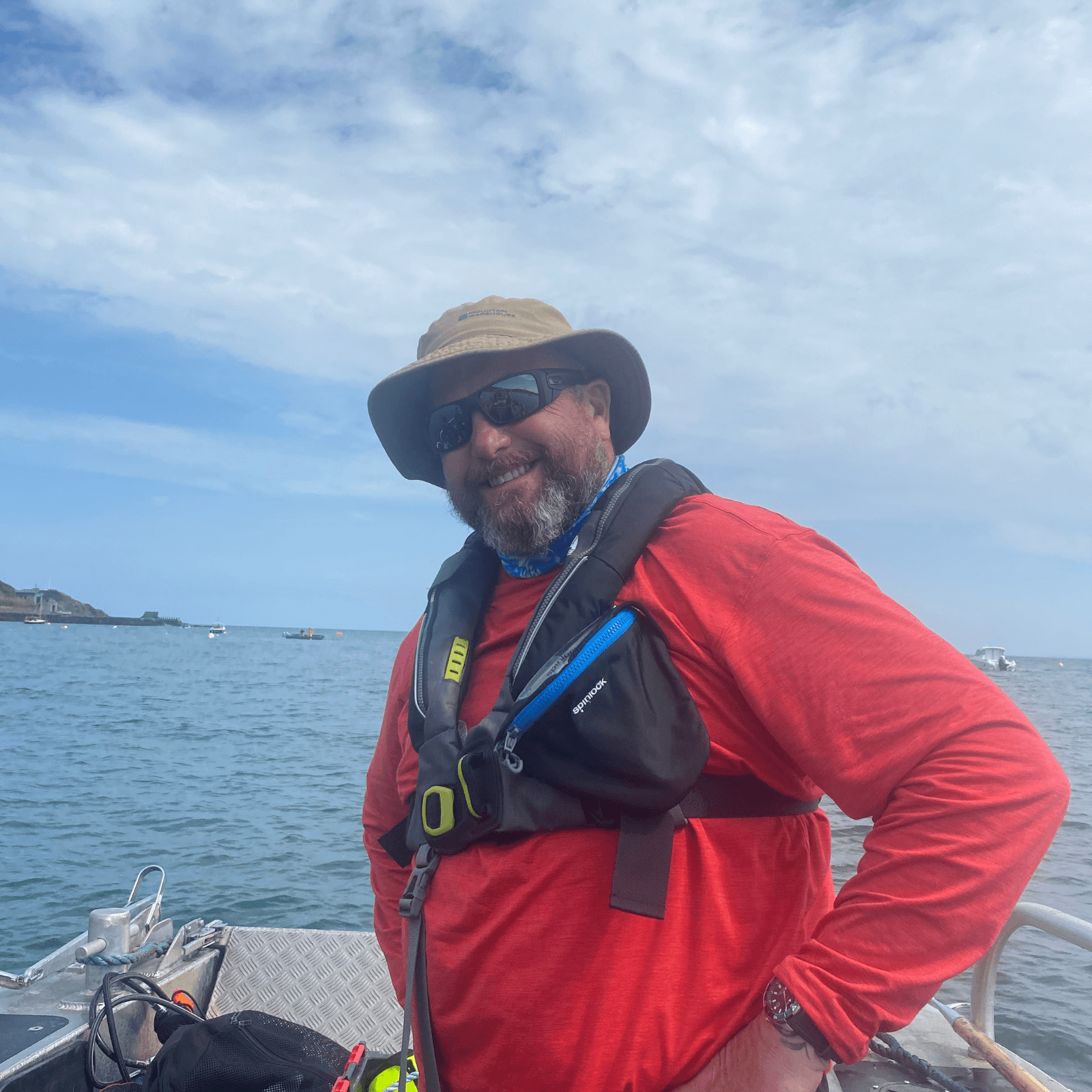
The Seagrass Ocean Rescue North Wales programme relies on the commitment and enthusiasm of local volunteers. We spoke to regular volunteer Neil about his experiences of volunteering as part of the programme. Volunteer Interview Tell us a little bit about yourself: I grew up in North Wales, then moved around a lot during a career in the automotive industry. After Covid, there was an opportunity to step out and do something different, so it was time to do things I wanted to do rather than had to do. How did you first get involved with the seagrass restoration community project? I’d seen the team operating in Porthdinllaen , read about it, and started to preach about it to anyone that was unfortunate to be in hearing range! Then there was a stroke of luck and I managed to inflict myself upon the boat crew for a few days. What are your hopes for this restoration work? That the word spreads, that more people who don’t mean to negatively affect the environment can learn not to, and that I can keep visiting the areas that we are developing and planting to see them flourish and provide a starting base for more wildlife to move in. It’s great to see how quickly nature can respond, given a chance. I’ve learnt that it’s very subtle changes we make that can help or hinder the natural environment. What inspired you to get involved, what drives your commitment to this cause? I’d just semi-retired, had wandered past the boat team working in Porthdinllaen, did some reading, started to tell others about it, then it was a lucky break to be involved in one of the boat teams. Then it just got out of control from there really! I go snorkelling, boating, and diving and I get frustrated when I see the natural environment being needlessly abused, so this is just one way to try and stop that. The amazing areas of the world provide lots of fun, inspiration and happiness for so many people, sometimes the consequence is pressure on the very thing we go to see, by providing more of those areas then it’s good for everyone. What does it mean to you to spend time in nature, what do you feel nature provides you with? It’s great to see how quickly nature can respond, given a chance. I’ve learnt that it’s very subtle changes we make that can help or hinder the natural environment. What seagrass restoration activities have you taken part in? So far, planting both seeds and shoots, harvesting new seeds and monitoring. Learning from the different team members, chatting with ambassadors and meeting other people that are getting involved. What part of this restoration work are you most proud of? I think it’s the planting, because when we go back to monitor progress and after only a few months we see that nature has already started to move in, then that’s a good thing. The Seagrass Ocean Rescue Project is managed by WWF, in partnership with Project Seagrass, the North Wales Wildlife Trust, Pen Llŷn a’r Sarnau Special Area of Conservation (SAC) and Swansea University. The project is made possible with support from funders that include the National Lottery Heritage Fund, Garfield Weston Foundation, and the Moondance Foundation. If you would like to volunteer as part of the project contact volunteers@projectseagrass.org Principal Funders Partners
Invasive seagrass species discovered in Biscayne Bay
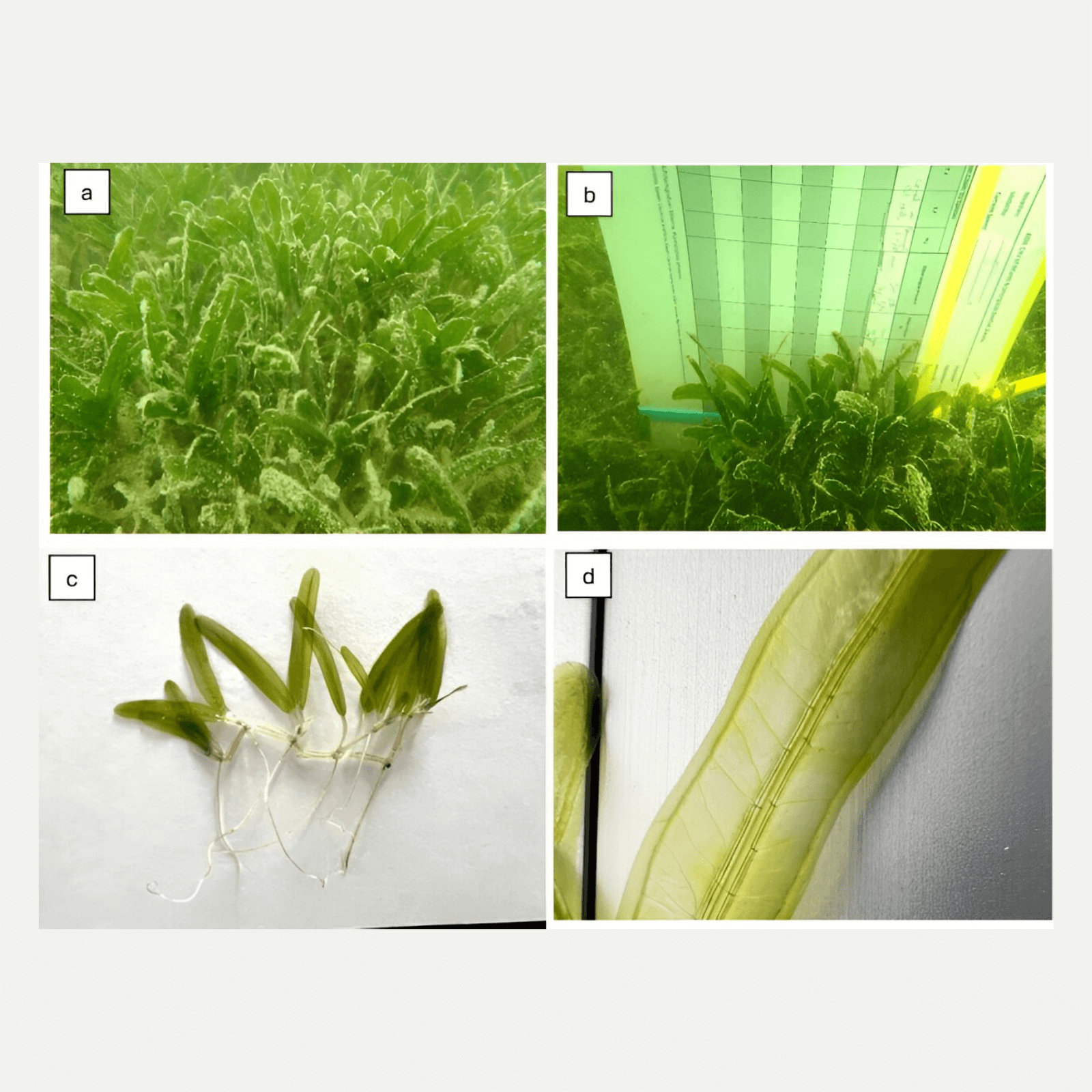
An invasive species of seagrass has been on a steady march across the world, taking over ecosystems well beyond its native waters of the Red Sea, Persian Gulf and Indian Ocean. Scientists have long wondered when it would reach the waters off the coast of Florida. Florida International University scientists say that day has arrived. Florida International University marine scientist Justin Campbell has positively identified Halophila stipulacea growing in Crandon Marina and nearby areas of Biscayne Bay. It is the first time this non-native species has been found in waters along the continental United States. The study appears on the preprint server bioRxiv. “I think this species could pose a considerable threat,” Campbell said. “There are several reports of it being able to outcompete native seagrasses in other areas across the Caribbean. It is plausible that this could also be true for seagrasses here in South Florida.” A marina worker first noticed the seagrass last month and reached out to Campbell, who conducted tests to determine the species. Halophila stipulacea first started spreading its distribution with the opening of the Suez Canal in the late 1800s, hitching rides on the anchors and other parts of boats. By the early 2000s, it was found in the Caribbean. Field photographs of H. Stipulacea inside Crandon Marina (Key Biscayne, Florida) (a,b). Close-up detail of samples collected inside the marina, structure and leaf cross veins (c,d). Credit: Matthew White (a,b) and Justin Campbell (c,d). Healthy seagrass meadows are vital for healthy oceans. They are nursery habitats for commercially and economically important fish as well as shrimp, stone crabs, scallops and other crustaceans and shellfish. Seagrasses are a primary food source for sea turtles, manatees and other marine herbivores. And for the health of the planet, seagrasses are really good at sucking carbon emissions out of the air and storing that carbon long-term. While scientists are still working to understand possible impacts from the invasive species entering waters around the U.S., early research suggests some fish species may avoid the shorter seagrass when scouting nursery locations and local sea turtles in the Caribbean avoid eating the invasive seagrass, preferring native species as part of their regular diets. While most species of seagrass are on the decline from warming waters and other human-induced impacts, Halophila stipulacea has the unique ability to grow quickly and adapt to different conditions including salinity levels, temperature and light availability. Just a small piece can float through water and grow. Once it settles into soil, it can take hold easily and grow at a variety of depths. While most seagrass species require shallower depths to attain sunlight, Halophila stipulacea has been observed flourishing at depths of 60 feet or more. “The arrival of yet another invasive species to Florida is a reminder that all of our earth is interconnected and that human actions have the power to change the planet, for good or bad,” said James Fourqurean, co-author of the research and director of the Coastlines and Oceans Division in FIU’s Institute of Environment. Fourqurean has studied seagrasses, especially those in Florida, for more than 40 years. A foremost expert, he is one of the lead scientists in the International Blue Carbon Working Group, as well as scientific representative to the International Blue Carbon Policy Working Group—both dedicated to the recognition and preservation of seagrass meadows, mangroves and tidal salt marshes as critical contributors to slowing the rise of CO2 in the atmosphere. “Given the importance of seagrasses to a healthy South Florida, we now need to do what we can to limit the spread of this invasive species and be wary of disruptions to the natural order it may cause,” Fourqurean said. Stipulacea has a very different appearance and structure than the native seagrasses in South Florida and throughout the Caribbean. At least 19 Caribbean islands have reported this seagrass growing in nearby waters and, in some cases, overtaking meadows of native grass. “We don’t know whether Stipulacea provides similar ecological benefits as compared to our native species,” Campbell said. “Our seagrass meadows here are some of the most pristine and well-protected in the Western Hemisphere. They are iconic and emblematic. We certainly don’t want to lose them.” So how long has this non-native species been in South Florida? It is hard for Campbell to say, but based on the current distribution, he believes it first started taking root several years ago. It had gone unnoticed because, to the casual observer, it can be difficult to distinguish from native vegetation, he said. Crandon Marina can accommodate medium and large sized sailboats, likely capable of travel to and from areas where Stipulacea is well-established. This is one possible and likely way the non-native seagrass reached Biscayne Bay. With other large marinas in the region, Campbell said surveys and monitoring should be expanded now that this invasive species is confirmed to be in South Florida. More information:Justin E. Campbell et al, First record of the seagrass Halophila stipulacea (Forskkal) Ascherson in the waters of the continental United States (Key Biscayne, Florida), bioRxiv (2024): DOI: 10.1101/2024.09.02.610701 This article is republished from PHYS.ORG and provided by the Florida International University. Explore our blog for insights on the latest research from across the globe. Click here