Tag: fisheries

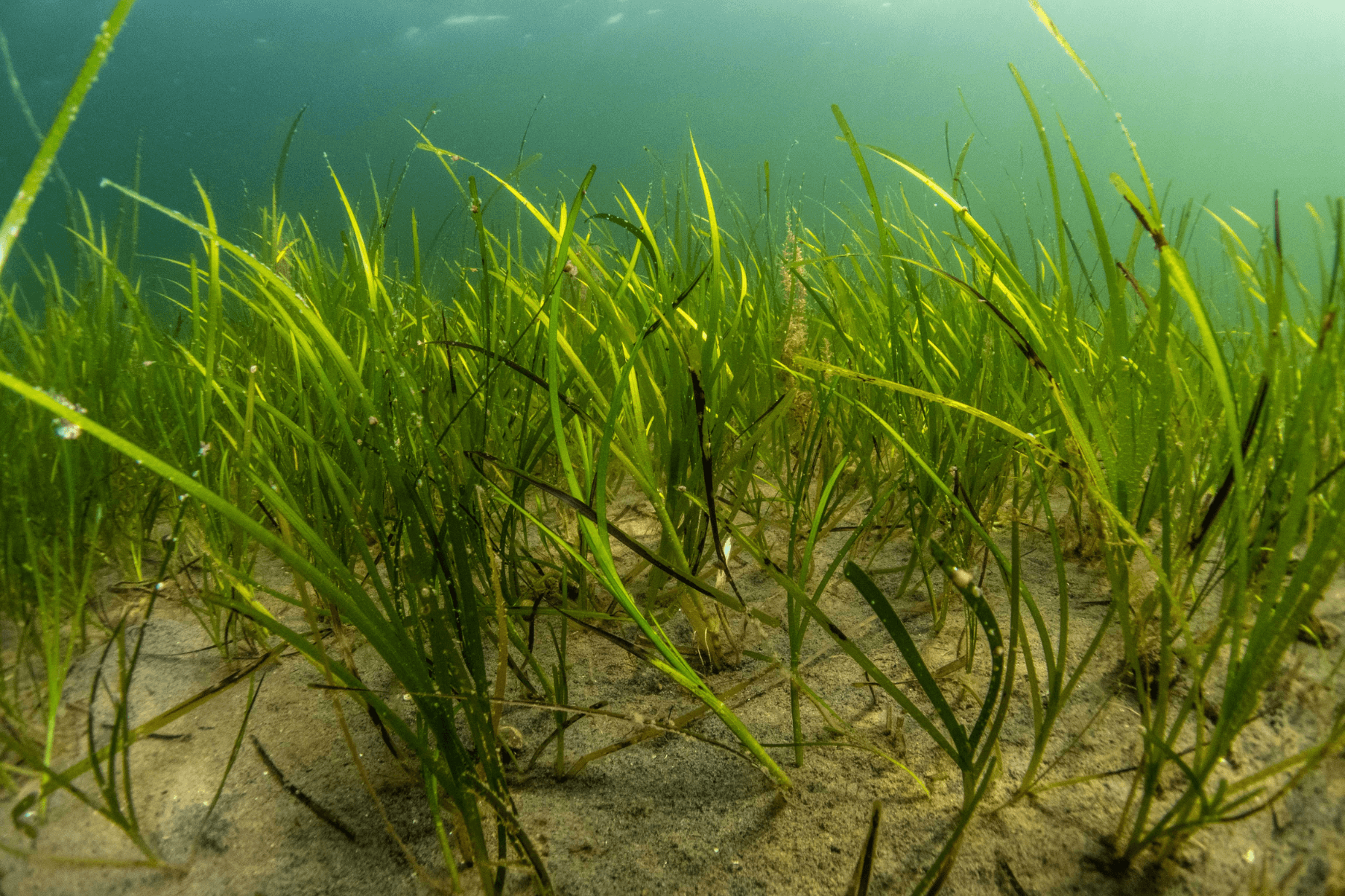
Zostera marina seagrass meadow. Credit Ben Jones

Seagrass swap could reshape Chesapeake Bay food web

Beneath the surface of the Chesapeake Bay, a subtle but dramatic shift is taking place as eelgrass gives way to its warmer-water relative, widgeon grass. A new study from researchers at William & Mary’s Batten School & VIMS shows that this seagrass swap could have ecological impacts across the Bay’s

Read More »

Mosquito nets: Are they catching more fishes than insects?

Mosquito nets designed to prevent malaria transmission are used for fishing which may devastate tropical coastal ecosystems, according to a new scientific study. The researchers found that most of the fish caught using mosquito nets were smaller than a finger and potentially collect hundreds of individuals. Malaria is a serious

Read More »

Global fisheries threatened by loss of seagrass

Seafood consumption is both a love and a necessity for hundreds of millions of people all across the world. And the supply of seafood is a key part of maintaining food security for the whole planet. But as demand for seafood is increasing, stocks of wild fish and invertebrates (such

Read More »

Waste Not, Want Not. Discards that could feed those in poverty

At least 7.3m tons of fish (usually dead or dying) are thought to be discarded each year from marine fisheries around the world. But these estimates come mostly from observations of large-scale industrial fisheries. Limited attention has been paid to small-scale fisheries, which are assumed to have low discard rates – some

Read More »

Seagrass meadows key fishing ground globally

Fishing in seagrass occurs around the globe; if there is seagrass (and people) there is fishing. Still, the nature and extent of fisheries in seagrass is poorly understood. It is a prerequisite for natural resource management to understand resource exploitation, therefore we decided to investigate this further. Seagrasses are plants that

Read More »
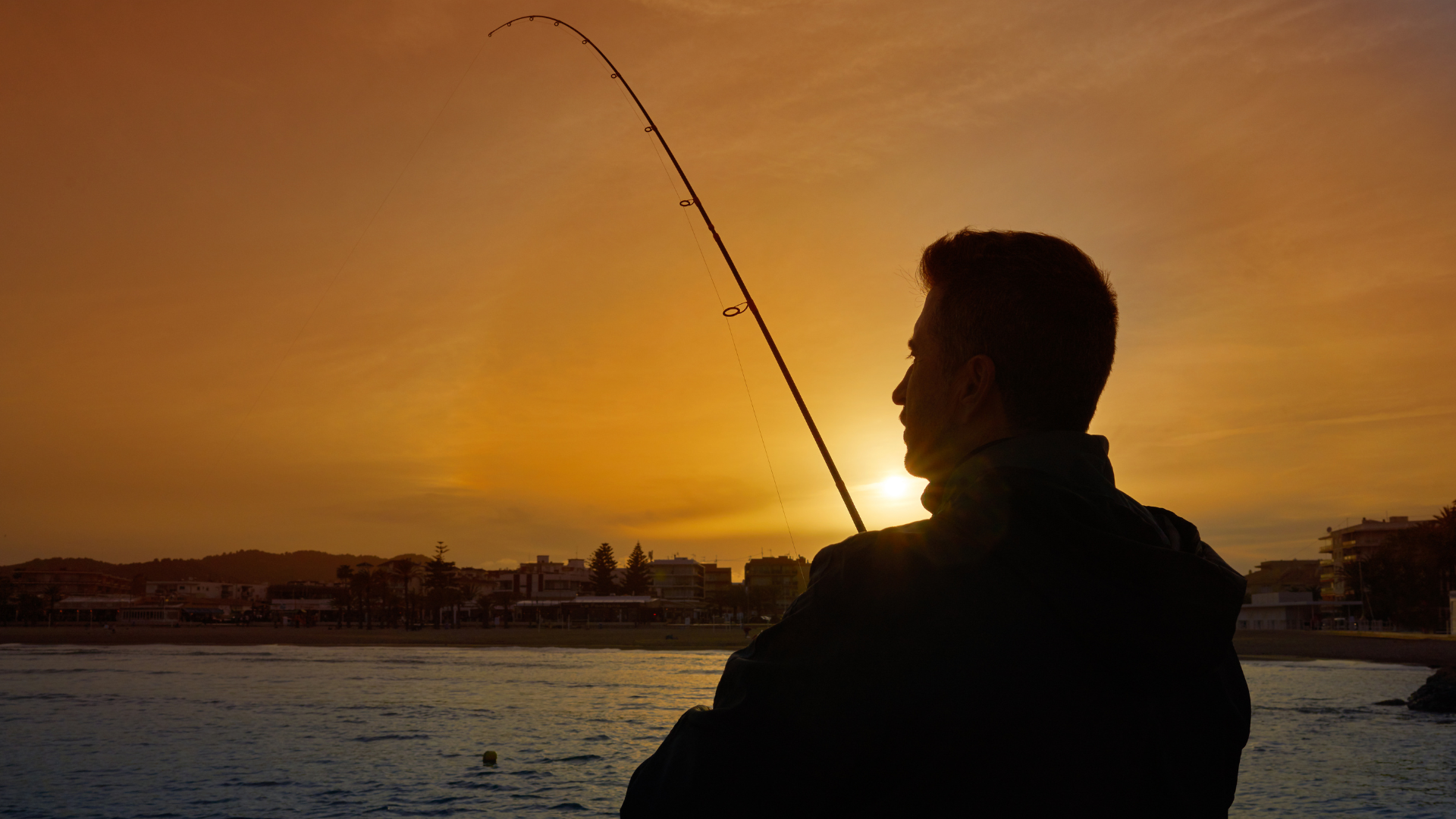
Sunset shot of man fishing

Seagrass, fishing, and mental health: the hidden connection beneath the surface

Nursery intern Iestyn Comey details how fishing in seagrass meadows can be great to improve mental health and are vital nursery grounds for key fisheries species. Fishing is a hard thing to explain to someone who has never done it. There is no better feeling than the moment the line tightens, the adrenaline kicks in, and you pull up your first fish, completely absorbed in something so simple and ancient. Recreational fishing remains one of the most widely enjoyed outdoor pastimes. (Karpiński and Skrzypczak, 2022).  But for many people, it is more than just a hobby. It’s a way to reset. It’s one of the few moments when everything slows down and you can think completely immersed in nature. It can be social, or it can be just you and the rod. Either way, that time outdoors—surrounded by nature, waiting and focusing—has a powerful effect on mental health and wellbeing. Science is beginning to catch up with what anglers have long known. Image of typical fishing line, a true way to be one with nature More than a feeling: fishing and mental health Recent UK research involving over 1,700 recreational anglers found that people who fish regularly experience significantly better mental health outcomes than those who fish less often (Wilson et al., 2023). Regular anglers were: 17% less likely to report being diagnosed with depression, schizophrenia, less likely to experience suicidal thoughts, less likely to report harmful coping behaviours. Nearly 9 in 10 anglers also reported that relaxation and unwinding were key reasons they go fishing.   This aligns with a growing body of evidence showing that spending time in “blue spaces”—coastlines, estuaries, rivers, and seas— is linked to improved psychological wellbeing (White et al., 2010; Gascon et al., 2017). Blue Mind theory, introduced by Wallace J. Nichols, provides a framework for understanding this effect, suggesting that the mental health benefits of fishing largely arise from immersion in water and aquatic environments, rather than the act of fishing itself. What makes this even more striking is that anglers, as a group, report higher than average levels of mental health challenges. In the same UK study, around 30% reported experiencing suicidal thoughts and over 23% reported having been diagnosed with depression suggesting that many people may actively turn to fishing for its mental health benefits. Every catch has a beginning There is another part of this story that we rarely see. Many fish we love to catch do not begin life in open water, rocky shorelines, or deep offshore. Instead, they begin somewhere more sheltered and hidden. In seagrass meadows. In the UK alone, seagrass meadows provide habitat for around 50 fish species and serve as crucial nursery grounds for juveniles, including cod, pollack, whiting, plaice, herring, and sea bass (Bertelli & Unsworth, 2014). Our new paper in BioScience highlights that this nursery function directly underpins the cultural ecosystem service of recreational fishing, demonstrating that healthy seagrass habitats are integral not only to sustaining fish populations but also to supporting the human experiences and wellbeing derived from angling. Data from Catchwise, a collaboration between Substance, Cefas, and the Angling Trust, further reinforces this connection.  Many of the species most frequently caught by recreational fishers in the UK, overlap with species that depend on seagrass during early life stages, showing the practical importance of protecting and restoring these habitats. Across the world, countless marine species rely on seagrass meadows for feeding grounds or during their earliest, most vulnerable stages of life. (James and Whitfield, 2022). Seagrass changes that equation. Its dense leaves slow water movement, trap nutrients, and create a three-dimensional maze that offers both shelter and rich feeding grounds. seagrass meadows support higher fish abundance, faster growth, and higher survival rates than bare sand (Whitfield, 2016). Even if the fish we catch eventually migrate far from the coast into deeper seas, estuaries, or rivers their survival often depended on those first months spent among seagrasses. Catshark in seagrass, Helford, Cornwall, UK Credit: Shannon Moran / Ocean Image Bank So why am I telling you this? The connection is simple: Fewer Seagrass meadows and fewer juvenile fish survive. Fewer fish and poorer catches. Poorer catches and fewer opportunities for people to access one of the most natural, affordable, and culturally accepted forms of mental wellbeing support available.   Yet seagrass meadows are declining globally, and much of this loss is driven by human activity. In the UK, declining water quality is one of the biggest drivers. Runoff from agriculture carries excess nutrients in marine ecosystems fuelling algal blooms that block sunlight and as a result prevent seagrass from photosynthesising  (Lee, Park and Kim, 2007). Physical disturbance is another key issue, particularly from commercial fishing and boating activity. Bottom trawling can tear up seagrass beds; while anchoring and mooring chains can scar and fragment them. Damage to these habitats ultimately reduces the productivity of the fisheries they support (Unsworth et al., 2017). Seagrass, Isles of Scilly, Cornwall, UK. Credit: Michiel Vos / Ocean Image Bank Protecting the places that protect our wellbeing As recreational fishers, we are connected to seagrass whether we realise it or not. If we want future generations to feel that same tug on the line and that same clearing of the mind, then protecting seagrass is not optional. Supporting seagrass restoration and conservation helps protect: Healthy fish populations, The future of recreational fishing And our own mental wellbeing.   To get involved, visit Volunteer – Project Seagrass. References Bertelli, C.M. and Unsworth, R.K.F. 2014. Protecting the hand that feeds us: Seagrass (Zostera marina) serves as commercial juvenile fish habitat. Marine Pollution Bulletin 83(2), pp. 425–429. doi: https://doi.org/10.1016/j.marpolbul.2013.08.011. Gascon, M., Zijlema, W., Vert, C., White, M.P. and Nieuwenhuijsen, M.J. 2017. Outdoor blue spaces, human health and well-being: A systematic review of quantitative studies. International Journal of Hygiene and Environmental Health 220(8), pp. 1207–1221. doi: https://doi.org/10.1016/j.ijheh.2017.08.004. James, N.C. and Whitfield, A.K. 2022. The role of macroalgae as nursery areas for fish species within coastal seascapes. Cambridge Prisms: Coastal Futures 1.

Read More »
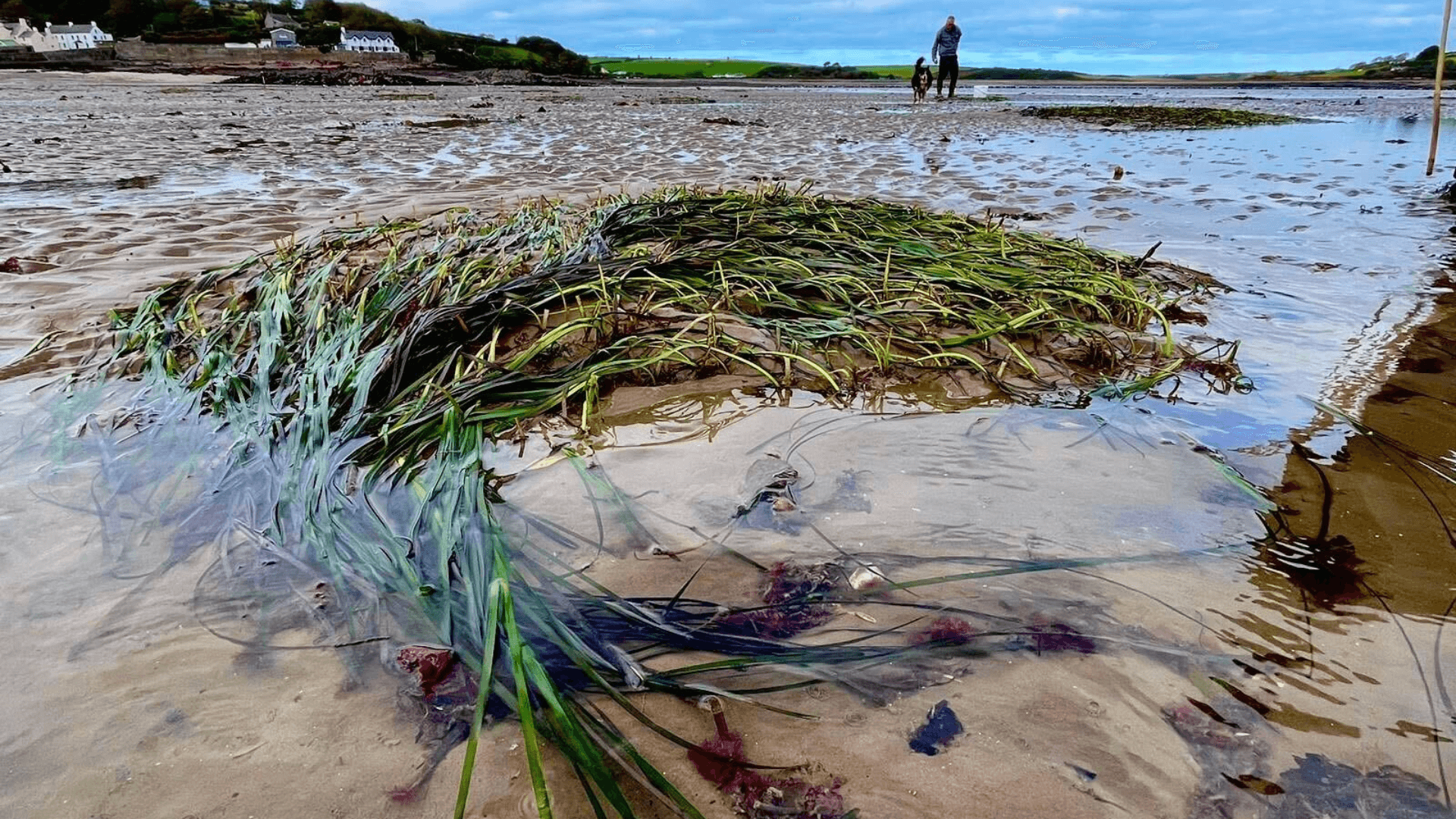
A large patch of seagrass is growing in Dale Bay.

Local fisher designs innovative shellfish pot which is helping to protect seagrass in Pembrokeshire

In Dale Bay, Pembrokeshire, a collaboration between local fishers and marine conservation charity Project Seagrass is showing positive results for both sustainable fishing and seagrass restoration. Dale Bay is the location of an ongoing seagrass restoration project, delivered by South Wales based charity Project Seagrass and overseen by the Dale Seagrass Stakeholder group (a group made up of local individuals across different sectors). The project began as a way to boost the natural seagrass meadow in the bay, trialling new techniques and raising awareness of the importance of seagrass for local biodiversity, water quality, and fish populations. Mark from Lilly May Fishing has worked with Project Seagrass from the start of the project to assist in site selection and deploying monitoring equipment. As the project has progressed, Mark noticed he was sometimes tearing up seagrass as he lifted his pots up to retrieve crab and lobster. In response to this, Mark designed a raised shellfish pot with short mesh legs to lift the gear just off the seabed. Made by local boat builders Robust Boats, the pots were deployed over the last two seasons with catch monitored over that time. Early results are positive showing that the new pot design is effective for storing crab catch, with some tweaks required for lobsters, whilst also reducing mud build-up and reducing the impact on the seagrass. Mark reported: “Overall, [it has] worked very well in seagrass – I would recommend using them as storage pots in shallow water where seagrass is as it’s very low impact on the grass with the mesh legs compared to steel bar bottoms” Project Seagrass is continuing to plant seagrass in Dale Bay alongside carrying out regular monitoring to determine  seagrass recovery and resilience. It will be interesting to see how the natural meadow responds to the reduced impact from shellfish pots over time. Seagrass caught in pots (credit Mark Gainfort) Seagrass growing in Dale Bay, Pembrokeshire. Beyond Dale Across South & West Wales, fishers, anglers, spearfishers, aquaculture workers, and seafood gatherers have been taking part in a survey to share their local knowledge about seagrass and fishing areas. This information is helping identify the best sites for future seagrass restoration work. Full results will be released in the New Year, but early insights already show just how valuable local experience is in guiding conservation. If you’d like to take part, the survey is open until 31st January link here: https://t.ly/gxUSx What’s next? Project Seagrass will also be hosting a series of events in the New Year to celebrate sustainable local seafood and the amazing role seagrass plays in healthy seas. This work is made possible thanks to funding from the Nature Networks Programme which is being delivered by the National Lottery Heritage Fund on behalf of Welsh Government, and Rebel Restoration.

Read More »
Zostera marina seagrass meadow. Credit Ben Jones

Seagrass swap could reshape Chesapeake Bay food web

Beneath the surface of the Chesapeake Bay, a subtle but dramatic shift is taking place as eelgrass gives way to its warmer-water relative, widgeon grass. A new study from researchers at William & Mary’s Batten School & VIMS shows that this seagrass swap could have ecological impacts across the Bay’s food webs, fisheries and ecosystem functions. Published in Marine Ecology Progress Series, the study reveals that while both seagrass species offer valuable habitat, they support marine life in very different ways. The researchers estimate that the continued shift from eelgrass to widgeon grass could lead to a 63% reduction in the total quantity of invertebrate biomass living in seagrass meadows in the bay by 2060. “Several factors including water quality, rising temperatures and human development are threatening eelgrass in the Chesapeake Bay. In its place, particularly in the middle Bay, widgeon grass has expanded due to its ability to tolerate warmer, more variable conditions,” said Associate Professor Chris Patrick, who is also director of the Submerged Aquatic Vegetation (SAV) Monitoring & Restoration Program at the Batten School of Coastal & Marine Sciences & VIMS. “However, the two grasses provide structurally distinct habitats that shape the animals living within.” All grasses are not created equal While working with Patrick and earning her master’s degree at the Batten School & VIMS, lead author Lauren Alvaro engaged in extensive fieldwork studying seagrass meadows in Mobjack Bay. Her team surveyed and compared habitats consisting of eelgrass, widgeon grass as well as mixed beds. They documented everything from burrowing clams and snails to crabs and fishes to get an idea of life living within the sediment and among the grasses. The findings showed that while widgeon grass supports more individual invertebrates per gram of plant material, eelgrass meadows are home to larger animals and have more plant biomass per square meter. As a result, eelgrass supports a greater total animal biomass per square meter. “Our findings suggest that we’re likely to see a fundamental shift in the structure of the food web that favors smaller creatures as eelgrass is replaced by widgeon grass,” said Alvaro. “The eelgrass meadows produced fewer animals, but they’re bigger and more valuable to predators like fish and blue crabs.” Much of the difference is due to the physical characteristics of the two types of seagrasses. Widgeon grass beds have a greater surface-to-biomass ratio due to their narrower leaf structure, which provides more area for small invertebrates to cling to. However, eelgrass’s broader leaves provide a type of canopy favored by animals like pipefish, blue crabs, and larger isopods, which are small shrimp-like crustaceans. The bigger picture The researchers extrapolated their findings and estimated that current seagrass habitats in the Chesapeake Bay support approximately 66,139 tons of invertebrate biomass living in the sediment and among the grass beds and produce 35,274 tons of new animal biomass each growing season. Termed “secondary production,” this is the biomass the habitat makes available to higher levels of the food chain. If seagrasses continue to shift as expected, by 2060 secondary production could be reduced by more than 60% under a scenario where no further nutrient reductions occur. Nutrient runoff into the Bay is the largest threat to submerged aquatic vegetation. Even in a best-case nutrient management scenario, the Bay could still lose approximately 15% of secondary production biomass. “Within the limits of our study, it wasn’t possible to determine whether it was the meadow’s physical structure, the meadow area, or available food sources that contributed to greater numbers of fish in the eelgrass meadows,” said Alvaro. “This makes it difficult to accurately estimate fishery-level impacts of changes in meadow composition, but several lines of reasoning support an expectation of reduction in numerous commercial and recreational species.” The study adds to a growing body of research documenting the effects of changes in foundational species influenced by a warming planet. The authors cite similar research involving Florida’s mangroves and a worldwide shift from coral to algae-dominated ecosystems. As states within the Bay’s extensive watershed work to maintain and improve the health of the estuary, the team hopes their findings will help inform management decisions and restoration strategies. Protecting and restoring the remaining eelgrass and better understanding the role of widgeon grass may help preserve ecological resources for future generations and provide a buffer against future shocks. More information: This article is republished from PHYS.ORG and provided by Virginia Institute of Marine Science. Lauren Elizabeth Alvaro et al, Changing foundation species in Chesapeake Bay: implications for faunal communities of two dominant seagrass species, Marine Ecology Progress Series (2025). DOI: 10.3354/meps14901

Read More »
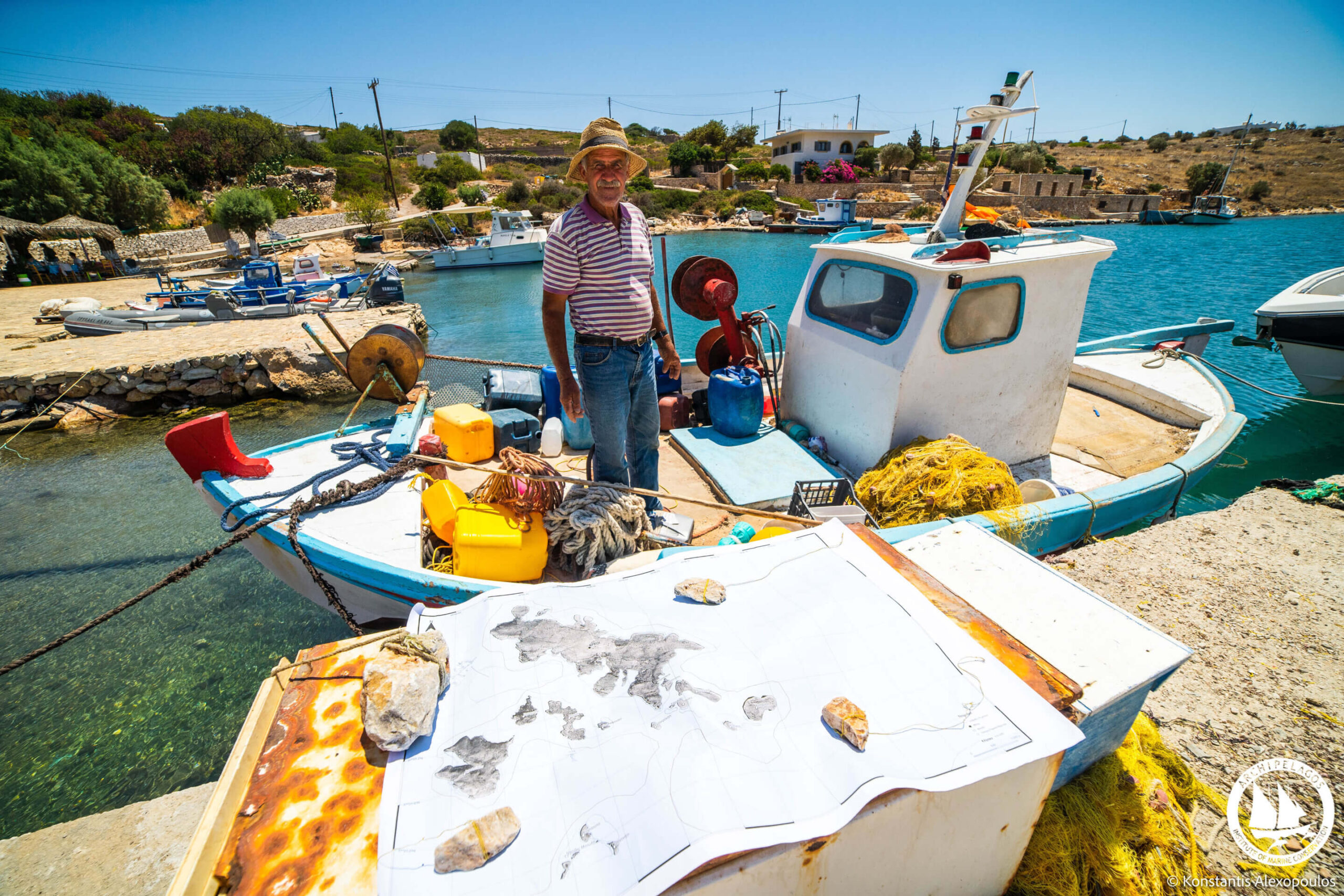
A fisher stands aboard a boar. He is wearing a sunhat.

Artisanal fishers are almost as accurate as satellites in producing environmental data, study shows

Published in the journal Ocean and Coastal Management, the research set out to establish the value of local ecological knowledge (LEK) and its ability to generate high-quality habitat maps around five Greek islands in the eastern Aegean Sea. Ten fishermen, based on their individual experience and knowledge, were asked to pinpoint areas where they believed seagrass beds could be found along the coastlines of their respective islands. The maps they produced were then compared with satellite data of the same regions, with analysis showing an average accuracy of 78% – and a high of 92%. The fishermen’s maps were also 11% more accurate than those used by the Greek government in the development of environmental policies, with more than half of the government maps underestimating the scale of seagrass beds found across the region. The researchers say their findings are a clear demonstration of the value of tapping into local knowledge, and how doing so can be a low-cost means of generating environmental data without compromising the high accuracy needed for the data to still be valuable for policy use. Ten fishermen, based on their individual experience and knowledge, were asked to pinpoint areas where they believed seagrass beds could be found along the coastlines of their respective islands. Credit Konstantis AlexopoulosUniversity of Plymouth The study was carried out by researchers from the University of Plymouth and the Archipelagos Institute of Marine Conservation. They worked closely with fishermen on the islands of Fourni, Arki, Patmos, Lipsi and Leros, each of which are home to communities made up largely of small artisanal fishing vessels. Konstantis Alexopoulos, a BSc (Hons) Ocean Science and Marine Conservation graduate from the University of Plymouth, now pursuing a Ph.D. with the Scott Polar Research Institute at the University of Cambridge, is its lead author. He said, “Some of the fishermen we spoke to had been sailing the same waters every day for more than 60 years. That experience has given them a huge amount of knowledge, but we wanted to test precisely how accurate their empirical data were in comparison to more traditional sources of information. “For some personal recollections to be 90% as accurate as the data provided from satellites is really impressive, and something we should be taking into greater account. It also highlights the importance of gathering such information, as there is a huge wealth of data within local fishing communities that is otherwise at risk of being lost as fewer younger people enter the profession in the future.” Those involved in the research say it is another example of how communities, scientists and decision-makers could work in collaboration to meet ambitions set out within the United Nations Sustainable Development Goals. And despite it being centered around the eastern Aegean Sea, they believe their findings – and the methods used to reach them – will be relevant in other parts of the ocean. In particular, they say LEK could play a pivotal role in generating a greater understanding of deeper marine ecosystems which satellites can’t see and for which there are currently little or no maps available to guide management decisions. Dr. Abigail McQuatters-Gollop, Associate Professor of Marine Conservation at the University and the current study’s senior author, added, “There is a huge global drive to get more people involved in projects that incorporate elements of citizen science. “Despite that, expert local ecological knowledge is still being dismissed or discredited by those making decisions about the environment. But just because information hasn’t been generated by expensive technology, it doesn’t make it any less valuable. “Using people’s life experiences, gathered from fishing and living in an area over many years, alongside other scientific data can help us develop and implement actions that maintain a healthy global ocean.” More information: Konstantis Alexopoulos et al, Is sparse local ecological knowledge accurate enough for policy? A seagrass mapping case study from five Greek islands in the Eastern Aegean Sea, Ocean & Coastal Management (2025). DOI: 10.1016/j.ocecoaman.2025.107627

Read More »
Flats ecosystems are characterized by a complex mosaic of habitats, such as sand, mud, coral rubble, seagrass meadows, oyster reefs, coral reefs and mangroves. They are vital nursery grounds for diverse marine life, including reef fish, sharks and rays. Credit: Andy Danylchuk, University of Massachusetts Amherst

Protecting seagrass meadows & other habitats: Study presents strategies to preserve marine ecosystems

A new study led by the University of South Florida highlights the urgent need to protect marine ecosystems in shallow water near the shore —an area that many beachgoers don’t realize is highly important to fish populations. Known as tidal flats, these coastal waters are characterized by a complex mosaic of habitats, such as sand, mud, coral rubble, seagrass meadows, oyster reefs, coral reefs and mangroves. They are vital nursery grounds for diverse marine life, including reef fish, sharks and rays and are critical to global seafood supplies, local economies and overall marine health. The findings from a team of interdisciplinary marine experts, “Habitat management and restoration as missing pieces in flats ecosystems conservation and the fishes and fisheries that they support,” are published online in Fisheries. The team created 10 core strategies that boaters, anglers, wildlife managers and policymakers can adopt to prioritize and preserve marine flat ecosystems including seagrass meadows from humans and intensified weather events.  At the top of the list is considering fish, such as tarpon, as flagship and umbrella species, as their protection would benefit additional species that use the same habitats. They urge habitat management and restoration to be at the forefront of the community’s mind, starting with integrating them into local government and coastal development and planning processes. Recent research from Project Seagrass, based on a fishery in South Florida, highlights the need for more diverse knowledge holders in local knowledge research and application to ensure that management recommendations arising from local knowledge are not skewed towards the most vocal individuals. The University of South Florida team believes this will lead to resilient shorelines and shallow-water habitats, providing long-term benefits for coastal communities and the marine life that depends on them. “The ecological connections between these ecosystems and other marine habitats are vital for the lifecycle of various species, many of which are integral to fisheries,” said Lucas Griffin, assistant professor in the USF Department of Integrative Biology. For the last decade, Griffin has studied fish and their migration patterns in a variety of areas, including the Florida Keys, witnessing firsthand how tidal flats are rapidly changing. Inspired by that work to take action, Griffin partnered with experts from the Florida Fish and Wildlife Conservation Commission, Carleton University and the University of Massachusetts Amherst to develop a plan that can be applied locally and globally to help protect tidal flats. “The Florida Keys are a biodiversity hotspot where wildlife and fish depend on flats habitats,” Griffin said. “But these ecosystems are at risk—from coastal development and harmful algal blooms, to heat waves and boats running aground on sensitive habitats, like seagrass. Iconic recreational fish like tarpon, permit and bonefish rely on these flats, contributing millions of dollars to the local economy each year. “Despite their importance, there is not a lot of direct habitat management to protect these ecosystems. We need to address questions like how much good habitat remains, what can be restored and what has already been lost.” Overfishing, habitat degradation, coastal development and environmental conditions have contributed to these fragile habitats disappearing around the world. In Florida, intensified weather, such as heat waves and hurricanes, has further compounded these issues. “Effective habitat management and restoration are critical, but have been overlooked for flats ecosystems,” Griffin said. “Implementing these principles can help secure the biodiversity, fisheries and ecosystem services that millions of people depend on.” More information: This article is republished from PHYS.ORG and provided by the University of South Florida. Study: Habitat management and restoration as missing pieces in flats ecosystems conservation and the fishes and fisheries that they support,, Fisheries (2025). Flats ecosystems are characterized by a complex mosaic of habitats, such as sand, mud, coral rubble, seagrass meadows, oyster reefs, coral reefs and mangroves. They are vital nursery grounds for diverse marine life, including reef fish, sharks and rays. Credit: Andy Danylchuk, University of Massachusetts Amherst

Read More »

Mosquito nets: Are they catching more fishes than insects?

Mosquito nets designed to prevent malaria transmission are used for fishing which may devastate tropical coastal ecosystems, according to a new scientific study. The researchers found that most of the fish caught using mosquito nets were smaller than a finger and potentially collect hundreds of individuals. Malaria is a serious global health issue, killing nearly half a million people every year worldwide. Aid organisations like the Bill and Melinda Gates Foundation have invested in solutions to solve the crisis such as distributing hundreds of thousands of bed nets to protect people from mosquito bites carrying the virus. “Distributed mosquito nets are intended to be used for malaria protection, yet communities living in poverty use them for fishing, providing fresh concerns for already overfished coastal ecosystems, says,” Benjamin Jones, a director of Project Seagrass and PhD researcher at Stockholm University Department of Ecology, Environment and Plant Sciences. There are few studies that investigate how much fish mosquito-net fishing potentially harvests, although the use of mosquito nets for fishing is not a new phenomenon: “No evidence on the sheer amount of fish that these fisheries extract has been published that we are aware of. Gaining an understanding of these catches is vital if we are to manage such fisheries,” says Benjamin Jones. In Mozambique, each sweep of the mosquito net caught more than half of the average daily catch (2.4 kg a day) using traditional nets, by weight. But many of the fishes were very small, which means mosquito net fishers who cast their nets many times each day are removing a huge number juvenile fish to eat. Many of the species caught are important for food in the region when adults or help keep the seagrass ecosystems where they are found healthy. “The use of mosquito nets for fishing may contribute to less food availability, greater poverty and the loss of ecosystem functioning,” concludes Dr Richard Unsworth, a co-author and Lecturer in Marine Biology at Swansea University. Finding a solution to the problem is incredibly hard, but the researchers suggest the need for marine scientists, social scientists, health professionals and fishing communities to all work together. Laws imposed from governments make the use of mosquito nets for fishing illegal in some localities, however, such mechanisms are evidently insufficient because people still need food and “need re-thinking” according to the study. “We need to know why communities aren’t using these nets for intended use, and therefore we have to involve them, so they can be part of developing solutions to these challenges,” says Richard Unsworth. The team collected data at seagrass meadows by ten coastal villages in northern Mozambique. Identifying each fish species, the researchers recorded the weight of each fish group and the total catch, as well as age and where they are positioned in the food web.   The open access paper – “The perverse fisheries consequences of mosquito net malaria prophylaxis in East Africa” – is published on Monday 11th November at https://doi.org/10.1007/s13280-019-01280-0  

Read More »

Global fisheries threatened by loss of seagrass

Seafood consumption is both a love and a necessity for hundreds of millions of people all across the world. And the supply of seafood is a key part of maintaining food security for the whole planet. But as demand for seafood is increasing, stocks of wild fish and invertebrates (such as mussels and prawns) are declining. A major problem is that policies and plans designed to ensure the sustainability of our fisheries almost exclusively target fishing activity. But we also need to protect the critical habitats that these fisheries also depend on. Most species that are fished require more than one habitat to complete their lifecycles. For example Atlantic cod (Gadus morhua) spends its adult life shoaling in deep water, but juveniles require more stable habitat where they can hide such as seagrass meadows. So, if we want to manage stocks for sustainability, it is essential to protect the supporting habitats of targeted species. Seagrass meadows are a critical habitat supporting biodiversity and in turn the productivity of the world’s fisheries. Seagrass meadows are not only suitable for juvenile fish but also for larger fish of different species. As seagrass meadows occur in shallow, clear waters, they are an easily exploitable fishing habitat. Today, we published the first quantitative global evidence on the significant roles that seagrasses play in world fisheries . Seagrass as nursery grounds: provide a safer, less exposed, environment for eggs to be laid and young animals to find food and protection from predators as they grow. This includes commercial species such as tiger prawns, conch, Atlantic cod and white spotted spinefoot. In fact, one-fifth of the world’s most landed fish — including Atlantic Cod and Walleye Pollock benefit from the persistence of extensive seagrass meadows. Seagrass as a fishing area: it is not just large scale fishing industries that benefit from the presence of seagrass meadows. They are an easily accessible fishing ground used by small scale artisanal and subsistence fisheries around the world. Seagrass gleaning: seagrass is also essential habitat for gleaning activity, fishing for invertebrates such as sea cucumbers in water that is shallow enough to walk in. This is often done by women and children, and provides a source of essential protein and income for some of the most vulnerable people in tropical coastal communities. It is a common and increasingly visible activity, but it is not usually included in fishery statistics and rarely considered in resource management strategies. Seagrass supports other fisheries: seagrass also provides trophic support to other fisheries. They do this by creating expansive areas rich in fauna, from which there are vast quantities of living material, organic matter and associated animal biomass that supports other fisheries. Seagrasses also promote the health of connected habitats (like coral reefs), and have the capacity to support whole food webs in deep sea fisheries. Threats to seagrass, fisheries and food security: the coastal distribution of seagrass means that it is vulnerable to a multitude of land and sea derived threats. These include land runoff, coastal development, boating activity and trawling. On a global scale, seagrass is rapidly declining and when seagrass is lost associated fisheries and their stocks are likely to become compromised with profound and negative economic consequences. Seagrass meadows support global fisheries production Pdf Supporting policy and action is needed now! The importance of seagrass meadows for fisheries productivity and hence food security is not reflected by the policies currently in place. Urgent action is needed if we want to continue enjoying the benefits that healthy and productive seagrass meadows provide. Fisheries management must be broadened from just targeting fishing activity to also targeting the habitats on which fisheries depend. Awareness of the role of seagrass in global fisheries production, and associated food security, must be central to policy, and major manageable threats to seagrass, such as declining water quality, must be dealt with. Action is urgently needed to protect the worlds seagrass meadows if we are to continue to enjoy the benefits they provide.

Read More »

International Women’s Day 2018: A call to #PressforProgress in recognising the role of women in fisheries

Today on international women’s day 2018 we collectively acknowledge and celebrate women’s achievements throughout history and across nations. It is also known as the United Nations (UN) Day for Women’s Rights and International Peace. Absolutely a day for shared and international celebration. Throughout history and across the world women have fought and continue to fight for equality. We are the individuals, mothers, grandmothers, great grandmothers, sisters, aunties and wives who support ourselves, our families, our friends, our countries and our planet for the most part with quiet affection and definitely not for reasons of recognition or wider acknowledgement. But it is important to recognise and acknowledge the role and achievements of all women, particularly those who are the silent backbone of their communities, where neither support nor recognition is widely offered. I could choose any number of amazing women to focus on here but would like to, very briefly, just draw attention to the women who play a significant yet quiet role in the world’s fisheries. Women play a significant role in fisheries across the globe Women (and children) are key providers for their families and communities across the globe though the work they do gathering seafood for food and for income. The fisheries involving women and children are generally low tech with minimal or no gear often where seagrass and reef flats are ‘gleaned’ by hand at low tide to collect valuable invertebrates (and sometimes fish) for food and for sale. These women and these fisheries remain ill acknowledged and unsupported by local, regional or international efforts to manage and maintain the sense of food security that they convey. But they make up a significant proportion of the small-scale artisanal fisheries that collectively contribute up to one quarter of the total global catch. These women work tirelessly to maintain a way of life or simply to provide protein and nutrition for their families. These are voices that need to be heard and have a significant role to play in the management and maintenance of local scale fisheries. A woman gleans at low tide in Indonesia These often ignored fishers can teach us all a lot about a lot of things, their ecological knowledge, dedication and hard work is something we could all learn from. So this year I would like to celebrate and acknowledge these women on this important day. I would also like to acknowledge and celebrate the amazing women who have always worked hard, led by example, encouraged (without question) and helped shape my own life (‘no matter what’). I am privileged to have and to have had these women in my life. Happy International Women’s Day!

Read More »

Waste Not, Want Not. Discards that could feed those in poverty

At least 7.3m tons of fish (usually dead or dying) are thought to be discarded each year from marine fisheries around the world. But these estimates come mostly from observations of large-scale industrial fisheries. Limited attention has been paid to small-scale fisheries, which are assumed to have low discard rates – some estimate as little as 3.7% total catch, compared to more than 60% for some large-scale shrimp trawlers. Small-scale or artisanal fisheries – for which there is no universal definition – are generally considered more sustainable than their large-scale industrial counterparts, but there is increasing evidence that shows this is not always the case. They employ more than 99% of the world’s 51m fishers and likely account for more than half of the total global fisheries catches. A Sri Lankan fisherman. One of the biggest problems for both large and small-scale fisheries around the globe is bycatch – fish and other marine organisms caught when the fishers are targeting something else. Powerful images of turtles and dolphins caught in fishing gear have caught the sympathy of the general public, but unintentional landings of fish aren’t as evocative. The truth is, however, that fish bycatch is a big issue. Progress is being made in Europe within large-scale fisheries thanks to campaigns such as the Fish Fight. But small-scale fisheries – though there is increasing recognition outside that they are “too big to ignore” – are only just beginning to recognise the fish bycatch and discard problem. Catch and bycatch. Our newly published research has found that artisanal fisheries in Sri Lanka are throwing away more marine species than they keep. For every fishing trip in one of Sri Lanka’s largest lagoons, Puttalam Lagoon, fishermen could be throwing away more than 50 fish. What’s more, of the 62 species recorded in the survey, more than 80% were routinely discarded. The reasons for this practice are unclear but sometimes it is because the individual fish are too small – or they are species without a high market value. We found that fishers targeting shrimp in particular caught more non-target species and had higher discards than those targeting fish. This is particularly worrying at a time when Sri Lankan shrimp exports are increasing, after the EU granted the country improved access to its market. Fishers in Puttalam Lagoon discard non-target catch onshore. Potentially 90% of the world’s fish stocks are threatened by over-fishing – when more fish are caught than the population can replace. And the “tell-tale” signs of over-fishing are now being observed in Sri Lanka and across other research sites in the Indo-Pacific region. Fishers in these locations have told us and other researchers that they are catching much less fish than they were five years ago. But this is not just an ecological issue, it is a social one too. In this era of increasing food insecurity, our findings highlight a serious concern for Sri Lanka. This unwanted seafood could be used to provide protein for the poorest in society. Instead, we found that fish with high nutritional value is being eaten by feral dogs and birds. Unwanted fish end up as quick and easy meals for animals. Billions of people worldwide rely daily on fish for protein, while 50m people also rely on catching fish for work. But, if the levels of bycatch and discard continue, the livelihoods and food security of the people that depend on these fisheries will be under threat. If the problem is not managed, there won’t be any fish left in the waters. There is one ray of hope for Sri Lanka, however. There are some small-scale fishery cooperatives which maximise long-term community benefits by dealing with the threats of fisheries mismanagement, livelihood insecurity and poverty. Communities with successful and inclusive cooperatives are better off than those without. Cooperatives have the potential to empower small-scale fishers against environmental and socioeconomic shocks, but the problem in Puttalam Lagoon is that these cooperatives are not operating across all levels of society. Fishing cooperatives do exist, but there could be more. If the bycatch and discards issue is going to be solved over the long-term, we need to look at combining sustainable management practices with community schemes to reduce unnecessary seafood waste all over the world. Together the millions of small-scale fishers all over the world have an immense amount of power, they just need to realise it. This article was originally published on The Conversation. Read the original article.

Read More »

Seagrass meadows key fishing ground globally

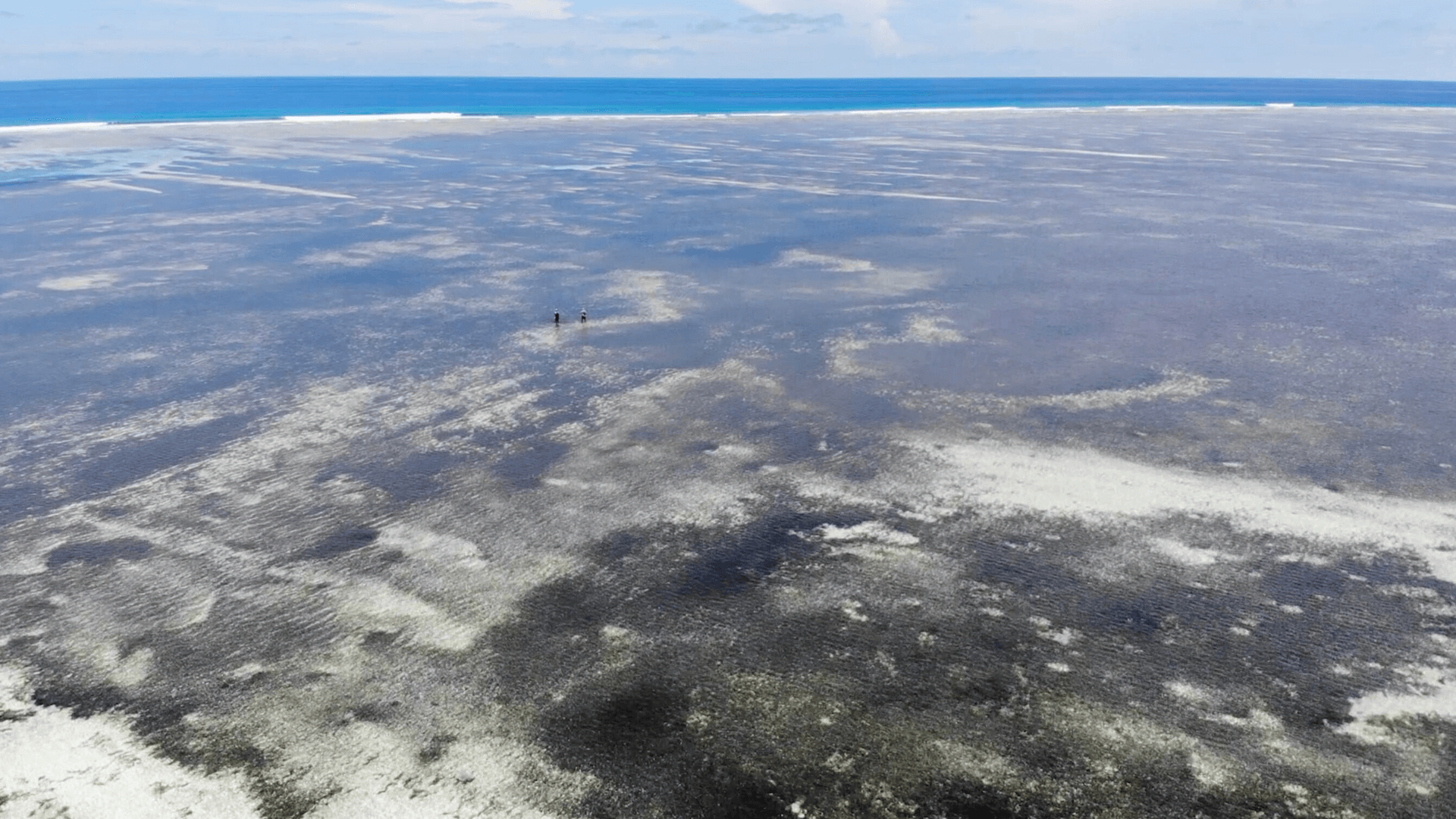
Fishing in seagrass occurs around the globe; if there is seagrass (and people) there is fishing. Still, the nature and extent of fisheries in seagrass is poorly understood. It is a prerequisite for natural resource management to understand resource exploitation, therefore we decided to investigate this further. Seagrasses are plants that grow in the shallow ocean. The seagrass attracts many different types of animals, to live, forage, or seek shelter. These animals are collected by humans for subsistence (food), commercial and recreational purposes. Across the globe the reasons for fishing differs, it is more common to fish for recreational purposes in countries where the economic situation is better, while in countries with more challenged economies fishing for subsistence is very important. Interestingly, because seagrasses grow in nearshore environments, almost all types of fishing gears are used. Close to shore in many areas of the world the seagrass gets exposed during spring low tides making it possible to walk in the seagrass meadows. Many people take advantage of the low tide and walk across the seagrass meadows collecting invertebrates, such as mussels and sea cucumbers, often with bare hand or simple fishing gear like sticks. This type of fishery is commonly referred to as gleaning or invertebrate harvesting and is conducted by men, women and children. Gleaning is especially common and important for people with limited resources. Static nets are also used in the intertidal zone, the area where the tides raise and fall, catching fish when the tides come in. It is very common to use hook and line and fishing nets in seagrass. Unfortunately, very destructive fishing gears such as bottom trawls, poison, dynamite, and rakes are also occasionally used. Women and children walk across seagrass meadows at low tide in indonesia collecting resources that they can eat (Photo: Benjamin Jones) On a global scale, anything found in the seagrass that can be eaten, sold, used as bait or sold as a curio is targeted. Globally, the most commonly targeted invertebrates in seagrass appear to be crabs and bivalves (mussels). The most commonly exploited finfish from seagrass are mullet, herring, and snapper. The target species varies greatly across the globe, for example in areas with high biodiversity (many types of species), the number of target species is often higher than in areas with low biodiversity. This pattern often corresponds with colder water fewer species, warmer water more species. Species groups that are least commonly targeted are sea cucumbers, small fish for drying, aquarium trade species, seahorses, and sharks. People access the seagrass fishing grounds by walking, swimming, snorkelling, free diving, use of canoes, scuba diving, use of sailboats and motorboats. Crabs and bivalves appear to be the most commonly targeted invertebrates across the globe (Photo: Benjamin Jones) Seagrass meadows receive limited management attention compared to other nearshore marine habitats. Fisheries management does not yet target seagrass. But seagrass fisheries are diverse and important to people the world over. We, authors, hope that these findings, now systematically and scientifically investigated, will highlight the importance of seagrass for fisheries around the globe. Source: ‘Global significance of seagrass fishery activity’ by Lina Mtwana Nordlund, Richard K.F. Unsworth, Martin Gullström, Leanne C. Cullen-Unsworth. Published in Fish & Fisheries 2017. Arial footage of a nearshore environment with patchy seagrass, in the upper left corner there is a fishing boat and along the right edge there is a long fishing net deployed (blue in color), Tanzania. Drone pilot and photo LM Nordlund.

Read More »