

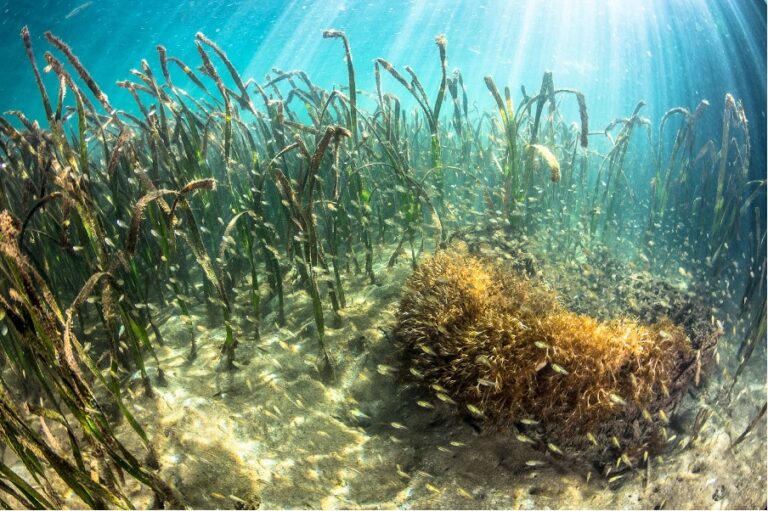
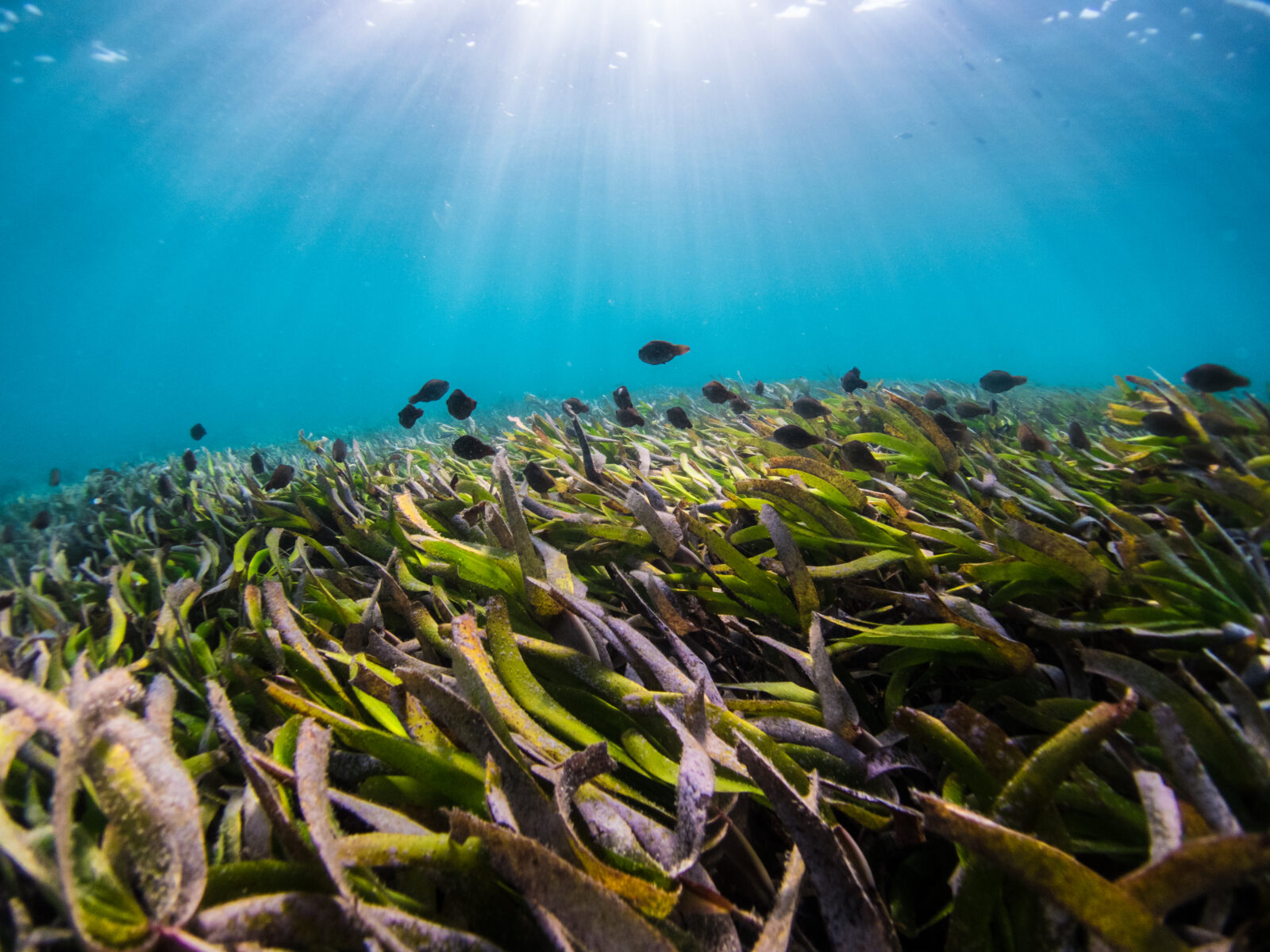
The World Seagrass Association Inc. invites expressions of interest from members and interested organisations/institutions who would like to host the 16th International Seagrass Biology Workshop (ISBW) in 2026. The International Seagrass Biology Workshop series is a meeting of research scientists, students and coastal environment managers focusing on global seagrass issues,
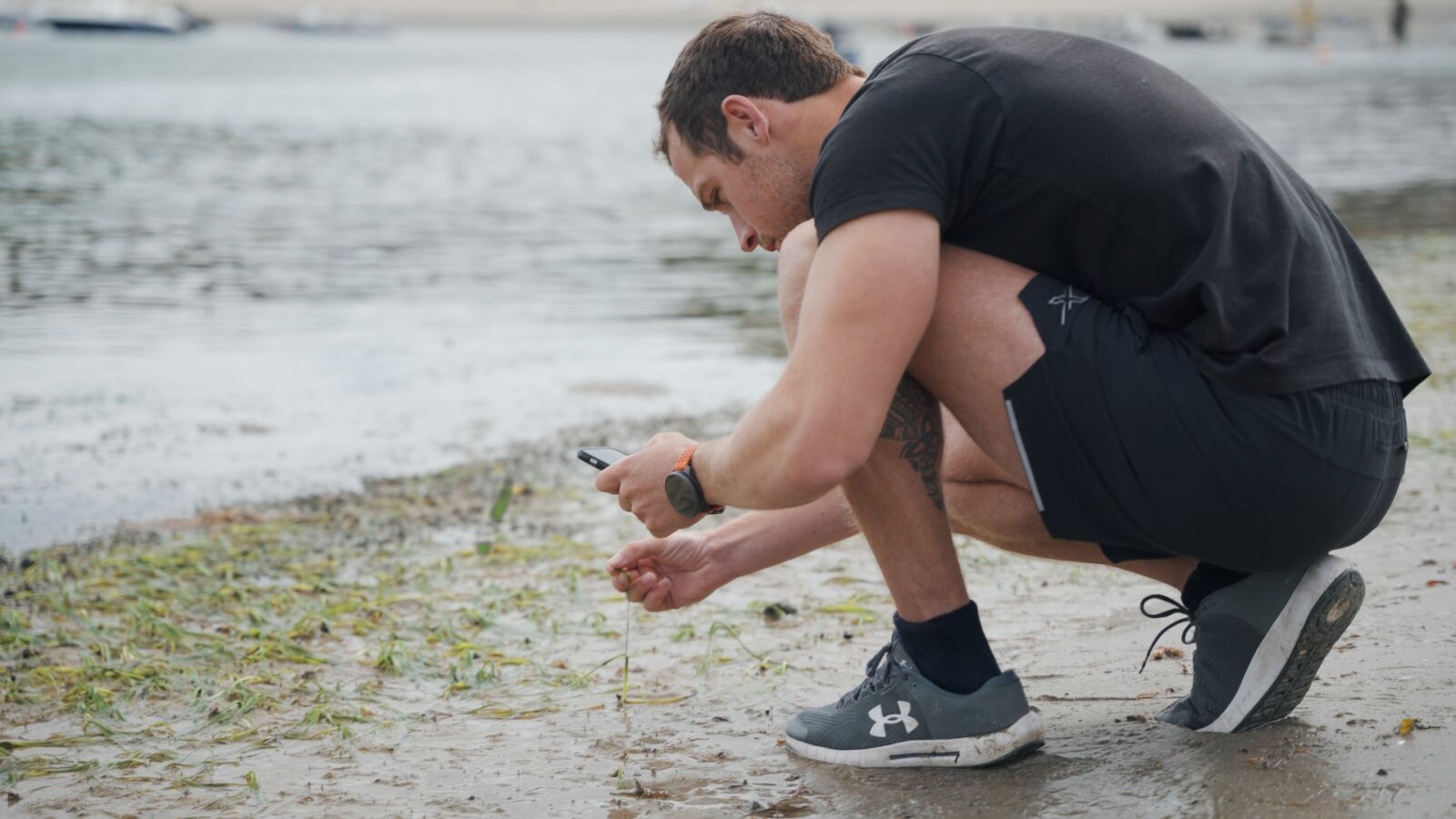
Internationally renowned charity Project Seagrass is marking it’s tenth anniversary by re-launching its citizen science website and mobile app SeagrassSpotter which enables anyone and everyone to engage with the seagrass meadows on their doorstep or anywhere else in the world, whether it’s there now or it once was. SeagrassSpotter was
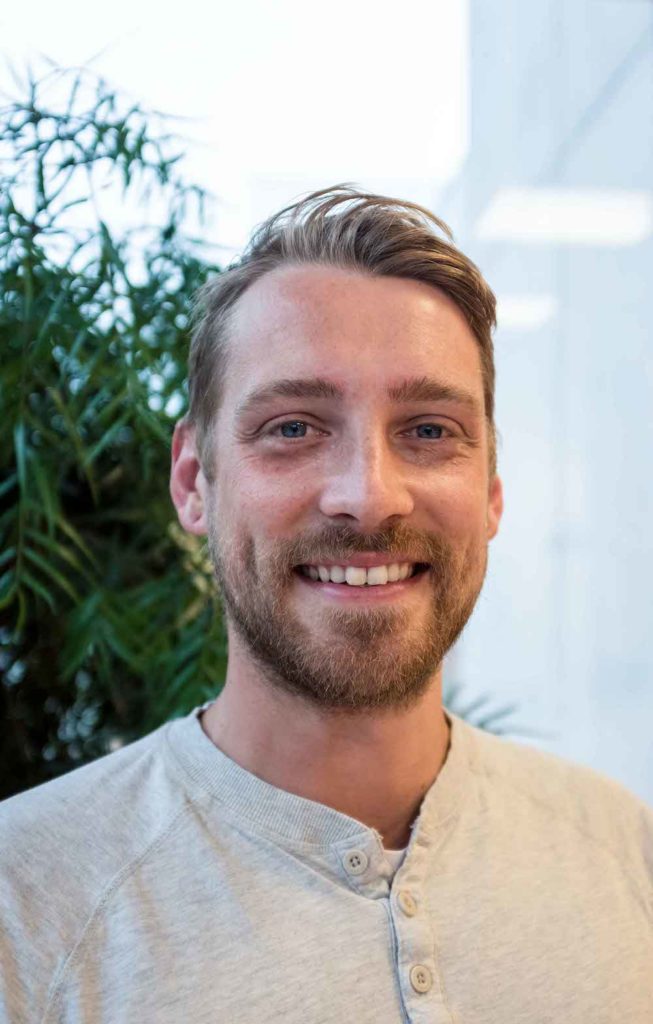
Dr Benjamin Jones, Chief Conservation Officer at Project Seagrass has started his two-year term as President of the World Seagrass Association (WSA). He steps up to the role having been elected at the WSA Annual General Meeting (AGM) in December 2022. Prior to this he’s served on the WSA Steering
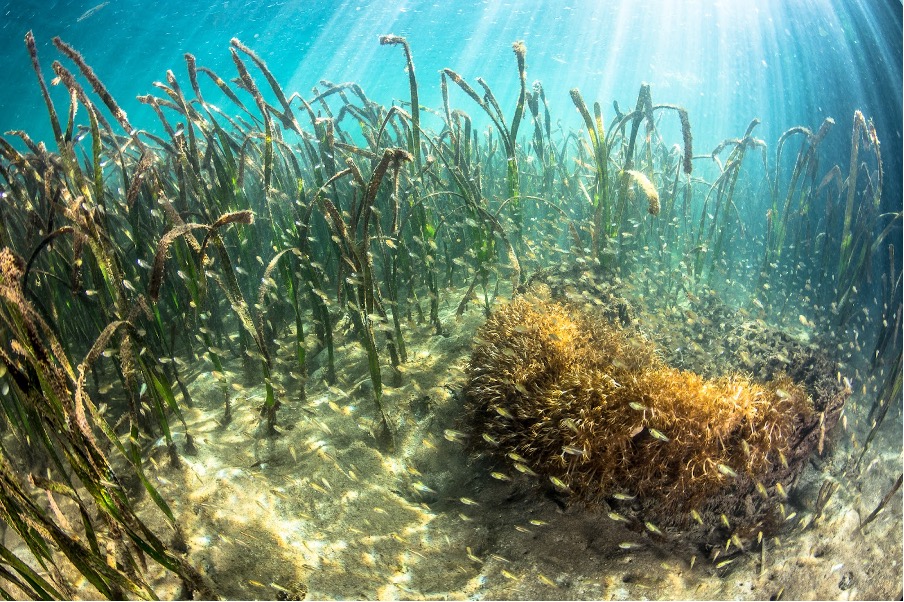
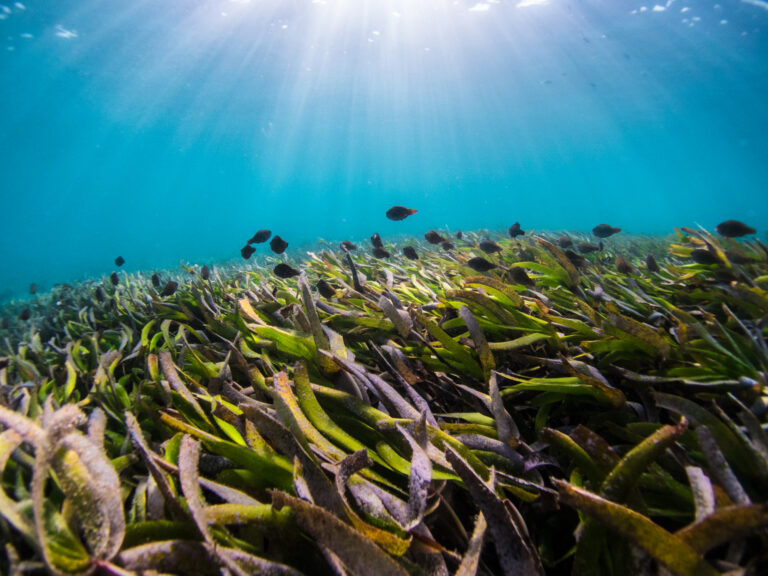
“The downward trajectory of the world’s seagrass meadows must be reversed if we are to fight the planetary crisis” say leading seagrass scientists. The United Nations Sustainable Development Goals have recently been described as “the most important to-do list in the history of humankind”. Scientists from Project Seagrass and Swansea
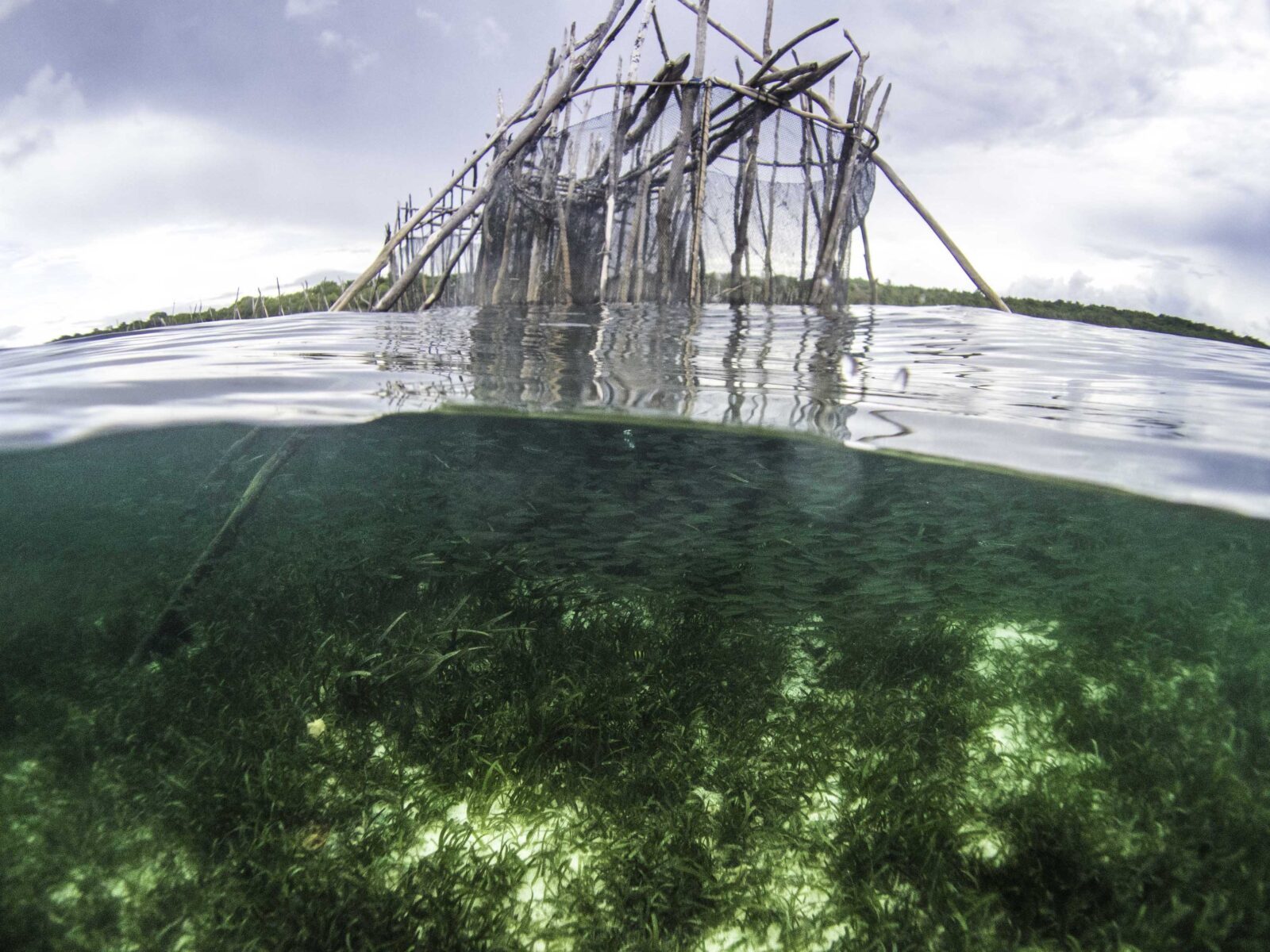
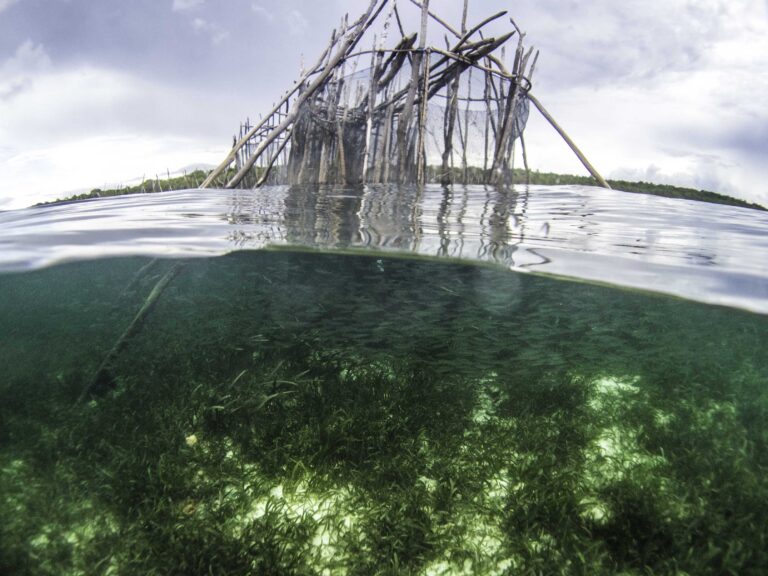
A new study shows that seagrass fisheries provide a reliable safety-net for poor fishermen, since they perceive those habitats to maintain large fish catches over time. Surprisingly, even more so than coral reef fisheries, which people normally associate with small-scale fishery. Seagrass meadows are routinely used as a fishing habitat
The World Seagrass Association Inc. invites expressions of interest from members and interested organisations/institutions who would like to host the 15th International Seagrass Biology Workshop (ISBW) in 2024.The International Seagrass Biology Workshop series is a meeting of research scientists, students and coastal environment managers focusing on global seagrass issues, improving