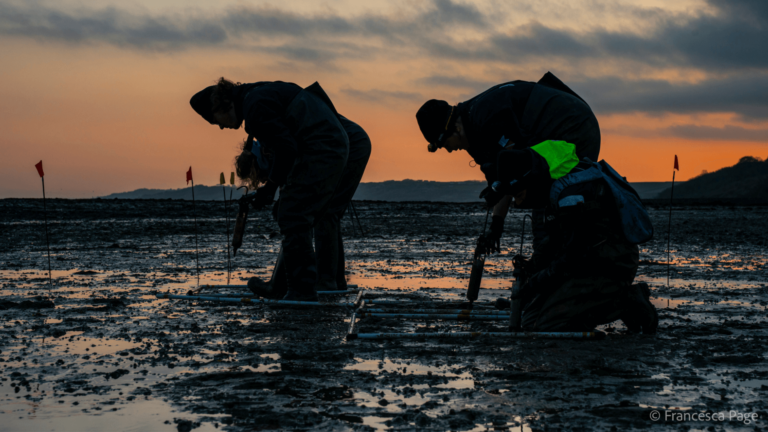

Cynhaliwyd Symposiwm Morwellt 2025 y DU yng Nghaerdydd yr wythnos ddiwethaf, gan ddod â gwyddonwyr, gweithwyr cadwraeth proffesiynol, ymarferwyr, a grwpiau cymunedol ynghyd o bob rhan o’r DU. Wedi’i gynnal gan Brosiect Morwellt, y digwyddiad oedd y cyntaf yng nghyfres Symposiwm Morwellt y DU (UKSS) i dderbyn cymeradwyaeth fel Gweithgaredd
The UK Seagrass Symposium 2025 took place in Cardiff last week, bringing together scientists, conservation professionals, practitioners, and community groups from across the UK. Hosted by Project Seagrass, the event was the first in the UK Seagrass Symposium (UKSS) series to receive endorsement as an official Ocean Decade Activity as

Earlier this year, the Scottish Government circulated a draft version of Scotland’s first Blue Carbon Action Plan with key stakeholders to gather comments and feedback. Project Seagrass was one of the organisations contacted as part of this process. The Blue Carbon Action Plan sets out the Scottish Government’s position and
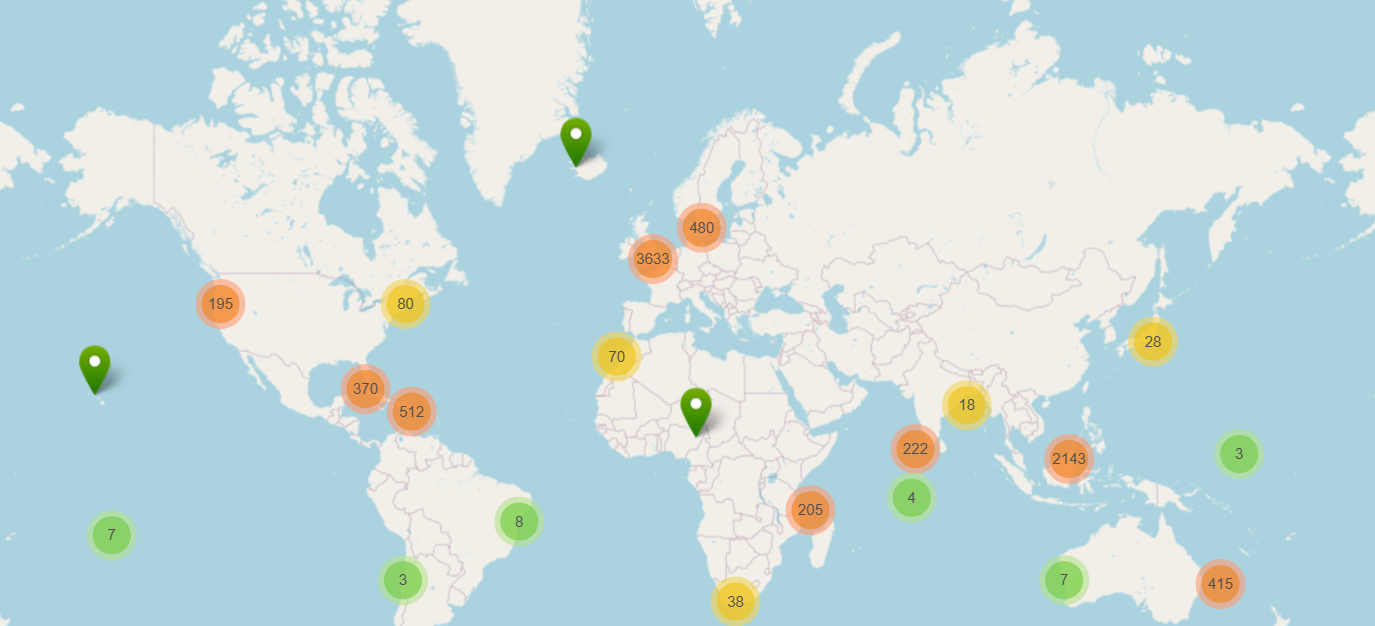
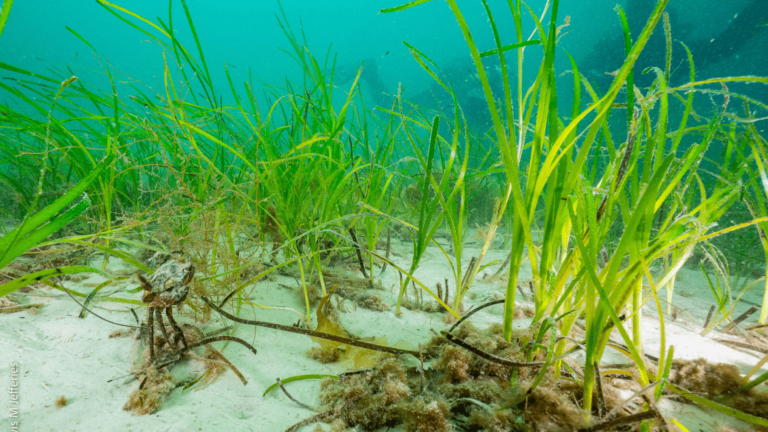
Our oceans and coasts are home to ecosystems that provide immense benefits to people, from food and livelihoods to carbon storage and coastal protection. In particular, seagrass meadows are archetypal social-ecological systems (SES), linking human well-being to ecosystem health. But to manage these systems effectively, we need access to both ecological
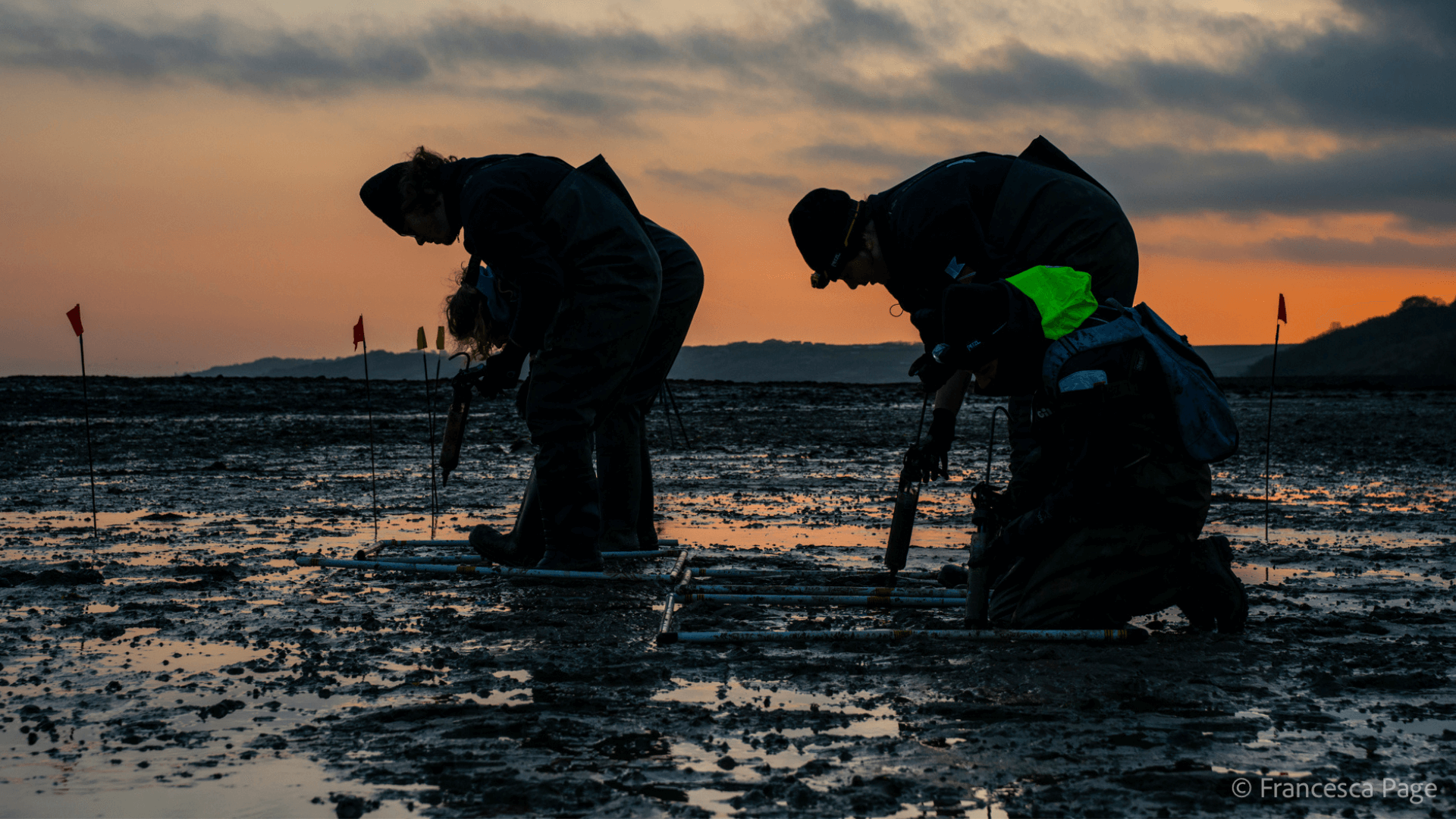
Dr Richard Unsworth, Chief Scientific Officer at Project Seagrass, along with 35 other leading scientists from across the UK, responds to proposals from the UK government to make licensing for marine restoration more complex and costly. Dear Rt Hon Steve Reed OBE MP and team, This letter sets out our
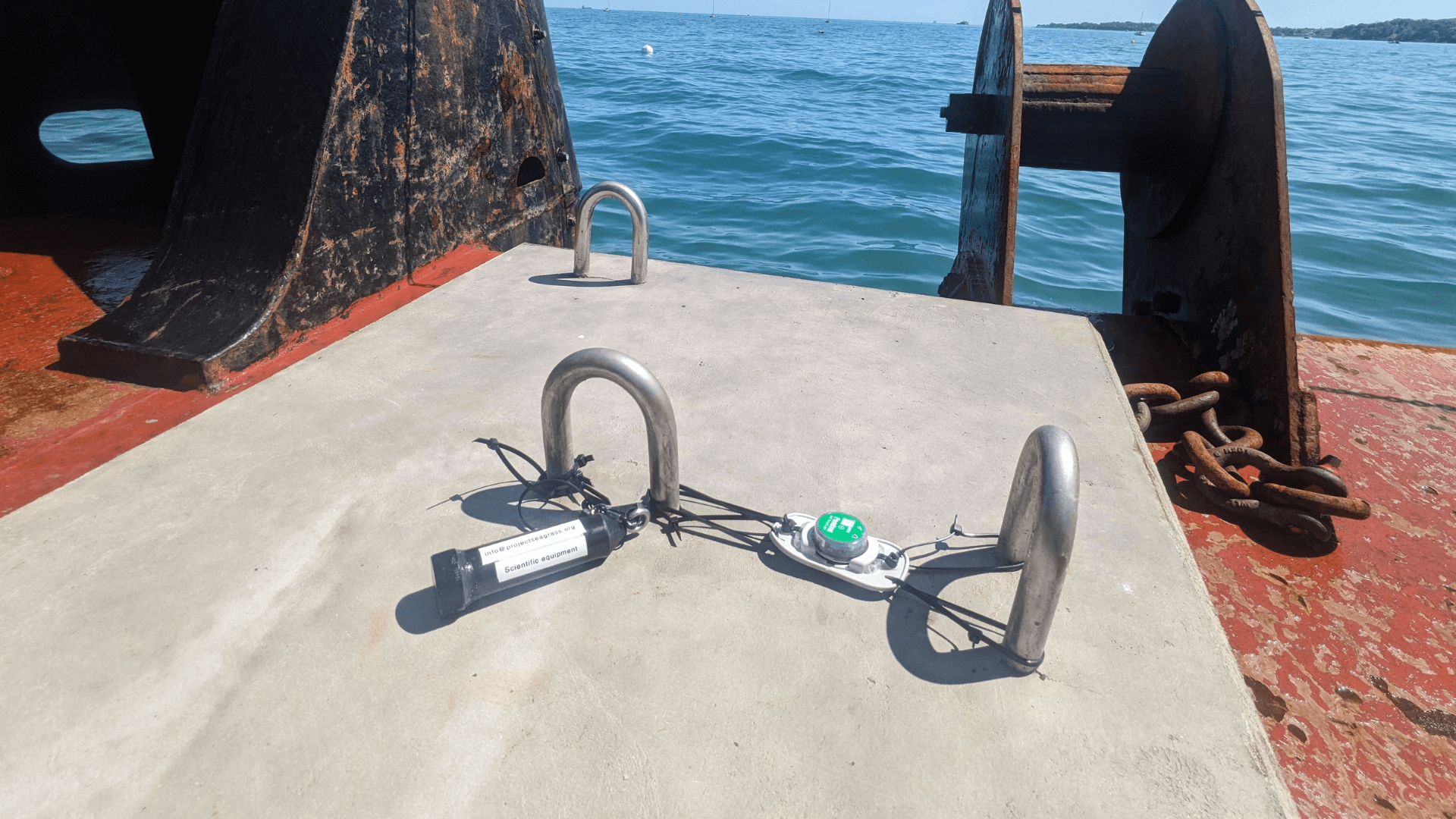
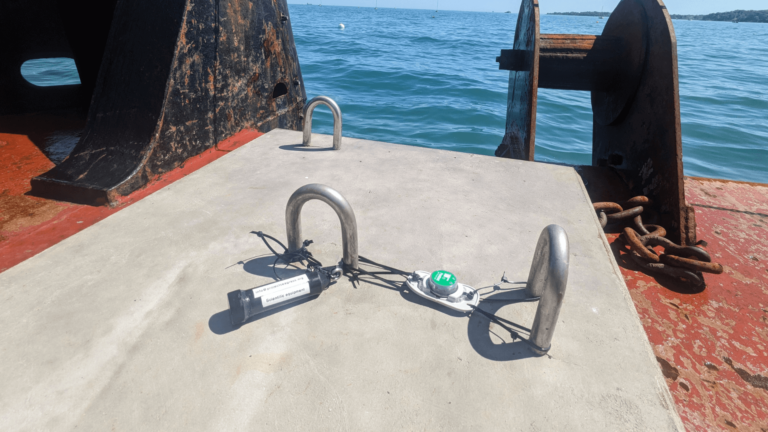
An innovative cross-sector partnership between Project Seagrass, Blue Parameters, and WarrenBoats has enabled the installation of two Advanced Sustainable Mooring Systems (ASMS) at Seaview on the Isle of Wight, relieving pressure on the Island’s important seagrass habitats. Seagrass meadows play a critical role in keeping our oceans healthy and are