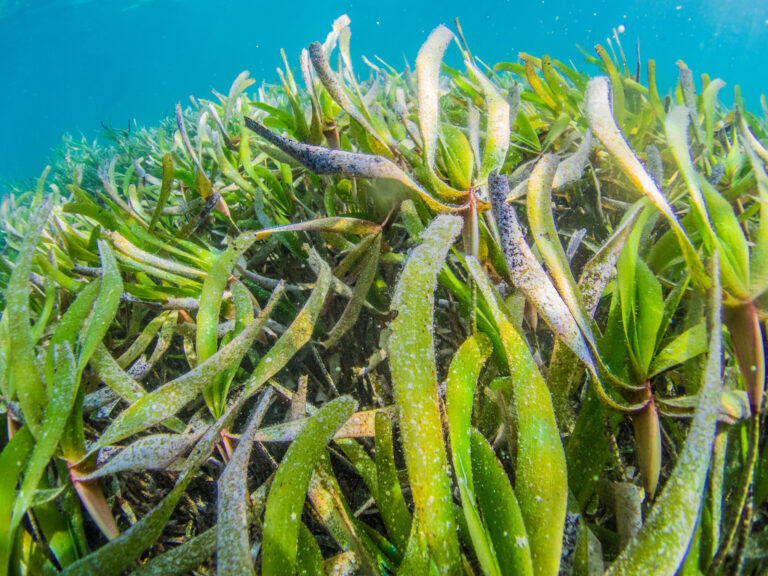
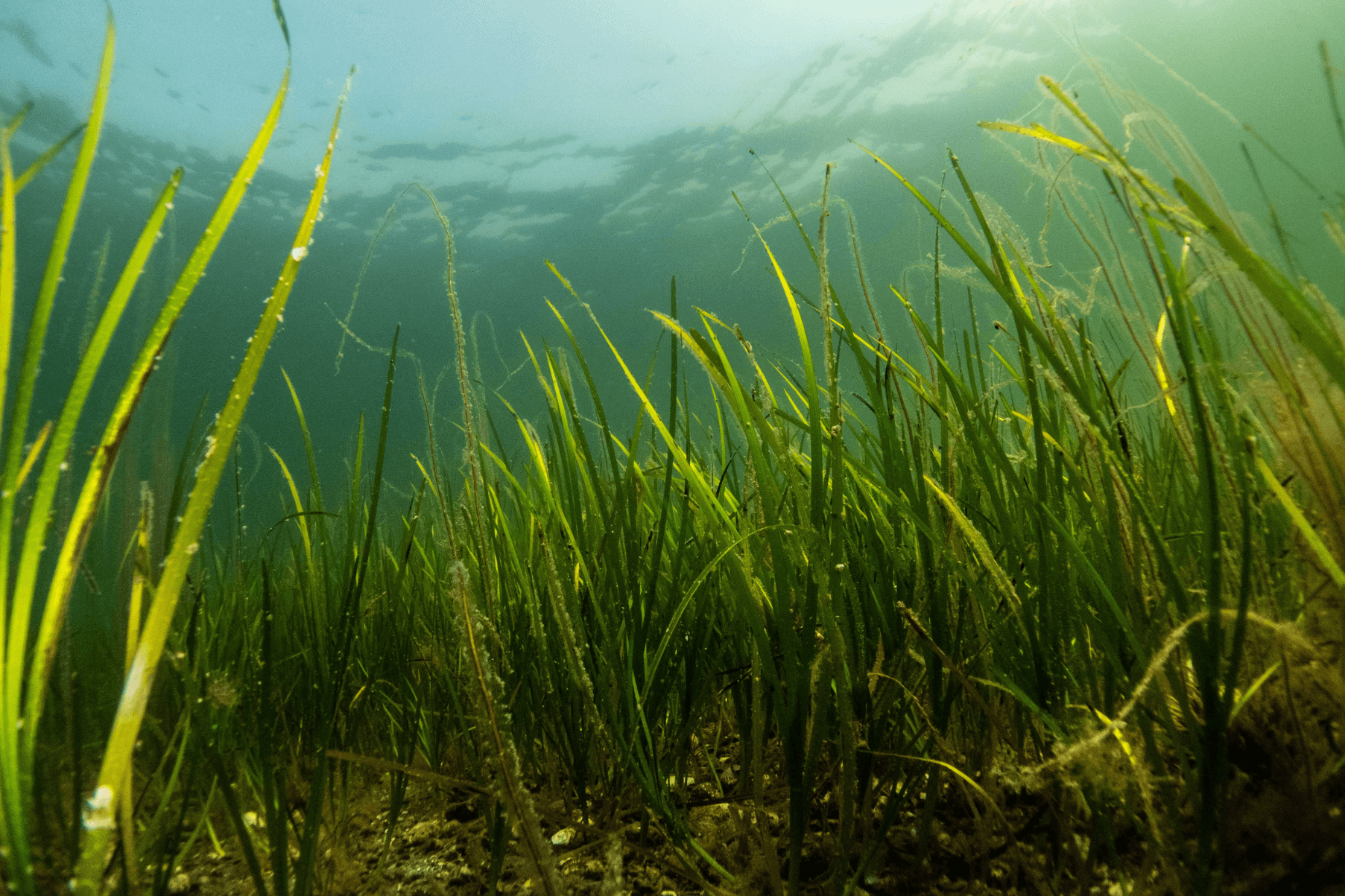
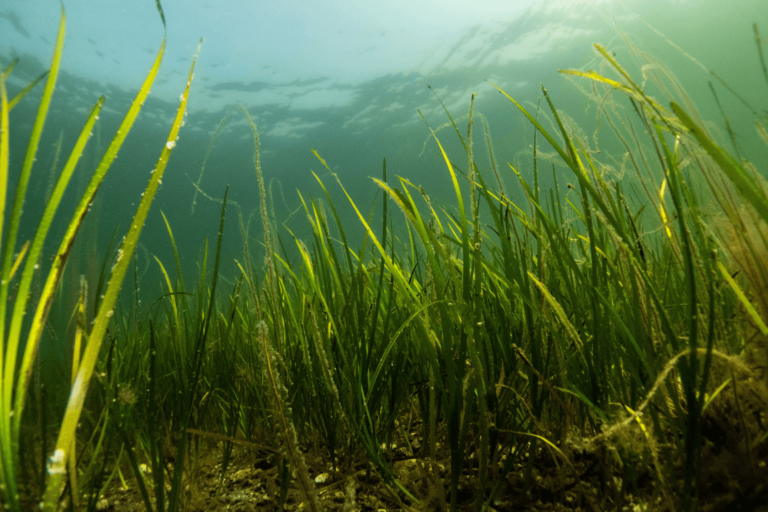
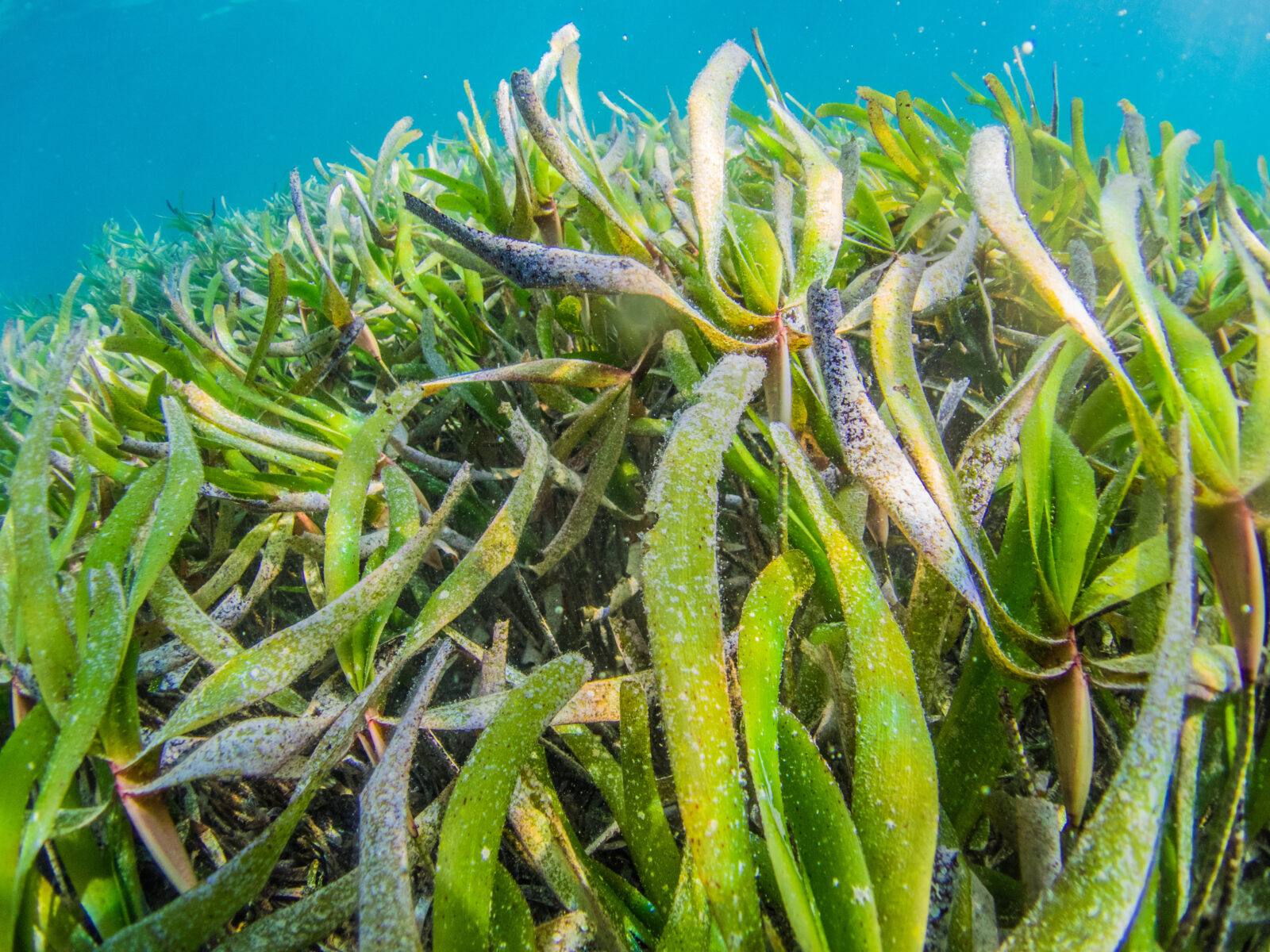
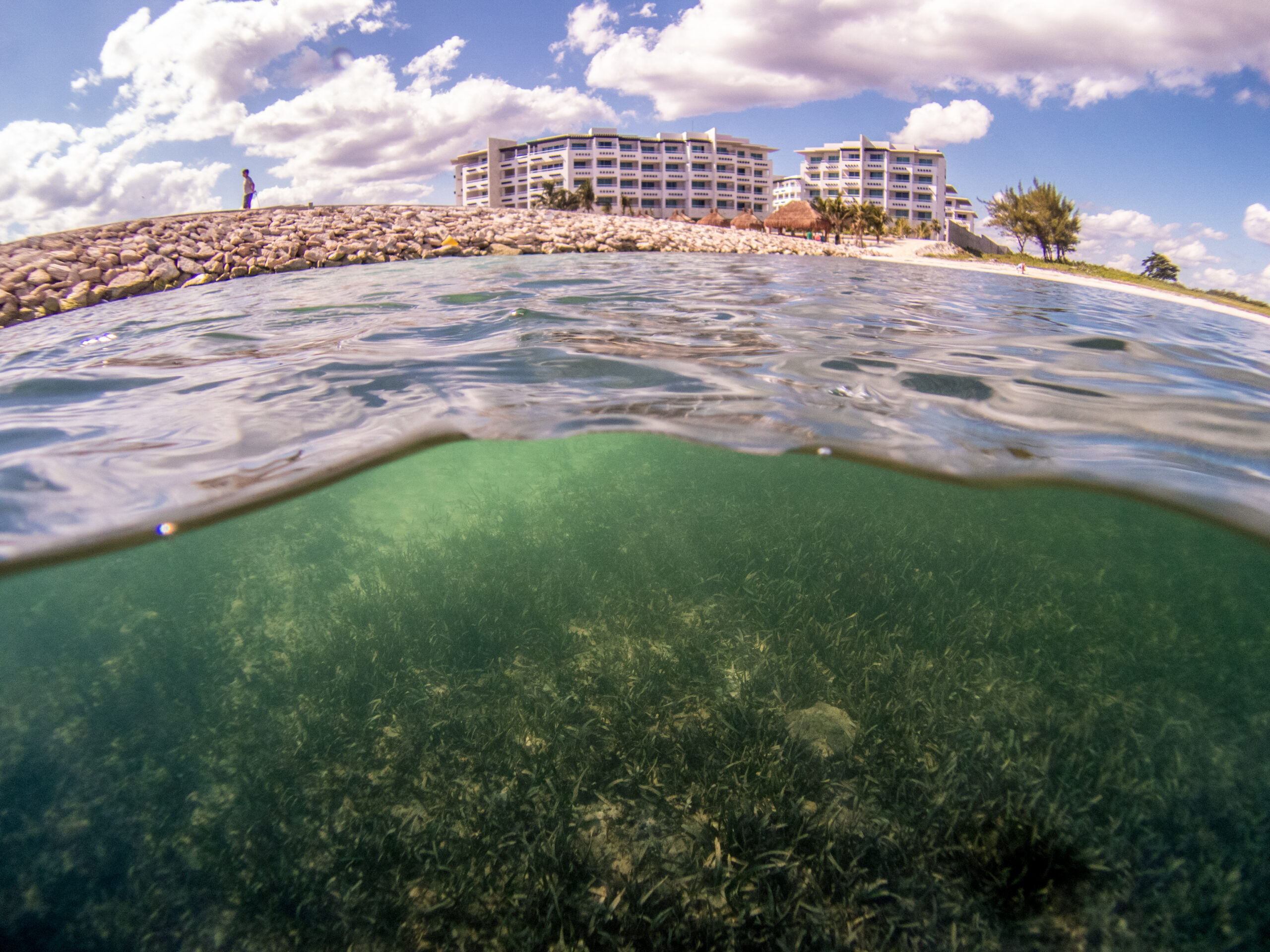
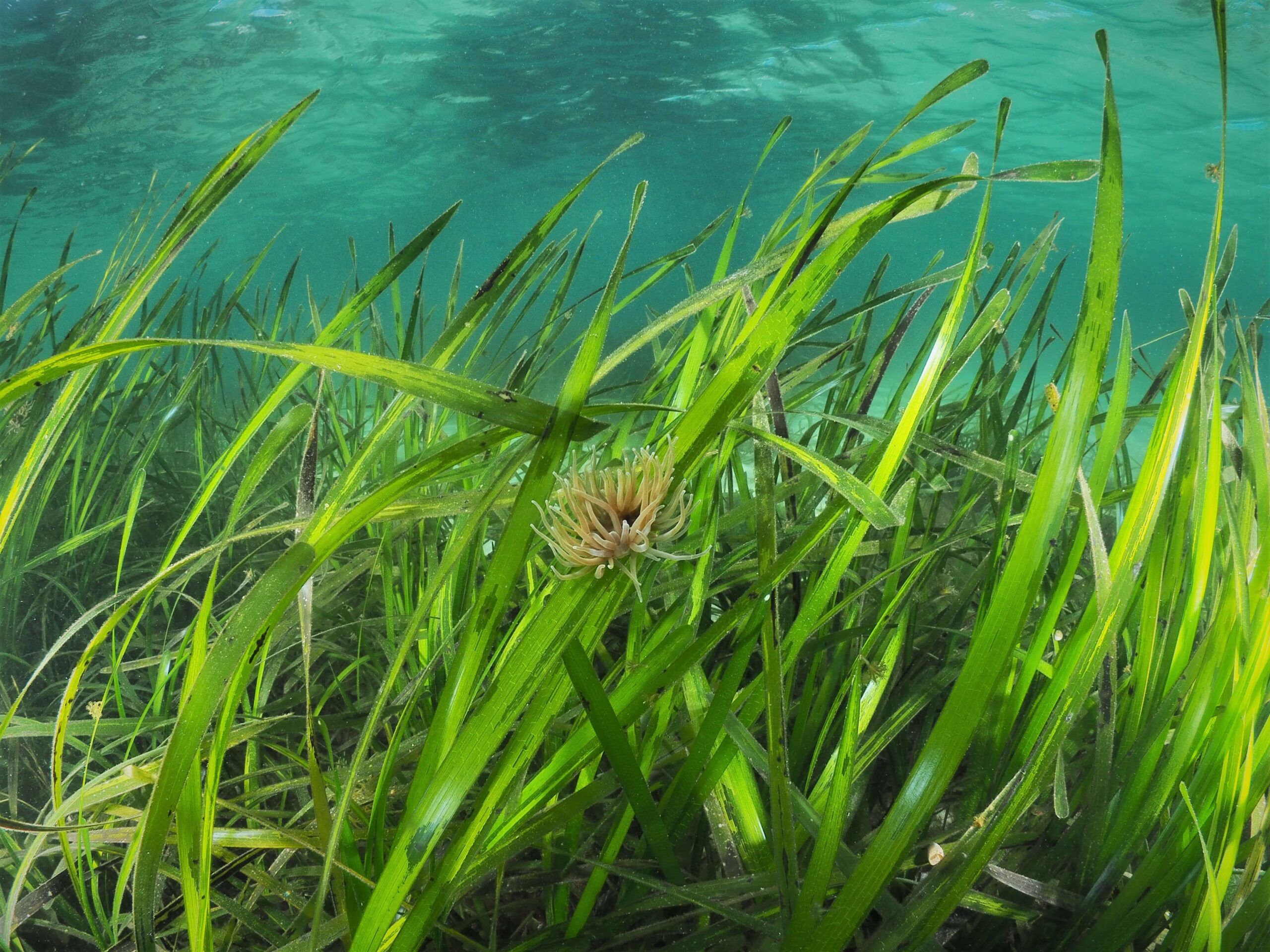
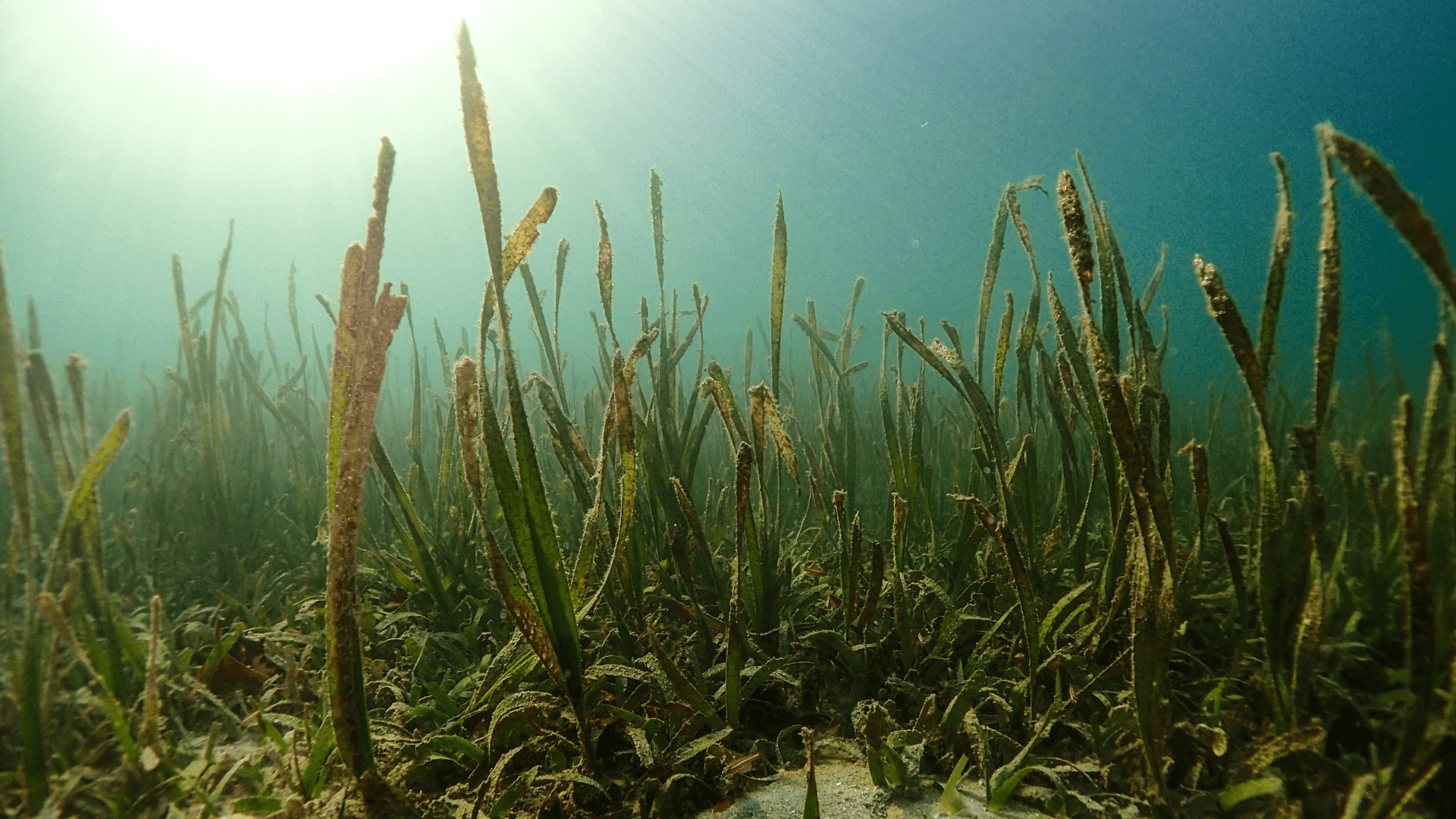
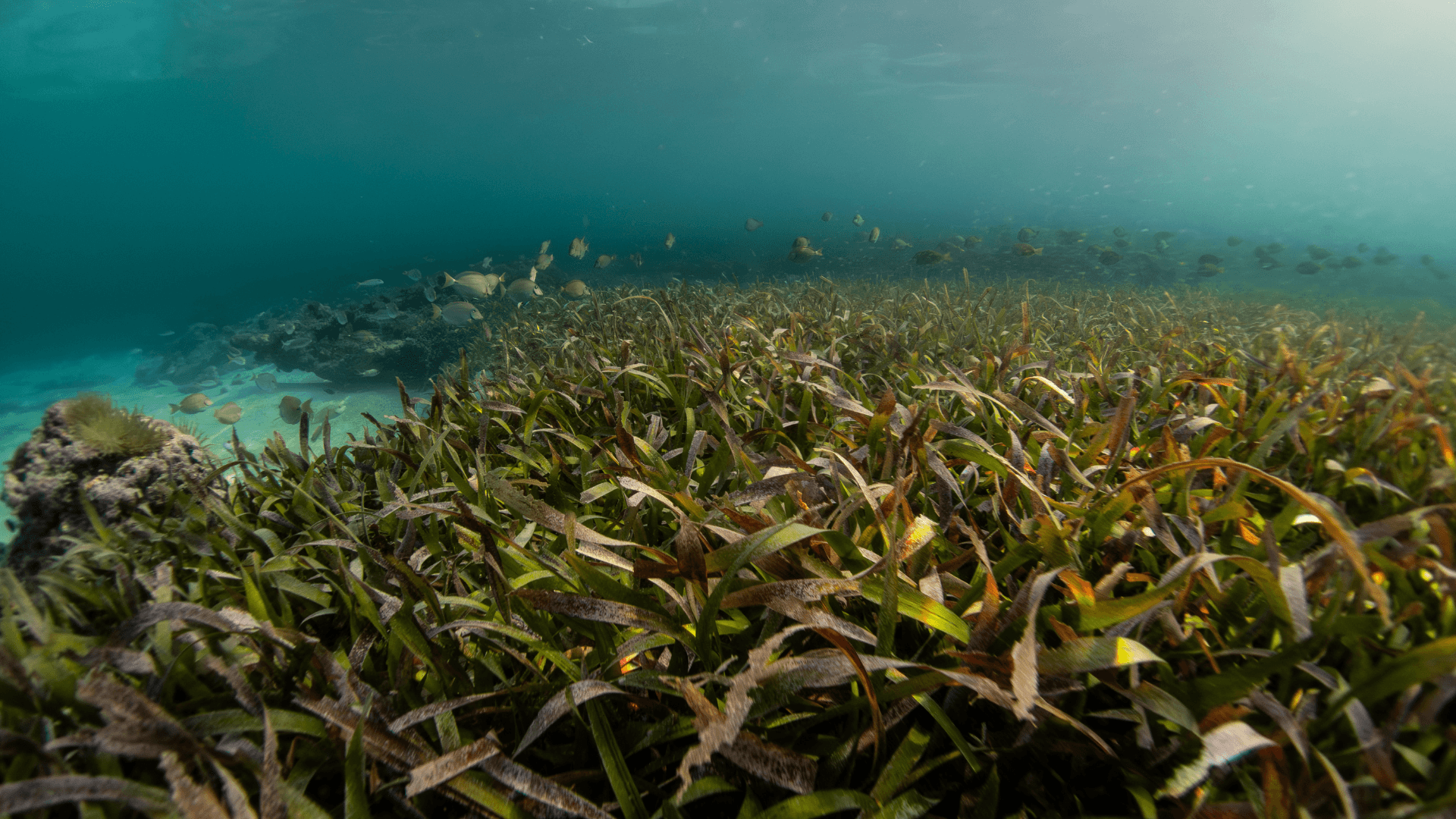
Seagrasses are flowering plants that grow in shallow coastal waters, where their bright green leaves form underwater meadows.
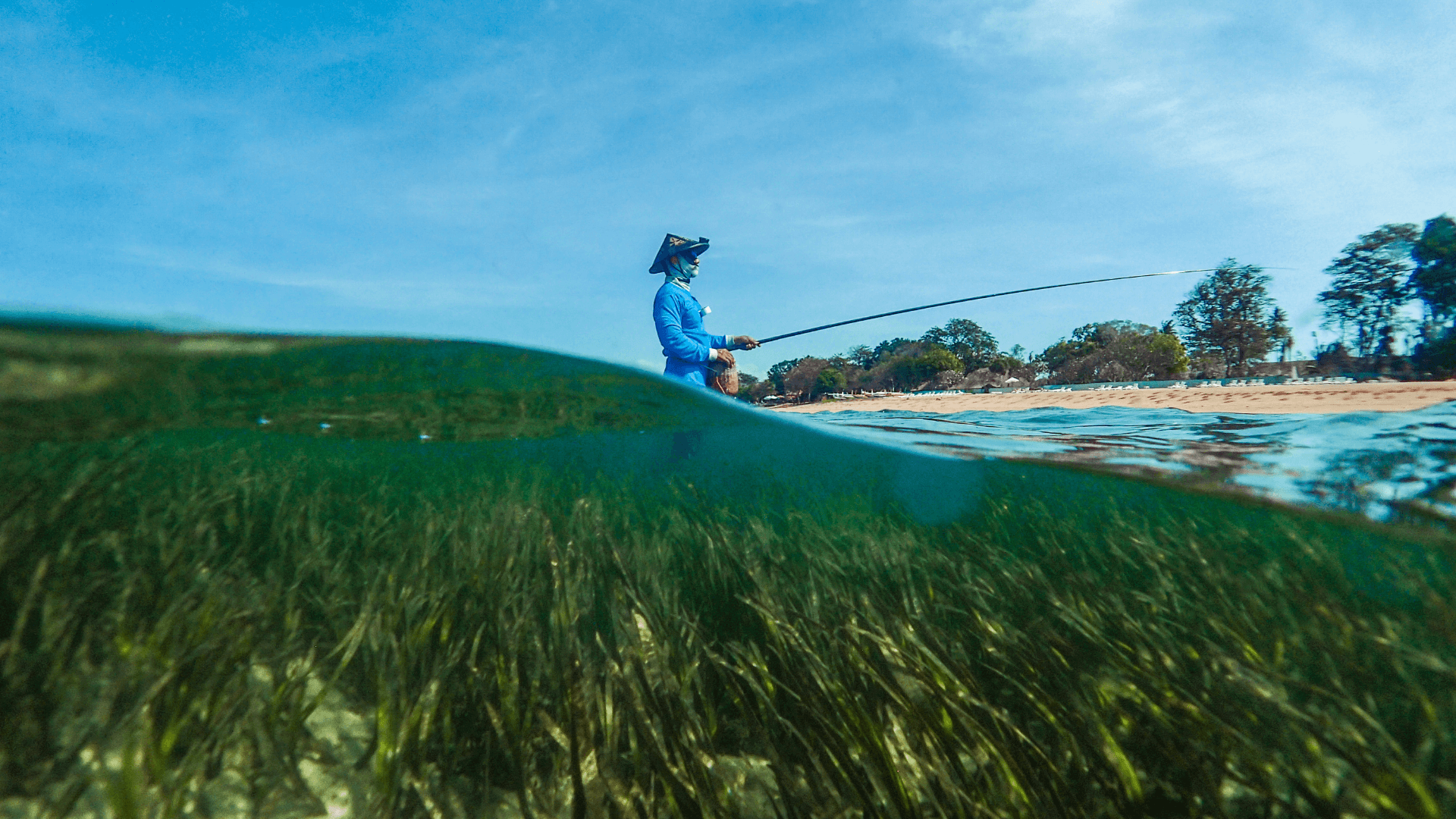
These meadows are not seaweed. They are living ecosystems that shelter marine life, support fisheries, store carbon, stabilise coastlines, improve water quality, and help keep our seas healthy.
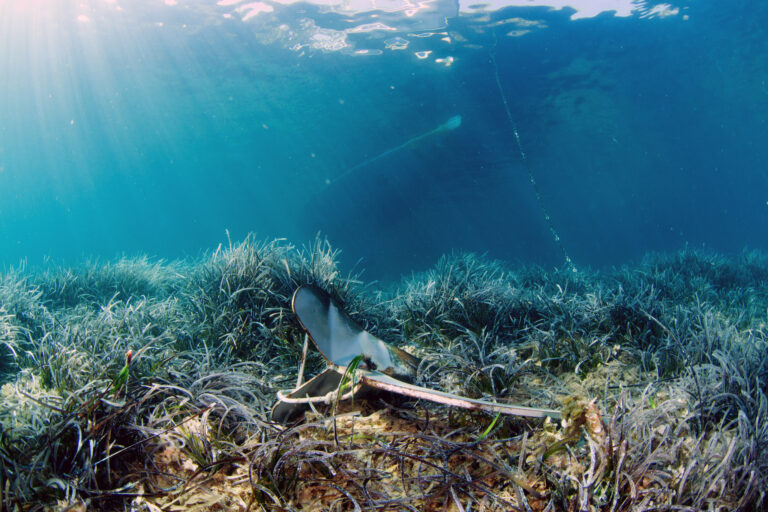
But seagrass meadows are under threat around the world. Protecting and restoring them is one of the clearest ways we can support both people and planet.
Seagrasses are flowering plants that grow in shallow coastal waters, where their bright green leaves form underwater meadows.
These meadows are not seaweed. They are living ecosystems that shelter marine life, support fisheries, store carbon, stabilise coastlines, improve water quality, and help keep our seas healthy.
But seagrass meadows are under threat around the world. Protecting and restoring them is one of the clearest ways we can support both people and planet.
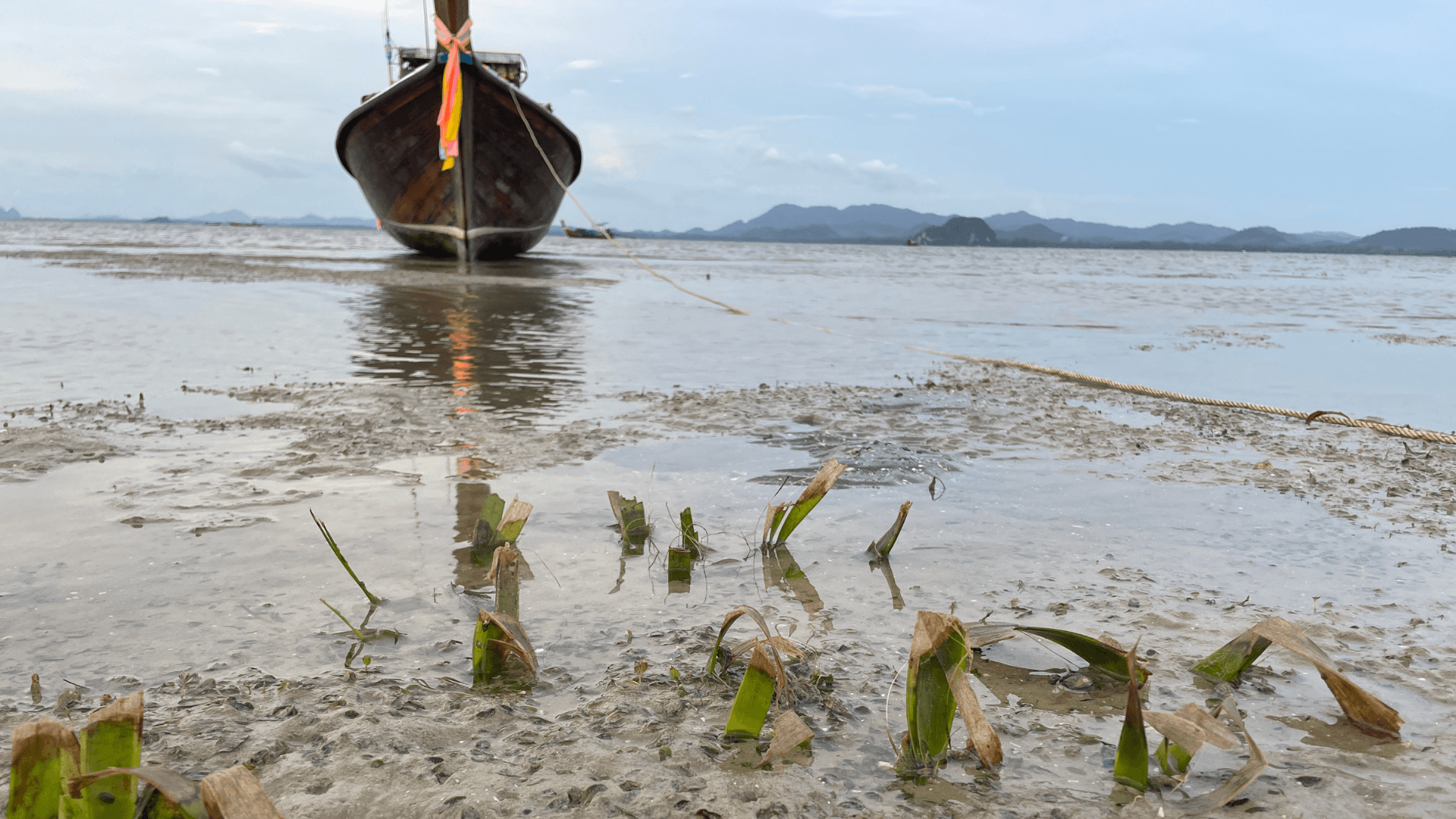
Seagrass is disappearing in plain sight.
Many meadows are changing by around 1–2% each year. Small losses, repeated year after year, become major declines.
We need to protect what remains, restore what has been lost, and act before more meadows disappear.
Seagrass is disappearing in plain sight.
Many meadows are changing by around 1–2% each year. Small losses, repeated year after year, become major declines.
We need to protect what remains, restore what has been lost, and act before more meadows disappear.
Saving seagrass means safeguarding our seas.
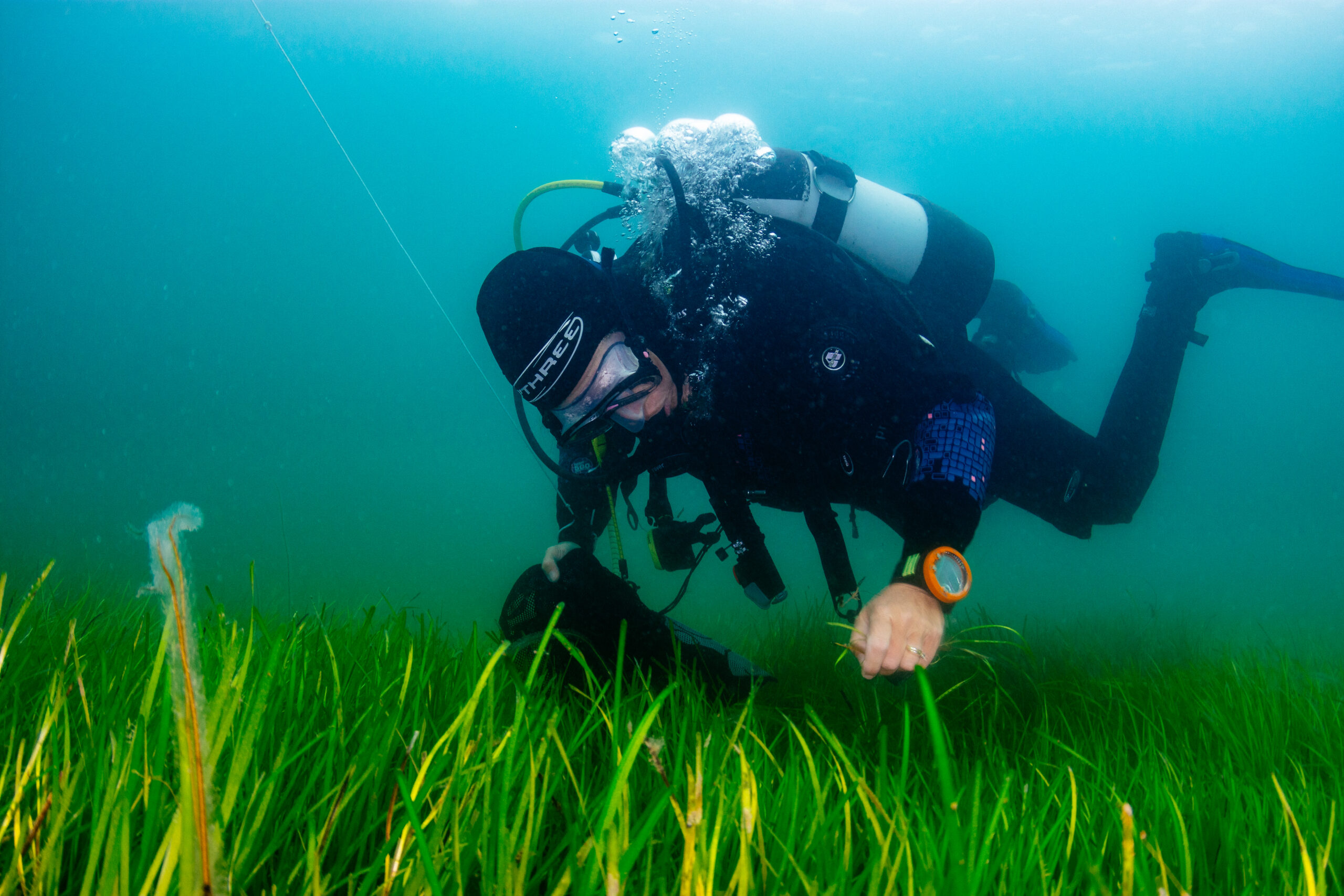
We need to protect and restore seagrass while supporting the sustainable human activities that take place in, around, and because of these ecosystems. That work is urgent. It must be driven by a connected global community that shares knowledge, expertise and resources, while recognising the value of local ecological knowledge that has too often been overlooked.
By combining science, community leadership and practical action, we can support change from local shores to international policy.
Saving seagrass means safeguarding our seas.
We need to protect and restore seagrass while supporting the sustainable human activities that take place in, around, and because of these ecosystems. That work is urgent. It must be driven by a connected global community that shares knowledge, expertise and resources, while recognising the value of local ecological knowledge that has too often been overlooked.
By combining science, community leadership and practical action, we can support change from local shores to international policy.
Project Seagrass is the world’s leading seagrass conservation organisation, working to secure a future for seagrass meadows and the people who depend on them.
Through community, research and action, we are helping build a world where seagrass meadows are thriving, abundant, well managed, and valued for the benefits they provide to people, nature and the planet.
Project Seagrass is the world’s leading seagrass conservation organisation, working to secure a future for seagrass meadows and the people who depend on them.
Through community, research and action, we are helping build a world where seagrass meadows are thriving, abundant, well managed, and valued for the benefits they provide to people, nature and the planet.
Since 2013, Project Seagrass has been working to protect one of the most overlooked ecosystems on Earth.
Seagrass meadows sustain marine life, support coastal communities, store carbon and protect our shores, yet they are being lost around the world.
We are changing that by bringing together community, research and action to secure a future where seagrass meadows are thriving, valued and protected.
Since 2013, Project Seagrass has been working to protect one of the most overlooked ecosystems on Earth.
Seagrass meadows sustain marine life, support coastal communities, store carbon and protect our shores, yet they are being lost around the world.
We are changing that by bringing together community, research and action to secure a future where seagrass meadows are thriving, valued and protected.