NEWS

NEWS

Keeping you up to date with Project Seagrass news and views with a mixture of field notes and commentary on seagrass and marine conservation topics.

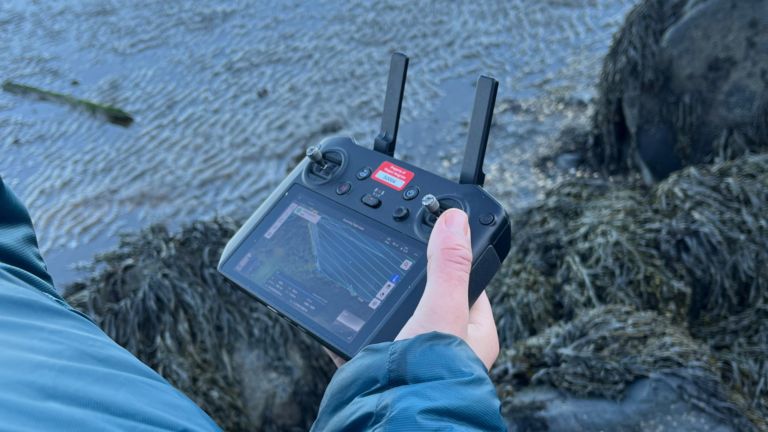
Drone controller being used next to kelp bed

Accelerate Seagrass Drone Survey

Accelerate Seagrass is a collaborative program being delivered by Climate Impact Partners, Deloitte, Project Seagrass, and the National Oceanography Centre which aims to support groundbreaking research into seagrass carbon sequestration and unlock long-term finance to save and reinstate vital seagrass meadows.   Part of this programme of work includes mapping to record the presence and extent of

Read More »
Seagrass Fish Fence

The Use of Seagrass in Flood Defences and Reducing Beach Erosion

Ewan Garvey, one of Project Seagrass’ Interns for the 2025-26 academic year, explores how seagrass can provide protection for coastal communities. As the seasons transition from autumn into winter, storms often become a pressing concern for coastal communities. In recent years, the growing impacts of climate change have become increasingly

Read More »
Seagrass in Thorness

End of year reflections from our 2025-26 interns

In September 2025, Project Segrass welcomed Anya, Dylan, Will, Grace, Iestyn, Jasper, and Ewan as our interns for the 2025-26 academic year. In this Q&A our interns share their experiences and highlights from their first three months as interns with Project Seagrass. What have been the highlights from your internship

Read More »
Sea snail

Sea snails – Creatures that call seagrass home

In a new blog series, our Conservation Trainee Abi David explores some of the amazing creatures that call seagrass meadows their home. Sea snails are a hugely diverse group of marine gastropod found in all over the world. There is such a vast range of different colours, sizes, diets and

Read More »
A member of the Project Seagrass team holds a seagrass transplant in a gloved hand.

Introducing the Seagrass Hug

In 2024, the Project Seagrass team introduced the Seagrass Hug to our planting methodology. The method was developed by Anouska Mendzil, Senior Science Officer at Project Seagrass and Swansea University, and aims to determine whether surrounding seeding plots with more established transplants provides protection for emerging seeds in restoration practices.

Read More »
UK Seagrass Symposium Logo

UN endorsed Seagrass Symposium hosted in Welsh capital

The UK Seagrass Symposium 2025 took place in Cardiff last week, bringing together scientists, conservation professionals, practitioners, and community groups from across the UK. Hosted by Project Seagrass, the event was the first in the UK Seagrass Symposium (UKSS) series to receive endorsement as an official Ocean Decade Activity as

Read More »
Citizen science

You asked, we listened. Our latest updates to SeagrassSpotter

Things have been busy at Project Seagrass with lots of development on SeagrassSpotter. Since our last major update, we have been working to enhance the ways that SeagrassSpotter works for its users. We’re excited to share that our latest update includes many of the features you have been asking for,

Read More »
Citizen science

Seagrass app inspires a rise in citizen science across the globe

Internationally renowned charity Project Seagrass is marking it’s tenth anniversary by re-launching its citizen science website and mobile app SeagrassSpotter which enables anyone and everyone to engage with the seagrass meadows on their doorstep or anywhere else in the world, whether it’s there now or it once was. SeagrassSpotter was

Read More »
updates

Project Seagrass celebrates its 10th birthday 🎉

Reflecting on 10 years of Project Seagrass   Project Seagrass was created on the 29th July 2013 with the vision of saving the worlds seagrass. As we approach our 10th birthday, we’re looking back on the last 10 years with our founder Ben Jones and CEO Leanne Cullen-Unsworth.   Where

Read More »
Europe

How eelgrass spread around the world

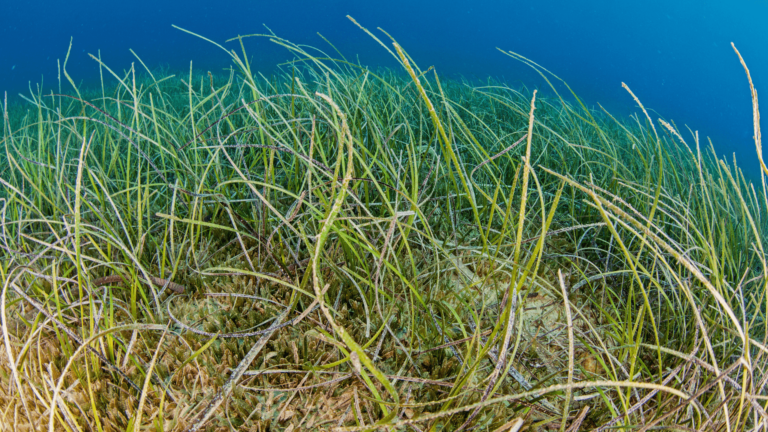
Seagrasses evolved from freshwater plants and use sunlight and carbon dioxide (CO2) for photosynthesis and are able to thrive in depths down to 50 meters. In contrast to algae, they possess roots and rhizomes that grow in sandy to muddy sediments. The grass-like, leaf-shoots produce flowers and complete their life

Read More »