NEWS

NEWS

Keeping you up to date with Project Seagrass news and views with a mixture of field notes and commentary on seagrass and marine conservation topics.

Starting the Seagrass and Dugong fightback

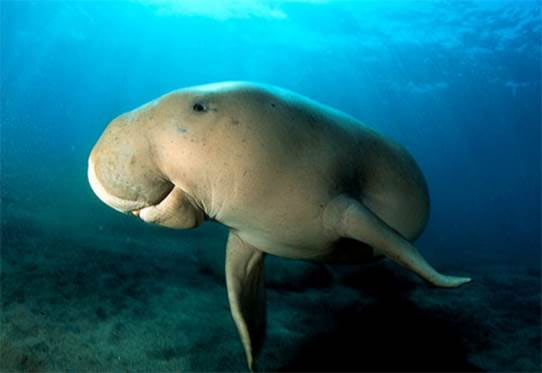
  The Dugong (Dugong dugon) is IUCN Red listed as Vulnerable, in many of the 46 range states that contain Dugong its status is a lot worse. Historic hunting, loss of its seagrass habitat and the impacts of by-catch have been the primary causes of its decline. Back in 2007 the
Read More »

Registration for the 12th International Seagrass Biology Workshop is Now Open!

The International Seagrass Biology Workshop (ISBW) is the only international meeting specifically tailored to seagrass scientists, professionals and students. Abstract submissions are now open as are proposals for workshops. All payment is via PayPal using credit/debit cards. There is one registration fee. It covers access to all parts of the conference program, including the

Read More »

Learning to protect seagrass in the heart of the Coral triangle.

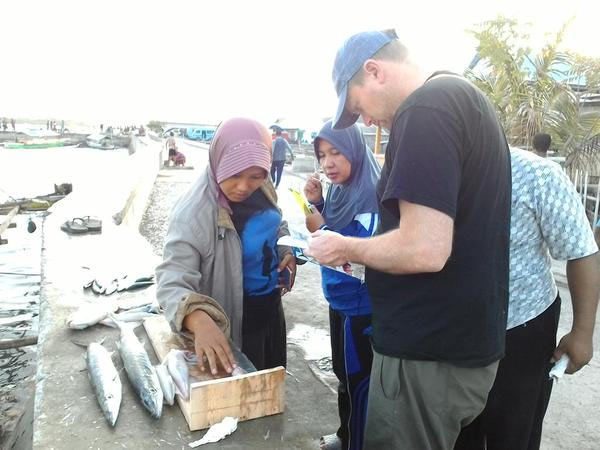
  Indonesia is at the heart of the Coral Triangle, an area characterised by having the World’s highest marine biodiversity. With over 17000 islands, 51,00km2 of coral reef and at least 30000 km2 of seagrass its marine life is extensive and spectacular. But with a growing population, rapidly expanding GDP,

Read More »

Puttalam Lagoon – Paradise Lost?

At the end of August I spent 10 days conducting fieldwork in Pattalam Lagoon, which is situated in the north west of Sri Lanka. The purpose of my visit to Puttalam Lagoon was to set up socio-economic and fish landings surveys with a research collaborator, who will now complete the

Read More »
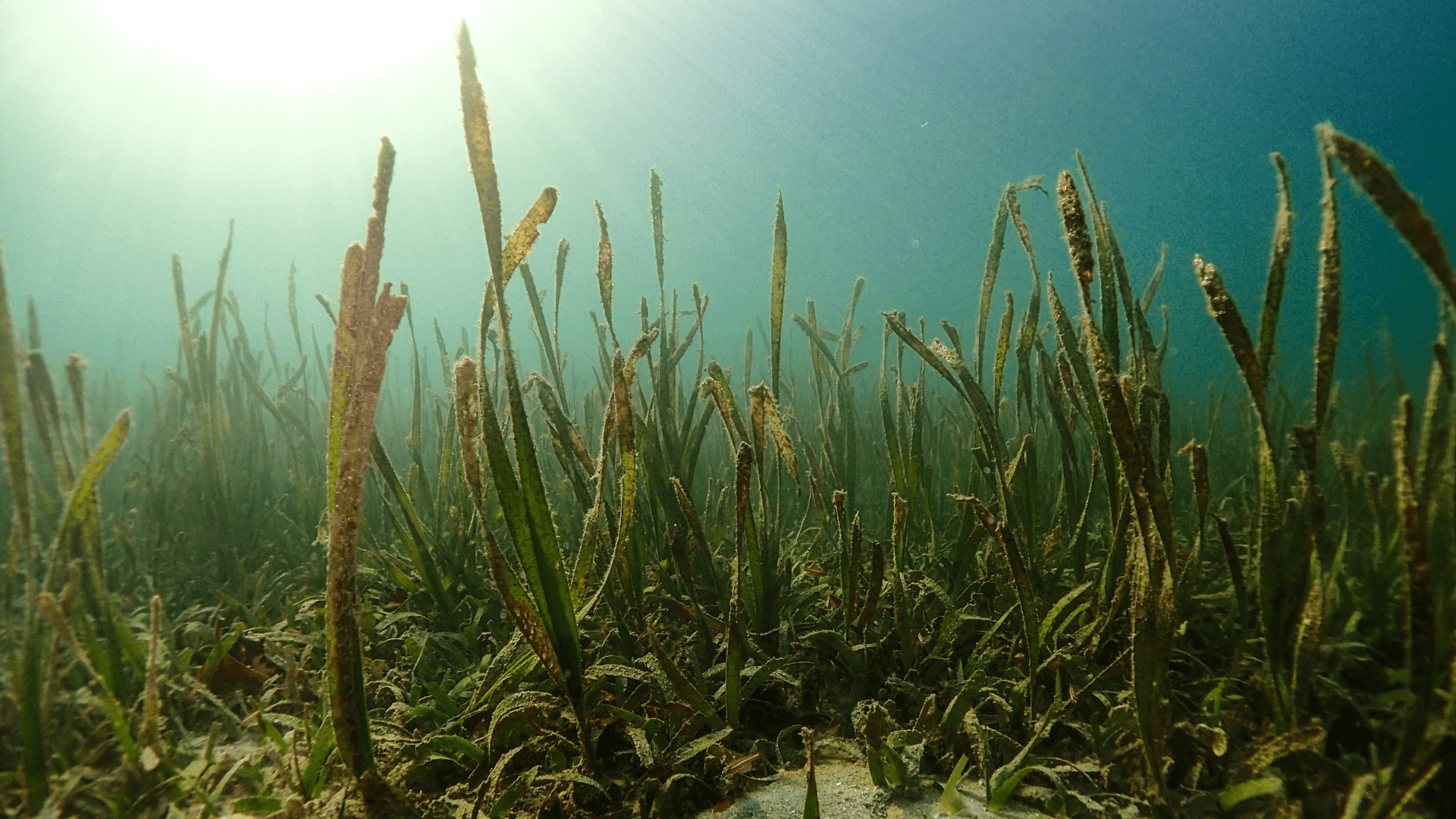
Blades of Enhalus acoroides stand upright in the water.
new science

Mapping Indonesian seagrass quality to target blue carbon conservation

Not all of Indonesia’s seagrass meadows are faring alike. A study has revealed substantial spatial differences in the condition of 21 seagrass meadows across central and eastern Indonesia, providing a clearer picture of where ecosystems are thriving (hotspots), under stress (coldspots) or undergoing ecological change (outliers). But why does this

Read More »
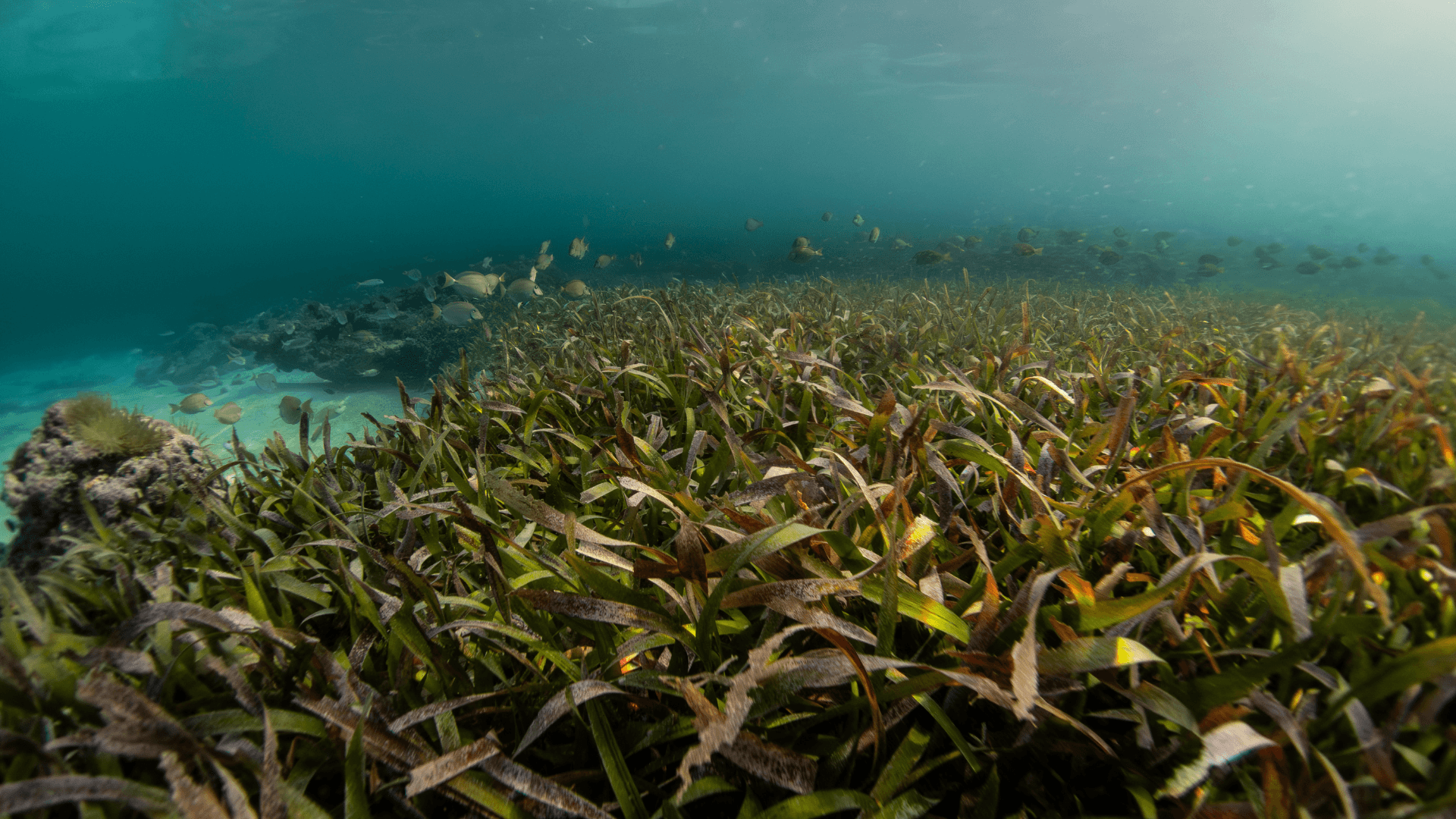
Fish swim through a seagrass meadow.
Project Seagrass updates

Project Seagrass recognised as an Independent Research Organisation

Project Seagrass has been granted Independent Research Organisation status. This is an important milestone for Project Seagrass, but more importantly, it is a milestone for seagrass science. Since 2013, Project Seagrass has worked tirelessly to build a different kind of conservation organisation. One that is rooted in science, grounded in

Read More »
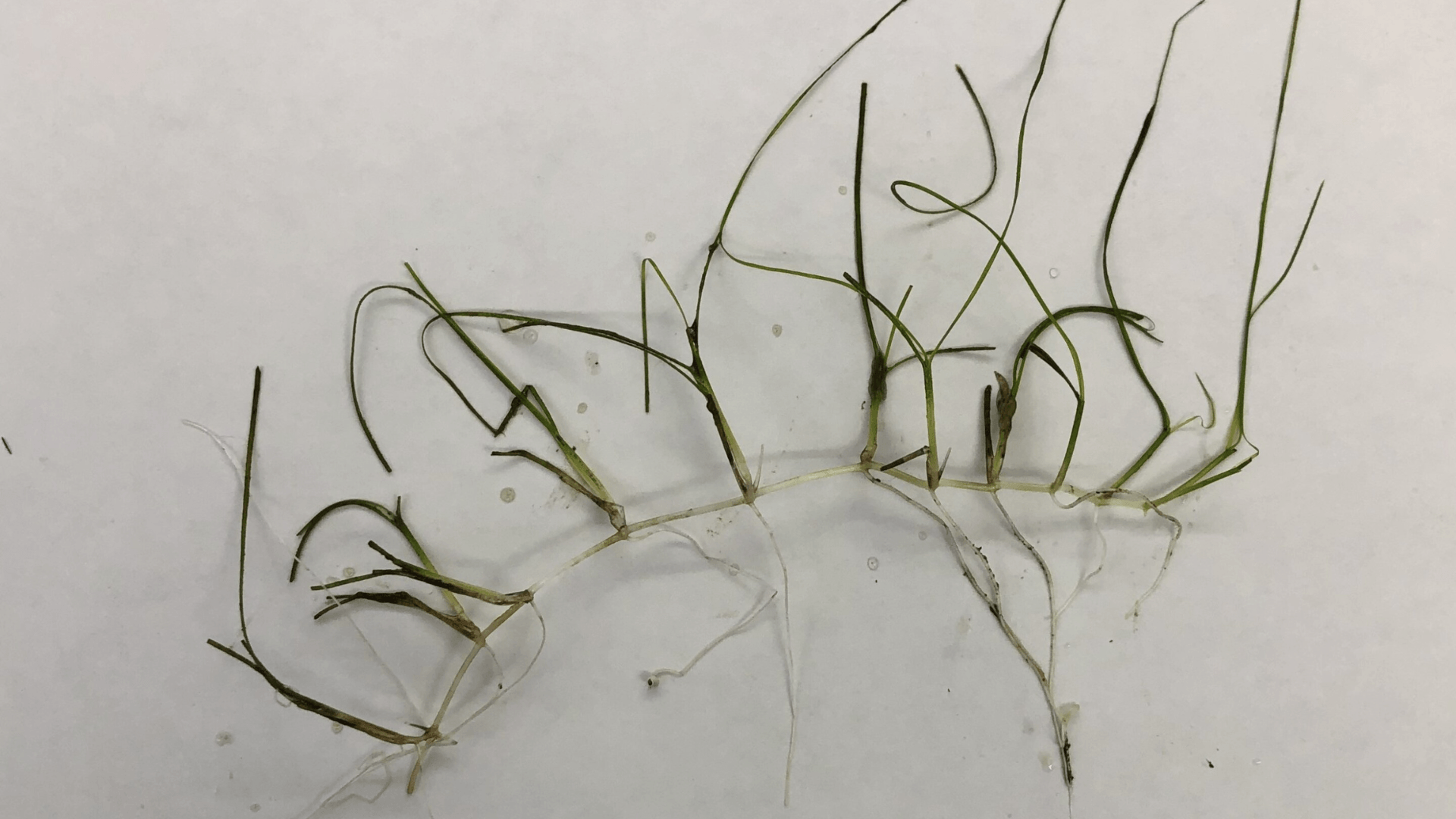
Ruppia maritima
new science

A resilient native seagrass species could help reshape coastal restoration

Seagrasses are among the most important foundation species in coastal ecosystems, providing habitat for marine life, stabilising sediments, and helping improve water quality. Yet nearly 20% of the world’s historic seagrass cover has been lost, and efforts to restore these vital underwater meadows often face significant challenges. In Florida’s Indian

Read More »
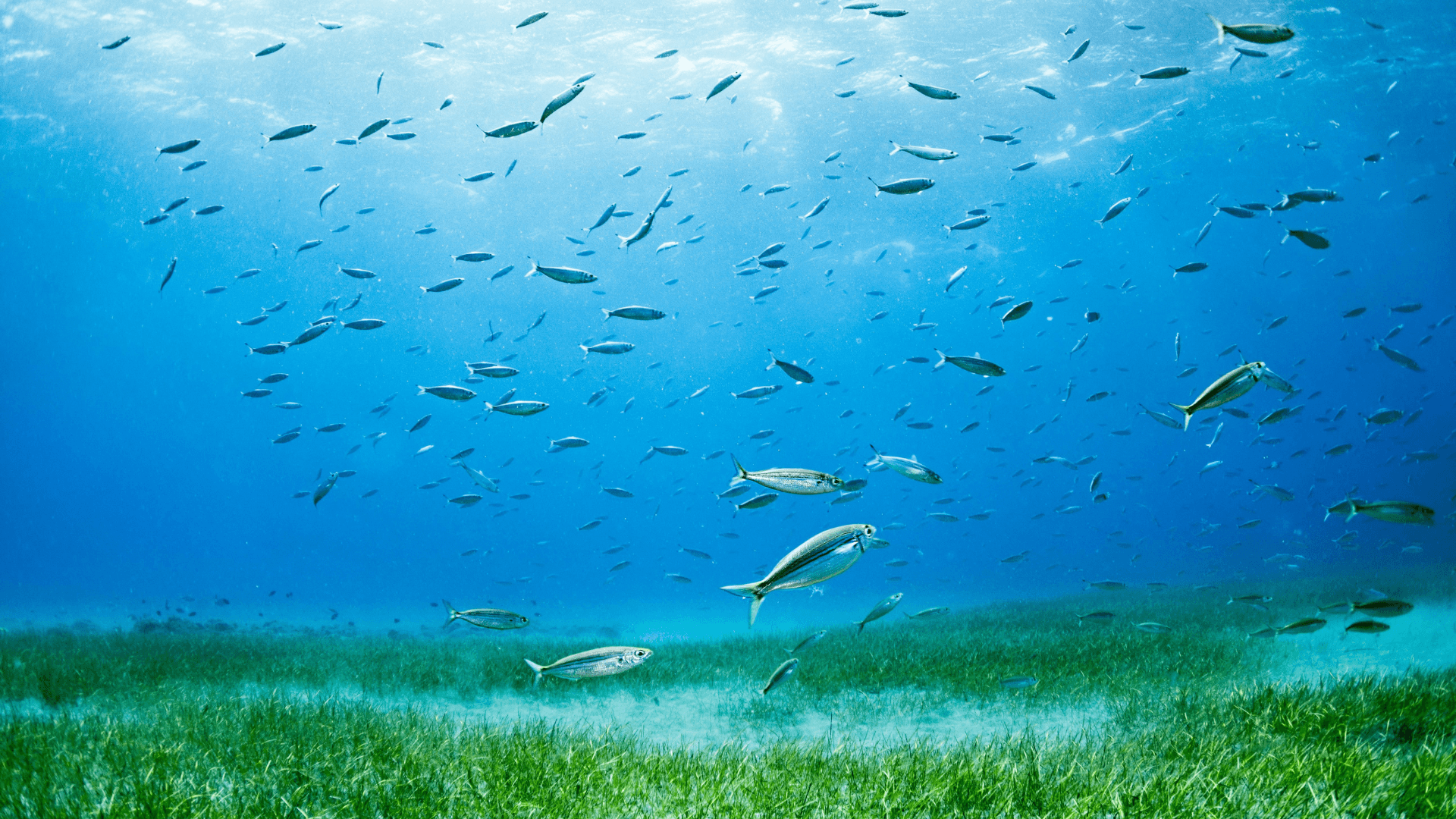
A school of Bogue swim above a seagrass meadow
Careers and training

Marie Skłodowska-Curie Postdoctoral Fellowship 2026

Are you an early-career researcher interested in seagrass conservation, people–nature relationships, and the future of coastal sustainability? Project Seagrass is keen to hear from potential applicants to the 2026 Marie Skłodowska-Curie Postdoctoral Fellowships programme. We welcome ideas spanning climate resilience, restoration ecology, water quality, biodiversity, blue carbon, genetics and connectivity,

Read More »
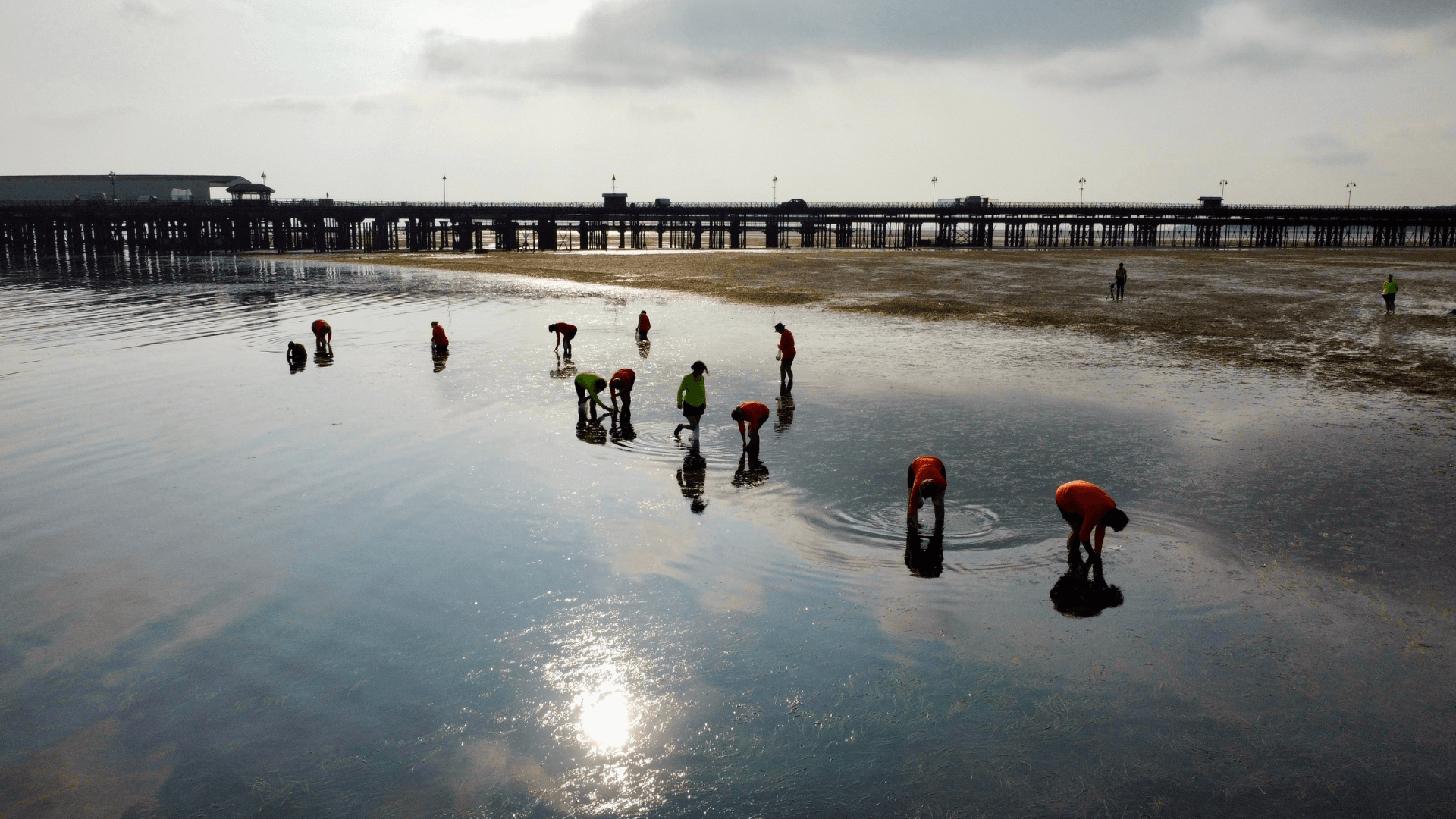
A drone shot shows volunteers wading in the seagrass meadow in Ryde. Volunteers are wearing bright orange tops. Ryde pier is in the background.
Solent

Celebrating another successful seed collection in the Solent

This summer, members of the Project Seagrass team were on the Isle of Wight as part of our annual seagrass seed collection efforts: Seed Collections This year, our seagrass seed collections on the Isle of Wight took place in Yarmouth and Ryde. Seeds were collected through a combination of SCUBA

Read More »