NEWS

NEWS

Keeping you up to date with Project Seagrass news and views with a mixture of field notes and commentary on seagrass and marine conservation topics.

Blue Planet, Green Seas. What’s the take home message?

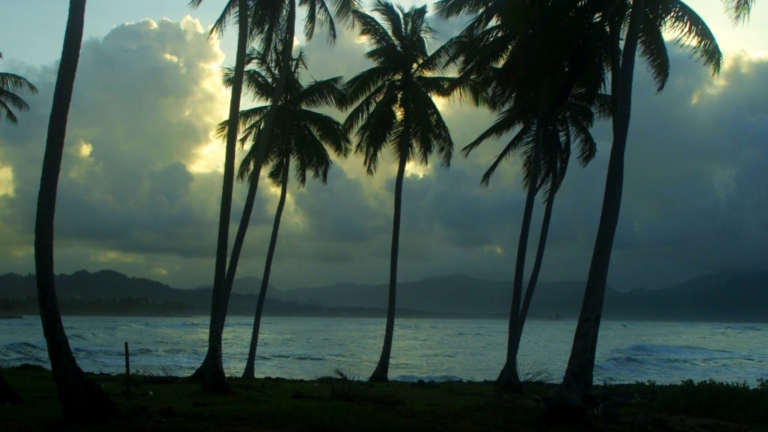
This weekend we are in for a treat as the BBC Blue Planet team broadcast episode 5 “Green Seas” for the first time (Sunday 26th November, BBC One, 8pm – don’t miss it!). The episode will reveal amazing footage of charismatic animals such as the Weedy Sea Dragon, the Green Sea Turtle
Read More »

Seagrass meadows key fishing ground globally

Fishing in seagrass occurs around the globe; if there is seagrass (and people) there is fishing. Still, the nature and extent of fisheries in seagrass is poorly understood. It is a prerequisite for natural resource management to understand resource exploitation, therefore we decided to investigate this further. Seagrasses are plants that

Read More »

Festivals of Seagrass: Cause for Ocean Optimism!

Over the next few days the Save Posidonia Project, Formentera celebrates the Save Posidonia Festival. The idea behind the project is to host a festival where culture, sport and environmental activities will be carried out that celebrate the fantastic contribution that the seagrass Posidonia oceanica makes to Mediterranean well-being. The festival is aimed both

Read More »

Year FOUR of Project Seagrass!

So that’s 4 years, 1460 days, 35,040 hours, 2,120,400 minutes or 12,614,400 seconds of seagrass! 2016/2017 has been our biggest 12 months to date, with our hosting of the 12th International Seagrass Biology Workshop at Nant Gwrtheyrn the obvious highlight. But that’s not all we’ve been up to this year. Since our ‘3 years

Read More »

What a way to celebrate World Environment Day!

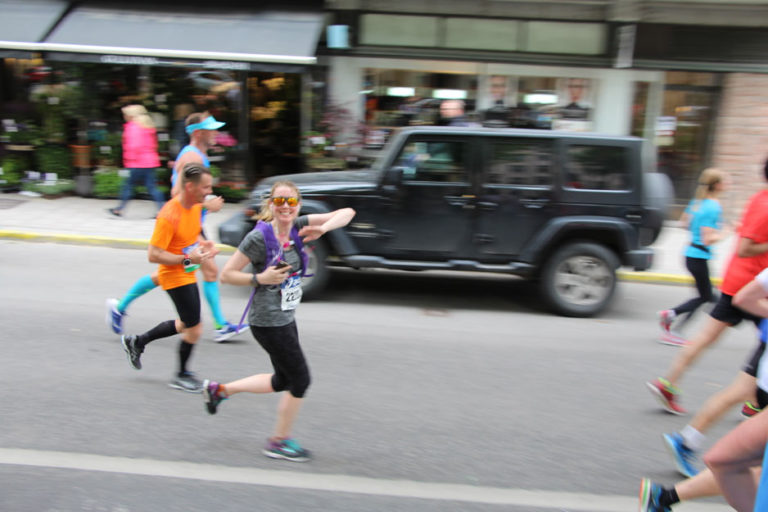
WOW! I only went and ran THREE marathons in SIX weeks!   TODAY, on non-other than World Environment Day (WED), I am SO happy to have completed the challenge I set down for myself, and to have raised over £1,700 for Project Seagrass to continue their great work. What an amazing way

Read More »

Talking about Plastic Pollution during EU Green Week

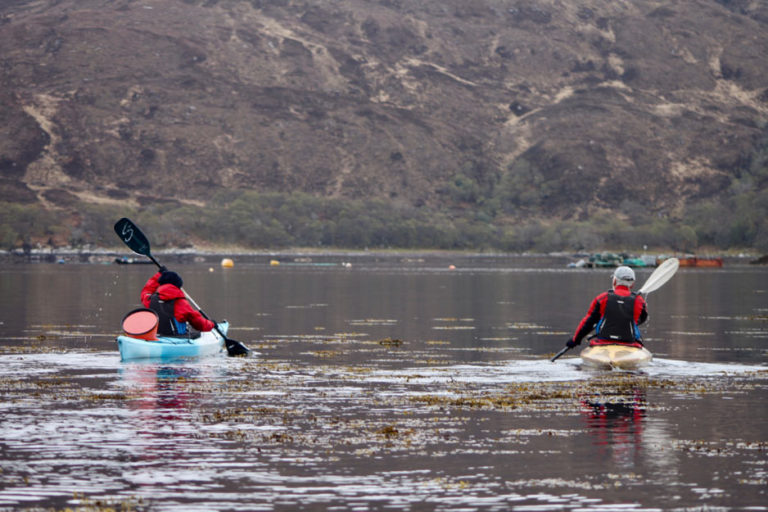
Kayaking on the Isle of Skye’s lochs you feel as though you’re a million miles from civilisation; back to basics with wildlife flitting about you and crystal clear waters to peer into. There’s no rumble in your ear of background traffic noise or aeroplanes going overhead. Just you, your paddling

Read More »

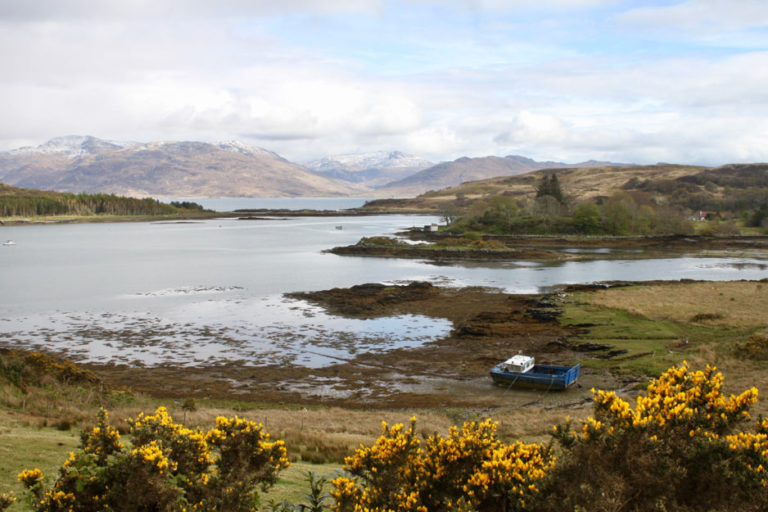
Searching for seagrass on Skye

Scotland threw it all at us, and I think for the most, we enjoyed every part! After 13 hours on the road, we turned off to Heaste, the village we were staying in on the Isle of Skye. We headed off down a single-track lane, full of blind corners and summits,

Read More »

One marathon down… Two to go! Next stop Edinburgh!

  Well, Sunday 23rd April came and went and…   I DID IT!  All those long runs, early mornings and late evenings were worth it. All that snow, rain and sleet…All in the name of Project Seagrass – my #ReasonToRun! There was a good buzz about the London Marathon. I completed

Read More »
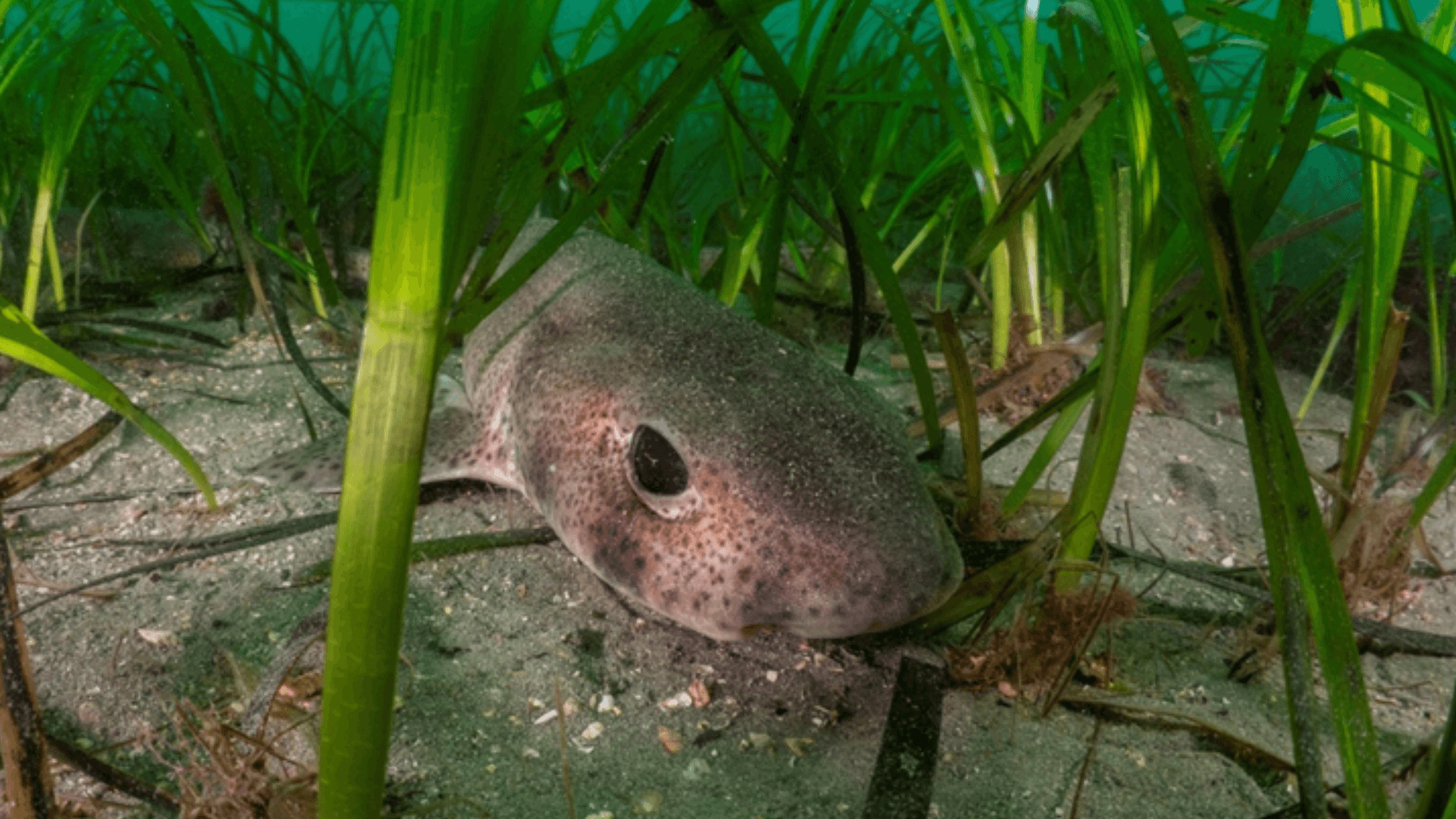
Catshark in seagrass
biodiversity

Spotted catshark – Creatures that call seagrass home

In a new blog series, our Conservation Trainee Abi David explores some of the amazing creatures that call seagrass meadows their home. The small spotted catshark (Scyliorhinus canicula) is a small shark species growing up to 1 meter long and can be seen around European and North African coastlines. They

Read More »
climate change

Seagrass to the rescue and rescue to the seagrass

In an article for Halloween, Grace Cutler, one of Project Seagrass’ Interns for the 2025-26 academic year, explores the frightening reality of continued seagrass loss as a result of anthropogenic activity and how this in turn threatens seagrass’ role in supporting people and planet. Werewolves are struck down by silver

Read More »
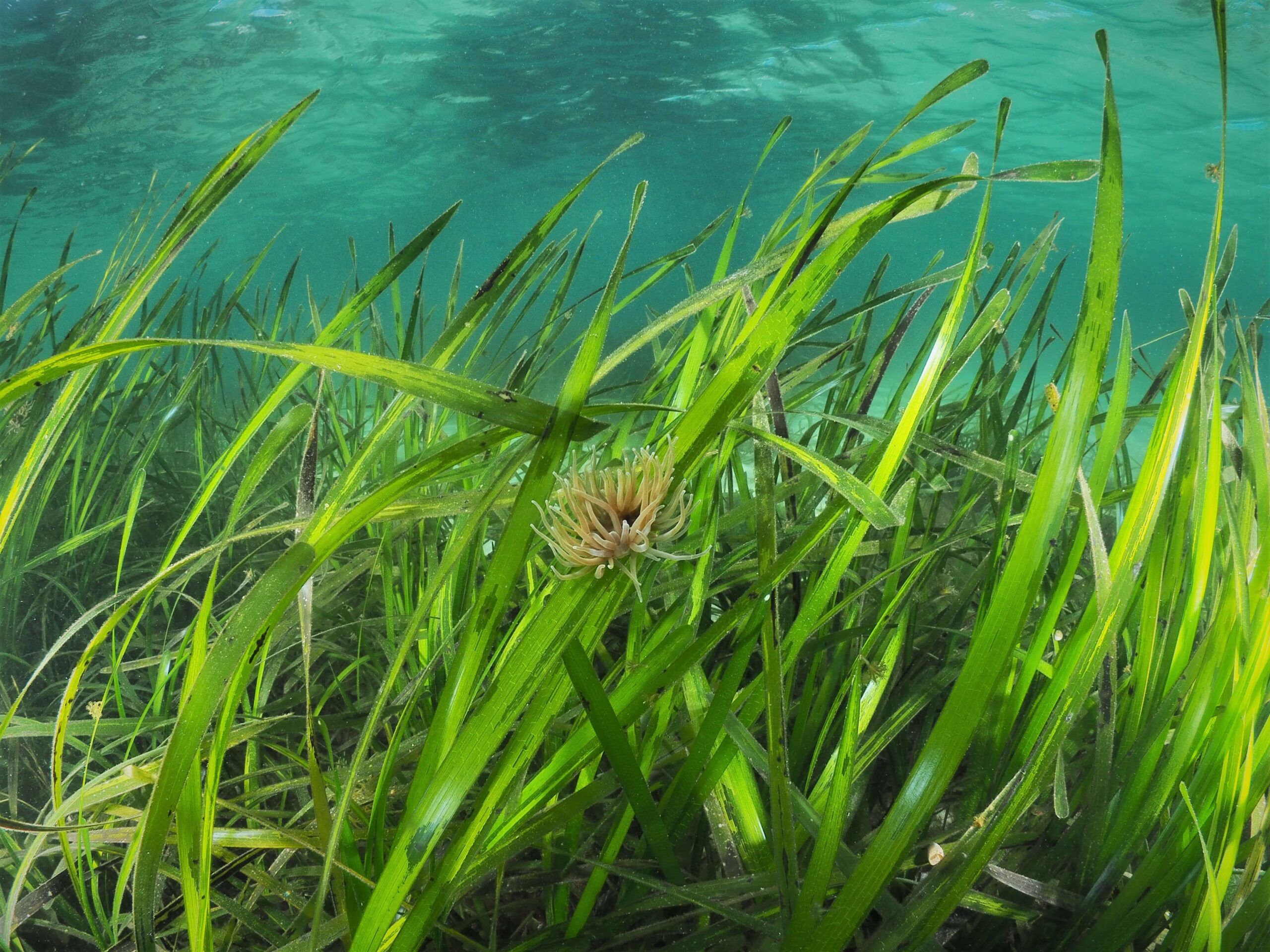
Zostera marina seagrass meadows with a snakelocks anemone
biodiversity

Snakelocks anemone: Creatures that call seagrass home

In a new blog series, our Conservation Trainee Abi David explores some of the amazing creatures that call seagrass meadows their home. The snakelocks anemone is a funny looking creature commonly found around the UK. They have up to 200 long, wavy tentacles and can grow on average to about

Read More »
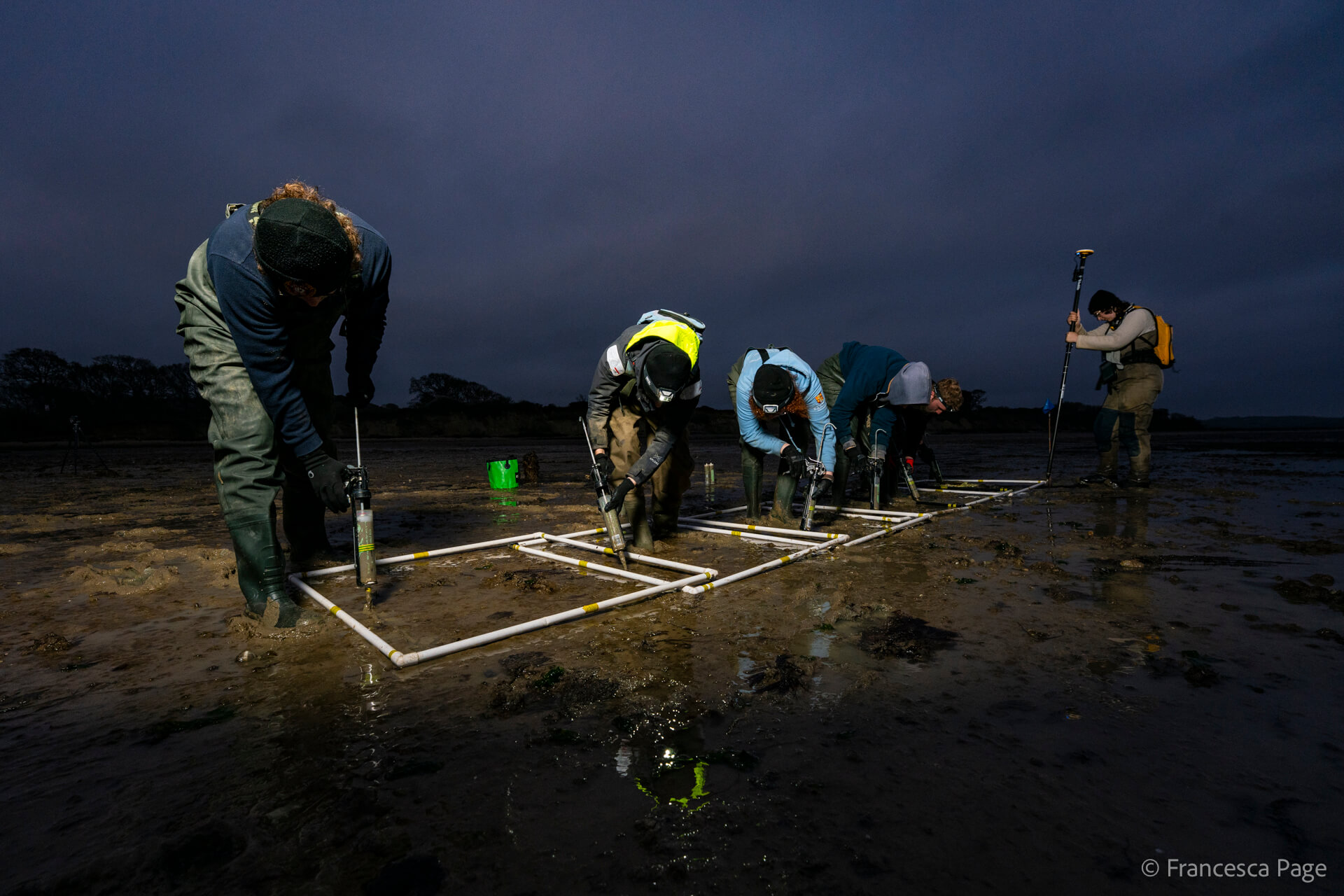
Members of Project Seagrass staff are planting seagrass seeds using DIS guns. They are planting into quadrats. It is early morning and the sun hasn't yet risen.
marine licensing

Rethinking Marine Restoration: Why Permits Could Be Holding Us Back

The Ocean is in crisis. Coral reefs are bleaching, seagrass meadows are vanishing, mangroves are being cleared, and biodiversity is plummeting. Scientists estimate we’ve already lost up to 50% of global saltmarshes, 35% of mangroves, and 20% of seagrasses. Yet alongside this sobering decline, momentum for marine restoration has never

Read More »
Seagrass meadow in Orkney.

Our response to the Scottish Government Blue Carbon Action Plan

Earlier this year, the Scottish Government circulated a draft version of Scotland’s first Blue Carbon Action Plan with key stakeholders to gather comments and feedback. Project Seagrass was one of the organisations contacted as part of this process. The Blue Carbon Action Plan sets out the Scottish Government’s position and

Read More »
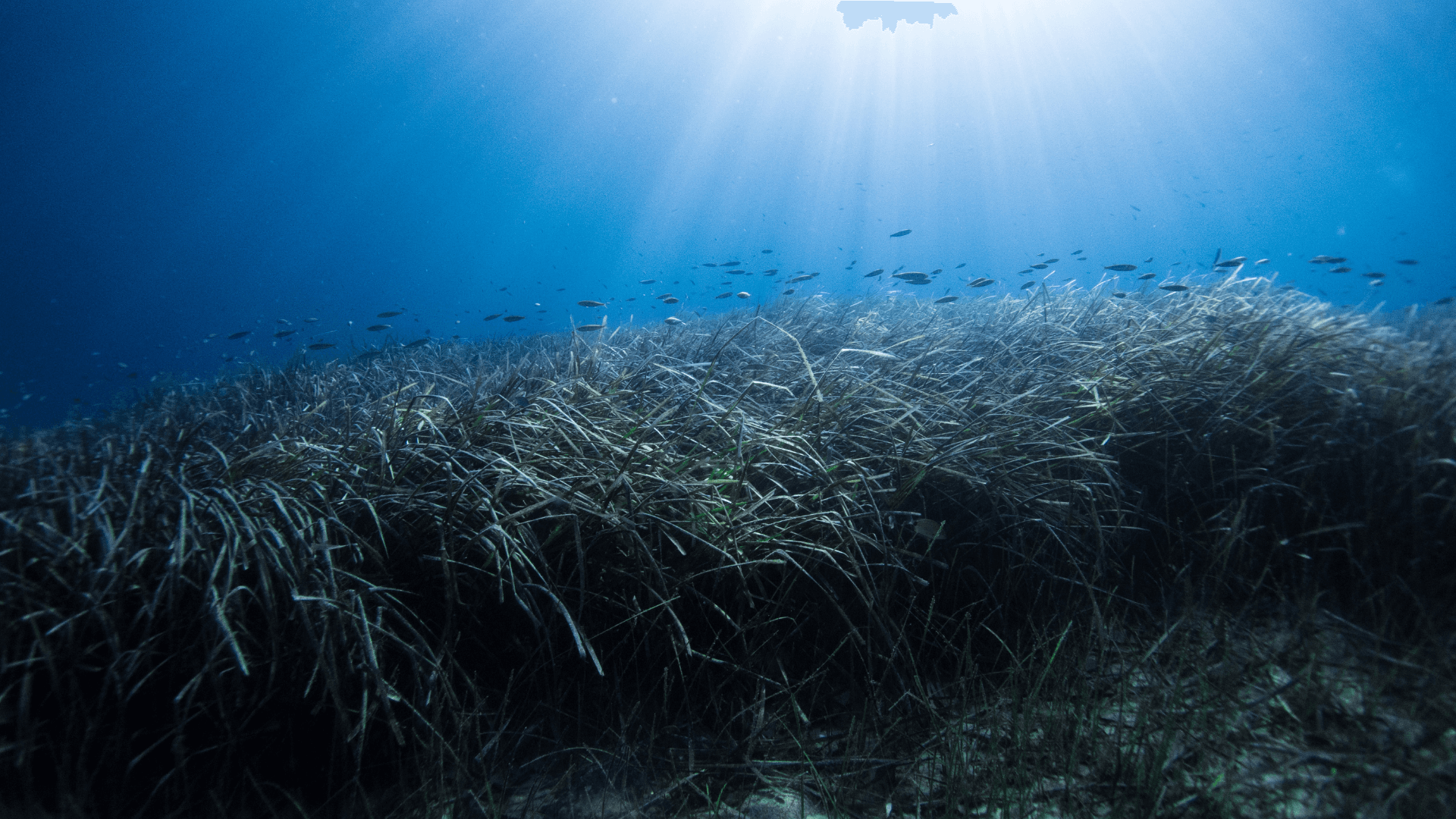
A seagrass meadow with fish swimming through it
microbiome

The role of the microbiome in the successful transplantation of seagrass meadows

Posidonia seagrass meadows, veritable underwater forests, play a major ecological role. Under constant pressure from human activity, scientists are looking for ways to ensure their survival, in particular by carrying out restoration campaigns. A study conducted by the University of Liège at the marine and oceanographical research station STARESO (Calvi,

Read More »