
Dr Benjamin Jones, Chief Conservation Officer at Project Seagrass has started his two-year term as President of the World Seagrass Association (WSA). He steps up to the role having been elected at the WSA Annual General Meeting (AGM) in December 2022. Prior to this he’s served on the WSA Steering
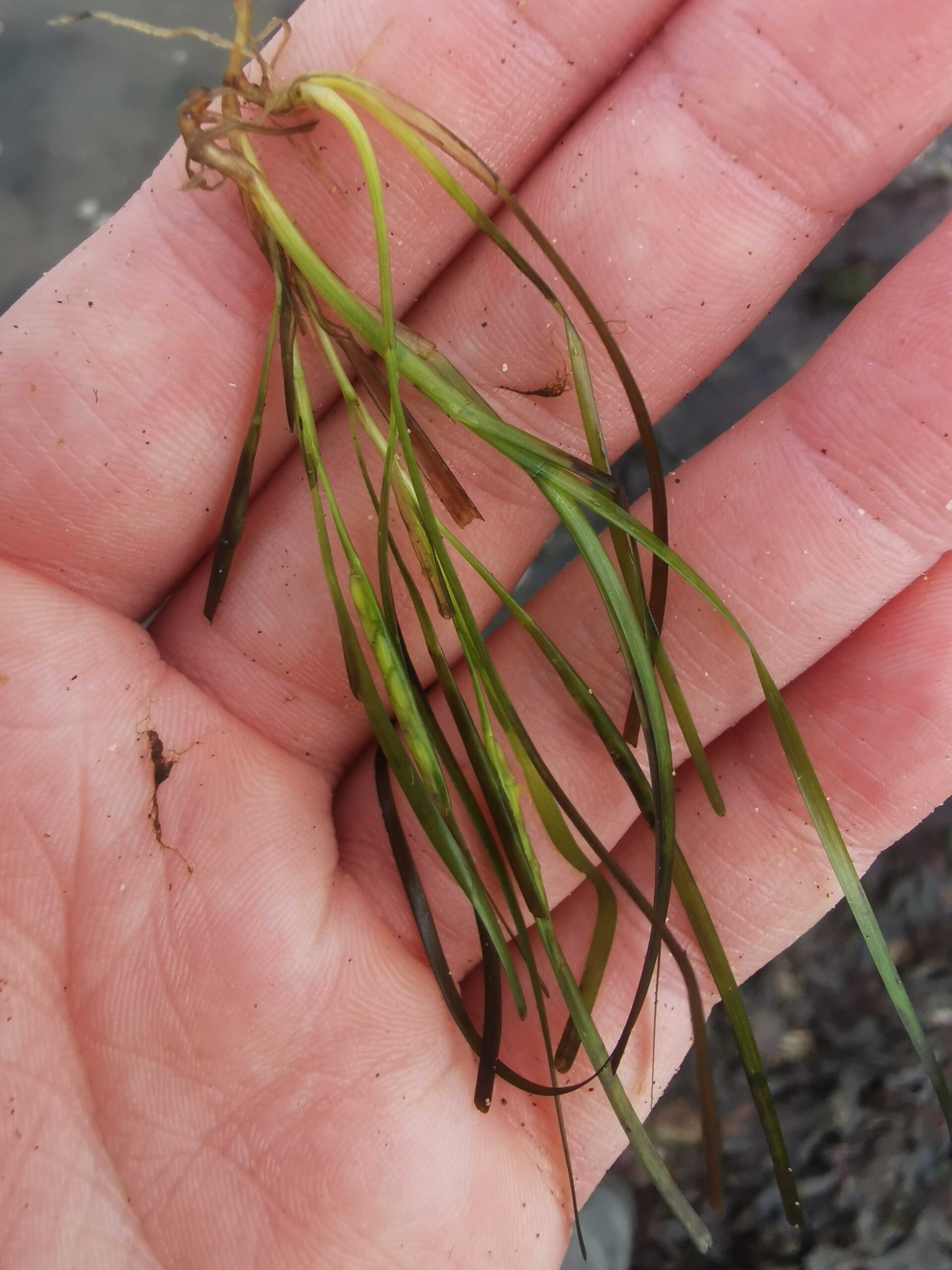
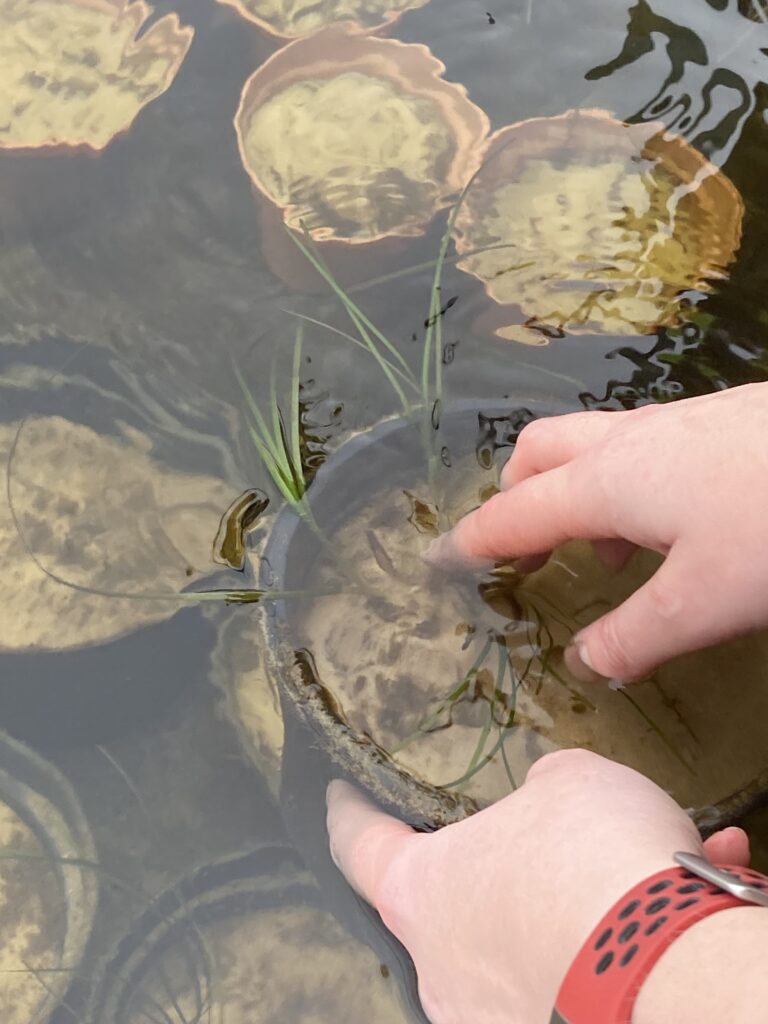
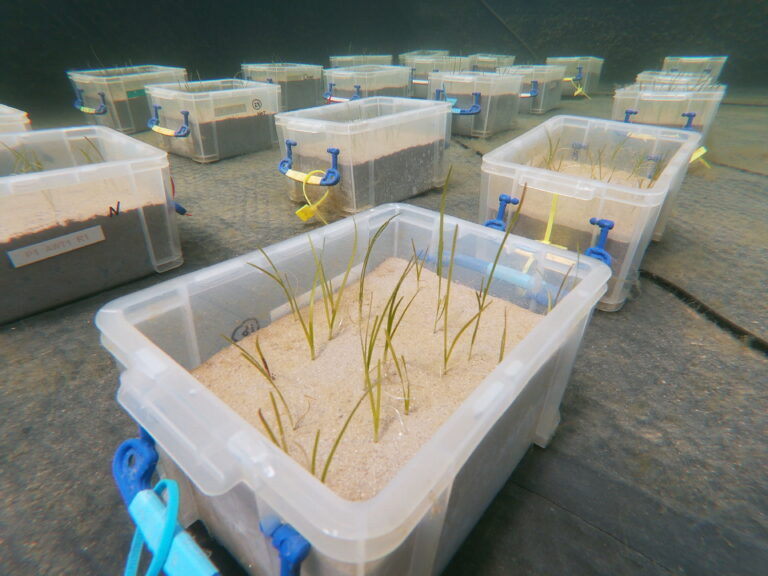
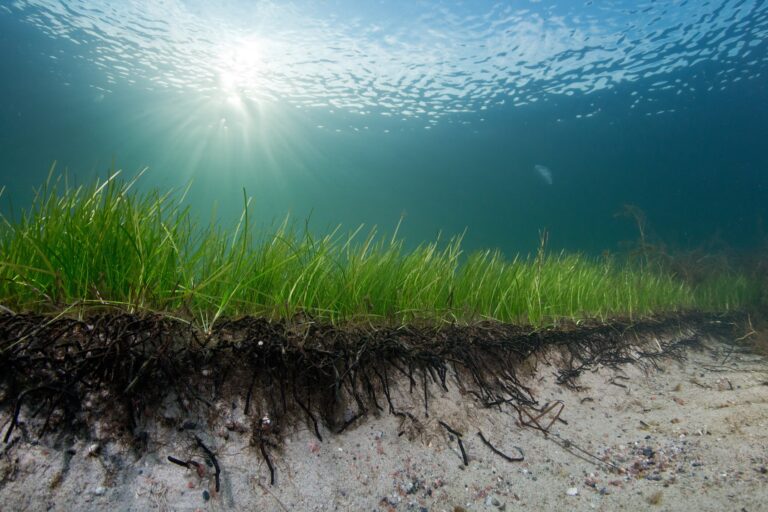
The sea devours large tracts of land when storms wash sand out to sea from the coast. A new study involving a researcher from the University of Gothenburg has shown that seagrass can reduce cliff erosion by up to 70% thanks to its root mats binding the sand. Coastal erosion
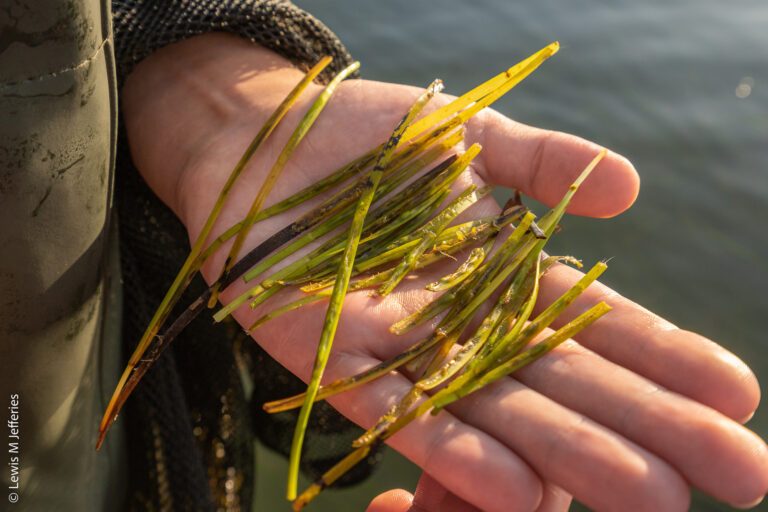
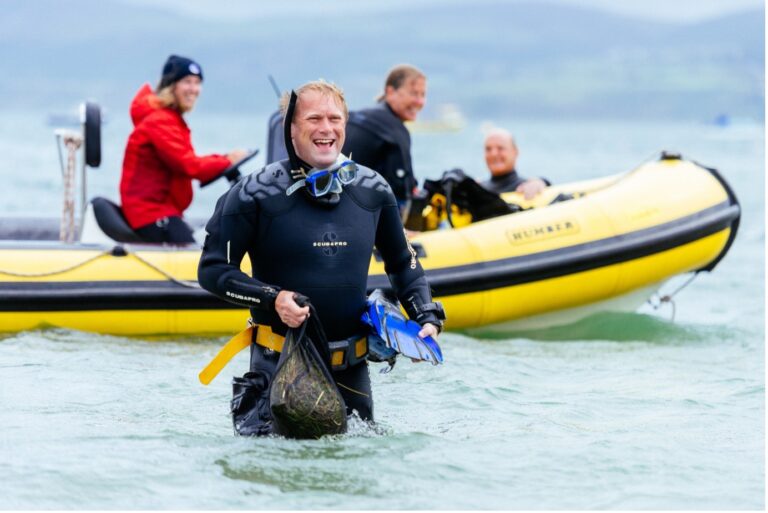
Dr Richard Unsworth, Project Seagrass and Swansea University The seas around Wales have so much potential. They offer rich biodiversity hidden within productive lush habitats such as kelp forests, salt marshes and seagrass meadows. Life in these waters can be so ingenious that it bioengineers its own environment. Out of
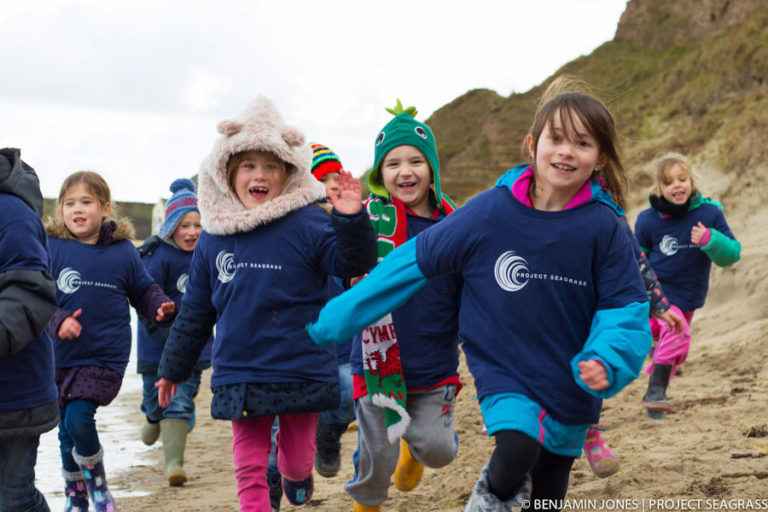
This Thursday 6th October, Project Seagrass will be taking part in the Running Out of Time climate relay. The relay runs from COP26 to COP27 – from Glasgow, Scotland all the way to Sharm el-Sheikh, Egypt. It takes place over 38 days across 18 countries to carry a relay baton
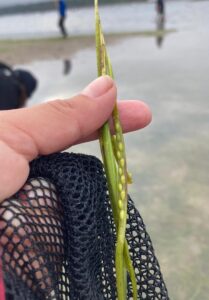
My name is Emma and I am a marine biology undergraduate student at Swansea University. This summer I started a year long internship placement with Project Seagrass as part of my degree scheme and boy did I jump in at the deep end! My first experience was to be joining
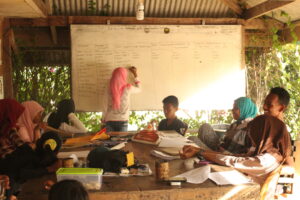
Earlier this week saw the release of the Edinburgh Declaration on post-2020 global biodiversity framework, a bold call to action urging Parties to the Convention on Biological Diversity to work more closely with communities in order to meet 20 biodiversity goals set out in the Aichi accord, signed 10 years
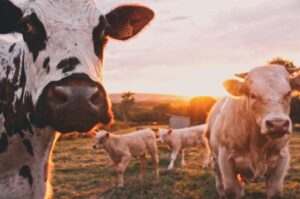
Nearly 30,000 tonnes of sewage containing human waste is to enter the UK despite potential problems for human health. Yet, what stinks for me is that sewage and livestock waste are driving seagrass loss across the UK – we already have a problem, and we don’t need to exacerbate this.
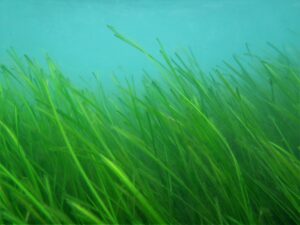
Like many of you, WWF staff have been working from spare rooms, kitchen tables and the occasional garden patio for the past few months. When a call came to join our partners at Project Seagrass and Swansea University on a seagrass seed collection trip to North Wales, it was a

Elise and myself look after all the native marine species at The Deep, an aquarium in Hull. I’m very new to all things native having previously worked with penguins and tropical fish but Elise is a pro, thankfully accepting me as her apprentice. We first heard about the work of
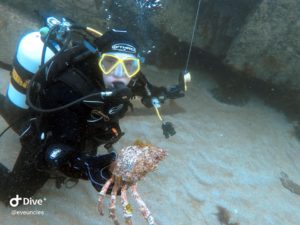
Mike, Sam, Sam and Owen all started out as students with a love for the ocean on their doorsteps, over the summer they became ‘underwater gardeners’ and joined the Seagrass Ocean Rescue team from the collection of almost a million seeds through to planting 1.5 hectares of seagrass in Dale,