Keeping you up to date with Project Seagrass news and views with a mixture of field notes and commentary on seagrass and marine conservation topics.

By Elise Simone de Tourtoulon-Adams


The World Seagrass Association Inc. invites expressions of interest from members and interested organisations/institutions who would like to host the 15th International Seagrass Biology Workshop (ISBW) in 2024.The International Seagrass Biology Workshop series is a meeting of research scientists, students and coastal environment managers focusing on global seagrass issues, improving

By Elise Simone de Tourtoulon-Adams We held our first Global Seagrass Nursery Network meeting at the end of Seagrass Awareness Month. If you would like to watch the seminar, click here.

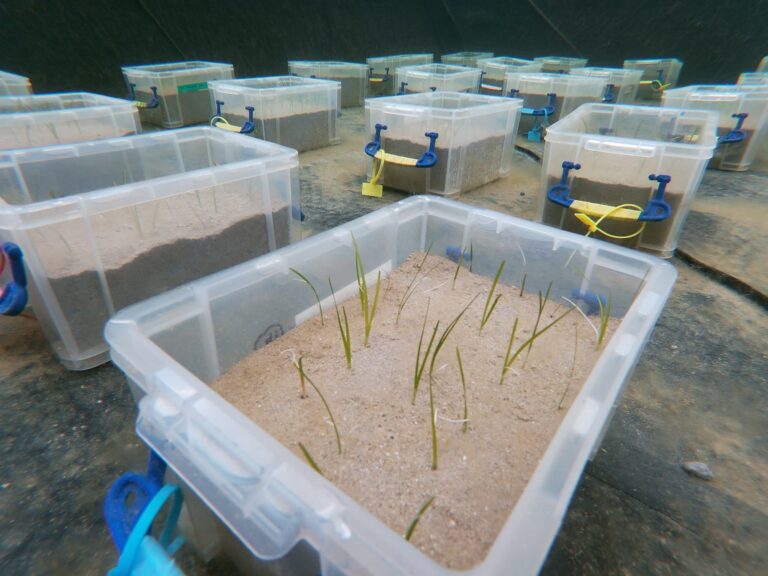
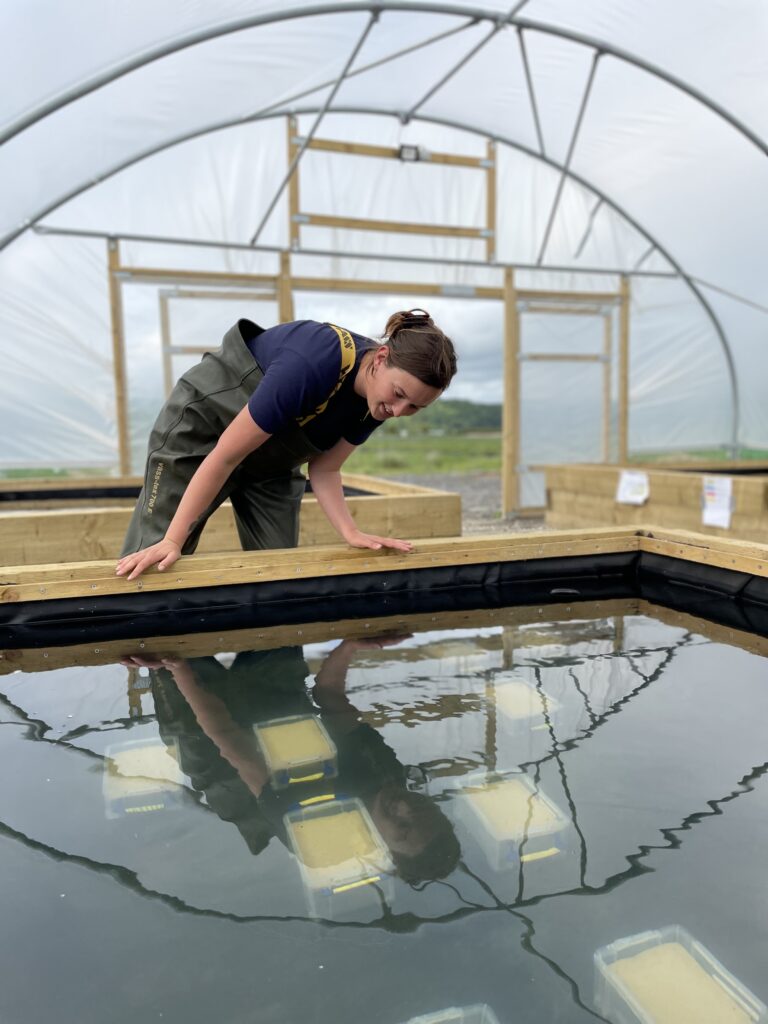
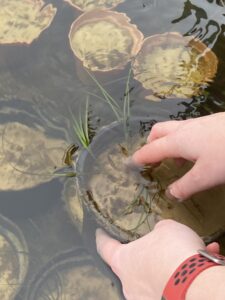
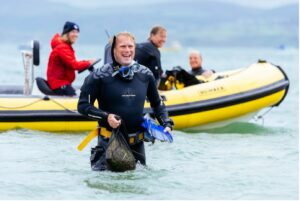
Intern Takeover – Planting trials in North Wales (February 2022) On Friday the 28th of January, a team of us started preparing for a week of fieldwork up in North Wales. A group of humans and one fluffy, four-legged companion (definitely the favourite member of Project Seagrass) helped fill 800


My name is Danny Rice, I am a 23 year-old Conservation Assistant at Project Seagrass. I began working for the charity in June 2021 due to the Government-funded Kickstart Scheme. Despite studying a Bachelor’s degree in Physical Geography and a subsequent Master’s degree in Climate Change, the COVID-19 Pandemic found

Guest blog by Lucy Wust Microplastics is a term that is worryingly on the rise in the media. They are found almost everywhere, and their polluting and damaging effects are felt heavily on marine environments. Can seagrass present a solution in our fight to tackle this widespread plastic contamination? What


“The downward trajectory of the world’s seagrass meadows must be reversed if we are to fight the planetary crisis” say leading seagrass scientists. The United Nations Sustainable Development Goals have recently been described as “the most important to-do list in the history of humankind”. Scientists from Project Seagrass and Swansea

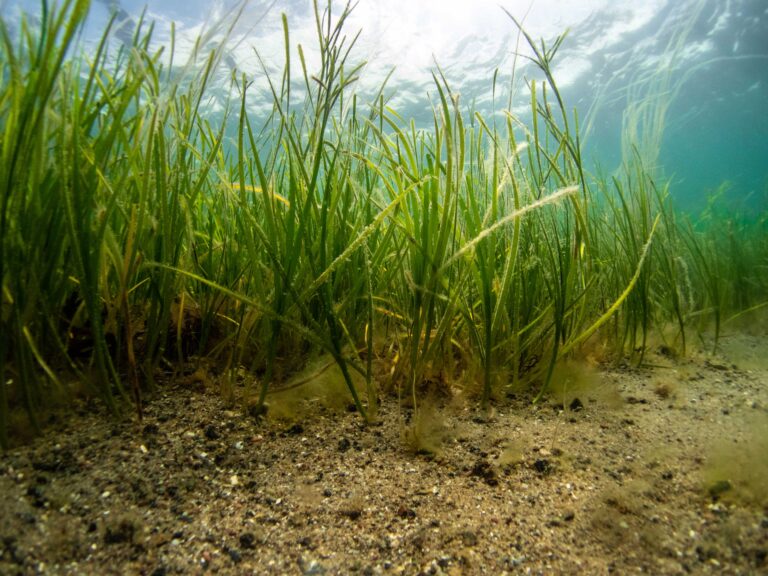
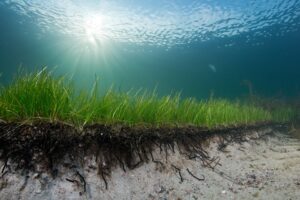
Deep evolution casts a longer shadow than previously thought, scientists report in a new paper published the week of Aug. 1 in the Proceedings of the National Academy of Sciences. Smithsonian scientists and colleagues looked at eelgrass communities—the foundation of many coastal marine food webs along the north Atlantic and

[vc_row type=”in_container” full_screen_row_position=”middle” scene_position=”center” text_color=”dark” text_align=”left” overlay_strength=”0.3″ shape_divider_position=”bottom” bg_image_animation=”none”][vc_column column_padding=”no-extra-padding” column_padding_position=”all” background_color_opacity=”1″ background_hover_color_opacity=”1″ column_link_target=”_self” column_shadow=”none” column_border_radius=”none” width=”1/1″ tablet_width_inherit=”default” tablet_text_alignment=”default” phone_text_alignment=”default” column_border_width=”none” column_border_style=”solid” bg_image_animation=”none”][vc_column_text] The Seagrass Ecosystem Services Project is funded by the International Climate Initiative (IKI) and runs in partnership with the climate action Paris agreement 2015. The Federal Ministry

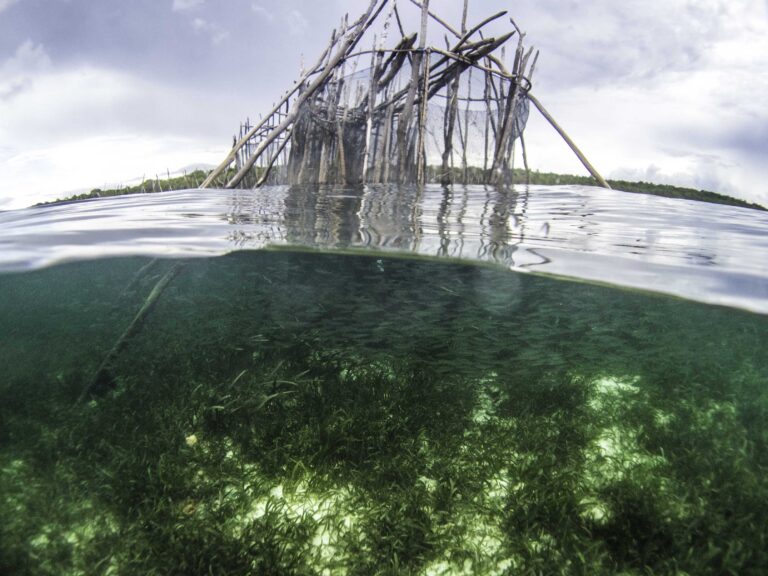
A new study shows that seagrass fisheries provide a reliable safety-net for poor fishermen, since they perceive those habitats to maintain large fish catches over time. Surprisingly, even more so than coral reef fisheries, which people normally associate with small-scale fishery. Seagrass meadows are routinely used as a fishing habitat